

Golden Sample Approval Checklist for Vacuum Cleaner Buyers
Golden Sample Approval Checklist for Vacuum Cleaner Buyers
When sourcing vacuum cleaners, approving a golden sample is one of the most crucial steps to ensure product quality and supplier reliability. Neglecting this process can lead to costly manufacturing mistakes and disconnected expectations. A clear checklist for approval helps buyers avoid risks, achieve quality consistency, and validate the product's actual functionality.
Golden sample approval is the cornerstone of supplier evaluation in vacuum cleaner manufacturing. By relying on real-world testing, performance validation, and quality metrics, buyers can lock down decision-making with confidence.
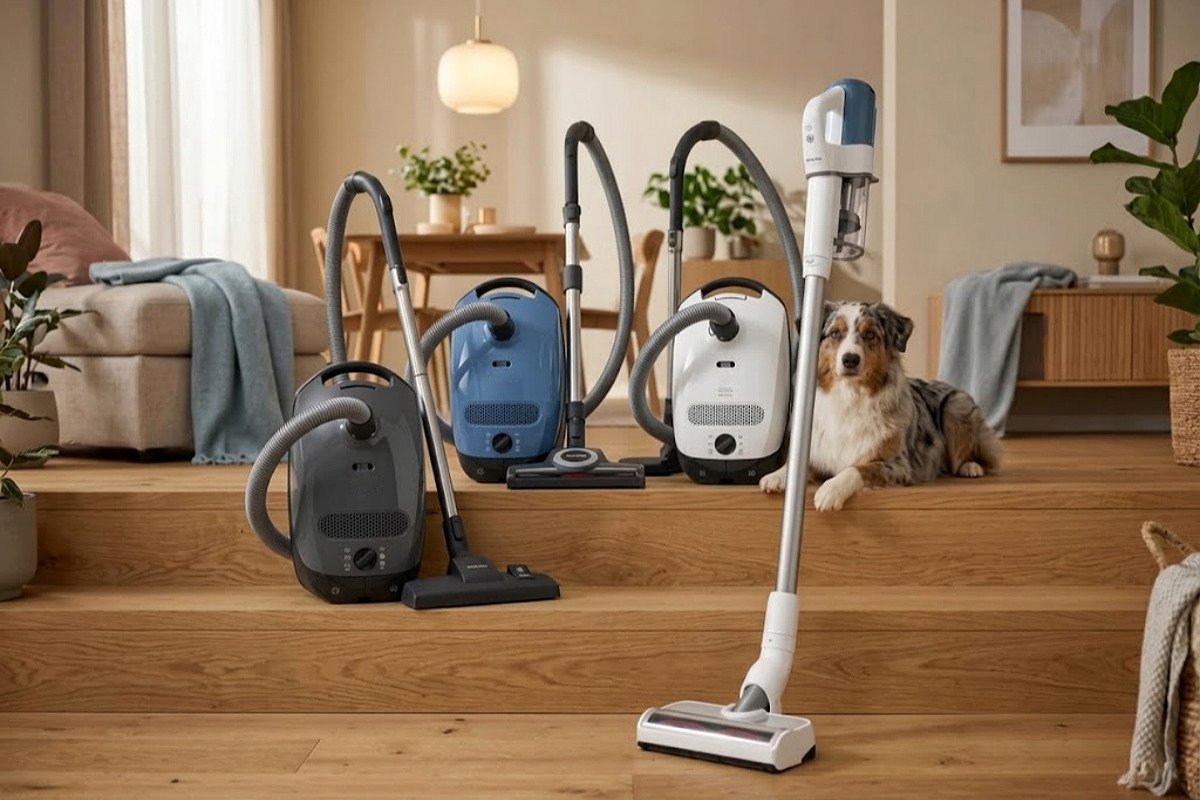
Not sure where to start? Let’s dive deep into what a golden sample is, why it matters, and the essential checklist buyers like you should use.
What Is a Golden Sample in Manufacturing, and Why Is It Important for Vacuum Cleaner Buyers?
Selecting a supplier without verifying a golden sample is like signing a contract blindly. A golden sample serves as the official benchmark for production quality—it bridges buyer expectations and supplier capabilities.
The golden sample is the approved prototype of your product, reflecting all agreed-upon specifications, design, and performance criteria. Vacuum cleaner buyers use it for validating quality, testing performance in real-world conditions, and ensuring mass production will meet expectations[^1].
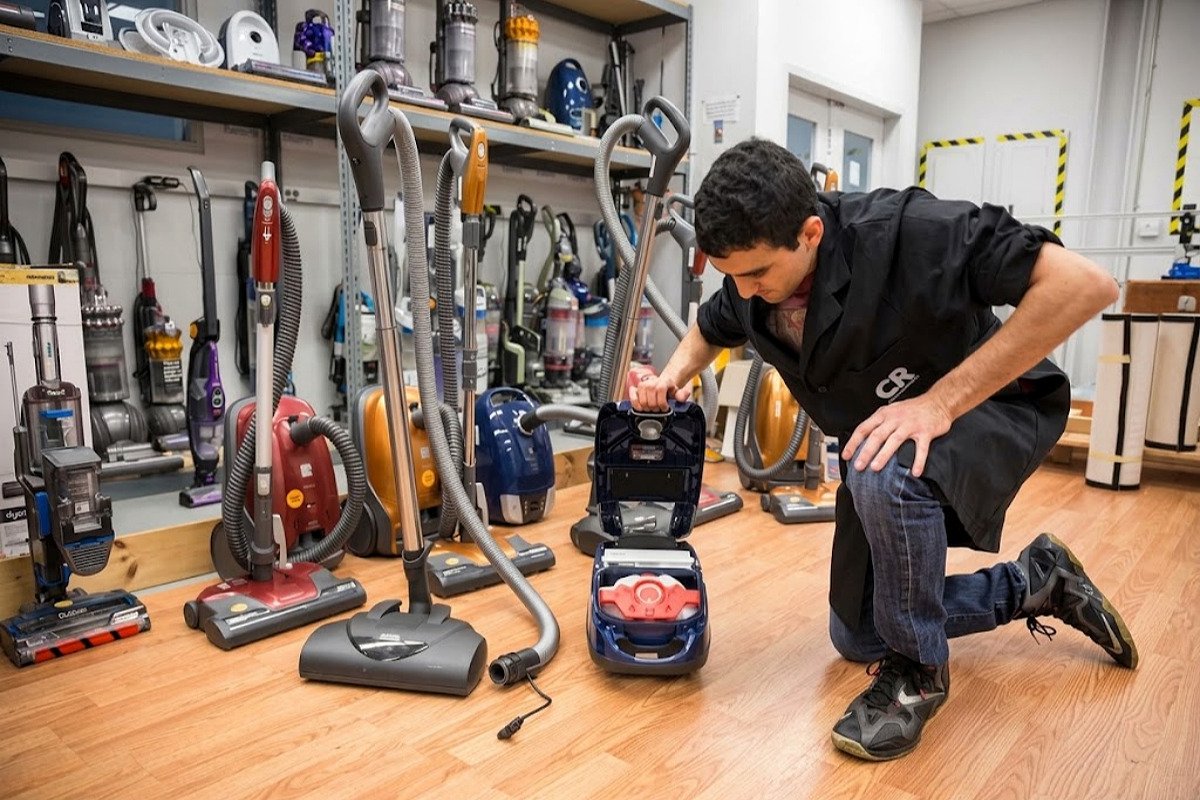
Why Do Vacuum Cleaner Buyers Need Golden Samples?
Here’s why golden samples are indispensable:
- Avoid supplier uncertainty: Without this step, you could end up sourcing products that don’t match your brand or functional needs.
- Validate performance claims: A vacuum cleaner may look perfect on paper, but golden samples ensure it passes real-world performance tests.
- Set production standards: They act as a reference point, reducing risks during mass manufacturing.
Take it from me—I’ve seen both sides of this process countless times as a vacuum cleaner OEM. When clients skip golden sample approval, they’re often dissatisfied later when production units lack consistent quality or functionality.
What Should Buyers Check Before Approving a Vacuum Cleaner Golden Sample?
Approving a golden sample isn’t just about saying, “This looks good.” It requires a detailed, structured checklist to verify the product’s quality, reliability, and market fit.
Buyers should evaluate a golden sample by carefully inspecting performance, design, durability, and compliance with agreed specifications. Neglecting these key elements can lead to quality and production misalignment.
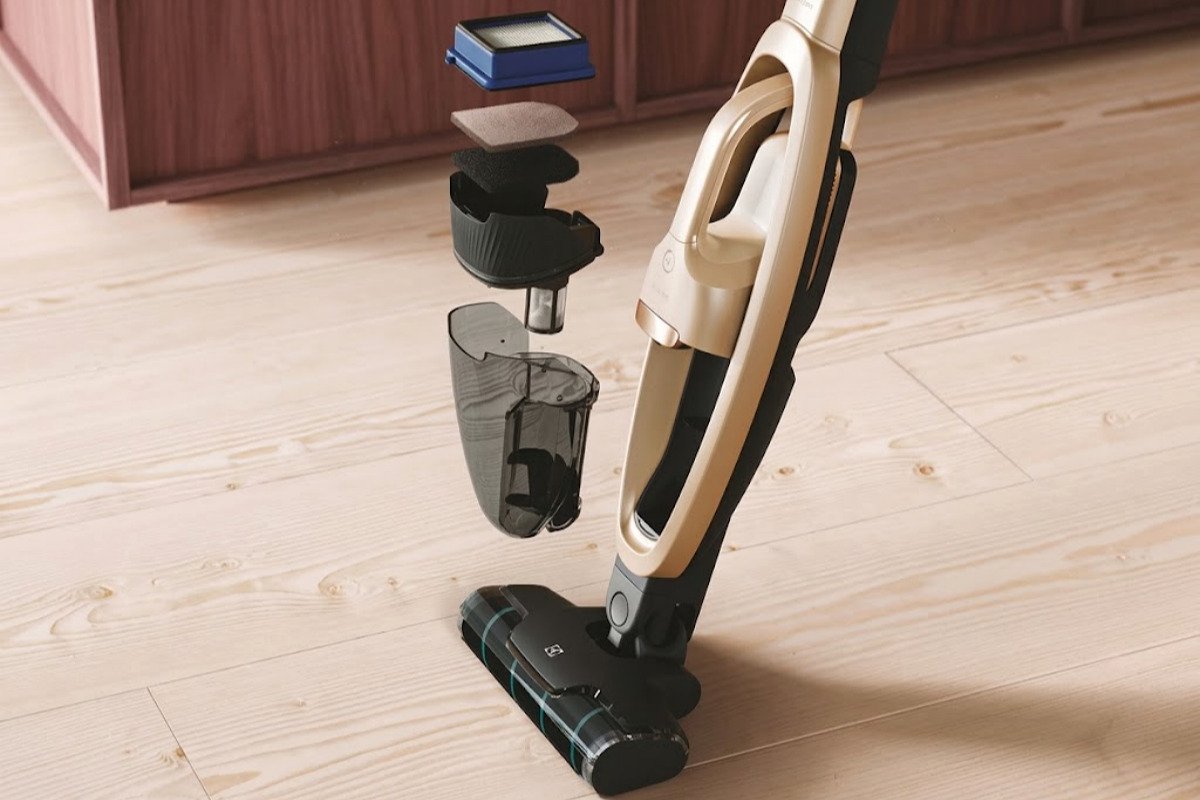
Key Items to Check in a Golden Sample
Here’s a comprehensive checklist vacuum cleaner buyers should follow:
-
Performance Testing:
- Suction power on various surfaces (carpet, hardwood, tile).
- Noise levels under standard operation.
- Dust capacity and filtration efficiency (especially HEPA filters).
-
Durability & Reliability Assessments:
- Test the motor’s lifespan under long-term use scenarios[^2].
- Inspect critical components like moving brushes or hose flex.
- Ensure connectors and charging ports withstand repeat usage.
-
Visual and Structural Design:
- Check the alignment of aesthetics with brand identity.
- Verify materials for high wear areas (e.g., plastic casing over stainless steel).
-
Safety & Certifications:
- Confirm compliance with electrical and safety standards (like CE or UL)[^3].
- Check overheating protection mechanisms.
-
Documentation & Reports:
- Ensure supplier-provided detailed test reports and technical data.
- Cross-check all data with your own testing results.
Why This Checklist Matters
Even if the vacuum cleaner looks great and performs well during your initial inspection, it’s crucial to systematically verify each aspect using industry-specific tests and metrics. For example, evaluating suction power on different surfaces ensures the real-world performance aligns with your customers’ expectations.
How to Ensure Mass Production Matches the Approved Golden Sample
Approving a sample is just step one—true success depends on whether mass-produced units align with the golden sample’s standards. Without proactive measures in place, there’s a risk of production shortcuts and lower quality outputs.
To align golden sample quality with full-scale manufacturing, buyers must enforce robust quality control measures, verify supplier compliance, and request pre-shipment inspections regularly.
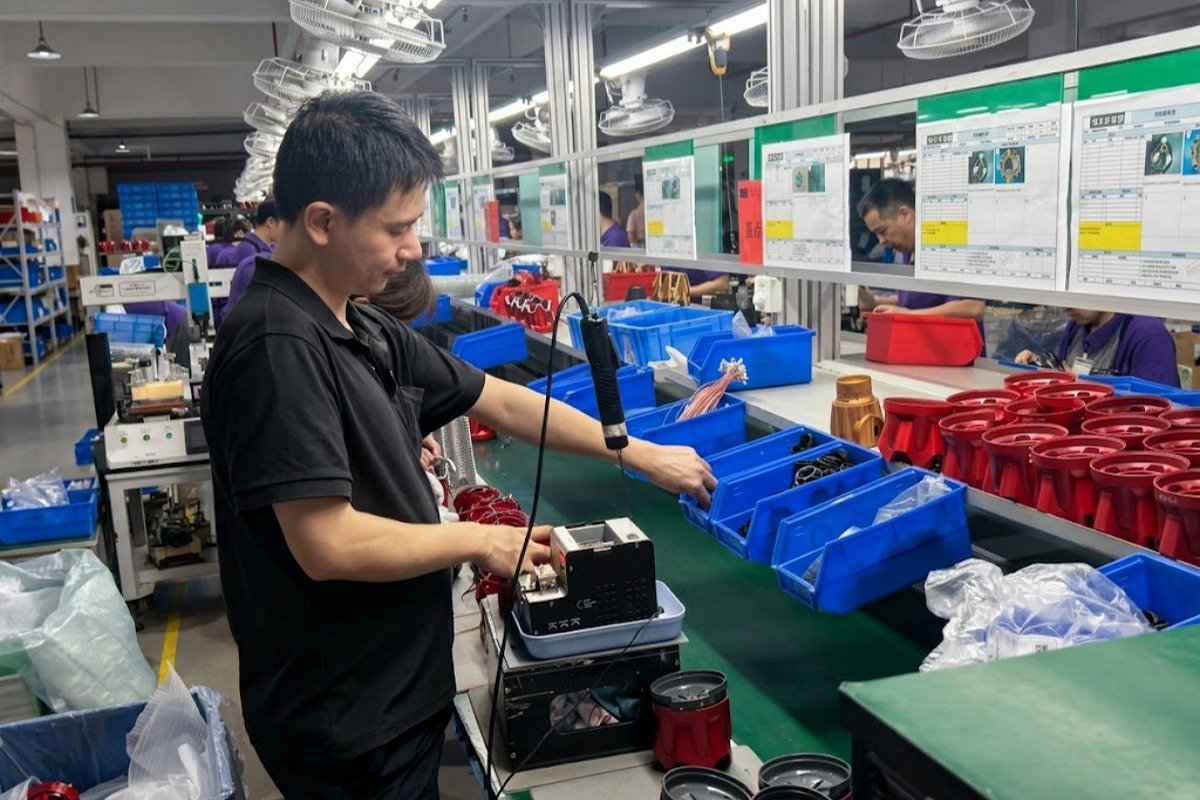
Bridging the Quality Gap
Here’s how to ensure your supplier delivers:
-
Audit Your Supplier’s Production Process:
Regularly inspect factory processes to ensure adherence to quality standards established during golden sample approval. -
Define Quality Parameters via the Golden Sample:
- Use comparative tests for suction power, durability, and reliability[^4].
- Include tolerance bands for minor variances (e.g., ±5% suction differences).
-
Third-Party Pre-Shipment Inspections:
Hire independent inspection agencies to review batches before shipping[^5]. These checks reduce discrepancies and ensure consistency. -
Encourage Open Communication:
Build a relationship where suppliers actively address deviations and manufacturing risks upfront[^6].
My Experience with Mass Production Risks
In one case, a customer approved a beautifully performing golden sample only to find mass production units failed to meet filtration efficiency requirements. After thorough post-production inspections, the supplier’s manufacturing methods were adjusted, and batch inconsistencies were minimized—but it was a costly lesson in why upfront measures matter.
Frequently Asked Questions
What happens if production quality deviates from the golden sample?
Deviations should trigger corrective action plans[^7]. Buyers can request inspection reports, production adjustments, or compensation depending on the contract terms.
How can I test vacuum cleaners in real-world conditions?
Use controlled environments that mimic everyday use[^8], including running tests on various surfaces, checking battery runtime under load, and evaluating ease of maintenance.
Can I approve more than one golden sample?
Yes, it's often practical to approve multiple samples—for instance, different models or configurations—to cover diverse market needs and avoid over-standardization.
Conclusion
A meticulous golden sample approval checklist empowers vacuum cleaner buyers to avoid invalid suppliers, reduce quality risks, and improve product fit for their markets. Golden samples prove suppliers’ capability, align expectations, and set the foundation for successful mass production.
If you’re a vacuum cleaner brand or retailer looking for OEM support, let us help streamline your approval and production process. We’ve been through this journey many times and can guide you step-by-step. Reach out today to start your approval checklist!
[^1]: "Household vacuum cleaners vs. the high-volume surface ...", https://pmc.ncbi.nlm.nih.gov/articles/PMC2265689/. Educational resources on manufacturing processes describe golden samples as benchmarks for validating product quality and performance, ensuring consistency in mass production. Evidence role: mechanism; source type: education. Supports: Golden samples as tools for quality validation and performance testing in manufacturing.. Scope note: The resource may not specifically address vacuum cleaner manufacturing. [^2]: "Energy Conservation Program: Test Procedure for Electric ...", https://www.federalregister.gov/documents/2021/12/17/2021-25667/energy-conservation-program-test-procedure-for-electric-motors. Research on appliance durability testing outlines methods for assessing motor lifespan under simulated long-term use, emphasizing its role in product validation. Evidence role: mechanism; source type: research. Supports: The importance of motor lifespan testing during golden sample approval.. Scope note: The research may focus on general appliances rather than vacuum cleaners specifically. [^3]: "Electrical Products (Household)", https://www.cpsc.gov/Business--Manufacturing/Business-Education/Business-Guidance/Household-Electrical-Products. Government safety regulations mandate CE and UL certifications for electrical appliances, including vacuum cleaners, to ensure consumer safety and product reliability. Evidence role: statistic; source type: government. Supports: Compliance with CE and UL standards in vacuum cleaner manufacturing.. Scope note: The regulations may vary by region and product category. [^4]: "How we test - Vacuum cleaners - Testfakta", https://www.testfakta.com/en/home-household/article/how-we-test-vacuum-cleaners. Educational materials on product testing describe comparative methods for assessing suction power, durability, and reliability to ensure production consistency. Evidence role: mechanism; source type: education. Supports: The role of comparative tests in aligning mass production with golden sample standards.. Scope note: The materials may not focus exclusively on vacuum cleaner manufacturing. [^5]: "Third-Party Inspection: Definition, Process, Benefits and ...", https://www.qcadvisor.com/blog/third-party-inspection/. Institutional reports on quality control highlight the role of independent inspections in reducing production discrepancies and ensuring batch consistency. Evidence role: general_support; source type: institution. Supports: The effectiveness of third-party inspections in ensuring batch consistency.. Scope note: The reports may not specifically address vacuum cleaner production. [^6]: "Managing Relationships with Suppliers and Vendors You Use", https://www.apu.apus.edu/area-of-study/business-and-management/resources/managing-relationships-with-suppliers-and-vendors-you-use/. Research on supply chain management emphasizes proactive communication as a key strategy for addressing production deviations and mitigating risks. Evidence role: expert_consensus; source type: research. Supports: The importance of supplier communication in managing manufacturing risks.. Scope note: The research may focus on general supply chain practices rather than vacuum cleaner-specific contexts. [^7]: "Corrective Action Plan in Manufacturing: Steps & Best ...", https://fabriq.tech/en/2025/11/20/corrective-action-plan/. Government guidelines on manufacturing quality control recommend implementing corrective action plans to address deviations and ensure compliance with standards. Evidence role: mechanism; source type: government. Supports: The use of corrective action plans to address production deviations.. Scope note: The guidelines may not specifically address vacuum cleaner production. [^8]: "Assessment of penetration through vacuum cleaners and ...", https://pubmed.ncbi.nlm.nih.gov/23687730/. Research on appliance testing methods highlights the use of controlled environments to simulate everyday use and validate product performance. Evidence role: mechanism; source type: research. Supports: The importance of controlled environment testing for vacuum cleaners.. Scope note: The research may focus on general appliances rather than vacuum cleaners specifically.
Related Posts
How Self-Cleaning and Hot Air Drying Work in Floor Washers?
# How Self-Cleaning and Hot Air Drying Work in Floor Washers? Floor washers equipped with self-cleaning and hot air drying…
kPa vs Air Watts vs CFM: What Vacuum Cleaner Buyers Need to Know
# kPa vs Air Watts vs CFM: What Vacuum Cleaner Buyers Need to Know Shopping for a vacuum cleaner can…
HEPA H13 vs Standard Filters: Which Is Better for a Vacuum Cleaner?
# HEPA H13 vs Standard Filters: Which Is Better for a Vacuum Cleaner? When choosing a vacuum cleaner filter, the…
Leave a Reply