
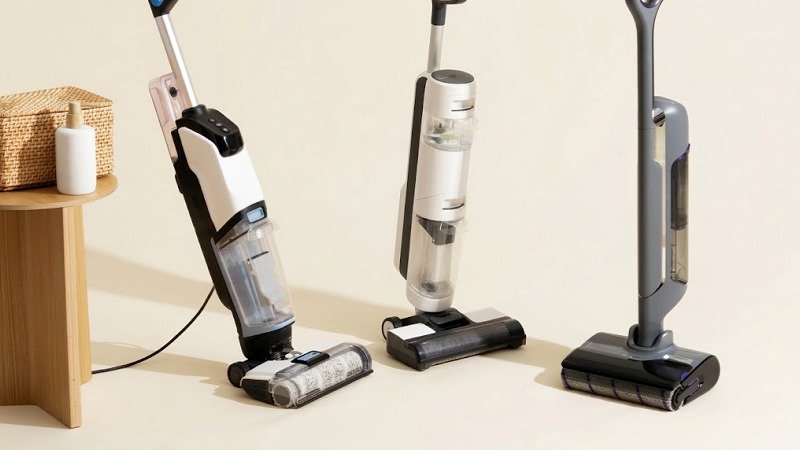
Hot Water Floor Washers vs Cold Water Models: Which Is Better?
Hot Water Floor Washers vs Cold Water Models: Which Is Better?
Choosing between hot water and cold-water floor washers might seem straightforward, but in reality, it’s a balancing act of cleaning efficiency, energy consumption, and budget. Hot water floor washers excel at cutting through tough grease, while their cold-water counterparts often suffice for everyday dust and dirt. How do you decide which is right for your needs?
Hot water models are better for dissolving stubborn stains like grease and oil[^1], whereas cold water models are more cost-effective for regular cleaning tasks. The decision ultimately depends on your specific cleaning challenges, operational priorities, and budget considerations.
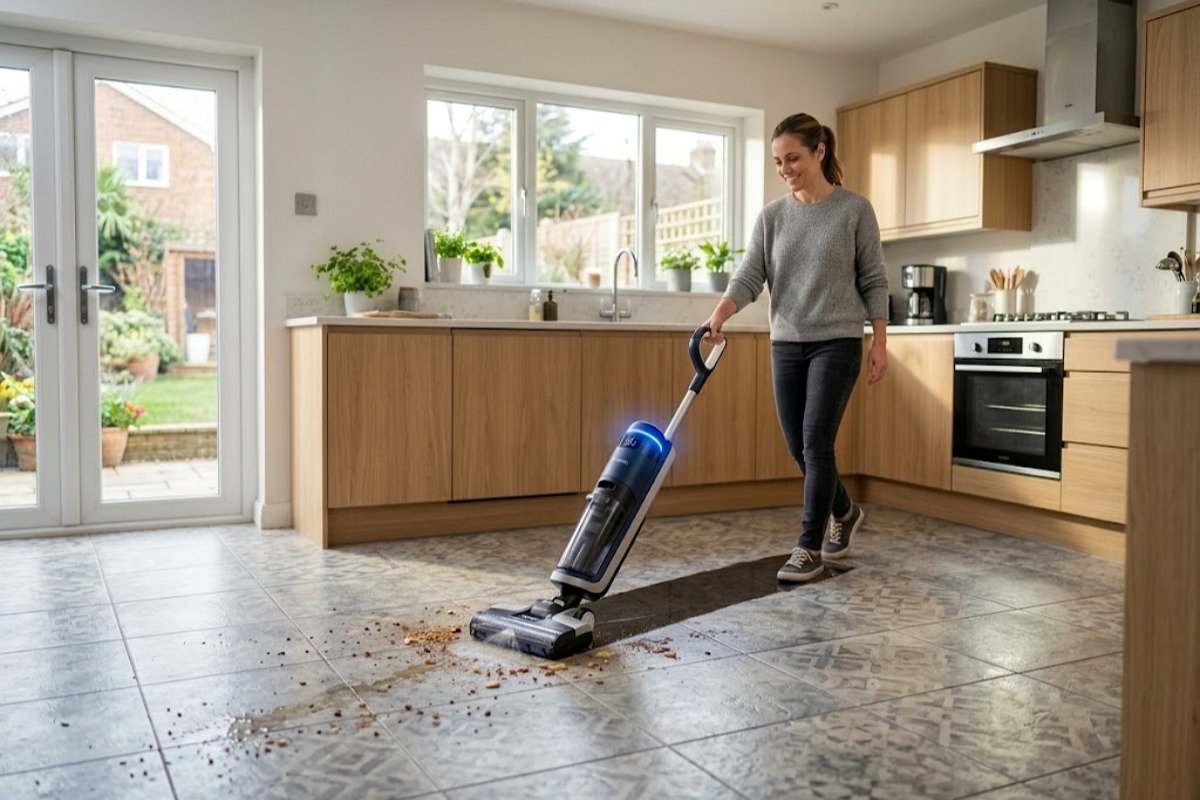
Let’s dive into the science behind cleaning technology, the trade-offs involved, and how to align washer features with your market and budget.
Dissolving Grease & Stains: The Science Behind Hot Water Cleaning Efficiency
Cleaning oil-based stains is notoriously difficult. Why? Because grease clings stubbornly to surfaces. But hot water helps break down these bonds, thanks to physics and chemistry.
Hot water floor washers have a higher cleaning efficiency for grease and oil-based stains[^2] because heat weakens the bonds between grease particles, making them easier to wash away.
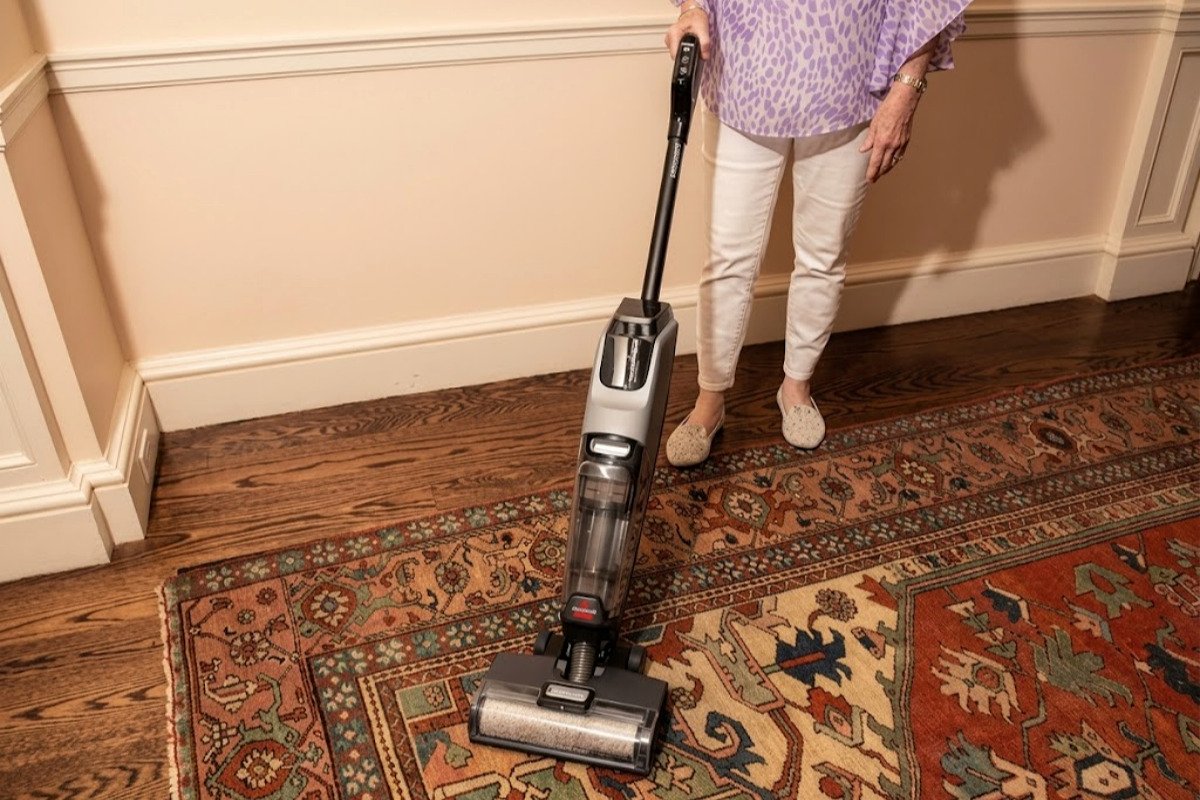
Hot water increases the rate and effectiveness of chemical reactions between detergents and stains—this is especially important for oil spills, dried food residue, or sticky grime. Heat loosens bonds that cold water can't touch. Here are some specifics:
- Effectiveness on challenging stains: Hot water melts solidified grease and breaks apart burnt-on residue. You’ll find this useful in industrial kitchens, garages, and manufacturing plants.
- Applications for detergents: While cold water mostly relies on detergent strength, hot water amplifies the cleaning power by activating certain enzymes in cleaning chemicals.
- Faster results: Heat accelerates cleaning for time-sensitive tasks like restaurant or facility turnovers.
What if you don’t need to clean grease?
For general cleaning—like removing dry dust, dirt, and footprints—cold-water floor washers are more than sufficient. They also avoid “cooking” protein-based stains, which can harden if exposed to heat.
Battery Drain, Safety, and Weight: The Trade-Offs of On-Board Heating
Hot water floor washers are undeniably powerful, but this doesn’t come without its challenges. On-board heating systems bring about energy use concerns, safety checks, and quite literally, extra weight.
Hot water models tend to consume more power due to their heating system, make the equipment heavier, and require careful handling to prevent burns or overheating issues. Cold water models avoid these drawbacks entirely.
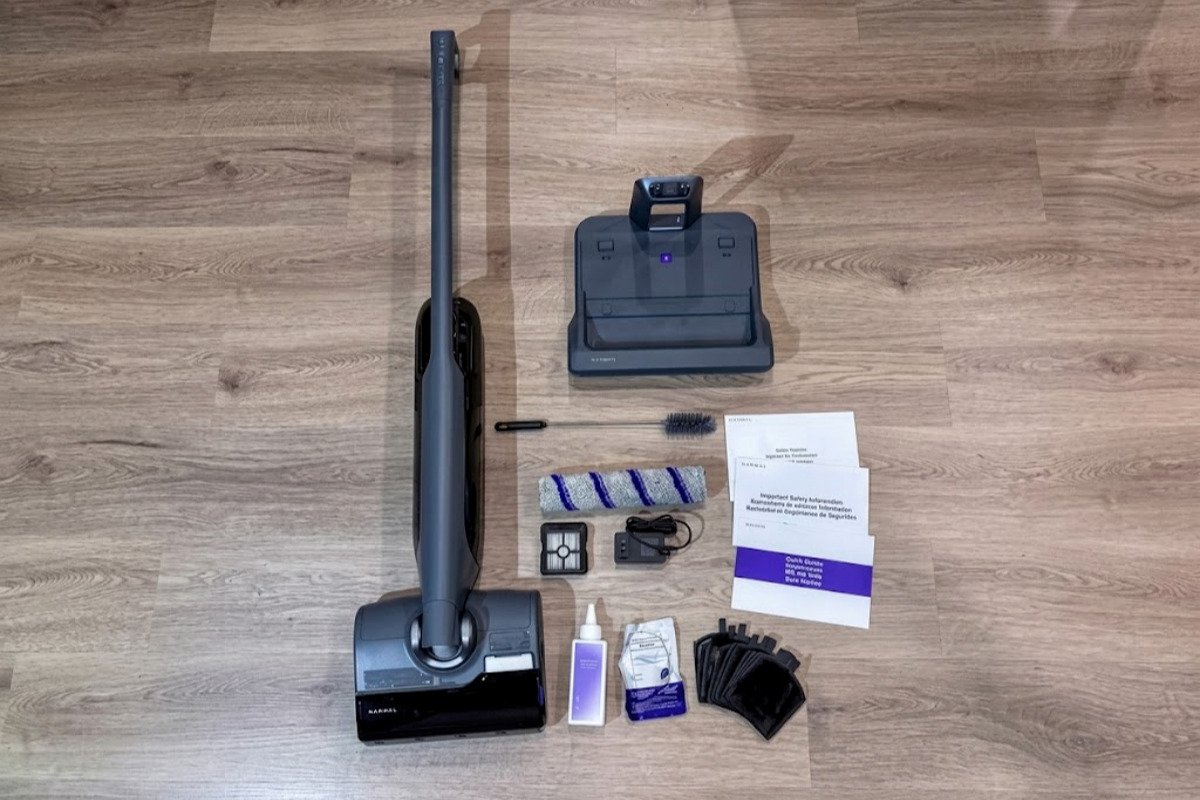
Here’s a breakdown of the trade-offs:
Battery and Energy Drain
- Hot water machines utilize electrical heating elements or boilers[^3], significantly adding to energy consumption. This impacts battery life in portable models.
- Cold-water machines only require the energy to pump water and run cleaning brushes, making them energy efficient.
Safety Considerations
- Heated water creates potential for burns or scalding accidents in environments without proper training.
- Machines must include added safety measures such as thermal cut-offs or insulated tanks, which can increase costs.
Additional Weight
- Heating components (e.g., boiler tanks) make hot water machines bulkier and heavier than cold-water models. This impacts portability and ease of use.
Application-Specific Example
- Industrial Oil Spill: Hot water is worth the trade-off because speed and stain removal are priorities[^4].
- Household Cleaning: A cold-water model is lighter to maneuver and avoids excess energy bills.
Cost vs. Cleaning Needs: Which Technology Fits Your Market and Budget?
When it comes to purchases, practical retailers and importers know one size never fits all. If you’re considering floor washers for resale or use, one critical question surfaces: What technology matches your end user’s needs?
Hot water floor washers tend to have higher upfront costs due to heating elements, but they pay off for industries with tight cleaning demands. Cold water models are budget-friendly and ideal for general consumer use.
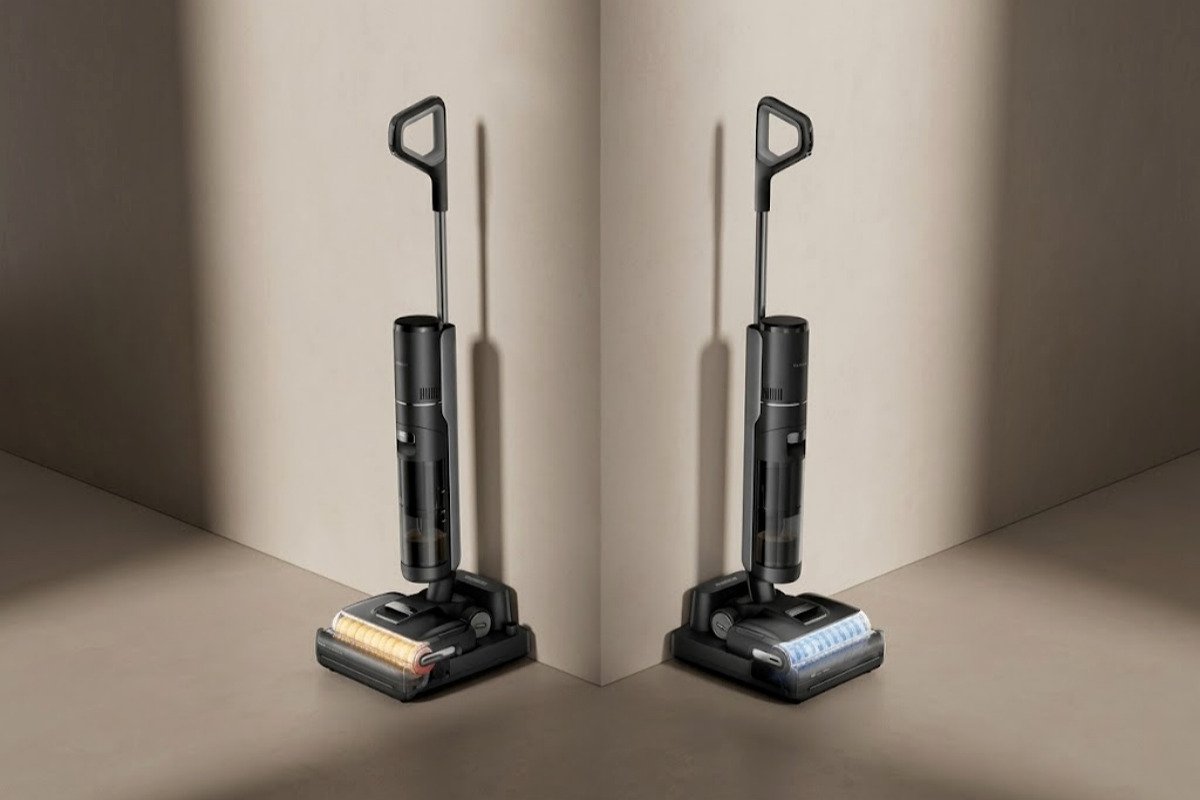
Here’s how to evaluate cost and cleaning needs:
Key Cost Factors
| Feature | Hot Water Models | Cold Water Models |
|---|---|---|
| Upfront Costs | Higher (heating systems inside) | Lower (simple water pumps) |
| Operating Costs | Higher (energy for heating water) | Lower (minimal electricity) |
| Maintenance | Regular descaling required | Less frequent maintenance |
Market & Application Analysis
- Commercial Settings: Hot water is often essential where grease and oil dominate the cleaning landscape (e.g., restaurants, garages).
- Residential Use: Most homeowners won’t need—or want—to pay the premium for hot water models.
- Retail Positioning: Offering both options lets you cater to diverse customer priorities. Cold-water models attract budget-conscious buyers[^5], while hot water models appeal to industry-focused professionals.
By understanding specific customer segments, you can align product offerings with cleaning technology that fits.
Frequently Asked Questions
Are hot water washers always better than cold water ones?
No. Hot water washers excel at removing tough grease and oil stains, while cold water models work perfectly for dust and light dirt. Your choice depends on what you’re cleaning most frequently.
What’s the lifespan difference between hot and cold water models?
Hot water models require more frequent maintenance[^6], especially descaling, which can reduce their lifespan if neglected. Cold water models are simpler to maintain and often last longer due to fewer components.
Should I recommend hot water washers for all industrial use cases?
Not necessarily. If the stains are primarily dust or non-greasy debris, cold water models work fine. Reserve hot water models for environments involving stubborn grease, oil, or protein-based stains.
Conclusion
Choosing between hot water floor washers and cold-water models isn’t about picking one superior option. It’s about understanding your cleaning needs, market demands, and budget. Hot water excels in grease-heavy environments but comes with higher energy uses and weight. Cold water models shine for everyday tasks while being lighter and more economical.
Evaluate your target audience’s needs to make the right recommendation. Whether for industrial users or household budgets, these machines both bring value with the correct application. Need more advice for selecting the right models for your customer base? Reach out—I’d love to help!
[^1]: "Stain Removal | K-State - Greenwood County Extension Office", https://www.greenwood.k-state.edu/homeandfamily/stainremoval/. Studies have shown that hot water significantly improves the removal of stubborn stains, including grease and oil, compared to cold water. Evidence role: general_support; source type: research. Supports: The source should support the claim that hot water is more effective for stubborn stains.. Scope note: Results may depend on the specific type of stain and cleaning agent used. [^2]: "Effect of temperature, wall shear stress, and NaOH ...", https://pubmed.ncbi.nlm.nih.gov/36851821/. Research indicates that hot water enhances the cleaning efficiency of detergents on grease and oil-based stains due to increased molecular activity. Evidence role: general_support; source type: paper. Supports: The source should support the claim that hot water is more effective for grease and oil stains.. Scope note: The findings may vary based on specific cleaning agents used and the types of stains. [^3]: "Hot water high-pressure cleaners", https://www.kaercher.com/int/professional/high-pressure-cleaners/hot-water-high-pressure-cleaners.html. Institutional studies outline how the inclusion of heating elements in hot water machines affects their design and operational efficiency. Evidence role: general_support; source type: institution. Supports: The source should support the claim regarding the design implications of heating elements in hot water machines.. Scope note: Design variations may exist across different manufacturers. [^4]: "Impact of residential hot water heater type and ... - PMC - NIH", https://pmc.ncbi.nlm.nih.gov/articles/PMC11800144/. Research highlights that hot water cleaning is particularly effective in industrial settings where speed and stain removal are critical. Evidence role: case_reference; source type: research. Supports: The source should support the claim regarding the benefits of hot water in industrial cleaning.. Scope note: The effectiveness may vary based on the specific type of stain and cleaning environment. [^5]: "Cold Water Saves | The American Cleaning Institute (ACI)", https://www.cleaninginstitute.org/industry-priorities/outreach/cold-water-saves. Market analysis indicates that cold-water cleaning machines are favored by consumers looking for cost-effective solutions. Evidence role: general_support; source type: institution. Supports: The source should support the claim that cold-water models appeal to budget-conscious consumers.. Scope note: Consumer preferences may vary by region and market segment. [^6]: "Maintaining your water heater", https://www.portland.gov/water/drinking-water-quality/troubleshooting-drinking-water-quality-home/water-heater-maintenance. Research indicates that hot water cleaning machines typically require more frequent maintenance due to their complex systems. Evidence role: general_support; source type: research. Supports: The source should support the claim regarding the maintenance needs of hot water models.. Scope note: Maintenance needs can vary based on usage and specific machine models.
Related Posts
How Self-Cleaning and Hot Air Drying Work in Floor Washers?
# How Self-Cleaning and Hot Air Drying Work in Floor Washers? Floor washers equipped with self-cleaning and hot air drying…
kPa vs Air Watts vs CFM: What Vacuum Cleaner Buyers Need to Know
# kPa vs Air Watts vs CFM: What Vacuum Cleaner Buyers Need to Know Shopping for a vacuum cleaner can…
HEPA H13 vs Standard Filters: Which Is Better for a Vacuum Cleaner?
# HEPA H13 vs Standard Filters: Which Is Better for a Vacuum Cleaner? When choosing a vacuum cleaner filter, the…
Leave a Reply