
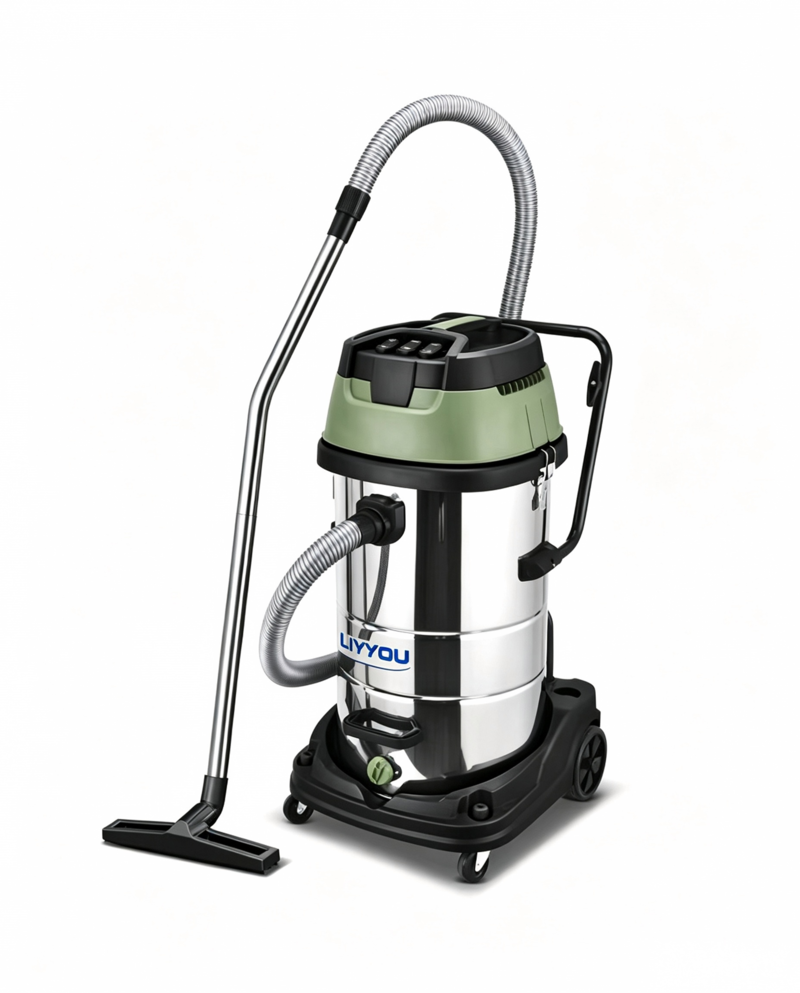
Single Motor vs Twin Motor vs Triple Motor Industrial Vacuums
Single Motor vs Twin Motor vs Triple Motor Industrial Vacuums
When it comes to choosing industrial vacuums, many buyers tend to focus on the number of motors as the main factor. It’s easy to assume that “more motors equal better performance,” but that’s not always true. Single motor, twin motor, and triple motor industrial vacuums each serve different purposes, and understanding how they align with your specific needs is key.[^1] Let’s dive deeper into the differences so you can make an informed purchase.
Industrial vacuums come with single, twin, or triple motors, which vary in power, suction performance, and energy efficiency.[^2] Choosing the right one depends on your cleaning tasks, operational environment, and budget considerations.
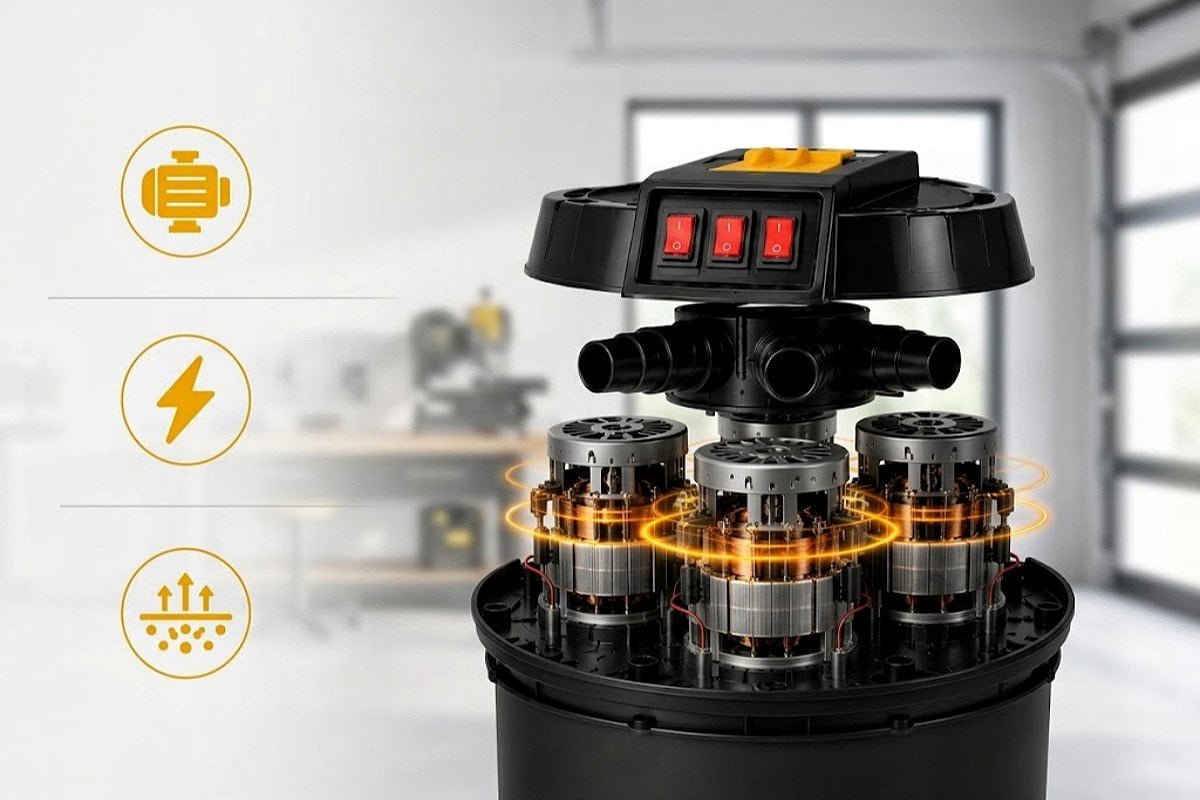
It’s worth noting that the motor count isn’t the only factor influencing vacuum performance. Suction efficiency, airflow design, and filtration also play crucial roles.[^3] Below, we’ll break everything down step by step.
What Are the Motor Options for Industrial Vacuum Cleaners?
Choosing between single, twin, and triple motor vacuums can feel overwhelming. Each option caters to different cleaning scenarios, so let’s simplify the decision-making process.
Single motor vacuums are best suited for light-duty cleaning tasks in smaller spaces, while twin and triple motor setups excel in demanding environments like factories or warehouses. Before rushing into a purchase, it’s important to match the motor configuration to your specific workload.
Diving Deeper: Matching Your Needs to Motor Configurations
-
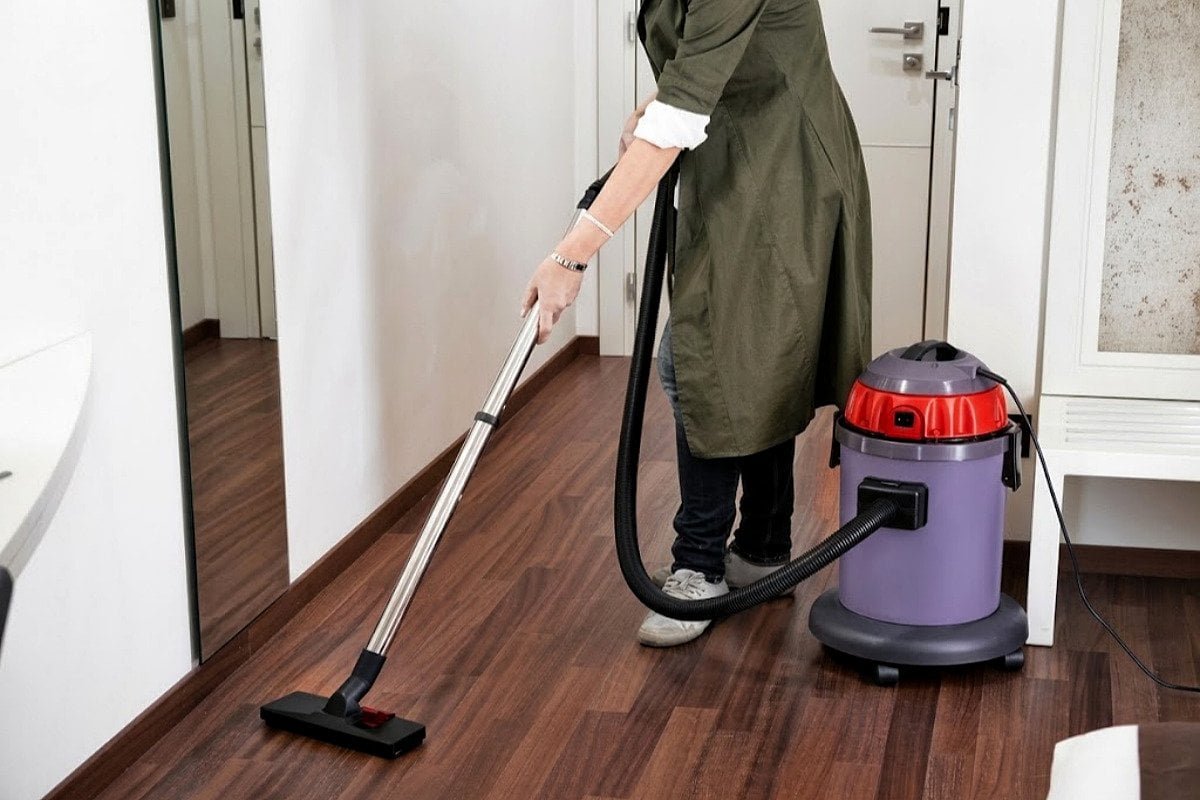
Single motor vacuums: These are the most economical option and are perfect for smaller businesses, retail stores, and office spaces with moderate cleaning needs. They’re lightweight, energy-efficient, and great for tight spaces.
-
Twin motor vacuums: This setup provides added power and durability without consuming significantly more energy. They’re ideal for medium-duty applications, such as warehouses, schools, or cafeterias, where consistent suction is required over larger areas.
-
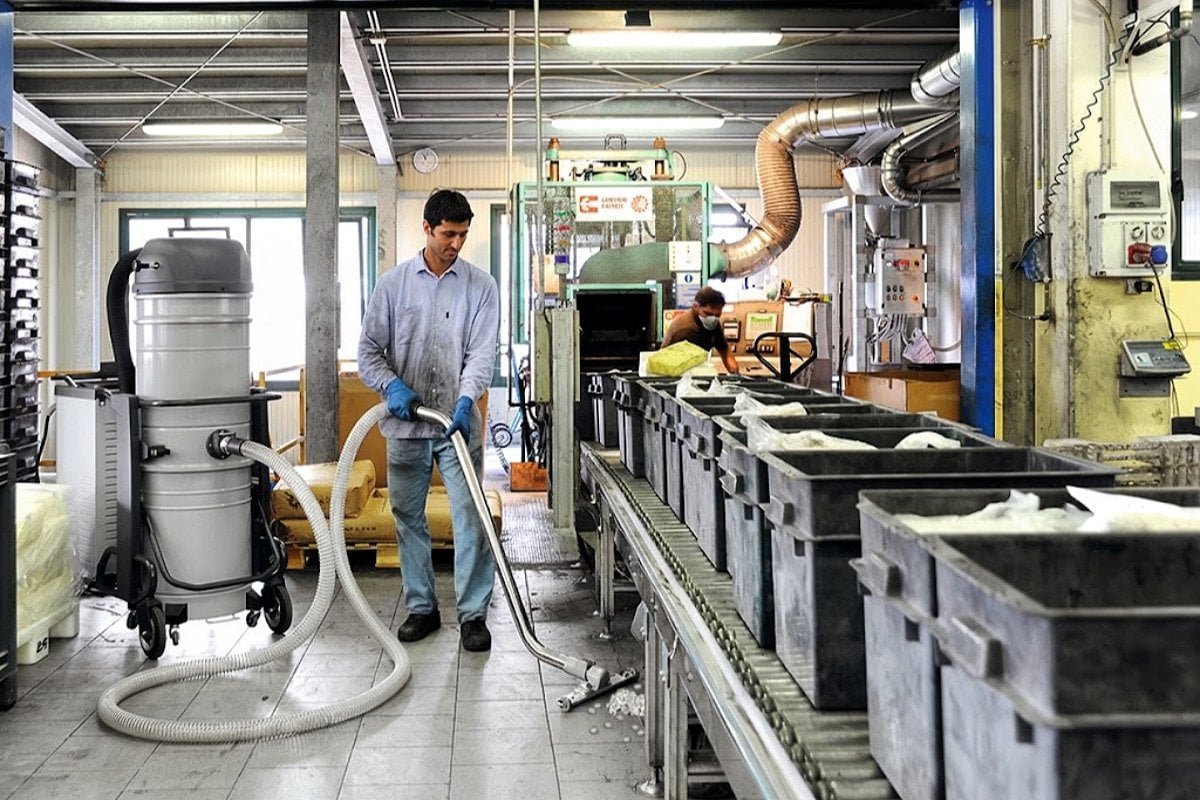
Triple motor vacuums: These machines bring maximum power and capacity, making them suitable for heavy-duty cleaning in factories, workshops, or areas with high dust concentrations. They also shine when paired with advanced filtration systems.
Before deciding, ask yourself: How large is the area I’ll be cleaning? What type of debris will the vacuum handle regularly? These questions will steer you toward the right option.
Single-Phase vs Three-Phase Industrial Vacuums?
A common follow-up question revolves around single-phase and three-phase electrical configurations. What’s the difference, and does it matter for your application?
Single-phase power is popular for smaller facilities with standard household or commercial electricity, while three-phase power is necessary for larger industrial settings. Both systems have their pros and cons, depending on where and how the vacuum will be used.
Diving Deeper: Energy Sources and Application Match
-
Single-phase vacuums work with standard 120V or 240V outlets and are a great choice for buildings with basic electrical systems. They typically power lighter vacuums with one or two motors.
-
Three-phase vacuums require specialized outlets found in factories or more industrialized spaces. This configuration can handle higher loads without overloading or frequent maintenance, making it ideal for triple-motor systems.
Many buyers overlook electrical compatibility, only to realize later during installation that their vacuum isn’t supported. Double-check your electricity supply before committing!
What Are the Different Types of Vacuum Motors?
Not all vacuum motors are created equal. It’s easy to fixate on the motor count, but the type of motor plays an equally important role.
Industrial vacuum motors typically fall under three broad categories: bypass motors, flow-through motors, and peripheral discharge motors. Each has unique characteristics that influence suction performance and durability.
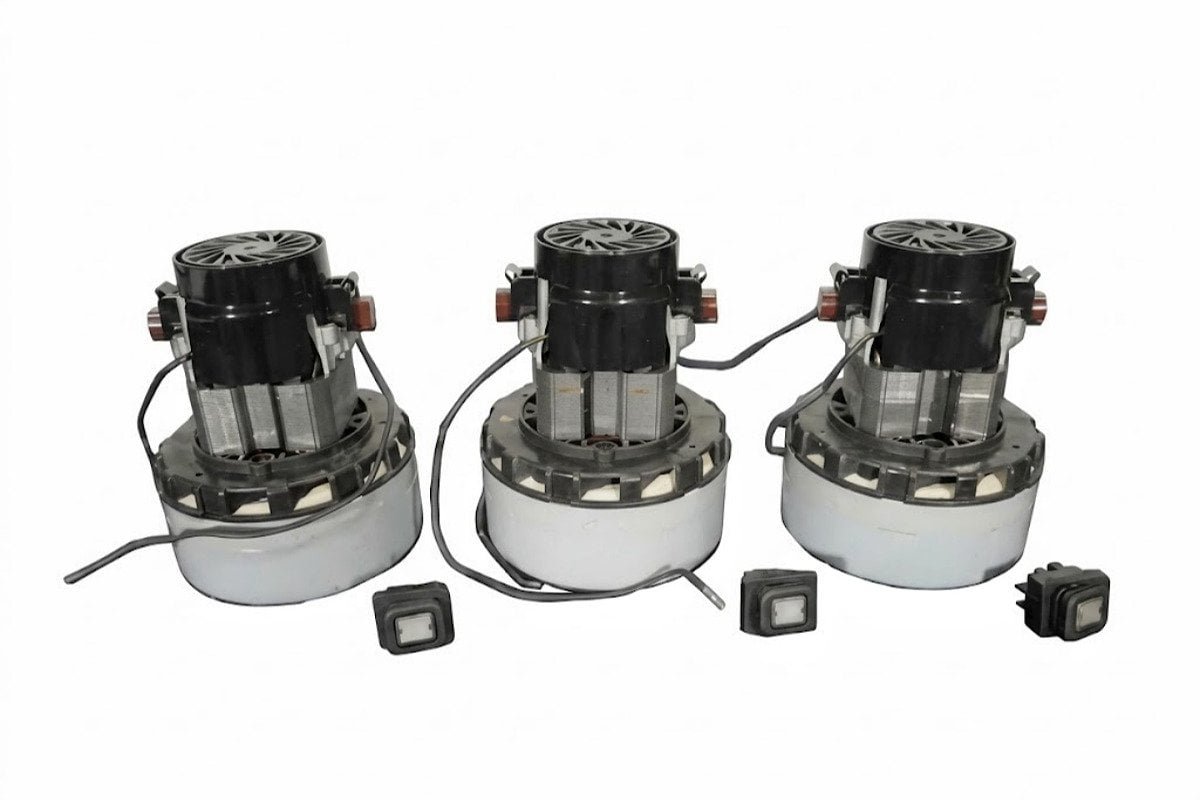
Diving Deeper: Bypass vs Flow-Through vs Peripheral Motors
| Motor Type | Best Used For | Key Characteristics |
|---|---|---|
| Bypass motors | Heavy-duty debris removal | Reliable even in dusty, wet conditions. |
| Flow-through motors | Light-duty, dry applications | Compact and quieter operation. |
| Peripheral discharge | Specialized industrial settings | High-end airflow and suction adjustment. |
When selecting a vacuum cleaner, understanding the motor type is just as crucial as knowing the motor count. Bypass motors, for example, may be preferred in environments with frequent spills, while flow-through motors are a better fit for clean office spaces.[^4]
What Are the Best Industrial Vacuums?
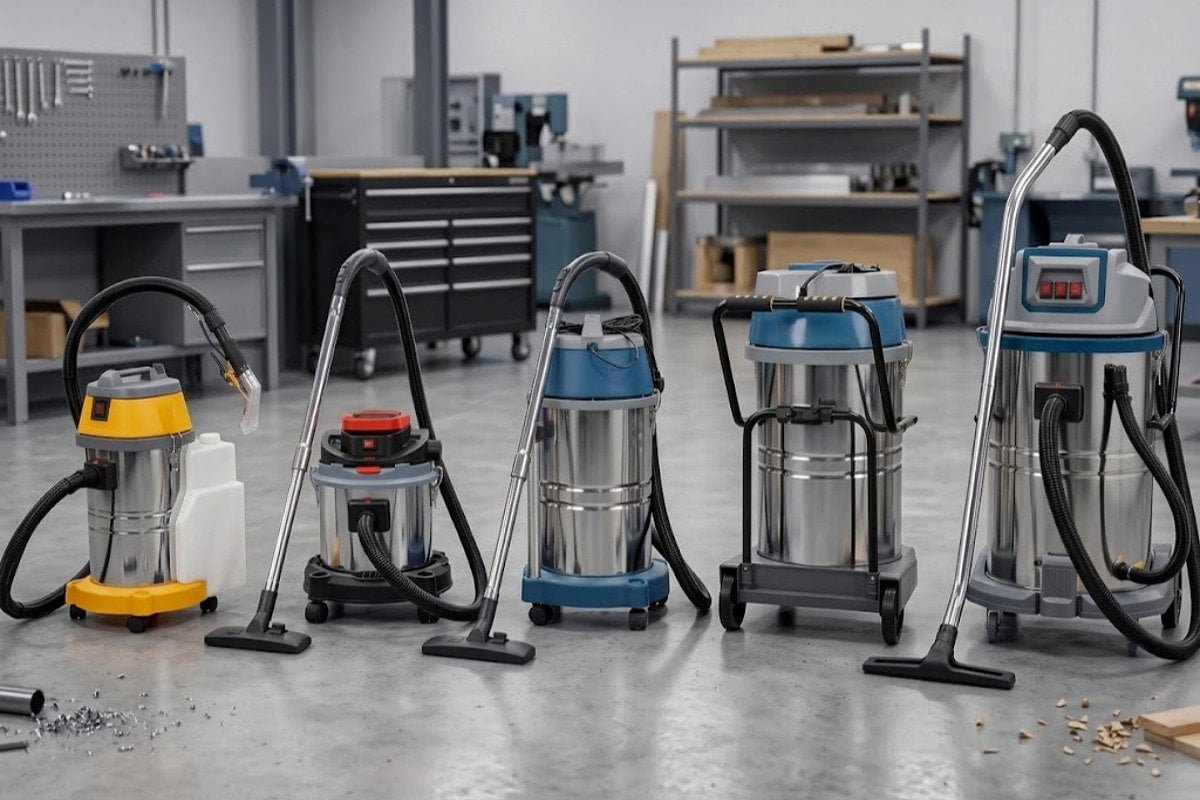
Buyers often ask me, “What’s the best vacuum?” Honestly, there isn’t a one-size-fits-all answer. The ideal vacuum depends on your cleaning requirements, operational environment, and budget priorities.
Light-duty applications may only need a single-motor vacuum, but heavy-duty industrial cleaning would benefit from twin or triple motors for faster, more efficient results. The best option balances cost and performance without over-complicating your operations.
Final Tips for Selecting the Best Industrial Vacuum
Here’s what I tell customers: Don’t just chase raw power or motor count—focus on performance matched to needs. Look for:
- A robust filtration system (HEPA filters for fine particles).
- Reliable noise levels if used in populated areas.
- Build quality and warranty for long-term reliability.
- Energy efficiency ratings to save on operational costs.
Spend time identifying your workload and environmental constraints before making a decision.
Frequently Asked Questions
Are triple-motor vacuums significantly louder?
Not always. Noise levels depend on the design, casing, and airflow technology rather than just the motor count. Some triple-motor vacuums are engineered to run as quietly as single or twin motor designs.
Can I use a single-phase vacuum in an industrial setting?
Yes, but only if your facility’s cleaning needs are light to moderate. For heavy-duty operations, consider three-phase systems for better reliability and long-term cost efficiency.
How can I compare suction power?
Suction power isn’t only determined by motors—it’s also influenced by airflow, hose width, and filtration.[^5] Look closely at the vacuum’s airflow rate (measured in CFM) and vacuum pressure.
What is the lifespan of vacuum motors?
Lifespan varies, but industrial vacuum motors can typically last 5–10 years with proper maintenance. Regular filter changes and avoiding motor overloads can extend this timeline.[^6]
Should I prioritize energy efficiency with multi-motor systems?
Absolutely. Multi-motor vacuums don’t always consume excessive energy if designed efficiently. Look for models optimized for power-to-performance ratios.
Conclusion
When debating between single, twin, or triple motor industrial vacuums, the number of motors isn’t the only factor to consider. Matching the motor configuration, energy source, and motor type to your actual needs is the most efficient approach. For small spaces, single motors suffice, while twin or triple setups cater to larger industrial demands. Always weigh your workload and budget before making a decision.
Not sure which vacuum fits your needs? Contact us for expert advice tailored to your business!
[^1]: "Is it preferable to have a vacuum with 1 or 2 motors?", https://www.drainvac.com/us/en/expert-advice/is-it-preferable-to-have-a-vacuum-with-1-or-2-motors/. Research on industrial vacuum motor configurations indicates that single, twin, and triple motor setups are optimized for different cleaning tasks, with single motors suited for light-duty tasks and triple motors for heavy-duty applications. Evidence role: general_support; source type: research. Supports: Different motor configurations in industrial vacuums are designed for specific purposes and applications.. Scope note: The source may provide general guidelines rather than specific examples for all industrial vacuum models. [^2]: "After Testing 100+ Cordless Vacuums - Here's What Actually ...", https://www.youtube.com/watch?v=ZO33mOTi3-o&vl=en. Research comparing industrial vacuum motor configurations shows that single, twin, and triple motor systems vary in power output, suction performance, and energy consumption. Evidence role: general_support; source type: research. Supports: Industrial vacuums with single, twin, or triple motors differ in power, suction performance, and energy efficiency.. Scope note: The comparison may not account for all models or brands of industrial vacuums. [^3]: "What Makes an Industrial Vacuum System High-Performing?", https://www.brabazon.com/blog/what-is-a-high-performing-industrial-vacuum-system. Studies on vacuum cleaner performance highlight the importance of suction efficiency, airflow design, and filtration in determining overall effectiveness. Evidence role: mechanism; source type: research. Supports: Suction efficiency, airflow design, and filtration are key factors that influence the performance of industrial vacuums.. Scope note: The findings may vary depending on the specific vacuum model and use case. [^4]: "Common Industrial Motor Types | OSU Energy Efficiency Center", https://eec.oregonstate.edu/common-industrial-motor-types. Research on vacuum motor types indicates that bypass motors are designed to handle wet and dusty conditions, whereas flow-through motors are optimized for dry, clean environments. Evidence role: mechanism; source type: research. Supports: Bypass motors are better suited for environments with frequent spills, while flow-through motors are ideal for clean, dry spaces.. Scope note: The recommendation may not apply to all models or brands of industrial vacuums. [^5]: "Characteristics of Air Filters - PMC - NIH", https://pmc.ncbi.nlm.nih.gov/articles/PMC7498932/. Studies on vacuum cleaner performance highlight that suction power is determined by a combination of motor strength, airflow, hose width, and filtration efficiency. Evidence role: mechanism; source type: research. Supports: Suction power is influenced by airflow, hose width, and filtration, in addition to the motor.. Scope note: The findings may vary depending on the specific vacuum model and design. [^6]: "3 Tips for Increasing Your Vacuum Pump's Lifespan", https://avac.com/blog/3-tips-for-increasing-your-vacuum-pumps-lifespan/?srsltid=AfmBOoo0BkhSr2ROXCWmwGuKOJiSdypgyr2Wu19s4viUWcutjsX9lgee. Studies on industrial vacuum maintenance suggest that regular filter changes and avoiding motor overloads are effective practices for extending motor lifespan. Evidence role: mechanism; source type: research. Supports: Regular filter changes and avoiding motor overloads can extend the lifespan of industrial vacuum motors.. Scope note: The effectiveness of these practices may vary depending on the specific vacuum model and usage conditions.
Related Posts
How Self-Cleaning and Hot Air Drying Work in Floor Washers?
# How Self-Cleaning and Hot Air Drying Work in Floor Washers? Floor washers equipped with self-cleaning and hot air drying…
kPa vs Air Watts vs CFM: What Vacuum Cleaner Buyers Need to Know
# kPa vs Air Watts vs CFM: What Vacuum Cleaner Buyers Need to Know Shopping for a vacuum cleaner can…
HEPA H13 vs Standard Filters: Which Is Better for a Vacuum Cleaner?
# HEPA H13 vs Standard Filters: Which Is Better for a Vacuum Cleaner? When choosing a vacuum cleaner filter, the…
Leave a Reply