
Vacuum Cleaner Quality Control Checklist for Importers and Brands
Vacuum Cleaner Quality Control Checklist for Importers and Brands
When importing vacuum cleaners from OEM suppliers, quality control often becomes an afterthought—until defects emerge and profits shrink. A detailed vacuum cleaner quality control checklist ensures consistent product standards[^1], minimizes costly mistakes, and helps brands maintain customer trust. Implementing a thorough QC process is more than a box-ticking exercise; it’s key to long-term reliability.
A well-constructed vacuum cleaner QC checklist should include industry-wide and supplier-specific standards, covering performance tests, durability checks, energy efficiency evaluations, and design compliance. Clear criteria align expectations and protect importers from overlooked defects or inconsistent quality.
Let’s unpack how you can create this checklist, address common mistakes, and set robust inspection standards for both product and factory evaluations.
Quality Inspection Vacuum | OEM & Exporter Visual Guide
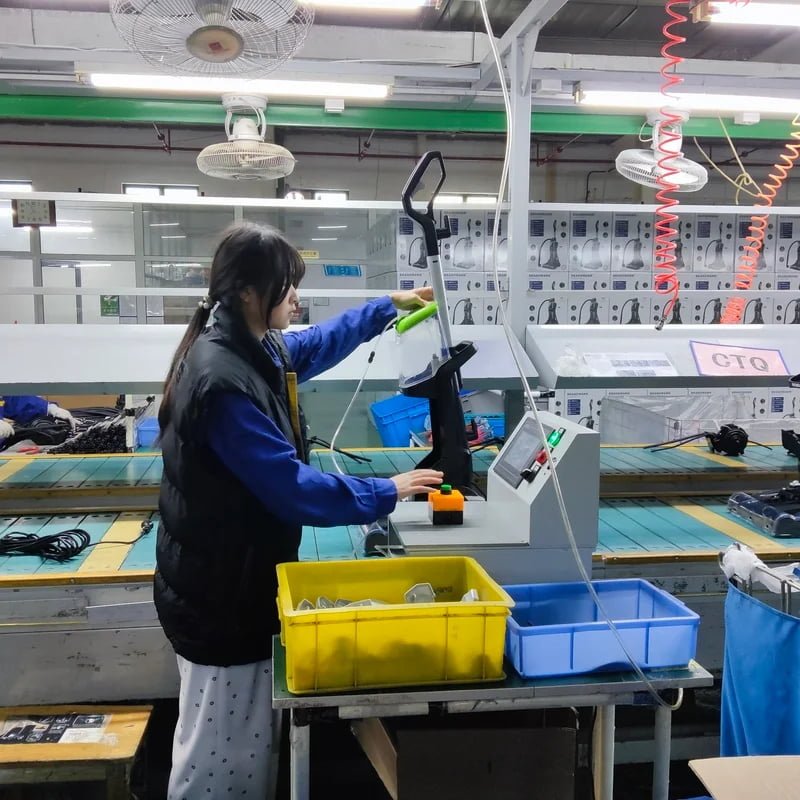
When inspecting OEM vacuum cleaners, visual quality tests are often the first line of defense. While easy to overlook, these checks are critical.
Visual inspections evaluate external defects, construction quality, and adherence to agreed design specifications, ensuring suppliers produce consistent, export-ready batches[^2].
Common Visual Inspection Areas
- Exterior Build Quality: Look for dents, surface scratches, uneven paint finish, or poor assembly.
- Seals and Gaskets: Ensure airtight sealing to prevent leaks during usage.
- Cord Placement and Functionality: Check cable length and internal routing for damage.
- Brand Logo Accuracy: Verify printed logos match brand standards.
Dive Deeper – Visual Inspection Mistakes to Avoid
Importers sometimes focus too heavily on aesthetics and overlook hidden issues inside the product. Electrical components like motor assembly, cord insulation, and dust collection units should undergo additional visual checks. For example, a weak cord securing mechanism might look fine but fails functionality tests later—leading to complaints from end buyers.
Visual inspections should complement functional and durability tests, not substitute them. Highlighting discrepancies during this stage minimizes back-and-forth disputes with your supplier.
Vacuum Cleaner Inspection Checklist
The best vacuum cleaner inspection checklist covers more than surface issues—it should dive into technical tests tailored to your product specs.
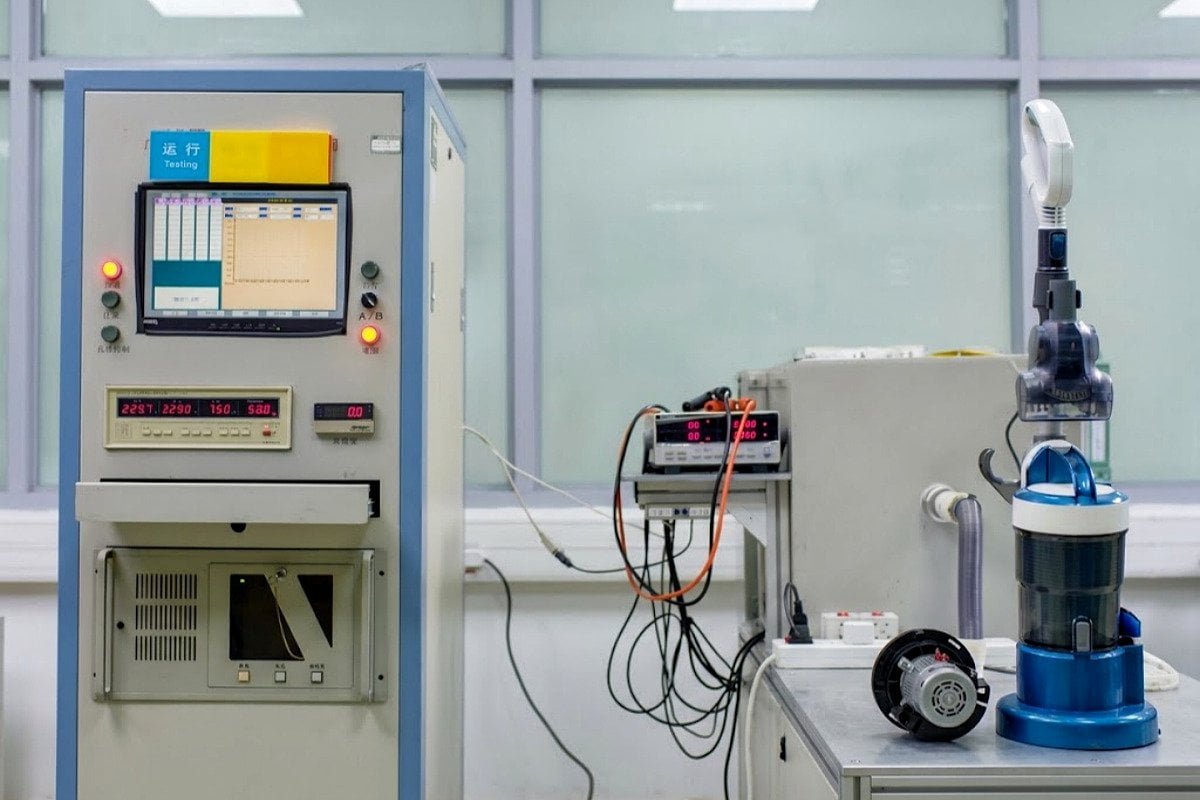
A comprehensive checklist should address suction power, energy efficiency, noise levels, durability standards, and adherence to safety certifications. This ensures vacuum cleaners meet global export regulations and brand performance expectations.
Sections to Include in Your QC Checklist
- Performance Metrics: Test suction power under real-world conditions (standardized dirt loads).
- Energy Consumption: Verify wattage and energy efficiency against agreed technical specs.
- Operational Noise Levels: Ensure decibel levels conform to buyer-targeted regions' noise regulations.
- Durability Stress Tests: Include drop tests, extended operational runs, and cord flex tests.
Dive Deeper – Real Tests in Action
Imagine testing suction power on a sample batch: one supplier might provide vacuum cleaners achieving high suction ratings initially, but operational suction drops after extended use due to inferior motors. By running extended duration tests, brands can avoid sourcing from suppliers cutting corners.
Another test that frequently uncovers defects is the "cord flex" reliability check, simulating repeated tugging during consumer use. Weak cord strain relief mechanisms often result in functional failure after shipment—something that visual inspections alone won’t catch.
OEM Vacuum Cleaner Requirements Checklist
Every importer and vacuum cleaner brand needs a two-pronged QC approach: strict OEM supplier requirements and inspection protocols tailored to real-world performance.
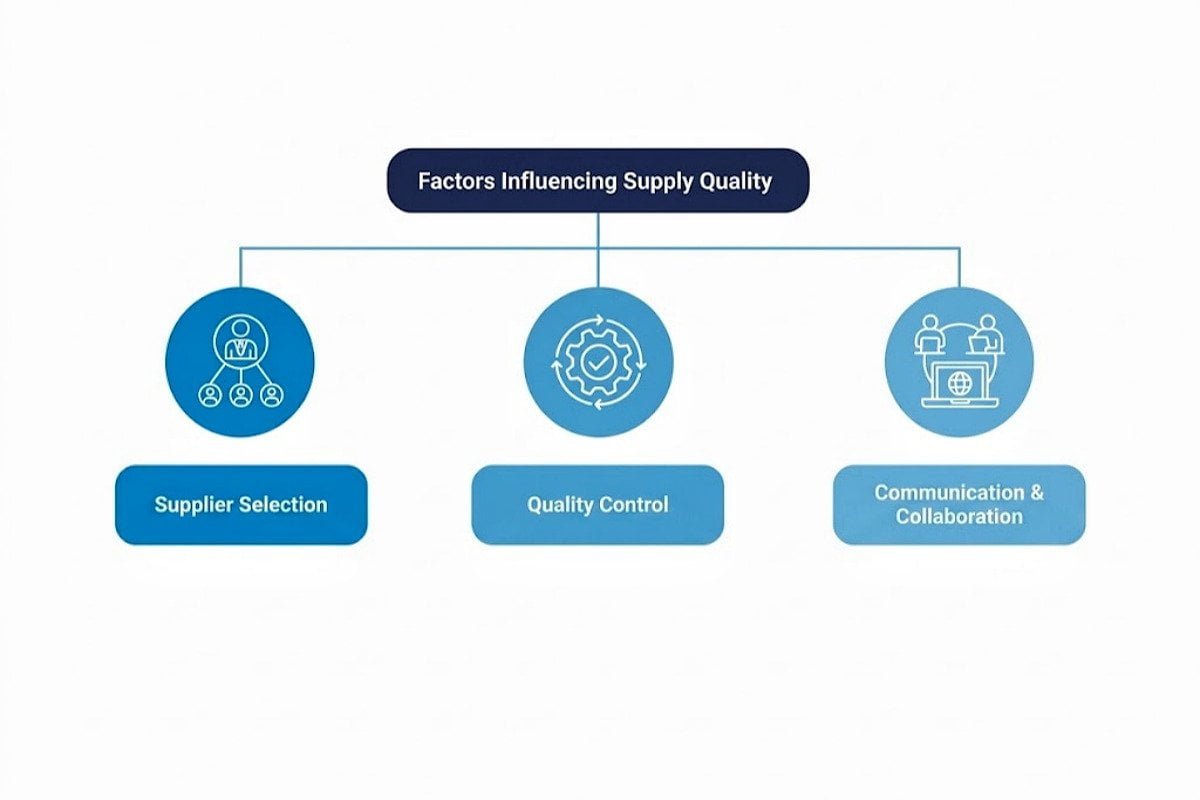
The OEM vacuum cleaner requirements checklist should include verified material standards, production timelines, sampling procedures, and communication protocols to avoid misaligned expectations.
OEM Checklist Essentials
- Material Verification: Are supplier-provided plastics and motor parts certified as per your country’s regulations?
- Lead Times: Are production cycles aligned with shipping schedules?
- Sampling Procedures: Specify batch percentages for testing.
- Dispute Resolution: Define how to handle defects or non-compliance.
Dive Deeper – Managing Supplier Relationships
I’ve worked with importers who assumed standardized documents like certifications were enough to ensure supply quality—but performance issues arose with improperly sourced materials. It’s critical to detail material specs (e.g., heat-resistant plastics for high wattage motors) and verify compliance during inspections.
Additionally, integrate random sampling processes. Testing at least 5–10% of incoming batches significantly lowers risk compared to minimal sample checks. Sampling transparency reinforces supplier accountability.
Inspection Standards and Methods for Vacuum Cleaner Products, Factory Inspection
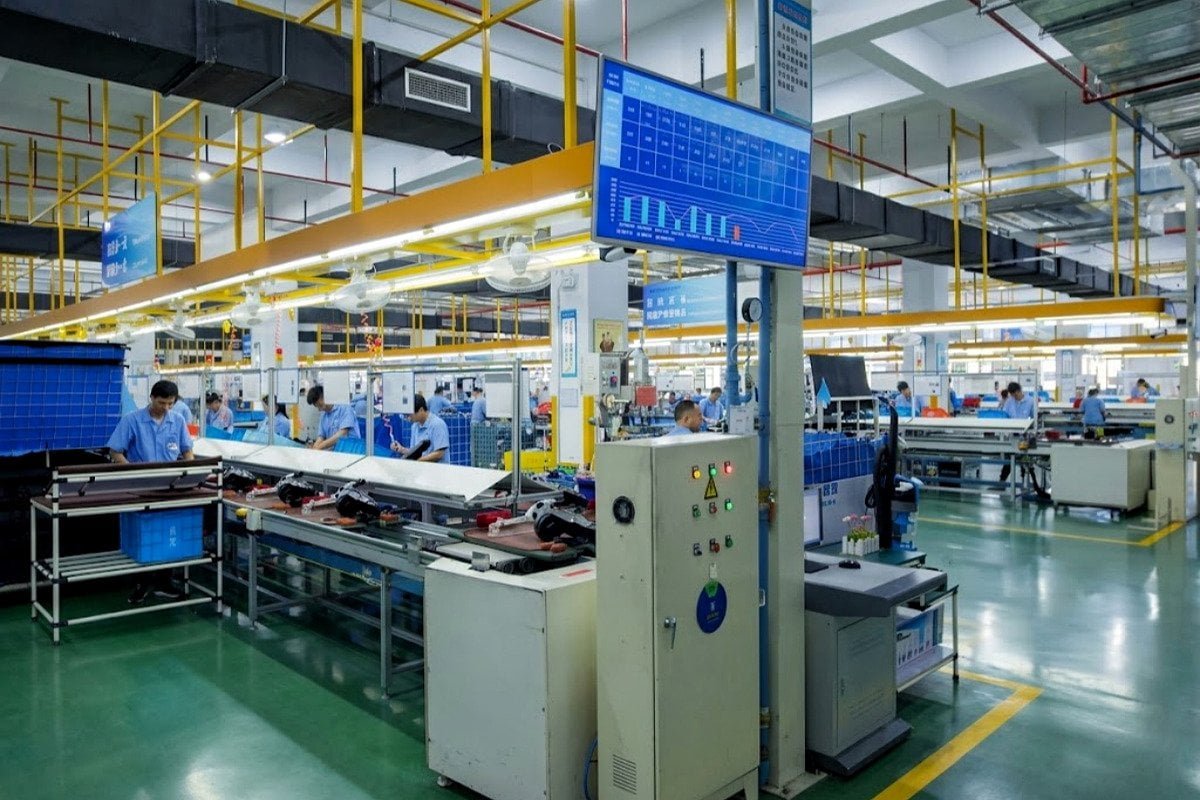
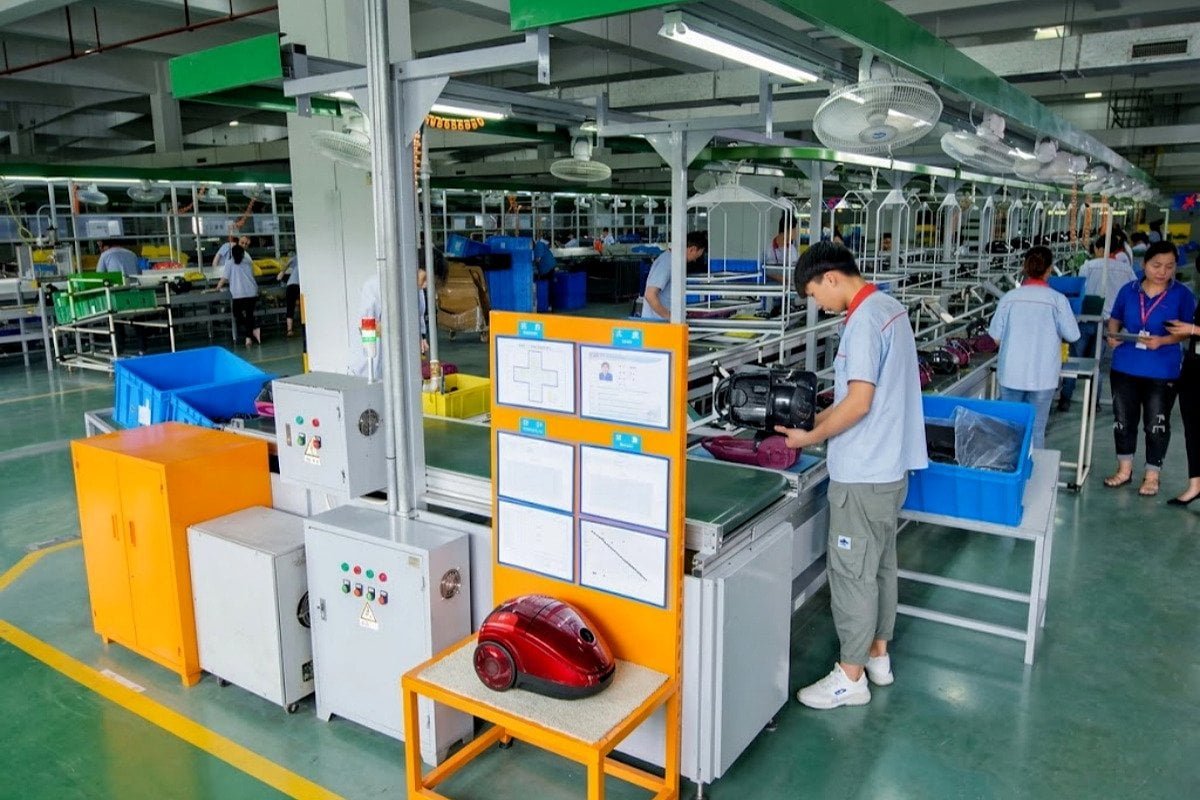
Factory inspections form the backbone of quality assurance, ensuring suppliers follow agreed manufacturing processes. Without them, everything falls apart.
Factory inspections evaluate production consistency, worker protocols[^3], equipment suitability, and compliance to ethical and environmental standards—essential for vacuum cleaner reliability and global marketability.
What Should Factory Inspections Cover?
- Production Line Consistency: Ensure vacuum cleaners are assembled under uniform processes.
- Equipment Maintenance: Confirm production tools are calibrated to standard (prevent quality dips).
- Worker Training Levels: Verify workers are trained to handle complex assembly requirements.
- Ethical Practices: Check factories meet labor standard certifications.
Dive Deeper – Missteps to Avoid in Factory QC
A client once told me how small deviations during motor assembly led to a batch where nearly all vacuums experienced overheating—a defect traced directly to poorly tuned factory equipment. Factory audits should look beyond superficial compliance and pinpoint root causes during manufacturing.
Additionally, don’t skip ethical and sustainability checks. Brands exporting to Europe or North America face heightened scrutiny about supplier practices[^4]—ignoring these inspections risks backlash and lost contracts.
Frequently Asked Questions
Why is a vacuum cleaner QC checklist important?
A QC checklist ensures product consistency, avoids defects, and protects your brand’s reputation. Without clear quality standards, importers risk delays, higher returns, and customer dissatisfaction.
How often should inspections be conducted?
Inspections should be performed at critical stages: pre-production, during production, and post-production. For larger batches, random sampling every 5–10% of production is ideal.
What are the most overlooked QC tests for vacuum cleaners?
Durability stress tests[^5], suction loss over time[^6], cord flex tests, and extended operational reliability evaluations are often overlooked but critical to assessing long-term performance.
Conclusion
A reliable vacuum cleaner quality control checklist is essential for importers and brands to navigate OEM relationships, ensure product reliability, and manage supplier expectations. From visual inspections to factory audits, every step matters. Aligning buyer needs with structured QC protocols mitigates defects, improves communication, and safeguards your market reputation.
Take action today—document your inspection requirements thoroughly, test beyond the surface, and build lasting supplier confidence.
[^1]: "What and How to Make a Quality Control Checklist?", https://datamyte.com/blog/how-to-create-a-quality-control-checklist/. Educational resources on quality management emphasize that detailed checklists help maintain consistent product standards by providing clear guidelines for inspections. Evidence role: general_support; source type: education. Supports: The role of quality control checklists in ensuring consistent product standards.. Scope note: The source may not specifically address vacuum cleaner manufacturing. [^2]: "Sound Practices for Consistent Human Visual Inspection - PMC", https://pmc.ncbi.nlm.nih.gov/articles/PMC3066354/. Educational materials on quality control highlight that visual inspections are a critical first step in identifying surface defects and ensuring product consistency for export. Evidence role: general_support; source type: education. Supports: The role of visual inspections in ensuring consistent, export-ready product batches.. Scope note: The source may not address the limitations of visual inspections in detecting internal defects. [^3]: "Training Needs Assessment - Planning & Evaluating", https://www.opm.gov/policy-data-oversight/training-and-development/planning-evaluating/. Institutional guidelines for factory inspections often include assessments of worker training and adherence to protocols as key factors in maintaining product quality. Evidence role: general_support; source type: institution. Supports: The evaluation of worker protocols during factory inspections to ensure proper training and adherence to assembly requirements.. Scope note: The source may not specifically address vacuum cleaner manufacturing. [^4]: "Ethical Considerations in International Business", https://online.uttyler.edu/degrees/business/mba/general/ethical-considerations-in-international-business/. Government regulations in Europe and North America often impose strict requirements on supplier practices, including ethical labor and environmental compliance, to ensure responsible manufacturing. Evidence role: general_support; source type: government. Supports: The claim that brands exporting to Europe or North America face heightened scrutiny about supplier practices.. Scope note: The source may not provide specific examples of scrutiny related to vacuum cleaner exports. [^5]: "Towards a durability test for washing-machines - PMC - NIH", https://pmc.ncbi.nlm.nih.gov/articles/PMC5824671/. Research on product testing methodologies emphasizes that durability stress tests are essential for predicting long-term performance and identifying potential failure points. Evidence role: general_support; source type: research. Supports: The importance of durability stress tests in assessing the long-term performance of products.. Scope note: The source may discuss durability tests in general and not specifically for vacuum cleaners. [^6]: "Vacuum Cleaner Stopped Working (Common Problems & ...", https://www.ecovacs.com/us/blog/how-to-fix-vacuum-cleaner-not-working-troubleshooting. Research on vacuum cleaner performance has identified suction loss over time as a frequent issue, often caused by motor wear or clogged filters. Evidence role: general_support; source type: research. Supports: The claim that suction loss over time is a common issue in vacuum cleaners.. Scope note: The source may not provide specific statistics on the prevalence of suction loss.
Related Posts
How Self-Cleaning and Hot Air Drying Work in Floor Washers?
# How Self-Cleaning and Hot Air Drying Work in Floor Washers? Floor washers equipped with self-cleaning and hot air drying…
kPa vs Air Watts vs CFM: What Vacuum Cleaner Buyers Need to Know
# kPa vs Air Watts vs CFM: What Vacuum Cleaner Buyers Need to Know Shopping for a vacuum cleaner can…
HEPA H13 vs Standard Filters: Which Is Better for a Vacuum Cleaner?
# HEPA H13 vs Standard Filters: Which Is Better for a Vacuum Cleaner? When choosing a vacuum cleaner filter, the…
Leave a Reply