
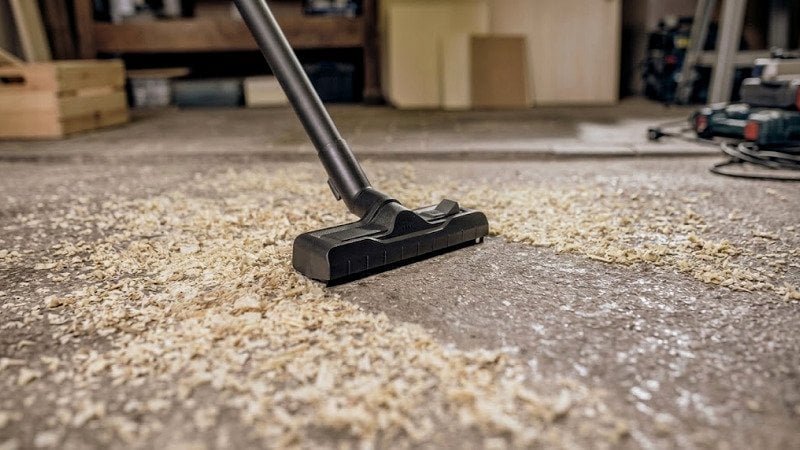
What Tests Should a Vacuum Cleaner Pass Before Mass Production?
What Tests Should a Vacuum Cleaner Pass Before Mass Production?
When you're gearing up for mass production of vacuum cleaners, testing is the make-or-break stage. Every vacuum cleaner must pass rigorous tests to prove its performance, durability, and safety standards. But what should these tests include, and how can you ensure your product is truly market-ready? Let's dive into the essentials.
Before mass production, vacuum cleaners must undergo tests for suction power, endurance, safety certifications, and motor reliability.[^1] These tests ensure they meet regional standards, operate effectively, and satisfy end-user expectations. Neglecting comprehensive evaluations can lead to costly recalls and reputational damage.[^2]
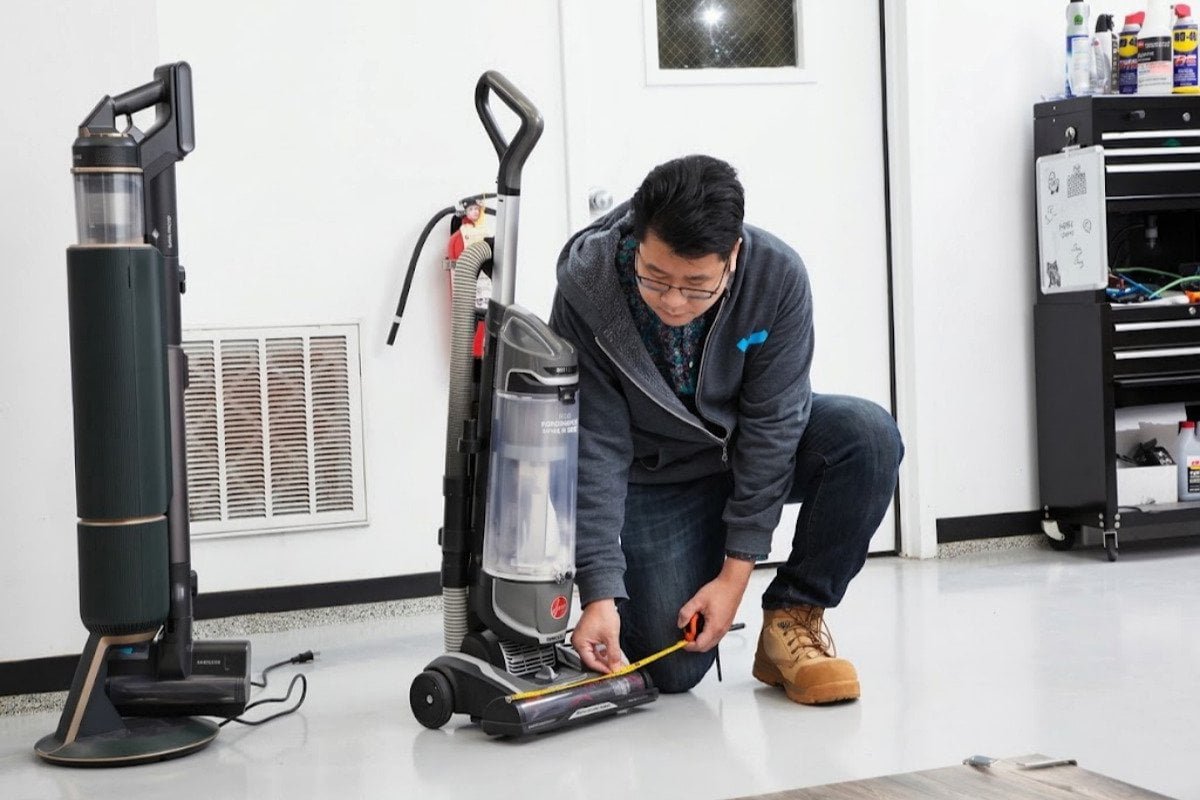
As someone who’s worked directly with vacuum cleaner testing, I’ve seen firsthand how overlooked flaws can derail entire shipments. Below, I’ll lay out the critical tests every vacuum should go through, along with insights on how to approach each.
What should you look for in a vacuum?
Finding the right vacuum cleaner often feels overwhelming for buyers and manufacturers alike. From suction power to filtration, the key is balancing functionality with quality assurance.
The ideal vacuum should excel in performance, reliability, safety, and user experience.[^3] Tests should prioritize these areas to guarantee real-world functionality and compliance with regional standards.
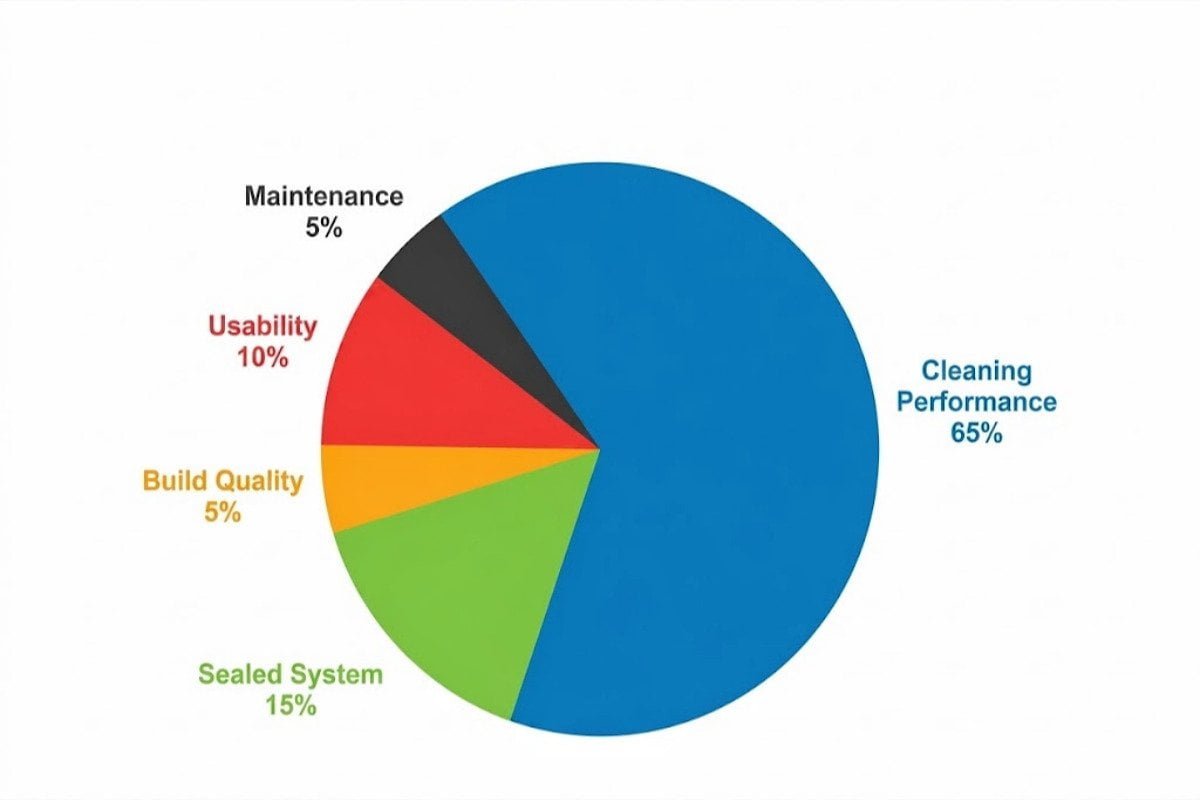
To ensure your vacuum stands out, there are several basic qualities it must deliver:
Performance Tests
- Suction Power: Measure the airflow and pressure capabilities under varied conditions (dust, carpet, etc.).
- Filtration Efficiency: Evaluate how well it traps dust and allergens, especially for HEPA-certified models.
Build Quality
- Durability: Assess how well the vacuum withstands wear and tear.
- Mobility: Test movement across surfaces like hardwood, carpets, and tiles.
Safety Standards
- Electrical Safety: Conduct electrical leakage and insulation checks in line with regional norms.
- Material Safety: Verify plastic quality to avoid toxic or brittle components over time.
Ultimately, comprehensive testing ensures what you're offering isn't just functional but also market-ready — and valuable to end-users.
What are the key features of a good vacuum cleaner?
Every buyer evaluates their vacuum cleaner differently, but certain core features define a truly great one. Think about performance reliability and safety — these two are non-negotiables.
Key features include strong suction, low noise levels, long lifespan, effective filtration, and compliance with regional safety standards. Failure to address these can lead to dissatisfied customers and unsellable goods.
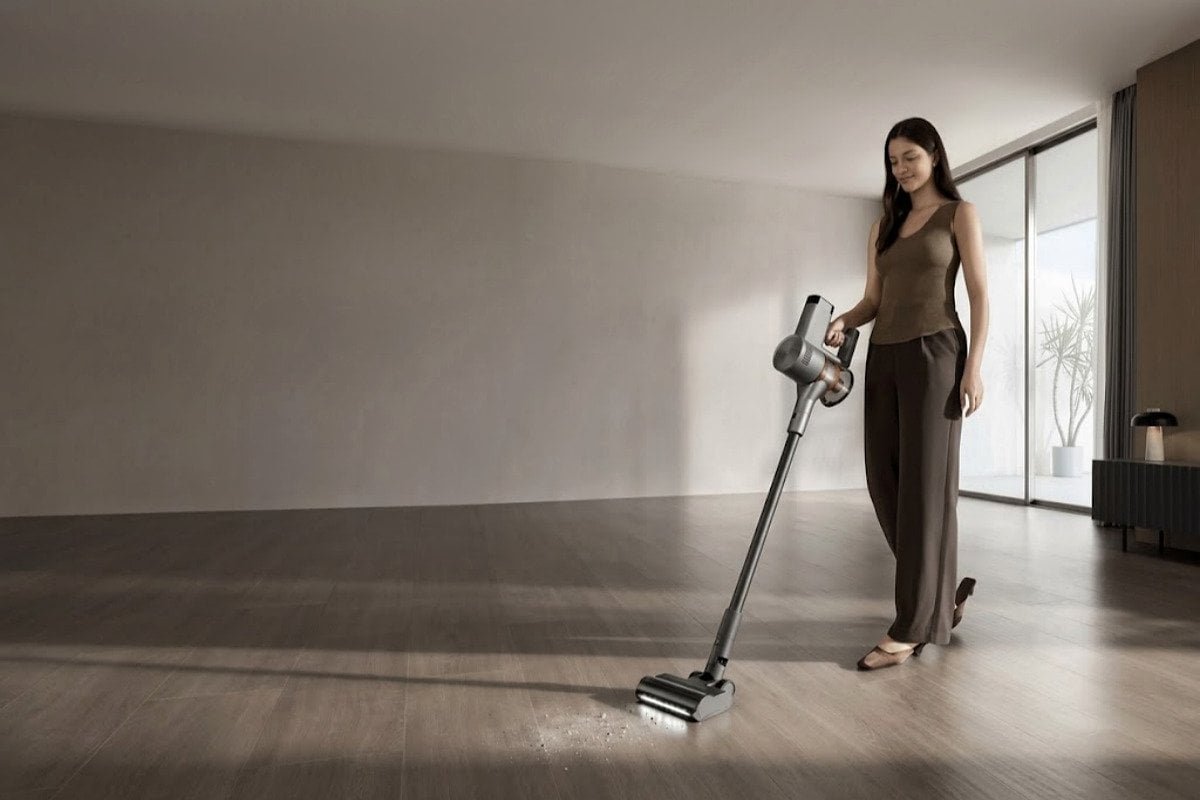
The Features That Truly Matter to Buyers:
- Suction Power: As the most obvious factor, suction strength needs replicable validations under lab and real-world environments.
- Filtration Systems: Efficient dust and allergen removal, especially for allergy-sensitive markets like the EU.
- Noise Levels: Testing decibel ratings against expectations of quiet operation for home use.[^4]
- Cable/Port Quality: These small components must resist frequent wear and tear. Flawed cables lead to common electrical complaints.
- Build Endurance: Conduct drop tests, hinge stress tests, and run-time evaluations to make sure the device lasts.
A vacuum cleaner "checks all boxes" and is ready for production only after it meets expectations like these — both straightforward and complex.
How to determine how powerful a vacuum is?
Most people associate vacuum cleaner power with "how much it sucks." But as manufacturers, we know it’s a lot trickier. Power testing must account for suction force, airflow rate, and motor specifications.
Vacuum power is typically determined through suction testing and airflow measurement, expressed in units like AW (Air Watts).[^5] These tests simulate real-world cleaning scenarios using standard debris and surface types.[^6]
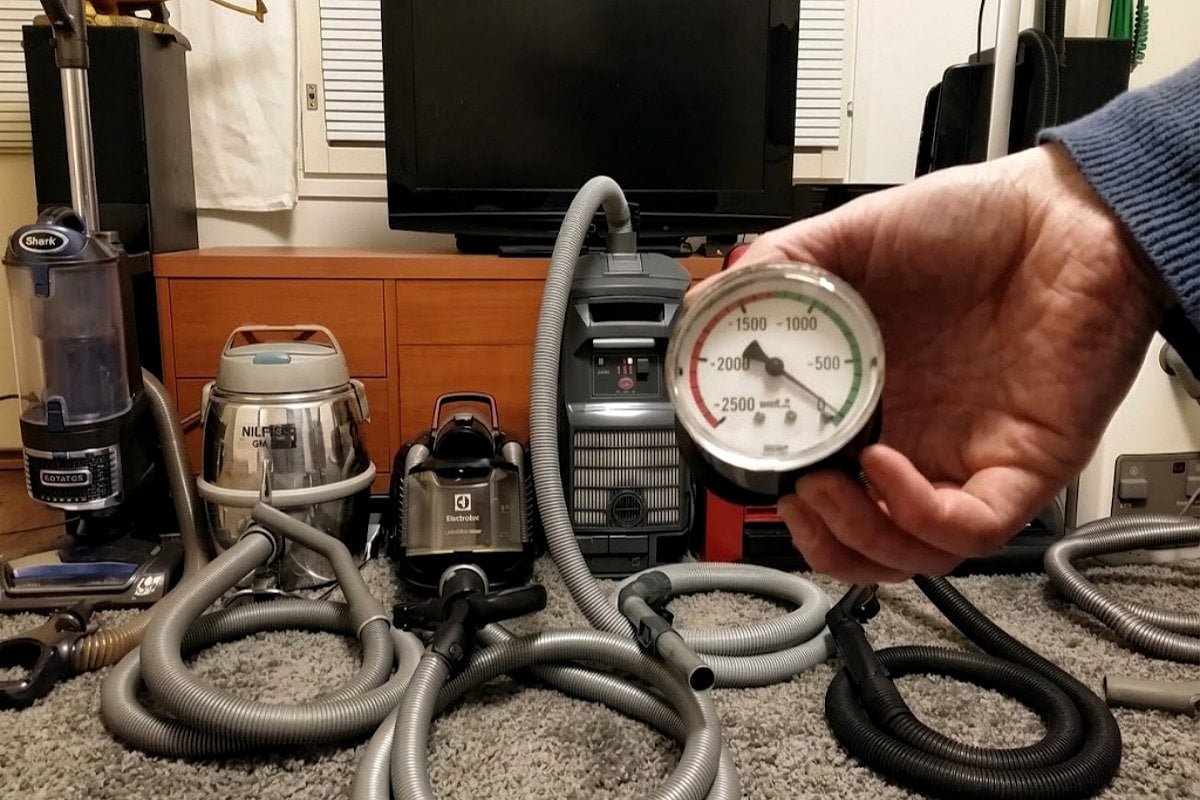
The Three Power Metrics:
- Airflow: Measured in cubic feet per minute (CFM), or liters per second, airflow gauges how much air the vacuum can push through its system.
- Suction Pressure: Pressure directly impacts how tightly the vacuum "holds onto" dirt or surfaces.
- Motor Power: The wattage indicates energy output but doesn't guarantee performance alone — efficiency matters too.
In lab testing, you can simulate vacuum performance under common-use situations like post-pet hair, kitchen messes, and dense carpets. By comparing benchmarks across all three metrics, you’ll have credible data to back marketing claims on power.
How is a vacuum calculated?
Ever wondered what "1200W motor" or "200 AW suction power" really means? These numbers come from precise measurement methods. Still, lab measurements and real cleaning power are two very different things.
Vacuum cleaner calculations involve suction pressure tests, airflow metrics, and wattage ratings to quantify its cleaning capability. These values should align with global testing standards such as IEC/EN specifications.[^7]
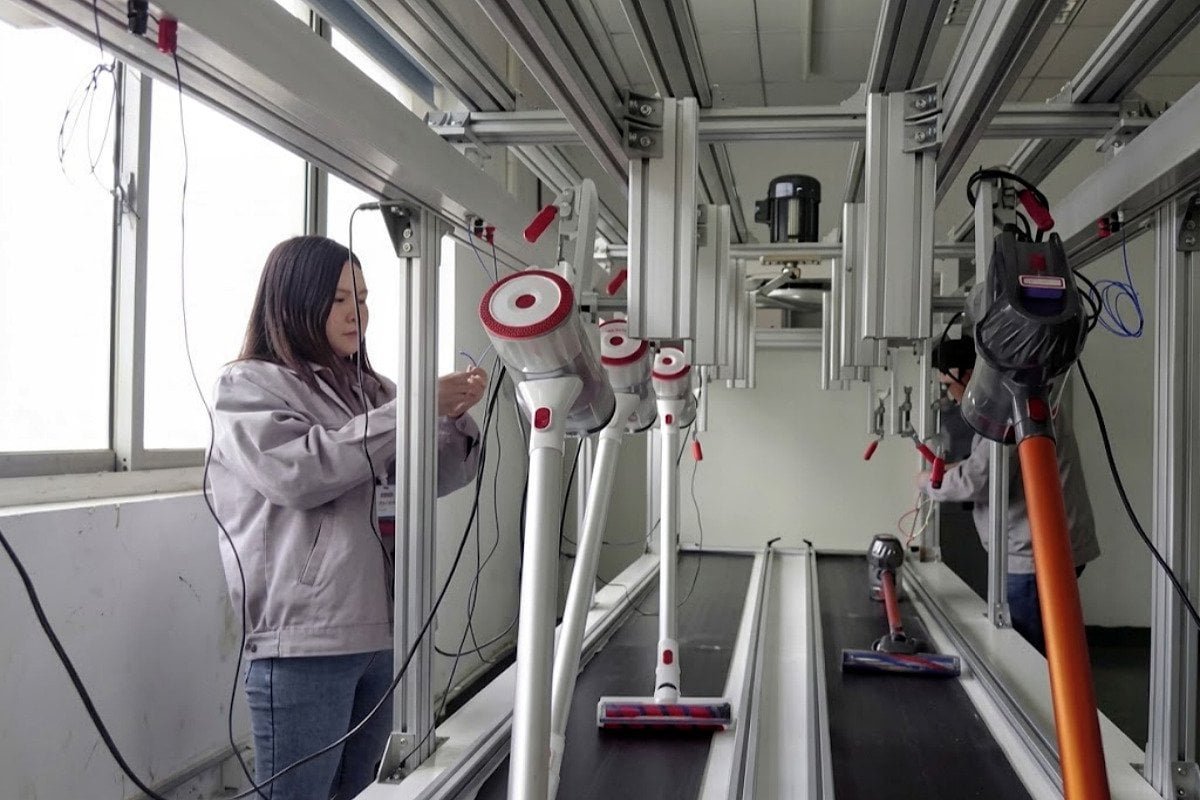
Practical Breakdown of How Vacuum Data Is Measured:
| Metric | Common Unit | Testing Method Example |
|---|---|---|
| Airflow | CFM (cubic feet/minute) | Capture and measure air-speed in the hose/container system. |
| Suction Power | AW (Air Watts) | Controlled debris (dust particle size: 20–40 microns) is used to confirm suction handling. |
| Filtration Efficiency | % of particle capture | Test using HEPA filters against industry standards. |
Just numbers won't sell vacuums. These metrics need validations tailored to your buyer’s needs — whether that’s pet owners, allergy sufferers, or someone looking to upgrade a family home.
Frequently Asked Questions
Why is laboratory testing so important for vacuum cleaners?
Lab testing ensures your vacuum cleaner meets safety, performance, and efficiency expectations outlined by international standards.[^8] Skipping lab tests increases risks of product failures or non-compliance.
How long do product testing phases usually last for vacuums?
Depending on scope, they can take anywhere from 1–6 months. Regional certifications (e.g., CE for Europe or UL for USA) may require additional clearance procedures.
Why does filtration testing matter so much?
Customers in sensitive markets prioritize air quality. Testing filters, particularly HEPA-grade, proves how effectively your vacuum traps allergens and improves indoor health.
Conclusion
Vacuum cleaners must pass an array of critical tests before hitting mass production. From suction power validation to endurance and safety certifications, there’s simply no room for shortcuts. As a manufacturer, ensuring thorough testing is your best strategy for market success.
If you’re ready to refine your testing processes or want support ensuring compliance across international markets, reach out today. Let’s ensure your products don’t just compete but lead in quality and reliability!
[^1]: "Reliability Life Testing and Evaluation of 3-Phase Motors", https://docs.lib.purdue.edu/cgi/viewcontent.cgi?article=1376&context=icec. Pre-production testing for vacuum cleaners often includes assessments of suction power, endurance, and motor reliability, as well as compliance with safety certifications like CE or UL. Evidence role: general_support; source type: education. Supports: Vacuum cleaners require testing for suction power, endurance, safety certifications, and motor reliability before mass production.. Scope note: Specific testing requirements may depend on the target market and regulatory environment. [^2]: "Vacuum Cleaners", https://www.cpsc.gov/Recall-Products/Vacuum-Cleaners. Studies on product recalls indicate that insufficient testing is a common cause of recalls, which can significantly harm a brand's reputation and financial standing. Evidence role: case_reference; source type: research. Supports: Neglecting product evaluations can result in recalls and reputational damage.. Scope note: Specific examples of vacuum cleaner recalls may vary by manufacturer and region. [^3]: "Discovering What Makes a Good Vacuum Cleaner: Your Ultimate ...", https://gizmocleaning.com/what-is-a-good-vacuum-cleaner/. Consumer research and industry standards emphasize performance, reliability, safety, and user experience as critical factors in evaluating vacuum cleaners. Evidence role: expert_consensus; source type: research. Supports: An ideal vacuum cleaner should perform well in terms of performance, reliability, safety, and user experience.. Scope note: Specific user preferences may vary based on individual needs and market segments. [^4]: "Vacuum Cleaner Noise Levels in the USA : r/breakingmom", https://www.reddit.com/r/breakingmom/comments/n5uk0z/vacuum_cleaner_noise_levels_in_the_usa/. Noise level testing for household appliances, including vacuum cleaners, is often conducted to meet consumer expectations for quiet operation, typically measured in decibels. Evidence role: mechanism; source type: education. Supports: Decibel testing is used to ensure vacuum cleaners meet noise level expectations for home use.. Scope note: Acceptable noise levels may vary based on regional standards and consumer preferences. [^5]: "Gently Vacuumed: A term widely used, but rarely measured!", https://mci.si.edu/gently-vacuumed-term-widely-used-rarely-measured. Air Watts (AW) is a standard unit used to measure the effectiveness of vacuum cleaners, combining suction pressure and airflow to quantify cleaning power. Evidence role: definition; source type: research. Supports: Vacuum power is measured using suction testing and airflow metrics, often expressed in Air Watts.. Scope note: The metric may not fully capture real-world cleaning performance. [^6]: "Wet-Vacuum-Based Surface Sampling Method for ...", https://nepis.epa.gov/Exe/ZyPURL.cgi?Dockey=P1012GG3.TXT. Testing protocols for vacuum cleaners frequently include simulations of real-world conditions, such as cleaning various surfaces and handling standard debris types. Evidence role: mechanism; source type: research. Supports: Vacuum cleaner tests often simulate real-world scenarios using standard debris and surface types.. Scope note: Specific testing conditions may vary by manufacturer and testing facility. [^7]: "IEC 60335-2-69:2021", https://www.iecee.org/certification/iec-standards/iec-60335-2-692021. The International Electrotechnical Commission (IEC) and European Norm (EN) provide standardized testing methods for evaluating vacuum cleaner performance. Evidence role: expert_consensus; source type: institution. Supports: Vacuum cleaner performance metrics are often aligned with global standards like IEC/EN specifications.. Scope note: Adherence to these standards may vary by manufacturer and region. [^8]: "Laboratory Vacuum: Clean, Quiet and Always on", https://www.pfeiffervacuum.com/us/en/applications/laboratory-vacuum/. Laboratory testing is a critical step in verifying that vacuum cleaners comply with international standards for safety, performance, and efficiency. Evidence role: general_support; source type: education. Supports: Lab testing is essential for ensuring vacuum cleaners meet international safety, performance, and efficiency standards.. Scope note: Specific standards and testing protocols may vary by region and product type.
Related Posts
How Self-Cleaning and Hot Air Drying Work in Floor Washers?
# How Self-Cleaning and Hot Air Drying Work in Floor Washers? Floor washers equipped with self-cleaning and hot air drying…
kPa vs Air Watts vs CFM: What Vacuum Cleaner Buyers Need to Know
# kPa vs Air Watts vs CFM: What Vacuum Cleaner Buyers Need to Know Shopping for a vacuum cleaner can…
HEPA H13 vs Standard Filters: Which Is Better for a Vacuum Cleaner?
# HEPA H13 vs Standard Filters: Which Is Better for a Vacuum Cleaner? When choosing a vacuum cleaner filter, the…
Leave a Reply