
Best Vacuum Cleaners for Hotels, Offices, and Commercial Cleaning Companies
Best Vacuum Cleaners for Hotels, Offices, and Commercial Cleaning Companies
Selecting the right vacuum cleaner for commercial cleaning is more than chasing high-tech specifications. The best vacuum cleaners for hotels, offices, and cleaning companies combine usability, cost efficiency, and compatibility with specific cleaning needs. Let's explore what truly matters when choosing a model that fits your business scenario.
The best vacuum cleaners ensure a balance between performance, durability, and cost efficiency.[^1] For hotels, prioritize quiet and lightweight models; for offices, durability; and for industrial cleaning, ruggedness and power are key. Avoid common spec misconceptions by factoring total cost of ownership (TCO).
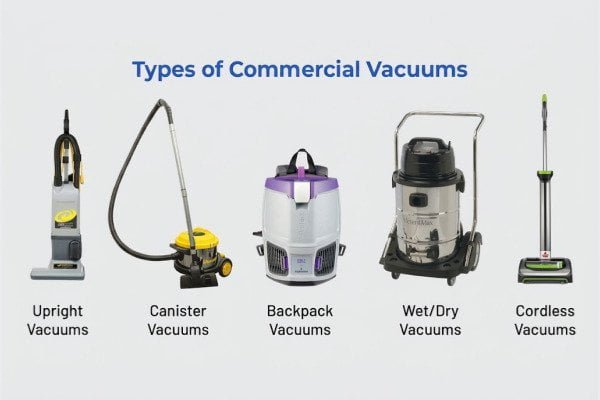
Selecting the right vacuum should align with your space’s unique requirements. Below, I break down essential considerations and guide you through matching features to common use cases.
How should hotels choose vacuum cleaners?
Hotels face cleaning challenges that go beyond performance. Cleaners working unpredictable schedules and sensitive guest environments require functional features that help them meet expectations.
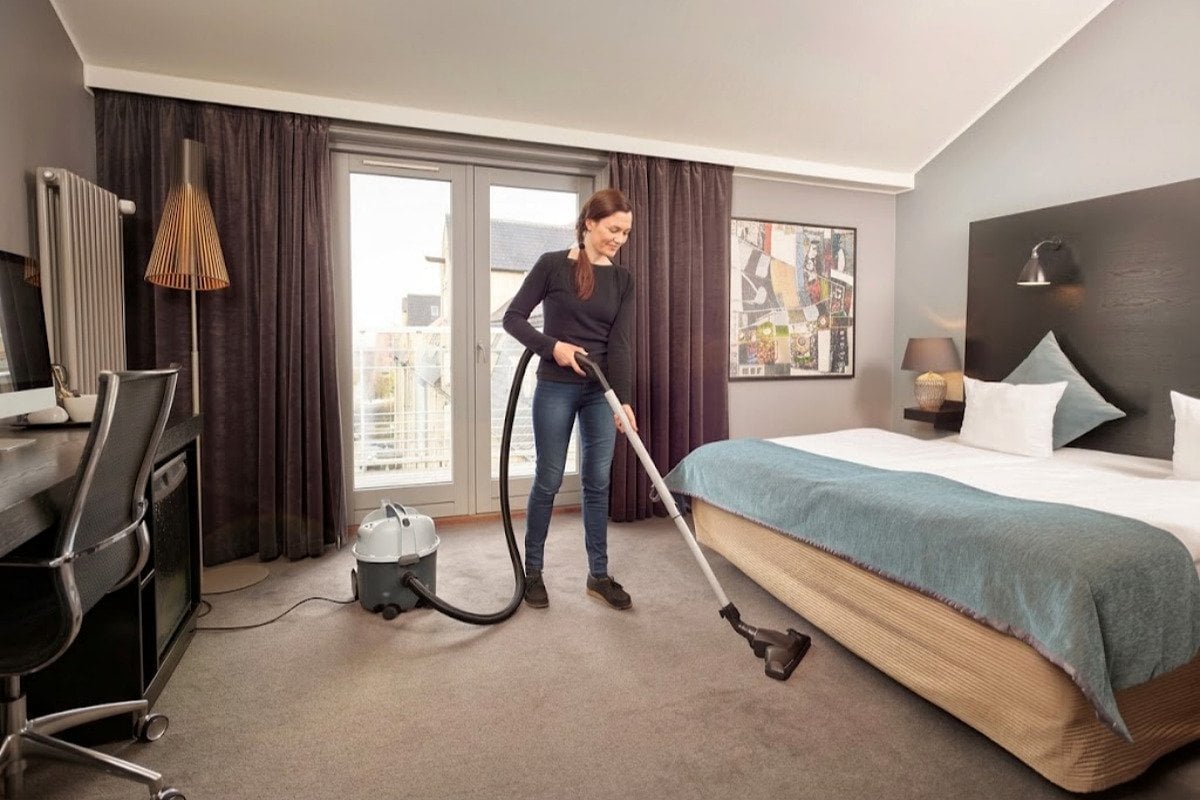
Hotels need vacuum cleaners that prioritize low noise levels, portability, and ease of use. Features like ergonomic handles, lightweight design, and efficient filtration help your housekeeping team clean quickly without disturbing guests.
Dive deeper into hotel requirements
Housekeeping staff are on the move, often cleaning dozens of rooms daily. Hence, vacuum cleaners must be lightweight, portable, and user-friendly. Low noise levels are essential for avoiding guest disturbances—make models under 60 decibels your top priority.[^2]
Some key features to look for include:
- HEPA filter compatibility[^3]: Ensures air quality while cleaning rooms.
- Compact design: Navigates tight corners and under beds with ease.
- Cordless functionality: Minimizes tripping hazards, especially in high-traffic areas.
Hotels using vacuums with poor filtration often risk guest dissatisfaction due to poor air quality.[^4] Look for trusted certifications like HEPA filters, especially for hotels in urban settings where allergens may be a concern. Beware of exaggerated claims around "powerful suction" unless it matches real-world scenarios like deep carpet cleaning or overly dusty areas.
Cost-conscious hotel managers should evaluate consumable needs (e.g., replacement filters) and service intervals to avoid unnecessary upkeep costs. For example, reusable filters might offer long-term savings compared to standardized replacements.
What are the best vacuums for office use?
Office spaces demand vacuums that can handle high foot traffic and diverse flooring while staying reliable for frequent use. These vacuums also need to align with employee comfort and workstation constraints.
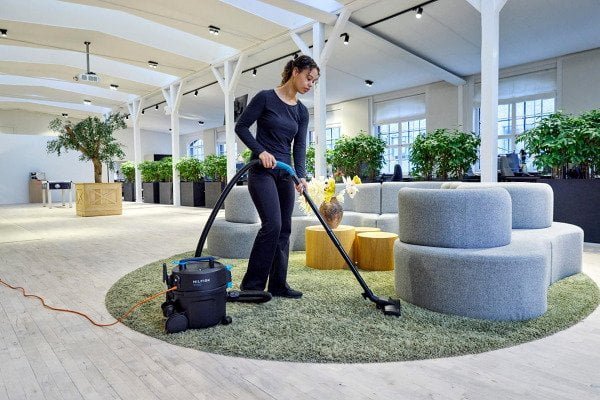
For office environments, prioritize durability and compact designs that handle a mix of carpet and hard flooring. Adjustable suction settings help clean delicate surfaces like rugs without damaging them.
Dive deeper into office needs
Unlike hotels, offices juggle varied debris from heavy foot traffic, snacks, and paper waste. Rugged models capable of daily use are essential to keep up. Look for adjustable heads that easily transition from carpets to hardwood.
Key features to consider include:
- Multi-floor capability: Many offices mix carpeting, tiles, or laminates.[^5] A vacuum adjustable for these surfaces can save maintenance headaches.
- Low-maintenance design: Regular cleaning jobs can quickly bog unreliable systems. Opt for vacuums with simple filter replacement workflows.
- Mobile storage carts: Helpful for janitorial staff moving between floors.
Poor-quality vacuums quickly deteriorate under high usage demands. For example, a busy marketing department using a vacuum built for light-duty homes will quickly drain time and budget replacing damaged parts. If your business cannot afford daily disruptions, consider vacuums from brands known for reliability in commercial-grade applications.
Noise control is less critical compared to hotels but still important in spaces with quiet zones like meeting rooms. Mid-range vacuum models often strike a balance between performance and low sound output.
What vacuum cleaners work best for industrial cleaning companies?
Industrial cleaning environments face unique challenges. From handling tough debris like concrete dust to withstanding rugged conditions, vacuums in this space must be powerful and durable.
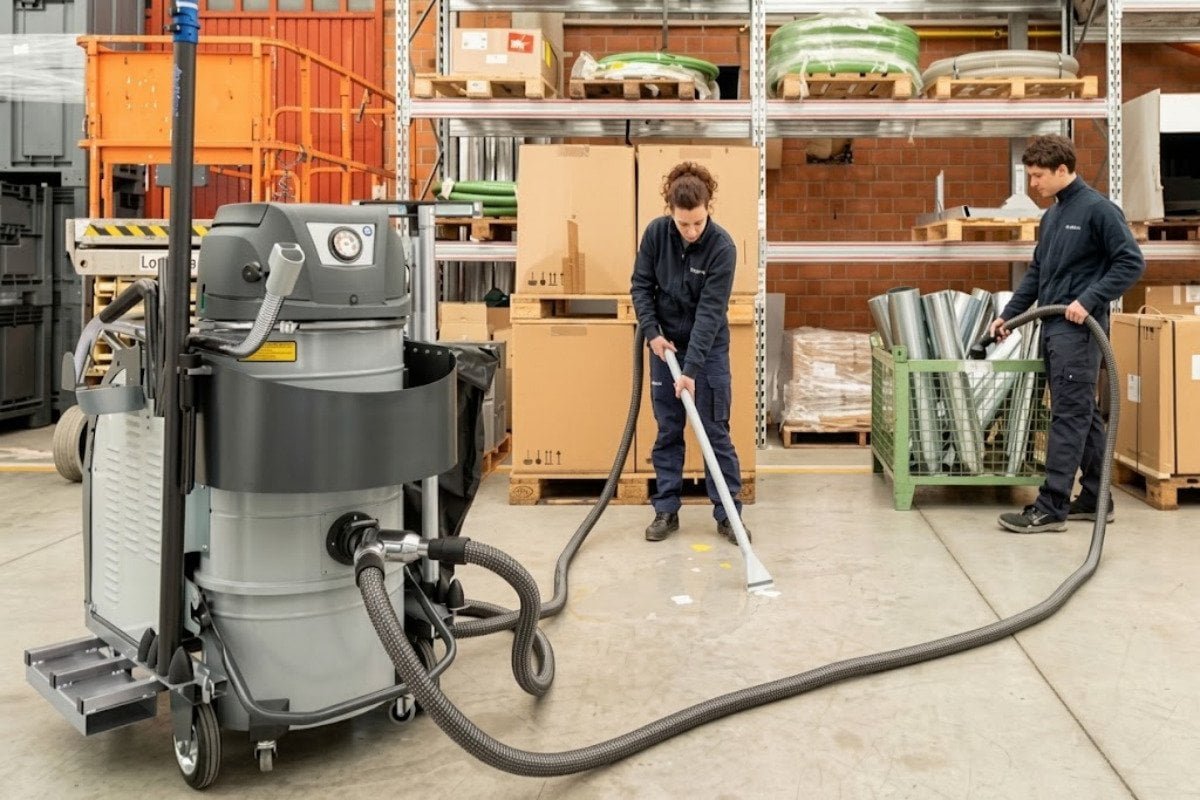
Industrial cleaning companies should choose wet-dry vacuums capable of handling heavy loads like sawdust, metal scraps, or liquid spills while prioritizing damage-resistant materials. High suction power and oversized tanks deliver utility on chaotic job sites.
Dive deeper into industrial scenarios
Construction firms and similar heavy-duty industries depend on vacuums built to endure dust-laden environments, sharp fragments, and grime. Wet-dry vacuums are a top recommendation due to their versatility—they remove liquids and solids seamlessly.[^6]
Specialized features to look for include:
- Large-capacity tanks: Minimize emptying breaks during extended work sessions.
- High suction power: Ideal for picking up heavier debris like cement particles.
- Durable hoses and wheels: Essential for navigating over uneven job-site terrain.
While wet-dry vacuums excel, beware of market overselling "maximum horsepower." Peak horsepower ratings often mislead buyers, disguising average suction performance under inflated stats. Instead, verify wattage output and inspect user reviews to identify realistic power benefits.
Industrial setups deal with difficult-to-remove contaminants daily, like sawdust settling into cracks. Besides investing, ensure filters or accessories matching your debris type. For example, wood dust requires resistant filter types compared to large aggregate cleanups.
What total cost ownership (TCO) factors impact commercial vacuums?
The price tag can be deceiving—hidden costs like replacement consumables and frequent servicing impact operational budgets greatly.
Evaluate TCO by assessing filter replacement intervals, ongoing warranty coverage, and energy consumption. Cheap models often come with high recurring expenses from consumables.
Sample TCO Comparison Table
| Vacuum Type | Upfront Cost | Filter Cost (Yearly) | Energy Cost | Maintenance Cycle |
|---|---|---|---|---|
| Budget Upright | $100–150 | $50–60 | Medium | Every 6 months |
| Commercial Upright | $300–500 | $70–90 | Medium Low | Yearly |
| Industrial Wet-Dry | $500–1000 | $80–150 | High | Every 2 years |
Overlooking TCO risks massive overspending in the long run. For example, a $150 vacuum with frequent filter replacement can cost $500 annually, overtaking a higher-tier $400 vacuum offering reusable filters.
Frequently Asked Questions
What vacuum cleaner type is best for carpet-heavy spaces?
Upright vacuums with rotary brush attachments are ideal for carpet-heavy spaces.[^7] They excel in deep cleaning, extracting embedded dirt without damaging fibers. Ensure height adjustment options are included for thicker carpets.
How can I ensure air quality during vacuuming?
Choose models featuring HEPA filters or similar high-grade filtration systems.[^8] These capture allergens and fine particles, promoting cleaner air during use. Verify certification and filter replacement intervals for consistent performance.
Are cordless vacuums reliable for hotels?
Yes, cordless vacuums are excellent for hotels requiring mobility. Ensure battery models provide at least 30–40 minutes of runtime before recharging and feature lightweight designs that aid portable usage.
What’s the benefit of wet-dry vacuums?
Wet-dry vacuums allow dual functionality for liquid and solid debris cleaning, making them versatile for industrial or rugged applications. They're commonly used in construction sites or facilities dealing with spills.
Should I prioritize branded models over generic options?
Branded models often provide better service, longer warranties, and verified performance specifications. Generic vacuums may save costs upfront but usually sacrifice reliability over time, leading to higher long-term expenses.
Conclusion
Choosing the best vacuum cleaner for hotels, offices, or industrial needs depends on focusing on usability, durability, and cost efficiency rather than chasing inflated technical specifications. Prioritize the right type—whether low-noise vacuums for hotels, durable models for offices, or wet-dry vacs for heavy-duty environments—and evaluate TCO to avoid hidden costs. Contact us today to learn more about commercial vacuum cleaner solutions tailored for your business!
[^1]: "Consumer versus Commercial-Grade: Key Vacuum Differences That Matter", https://mosquito-america.com/2025/11/13/consumer-versus-commercial-grade-key-vacuum-differences-that-matter/. Research highlights that balancing performance, durability, and cost efficiency is critical for selecting effective vacuum cleaners, particularly in commercial settings where operational costs and reliability are key considerations. Evidence role: general_support; source type: research. Supports: The importance of balancing performance, durability, and cost efficiency in vacuum cleaner selection.. [^2]: "Occupational Noise Exposure - Overview - OSHA", https://www.osha.gov/noise. Studies on noise pollution in hospitality environments suggest that equipment operating below 60 decibels is less likely to disturb guests, aligning with industry best practices. Evidence role: statistic; source type: research. Supports: The recommendation of vacuum cleaners under 60 decibels for minimizing guest disturbances in hotels.. [^3]: "Enhancing indoor air quality –The air filter advantage - PMC", https://pmc.ncbi.nlm.nih.gov/articles/PMC4587002/. HEPA filters are designed to capture fine particles, including allergens and dust, thereby improving air quality during vacuuming. Evidence role: mechanism; source type: research. Supports: The role of HEPA filters in improving air quality during vacuuming.. [^4]: "Effect of Hotel Air Quality Management on Guests' Cognitive ...", https://pmc.ncbi.nlm.nih.gov/articles/PMC8431611/. Research indicates that poor indoor air quality, often exacerbated by inadequate filtration systems, can negatively impact guest satisfaction in hospitality settings. Evidence role: general_support; source type: research. Supports: The connection between poor vacuum filtration and guest dissatisfaction in hotels.. [^5]: "Which are the best types of flooring for offices?", https://www.anticcolonial.com/en/best-flooring-offices/. Surveys of office spaces indicate that mixed flooring, including carpeting, tiles, and laminates, is common in modern commercial environments. Evidence role: statistic; source type: research. Supports: The prevalence of mixed flooring types in office environments.. [^6]: "Do I need a ShopVac/WetDry Vac? : r/homeowners - Reddit", https://www.reddit.com/r/homeowners/comments/90cao0/do_i_need_a_shopvacwetdry_vac/. Wet-dry vacuums are designed with dual functionality, allowing them to effectively clean both liquid spills and solid debris, making them versatile for industrial use. Evidence role: mechanism; source type: research. Supports: The versatility of wet-dry vacuums in cleaning both liquid and solid debris.. [^7]: "Upright Vacuum Cleaners", https://www.bissell.com/en-us/category/products/vacuums/upright-vacuum-cleaners/. Rotary brush attachments in upright vacuums are designed to agitate carpet fibers, making them effective for deep cleaning in carpet-heavy environments. Evidence role: mechanism; source type: research. Supports: The effectiveness of upright vacuums with rotary brushes for cleaning carpet-heavy spaces.. [^8]: "Enhancing indoor air quality –The air filter advantage - PMC", https://pmc.ncbi.nlm.nih.gov/articles/PMC4587002/. Experts in air quality management recommend HEPA filters for their ability to capture fine particles, including allergens, thereby improving indoor air quality during vacuuming. Evidence role: expert_consensus; source type: research. Supports: The recommendation of HEPA filters or similar high-grade filtration systems for improving air quality..
Related Posts
How Self-Cleaning and Hot Air Drying Work in Floor Washers?
# How Self-Cleaning and Hot Air Drying Work in Floor Washers? Floor washers equipped with self-cleaning and hot air drying…
kPa vs Air Watts vs CFM: What Vacuum Cleaner Buyers Need to Know
# kPa vs Air Watts vs CFM: What Vacuum Cleaner Buyers Need to Know Shopping for a vacuum cleaner can…
HEPA H13 vs Standard Filters: Which Is Better for a Vacuum Cleaner?
# HEPA H13 vs Standard Filters: Which Is Better for a Vacuum Cleaner? When choosing a vacuum cleaner filter, the…
Leave a Reply