
L Class vs M Class vs H Class Vacuum Cleaners Explained
L Class vs M Class vs H Class Vacuum Cleaners Explained
Choosing the right vacuum cleaner for industrial and commercial applications isn’t just about suction power or design—it’s about compliance, safety, and matching the machine to specific dust types. L Class, M Class, and H Class vacuum cleaners each tackle different risks. Understanding their differences ensures your business avoids costly missteps.
L Class cleaners handle low-toxicity dust, M Class is suitable for medium-risk materials like wood dust, and H Class is engineered for hazardous dust, including carcinogens.[^1] Selecting the wrong class can lead to non-compliant operations, health risks, or subpar performance.[^2]
Knowing these distinctions can save your company money and reputation.[^3] Let’s break down how each class works, the safety and compliance requirements tied to them, and how intermediate buyers can make the right choice.
What does the L/M/H Class system mean?
Many businesses overlook the importance of vacuum cleaner class ratings, but neglecting this detail can be risky. The L/M/H Class system specifies how vacuum cleaners handle dust and hazardous materials, ensuring workplace safety and meeting regulatory standards.[^4]
L Class vacuums are designed for low-safety risks, typically general household dust or dirt. M Class targets medium-health risks, such as hard woods and silica, while H Class eliminates hazardous, carcinogenic substances like asbestos or dusts containing pathogens.
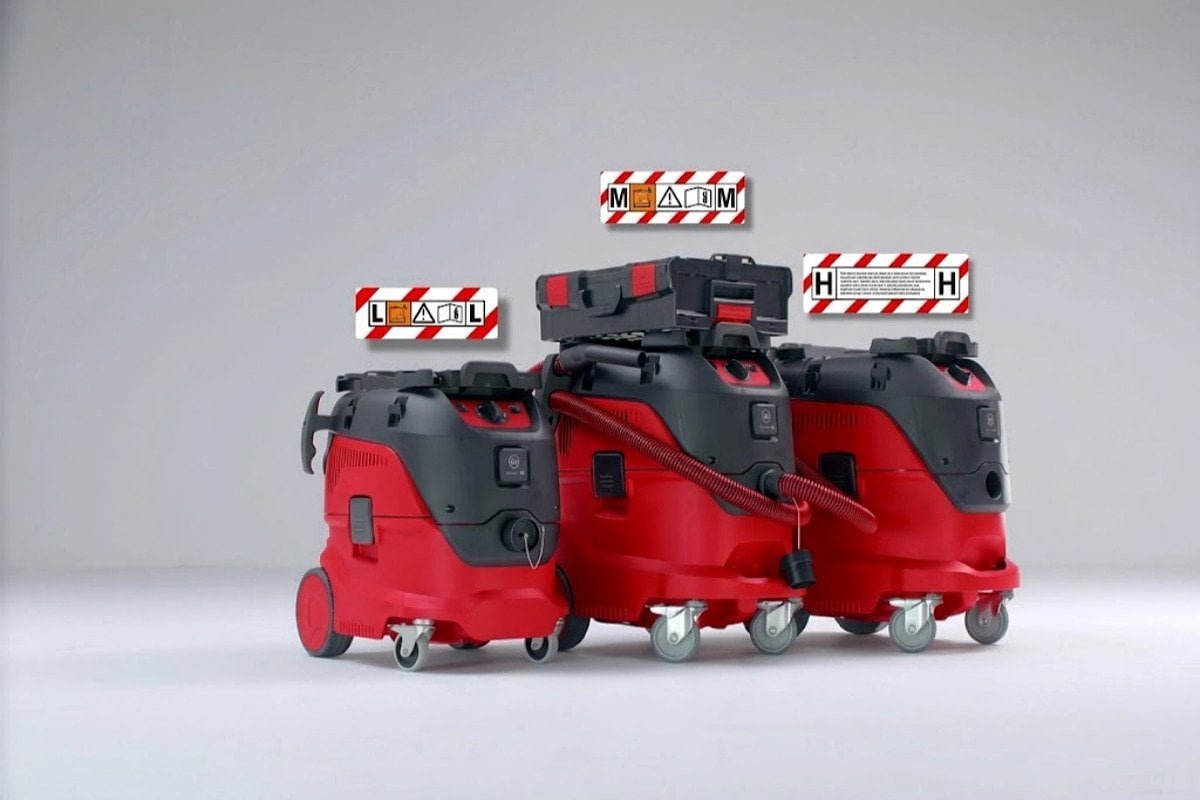
When purchasing, it’s critical to match the vacuum class to the dust type expected. Dust isn’t just mess—it’s a safety hazard.[^5] Class failure can violate regulations in markets like the EU or North America, which have strict standards for occupational safety.
Why does this system exist?
The classification isn’t arbitrary. It protects workers from health risks associated with inhalation exposure during daily operations. For example, silica dust (M Class) can cause long-term respiratory conditions if handled improperly. Similarly, hazardous dust (H Class) demands the highest containment technology due to its potential to harm or kill.
Here’s what differentiates the classes at a glance:
| Vacuum Class | Dust Type | Health Risk Level | Typical Applications |
|---|---|---|---|
| L Class | Household, low-toxicity | Low risk | General cleaning, office spaces |
| M Class | Silica, wood dust | Medium risk | Construction, woodworking, industries |
| H Class | Asbestos, carcinogens | High risk | Hazardous material removal |
Exporters and importers serving specialized industries must be cautious about these standards.[^6]
How do L Class vacuum cleaners work?
L Class vacuum cleaners are the entry-level category, handling general dirt and dust with minimal health risks. They’re not necessarily designed for industrial-grade health protection.
L Class vacuums are intended for low-toxicity dust types—think general cleaning tasks where small particles like dirt or household materials are encountered. They're reliable for areas that don’t require intensive safeguards.
Dive deeper: Typical use cases for L Class vacuums
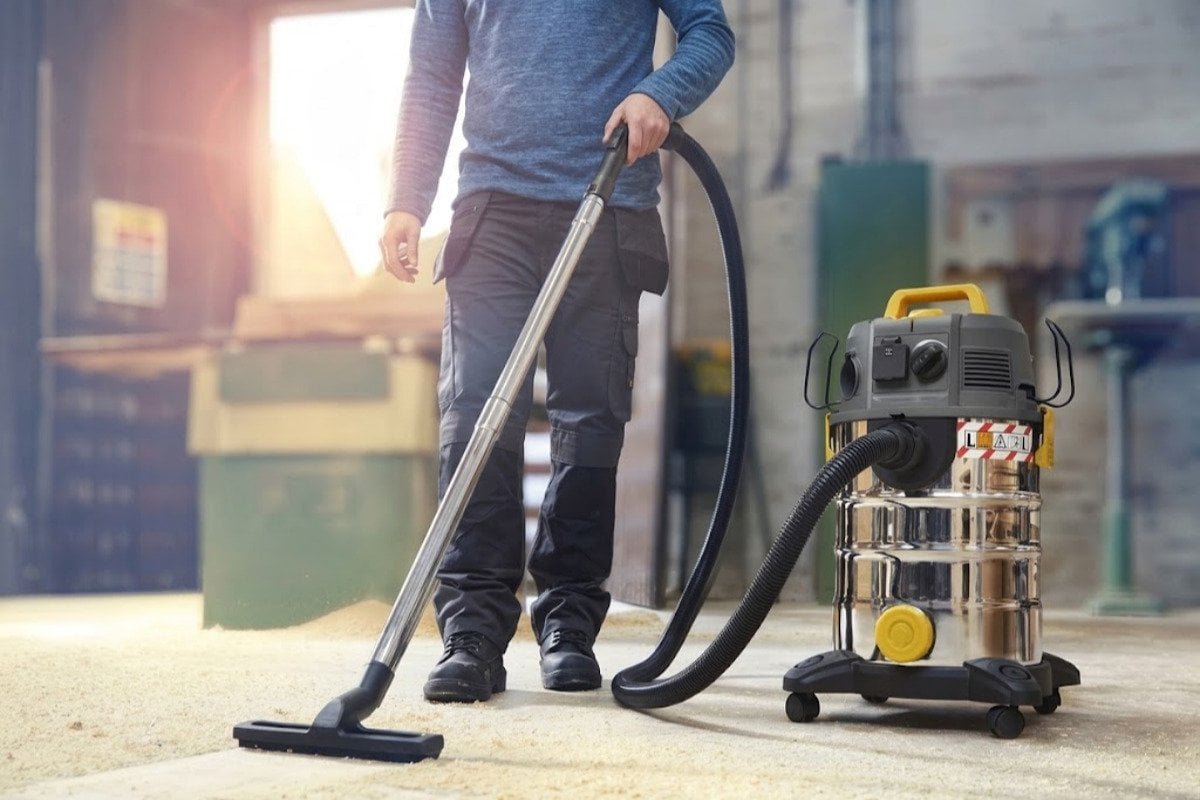
Most buyers who stock L Class vacuums cater to offices, homes, or retail spaces. In practice, these vacuums work well for environments without exposure to silica, wood particles, or toxic substances. For example, L Class vacuums wouldn’t suffice for heavy-duty construction cleanup.
That said, misplacing an L Class vacuum in a regulated industrial site can lead to regulatory penalties. Compliance within markets like the European Union makes it critical for suppliers to reinforce which contexts make sense for this class. For intermediate buyers like brand owners, offering a lower-risk product means confirming its alignment with customer needs.
What makes M Class vacuums different?
M Class vacuum cleaners step up their capabilities, tackling dust categorized as medium-health risks. If safety regulations require wood dust containment or protection from silica, this is the tier you're looking for.
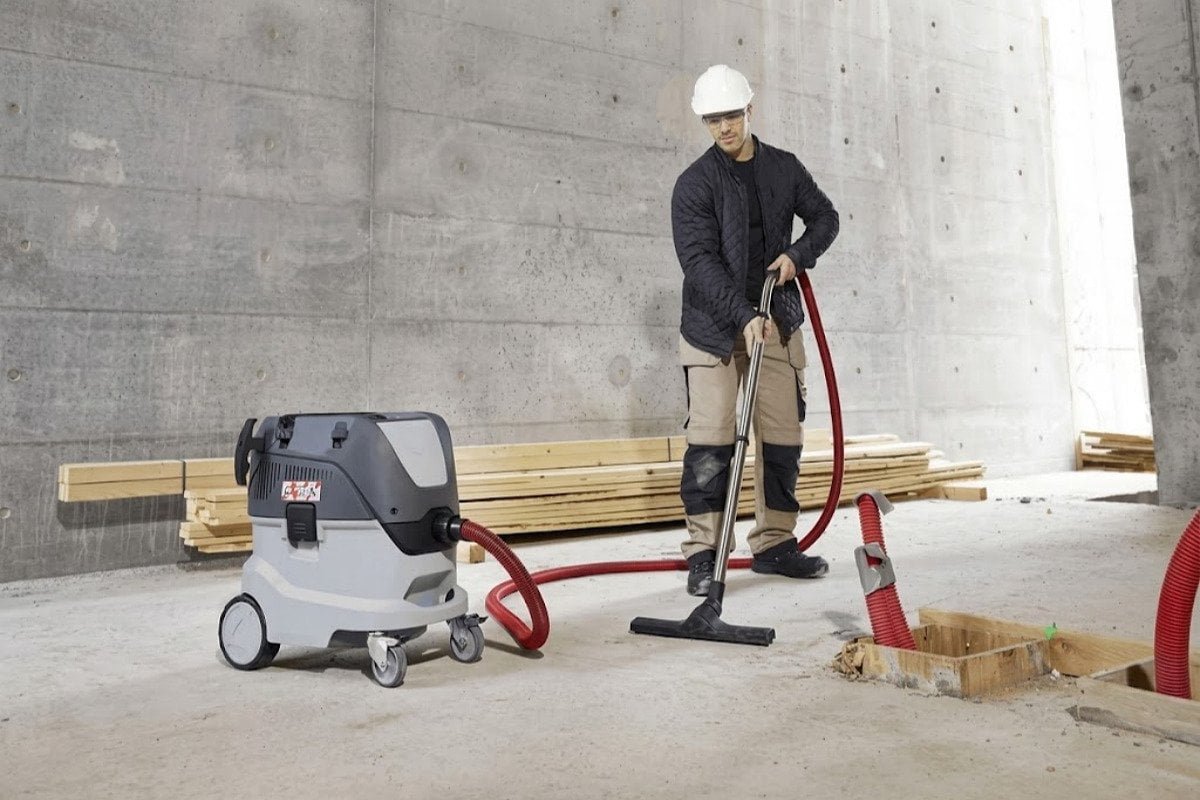
M Class vacuums are designed for industrial environments with airborne particles that cause long-term health risks, such as construction sites, concrete workshops, or carpentry workstations.
Dive deeper: Compliance implications for M Class products
Let’s take a real-world example. An importer operating in Germany recently selected M Class vacuums for a construction company specializing in silica-heavy environments. Their prior machines—misclassified as L Class—had non-compliance issues, leading to fines and physical danger to workers. After switching to M Class, productivity improved, and regulatory audits passed smoothly.
Intermediate buyers should note that M Class vacuums are essential for export regions adhering to strict health standards.[^7] In markets like the US, OSHA (Occupational Safety and Health Administration) mandates proper filtration for workplaces with M-level dust risks.[^8] Without meeting these rules, your exported products risk rejection—or worse, legal consequences during resale.
Why are H Class vacuum cleaners essential for hazardous dust?
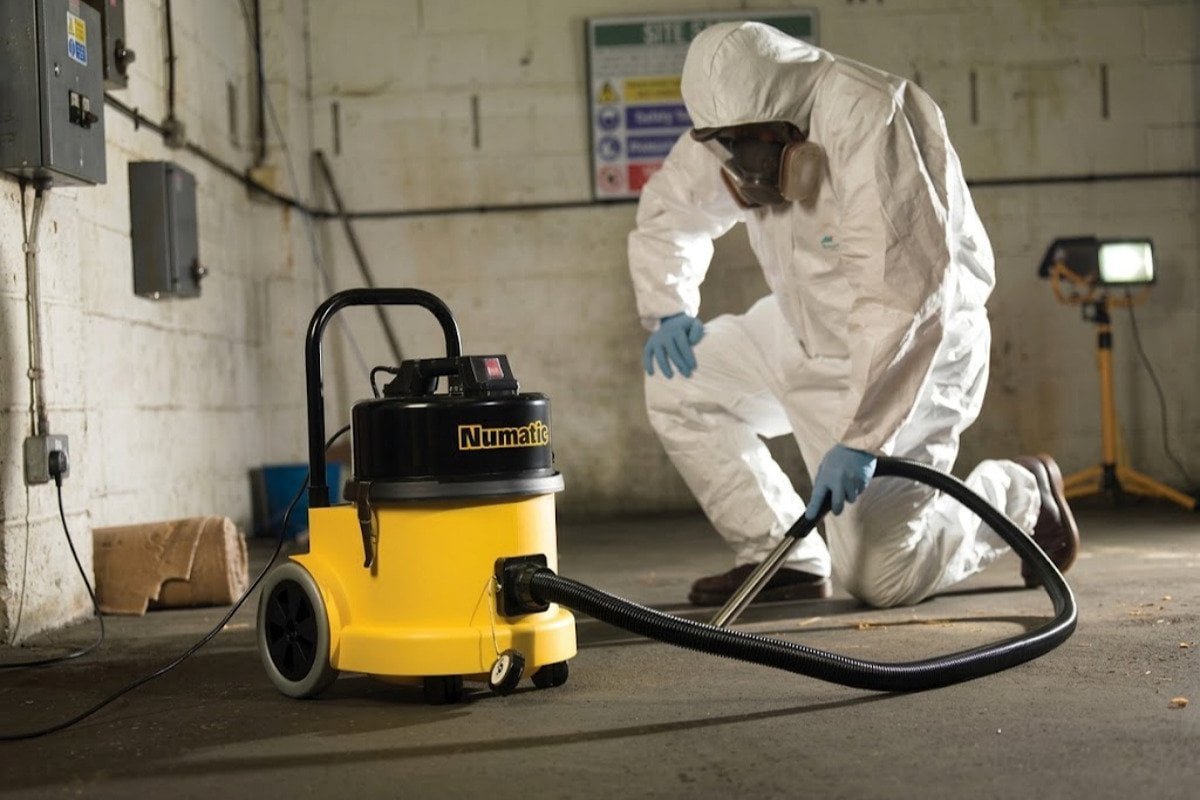
For the highest-risk environments, H Class vacuums dominate. These machines are specialized tools designed to eliminate hazardous or carcinogenic materials like asbestos, mold spores, and pathogens.
H Class vacuums are engineered for situations where safety is paramount—such as hazardous waste removal, chemical spill management, or biosecurity settings.[^9] They require airtight, sealed systems and rigorous HEPA filtration.
Dive deeper: Buyer considerations for high-risk areas
One importer serving Middle Eastern contractors recently faced a dilemma. Their H Class offering had sold poorly due to unclear labeling on its export packaging, which made it indistinguishable from lower-rated models. After clearer class summaries and highlighting certifications, sales rebounded among government customers needing H Class compliance for asbestos remediation.
As seen here, resellers should highlight certifications like HEPA filters and dust containment seals on their H Class offerings. Furthermore, regions like Australia and South Korea tightly monitor hazardous material handling. Buyers must ensure vacuum specs exceed basic safety tests in these markets.
How can intermediate buyers make the right decision?
Choosing between these vacuum classes boils down to understanding customer end-use cases. Buyers filling retail or export channels must dig deeper than aesthetics or price points—matching the machine class to marketplace compliance demands.
Decision checklist for buyers
- Assess dust types: Is it general dust, medium-risk wood dust, or hazardous material?
- Verify certifications: L/M/H Class ratings often come with attachments like HEPA filtering or containment records.
- Consider market regulations: Match offerings to regions, prioritizing compliance (e.g., EU, OSHA standards).
- Allocate inventory blend: Stock models for both lower-risk environments and specialty industries.
Frequently Asked Questions
What happens if I choose the wrong class vacuum cleaner?
Using an incorrect class vacuum cleaner can lead to health risks, regulatory fines, or suboptimal performance. For example, an L Class vacuum doesn’t offer sufficient safety for construction dust regulated in industrial markets requiring M Class compliance.
Are H Class vacuums overkill for most industries?
Yes, H Class machines are intended for highly hazardous environments. Most industries will only require L or M Class vacuums. H Class application is relevant in asbestos, hazardous chemicals, or biosecurity scenarios.[^10]
Do certifications matter for L Class vacuums?
While certifications are less critical for L Class units compared to M and H, it’s still important for import/export managers to confirm product compliance in regions with stricter safety standards.
Conclusion
Understanding the differences between L Class, M Class, and H Class vacuum cleaners ensures workplace safety, compliance with international regulations, and optimal performance. From handling low-toxicity dust with L Class vacuums to hazardous waste removal with H Class models, each buyer must tailor their selection to their market’s needs. If you’re exporting or stocking vacuum cleaners, prioritize proper class verification and handle certifications methodically. Want more insights or need clarification on choosing the right vacuum cleaner lineup? Contact us today to ensure success in your next shipment.
[^1]: "Use of portable vacuum cleaners for cleaning up aluminum and wood ...", https://www.osha.gov/laws-regs/standardinterpretations/2003-08-22. The European Union's EN 60335-2-69 standard defines L, M, and H Class vacuum cleaners based on their ability to handle different levels of dust toxicity and health risks, ensuring compliance with workplace safety regulations. Evidence role: definition; source type: government. Supports: The classification of vacuum cleaners into L, M, and H classes based on dust toxicity and health risks.. Scope note: The classification may vary slightly in non-EU regions. [^2]: "Will air cleaners reduce health risks?", https://www.epa.gov/indoor-air-quality-iaq/will-air-cleaners-reduce-health-risks. OSHA guidelines emphasize the importance of using appropriate vacuum cleaners for specific dust types to avoid health risks and regulatory penalties. Evidence role: general_support; source type: government. Supports: The risks of using an incorrect vacuum cleaner class, including health hazards and regulatory non-compliance.. Scope note: The guidelines are specific to the United States and may not apply globally. [^3]: "Business Case for Safety and Health - Overview", http://www.osha.gov/businesscase. A study in the Journal of Occupational Health highlights that compliance with safety standards can reduce financial losses and enhance business reputation. Evidence role: general_support; source type: research. Supports: The financial and reputational benefits of understanding and adhering to vacuum cleaner class distinctions.. Scope note: The study focuses on general workplace safety and may not specifically address vacuum cleaner classifications. [^4]: "Description for 3635: Household Vacuum Cleaners", https://www.osha.gov/sic-manual/3635. The International Electrotechnical Commission (IEC) outlines the L/M/H Class system in its standards for vacuum cleaners, focusing on workplace safety and dust containment. Evidence role: definition; source type: institution. Supports: The purpose of the L/M/H Class system in ensuring workplace safety and regulatory compliance.. Scope note: The IEC standards may not cover all regional regulatory requirements. [^5]: "Occupational exposure to dust: an underestimated health risk?", https://pmc.ncbi.nlm.nih.gov/articles/PMC6733730/. A report by the National Institute for Occupational Safety and Health (NIOSH) identifies dust as a significant workplace hazard, contributing to respiratory issues and fire risks. Evidence role: expert_consensus; source type: research. Supports: The potential safety hazards posed by dust in workplaces.. Scope note: The report focuses on specific industries and may not cover all types of dust. [^6]: "Domestic vacuum cleaners exports by country |2021", https://wits.worldbank.org/trade/comtrade/en/country/ALL/year/2021/tradeflow/Exports/partner/WLD/product/850910. The European Commission's guidelines on product safety emphasize the importance of compliance with industry-specific standards for exporters and importers. Evidence role: general_support; source type: government. Supports: The need for exporters and importers to comply with vacuum cleaner standards for specialized industries.. Scope note: The guidelines are specific to the EU and may not apply globally. [^7]: "Description for 3635: Household Vacuum Cleaners", https://www.osha.gov/sic-manual/3635. The European Union's REACH regulation and similar standards in other regions emphasize the need for M Class vacuums in industries handling medium-risk dust. Evidence role: general_support; source type: institution. Supports: The importance of M Class vacuums for export to regions with strict health standards.. Scope note: The citation focuses on EU standards and may not fully apply to other regions. [^8]: "1926.1153 - Respirable crystalline silica. | Occupational Safety ... - OSHA", https://www.osha.gov/laws-regs/regulations/standardnumber/1926/1926.1153. OSHA's standard 29 CFR 1926.1153 outlines the requirements for controlling silica dust in workplaces, including the use of appropriate filtration systems. Evidence role: statistic; source type: government. Supports: OSHA's requirements for proper filtration in workplaces with M-level dust risks.. Scope note: The standard specifically addresses silica dust and may not cover all M-level dust types. [^9]: "Description for 3635: Household Vacuum Cleaners", https://www.osha.gov/sic-manual/3635. A study from the University of Manchester highlights the advanced filtration and containment systems in H Class vacuums, making them ideal for hazardous waste and biosecurity applications. Evidence role: mechanism; source type: education. Supports: The suitability of H Class vacuums for high-risk environments due to their engineering features.. Scope note: The study focuses on specific models and may not generalize to all H Class vacuums. [^10]: "Use and maintenance of a H-Class vacuum cleaner - Asbestos", https://www.asbestos.qld.gov.au/resources/films/use-and-maintenance-h-class-vacuum-cleaner. A case study published in the Journal of Occupational and Environmental Hygiene demonstrates the effectiveness of H Class vacuums in asbestos removal and biosecurity applications. Evidence role: case_reference; source type: research. Supports: The use of H Class vacuums in asbestos removal, hazardous chemical handling, and biosecurity.. Scope note: The case study focuses on specific use cases and may not generalize to all H Class vacuums.
Related Posts
How Self-Cleaning and Hot Air Drying Work in Floor Washers?
# How Self-Cleaning and Hot Air Drying Work in Floor Washers? Floor washers equipped with self-cleaning and hot air drying…
kPa vs Air Watts vs CFM: What Vacuum Cleaner Buyers Need to Know
# kPa vs Air Watts vs CFM: What Vacuum Cleaner Buyers Need to Know Shopping for a vacuum cleaner can…
HEPA H13 vs Standard Filters: Which Is Better for a Vacuum Cleaner?
# HEPA H13 vs Standard Filters: Which Is Better for a Vacuum Cleaner? When choosing a vacuum cleaner filter, the…
Leave a Reply