
G Mark and GCC Compliance for Vacuum Cleaners Explained
G Mark and GCC Compliance for Vacuum Cleaners Explained
Navigating G Mark and GCC compliance can be confusing for vacuum cleaner manufacturers and distributors targeting Gulf Cooperation Council (GCC) markets. Meeting these regulatory requirements is mandatory, and neglecting them can lead to rejected shipments, fines, or legal troubles[^1]. Understanding these standards is critical to avoid costly mistakes and establish trust within the GCC region.
G Mark and GCC compliance are legally required to import vacuum cleaners into GCC countries. Manufacturers and distributors must prove their products meet safety, environmental, and quality standards to gain approval. Neglecting these certifications leads to shipment rejections, legal penalties, and damaged brand reputation.
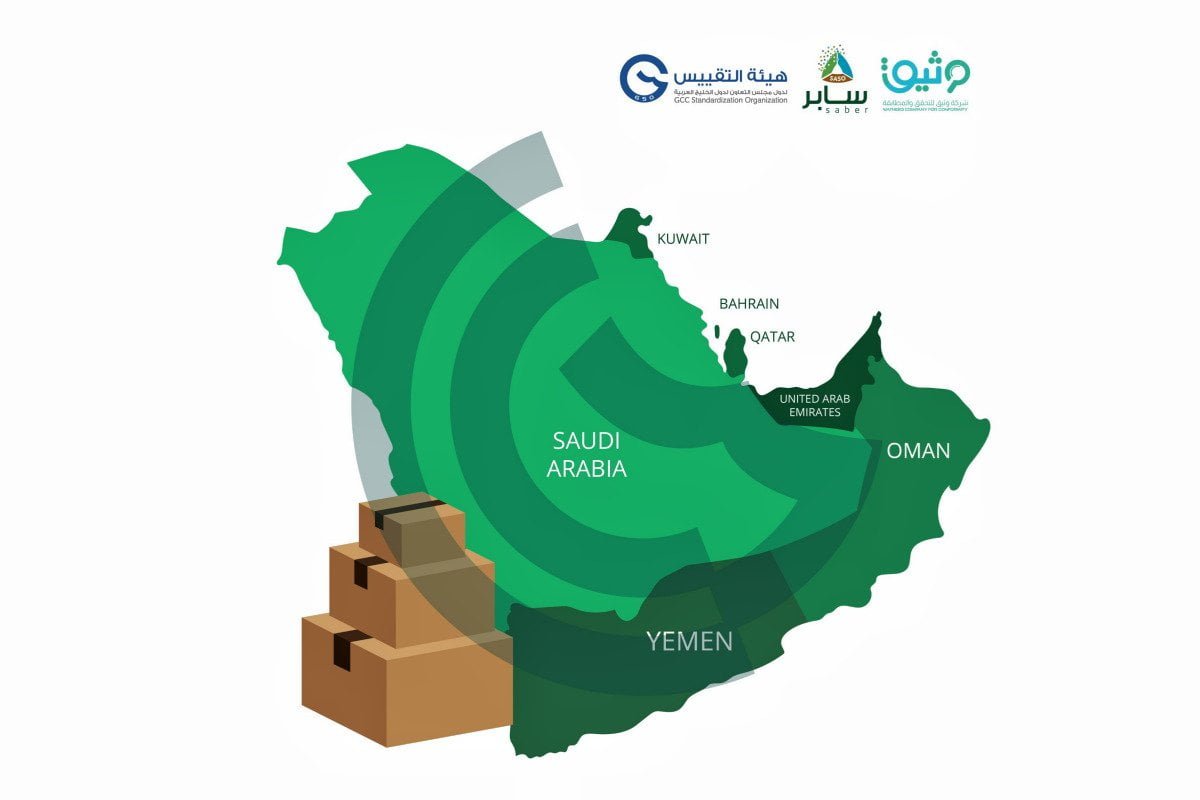
Compliance can seem daunting at first. But with the right knowledge, careful preparation, and expert guidance, you can successfully navigate this regulatory landscape. Below, I’ll break down essential questions covering G Mark and GCC compliance for vacuum cleaners.
What is G Mark and why is it mandatory?
G Mark certification is the GCC’s flagship regulatory scheme for electrical appliances like vacuum cleaners[^2]. It ensures product safety and quality.
G Mark is mandatory because it’s a legal requirement under GCC standards for certain electrical goods, including vacuum cleaners. It establishes safety compliance and offers authorities and customers confidence in the product’s reliability.

Products lacking G Mark certification cannot legally enter GCC markets[^3]. This certification covers specifications related to electrical safety, electromagnetic compatibility, and environmental standards. Authorities in GCC nations enforce this directive to protect consumers and ensure transparency in imported goods. For vacuum cleaners, this process follows a clear pathway:
- Testing: Independent laboratories assess safety and compatibility.
- Documentation: Products require Declaration of Conformity (DoC), which certifies compliance.
- Labeling: Once approved, the G Mark logo must be placed visibly on compliant products.
How does GCC compliance differ from CE certification?
Many international exporters assume CE certification suffices for GCC markets. Unfortunately, this misunderstanding leads to compliance failures.
While CE certification focuses on European safety standards, GCC compliance aligns with regional legislative and testing requirements. G Mark, unlike CE, specifically mandates adherence to GCC Unified Technical Regulations[^4]. These frameworks define standards tailored to local needs.
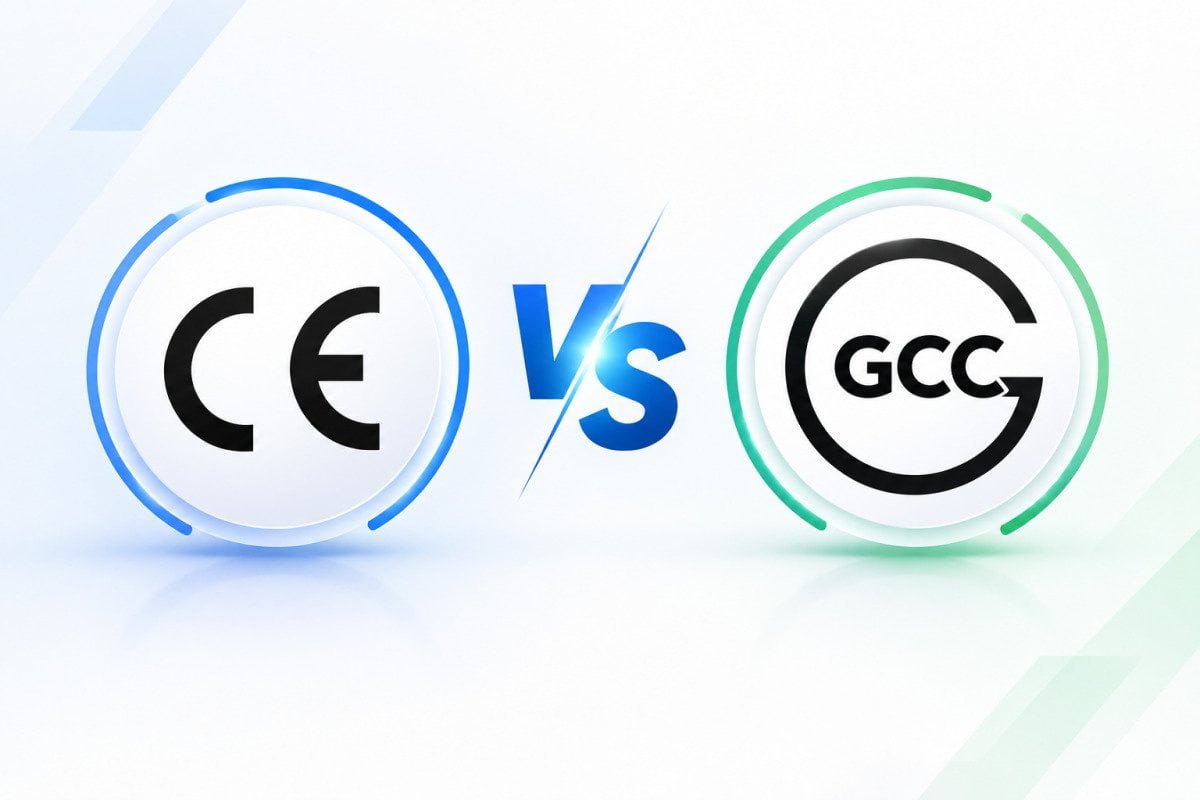
Key differences between CE and GCC certification:
| Aspect | CE Certification | G Mark (GCC Compliance) |
|---|---|---|
| Market Scope | European Economic Area | Gulf Cooperation Council |
| Focus | Health, safety, environmental protection | Region-specific technical regulations |
| Mandatory Marking | CE Label | G Mark Label |
| Vacuum Cleaner Specifics | No unique provisions | Vacuum cleaners classified under electrical devices |
To successfully expand into GCC markets, vacuum cleaner manufacturers need to follow G Mark-specific documentation and testing processes, even if their products are already CE-certified elsewhere.
Which vacuum cleaners require G Mark certification?
Not all household appliances require G Mark certification, leading to some confusion about its scope. For vacuum cleaners, however, it is non-negotiable.
Vacuum cleaners imported into GCC markets require G Mark certification due to their categorization as essential electrical products under Gulf Technical Regulations[^5]. Without this, shipments may face customs rejection.
The distinct nature of vacuum cleaners lies in their reliance on electric power, motors, and filtration systems, which must meet strict testing criteria. Manufacturers importing products into GCC countries must focus on satisfying:
- Electrical durability: Ensuring safe operation across varying power inputs.
- EMC (Electromagnetic Compatibility): Guaranteeing no harmful radiation or interference with other devices.
- Environmental provisions: Reducing pollution and supporting energy efficiency.
What happens if vacuum cleaners don’t meet GCC standards?
Failing to meet GCC standards can result in serious repercussions, not just legal issues but also reputational damage.
Non-compliance with GCC standards leads to rejected shipments, fines, penalties, and banned entry into GCC markets[^7]. Additionally, failing compliance can harm customer trust, tarnishing your brand image.
Consequences of non-compliance include:
- Customs rejection: Products without G Mark certification are turned away at ports.
- Fines: Legal penalties for violating regional import laws.
- Lost revenue: Time and resources wasted on fixing compliance issues post-rejection.
- Eroded trust: Brands viewed as unreliable lose market favor, especially among distributors and retail buyers.
This creates an imperative for exporters to ensure every vacuum cleaner batch meets G Mark criteria before shipping them into GCC territories.
How can I ensure compliance?
The process of achieving G Mark and GCC certification for vacuum cleaners can feel overwhelming, but it’s manageable with preparation.
To ensure compliance, work with trusted testing labs, confirm guidelines under Gulf Technical Regulations, and maintain accurate documentation such as declarations of conformity and detailed product manuals. Partnering with compliance experts for guidance simplifies the certification workflow[^8].

Practical steps to secure compliance:
- Understand GCC requirements: Study GSO standards specific to vacuum cleaners thoroughly.
- Engage testing labs: Submit products for electrical and mechanical testing.
- Prepare documentation: Draft detailed technical files, including safety test results and DoC forms.
- Label products: Apply the G Mark once certified.
Frequently Asked Questions
Are all electrical appliances subject to G Mark certification?
No, only specific categories defined under GCC Unified Technical Regulations need it. Vacuum cleaners fall under these categories, but some other appliances may not.
Does having CE certification make obtaining G Mark easier?
Not necessarily. CE certification and G Mark compliance serve different markets with distinct regulatory frameworks[^10]. CE-certified products must still undergo GCC-specific testing.
Can retailers import non-compliant vacuum cleaners into GCC countries?
No. Customs authorities reject shipments without proper certifications like G Mark labeling, and importers may face penalties.
What documents are needed for G Mark?
Can I affix G Mark labels on my own?
No. Labels can only be affixed after the product successfully passes testing and certification per GCC requirements.
Conclusion
Ensuring your vacuum cleaners meet G Mark and GCC compliance standards is not just essential for legal entry into Gulf markets—it’s critical for building trust and avoiding costly fines and delays. By understanding GCC-specific regulations, avoiding common misconceptions like CE equivalence, and preparing comprehensive documentation, you can confidently navigate this regulatory process. Compliance will not only streamline your global expansion but also strengthen your brand’s reputation among GCC importers and retailers.
[^1]: "Gulf Conformity Mark - GCC Standardization Organization", https://www.gso.org.sa/en/conformity/gcc-conformity-mark/. The Gulf Standardization Organization (GSO) outlines that G Mark certification is mandatory for specific electrical products, including vacuum cleaners, under GCC Unified Technical Regulations. Non-compliance can result in shipment rejections, fines, and legal penalties. Evidence role: general_support; source type: government. Supports: The mandatory nature of G Mark and GCC compliance and the consequences of non-compliance.. [^2]: "G Mark Certification for Products Imported or Sold in Gulf ...", https://www.intertek.com/product-certification-marks/gmark/. The GSO confirms that G Mark certification is a central regulatory requirement for electrical appliances in GCC countries, ensuring compliance with safety and quality standards. Evidence role: general_support; source type: institution. Supports: G Mark certification as the primary regulatory framework for electrical appliances in GCC countries.. [^3]: "Rules Requiring a General Certificate of Conformity (GCC)", https://www.cpsc.gov/Business--Manufacturing/Testing-Certification/Lab-Accreditation/Rules-Requiring-a-General-Certificate-of-Conformity. According to GCC customs regulations, products without G Mark certification are not permitted entry into member states, as they fail to meet mandatory safety and quality standards. Evidence role: general_support; source type: government. Supports: The prohibition of non-G Mark certified products from entering GCC markets.. [^4]: "G Mark Certification for Products Imported or Sold in Gulf ...", https://www.intertek.com/product-certification-marks/gmark/. Educational resources on international trade compliance highlight that G Mark certification mandates adherence to GCC Unified Technical Regulations, which are tailored to the region's specific safety and environmental needs, unlike CE certification. Evidence role: general_support; source type: education. Supports: The distinction between G Mark and CE certification, particularly the requirement for GCC Unified Technical Regulations under G Mark.. [^5]: "Description for 3635: Household Vacuum Cleaners", https://www.osha.gov/sic-manual/3635. The Gulf Technical Regulations specify that vacuum cleaners are classified as essential electrical products, necessitating G Mark certification for legal import into GCC markets. Evidence role: general_support; source type: government. Supports: The classification of vacuum cleaners as essential electrical products requiring G Mark certification under Gulf Technical Regulations.. [^6]: "Description for 3635: Household Vacuum Cleaners", https://www.osha.gov/sic-manual/3635. GCC Unified Technical Regulations classify vacuum cleaners as controlled electrical products, requiring compliance with specific safety and quality standards. Evidence role: general_support; source type: government. Supports: The inclusion of vacuum cleaners in controlled categories under Gulf regulations.. [^7]: "General Use Products: Certification and Testing | CPSC.gov", https://www.cpsc.gov/Business--Manufacturing/Testing-Certification/General-Use-Products-Certification-and-Testing. GCC customs authorities enforce strict penalties for non-compliance, including shipment rejection, fines, and potential bans on future imports. Evidence role: general_support; source type: government. Supports: The consequences of non-compliance with GCC standards, including shipment rejection and legal penalties.. [^8]: "G-Mark Certification | Global Compliance & Logistics Solutions", https://gulfconformity.com/g-mark-certification/. Research on regulatory compliance highlights that engaging experts can streamline certification processes by ensuring accurate documentation and adherence to technical standards. Evidence role: general_support; source type: research. Supports: The role of compliance experts in simplifying the G Mark certification process.. [^9]: "General Certificate of Conformity (GCC) FAQ", https://www.cpsc.gov/FAQ/GCC. Research on regulatory compliance services indicates that consultants specializing in GCC certifications can streamline processes by navigating complex regulations and ensuring timely documentation. Evidence role: general_support; source type: research. Supports: The role of consultants in expediting GCC certification processes and minimizing delays.. [^10]: "General Use Products: Certification and Testing | CPSC.gov", https://www.cpsc.gov/Business--Manufacturing/Testing-Certification/General-Use-Products-Certification-and-Testing. Educational materials on international compliance note that CE certification applies to the European Economic Area, while G Mark compliance is specific to GCC markets, with distinct regulatory requirements. Evidence role: general_support; source type: education. Supports: The distinction between CE certification and G Mark compliance in terms of market focus and regulatory frameworks.. [^11]: "General Certificate of Conformity | CPSC.gov", https://www.cpsc.gov/Business--Manufacturing/Testing-Certification/General-Certificate-of-Conformity. GCC Unified Technical Regulations mandate that products must include a Declaration of Conformity, safety test reports, and user manuals to demonstrate compliance. Evidence role: general_support; source type: government. Supports: The documentation required for G Mark certification under GCC regulations..
Related Posts
How Self-Cleaning and Hot Air Drying Work in Floor Washers?
# How Self-Cleaning and Hot Air Drying Work in Floor Washers? Floor washers equipped with self-cleaning and hot air drying…
kPa vs Air Watts vs CFM: What Vacuum Cleaner Buyers Need to Know
# kPa vs Air Watts vs CFM: What Vacuum Cleaner Buyers Need to Know Shopping for a vacuum cleaner can…
HEPA H13 vs Standard Filters: Which Is Better for a Vacuum Cleaner?
# HEPA H13 vs Standard Filters: Which Is Better for a Vacuum Cleaner? When choosing a vacuum cleaner filter, the…
Leave a Reply