
How to Calculate the Landed Cost of Imported Vacuum Cleaners?
How to Calculate the Landed Cost of Imported Vacuum Cleaners?
Many importers of vacuum cleaners face unexpected financial risks because they don’t calculate the landed cost accurately. The landed cost isn’t just the product’s purchase price—it includes import duties, VAT, shipping, warehousing, and distribution. By understanding how to calculate each component step-by-step, importers can minimize pricing errors and financial exposure[^1].
The landed cost of imported vacuum cleaners is the total expense associated with purchasing, shipping, storing, and getting the product to its final destination. It includes the purchase price, shipping fees, taxes, and handling costs. Accurately calculating these factors helps importers avoid underpricing[^2] and eliminate surprises during fulfillment.
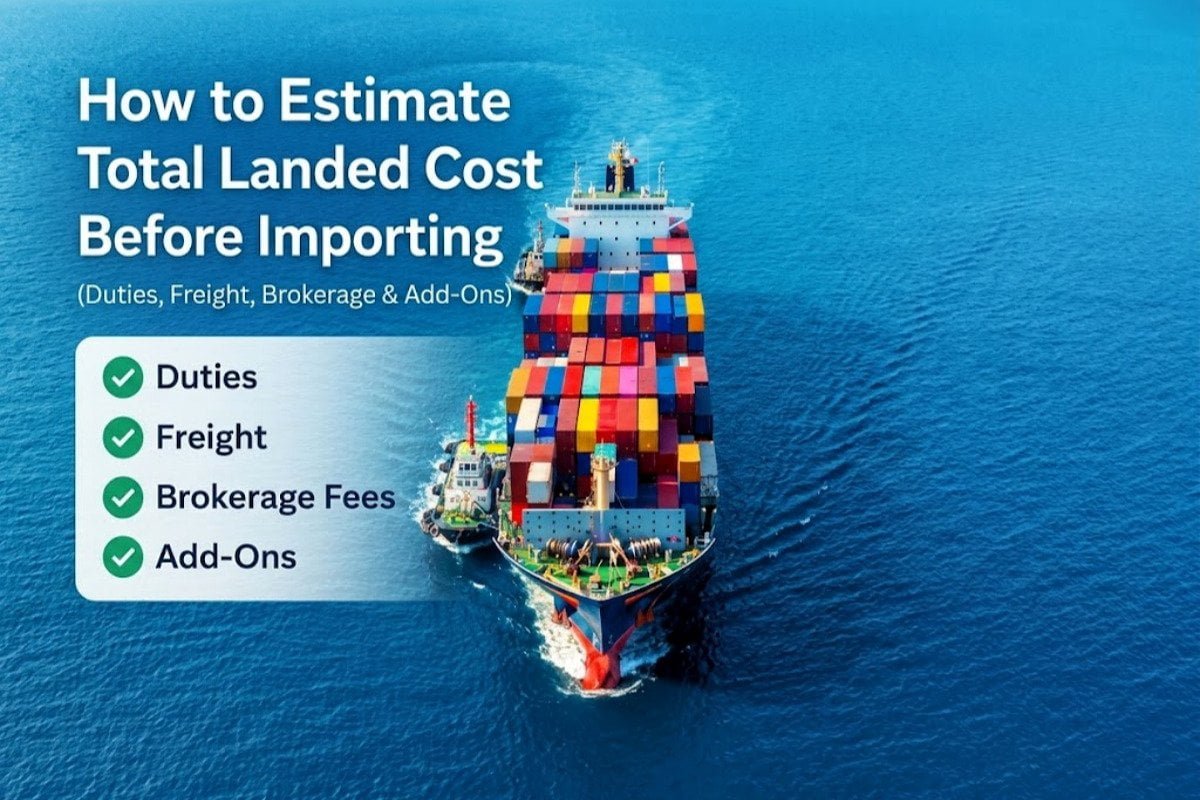
The risks of underestimating landed costs are real; below we’ll explore how to break down these costs into manageable parts and avoid common missteps.
What is included in the landed cost calculation?
The problem many buyers face is overlooking or underestimating the full scope of landed costs.
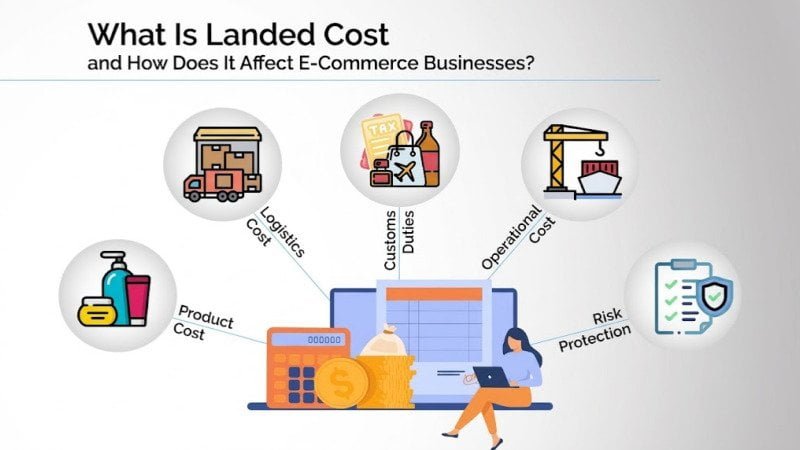
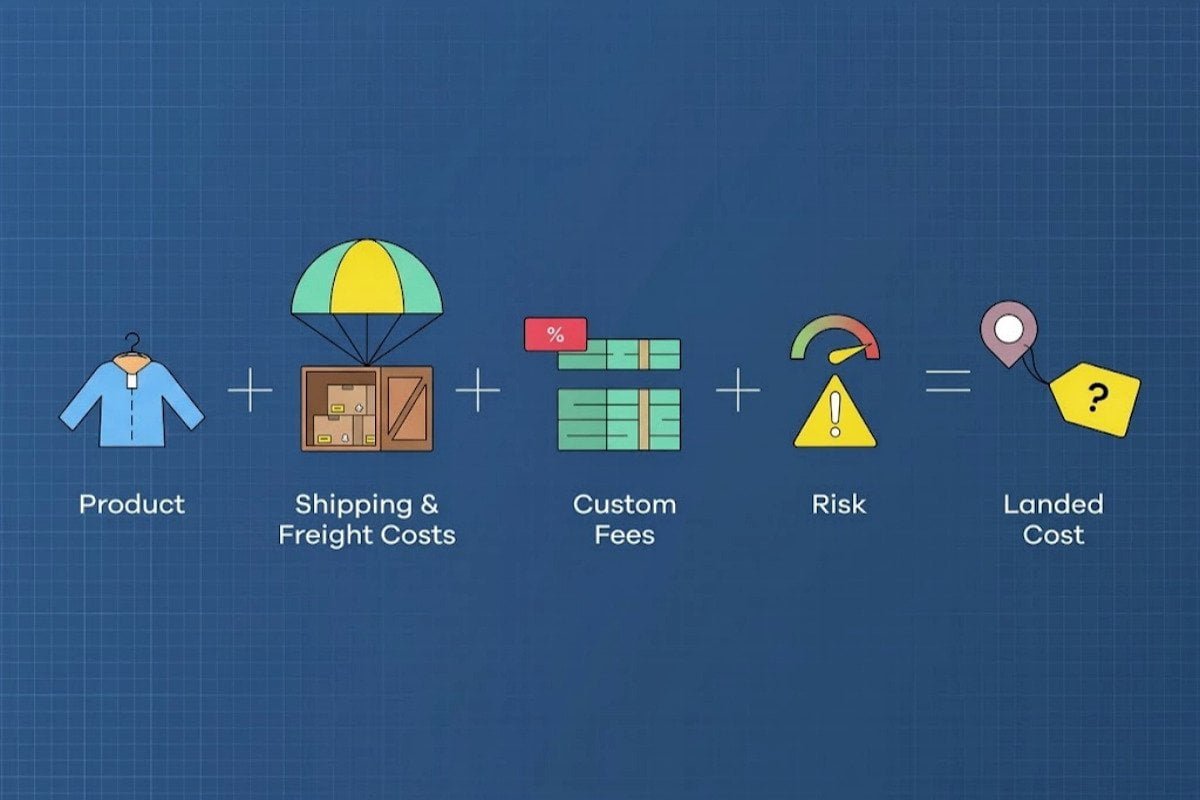
Landed costs include everything from the invoice price of the vacuum cleaners to freight fees, customs duties, VAT, and warehousing/distribution costs. Together, these expenses shape the true cost of the imported goods.
Dive deeper: key components of landed cost
-
Product Cost: This is the primary expense—the price you pay the manufacturer or exporter. The FOB (Free on Board) price is often the starting point.
-
Shipping Fees: Covers international logistics, including ocean freight and air shipment, as well as port handling charges.
-
Customs Duties and VAT: Charged by the importing country, the rates depend on tariff classifications and local tax policies.
-
Clearance Costs: Includes customs processing fees, brokerage, and inspections at the port.
-
Warehousing and Storage: Storage fees in transit or upon arrival at its final destination.
-
Distribution Costs: The costs of delivering vacuum cleaners to their intended retail partners or direct customers.
By adding all these, importers can get an accurate picture of their total expense.
How do import duties and VAT affect landed cost?
Import duties and VAT often make up the largest chunk of unexpected costs. Misclassifying vacuum cleaners within tariff codes or misunderstanding local tax schemes can lead to costly mistakes.
The correct import duty rate and VAT percentage must be checked for the country where the vacuum cleaners are being imported. These fees can vary dramatically between regions like the EU, Southeast Asia, or the Americas.
Dive deeper: Import duties and tax complexities
-
Tariff Codes: Vacuum cleaners are categorized under specific Harmonized System (HS) codes, which determine their duty rate. A slight misclassification can result in paying much higher taxes.
-
VAT Calculation: In Europe, VAT rates range from 10–25%[^3], and importers must pay VAT during customs clearance. For example, in Germany, the standard VAT rate is 19%, while in Sweden, it’s 25%.
-
Exemptions or Special Programs: Some importers qualify for duty-free programs under free trade agreements[^4], but understanding these exemptions may require professional assistance.
| Consider this calculation: | Component | Example Values (EU, Germany) |
|---|---|---|
| Purchase Price | €100/unit | |
| Import Duty: 5% | €5/unit | |
| VAT: 19% (on total) | €19.95/unit | |
| Shipping Fees | €2/unit | |
| Warehousing/Delivery | €3/unit | |
| Total Landed Cost | €129.95/unit |
Without including all factors, underestimating landed cost becomes easy.
Why are shipping fees often neglected?
Freight fees might seem straightforward but they can fluctuate based on container space, port congestion, or transportation method. Importers often underestimate costs like last-mile delivery[^5].
Shipping fees in your landed cost calculation should include container/freight charges, port fees, and inland transportation to the warehouse or distributor hub.
Dive deeper: Shipping fee challenges
-
Container Costs: Rising demand during peak seasons heightens container shipping costs disproportionately[^6].
-
Port Congestion Surcharges[^7]: Delays at busy ports like Shanghai or Singapore can add hours or days to clearance time, increasing fees.
-
Domestic Transport: Importers often forget to account for costs once vacuum cleaners arrive at the destination port. Trucking or rail fees can spike significantly due to distance or fuel prices.
A real-world example: A container of 1,000 vacuum cleaners from China to Europe[^8] would incur freight costs of approximately $2,500 depending on current rates. Ignoring small variables, like inland transport, can quickly push these fees past estimates.
How do warehousing and distribution costs impact landed cost?
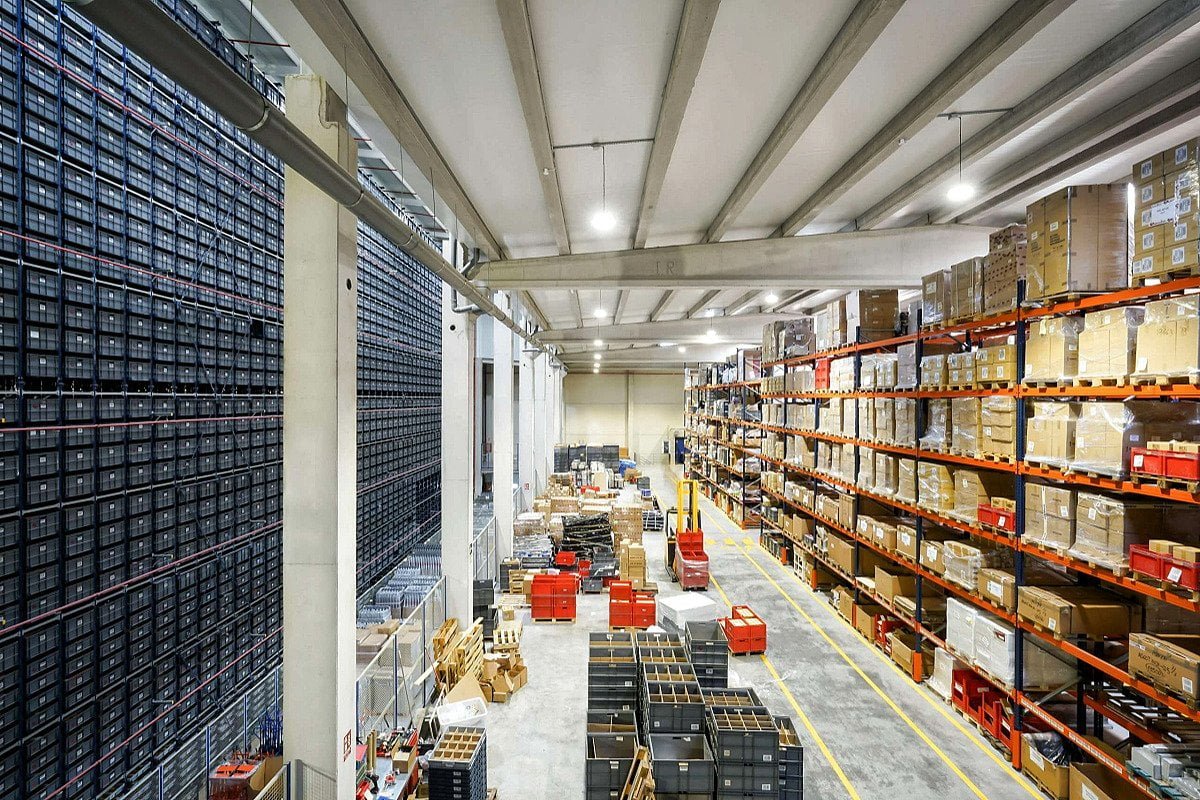
Warehousing and distribution costs should be calculated per unit to avoid underpricing. These costs can depend on storage durations, facility locations, and shipment volumes.
Warehousing costs add storage fees that vary based on location, storage time, and specialized handling needs. Distribution fees include the transportation from your warehouse to retailers or end consumers.
Dive deeper: Adding warehousing and distribution considerations
-
Storage Costs: Importers might store vacuum cleaners for weeks before shipping to regional distributors. Warehousing fees are usually charged by pallet space or total inventory.
-
Regional Delivery Costs: Last-mile delivery typically includes fuel surcharges, packaging costs, and labor charges for unloading goods at final destinations.
Frequently Asked Questions
What affects the landed cost of vacuum cleaners the most?
The largest factors are import duties, shipping charges, and VAT, as they are highly variable by country. Always check updated tariff codes and regional tax rates to avoid surprises.
Can I apply a universal formula to calculate landed cost?
No, landed costs vary based on shipping distances, country-specific import taxes, and logistics setups. Every calculation should be tailored for the product and its destination.
Should I outsource landed cost calculations?
If you handle high-volume imports, outsourcing to logistics experts or customs brokers may prevent costly errors, especially in tariff classifications or shipping fees.
Conclusion
Accurately calculating the landed cost of imported vacuum cleaners is vital[^9] for avoiding financial risks and underpricing. Consider product cost, shipping fees, duties, VAT, warehousing, and distribution for comprehensive costing. By investing time upfront to calculate all these components, importers can price with confidence and avoid unexpected expenses during fulfillment. Contact us to optimize your landed cost process today[^10]!
[^1]: "What is Landed Cost and Its Importance?", https://www.qad.com/blog/2024/07/what-is-landed-cost-and-its-importance. Research shows that precise landed cost calculations help businesses avoid underpricing and unexpected financial losses, particularly in international trade scenarios where costs can vary significantly. Evidence role: general_support; source type: research. Supports: Accurate calculation of landed costs can help importers reduce pricing errors and financial risks.. Scope note: The support may vary depending on the specific industry or product being imported. [^2]: "Stop Underpricing Your Work: Manufacturing Cost Estimator", https://www.gosmarter.ai/blog/manufacturing-cost-estimator-smart-budgeting/. Studies on pricing strategies in international trade suggest that accurate cost calculations are critical for setting competitive and sustainable prices. Evidence role: general_support; source type: research. Supports: Accurate calculation of landed costs helps importers avoid underpricing and unexpected financial issues.. Scope note: The relationship may vary depending on market conditions and competition. [^3]: "European Union value added tax - Wikipedia", https://en.wikipedia.org/wiki/European_Union_value_added_tax. According to the European Commission, VAT rates in EU member states range from 10% to 25%, depending on the country and type of goods. Evidence role: statistic; source type: government. Supports: VAT rates in Europe range from 10–25%, and importers are required to pay VAT during customs clearance.. Scope note: The range may not account for reduced or zero rates applied to specific goods or services in certain countries. [^4]: "Free Trade Agreements", https://ustr.gov/trade-agreements/free-trade-agreements. Government trade resources confirm that free trade agreements, such as NAFTA or the EU-South Korea FTA, provide duty-free benefits for qualifying goods. Evidence role: general_support; source type: government. Supports: Free trade agreements can allow importers to qualify for duty-free programs, reducing landed costs.. Scope note: Eligibility for duty-free programs depends on compliance with specific rules of origin and documentation requirements. [^5]: "Cutting Last-Mile Delivery Costs", https://sloanreview.mit.edu/article/cutting-last-mile-delivery-costs/. Logistics studies identify fuel surcharges, packaging, and labor as key components of last-mile delivery costs, which can significantly impact overall shipping expenses. Evidence role: mechanism; source type: research. Supports: Last-mile delivery costs often include fuel surcharges, packaging, and labor for unloading goods.. Scope note: Specific cost components may vary depending on the logistics provider and delivery region. [^6]: "How Seasonality Impacts FCL Shipping Quotes and Pricing", https://ecu360.com/contentHub/blog/how-seasonality-impacts-fcl-shipping-quotes-and-pricing/. Studies on global shipping trends indicate that container freight rates can rise by up to 30% during peak seasons due to increased demand and limited capacity. Evidence role: statistic; source type: research. Supports: Container shipping costs increase significantly during peak seasons due to higher demand.. Scope note: The percentage increase may vary depending on the shipping route and market conditions. [^7]: "The Impact of the COVID-19 Pandemic on Freight ...", https://www.usitc.gov/research_and_analysis/tradeshifts/2020/special_topic.html. Research on global shipping logistics confirms that port congestion at major hubs often results in additional surcharges and extended clearance times. Evidence role: general_support; source type: research. Supports: Port congestion at major hubs like Shanghai or Singapore can lead to increased fees and delays.. Scope note: The extent of delays and fees may vary based on specific circumstances and shipping routes. [^8]: "Freight Rates per 40-foot Container for East Bound and ...", https://www.bts.gov/browse-statistical-products-and-data/info-gallery/freight-rates-40-foot-container-east-bound-and. Recent shipping rate data indicates that the cost of transporting a standard container from China to Europe averages around $2,500, though rates fluctuate based on market conditions. Evidence role: statistic; source type: research. Supports: The estimated freight cost for shipping a container of goods from China to Europe is approximately $2,500.. Scope note: Freight costs can vary significantly due to factors like fuel prices, demand, and shipping routes. [^9]: "Landed Cost: what it is and how to calculate it", https://www.savinodelbene.com/landed-cost-what-it-is-how-to-calculate-it/. Research on import cost management highlights that accurate landed cost calculations are crucial for financial planning and competitive pricing. Evidence role: general_support; source type: research. Supports: Accurate landed cost calculation is essential for avoiding financial risks and underpricing in importing.. Scope note: The importance may vary depending on the scale of operations and market dynamics. [^10]: "Landed Cost: Complete Guide to Calculating Total Import ...", https://www.finaleinventory.com/blog/guides/landed-cost/. Industry reports suggest that outsourcing landed cost calculations to logistics experts can enhance accuracy and mitigate risks associated with international trade. Evidence role: expert_consensus; source type: research. Supports: Outsourcing landed cost calculations to experts can improve accuracy and reduce financial risks.. Scope note: The effectiveness of outsourcing may depend on the expertise of the service provider and the complexity of the import process.
Related Posts
How Self-Cleaning and Hot Air Drying Work in Floor Washers?
# How Self-Cleaning and Hot Air Drying Work in Floor Washers? Floor washers equipped with self-cleaning and hot air drying…
kPa vs Air Watts vs CFM: What Vacuum Cleaner Buyers Need to Know
# kPa vs Air Watts vs CFM: What Vacuum Cleaner Buyers Need to Know Shopping for a vacuum cleaner can…
HEPA H13 vs Standard Filters: Which Is Better for a Vacuum Cleaner?
# HEPA H13 vs Standard Filters: Which Is Better for a Vacuum Cleaner? When choosing a vacuum cleaner filter, the…
Leave a Reply