
Heated Water vs Steam in Carpet Cleaners: What’s the Difference?
Heated Water vs Steam in Carpet Cleaners: What’s the Difference?
Choosing between steam cleaning and hot water extraction can be a head-scratcher. Both methods promise effective carpet cleaning, but the way they work—and the results they deliver—aren’t quite the same. In this article, I’ll break down their differences, how each interacts with carpet fibers, their strengths, and their limitations.
Steam cleaning and heated water extraction differ in their cleaning mechanism. Steam cleaning uses high-temperature vapor to loosen dirt[^1], while hot water extraction combines heated water and detergents to flush out grime effectively[^2]. Each method brings unique benefits, depending on your carpet’s material, stain type, and cleaning requirements.
Before diving into the details, let’s explore what makes these two techniques stand out—and why you should know the difference.
What is the difference between steam cleaning & hot water cleaning?
Here’s the deal: many people assume steam cleaning and hot water extraction are the same, but that’s a misconception. They’re vastly different in their methods and results.
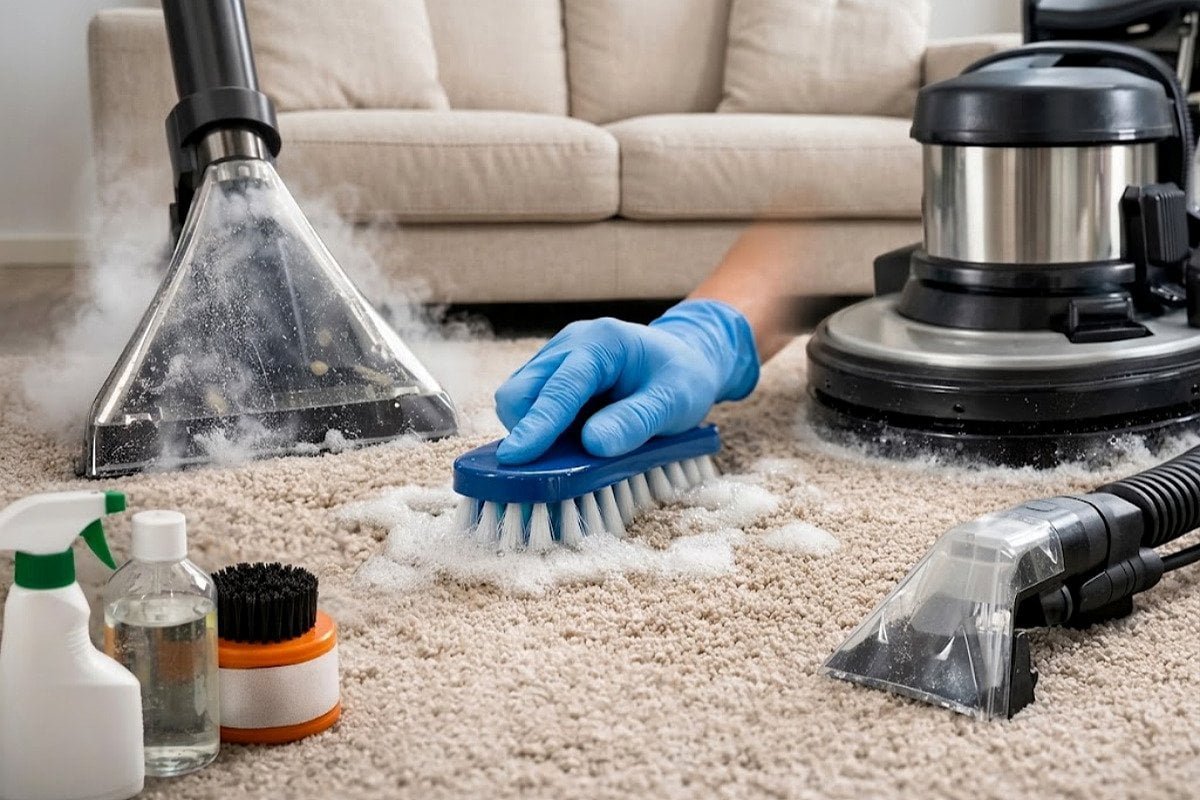
Steam cleaning relies on vaporized water at high temperatures to break down stains and dirt on the carpet surface. In contrast, hot water extraction uses pressurized hot water mixed with detergent to deep clean carpets, flushing debris out of the fibers.
A closer look at the mechanics:
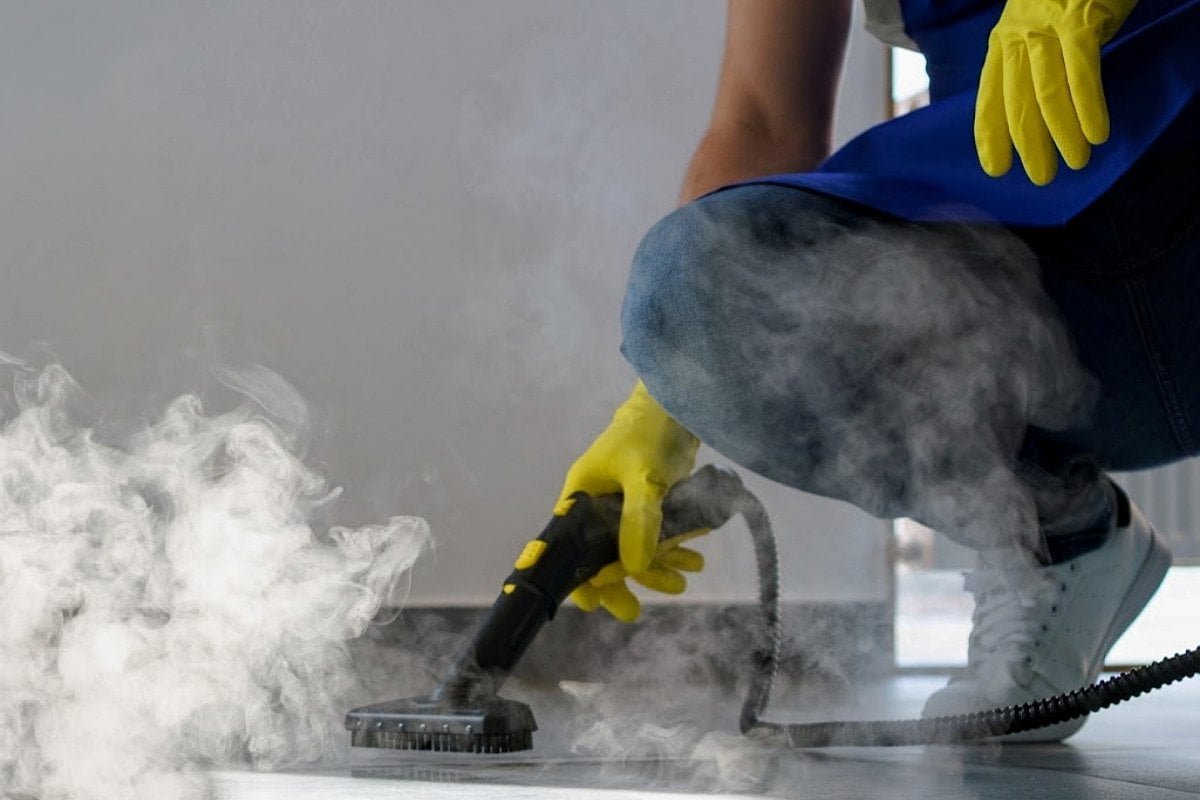
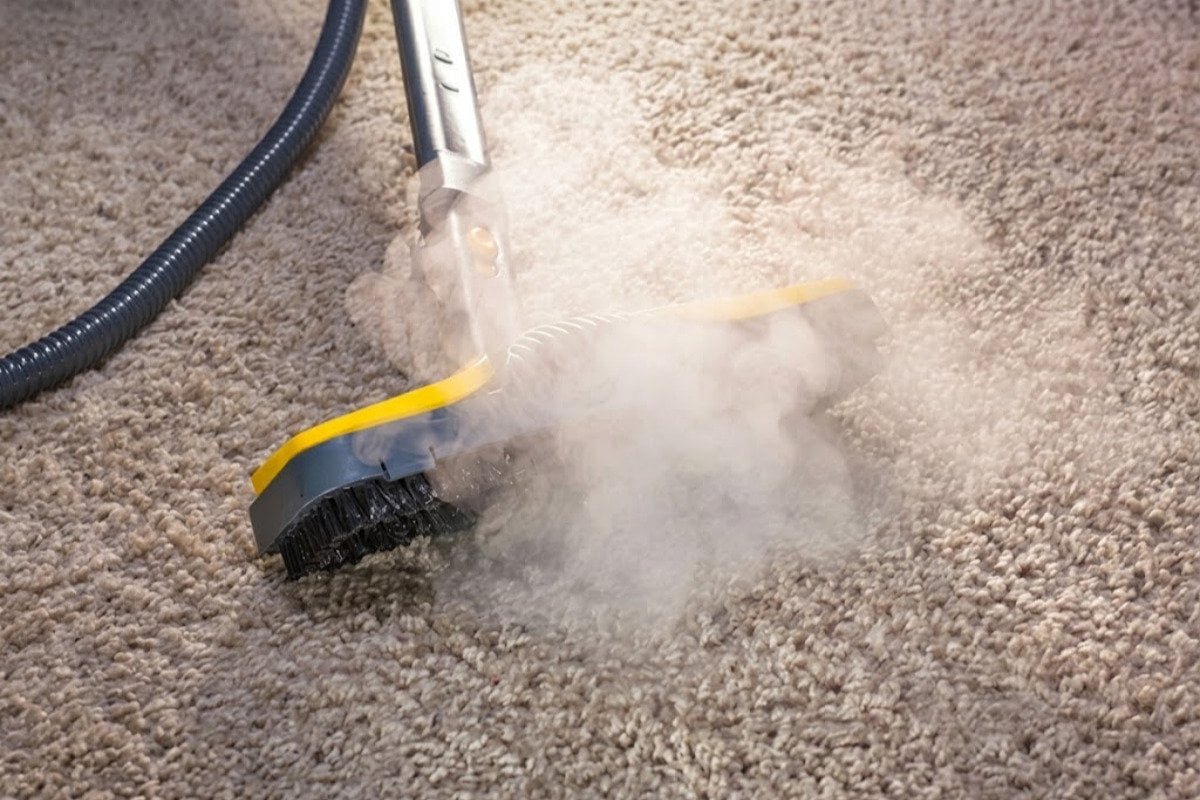
Steam cleaning heats water beyond boiling point (over 212°F)[^3], creating hot vapor that is applied directly to the carpet. The heat kills bacteria, loosens grime, and helps refresh the fibers without heavy reliance on chemicals.
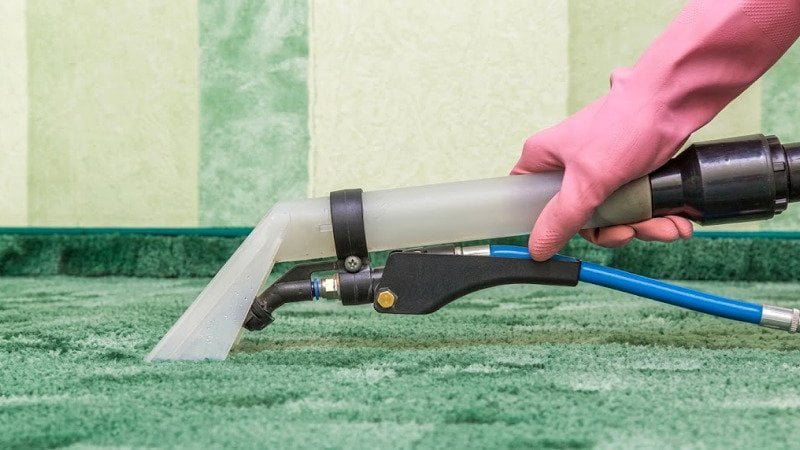
Hot water extraction, often known as deep cleaning, involves spraying heated water and cleaning solutions into the carpet[^4]. It then uses a vacuum to extract the dirty water, along with soil and contaminants, from deep within the fibers.
So, steam is all about surface-level dirt removal and sanitization, while hot water acts deeper for a thorough cleanse.
Is steam cleaning better than dry carpet cleaning?
If you’re deciding between steam cleaning and dry cleaning, the choice depends on what your carpet needs. Here’s how they differ.
Steam cleaning beats dry cleaning when it comes to heavily soiled carpets and sanitization[^5], as it uses high heat to kill germs. Dry cleaning, on the other hand, is less intrusive and faster, relying on chemical compounds without water.
Why you may prefer steam cleaning:
- Deep sanitization: Steam’s high temperature acts as a “disinfectant,” ideal for allergy sufferers or homes with pets[^6].
- Eco-friendliness: Steam cleaning uses minimal chemicals, making it safer for households aiming to reduce chemical use[^7].
- Better against tough stains: Grease, grime, or sticky residues lift more easily with steam’s high heat.
When dry cleaning is better:
- Faster drying times (usually within an hour).
- Minimal water use, which is better for moisture-sensitive fabrics.
- Ideal for carpets that only need light touch-ups.
Ultimately, steam is great for deep cleaning jobs, while dry cleaning saves time for routine maintenance.
Carpet Steam Cleaning vs Hot Water Extraction: Pros & Cons
When comparing steam cleaning and hot water extraction, I see a clear trade-off between effectiveness and practicality. Let’s break it down.
Steam cleaning advantages:
- High-temperature vapor disinfects and kills bacteria.
- Reduces reliance on chemical detergents.
- Effective for surface stains and grease.
Steam cleaning disadvantages:
- Doesn’t flush out dirt hidden in deep fibers.
- Requires longer drying time (4–6 hours).
- Less effective for large, water-soluble stains.
Hot water extraction advantages:
- Reaches deep into carpet fibers for thorough cleaning.
- Works well for water-soluble stains (juice, mud, etc.).
- Vacuum extraction removes residues and contaminants fully.
Hot water extraction disadvantages:
- Uses chemical detergents, which may be unsuitable for sensitive fibers.
- Typically more expensive due to higher water and energy use.
- Can leave carpets damp for hours if not properly dried.
Comparing results by material type:
If you’re working with wool carpets, steam cleaning’s gentler vapor may help avoid shrinkage. But for synthetic carpets like nylon or polyester, hot water extraction often delivers better results with stubborn grime.
Steam Cleaning vs Hot Water Extraction: How to Choose
Feeling stuck between steam cleaning and hot water extraction? Here’s a simple guide to help you decide.
Choose steam cleaning for:
- Surface stains, grease spots, or spills.
- Homes with kids, pets, or allergy concerns.
- Delicate carpets that can’t handle saturated moisture.
Choose hot water extraction for:
- Heavily soiled carpets with deep stains.
- Synthetic materials that require robust scrubbing.
- Long-term maintenance that restores fibers thoroughly.
Factors to evaluate before making a decision:
- Energy efficiency: Steam cleaning consumes less water but requires high heat energy. Hot water extraction, while thorough, may use more electricity for its pumps and heaters.
- Drying time: Steam cleaning can take up to six hours to dry carpets[^8], while hot water extraction usually finishes in under four hours.
- Material compatibility: Always verify suitability with your carpet manufacturer – some materials react poorly to either hot temperatures or water saturation.
Bonus tip:
If you’re purchasing carpet cleaning equipment, check certifications and reviews for real-world efficiency. Some consumer-grade steam cleaners may not reach the high temperatures required for heavy-duty cleaning.
Frequently Asked Questions
Does steam cleaning damage carpets?
Steam cleaning is generally safe for most carpets. However, delicate materials like wool or silk could shrink under high heat. Ensure your carpet is heat-resistant before using steam.
How often should carpets be steam cleaned?
Every 12–18 months for residential carpets is a good rule of thumb. High-traffic areas, or those with pets, may require cleaning every six months.
What’s better for pet stains: Steam or hot water?
Hot water extraction is better for pet stains as it flushes out deeper odors and residues, while steam cleaning focuses more on surface sanitization.
Conclusion
Choosing between steam and heated water cleaning ultimately comes down to your specific carpet type, stain severity, and drying needs. Steam cleaning excels at sanitization and eco-friendliness, while hot water extraction provides a deeper, longer-lasting clean. For delicate or pet-heavy households, steam may be your winner. For deep grime or synthetic carpets, stick with hot water extraction.
Need help deciding or sourcing the right cleaning equipment? Feel free to reach out—I’m always happy to share insights or assist with industry recommendations!
[^1]: "Steam cleaning", https://en.wikipedia.org/wiki/Steam_cleaning. Steam cleaning relies on high-temperature vapor to break down dirt and stains by softening and lifting particles from surfaces. This process is particularly effective for grease and surface-level contaminants. However, it may not penetrate deeply into carpet fibers for embedded dirt removal. Evidence role: mechanism; source type: education. Supports: Steam cleaning uses high-temperature vapor to loosen dirt.. Scope note: Steam cleaning effectiveness may vary depending on the type of dirt and carpet material. [^2]: "Hot water extraction", https://en.wikipedia.org/wiki/Hot_water_extraction. Hot water extraction uses pressurized hot water mixed with cleaning agents to penetrate deep into carpet fibers, loosening dirt and debris. The vacuum system then extracts the dirty water, leaving the carpet cleaner. This method is particularly effective for water-soluble stains. Evidence role: mechanism; source type: education. Supports: Hot water extraction combines heated water and detergents to flush out grime effectively.. Scope note: Effectiveness may depend on the type of detergent used and the carpet's material. [^3]: "Steam cleaning", https://en.wikipedia.org/wiki/Steam_cleaning. Steam cleaning systems typically heat water to temperatures exceeding 212°F to produce vapor. This high temperature is essential for breaking down grease and killing bacteria. Evidence role: statistic; source type: research. Supports: Steam cleaning heats water beyond boiling point (over 212°F).. Scope note: Temperature may vary depending on the specific steam cleaning equipment used. [^4]: "The Hot Water Extraction Cleaning Difference - PF", https://pf.byu.edu/building-operations/carpet-cleaning/hwe. Hot water extraction is a deep cleaning method that uses pressurized water mixed with detergents to clean carpets thoroughly. The process removes dirt, stains, and contaminants from deep within the fibers. Evidence role: mechanism; source type: education. Supports: Hot water extraction involves spraying heated water and cleaning solutions into the carpet.. Scope note: The effectiveness of this method may depend on the equipment and cleaning solutions used. [^5]: "Comparison of steam technology and a two-step cleaning ...", https://pmc.ncbi.nlm.nih.gov/articles/PMC6838735/. Steam cleaning is often recommended for heavily soiled carpets due to its ability to use high heat for breaking down dirt and killing bacteria. Dry cleaning, while faster, may not penetrate deeply into carpet fibers. Evidence role: expert_consensus; source type: research. Supports: Steam cleaning is more effective than dry cleaning for heavily soiled carpets and sanitization.. Scope note: Effectiveness may vary based on the type of soil and carpet material. [^6]: "Comparison of steam technology and a two-step cleaning ...", https://pmc.ncbi.nlm.nih.gov/articles/PMC6838735/. Steam cleaning can reduce allergens and bacteria due to its high temperature, which kills many microorganisms. This makes it suitable for households with pets or individuals sensitive to allergens. Evidence role: general_support; source type: research. Supports: Steam’s high temperature acts as a disinfectant, ideal for allergy sufferers or homes with pets.. Scope note: Steam cleaning may not eliminate all allergens or bacteria, especially those embedded deep in carpet fibers. [^7]: "Steam Cleaning vs Chemicals: Which Is More Effective?", https://therma-kleen.com/steam-cleaning-vs-chemicals/?srsltid=AU7gw4Wgc3-HhYT51qhgSnB9bSMcLslHmALrbI4lcstgFdEEU3VKTTqY. Steam cleaning typically relies on high-temperature vapor rather than chemical detergents, making it a safer and more eco-friendly option for households concerned about chemical exposure. Evidence role: general_support; source type: research. Supports: Steam cleaning uses minimal chemicals, making it safer for households aiming to reduce chemical use.. Scope note: Some steam cleaning systems may still use detergents for specific stains. [^8]: "How long does it take for carpet to completely dry after hot ...", https://www.reddit.com/r/CarpetCleaning/comments/148nd1b/how_long_does_it_take_for_carpet_to_completely/. Steam-cleaned carpets typically require 4–6 hours to dry, depending on factors such as humidity, carpet material, and ventilation. Evidence role: statistic; source type: research. Supports: Steam cleaning can take up to six hours to dry carpets.. Scope note: Drying time may vary based on environmental conditions and equipment used.
Related Posts
How Self-Cleaning and Hot Air Drying Work in Floor Washers?
# How Self-Cleaning and Hot Air Drying Work in Floor Washers? Floor washers equipped with self-cleaning and hot air drying…
kPa vs Air Watts vs CFM: What Vacuum Cleaner Buyers Need to Know
# kPa vs Air Watts vs CFM: What Vacuum Cleaner Buyers Need to Know Shopping for a vacuum cleaner can…
HEPA H13 vs Standard Filters: Which Is Better for a Vacuum Cleaner?
# HEPA H13 vs Standard Filters: Which Is Better for a Vacuum Cleaner? When choosing a vacuum cleaner filter, the…
Leave a Reply