
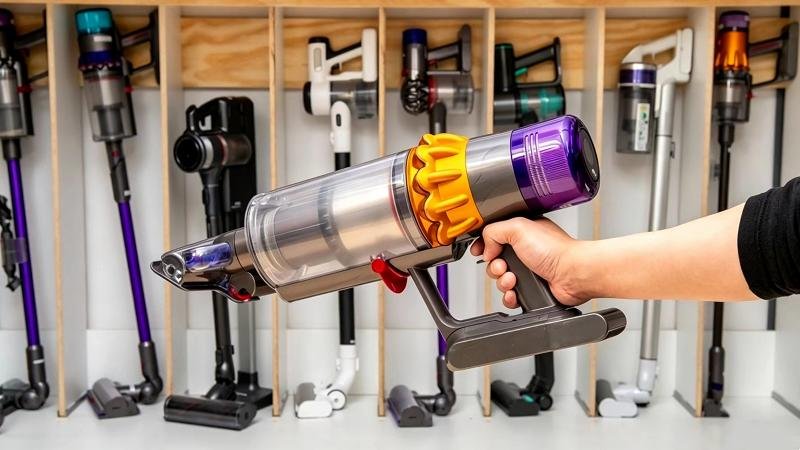
How to Evaluate a Cordless Vacuum Cleaner Sample Before Placing an Order?
How to Evaluate a Cordless Vacuum Cleaner Sample Before Placing an Order?
When it comes to sourcing cordless vacuum cleaners, a bad sample evaluation can lead to poor bulk purchases. The sample testing stage is critical, helping you evaluate not just product performance but supplier reliability. Let me walk you through this process, whether you're an importer or trying to launch your own brand.
The key to evaluating cordless vacuum cleaner samples is balancing battery performance, suction power, and core features—and not over-relying on a single test.
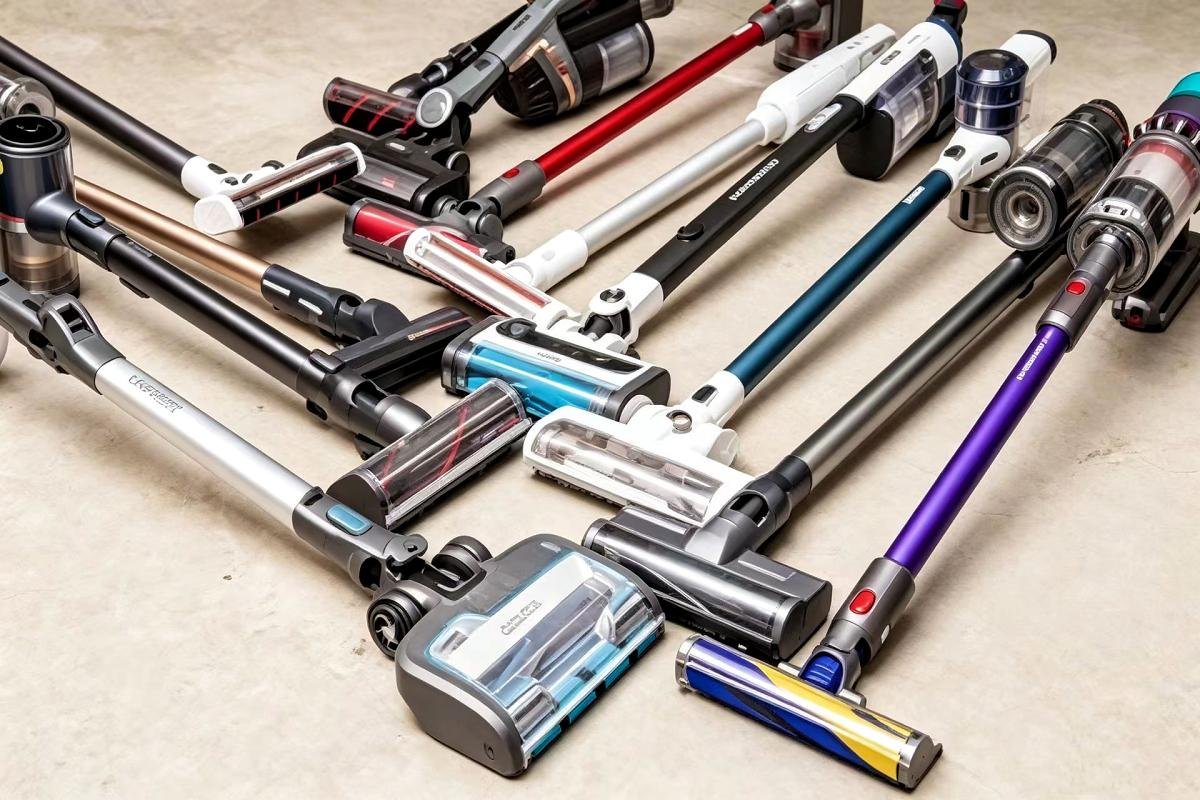
So, how do you make sure your evaluation is thorough yet practical? Let’s dive deeper into the metrics, mistakes to avoid, and buyer-oriented testing strategies.
What should I look for when buying a cordless vacuum?
Not all cordless vacuum cleaners are created equal. Buyers often get distracted by flashy features while ignoring critical performance metrics.
When buying a cordless vacuum, prioritize suction power, battery life, debris pickup efficiency, and durability—even over fancy attachments or gimmicks.
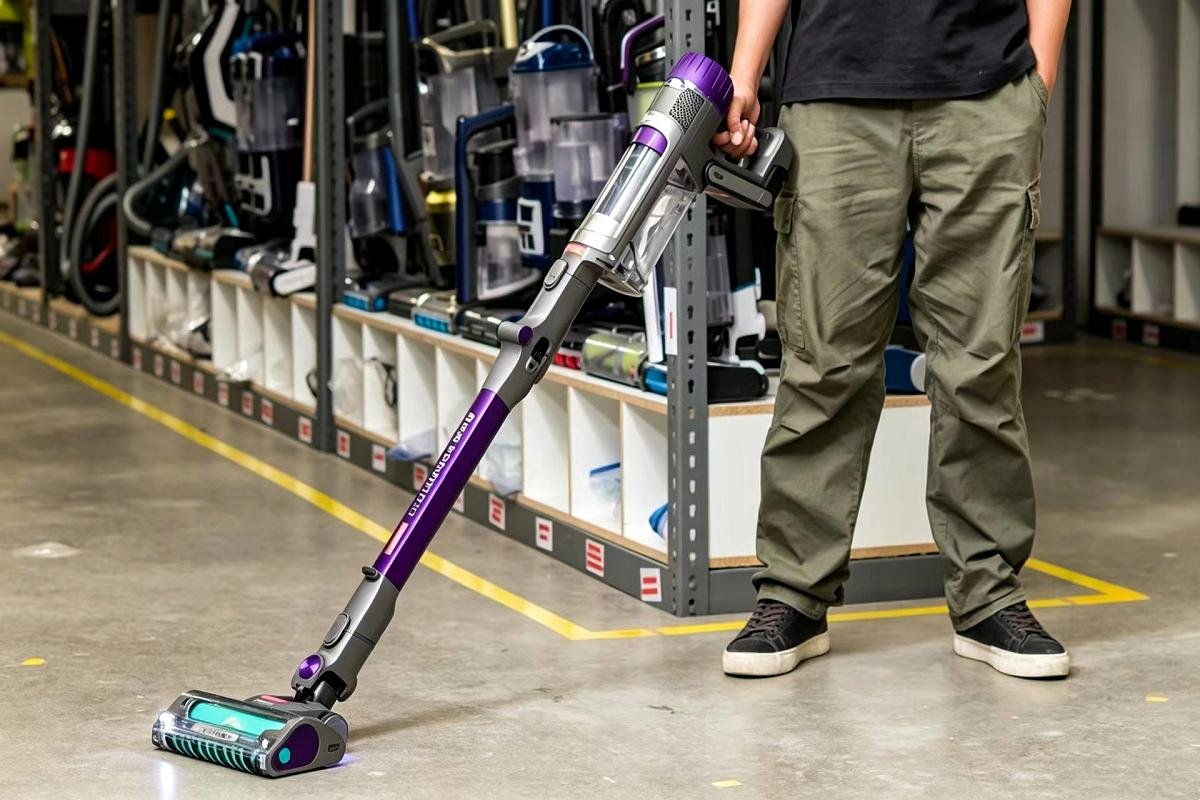
If you're evaluating samples for bulk orders, follow these steps:
Dive Into Critical Evaluation Areas
- Suction power over runtime: It’s tempting to prefer long battery life, but remember that suction power dictates cleaning efficiency[^1]. Testing on carpets, wood, and tiled floors with a mix of debris (dust, crumbs, pet hair) gives insight into real-world results.
- Noise levels and ergonomics: A firsthand comfort test is necessary. Even with top-notch performance, a product that feels heavy or produces excessive noise won’t bode well in consumer reviews.
- Durability checks: Look for signs of poor assembly quality—loose connections, uneven plastic finishes, or fragile components. These details point to long-term reliability issues.
- Charge and battery life balance: Observe charging times and actual runtime performance. Some vacuums boast extended runtime but fall short in consistent suction quality as their battery drains.
Testing Tips:
- Test the vacuum on various flooring types and with different debris.
- Check the emptying mechanism—customers appreciate ease of use.
- Use a stopwatch to measure runtime while maintaining suction strength.
Which cordless vacuum cleaner is considered the worst?
Every product category has its lemons. Cordless vacuums are no exception.
The worst cordless vacuum cleaners typically fail in suction power and battery reliability—often marketed cheaply with inflated features and poor workmanship.
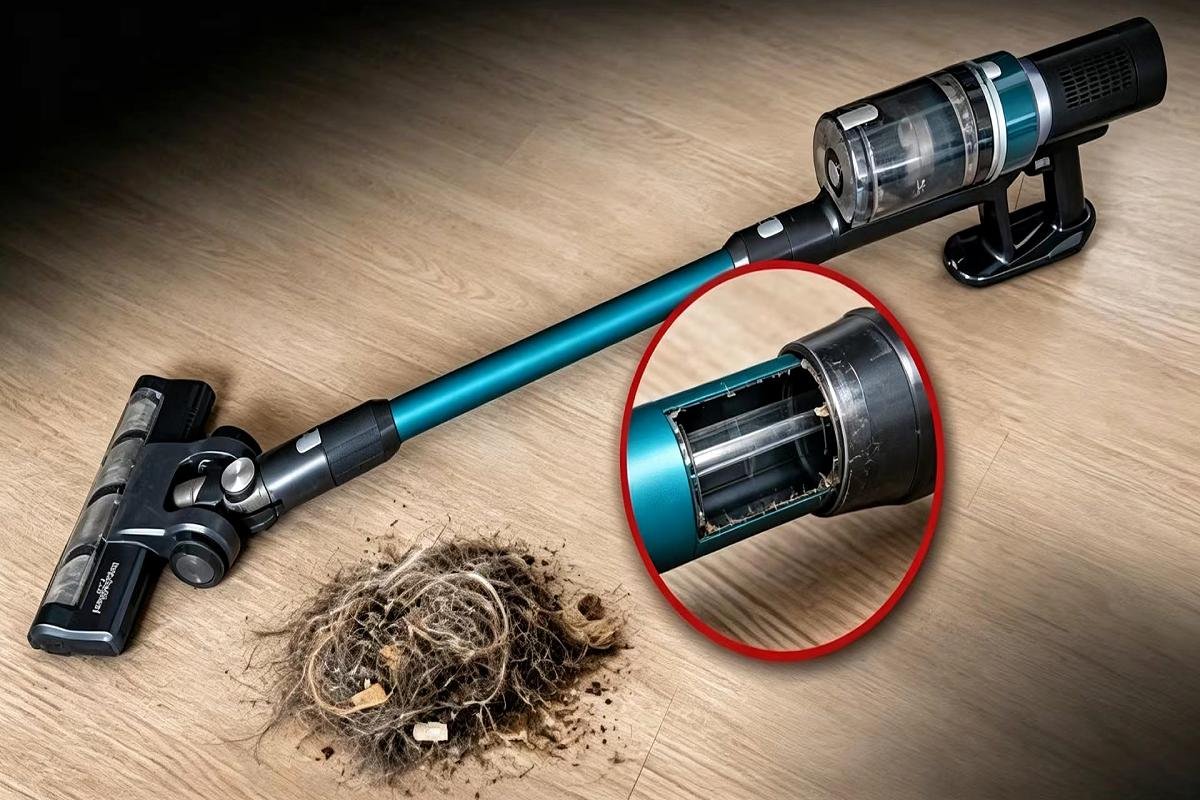
Common Red Flags for "Bad" Cordless Vacuums:
- Rapid performance drop: Weak suction and drastically reduced battery life after several uses.
- Noise pollution: Buzzing or rattling noises during operation often indicate internal mechanical issues or cheap motor quality.
- Low build quality: Products that feel flimsy or have loose fittings can break down quickly under regular use.
While evaluating, don’t solely rely on supplier claims. Match your initial tests with third-party reviews where possible to confirm long-term reliability.
Should you leave a cordless vacuum plugged in all the time?
Leaving electronics like cordless vacuums constantly plugged in may seem harmless, but this practice can have long-term consequences.
You should not leave a cordless vacuum plugged in all the time—it risks overcharging the battery[^2], reducing its lifespan significantly.
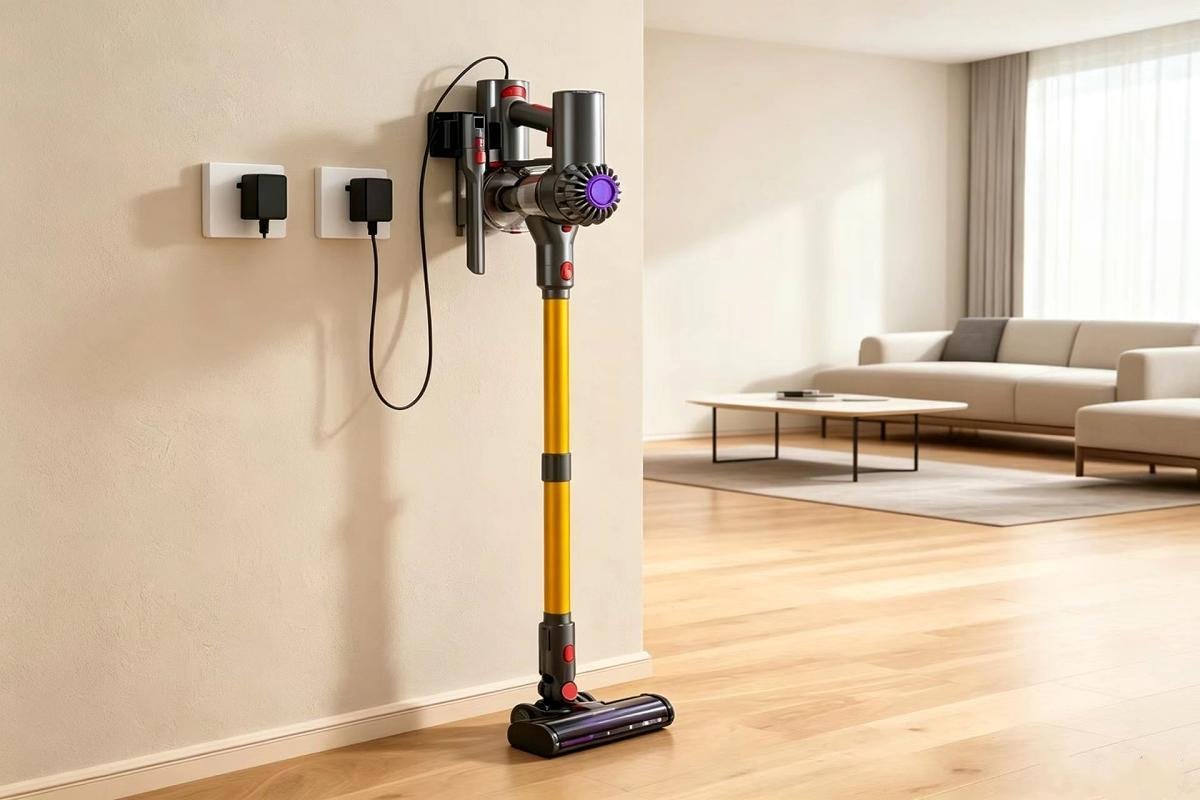
Our Practical Battery Charging Tips:
- Unplug the vacuum cleaner once it reaches full battery to avoid strains on the Li-ion cells.
- If the vacuum features "smart charging," confirm this detail with your supplier.
- For daily buyers, highlight this charging protocol within your product documentation—it's a great buyer-facing feature that reduces warranty claims.
Battery durability is a major performance indicator, and improper charging habits erode this quickly. If you’re placing bulk orders, clarify charging instructions with your supplier to avoid post-sales headaches.
What is the best cordless vacuum cleaner according to reviews?
Everyone wants to know the best cordless vacuum out there, but "best" depends on your needs and budget.
A great cordless vacuum cleaner offers balanced suction power, optimal battery life, and durability—it has consistently positive reviews across multiple sources.
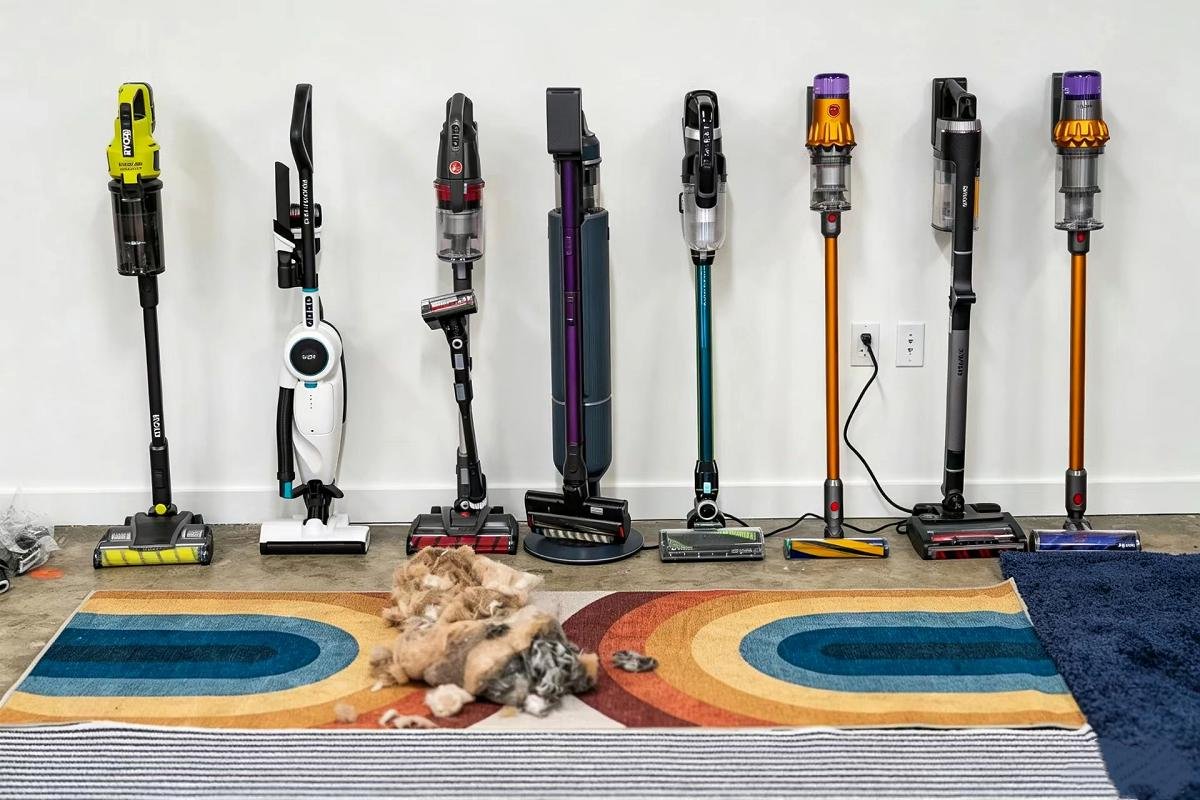
Popular Metrics for Top-Rated Models:
- Battery runtime: Leading options run for 35–60 minutes on a single charge[^3].
- Suction consistency: Instead of faltering as the battery drains, premium models maintain steady suction power throughout operation.
- Ease of use: Features like lightweight bodies, ergonomic handles, and mess-free dustbin designs win customer loyalty.
Make review sites part of your research process, but don’t forget direct evaluations. Even high-rated products may not meet your buyer demographic needs.
Frequently Asked Questions
How can I check suction power during sample testing?
Use a controlled environment with different debris types[^4]—fine dust, hair, or medium-sized crumbs—on varying floors (carpets, wooden tiles, etc.). Tracking debris pickup efficiency offers clear insights.
Can single sample testing predict batch reliability?
A sample is a good start, but batch reliability requires deeper supplier transparency. Ask for certifications, factory audit reports, and third-party testing data[^5] for more clarity.
What’s the ideal charge time for a cordless vacuum?
Efficient models recharge within 4-6 hours. Anything slower could indicate outdated tech, while ultra-fast charging risks battery overheating.
Conclusion
Evaluating a cordless vacuum cleaner sample effectively requires balancing suction performance, battery reliability, and practical features like comfort and debris disposal. Don’t get carried away by fancy features—focus on core functionality first[^6]. For bulk procurement, supplement testing with supplier certifications and third-party validations.
Need more supplier tips or advice for vacuum cleaner evaluation? Let’s connect and streamline your next bulk order.
[^1]: "What Suction Power (in Pa) Is Sufficient For a Vacuum ...", https://honiture.com/blogs/home-cleaning/vacuums-suction-power?srsltid=AU7gw4WfnqBNSu_C6fi0ZUcvq8ALyd92f9giLIZPQ8LJzXlPruBiNJdH. Research on vacuum cleaner performance indicates that suction power is a primary factor influencing debris pickup efficiency, particularly on carpets and hard floors. Evidence role: mechanism; source type: research. Supports: The role of suction power in determining cleaning efficiency.. Scope note: The efficiency may also depend on other factors like nozzle design and airflow. [^2]: "Investigation of a commercial lithium-ion battery under ... - PMC", https://pmc.ncbi.nlm.nih.gov/articles/PMC9086475/. Educational materials on battery technology explain that overcharging lithium-ion batteries can lead to reduced capacity and lifespan due to chemical degradation. Evidence role: mechanism; source type: education. Supports: The risks of overcharging lithium-ion batteries and its impact on lifespan.. Scope note: Modern devices with smart charging may mitigate these risks. [^3]: "Top 10 Best Cordless Vacuums of 2026 | Reviews by ...", https://vacuumwars.com/vacuum-wars-best-cordless-vacuums/. Consumer reports on cordless vacuums indicate that premium models generally offer runtimes between 35 and 60 minutes per charge. Evidence role: statistic; source type: encyclopedia. Supports: The typical runtime range for high-quality cordless vacuum cleaners.. Scope note: Runtime may vary based on usage settings and debris type. [^4]: "Is there a cheap(er) way to test suction? : r/VacuumCleaners", https://www.reddit.com/r/VacuumCleaners/comments/10qvbc5/is_there_a_cheaper_way_to_test_suction/. Educational guides on product testing recommend controlled environments with varied debris types to accurately assess suction power and cleaning efficiency. Evidence role: mechanism; source type: education. Supports: The effectiveness of controlled environments in testing vacuum cleaner suction power.. Scope note: Results may not fully replicate real-world conditions. [^5]: "Small Batch Manufacturers and Third Party Testing", https://www.cpsc.gov/Business--Manufacturing/Small-Business-Resources/Small-Batch-Manufacturers-and-Third-Party-. Institutional guidelines on procurement emphasize the importance of supplier certifications and third-party testing in verifying product quality and reliability. Evidence role: expert_consensus; source type: institution. Supports: The role of certifications, audits, and third-party testing in ensuring batch reliability.. Scope note: These measures may not fully eliminate risks without direct sample testing. [^6]: "Survey data on customer two-stage decision-making process ...", https://pmc.ncbi.nlm.nih.gov/articles/PMC10999798/. Research on consumer behavior suggests that core functionality, such as suction power and battery life, is often prioritized over additional features in vacuum cleaner evaluations. Evidence role: expert_consensus; source type: research. Supports: The importance of prioritizing core functionality over additional features in product evaluation.. Scope note: Preferences may vary depending on the target market.
Related Posts
How Self-Cleaning and Hot Air Drying Work in Floor Washers?
# How Self-Cleaning and Hot Air Drying Work in Floor Washers? Floor washers equipped with self-cleaning and hot air drying…
kPa vs Air Watts vs CFM: What Vacuum Cleaner Buyers Need to Know
# kPa vs Air Watts vs CFM: What Vacuum Cleaner Buyers Need to Know Shopping for a vacuum cleaner can…
HEPA H13 vs Standard Filters: Which Is Better for a Vacuum Cleaner?
# HEPA H13 vs Standard Filters: Which Is Better for a Vacuum Cleaner? When choosing a vacuum cleaner filter, the…
Leave a Reply