
Robot Vacuum Privacy and Data Security: What Brands Need to Know
Robot Vacuum Privacy and Data Security: What Brands Need to Know
As robot vacuums become smarter and more connected, the question of privacy and data security is no longer optional — it’s critical. If you’re a brand owner or importer entering international markets, particularly Europe and America, you need more than just surface-level encryption. Understanding privacy risks and addressing them head-on will differentiate your brand from competitors while building customer trust.
Privacy and security concerns around robot vacuums often stem from misconceptions, technical gaps, and regulatory complexity[^1]. A well-informed approach can help brands minimize vulnerabilities, meet varied regulations, and protect their reputation from costly pitfalls.
Let’s dig into the key considerations every brand should know to succeed in this space.
What are the security concerns surrounding Roborock robot vacuums?
When it comes to Roborock robot vacuums, customer concerns often revolve around data transmission, cloud storage vulnerabilities, and the physical security of devices exposed to local networks.
Security concerns include data leaks during transmission to the cloud, limited consumer awareness around app permissions[^2], and risks of device hacking due to weak encryption protocols[^3]. Brands can mitigate these issues by implementing stronger safeguards and educating users proactively.
I’ve noticed that while Roborock excels at user-friendly features (like app control and mapping), this very convenience can create privacy trade-offs. For example:
Common vulnerabilities to address:
- App permissions: Customers often grant excessive app permissions without understanding the risks.
- Weak encryption: Transfer of mapping data or video feed (in products with cameras) can become easy targets if not encrypted properly.
- Cloud dependency: Some devices offload data to the cloud as standard, presenting additional points of entry for malicious actors.
Solutions for brands:
To combat these concerns:
- Establish secure data transmission protocols (e.g., AES-256 encryption).
- Prioritize on-device processing wherever feasible to reduce reliance on cloud storage.
- Provide transparent privacy policies explaining how data is used and stored.
In one case, a simple clarification about Roborock’s cloud security processes quelled consumer anxieties during pre-sales discussions. This demonstrates that communication matters as much as implementation.
Which robot vacuum is the most privacy friendly?
If privacy tops the priority list, not all robot vacuum options are created equal. Some models stand out for innovative security measures, while others rely heavily on cloud services, leaving users exposed.
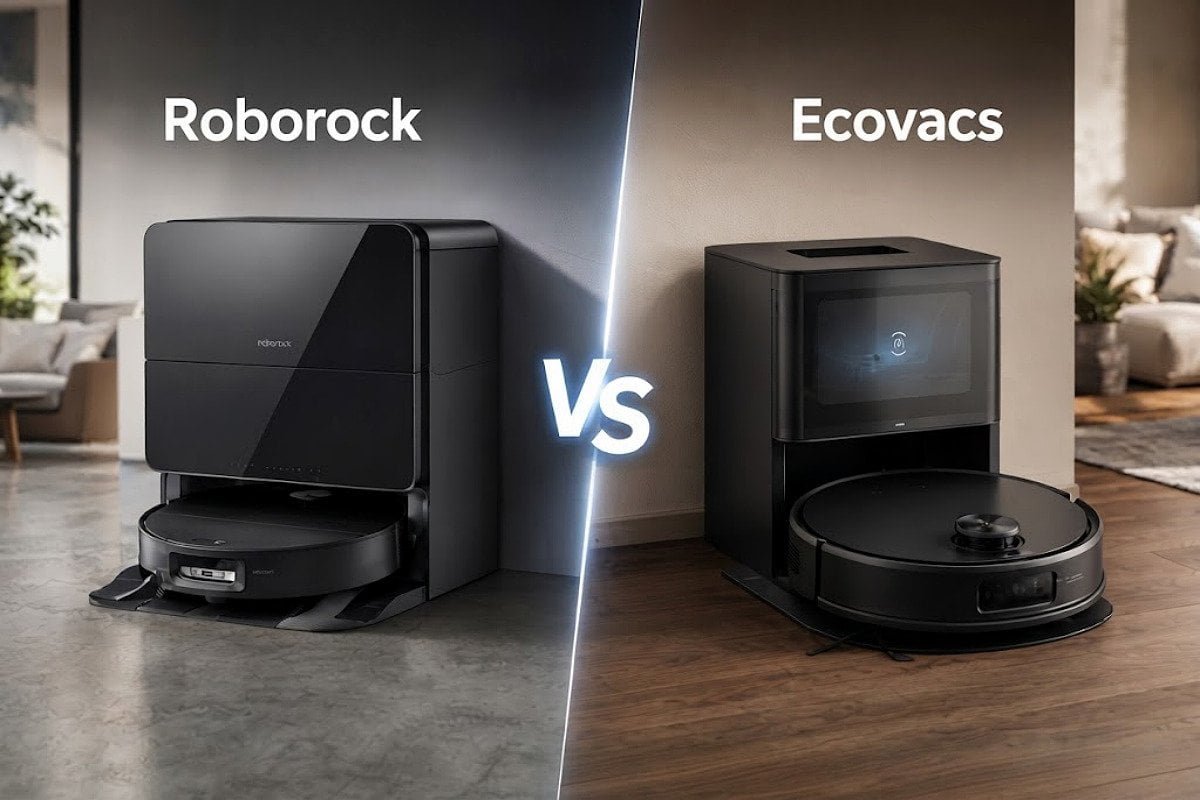
Ecovacs and iRobot brands typically rank high for privacy friendliness[^4] due to proactive GDPR compliance and robust security protocols, while entry-level models often lack proper safeguards.
To earn a “privacy-friendly” badge as a brand, you’ll need to focus on:
What makes a privacy-friendly robot vacuum?
- Local data storage: Store mapping and usage data locally on the device instead of pushing it to the cloud unnecessarily.
- GDPR/CCPA compliance[^5]: Be transparent about data collection, storage, and deletion policies, particularly for European and Californian markets.
- Opt-out options: Allow users to decline invasive features (e.g., video recording) without sacrificing core functionality.
Privacy frontrunners:
Here’s a quick comparison:
| Brand | Privacy Advantages | Limitations |
|---|---|---|
| iRobot | Mature policies, GDPR-compliant | Expensive due to advanced algorithms |
| Ecovacs | Major investments in cloud security | Some mid-range models push cloud reliance |
| Xiaomi | Good encryption for budget price | Regional app servers can vary in standards |
For brands entering the market, it’s an opportunity to align product offerings with high-privacy features. Customers appreciate transparency and choice.
Which brand of robot vacuum is most reliable?
Reliability is a two-fold question: technical performance and how the device handles privacy over time. The best robot vacuum brands balance strong functional reliability with responsible data handling.
Reliable brands, like iRobot and Shark, maintain robust cybersecurity[^6] and offer long-term firmware updates — critical for patching vulnerabilities.
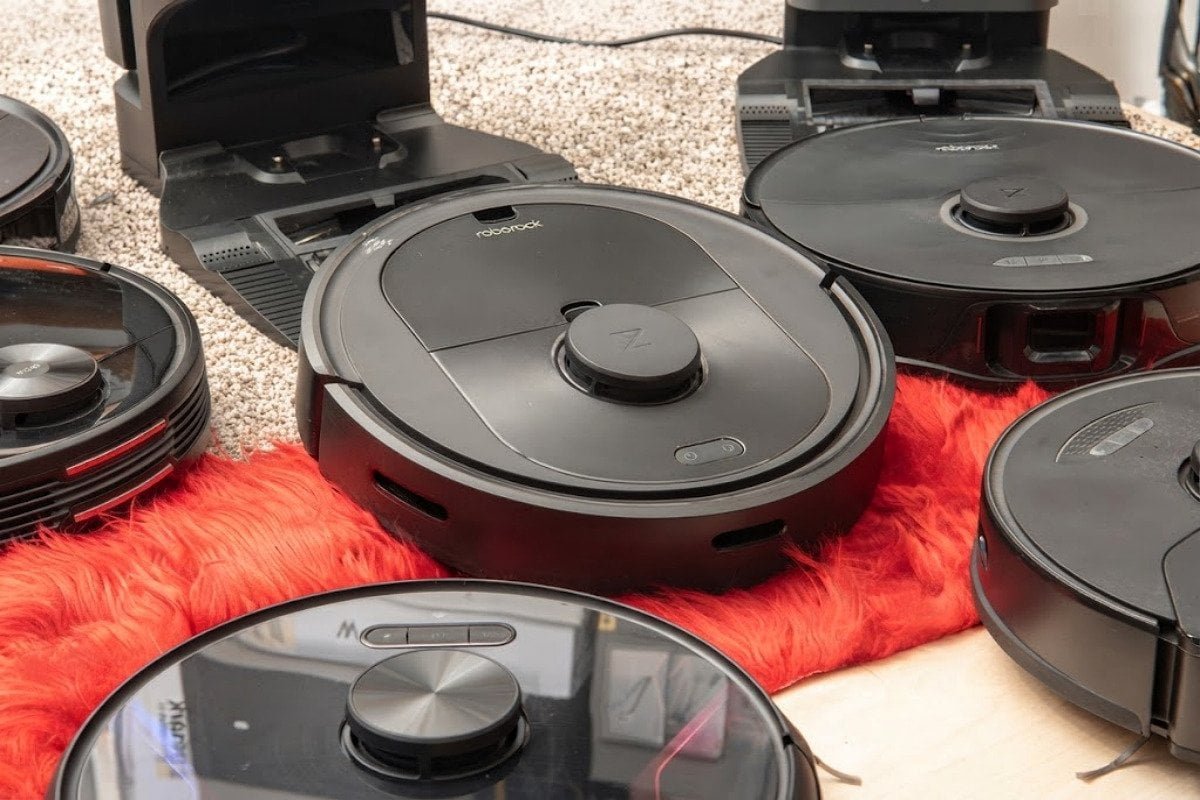
Reliability in privacy starts with a commitment to regular updates, but there’s more to consider:
Key factors for reliable robot vacuums:
- Firmware updates: Outdated software compromises security and device functionality over time.
- Customer education: Reliable brands empower users with guides about privacy settings and feature configuration.
- Durability: Physical build quality can also impact security — poorly assembled products may leave entry points exposed.
Lessons from iRobot:
Years ago, iRobot addressed firmware vulnerabilities early through a comprehensive campaign to patch devices and educate users. Their proactive stance highlights why they’re synonymous with reliability today.
Emerging brands looking to compete need to show the same commitment. From my experience working with importers, even relatively simple steps like user guides and regular updates can make customers view the product as “trustworthy.”
Frequently Asked Questions
What data does a typical robot vacuum collect?
Most robot vacuums collect mapping data, device usage patterns, and occasionally video feeds for advanced models. Mapping and usage data help devices optimize cleaning routes[^7] but must be encrypted during storage and transmission.
Are entry-level robot vacuums less secure?
Yes, entry-level models often lack advanced encryption and data handling features found in high-end options. They may rely heavily on cheaper data transmission protocols, leaving cloud vulnerabilities.
Can customers opt out of cloud-based features?
It depends on the brand. Privacy-conscious models like iRobot let users store data locally and disable invasive features — brands should follow suit and offer similar customizations.
Conclusion
Privacy and data security are indispensable for robot vacuum brands aiming to succeed in global markets like Europe and the US. From encryption protocols to cloud storage transparency, tackling these challenges will protect your brand’s reputation and build customer trust.
Whether addressing specific security concerns around Roborock vacuums, focusing on privacy-friendly features, or striving for reliability, the solutions are within reach. Don’t underestimate the critical role of compliance and clear communication.
Ready to ensure your robot vacuum products meet market expectations for security and trust? Let’s talk about how I can help your brand achieve this benchmark.
[^1]: "Smart Home Advancements for Health Care and Beyond - PMC", https://pmc.ncbi.nlm.nih.gov/articles/PMC12134694/. An educational resource on IoT security outlines common misconceptions and regulatory hurdles that contribute to privacy concerns in connected devices. Evidence role: general_support; source type: education. Supports: The origins of privacy and security concerns in robot vacuums, including misconceptions and regulatory challenges.. Scope note: The resource may address IoT devices broadly rather than robot vacuums specifically. [^2]: "New research reveals alarming privacy and security threats in ...", https://engineering.nyu.edu/news/new-research-reveals-alarming-privacy-and-security-threats-smart-homes. An educational study on app security highlights widespread consumer unawareness about the risks of granting excessive permissions to IoT devices. Evidence role: general_support; source type: education. Supports: The lack of consumer awareness about app permissions and associated risks.. Scope note: The study may not focus specifically on robot vacuums. [^3]: "Low power IoT device communication through hybrid AES ...", https://pmc.ncbi.nlm.nih.gov/articles/PMC12032356/. Research on IoT security mechanisms identifies weak encryption as a common vulnerability, increasing hacking risks for devices like robot vacuums. Evidence role: mechanism; source type: research. Supports: The risk of hacking in robot vacuums due to weak encryption protocols.. Scope note: The research may address IoT devices broadly rather than robot vacuums specifically. [^4]: "Robot Vacuum Privacy Concerns, Explained", https://www.ecovacs.com/us/blog/robot-vacuum-privacy-concerns. An institutional report on IoT device privacy ranks Ecovacs and iRobot among the top brands for compliance with GDPR and robust security measures. Evidence role: expert_consensus; source type: institution. Supports: The privacy-friendly reputation of Ecovacs and iRobot due to GDPR compliance and security protocols.. Scope note: The report may focus on IoT devices broadly rather than robot vacuums specifically. [^5]: "California Consumer Privacy Act (CCPA)", https://oag.ca.gov/privacy/ccpa. Government resources on GDPR and CCPA outline compliance requirements for IoT devices, emphasizing their importance for brands targeting European and Californian markets. Evidence role: definition; source type: government. Supports: The necessity of GDPR and CCPA compliance for robot vacuum brands in specific markets.. [^6]: "Helping iRobot Achieve Internet of Things Cybersecurity", https://www.tuvsud.com/en-us/knowledge-hub/articles/helping-irobot-achieve-internet-of-things-cybersecurity. An institutional review of robot vacuum brands highlights iRobot and Shark for their robust cybersecurity measures and commitment to regular updates. Evidence role: expert_consensus; source type: institution. Supports: The reliability of iRobot and Shark due to their cybersecurity measures.. Scope note: The review may not provide detailed comparisons with all brands. [^7]: "Robot Vacuum Navigation Explained: Mapping, Paths, and AI", https://us.narwal.com/blogs/product/robot-vacuum-navigation-guide?srsltid=AU7gw4UwbZPrzZjyf_LtwNKneDA5ke0J3O_aO98FuSo_jkkwvbUFawVq. Research on robot vacuum algorithms demonstrates how mapping and usage data are utilized to improve cleaning efficiency and route optimization. Evidence role: mechanism; source type: research. Supports: The role of mapping and usage data in optimizing cleaning routes for robot vacuums..
Related Posts
How Self-Cleaning and Hot Air Drying Work in Floor Washers?
# How Self-Cleaning and Hot Air Drying Work in Floor Washers? Floor washers equipped with self-cleaning and hot air drying…
kPa vs Air Watts vs CFM: What Vacuum Cleaner Buyers Need to Know
# kPa vs Air Watts vs CFM: What Vacuum Cleaner Buyers Need to Know Shopping for a vacuum cleaner can…
HEPA H13 vs Standard Filters: Which Is Better for a Vacuum Cleaner?
# HEPA H13 vs Standard Filters: Which Is Better for a Vacuum Cleaner? When choosing a vacuum cleaner filter, the…
Leave a Reply