
How to Audit a Vacuum Cleaner Factory Before Placing an Order?
How to Audit a Vacuum Cleaner Factory Before Placing an Order?
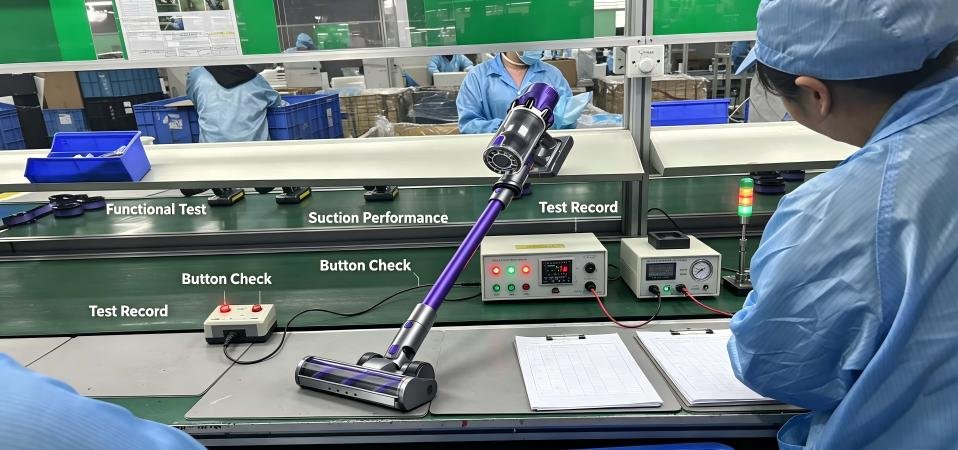
When it comes to sourcing vacuum cleaners internationally, auditing the factory is one of the most crucial steps to ensure your investment doesn’t go down the drain. Auditing a vacuum cleaner factory gives you insights into its actual manufacturing capabilities—far beyond the glossy brochures and promises—helping you avoid costly mistakes.[^1]
To audit a vacuum cleaner factory effectively, follow structured steps, beginning with understanding their production systems, quality control measures, and logistics capabilities. Prioritize verifying certifications like ISO standards, assessing machinery readiness, and inspecting compliance protocols to guarantee product consistency and smooth delivery.[^2]
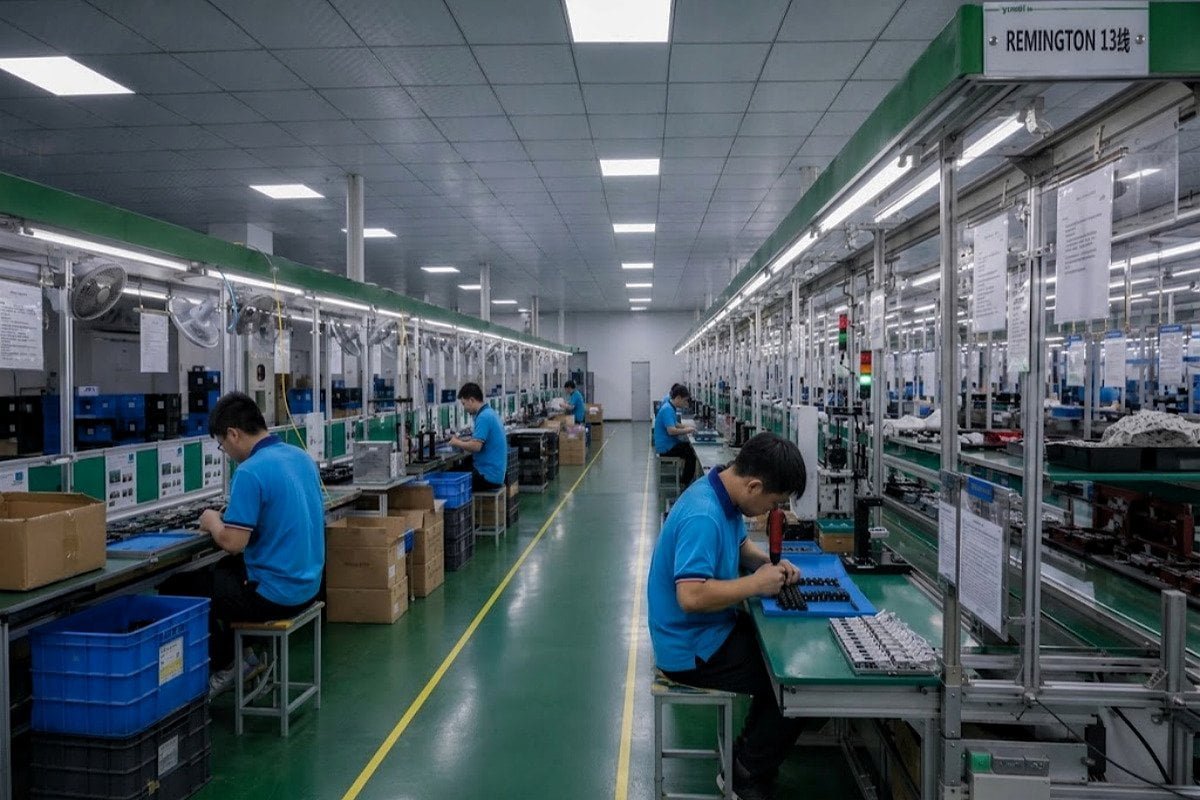
Skimming the surface of a factory (clean floors and neatly dressed workers) won’t safeguard your order or your reputation. Below, I’ll walk you through how to audit a vacuum cleaner factory, step by step, so you know exactly what to expect and how to evaluate suppliers intelligently.
How to Audit a Chinese Vacuum Factory: 8 Steps?
Ensuring reliability from a Chinese vacuum factory requires a thorough, targeted audit—one that goes deeper than a quick factory tour. Production processes, machinery readiness, quality management systems, certifications, and export capabilities must all be examined closely to prevent risks to your brand.[^3]
Here’s how to audit a Chinese vacuum cleaner factory in eight steps:
- Review production-scale capabilities: Confirm if they can handle your order volume.
- Inspect machinery and maintenance protocols[^4]: Check age, efficiency, and whether regular servicing is done.
- Assess quality control systems: Validate certifications like ISO 9001 and trace how QC is performed.[^5]
- Examine raw material purchasing: Look for verified suppliers and robust tracking practices.
- Verify staffing and expertise: Review worker training and experience with vacuum technology.
- Evaluate logistics capabilities: Assess storage, packaging, and export readiness.
- Check compliance for international markets: Inspect safety and environmental certificates (e.g., CE, RoHS).
- Document the audit findings: Create clear action points to address gaps before confirming orders.
Dive Deeper Into Each Step
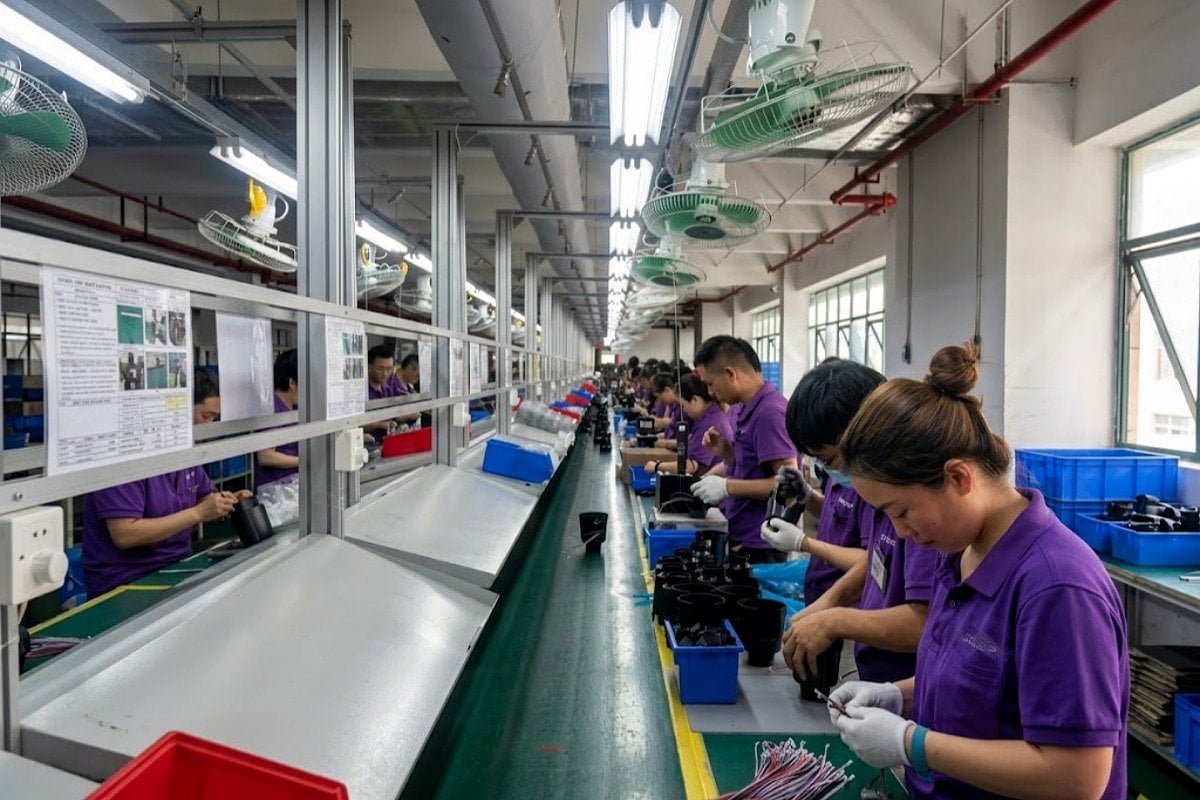
Production capabilities: Start by asking direct questions. Can the factory reliably produce the number of vacuum cleaners you need? If you’re scaling up next year, will they have the capacity to meet demand? Look at their output history and timelines for similar international buyers. Late deliveries immediately hurt your bottom line.
Machinery inspection: Many factories cut costs by running outdated machines. Inspect each machine’s maintenance records. A shiny, new CNC mold machine is a good sign—they’re investing for quality. Broken or poorly maintained assemblers? Red flag.
ISO certifications: Auditing without checking certifications like ISO 9001 is like driving blindfolded. Look deeper into how they implement quality assurance (how are defective products flagged? Is QC applied to all units, or random samples?). Ensure they have consistent testing protocols for durability and suction power.
Compliance for export: International markets like Europe have strict compliance requirements (CE, RoHS, EMC directives). Seeing valid, recent certificates in person assures you that customs clearance will go smoothly.
Auditing properly isn’t just about identifying risks—it’s about ensuring those risks don’t turn into disasters.[^6] Each step lets you peel back misleading layers and confirm whether the factory can consistently meet your expectations.
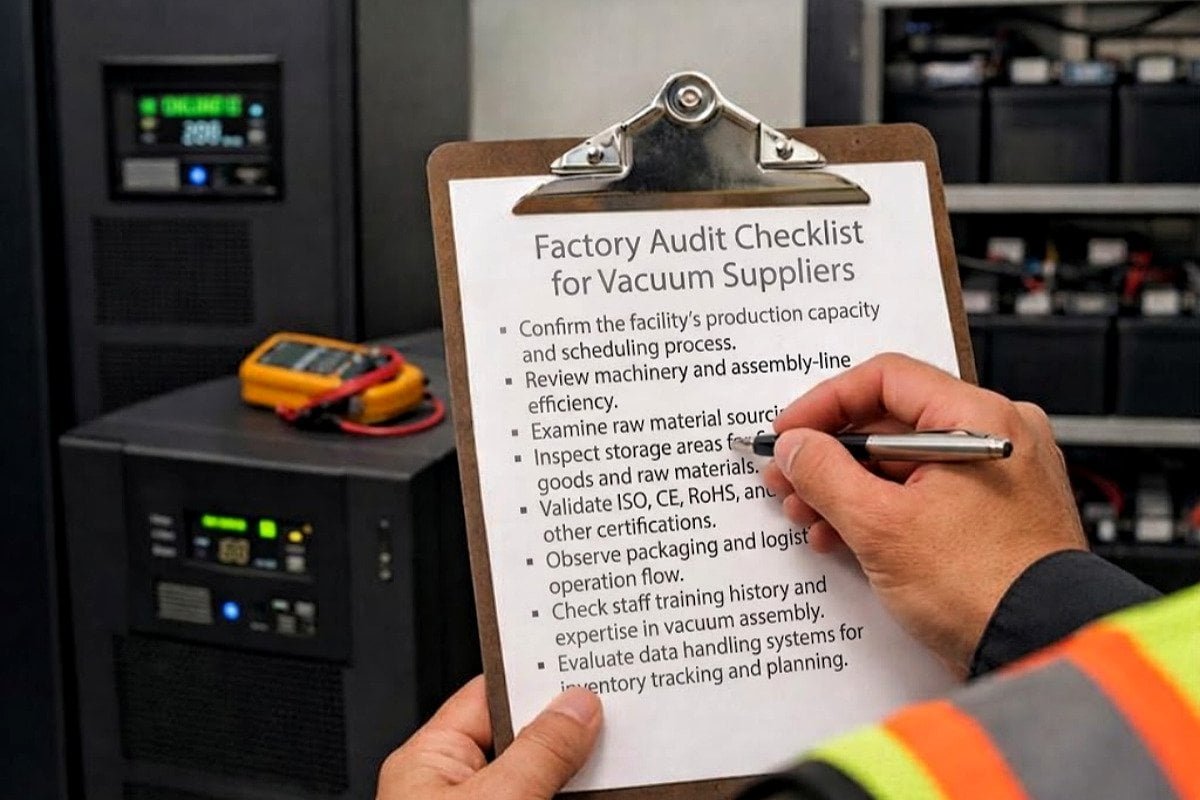
Factory Audit Checklist for Vacuum Suppliers?
Proper audits require preparation. Whether you’re visiting the factory yourself or hiring a third-party auditor, using a checklist ensures you don’t miss critical points when selecting vacuum cleaner suppliers.
Key items in the factory audit checklist:
- Confirm the facility’s production capacity and scheduling process.
- Review machinery and assembly-line efficiency.
- Examine raw material sourcing practices.
- Inspect storage areas for finished goods and raw materials.[^7]
- Validate ISO, CE, RoHS, and other certifications.
- Observe packaging and logistics operation flow.
- Check staff training history and expertise in vacuum assembly.
- Evaluate data handling systems for inventory tracking and planning.
Why Follow a Checklist?
Factory visits can be overwhelming. Without a defined checklist, you might be distracted by areas less relevant to your business (a spotless break room means little if their assembly line can’t function properly). On my trips to Southeast Asia, using this type of structured checklist saved me time while reducing the risk of overlooking major inefficiencies.
Even small things like packaging can make a major difference. For example, during one audit, I noticed boxes padded with low-quality foam. That’s fine for domestic shipping, but international buyers demand higher-end protection for their premium vacuums, or they face round-trips due to damaged goods.
Factory Audits in China: Your Step-by-Step Checklist for 2026?
Looking ahead to audits in 2026, the process doesn’t just center around what factories do today—it’s about addressing future challenges. Supply chain resilience, automation, and compliance updates are three areas that will define factory audits in China going forward.
Step-by-step factory audit checklist for 2026:
- Verify automation investment levels: Is the factory evolving with new tech?
- Question supply chain reliability: Who are their material suppliers—are they dependable during shortages?
- Track sustainability efforts: Green manufacturing will increasingly affect demand and compliance.[^8]
- Assess digital data integration: Are they tracking data with ERP systems or still relying on paper records?
- Examine cybersecurity protocols: Protecting your order data is crucial for buyers.
- Check preparation for cross-border changes[^9]: Ask about upcoming regulatory updates expected by key export markets.
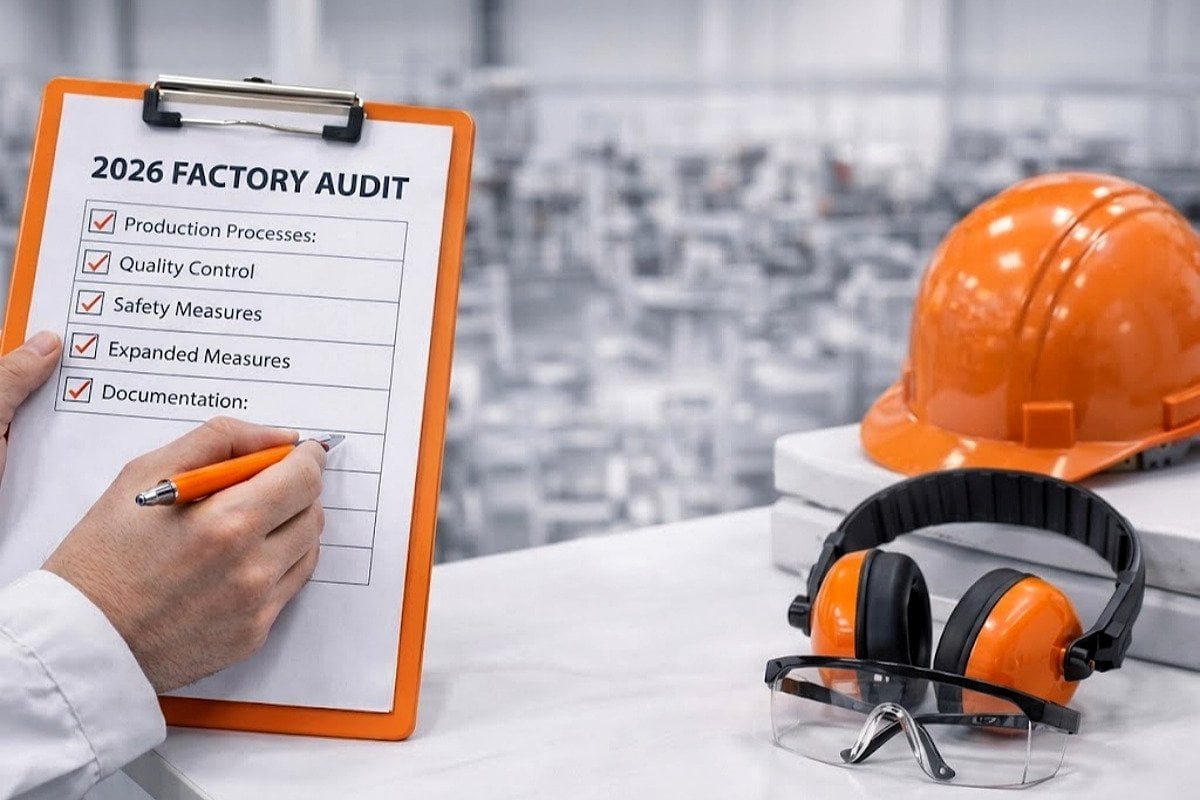
The takeaway? 2026 factory audits will increasingly focus on “future-proofing” your supply chain. Don’t just look at whether they meet today’s standards—ask whether they’re equipped to scale with you while meeting tomorrow’s regulations.
VACUUM SYSTEM AUDIT: When and how to intervene to optimize the paper production process?
A vacuum system audit isn’t limited to appliances—it also applies to industrial processes like paper manufacturing. In production lines requiring vacuum systems, audits optimize performance, reduce energy waste, and ensure machinery operates efficiently.
Interventions should occur when efficiency drops or scrap material rises due to poor suction or filtration performance.
Dive Deeper Into Industrial System Audits
Common warning signs include rising energy consumption (indicating clogging or leaks), decreasing line throughput, or compliance issues related to excess waste. System audits should involve:
- Measuring suction efficiency.
- Inspecting ductwork for leaks or obstructions.
- Evaluating motor performance and heat damage risks.
- Reviewing environmental compliance (e.g., emissions tracking).
Vacuum systems are deceptively simple but essential for maintaining production speed and quality.[^10] Regular audits help identify hidden problems before they escalate downstream, leading to failed customer orders or lost revenue.
Frequently Asked Questions
Why is factory auditing important?
Factory audits provide clarity about a supplier’s true manufacturing capabilities. They reduce risks like late deliveries, defective products, and compliance failures that could damage your reputation or waste investments.
How do I verify certifications during an audit?
Request to see original copies of critical certifications like ISO 9001 or CE. Ensure they’re up-to-date, region-specific, and not expired.
Should I hire a third-party auditor?
Yes, especially if you don’t have direct factory inspection experience. Third-party auditors have detailed checklists and understand regional compliance, reducing the risk of missed details.
What happens if the factory fails the audit?
You can negotiate corrective actions (e.g., machinery updates or revised QC protocols). If gaps remain unresolved, consider alternative suppliers to avoid future risks.
How can automation impact vacuum factory audits?
Factories investing in automation improve production reliability and scalability, particularly for large orders.[^11] Audits should confirm automation investments align with your order volume and timelines.
Conclusion
Auditing a vacuum cleaner factory before placing your order is absolutely essential, especially for international buyers. It’s not enough to skim superficial details—dig into production capacity, machinery, logistics, and certifications to ensure consistent product quality and smooth operations. Approach audits strategically to minimize risks and strengthen supplier relationships.
Ready to create a checklist or need advice on vacuum factory audits? Let’s discuss your sourcing needs today!
[^1]: "Manufacturing Audits: Types, Benefits, Process, and Software", https://goaudits.com/blog/manufacturing-audit/. Research indicates that factory audits are critical for assessing manufacturing capabilities and identifying potential risks, which can help prevent costly errors in production and supply chain management. Evidence role: general_support; source type: research. Supports: Factory audits provide insights into manufacturing capabilities and help avoid costly mistakes.. Scope note: The effectiveness of audits may vary depending on the thoroughness of the process and the specific context of the factory being audited. [^2]: "Manufacturing readiness level", https://en.wikipedia.org/wiki/Manufacturing_readiness_level. Studies on manufacturing best practices highlight that adherence to certifications, proper machinery maintenance, and compliance protocols are key factors in ensuring consistent product quality and reliable delivery schedules. Evidence role: mechanism; source type: research. Supports: Verifying certifications, machinery readiness, and compliance protocols contributes to product consistency and smooth delivery.. Scope note: The impact of these practices may depend on the specific industry and the implementation quality. [^3]: "U.S. Export Controls", https://www.trade.gov/us-export-controls. Research in supply chain management suggests that thorough evaluation of production processes, machinery, and compliance measures is essential for minimizing risks to brand reputation and operational efficiency. Evidence role: general_support; source type: research. Supports: Examining production processes, machinery readiness, quality management systems, certifications, and export capabilities can help mitigate risks to a brand.. Scope note: The effectiveness of these measures may vary depending on the specific industry and market conditions. [^4]: "Automated Quality Control in Manufacturing Production Lines", https://scholarworks.utrgv.edu/cgi/viewcontent.cgi?article=1947&context=etd. Studies on industrial manufacturing highlight that regular machinery inspections and adherence to maintenance protocols significantly improve production quality and operational efficiency. Evidence role: mechanism; source type: research. Supports: Inspecting machinery and maintenance protocols is crucial for ensuring production quality and efficiency.. Scope note: The impact may depend on the type of machinery and the frequency of maintenance. [^5]: "ISO 9001 explained", https://www.iso.org/home/insights-news/resources/iso-9001-explained.html. ISO 9001 is widely recognized as a standard for quality management systems, and effective quality control processes are essential for maintaining consistent manufacturing standards. Evidence role: expert_consensus; source type: education. Supports: ISO 9001 certification and quality control processes are key to ensuring manufacturing standards.. Scope note: The effectiveness of these measures depends on proper implementation and regular audits. [^6]: "Do code of conduct audits improve chemical safety in garment ...", https://pmc.ncbi.nlm.nih.gov/articles/PMC5137553/. Studies on risk management in manufacturing highlight that thorough audits are effective in identifying potential risks and implementing measures to prevent escalation. Evidence role: general_support; source type: research. Supports: Proper auditing helps identify risks and prevents them from escalating into major issues.. Scope note: The effectiveness of audits in preventing disasters depends on the quality and scope of the audit process. [^7]: "Storage Conditions - Zamann Pharma Support GmbH", https://zamann-pharma.com/glossary/storage-conditions/. Research on supply chain management emphasizes that proper storage conditions and regular inspections are critical for preserving product quality and minimizing damage risks. Evidence role: mechanism; source type: research. Supports: Inspecting storage areas for finished goods and raw materials is important for maintaining product quality and preventing damage.. Scope note: The specific impact may vary depending on the type of products and storage conditions. [^8]: "Sustainable Manufacturing | US EPA", https://www.epa.gov/sustainability/sustainable-manufacturing. Experts in sustainable manufacturing predict that consumer demand and regulatory frameworks will increasingly favor green manufacturing practices in the coming years. Evidence role: expert_consensus; source type: research. Supports: Green manufacturing practices are expected to increasingly influence market demand and compliance requirements.. Scope note: The extent of this impact may vary by industry and region. [^9]: "The Role of Regulatory Compliance in International Trade", https://globalcommercenavigators.org/the-role-of-regulatory-compliance-in-international-trade/. Government trade guidelines emphasize the importance of compliance with cross-border regulations to avoid delays and penalties in international trade. Evidence role: general_support; source type: government. Supports: Preparation for cross-border regulatory changes is crucial for smooth international trade.. Scope note: Specific regulatory requirements may vary by country and industry. [^10]: "CHAPTER 3: An Introduction to Vacuum Systems", https://milnepublishing.geneseo.edu/introtovacuumtech/chapter/an-introduction-to-vacuum-systems/. Studies on industrial vacuum systems highlight their role in ensuring efficient production processes and maintaining product quality by optimizing suction and reducing waste. Evidence role: mechanism; source type: research. Supports: Vacuum systems are essential for maintaining production speed and quality in industrial processes.. Scope note: The specific impact of vacuum systems may depend on the type of industrial process. [^11]: "Benefits of Lean Automation in Manufacturing - Purdue MEP", https://mep.purdue.edu/news-folder/benefits-of-lean-automation-in-manufacturing/. Studies in industrial automation have shown that automated systems can significantly improve production reliability and scalability by reducing human error and increasing efficiency. Evidence role: general_support; source type: research. Supports: Automation in factories enhances production reliability and scalability, particularly for large orders.. Scope note: The extent of improvement may depend on the type of automation technology and its integration into existing systems.
Related Posts
How Self-Cleaning and Hot Air Drying Work in Floor Washers?
# How Self-Cleaning and Hot Air Drying Work in Floor Washers? Floor washers equipped with self-cleaning and hot air drying…
kPa vs Air Watts vs CFM: What Vacuum Cleaner Buyers Need to Know
# kPa vs Air Watts vs CFM: What Vacuum Cleaner Buyers Need to Know Shopping for a vacuum cleaner can…
HEPA H13 vs Standard Filters: Which Is Better for a Vacuum Cleaner?
# HEPA H13 vs Standard Filters: Which Is Better for a Vacuum Cleaner? When choosing a vacuum cleaner filter, the…
Leave a Reply