
How Packaging Design Reduces Vacuum Cleaner Shipping Damage and Returns?
How Packaging Design Reduces Vacuum Cleaner Shipping Damage and Returns?
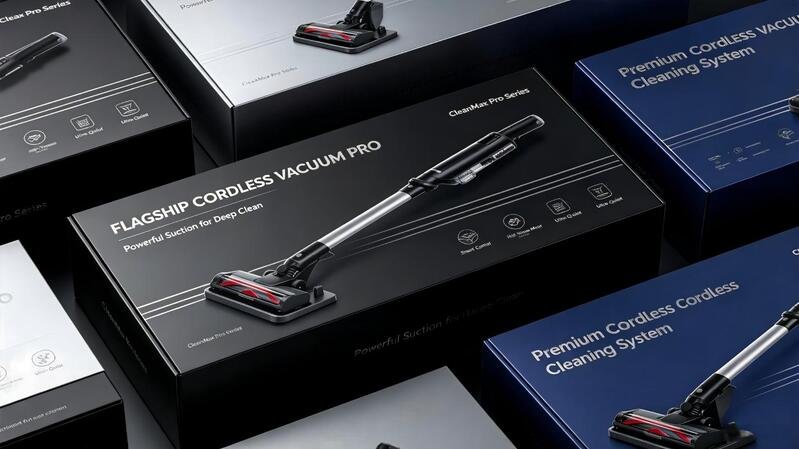
Shipping damage isn’t just inconvenient—it’s costly. Protecting vacuum cleaners during transit requires more than visually appealing packaging. Effective packaging design reduces vacuum cleaner shipping damage and returns by focusing on protective functionality, addressing stacking pressure, vibration, and transit shocks.[^1] Let’s explore how better packaging choices can safeguard your products and profits.
Well-designed protective packaging reduces vacuum cleaner shipping damage by managing transit risks like vibration, stacking, and dropping while keeping returns and costs low. Tested designs outperform aesthetic-only solutions.
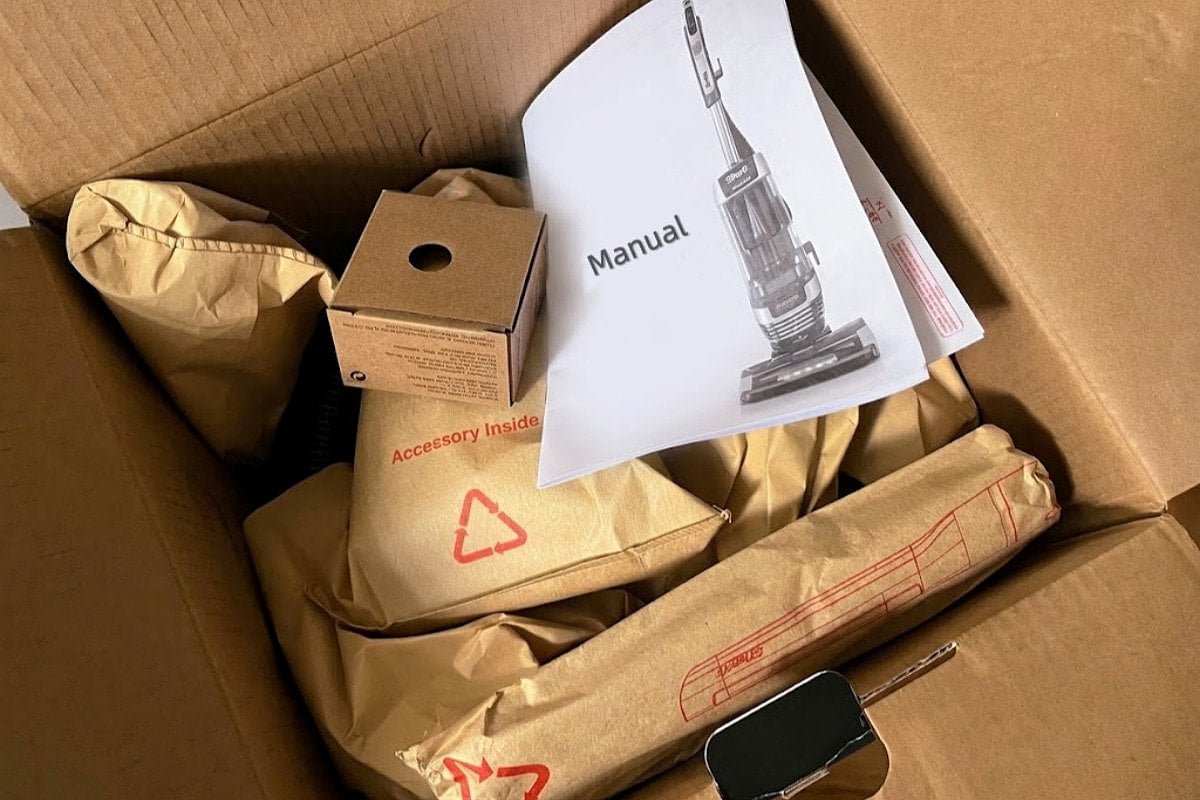
Minimizing shipment damage isn’t just about durability—it’s also about strategic choices in packaging design. Below, we’ll dive into the tips, comparisons, and key reasons why smart packaging matters for your bottom line.
Vacuum Packing: Tips & Advantages
Shipping damage can easily be prevented with vacuum packing techniques tailored to your specific products. Let’s dig into the advantages.
Vacuum packing is an effective way to secure vacuum cleaners during transit by creating a snug fit around the product.[^2] This reduces shifting, vibration damage, and exposure to contaminants or moisture.
The Fundamentals of Vacuum Packaging
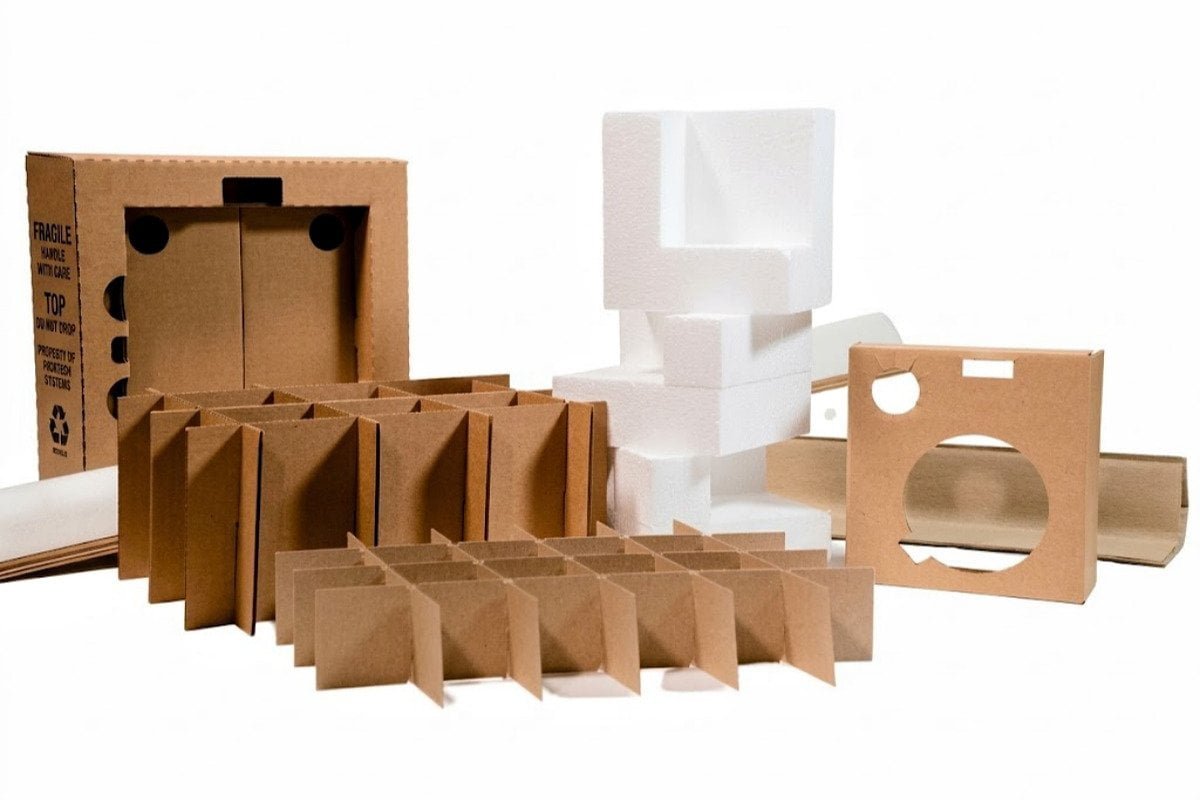
Vacuum packing is designed to eliminate wasted space.[^3] By removing air, it reduces internal movement, vibrations, and even risks from moisture during long-haul transport. For vacuum cleaners, it ensures the equipment stays fixed in position, avoiding scratches or dents. Here’s why it works so well:
- Snug fits minimize movement. Products are held tightly, reducing shock damage caused by transit bumps.
- Protection against external contaminants. Vacuum packaging prevents dust and moisture from sneaking into your products.[^4]
- Cost-effective material usage. Less filler material is needed, which can reduce packaging costs.
Tips for Better Vacuum Packing
Getting the most out of vacuum packaging requires strategic adjustments:
- Use high-strength barrier films suited to travel stressors, such as flexible polyolefin layers.
- Add cushioning inserts within bags to protect fragile parts of vacuum cleaners.
- Test the seal durability during cold and humid conditions, common in overseas shipments.
For vacuum cleaners, vacuum packaging helps preserve product quality while protecting your reputation as a reliable supplier.
Vacuum Packaging vs Traditional Packaging: Which Protects Industrial Products Better?
When shipping industrial products like vacuum cleaners, both traditional and vacuum packaging have their advantages. Which one should you choose?
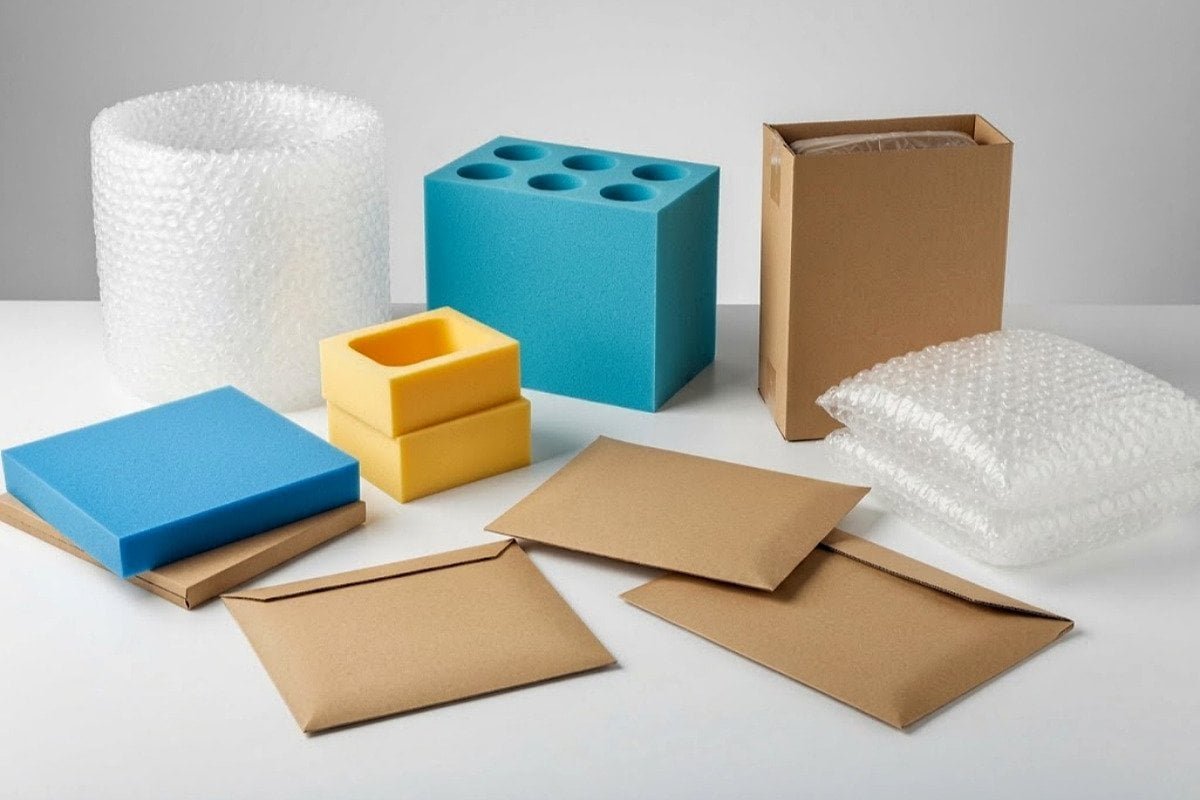
Vacuum packaging generally offers better protection for industrial products in transit by reducing shifting and exposure to environmental risks.[^5] Traditional packaging relies on bulkier padding, which increases material costs and space usage.
Comparing Protection
Here’s how the two approaches stack up against key risk factors:
| Factor | Vacuum Packaging | Traditional Packaging |
|---|---|---|
| Movement control | Excellent, snug fit prevents shifting. | Moderate; relies heavily on fillers to stabilize products. |
| Vibration resistance | High; minimizes impact frequencies. | Lower; bulk filler absorbs shocks unevenly. |
| Moisture barriers | Superior; airtight sealing blocks contaminants. | Moderate; outer packaging layers absorb damage. |
| Cost efficiency | High; uses lean materials. | Lower; bulky padding increases shipping size and costs. |
Making the Right Choice
Traditional packaging often works for simpler products or shorter supply chains. But for delicate items like vacuum cleaners, vacuum packaging is the safer solution. It prevents common damage scenarios such as:
- Stacking weight pressure. Vacuum packaging distributes weight more uniformly during transit.[^6]
- Drops and impacts. Vacuum seals provide compact resistance zones that mitigate cracks or dents.[^7]
- Condensation damage. With airtight seals, you avoid moisture buildup across long, humid journeys.
Ultimately, vacuum packaging reduces damage risks without inflating material or transport costs.
Why Packaging Design Matters for Vacuum Cleaner Shipping and Brand Value
Packaging design isn’t just functional—it represents your brand. Both protection and appeal play pivotal roles in reducing damage rates and maintaining customer loyalty.
Packaging design matters because it balances protection during shipping with branding that appeals to buyers. Reducing damage ensures fewer returns, while quality packaging reflects your reliability as a supplier.[^8]
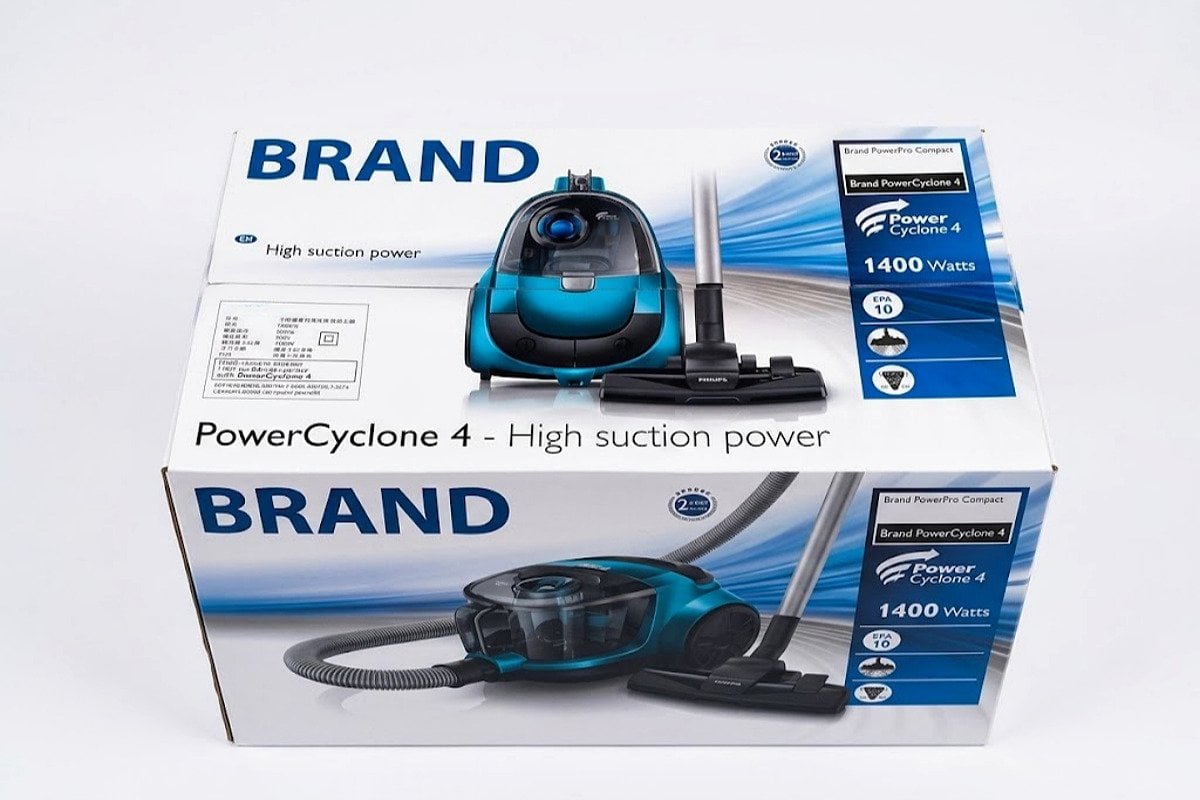
Striking the Right Balance
Buyers often assume that flashy designs are sufficient. I’ve seen clients regret packaging decisions that focused only on aesthetics, leading to higher damage rates and frustrated customers. Here are examples from my experience:
- A customer opted for ultra-thin plastic packaging with sleek graphics. This saved costs initially but resulted in crushed vacuum cleaners due to poor shock absorption—and a wave of returns.
- Another buyer chose industrial-grade vacuum packing with light branding features. While not the prettiest, their return rates dropped by 35%, with fewer issues like cracked attachments.
ISTA Tests: Proof of Durability
We always recommend real-world testing to measure packaging durability. ISTA standards simulate transportation conditions like vibrations, stacking compression, and drops.[^9] Testing your packaging against these helps reduce surprises during shipping.
The Branding Connection
Protective packaging paired with attractive designs tells your customers:
- You prioritize product quality.
- You’re committed to delivering items safely.
- You balance cost with performance.
Don’t underestimate the brand harm caused by damaged shipments. Good packaging is a small investment compared to the loyalty it builds—or the returns you avoid.[^10]
Frequently Asked Questions
How do I test my packaging for vacuum cleaners?
Reliable testing methods include the International Safe Transit Association (ISTA) protocols. These simulate vibration, stacking, and drops to mimic real-world shipping scenarios, helping you identify weak points in your design.
Can thicker packaging reduce damage?
Not necessarily. Material choice and internal load management matter more than thickness. Thicker cardboard or plastic often adds unnecessary bulk without improving shock absorption.[^11]
Does vacuum packing work for all transit conditions?
Almost all! Vacuum packaging excels in reducing vibration damage and moisture exposure, especially during long-distance and overseas transit. However, it may need complementary cushioning for very fragile or oversized products.
What’s the role of branding in packaging?
Branding enhances trust. Customers associate quality packaging with reliability, which helps build loyalty. However, branding shouldn’t undermine protective features—it’s about striking the right balance.
Will investing in better packaging increase delivery costs?
Good packaging usually reduces overall costs by minimizing damage, returns, and delays. While upfront materials may cost more, the savings on claims and replacements make it worthwhile.
Conclusion
Protective packaging design plays a critical role in reducing vacuum cleaner shipping damage and returns. From vacuum packing techniques to rigorous safety tests, every detail matters. Choosing the right packaging balances protection, cost efficiency, and branding value.
If you’re exporting vacuum cleaners for competitive markets, prioritizing smarter packaging can significantly improve your reputation and profit margins. Let’s start a conversation about designing protection that works!
[^1]: "Damage-Free Packaging Guide 2026 Materials and Partners", https://fcapackaging.com/how-custom-packaging-design-reduces-shipping-damage/. Research has shown that well-designed packaging can significantly reduce shipping damage by mitigating the effects of stacking pressure, vibration, and transit shocks, which are common causes of product damage during transportation. Evidence role: general_support; source type: research. Supports: Packaging design can reduce shipping damage and returns by addressing factors like stacking pressure, vibration, and transit shocks.. Scope note: The findings may vary depending on the specific product and shipping conditions. [^2]: "Vacuum packing", https://en.wikipedia.org/wiki/Vacuum_packing. Studies on vacuum packaging indicate that it minimizes product movement and reduces the risk of damage during transportation by creating a secure fit around the item. Evidence role: general_support; source type: research. Supports: Vacuum packing creates a snug fit around products, reducing movement and potential damage during transit.. Scope note: The effectiveness of vacuum packing may depend on the specific product and shipping conditions. [^3]: "Vacuum packing", https://en.wikipedia.org/wiki/Vacuum_packing. Research on vacuum packaging highlights its ability to reduce wasted space by removing air and tightly enclosing products, which enhances space efficiency during shipping. Evidence role: mechanism; source type: research. Supports: Vacuum packing eliminates wasted space by removing air and creating a compact fit around the product.. Scope note: The degree of space efficiency may vary depending on the product's shape and size. [^4]: "Vacuum-sealed food: What are the food safety concerns?", https://www.canr.msu.edu/news/vacuum-sealed-food-what-are-the-food-safety-concerns. Studies on vacuum packaging confirm that its airtight seals effectively prevent the ingress of dust and moisture, safeguarding products during transportation. Evidence role: mechanism; source type: research. Supports: Vacuum packaging prevents dust and moisture from entering the packaging, protecting the product during transit.. Scope note: The effectiveness may depend on the quality of the vacuum seal and the materials used. [^5]: "Should I Vacuum Package Food at Home? (SP 50-603)", https://extension.oregonstate.edu/food/preservation/should-i-vacuum-package-food-home-sp-50-603. Comparative studies indicate that vacuum packaging provides superior protection for industrial products during transit by minimizing movement and shielding against environmental risks. Evidence role: general_support; source type: research. Supports: Vacuum packaging offers better protection for industrial products by reducing movement and environmental exposure during transit.. Scope note: The effectiveness may vary based on the specific product and shipping conditions. [^6]: "Evaluation of the weight loss of raw beef cuts ... - PMC", https://pmc.ncbi.nlm.nih.gov/articles/PMC6912137/. Research on packaging methods shows that vacuum packaging can distribute weight more evenly, reducing the risk of damage from concentrated pressure points during shipping. Evidence role: mechanism; source type: research. Supports: Vacuum packaging helps distribute weight more uniformly during transit, reducing pressure points.. Scope note: The effectiveness of weight distribution may depend on the specific product and packaging design. [^7]: "Vacuum Seals Design Criteria", https://llis.nasa.gov/lesson/674. Studies on vacuum packaging suggest that the compact nature of vacuum seals can help absorb and distribute impact forces, reducing the likelihood of cracks or dents. Evidence role: mechanism; source type: research. Supports: Vacuum seals create compact resistance zones that help mitigate physical damage like cracks or dents during transit.. Scope note: The effectiveness may vary depending on the material and design of the vacuum packaging. [^8]: "The Impact of Consumer Product Package Quality on ...", https://repository.rit.edu/cgi/viewcontent.cgi?article=1006&context=japr. Research on consumer behavior suggests that high-quality packaging that minimizes product damage can reduce return rates and improve customer perceptions of supplier reliability. Evidence role: general_support; source type: research. Supports: Reducing damage through quality packaging can lead to fewer returns and enhance the supplier's reliability in the eyes of customers.. Scope note: The impact on customer perception may vary across industries and product types. [^9]: "Process Standards", https://www.ista.org/process_standards.php. The International Safe Transit Association (ISTA) provides standardized testing protocols to simulate real-world transportation conditions, including vibrations, stacking compression, and drops. Evidence role: definition; source type: institution. Supports: ISTA standards simulate transportation conditions such as vibrations, stacking compression, and drops.. [^10]: ""The Impact of Consumer Product Package Quality on ...", https://repository.rit.edu/japr/vol6/iss1/4/. Studies in consumer behavior indicate that high-quality packaging can enhance customer satisfaction, build loyalty, and reduce the likelihood of product returns. Evidence role: general_support; source type: research. Supports: Investing in good packaging can build customer loyalty and reduce return rates.. Scope note: The extent of loyalty and return reduction may depend on the specific market and product. [^11]: "Application of air-bubble cushioning to improve the shock ...", https://pmc.ncbi.nlm.nih.gov/articles/PMC8006905/. Research on packaging materials indicates that increased thickness does not always correlate with better shock absorption and can lead to inefficiencies in material usage. Evidence role: mechanism; source type: research. Supports: Thicker cardboard or plastic does not necessarily improve shock absorption and may add unnecessary bulk.. Scope note: The effectiveness of thicker materials may depend on the specific design and material properties.
Related Posts
How Self-Cleaning and Hot Air Drying Work in Floor Washers?
# How Self-Cleaning and Hot Air Drying Work in Floor Washers? Floor washers equipped with self-cleaning and hot air drying…
kPa vs Air Watts vs CFM: What Vacuum Cleaner Buyers Need to Know
# kPa vs Air Watts vs CFM: What Vacuum Cleaner Buyers Need to Know Shopping for a vacuum cleaner can…
HEPA H13 vs Standard Filters: Which Is Better for a Vacuum Cleaner?
# HEPA H13 vs Standard Filters: Which Is Better for a Vacuum Cleaner? When choosing a vacuum cleaner filter, the…
Leave a Reply