
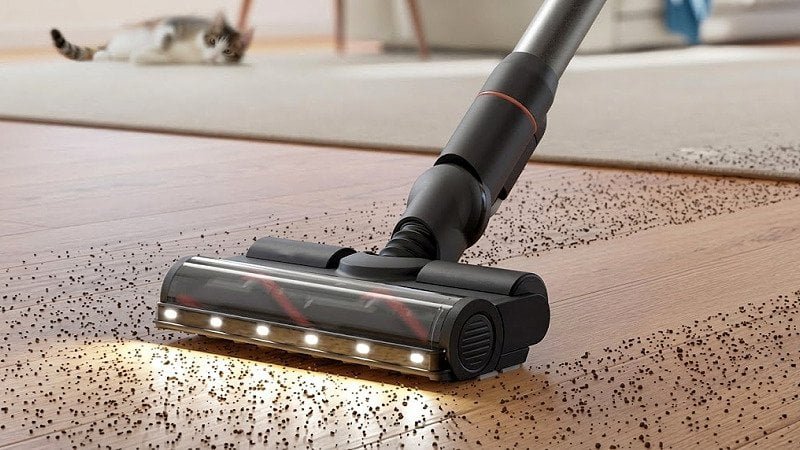
Vacuum Cleaner Suction Power Explained: Watts vs Air Watts vs kPa vs CFM
Vacuum Cleaner Suction Power Explained: Watts vs Air Watts vs kPa vs CFM
Choosing the right vacuum cleaner can be tricky, especially when you're drowning in terms like Watts, Air Watts, kPa, and CFM. Suction power is one of the most critical aspects to understand, but it’s not determined by just one metric. The key is knowing how these terms work together to influence cleaning performance.
Suction power in vacuum cleaners is evaluated using four key metrics: Watts (electrical power consumption), Air Watts (effective suction), kPa (pressure), and CFM (airflow).[^1] Each measures a different aspect of performance, and together they help determine how well a vacuum handles dirt, dust, and debris.
Before diving into the specific metrics, let’s look at how these terms fit into choosing the right vacuum cleaner for your needs.
How Many Air Watts Is Good for a Vacuum Cleaner?
When it comes to Air Watts, what's “good” really depends on your cleaning needs.
For standard household cleaning, 50–100 Air Watts is considered effective for removing dirt from carpets or hard floors.[^2] For heavier-duty tasks—like workshops or deep-cleaning—look for models offering 150–250 Air Watts.
Why Air Watts Matter
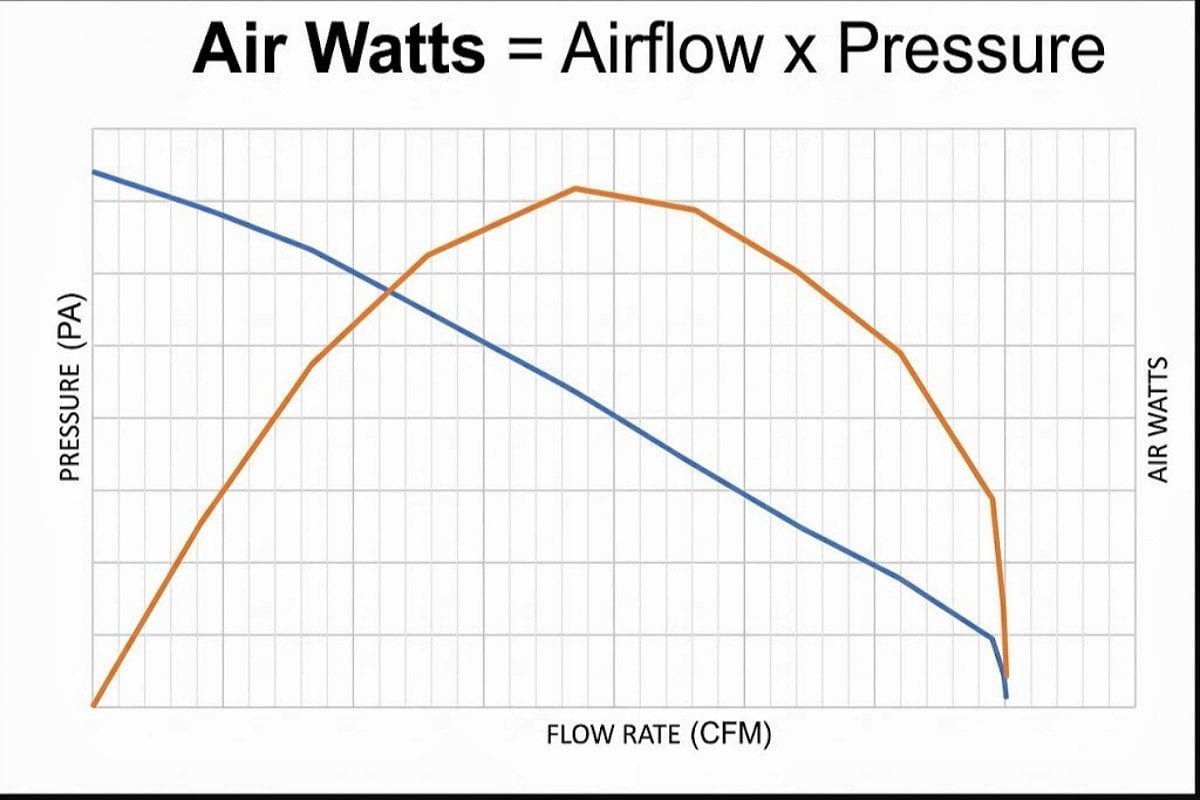
Air Watts (AW) is one of the best measurements for real-world suction power.[^3] It combines both the airflow and vacuum pressure, giving a clear picture of how effectively the vacuum picks up dirt.
- Low AW (<50): Better for light dusting or delicate surfaces
- Moderate AW (50–100): Great for everyday cleaning on carpets and floors
- High AW (150–250): Best for deep-cleaning tough messes, heavy debris, or high-pile carpets
For example, most premium cordless stick vacuums range between 100–150 Air Watts, while heavy-duty shop vacuums can reach 250+ Air Watts for powerful debris pickup.
However, keep in mind that high Air Watt ratings often come with higher noise levels and energy consumption.
Does Higher Wattage Mean Stronger Suction?
This is one of the biggest misconceptions about vacuum cleaners.
No, higher wattage doesn’t always mean stronger suction.[^4] Wattage indicates the motor’s energy consumption—not the vacuum’s ability to pick up dirt or debris. Effective suction depends on metrics like Air Watts, kPa, and CFM.[^5]
Understanding Wattage
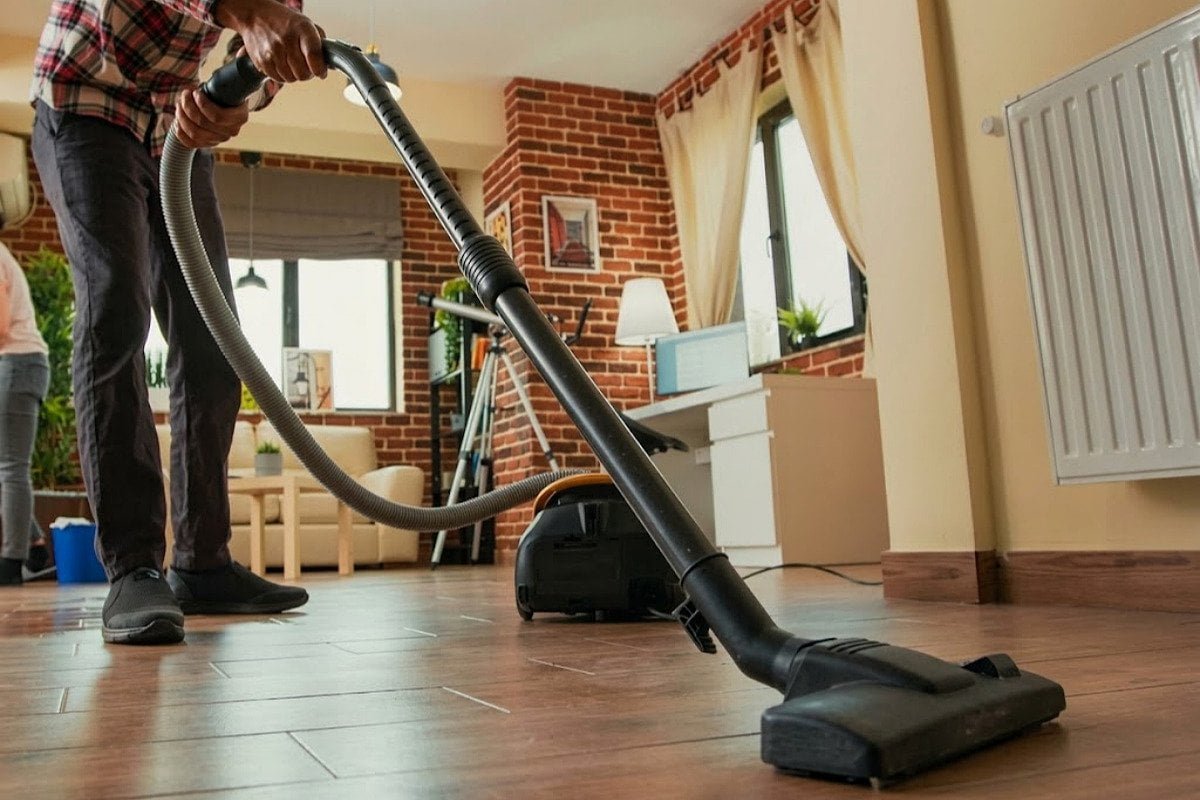
Watts measure the electrical power used to keep your vacuum’s motor running. In theory, higher wattage might support a more powerful motor, but without efficient engineering, it alone won’t improve suction.
For example:
- A 1500W vacuum may not outperform a 1000W vacuum if the airflow (CFM) and pressure (kPa) are poorly designed.
- Energy-efficient models focus on maximizing suction power with minimal energy consumption, even with lower Watt ratings.
So yes, wattage plays a role in determining the motor’s size or energy demand, but it’s not enough to judge suction power definitively.
Does the Wattage of a Vacuum Cleaner Matter?
It does matter, but only to an extent—and not in the way you might think.
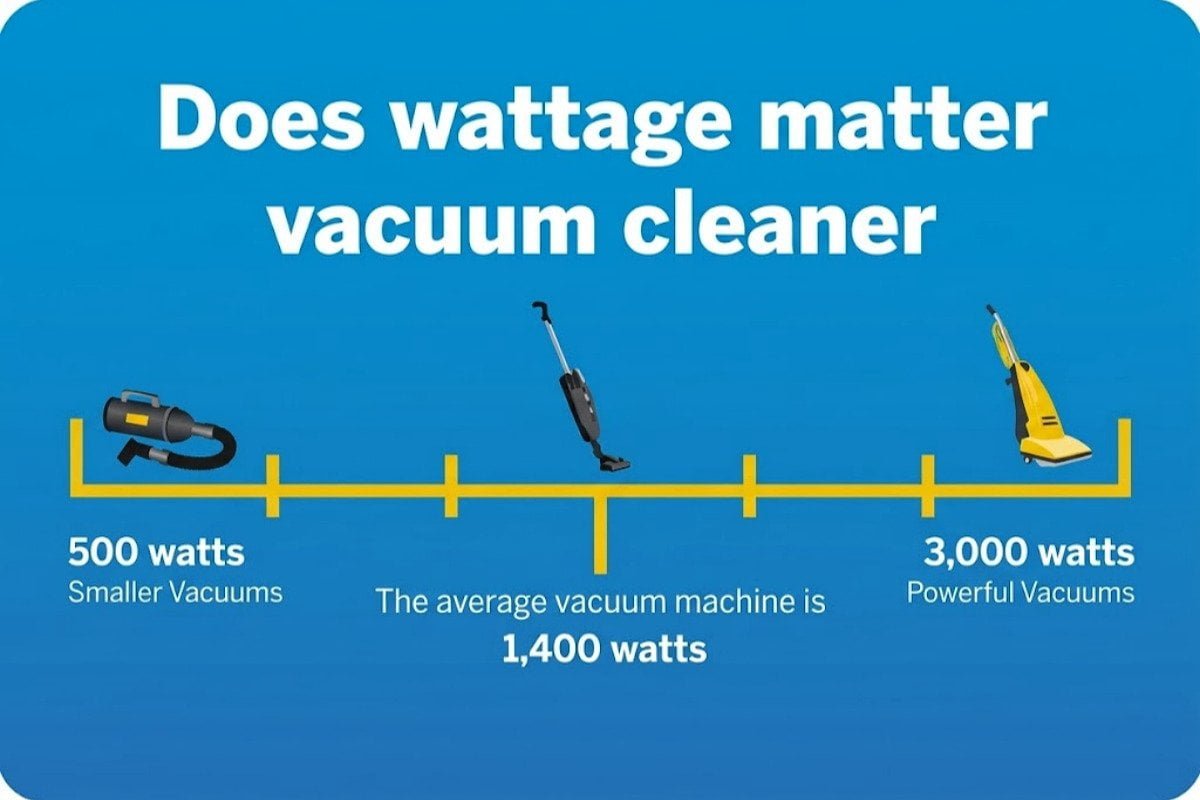
Wattage matters for energy consumption and motor durability. Higher wattage vacuums can handle stronger motors, but if suction metrics like Air Watts, kPa, and CFM aren’t optimized, the extra watts don’t provide better cleaning performance.
Balancing Wattage With Performance
When evaluating wattage, consider these trade-offs:
- Low Wattage (<900W): Quieter operation and energy-efficient; ideal for general cleaning.
- Medium Wattage (1000–1500W): Good balance of energy use and suction for heavier-duty cleaning.
- High Wattage (>1500W): Often built for industrial or shop vacuums to handle tough debris, though noise and power use are drawbacks.
If sustainability or energy efficiency is important to you—or your customers—choose vacuums with lower wattage but strong suction scores like high Air Watts or pressure ratings.
How Many Watts Do Vacuum Cleaners Use?
Vacuum cleaners can vary widely in power consumption depending on their design.
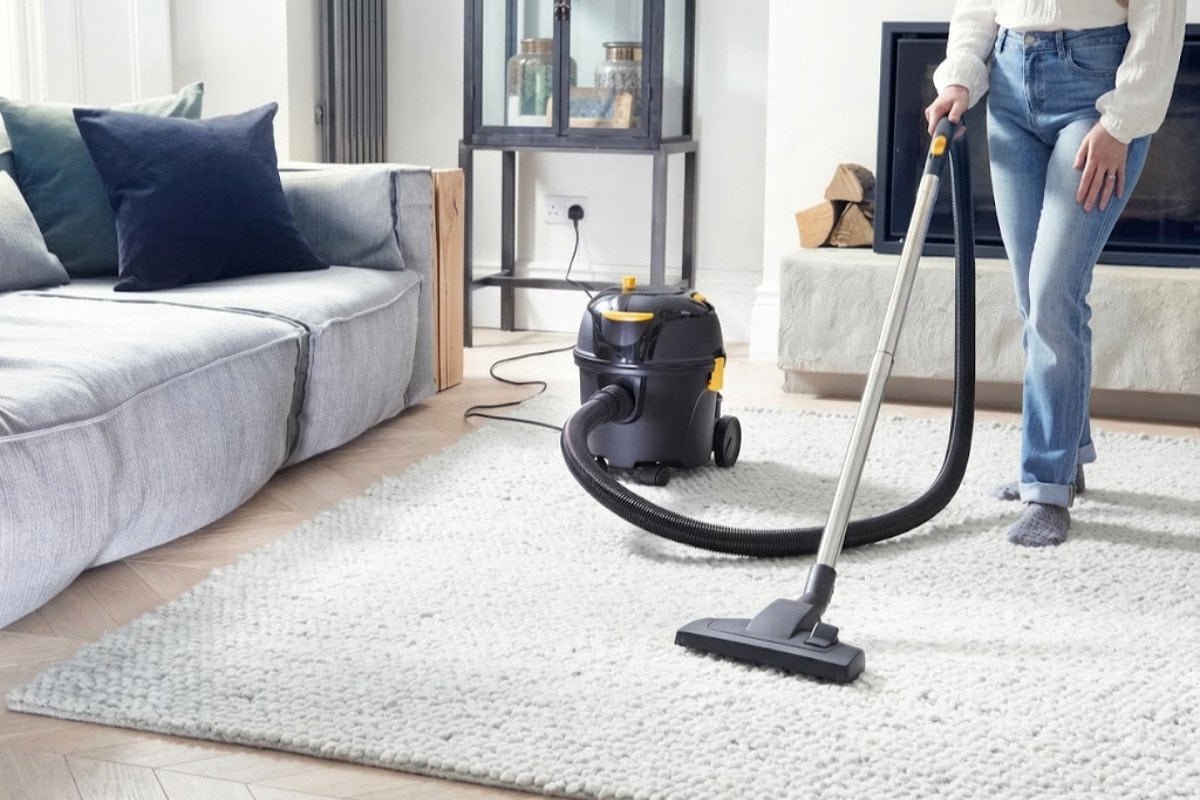
Most standard vacuum cleaners use 900–1500W for everyday cleaning tasks, while industrial models or shop vacuums often exceed 2000W to handle tougher debris.
Wattage Categories
Here’s a quick breakdown of typical power consumption levels:
| Vacuum Type | Typical Wattage | Best Uses |
|---|---|---|
| Cordless stick vacuums | 150–500W | Quick cleaning, small spaces |
| Household upright vacuums | 900–1500W | Everyday cleaning tasks |
| Industrial vacuums | 1500–2500W | Heavy-duty or wet/dry cleanup |
Cordless models tend to have the lowest wattage, as they’re optimized for battery capacity.[^6] On the other hand, industrial vacuums need higher Watt ratings for more robust, continuous motors.
Make sure you balance energy consumption with the right suction power metrics for your cleaning tasks.
Frequently Asked Questions
What is the difference between Watts and Air Watts?
Watts measures the motor’s energy consumption, while Air Watts measures how effectively suction power is delivered by combining airflow and vacuum pressure. Air Watts gives a more practical measure of a vacuum’s cleaning ability.
Is 1500W too much for a standard household vacuum?
For households, 900–1500W is common and acceptable. Higher-wattage vacuums (>1500W) are better for industrial or heavy-duty tasks and may lead to unwanted electricity costs for everyday use.
What’s the ideal kPa rating for suction?
For household vacuums, 16–20kPa is ideal for lifting dirt effectively.[^7] Higher ratings (20–30kPa) are recommended for heavier particles or larger debris.
Does airflow (CFM) really affect vacuum cleaning performance?
Yes, airflow helps transport debris efficiently. Models with 15–25CFM are excellent for residential cleaning.[^8] Higher airflow ensures better dust transportation but depends on pressure (kPa) for full effectiveness.
How meaningful is suction power in cordless stick vacuums?
Cordless models typically offer 50–150 Air Watts, which is sufficient for light and medium-duty cleaning.[^9] Their real advantage lies in portability, though they might lack the power of bulky upright models.
Conclusion
Understanding vacuum cleaner suction power means looking beyond Watts alone. Metrics like Air Watts, kPa, and CFM paint a clearer picture of a vacuum’s cleaning performance. While high wattage can mean a powerful motor, it doesn’t guarantee better suction.
Look for balanced metrics—Air Watts above 50, pressure around 16–25kPa, and airflow near 15–25CFM—to ensure a vacuum can handle dirt efficiently.
If you’re considering sourcing vacuum cleaners for your business, reach out to explore models that offer the perfect balance of efficiency and performance.
[^1]: "Airwatt - Wikipedia", https://en.wikipedia.org/wiki/Airwatt. Educational resources on vacuum cleaner performance often highlight Watts, Air Watts, kPa, and CFM as key metrics for assessing suction power. Evidence role: general_support; source type: education. Supports: These four metrics are commonly used to evaluate vacuum cleaner suction power.. Scope note: The importance of these metrics may vary depending on the vacuum cleaner type and intended use. [^2]: "Airwatt - Wikipedia", https://en.wikipedia.org/wiki/Airwatt. Research studies or industry guidelines often recommend 50–100 Air Watts for effective cleaning on carpets and hard floors. Evidence role: statistic; source type: research. Supports: The range of 50–100 Air Watts is effective for standard household cleaning tasks.. Scope note: The effectiveness of this range may depend on other factors like vacuum design and surface type. [^3]: "Airwatt - Wikipedia", https://en.wikipedia.org/wiki/Airwatt. Experts in vacuum cleaner technology often cite Air Watts as a comprehensive measure of suction power because it combines airflow and pressure. Evidence role: expert_consensus; source type: research. Supports: Air Watts is widely regarded as a reliable metric for measuring real-world suction power.. Scope note: The claim may not apply universally to all vacuum cleaner types or use cases. [^4]: "Vacuum Cleaner Suction vs Wattage: Have you been fooled?", https://www.xo2.com.au/blog/articles-2/vacuum-cleaner-suction-vs-wattage-have-you-been-fooled-they-are-very-different-things-227?srsltid=AfmBOoq-H7x1b6tQk-dW3tXEiRnbGenkjWyhWOQTzuIJqzdzgEENN068. Educational materials on vacuum cleaner mechanics explain that wattage measures energy use, while suction depends on other factors like airflow and pressure. Evidence role: mechanism; source type: education. Supports: Higher wattage indicates energy consumption, not necessarily stronger suction.. Scope note: The relationship may vary depending on the vacuum cleaner's design and engineering. [^5]: "Airwatt", https://en.wikipedia.org/wiki/Airwatt. Educational resources on vacuum cleaner performance often highlight these metrics as key factors influencing suction power. Evidence role: general_support; source type: education. Supports: Metrics like Air Watts, kPa, and CFM are critical for determining suction effectiveness.. Scope note: The relative importance of each metric may vary by vacuum type. [^6]: "How come battery powered vacuums are considered "high ...", https://www.reddit.com/r/VacuumCleaners/comments/1fb6om1/how_come_battery_powered_vacuums_are_considered/. Research on cordless vacuum design often highlights battery capacity as a limiting factor for wattage. Evidence role: mechanism; source type: research. Supports: Cordless vacuums have lower wattage due to battery optimization.. Scope note: The claim may not apply to all cordless vacuum models. [^7]: "Is KPA a reliable measurement of suction power?", https://www.reddit.com/r/VacuumCleaners/comments/1pthzlr/is_kpa_a_reliable_measurement_of_suction_power/. Studies or product guidelines often recommend 16–20kPa for effective dirt removal in household vacuums. Evidence role: statistic; source type: research. Supports: The range of 16–20kPa is effective for household vacuum cleaning.. Scope note: The effectiveness may vary based on vacuum design and surface type. [^8]: "Is cfm a good measure of suction power? : r/VacuumCleaners", https://www.reddit.com/r/VacuumCleaners/comments/128yyfs/is_cfm_a_good_measure_of_suction_power/. Research or product specifications often indicate that 15–25CFM is effective for residential cleaning tasks. Evidence role: statistic; source type: research. Supports: The range of 15–25CFM is suitable for residential vacuum cleaning.. Scope note: The range may not apply to all residential vacuum models. [^9]: "Airwatt", https://en.wikipedia.org/wiki/Airwatt. Product specifications or market analyses often show that cordless vacuums fall within this Air Watts range. Evidence role: statistic; source type: research. Supports: Cordless vacuums typically operate within the 50–150 Air Watts range for light and medium-duty cleaning.. Scope note: The range may vary depending on the brand and model.
Related Posts
How Self-Cleaning and Hot Air Drying Work in Floor Washers?
# How Self-Cleaning and Hot Air Drying Work in Floor Washers? Floor washers equipped with self-cleaning and hot air drying…
kPa vs Air Watts vs CFM: What Vacuum Cleaner Buyers Need to Know
# kPa vs Air Watts vs CFM: What Vacuum Cleaner Buyers Need to Know Shopping for a vacuum cleaner can…
HEPA H13 vs Standard Filters: Which Is Better for a Vacuum Cleaner?
# HEPA H13 vs Standard Filters: Which Is Better for a Vacuum Cleaner? When choosing a vacuum cleaner filter, the…
Leave a Reply