
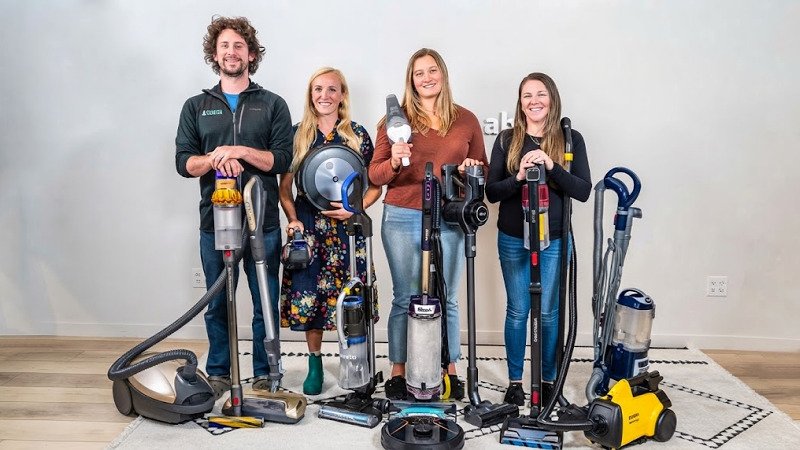
How to Build a Profitable Vacuum Cleaner Product Line for Retail?
How to Build a Profitable Vacuum Cleaner Product Line for Retail?
Creating a profitable vacuum cleaner product line is no small task. The primary challenge lies in balancing cost, design, and retail needs, all while meeting market-specific preferences. Whether you're a manufacturer, importer, or retailer, the key is aligning your products to consumer demands, shelf space, and competitive price points. Let’s dive into the building blocks of success.
Retail success in vacuum cleaners requires a strategic approach to pricing, product mix, and branding[^1]. Start by segmenting your lines into "Good-Better-Best" categories, selecting diverse form factors like stick vacuums and robot cleaners for broad appeal, and focusing on packaging designed to win shelf space.
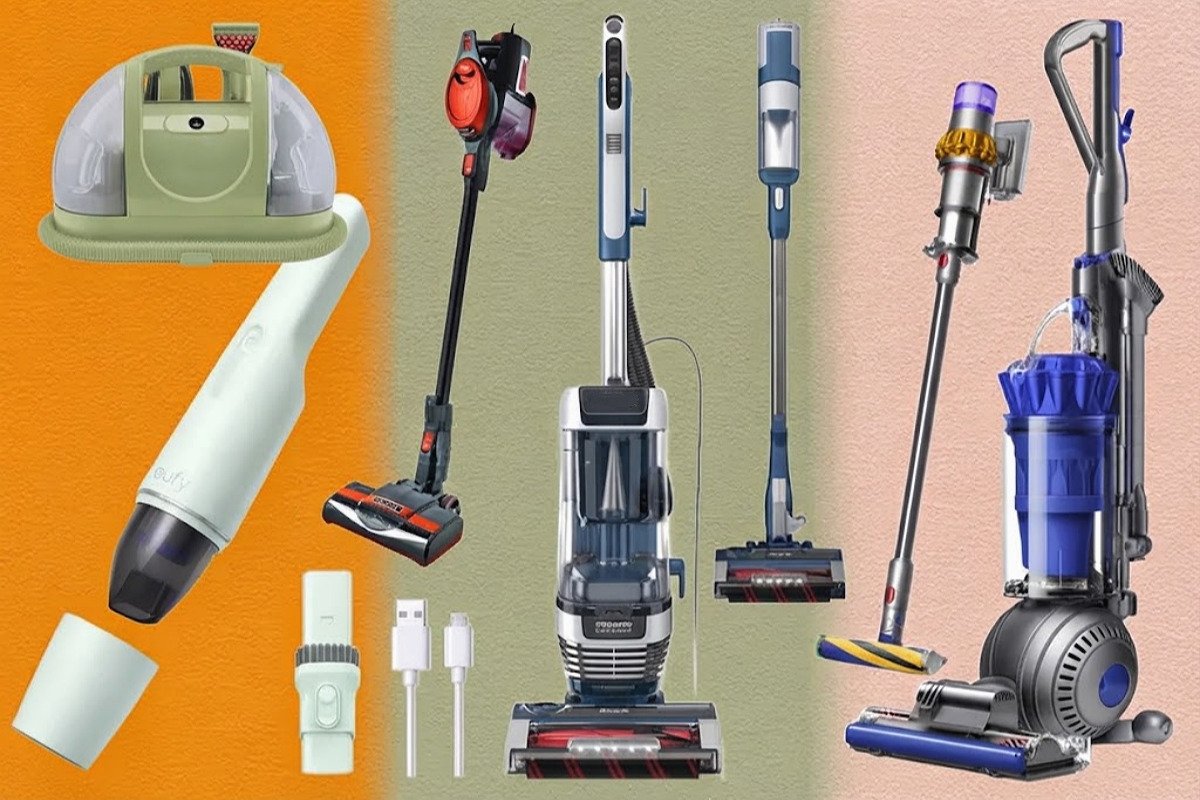
Understanding the strategy behind successful product lines can help you avoid common pitfalls, such as poor quality components, overlooked packaging design, or mismatched product features. Below, we unpack three critical pillars for building a winning vacuum cleaner lineup.
The "Good-Better-Best" Strategy: How to Anchor Your Price Points and Profit Margins?
It’s tempting to offer just one "middle-ground" vacuum cleaner—but that’s a rookie mistake. Consumers expect choice. A “Good-Better-Best” strategy enables you to appeal to price-sensitive, quality-focused, and premium customers[^2] while anchoring your price points competitively.
At its core, this strategy separates your product into tiers: an affordable entry-level model ("Good"), a more performance-driven mid-tier vacuum ("Better"), and a premium offering with advanced features or design ("Best").
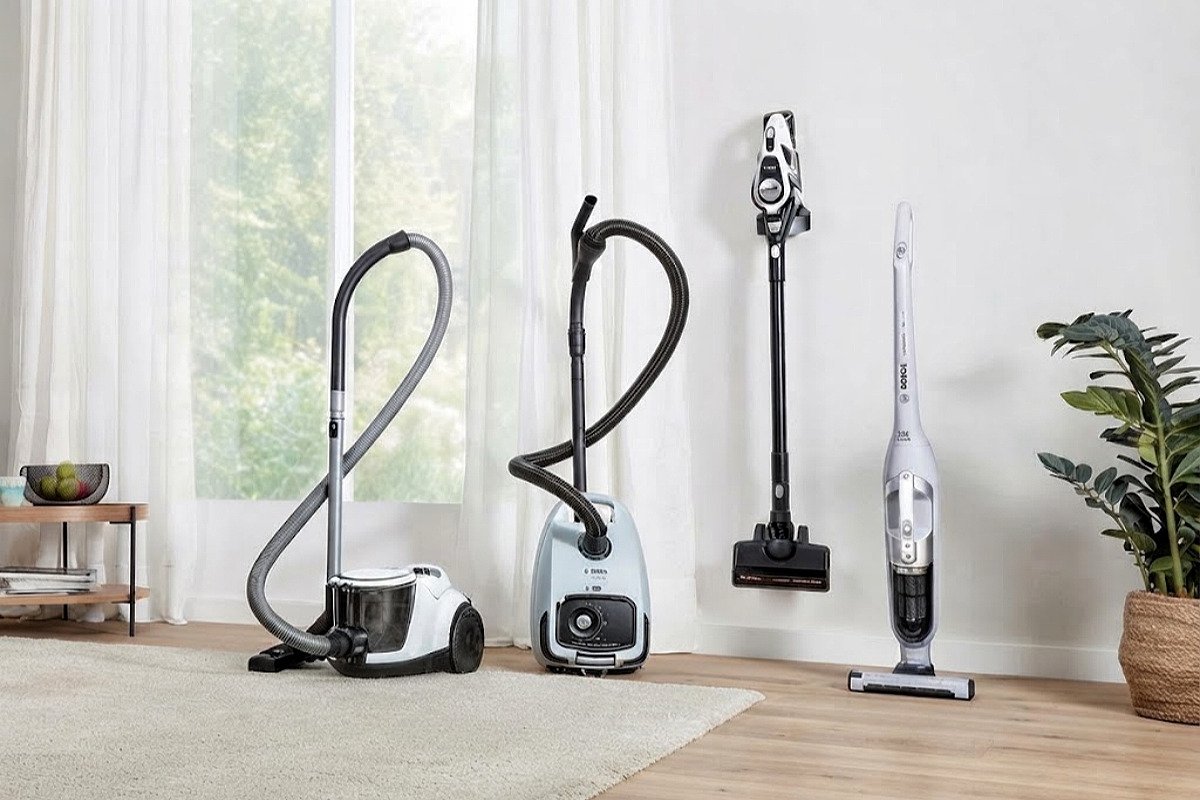
How to execute the Good-Better-Best strategy for vacuums?
- Good (Entry-Level): A no-frills model focusing on affordability. Use durable but inexpensive materials, such as ABS plastics, and prioritize must-have features like basic suction and intuitive controls.
- Better (Mid-Range): Appeal to households that demand performance. These models should include upgrades like quieter motors, stronger suction, HEPA filters, or ergonomic designs.
- Best (Premium): Focus on features that justify a higher price, such as app connectivity, self-cleaning robot vacuums, or energy-efficient motors. Stand out with sleek aesthetics and luxury-grade packaging.
Here’s where profit margins shine: the mid-range model often generates the most revenue[^3] thanks to its combination of quality and reasonable pricing. Plus, the premium tier not only attracts affluent buyers but also elevates your brand image overall.
Pitfall alert: Balance margins and quality carefully!
Trying to force higher-quality materials into the "Good" tier can lead to unsustainable margins. Conversely, cutting costs too much in premium models leaves your high-end customers unimpressed.
Mixing the Right Form Factors: Stick, Robot, and Spot Cleaners for Maximum Coverage?
Retailers and consumers alike love variety. Building a diverse vacuum cleaner product line goes beyond price tiers—it’s about form factors. Stick vacuums, robot cleaners, and spot cleaners all cater to specific use cases, ensuring your lineup appeals to wider demographics.
Each form factor has unique strengths and weaknesses. Stick vacuums offer lightweight convenience, robot vacuums bring hands-free automation, and spot cleaners solve specific messes for pet owners or quick spills[^4].
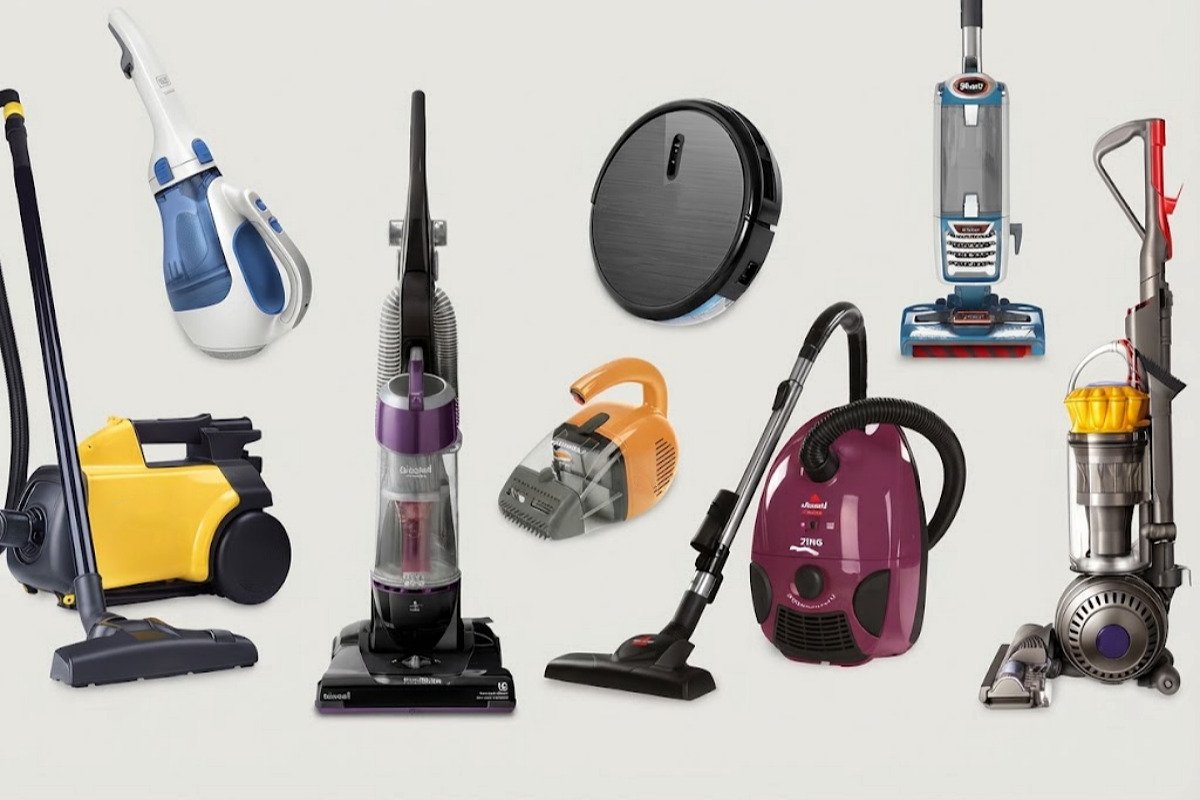
How to mix form factors efficiently?
- Stick Vacuums: Compact, portable, and cordless options are ideal for urban lifestyles, especially in Asian markets where storage space is limited.
- Robot Vacuums: Perfect for tech-savvy shoppers looking for convenience. Make sure they meet Western preferences for quiet operation and robust mapping software.
- Spot Cleaners: Target niche markets like pet owners in North America or homeowners who need specialized machines for carpets, upholstery, and car interiors.
Key takeaway: Cover all cleaning needs!
Try bundling your form factors for cross-selling opportunities. For example, pairing a robot vacuum with a stick cleaner covers both daily automated cleaning and quick manual cleanups—offering more value to the buyer while increasing overall sales.
Regional considerations:
Consumers in large homes (e.g., North America) often gravitate toward multiple vacuums[^5], while smaller urban households (common in Southeast Asia and Europe) focus on compact, multifunctional designs. Tailoring your form factors by region can help you fine-tune your inventory.
Winning the Shelf Space: Packaging, Branding, and Differentiating Beyond Price Wars?
Even the best-designed vacuum can fail without proper packaging or branding. The retail shelf is competitive territory, and eye-catching, customer-focused packaging is critical in persuading potential buyers. You’re not just selling a vacuum; you’re selling a story.
Shelf space in retail is about standing out through visual design and clear value propositions. Package your vacuums beautifully while using branding to highlight features that resonate most with your target audience.
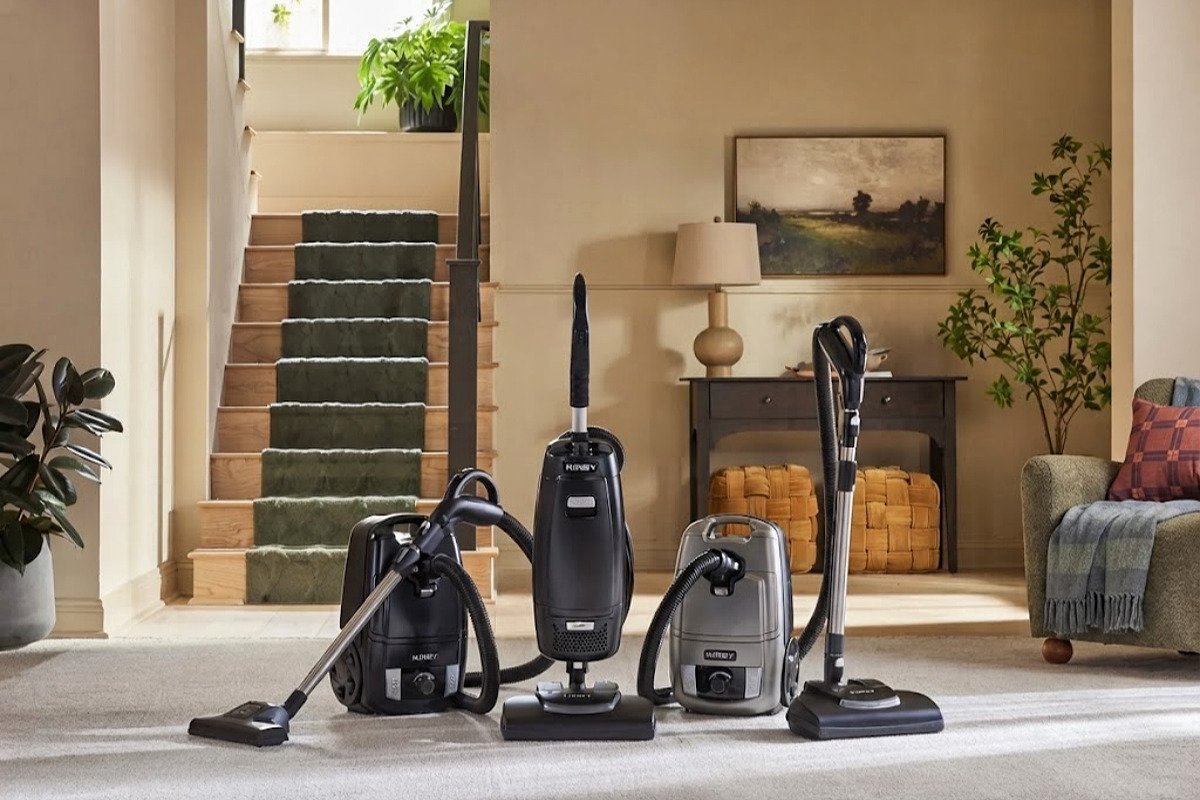
What makes packaging successful?
- Clarity is king: Showcase key features directly on the box using simple graphics and language. For instance, "Perfect for Pet Owners" or "Whisper-Quiet Operation."
- Retail-friendly design: Boxes should be stackable, easy to move, and include standardized dimensions for shelf arrangements. Make sure important visual cues (like price or features) are visible from multiple angles.
- Sustainability matters: Eco-friendly packaging appeals to green-conscious markets, such as those in Europe[^6].
Building a brand that stands out
You can differentiate your brand by adding testimonials, certification seals (e.g., HEPA-approved filters), or QR codes linked to video demonstrations. Combine this with consistent branding across your “Good-Better-Best” lineup to create a cohesive identity.
Common mistake: Ignoring differentiation beyond pricing!
Avoid running neck-and-neck with competitors who only fight on price. If your premium lineup has advanced noise reduction technology or exceptional battery life, make sure these points shine on the packaging and in marketing campaigns.
Frequently Asked Questions
What’s the most profitable vacuum cleaner model for retail?
Mid-tier vacuums tend to deliver the best profit margins in retail[^7]. They balance strong consumer demand for performance with reasonable production costs—making them appealing to middle-income households.
Should my product line include a stick vacuum, robot cleaner, and spot cleaner?
Yes, offering diverse form factors helps target a broader market. Stick vacuums are popular for portability, robot vacuums attract tech-focused users, and spot cleaners cater to niche needs like pet owners or spill-prone households.
How does packaging influence retail vacuum cleaner sales?
Packaging is crucial. It draws attention on crowded shelves and communicates key features to buyers. Strong visual design, clear feature highlights, and eco-friendly options can give your vacuums an edge in competitive markets.
Conclusion
Developing a profitable vacuum cleaner product line means addressing diverse consumer needs, crafting visually appealing designs, and differentiating your brand through smart product tiering and packaging. By implementing a “Good-Better-Best” strategy, incorporating unique form factors, and winning retail shelf space, you can maximize sales and build a loyal customer base[^8].
Ready to take the next step? Reach out if you're interested in exploring vacuum cleaner OEM/ODM solutions engineered for retail success. Let’s build a product line that wins!
[^1]: "Cordless Vacuum Cleaner Market Report, Industry Size & ...", https://www.strategicmarketresearch.com/market-report/cordless-vacuum-cleaner-market. Educational resources on retail management emphasize that strategic pricing, diverse product offerings, and strong branding are key drivers of success in competitive markets. Evidence role: general_support; source type: education. Supports: The role of pricing, product mix, and branding in achieving retail success for vacuum cleaners.. [^2]: "Good–better–best", https://en.wikipedia.org/wiki/Good%E2%80%93better%E2%80%93best. Institutional studies on consumer behavior suggest that tiered pricing strategies like 'Good-Better-Best' effectively cater to varied customer preferences and maximize market reach. Evidence role: general_support; source type: institution. Supports: The effectiveness of the 'Good-Better-Best' strategy in targeting diverse customer segments.. [^3]: "Finding Consumer Preferences - MKTG 380 - Naletelich", https://guides.lib.jmu.edu/mktg380-nal/consumer. Market research indicates that mid-range products often achieve higher sales volumes due to their appeal to middle-income consumers seeking a balance of quality and affordability. Evidence role: statistic; source type: research. Supports: The revenue-generating potential of mid-range vacuum cleaner models.. [^4]: "I Traded My Fancy Stick Vacuum For An Old-Fashioned ...", https://www.southernliving.com/i-traded-my-stick-vacuum-for-an-old-fashioned-upright-vacuum-11778792?srsltid=AU7gw4XT_bv68zgJ7z9vv7M0O5mR2Q0h3JyofXsRVExukVt6AgahTBc_. Educational resources on home cleaning technologies explain how various vacuum types address specific needs, such as portability, automation, and targeted cleaning. Evidence role: mechanism; source type: education. Supports: The specific benefits of stick vacuums, robot vacuums, and spot cleaners for different consumer needs.. [^5]: "Vacuum cleaner", https://en.wikipedia.org/wiki/Vacuum_cleaner. Consumer surveys indicate that large households in North America often own multiple vacuums to address varied cleaning needs across different spaces. Evidence role: statistic; source type: research. Supports: The preference for multiple vacuum cleaners in large North American households.. [^6]: "A rising trend in eco-friendly products: A health-conscious ...", https://pmc.ncbi.nlm.nih.gov/articles/PMC10559245/. Market research shows that European consumers increasingly prefer products with sustainable packaging, reflecting growing environmental awareness. Evidence role: statistic; source type: research. Supports: The appeal of eco-friendly packaging to environmentally conscious consumers in Europe.. [^7]: "Vacuum Cleaner Market Size ($74.8 Billion) 2030", https://www.strategicmarketresearch.com/market-report/vacuum-cleaner-market. Studies on retail profitability indicate that mid-tier products often achieve optimal margins due to their balance of affordability and quality. Evidence role: statistic; source type: research. Supports: The profitability of mid-tier vacuum cleaners in retail markets.. [^8]: "Good–better–best", https://en.wikipedia.org/wiki/Good%E2%80%93better%E2%80%93best. Research on retail strategies suggests that combining tiered pricing, diverse product types, and effective shelf space management enhances sales performance and customer retention. Evidence role: general_support; source type: research. Supports: The combined impact of tiered pricing, diverse product offerings, and retail shelf optimization on sales and customer loyalty..
Related Posts
How Self-Cleaning and Hot Air Drying Work in Floor Washers?
# How Self-Cleaning and Hot Air Drying Work in Floor Washers? Floor washers equipped with self-cleaning and hot air drying…
kPa vs Air Watts vs CFM: What Vacuum Cleaner Buyers Need to Know
# kPa vs Air Watts vs CFM: What Vacuum Cleaner Buyers Need to Know Shopping for a vacuum cleaner can…
HEPA H13 vs Standard Filters: Which Is Better for a Vacuum Cleaner?
# HEPA H13 vs Standard Filters: Which Is Better for a Vacuum Cleaner? When choosing a vacuum cleaner filter, the…
Leave a Reply