
Vacuum Cleaner Spare Parts Planning for Importers and Distributors
Vacuum Cleaner Spare Parts Planning for Importers and Distributors
Planning for vacuum cleaner spare parts might not be the most glamorous task in your business, but it's absolutely critical. Without the right strategy, you risk running into stockouts, missing sales opportunities, or overstocking parts that eat into your cash flow. Spare parts inventory decisions can make or break relationships with your customers. Let’s talk about how you can optimize this process effectively.
Vacuum cleaner spare parts planning for importers requires balancing supply chain complexities alongside unpredictable user behavior.[^1] Stock decisions should emphasize fast-moving parts, realistic demand forecasts, and collaboration with internal teams that understand market trends. Let’s break down the essentials, so your inventory planning strengthens your business instead of draining it.

From stocking the right percentage of spare parts to managing cash flow with inventory, we’ll cover everything you need to avoid costly mistakes.
The 3% to 5% Rule: What Essential Spare Parts You MUST Order with Your First Container
When starting off with new vacuum cleaner imports, missing out on key spare parts is one of the easiest ways to wound customer loyalty. Here’s the problem: many small importers either overthink or underestimate how much to order upfront.
How to Determine the Right Amount?
Several factors dictate the sweet spot for spare parts allocation:
- Expected wear-and-tear: Base your decisions on how frequently vacuum cleaners in your category require repairs based on user habits and durability tests.
- Repair culture in your market: In some regions, consumers are more likely to repair appliances than replace them. Eastern European and South Asian markets, for example, often show higher repair rates than North America.
- Ease of replacing parts: Spare filters tend to sell fast because they’re universally easy to swap, unlike motor-related components that often require professional input.[^3]
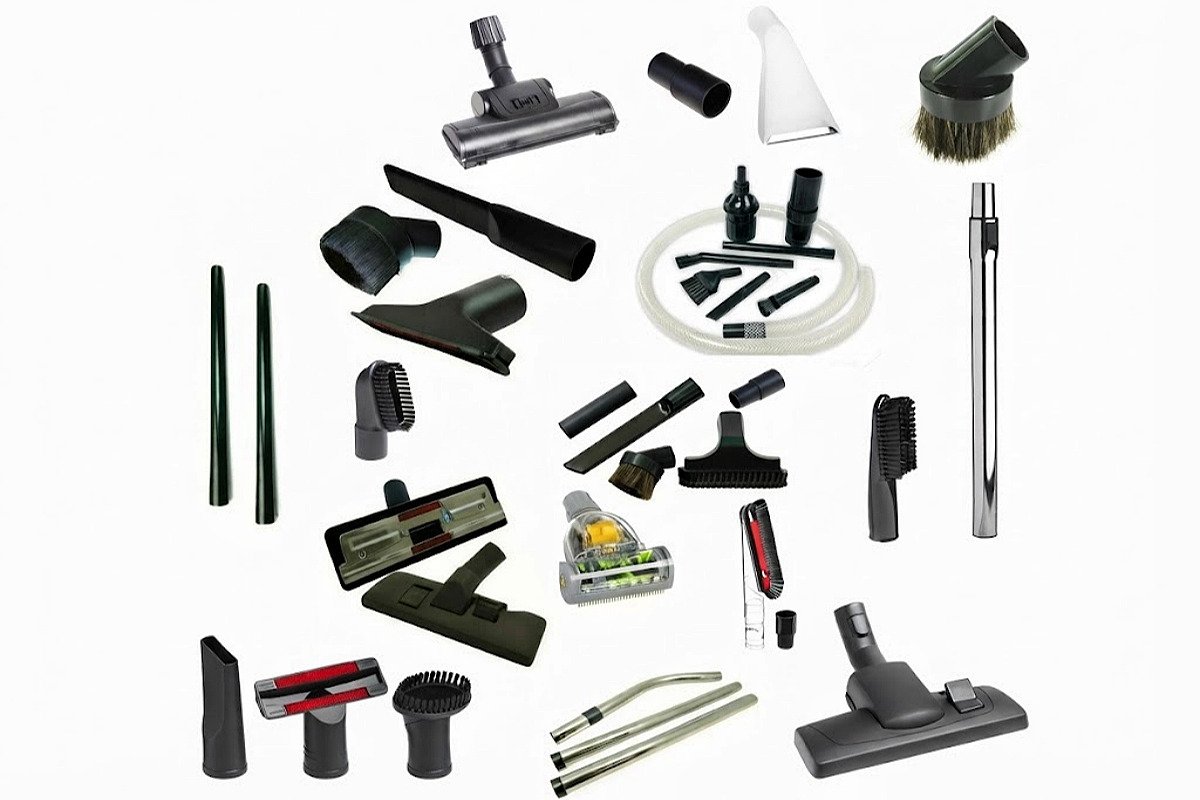
Many importers mistakenly overlook essentials such as brushes or belts during their initial order.[^4] However, these are non-negotiable spares since they’re cheap and volume-demanded.
Build Confidence With Customers Early
When launching in a new market, having basic spare parts available reinforces your reputation. Imagine a customer breaks their vacuum belt after two months of use—can they reach you for replacements? Early frustrations like these often result in lost customers.
If you’re skeptical about upfront investments, consider surveying past customer claims or even collaborating with service teams who understand recurring spare demands.
Fast-Moving vs. Slow-Moving Parts: How to Build a Balanced Inventory That Doesn’t Clamp Your Cash Flow
Let’s be honest—every importer dreads tying up cash in dead stock. And spare parts? They’re infamous for collecting dust on warehouse shelves. Conversely, understocking leads to unhappy customers and lost sales opportunities.
The key is classifying spare parts into fast-moving and slow-moving categories to strategically place your bets on stock.

Create Two Spare Part Buckets
Fast-moving parts:
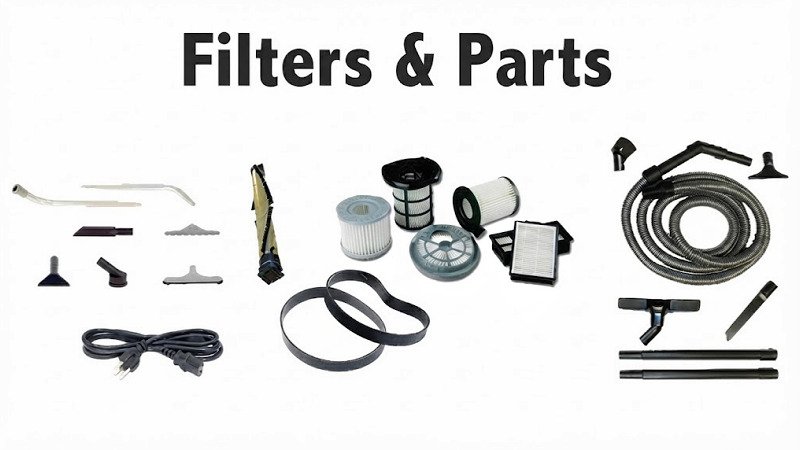
- Filters, HEPA or other dust filters
- Belts (known to wear down quickly)
- Brush rolls for common replacement needs
Slow-moving parts:
- Housing components (less prone to breakage)
- Motors (complex and rarely purchased by individual users)
- Circuit boards
By categorizing your inventory this way, you avoid unnecessary cash flow bottlenecks caused by slow-moving stock. Instead, prioritize popular items that commonly wear out and are easy to replace.
Analyze How Parts Move in Your Market
I once had conversations with distributors who stocked vacuum motors expecting high after-sales turnover—but they overestimated customer willingness to repair significant parts versus replacing entire vacuums. With this hindsight, I advise focusing more on high-wear consumables during initial phases.
A simple rule of thumb: Treat anything directly exposed to dirt, dust, or friction as fast-moving. Think filters, brushes, and belts. Other components should take up minimal stock unless your market profile insists otherwise.
Managing RMA & After-Sales: How Factory SKUs and Modular Designs Save Your Margin
Warranty claims (RMA) often spike when handling spare parts, which can erode profit margins if mismanaged. Many importers overlook how manufacturing decisions—like SKU standardization—affect spare parts planning.
Why Modular Design Matters
Factory modularity simplifies repair processes by reducing component incompatibility. For example: It’s easier for a service center to replace a single belt versus troubleshooting differing belt designs every order cycle. Modular designs also reduce inventory costs since fewer unique parts need stocking.[^6]
Leverage Manufacturer Collaboration
High modularity results from closer collaboration with factories during the production phase.[^7] If you’re outsourcing to OEMs, query whether they offer standardized spare parts or compatible systems across multiple SKUs. Propose modular-friendly designs suited for quicker repairs and streamlined stocking.
If you manage international warranty claims (e.g., Europe, Asia), ensure spare part listings align across country-specific SKUs. Multi-territory brands often struggle to manage conflicting models without dedicated planning.[^8]
The Economics of After-Sales
Factories rarely highlight how RMA warranties stack hidden costs over time.[^9] Common issues arise when service agents need special-order parts that delay repairs. By aligning spare parts to modular systems from day zero, you mitigate such frustrations for both consumers and repair personnel.
Frequently Asked Questions
What are fast-moving vacuum cleaner spare parts?
Fast-moving parts include filters, brush rolls, belts, and vacuum bags. These components face frequent wear from dirt exposure or friction, making them high-demand replacements for end-users.
How should small importers forecast spare part demands?
Start modest with essentials like consumable filters and belts. Align stock forecasts with historical after-sales data, local repair trends, and insights from service teams. Consider keeping buffer stock for long-term warranty issues.
Can modular vacuum cleaner designs fix inventory challenges?
Yes, modular designs reduce spare part complexity, improve part compatibility, and streamline warehouse stocking. Plan modular systems with OEMs early during production to save repair hassle and costs later.
Conclusion
Effective vacuum cleaner spare parts planning isn’t as simple as ordering random components in bulk. It involves forecasting demand trends, balancing fast and slow-moving items, and collaborating with manufacturers on modular designs to streamline repair processes.
Proper planning ensures consistent customer satisfaction while protecting your bottom line. If you need help collaborating with OEMs or managing spare part imports, reach out—I’d love to steer you in the right direction.
[^1]: "Challenges of Spare Parts Supply Chain", https://www.refteck.com/blog/challenges-of-spare-parts-supply-chain/. Research on supply chain management and consumer behavior highlights the challenges importers face in balancing inventory decisions for spare parts, particularly in industries with high variability in demand. Evidence role: general_support; source type: research. Supports: Supply chain complexities and user behavior influence spare parts planning for vacuum cleaners.. Scope note: The findings may not be specific to vacuum cleaner spare parts but are applicable to general spare parts inventory management. [^2]: "Import, marketing, and distribution of spare parts", https://ingerod.com.co/en/servicio/import-marketing-and-distribution-of-spare-parts/. Educational resources on inventory management suggest percentage-based allocation strategies for spare parts to optimize initial stock levels. Evidence role: statistic; source type: education. Supports: Allocating 3% to 5% of container value to spare parts is a recommended strategy for importers.. Scope note: The percentage range may vary depending on the specific industry and product category. [^3]: "Vacuum Cleaner Filter Market Size, Growth, Trends Report ...", https://www.marketresearchfuture.com/reports/vacuum-cleaner-filter-market-39083. Research on spare parts sales trends indicates that consumable items like filters are more frequently purchased due to their simplicity in replacement. Evidence role: statistic; source type: research. Supports: Spare filters have higher sales turnover due to their ease of replacement compared to motor-related components.. Scope note: The findings may not account for specific brand or model variations in spare part demand. [^4]: "Accessories, Spare Parts and Tools", https://www.cbp.gov/trade/nafta/guide-customs-procedures/other-provisions-relating-origin/accessories. Educational materials on inventory planning emphasize the importance of stocking high-demand spare parts like brushes and belts to avoid customer dissatisfaction. Evidence role: general_support; source type: education. Supports: Brushes and belts are essential spare parts that importers often overlook in initial orders.. Scope note: The examples may be anecdotal and not universally applicable across all importers. [^5]: "Modular Design | www.waru.edu", https://www.waru.edu/tools/dau-systems-engineering-brainbook/design-considerations/modular-design. Research on modular product design demonstrates its effectiveness in reducing inventory complexity and improving repair processes. Evidence role: mechanism; source type: research. Supports: Modular designs and standardized SKUs simplify spare parts management and claims handling.. Scope note: The findings may focus on general modular design principles rather than specific vacuum cleaner applications. [^6]: "26 Modular Home Cost Savings Statistics", https://www.mesocore.com/blog/modular-home-cost-savings. Studies on modular product design demonstrate its role in reducing inventory costs by standardizing components and minimizing part variations. Evidence role: mechanism; source type: research. Supports: Modular designs reduce inventory costs by limiting the need for unique spare parts.. Scope note: The findings may focus on general modular design principles rather than specific vacuum cleaner applications. [^7]: "design and fabrication of a dust vacuum cleaner using ...", https://www.academia.edu/145690248/DESIGN_AND_FABRICATION_OF_A_DUST_VACUUM_CLEANER_USING_UPCYCLED_MATERIALS. Educational resources on product design emphasize the role of factory collaboration in achieving modularity and standardization. Evidence role: mechanism; source type: education. Supports: Collaboration with factories during production enhances modularity in vacuum cleaner designs.. Scope note: The examples may not specifically address vacuum cleaners but apply broadly to modular design practices. [^8]: "Dynamic appliance scheduling and energy management in ...", https://pmc.ncbi.nlm.nih.gov/articles/PMC12241353/. Institutional case studies on global brands highlight the challenges of managing conflicting SKUs across multiple territories. Evidence role: case_reference; source type: institution. Supports: Multi-territory brands encounter difficulties in managing conflicting models without proper planning.. Scope note: The examples may focus on broader appliance categories rather than vacuum cleaners specifically. [^9]: "Home Warranty Statistics (2026) - ConsumerAffairs", https://www.consumeraffairs.com/homeowners/home-warranty-statistics.html. Research on warranty claims management reveals the potential for hidden costs in RMA processes, particularly in industries with complex spare parts requirements. Evidence role: general_support; source type: research. Supports: RMA warranties can accumulate hidden costs over time, impacting spare parts management.. Scope note: The findings may not specifically address vacuum cleaner warranties but are applicable to general RMA challenges.
Related Posts
How Self-Cleaning and Hot Air Drying Work in Floor Washers?
# How Self-Cleaning and Hot Air Drying Work in Floor Washers? Floor washers equipped with self-cleaning and hot air drying…
kPa vs Air Watts vs CFM: What Vacuum Cleaner Buyers Need to Know
# kPa vs Air Watts vs CFM: What Vacuum Cleaner Buyers Need to Know Shopping for a vacuum cleaner can…
HEPA H13 vs Standard Filters: Which Is Better for a Vacuum Cleaner?
# HEPA H13 vs Standard Filters: Which Is Better for a Vacuum Cleaner? When choosing a vacuum cleaner filter, the…
Leave a Reply