
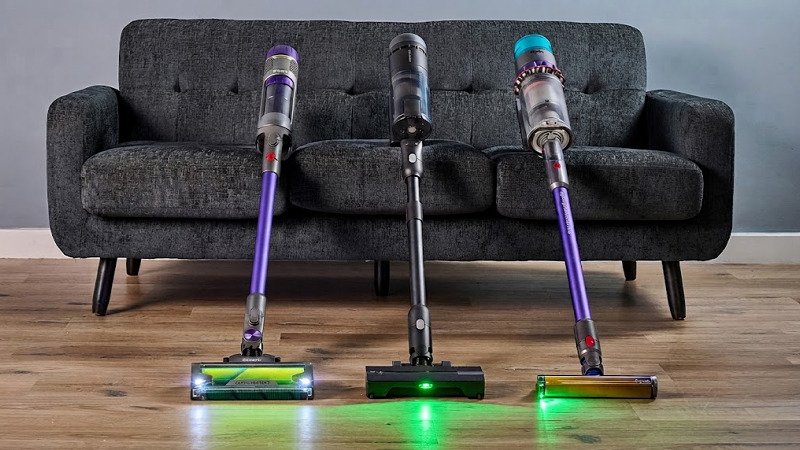
How to Choose a Cordless Stick Vacuum Cleaner in 2026?
How to Choose a Cordless Stick Vacuum Cleaner in 2026?
Picking the perfect cordless stick vacuum cleaner in 2026 isn’t as simple as checking specs online. Why? Because too much emphasis on flashy numbers or fancy features can blindside you from the practical issues — like battery compatibility or real-world cleaning efficiency. Let’s break down how to make smarter, market-savvy choices.
Choosing the best cordless stick vacuum in 2026 requires balancing battery compatibility, ergonomic design, practical suction, and emerging tech features with regional requirements and end-user satisfaction.
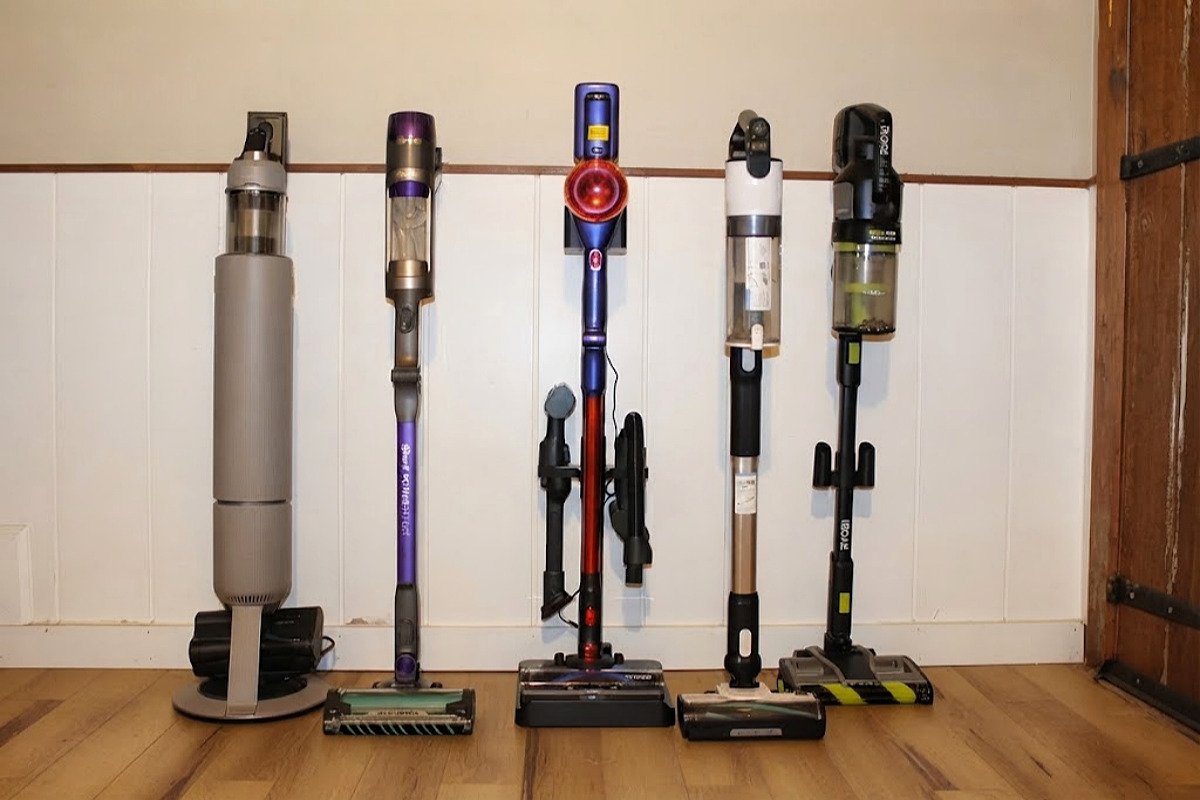
As someone who works directly with importers and brand owners in markets across the globe, I’ve seen how often great-looking vacuum models fail in actual use. Below we’ll cover the key things to consider when sourcing a vacuum cleaner that delivers performance, reliability, and customer satisfaction.
Battery Life Beyond Marketing: Removable Packs, Fast Charging, and Real-World Runtime?
Battery life can make or break a cordless vacuum cleaner’s usefulness.[^1] On paper, all batteries look great — long runtimes, fast charges, fancy specs. But do they deliver those claims in real life? Not always.
When assessing battery features in 2026, look for durable removable packs, cross-market compatibility, and reliable runtimes validated through real-world testing.
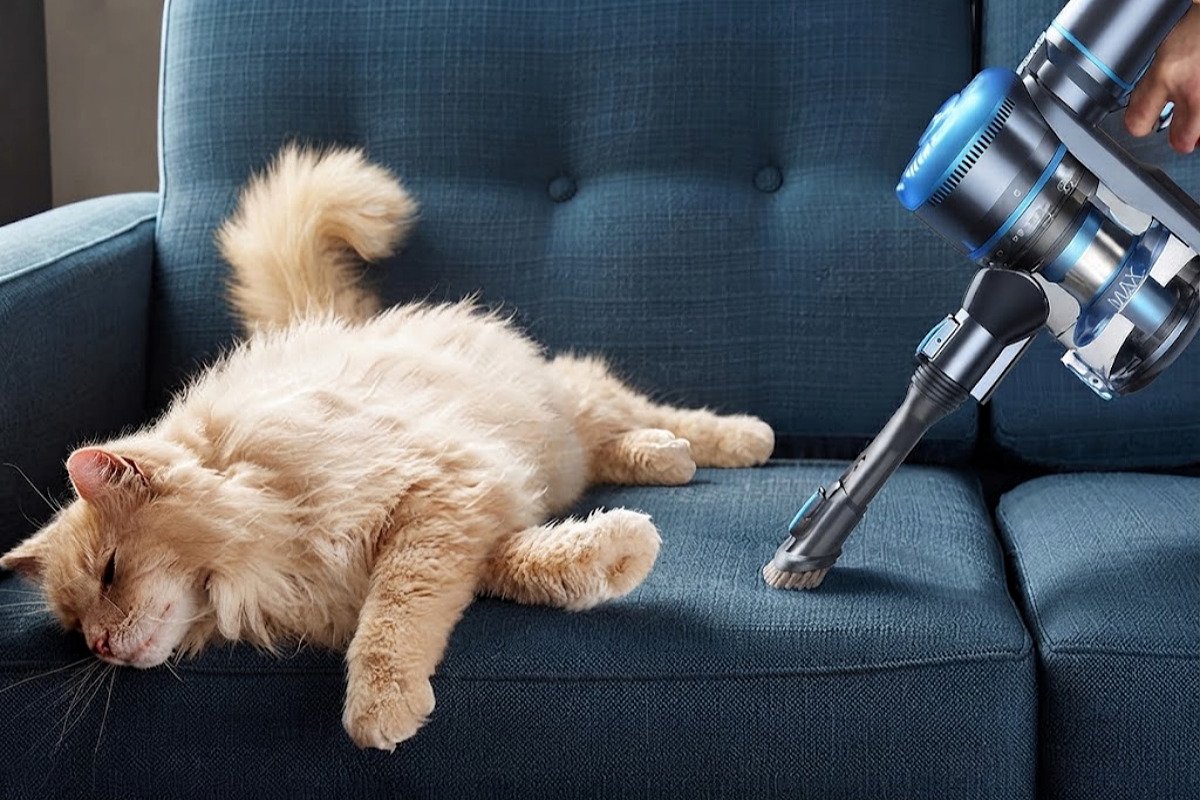
Why removable and cross-compatible batteries are critical
One of the biggest mistakes buyers make is skipping checks on regional compatibility. Batteries may meet safety and voltage standards in one country but not in another.[^2] This mismatch leads to recalls, returns, and even legal headaches.
Here’s what to watch for:
- Removable batteries simplify replacement and extend product lifecycle. Critical for customers who need more runtime or backup charge options.
- Cross-market compatibility testing ensures the batteries meet the voltage and safety standards in your target region (e.g., Europe vs. North America).
- Charging time vs capacity balance: In 2026, fast chargers are common, but overly compressed charge times could overheat batteries. A realistic balance avoids customer complaints.
Fast charging vs marketing buzz
Fast charging sounds great, but how fast is too fast? Batteries operating under extremely fast charging (often under one hour) are prone to heat buildup, shortening lifespans or even causing safety concerns. I recommend models that prioritize durability by balancing reasonable charge times (2–3 hours) with longer daily runtime hours (30–60 minutes on average).
Suction, Weight, and Ergonomics: How to Find the Sweet Spot That Won’t Hurt Your Wrist?
Raw suction strength often takes center stage during vacuum shopping, but what’s less discussed are weight and ergonomics — two areas that directly impact user satisfaction. A vacuum that feels heavy after 10 minutes of use can become a dealbreaker fast.
Balancing suction power with lightweight design and ergonomic handling should be a priority for 2026 buyers. Don't prioritize power alone.
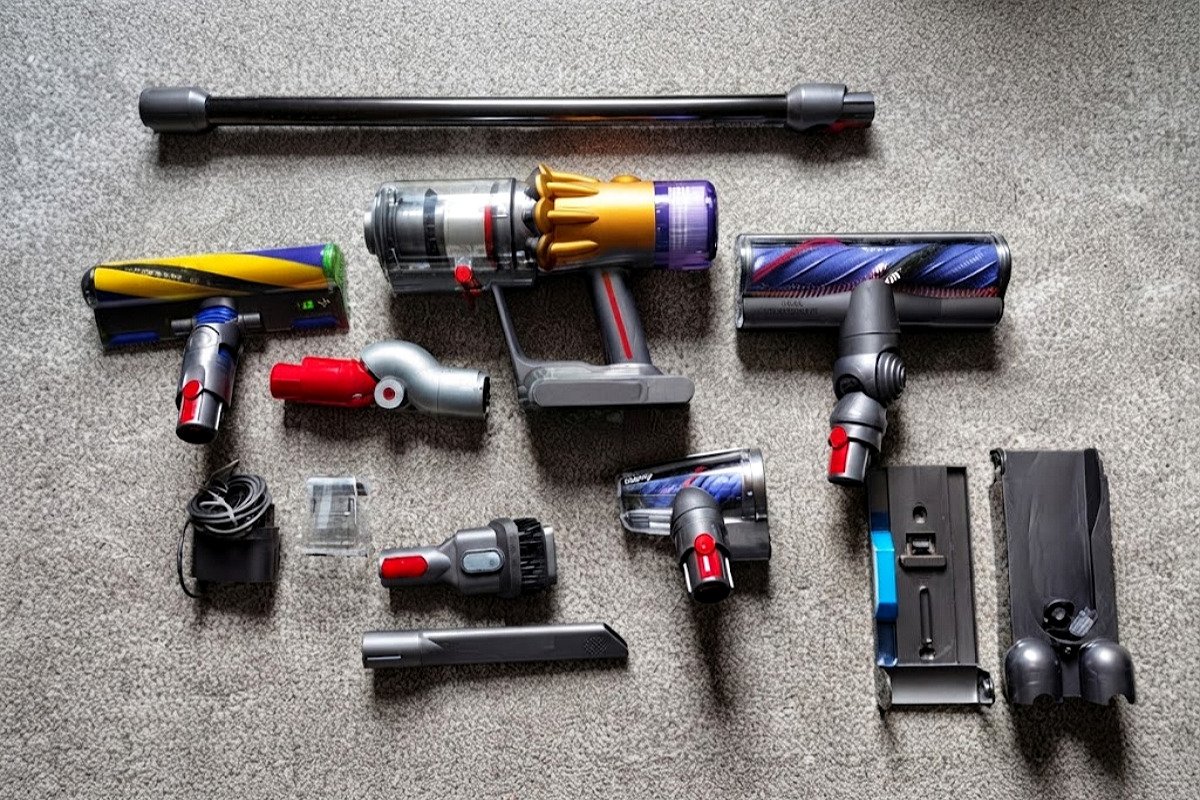
Why power ratings are misleading
Bigger suction numbers aren’t everything. While they look impressive on a box, many users don't need peak-power suction for everyday cleaning tasks. Higher suction can drain batteries faster, create noise complaints, or struggle on multi-surface cleaning (e.g., carpet vs hardwood). Instead of focusing solely on watts, examine:
- Airflow efficiency across dust filters
- Multi-surface adaptability for seamless transitions from tile to carpet
Finding that ergonomic sweet spot
Here’s my simple rule: the longer your customer has to hold a vacuum, the lighter and more comfortable it should feel. Weight distribution matters — some models throw all their weight onto the wrist by poorly locating motors near the top handle. Key factors include:
- Weight under 3.5kg (around 7–8 pounds) for single-handed use without fatigue
- Adjustable handles for diverse height users
- Anti-vibration grips reducing strain
Customer-friendly suction presets
Models with pre-programmed suction speeds save users from constantly flipping switches. These presets often include “eco mode” for daily light dust, versus “boost mode” for tougher tasks.
Smart Features Worth Having in 2026: Auto-Suction Sensing, Anti-Tangle Heads, and Dust Detectors?
Cordless stick vacuums are getting smarter every year, but not all features are worth the trade-off in price or complexity. The challenge is choosing innovations that users actually appreciate without skyrocketing costs.
In 2026, smart features like auto-suction sensing, anti-tangle brush heads, and dust detectors are expected industry standards for convenience and cleaning efficiency.
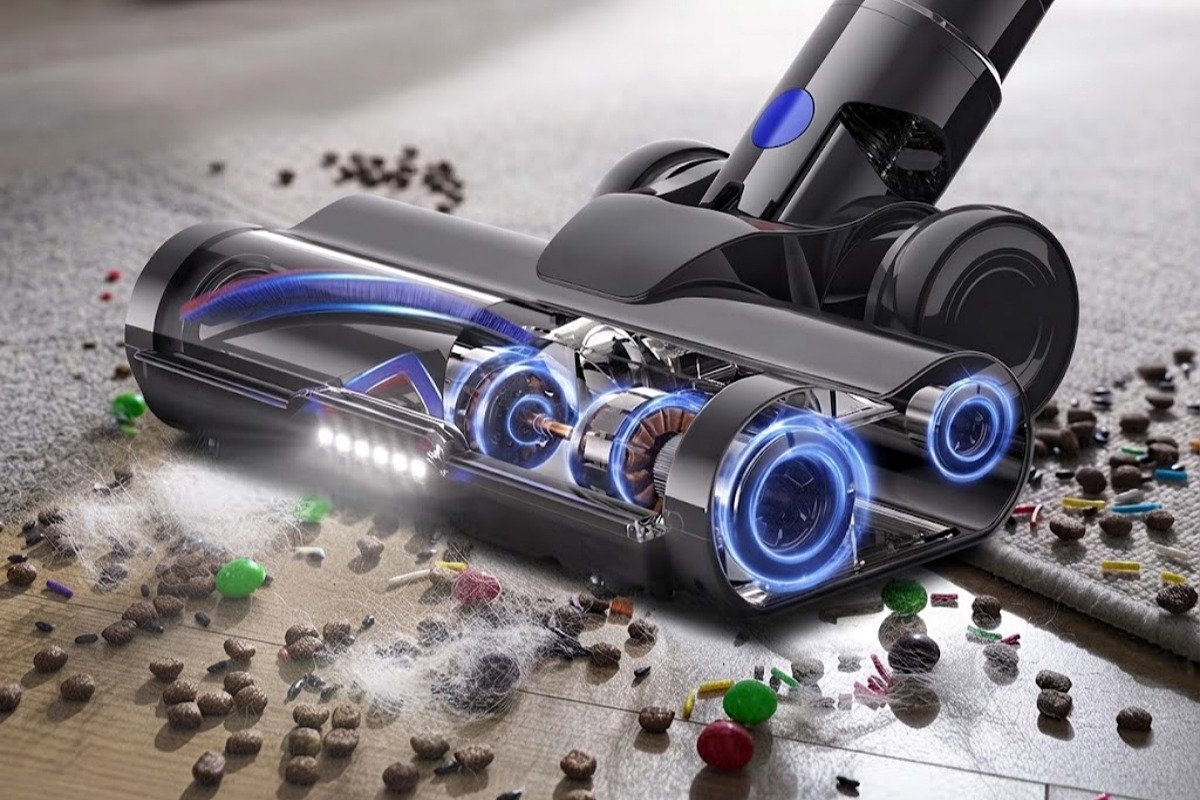
What features matter most today?
Technology evolves fast — if you were sourcing vacuums even three years ago, features like auto-suction or lightweight anti-tangle brush heads weren’t commonly requested. Now, they are must-haves, especially in premium or mid-range segments. Features gaining traction:
- Auto-suction sensing: Dynamically adjusts suction strength based on floor material or debris size. Saves energy while optimizing cleaning performance.
- Anti-tangle heads: Reduces frustrating hair wrap during cleaning, especially on models suited for households with pets.
- Dust level detection: Alerts users when cleaning needs further focus before moving to the next section.
Avoiding unnecessary tech add-ons
Be realistic about which features truly sell versus those that distract buyers. For instance, Wi-Fi integration sounds appealing but rarely adds real value unless paired with app-based usage tracking or remote diagnostics. Focus your sourcing decisions on features with proven user demand.
Future-proofing through AI adaptability
Expect AI-driven features, like adaptive suction algorithms or predictive maintenance alerts, to grow by 2027.[^3] While still emerging in 2026, exploring suppliers offering tech-forward roadmaps ensures your brand can meet near-future expectations.
Frequently Asked Questions
What’s the ideal runtime for a cordless stick vacuum in 2026?
Optimal runtime for cordless stick vacuums should range between 30 to 60 minutes on a standard charge, depending on suction mode. Keep in mind, high-suction modes drain batteries faster than eco or standard modes.
Should I prioritize suction power when selecting models?
Power ratings are one benchmark but not the sole determinant of cleaning efficiency. Airflow dynamics, filter quality, and nozzle design often impact real-world cleaning far more than raw suction wattage.
Do removable batteries add significant cost?
While removable batteries may slightly increase upfront costs, they extend the product lifecycle and improve user satisfaction, particularly for customers who need extended runtimes or replacements over years.
Conclusion
Choosing the right cordless stick vacuum cleaner in 2026 goes beyond power ratings and shiny advertising. To ensure success in your market, prioritize battery compatibility, ergonomic design, and smart features that matter like auto-suction sensing or anti-tangle brush heads. By balancing innovation with practicality, your customers will enjoy reliable performance and cleaner homes while avoiding hidden pitfalls.
Ready to source competitive vacuum models for your market? Contact us today to assess leading suppliers and ensure your products meet the demands of 2026 consumers.
[^1]: "Cordless Vacuum Cleaner Buying Guide - Joybuy", https://m.joybuy.de/blog/cordless-vacuum-buying-guide/7nlISNwB. Studies on consumer electronics indicate that battery life significantly influences user satisfaction and product utility, particularly in devices requiring mobility, such as cordless vacuums. Evidence role: general_support; source type: research. Supports: Battery life is a key determinant of a cordless vacuum cleaner's practicality and user satisfaction.. Scope note: The findings may vary depending on specific product categories and user demographics. [^2]: "EU Batteries Regulation 2023", https://www.trade.gov/market-intelligence/eu-batteries-regulation-2023. Government regulations, such as those from the International Electrotechnical Commission (IEC), outline differing safety and voltage requirements for batteries across regions. Evidence role: mechanism; source type: government. Supports: Battery compatibility can be affected by varying international safety and voltage standards.. Scope note: Specific examples of incompatibility may depend on the product and market. [^3]: "How AI is revolutionizing the home appliance industry", https://numalis.com/how-ai-is-revolutionizing-the-home-appliance-industry/. Industry reports from technology institutions predict increased integration of AI features, such as adaptive algorithms, in household appliances by 2027. Evidence role: expert_consensus; source type: institution. Supports: AI-driven features in vacuum cleaners are anticipated to grow in adoption by 2027.. Scope note: Predictions may depend on technological advancements and market demand.
Related Posts
How Self-Cleaning and Hot Air Drying Work in Floor Washers?
# How Self-Cleaning and Hot Air Drying Work in Floor Washers? Floor washers equipped with self-cleaning and hot air drying…
kPa vs Air Watts vs CFM: What Vacuum Cleaner Buyers Need to Know
# kPa vs Air Watts vs CFM: What Vacuum Cleaner Buyers Need to Know Shopping for a vacuum cleaner can…
HEPA H13 vs Standard Filters: Which Is Better for a Vacuum Cleaner?
# HEPA H13 vs Standard Filters: Which Is Better for a Vacuum Cleaner? When choosing a vacuum cleaner filter, the…
Leave a Reply