
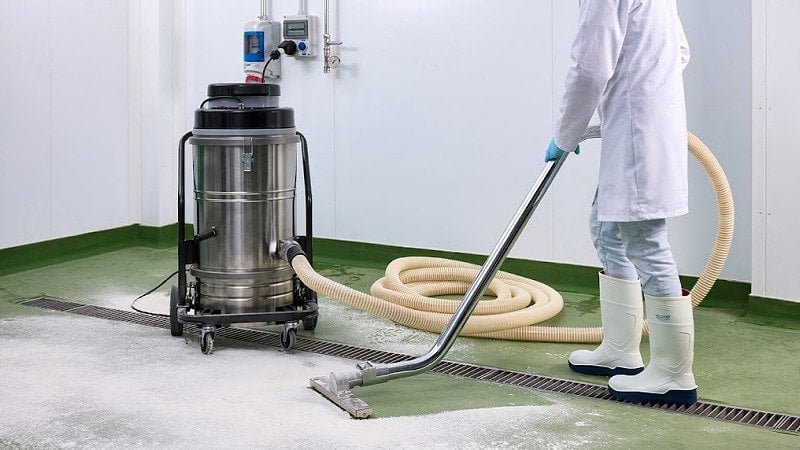
How to Choose an Industrial Wet and Dry Vacuum Cleaner?
How to Choose an Industrial Wet and Dry Vacuum Cleaner?
Selecting the right industrial wet and dry vacuum cleaner may seem straightforward, but it’s easy to get caught in a maze of spec sheets, buzzwords, and marketing claims. The industrial wet and dry vacuum cleaner isn’t just about raw power — factors like filtration, corrosion resistance, and usability are equally important[^1]. Let’s explore how to make the best choice for your needs.
To choose the right industrial wet and dry vacuum cleaner, focus on performance parameters, such as suction power and airflow, but also consider filter type, storage design, and compatibility with wet and dry debris. Avoid focusing solely on motor power ratings.
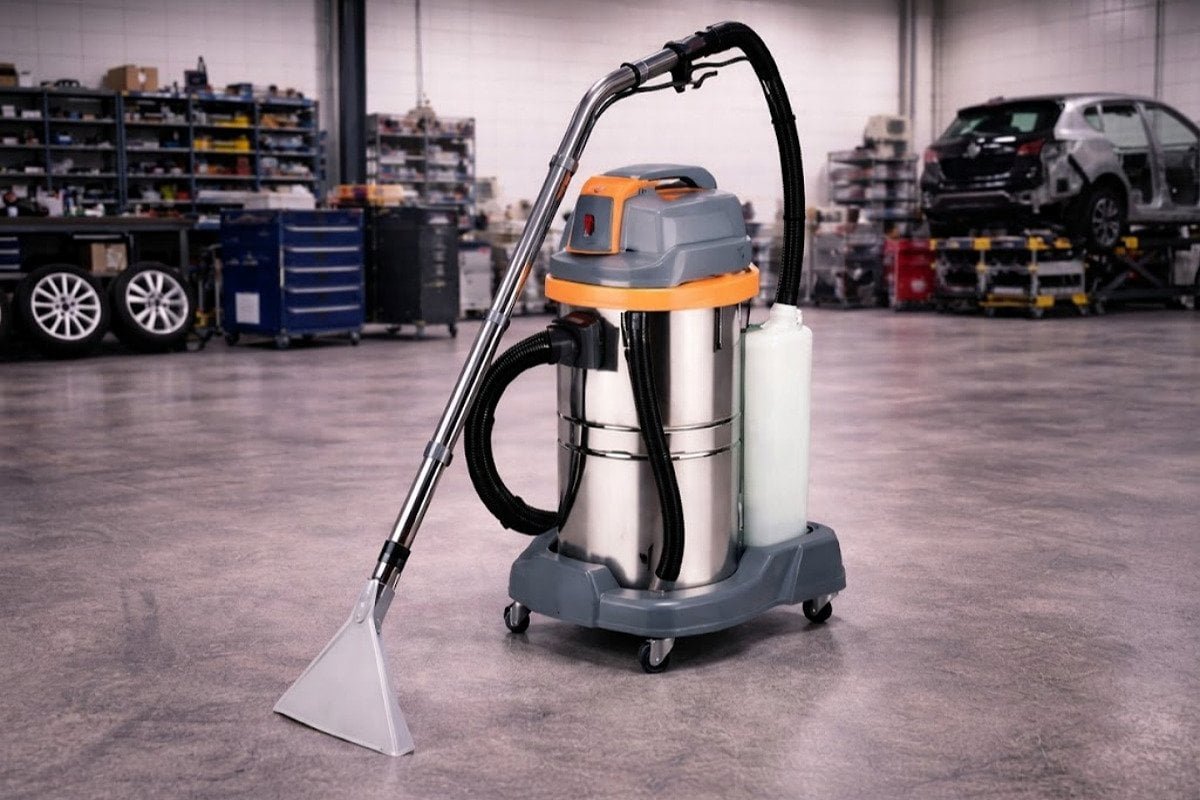
Before narrowing down your purchase, it’s essential to understand how each feature aligns with your operational requirements. Let’s break it down step by step.
How to choose the right industrial vacuum cleaner?
Finding the perfect industrial vacuum cleaner starts with identifying your cleaning needs. Whether you're managing a warehouse, a factory floor, or an oil rig, no two vacuum requirements are the same.
The best industrial vacuum cleaner balances suction performance, filter requirements, and debris containment. Features like HEPA filters are critical for handling fine particles[^2], whereas stainless steel tanks excel in corrosion resistance for wet applications.
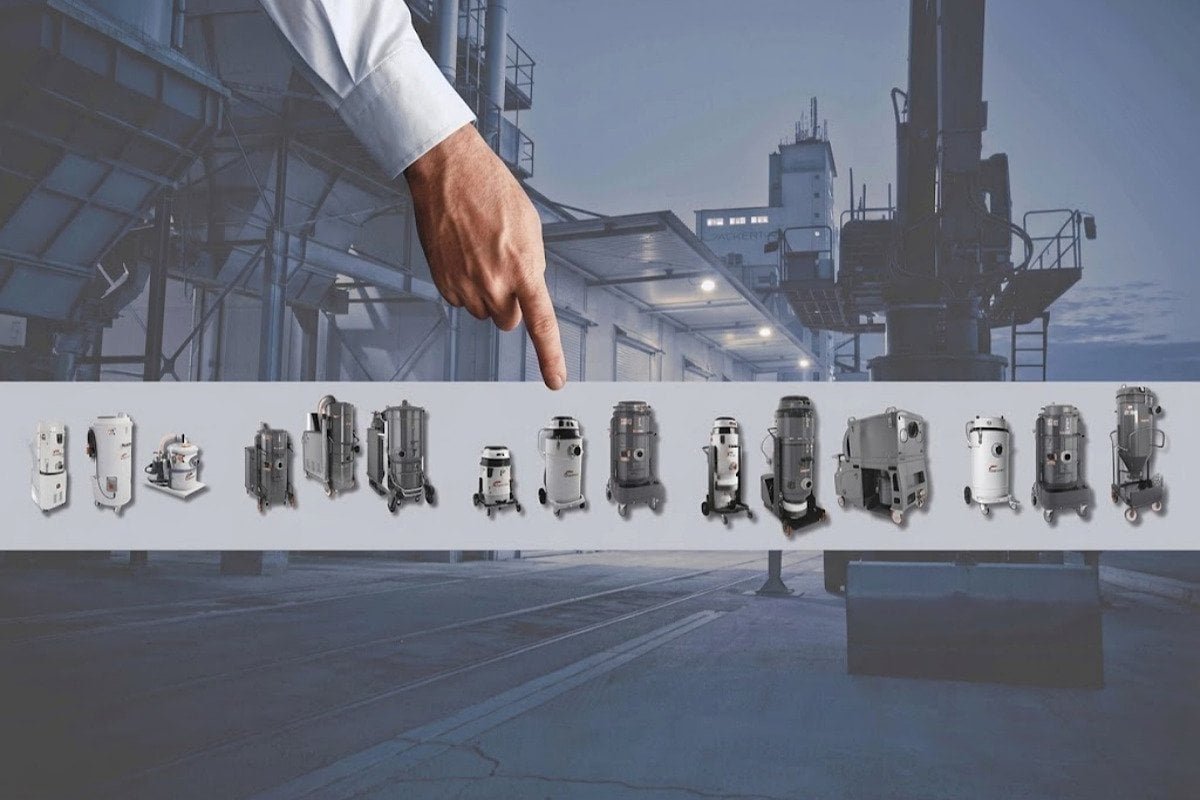
Key Selection Criteria
-
Wet vs. Dry Functionality:
A true industrial wet and dry vacuum cleaner can switch seamlessly between handling dry debris and wet spills. Look for models with self-drain options for handling liquids efficiently. -
Filter Type:
HEPA filters are ideal if you're dealing with fine particles like dust or allergens. For general debris, multi-stage filtration systems can extend usability without compromising performance. -
Tank Material:
Stainless steel tanks are usually preferred for wet vacuuming since they resist corrosion[^3]. Be cautious with cheaper plastic versions if your application involves chemical spills or heavy usage. -
Noise Level:
Industrial vacuums tend to be louder than household ones, but advanced models often have noise-reduction technology[^4] to make operation less disruptive.
Usability Matters
Storage design is often overlooked but crucial for long-term efficiency. Features such as ergonomic handles, caster wheels on the tank, and easy-to-empty bins can drastically improve functionality, especially in large spaces.
What is the best industrial wet and dry vacuum cleaner?
The “best” model for you depends on your specific usage scenario — heavy-duty spills, fine dust collection, or mixed environments each require a different feature set.
The best industrial wet and dry vacuum cleaner is one that meets your operational demands, delivers appropriate suction power, and has durable components like corrosion-resistant tanks and efficient filters for both wet and dry conditions.
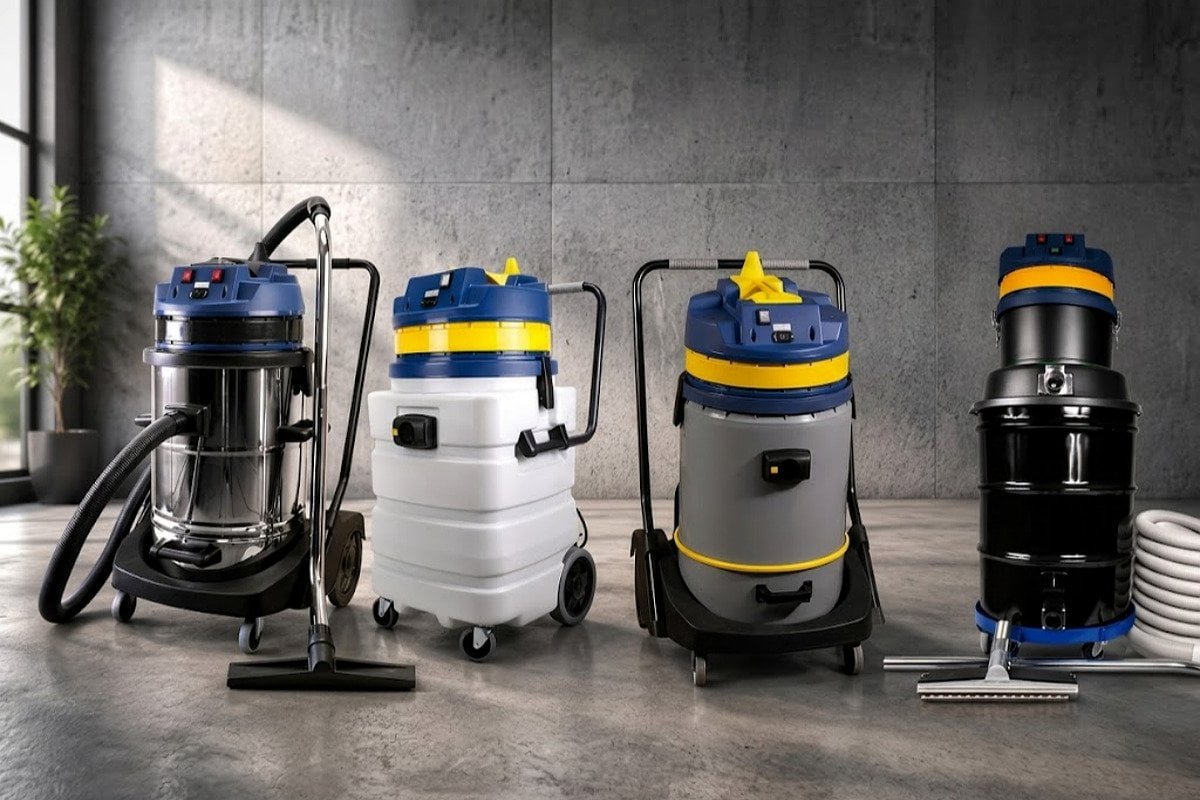
Tailoring to Applications
Models offering high levels of suction power (measured in CFM, or cubic feet per minute) and versatile filtration systems tend to meet a broad range of needs. For instance:
- Warehouse Use: Focus on tanks with high capacity (20 liters or more) to minimize trips for emptying and ensure compatibility with mixed debris.
- Oil and Chemical Industries: Prioritize water-proof seals and corrosion resistance to handle liquid spills efficiently.
- Food Processing Plants: HEPA-grade filtration for capturing fine food dust or allergens[^5] might be necessary if hygiene is a priority.
Customizing the choice to fit your industry ensures you avoid overpaying for features you don’t need or risking underspecification that reduces usability.
How much suction power is best for a vacuum cleaner?
Power ratings can be deceiving — a higher wattage doesn’t always mean better cleaning. Suction depends on various factors like motor efficiency, airflow design, and filter resistance.
The ideal suction power depends on your debris type and volume. For general use, look for at least 100–200 CFM. For heavy-duty operations, models exceeding 300 CFM offer better performance[^6].
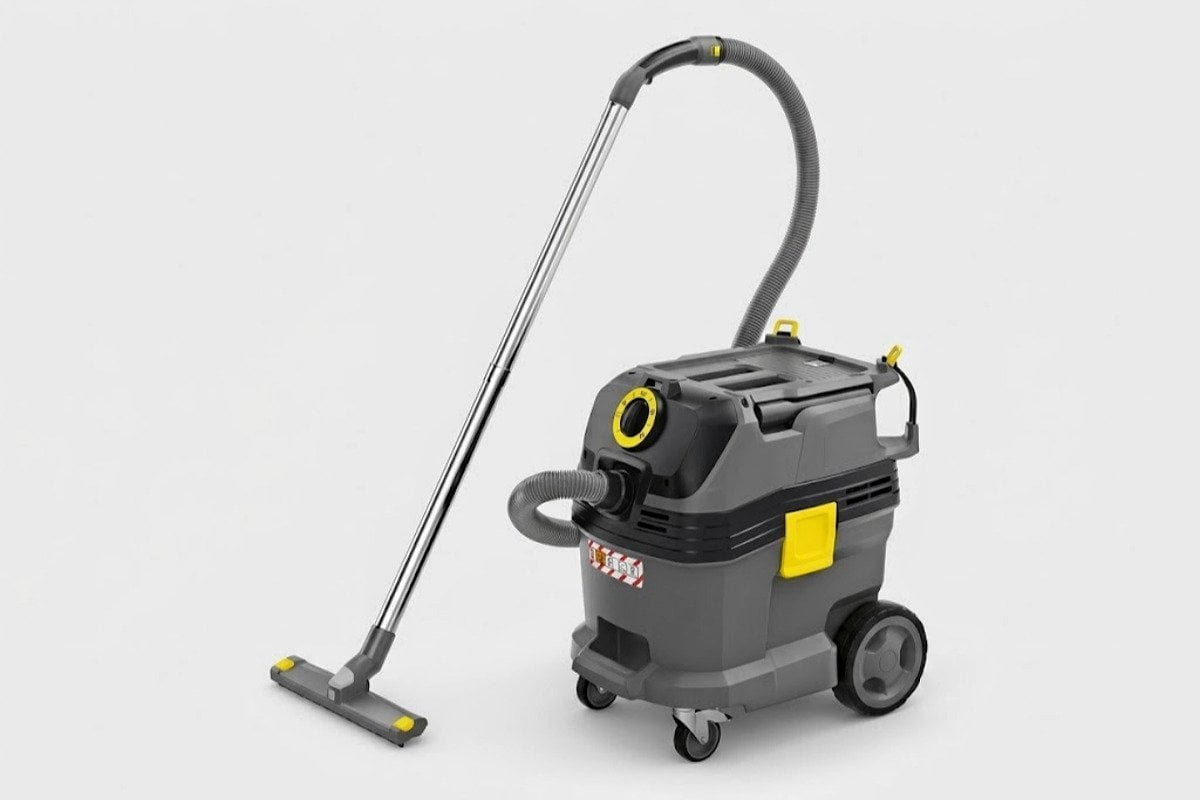
Breaking Down Suction Force
Suction power results from the balance between airflow rates (CFM) and the water lift (reflecting vacuum pressure). Here's how to gauge what works best:
| Use Case | Recommended CFM | Water Lift |
|---|---|---|
| Office cleaning | 50–100 | 50–100 inches |
| General warehouse debris | 100–200 | 100–200 inches |
| Heavy liquid extraction | 200+ | 150+ inches |
Don’t fall for the myth that bigger motors automatically result in better suction. Look at the combined stats for CFM and water lift.
Which brand wet and dry vacuum cleaner is best?
While many brands manufacture reliable industrial vacuums, buyers should assess build quality and customer support rather than relying solely on brand reputation.
The best brand for industrial wet and dry vacuum cleaners delivers performance-based products with robust warranties, after-sales service, and compatibility with regional voltage or safety certifications.
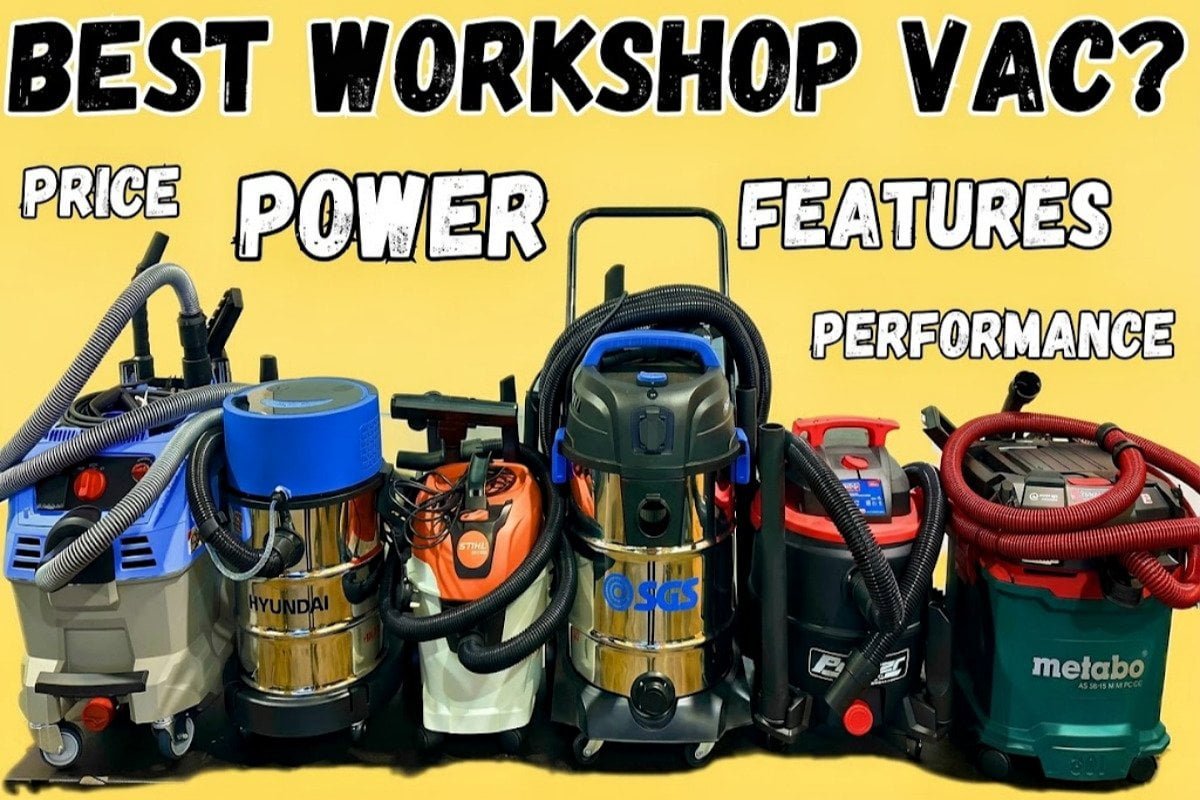
Evaluating Brands
Consider these when choosing between manufacturers:
- Certifications: Confirm ISO standards for industrial-grade safety and materials[^7].
- Regional Support: Availability of spare parts and technical assistance is critical for long-term operations.
- Usage-Driven Features: Leading brands often offer niche solutions like chemical-proof vacuums for specific industries.
- Warranty Coverage: Don’t overlook extended warranties, especially for higher-priced models handling demanding tasks.
Examples include brands offering local partnerships with distributors that stock replacement filters and tanks. I’ve seen clients struggle with downtime simply because spare parts weren’t available locally.
Frequently Asked Questions
Can an industrial vacuum cleaner handle hazardous materials?
Most models are designed for general-purpose cleaning and are not certified for handling hazardous substances without specialized upgrades. Always verify certifications if handling toxic or flammable materials[^8].
Are HEPA filters necessary for industrial vacuums?
Not always. HEPA filters are ideal for capturing fine particles or allergens; however, for general debris or wet spills, multi-stage filters may suffice and cost less.
Should I prioritize motor wattage?
Not necessarily. The suction performance relies more on airflow (CFM) and vacuum pressure (water lift) than the motor wattage alone. A balanced design usually outperforms raw wattage.
Conclusion
Choosing the right industrial wet and dry vacuum cleaner is all about understanding how suction power, filtration, tank durability, and usability align with your cleaning requirements. For export and OEM buyers like my clients in Europe, Southeast Asia, and beyond, ensuring compatibility with specific debris types or operational needs is crucial. Ready to make a decision? Let’s talk — I can help source the perfect match for your brand or retail operation.
[^1]: "Filtration system in industrial vacuum cleaners: what it is ...", https://ivisionvacuum.com/2021/01/28/filtration-system-in-industrial-vacuum-cleaners-what-it-is-and-why-it-is-important/. Studies on industrial vacuum cleaner design emphasize that filtration, corrosion resistance, and usability are critical for performance and durability, especially in demanding environments. Evidence role: expert_consensus; source type: research. Supports: The importance of filtration, corrosion resistance, and usability in industrial vacuum cleaner selection.. [^2]: "What Is a HEPA Filter in a Vacuum Cleaner?", https://depurecousa.com/blog/hepa-filter-vacuum-cleaner-how-it-works/. HEPA filters are designed to capture 99.97% of particles as small as 0.3 microns, making them effective for fine dust and allergens in industrial applications. Evidence role: mechanism; source type: research. Supports: The role of HEPA filters in capturing fine particles like dust and allergens.. [^3]: "250ml Nylon Lined Stainless Steel Tank ...", https://www.amazon.com/Stainless-vacuum-Protective-atmosphere-milling/dp/B00VNLNKUM. Stainless steel is widely recognized for its corrosion resistance, making it a preferred material for wet vacuum tanks in industrial settings. Evidence role: general_support; source type: research. Supports: The corrosion resistance of stainless steel tanks makes them suitable for wet vacuuming.. [^4]: "Noise Reducing Insulation for Commercial Vacuum Cleaners", https://www.polytechinc.com/casestudies/noise-reducing-insulation-for-vacuum-interiors. Noise-reduction technology, such as insulated motor housings, is increasingly incorporated into advanced industrial vacuum cleaners to reduce operational noise levels. Evidence role: mechanism; source type: research. Supports: The inclusion of noise-reduction technology in advanced industrial vacuum models.. [^5]: "High-efficiency vacuum cleaners increase personal mite ...", https://pubmed.ncbi.nlm.nih.gov/16364166/. HEPA filters are recommended in food processing environments to capture fine particles and allergens, ensuring compliance with hygiene standards. Evidence role: mechanism; source type: education. Supports: The necessity of HEPA-grade filtration for capturing fine food dust or allergens in food processing plants.. [^6]: "W303EX – Explosion Proof Industrial Vacuum – 300 CFM, ...", https://www.ruwac.com/product/w303ex/?srsltid=AU7gw4XVM-bk_L37RVI80KV782Sd2JNgWfoG30MqeBWVyVoYUg4VpXXM. Research indicates that industrial vacuums with suction power above 300 CFM are well-suited for heavy-duty applications, such as liquid extraction and large debris removal. Evidence role: statistic; source type: research. Supports: The performance benefits of industrial vacuums with suction power exceeding 300 CFM.. [^7]: "Description for 3635: Household Vacuum Cleaners", https://www.osha.gov/sic-manual/3635. ISO standards provide guidelines for safety and material quality, ensuring industrial vacuum cleaners meet rigorous operational and environmental requirements. Evidence role: expert_consensus; source type: institution. Supports: The role of ISO standards in ensuring safety and material quality for industrial vacuum cleaners.. [^8]: "Hazardous Material Vacuums", https://www.minutemanvac.com/collections/hazardous-material-vacuums?srsltid=AU7gw4VU1g1AqGWj6GUcJ7XQ49vKtStBBormBNlxIAghpxpEzIAq5qyC. Regulatory guidelines specify that industrial vacuums must have specialized features, such as anti-static components, to safely handle toxic or flammable materials. Evidence role: expert_consensus; source type: government. Supports: The need for specialized upgrades in industrial vacuums to handle toxic or flammable materials..
Related Posts
How Self-Cleaning and Hot Air Drying Work in Floor Washers?
# How Self-Cleaning and Hot Air Drying Work in Floor Washers? Floor washers equipped with self-cleaning and hot air drying…
kPa vs Air Watts vs CFM: What Vacuum Cleaner Buyers Need to Know
# kPa vs Air Watts vs CFM: What Vacuum Cleaner Buyers Need to Know Shopping for a vacuum cleaner can…
HEPA H13 vs Standard Filters: Which Is Better for a Vacuum Cleaner?
# HEPA H13 vs Standard Filters: Which Is Better for a Vacuum Cleaner? When choosing a vacuum cleaner filter, the…
Leave a Reply