
Stainless Steel vs Plastic Vacuum Tanks: Which Is Better?
Stainless Steel vs Plastic Vacuum Tanks: Which Is Better?
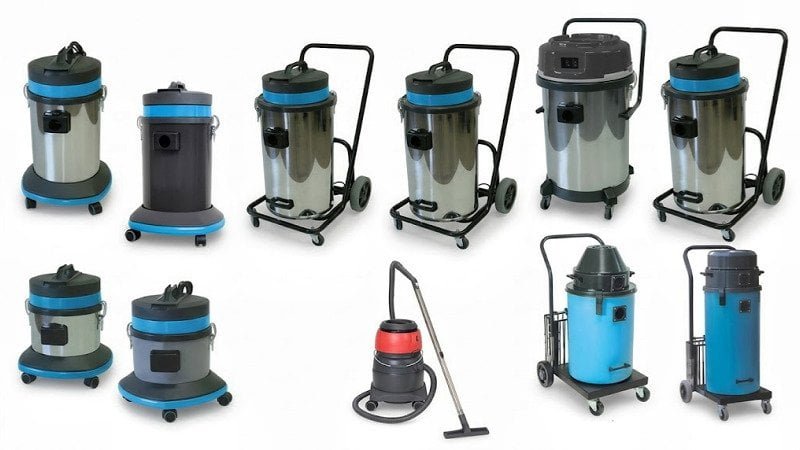
When it comes to vacuum tanks, the choice between stainless steel and plastic isn’t a one-size-fits-all decision. Both materials have distinct strengths and drawbacks, and the right choice varies based on use case, budget, branding, and consumer expectations.[^1] Let's break down whether stainless steel or plastic is better for your specific needs.
Stainless steel tanks are considered premium and durable, while plastic tanks are cost-effective and increasingly sustainable.[^2] This simple trade-off is key in guiding business decisions for your vacuum product line.
Now, let’s dive deeper into the specific considerations that could help you decide.
Are stainless steel shop vacs better than plastic?
Stainless steel shop vac tanks appear more premium — but does that mean they’re always better?
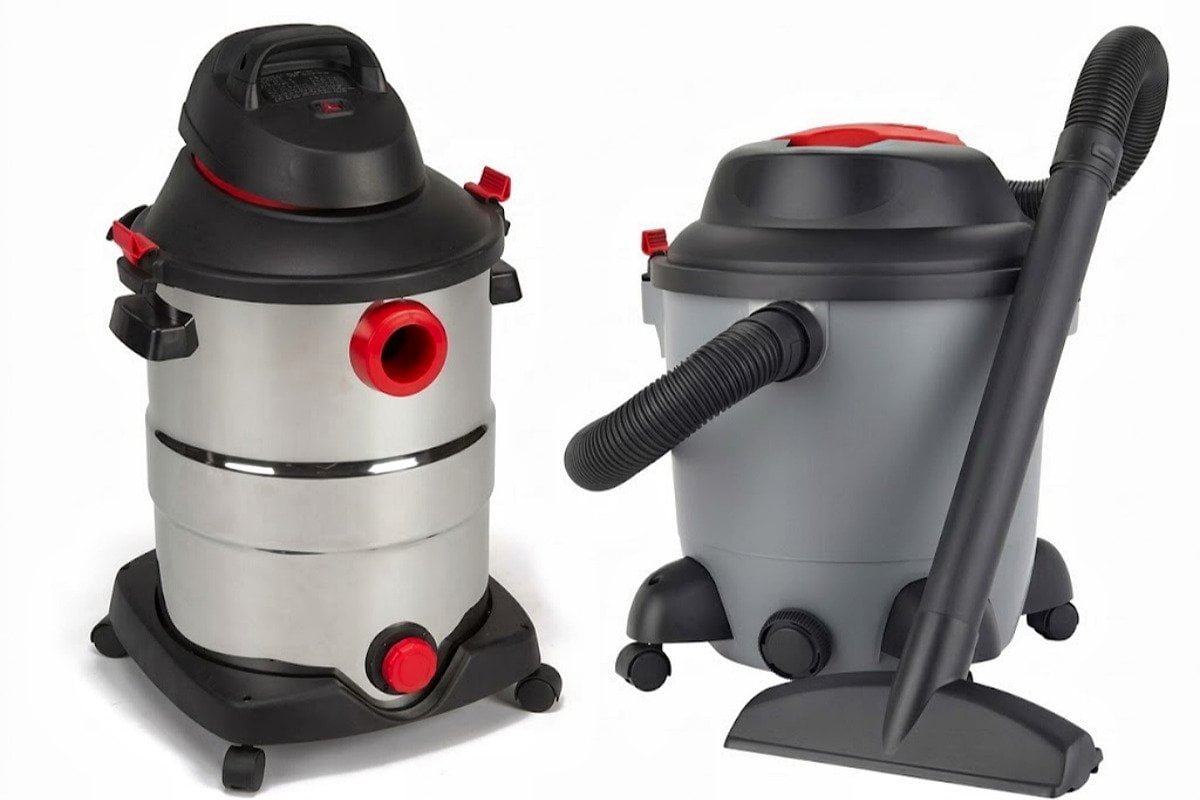
Stainless steel shop vacs are generally sturdier, corrosion-resistant, and visually premium compared to plastic tanks, making them ideal for heavy-duty or industrial applications.[^3] However, plastic shop vacs win in affordability, lightweight design, and flexibility for a broad range of consumer markets.
Durability and longevity: Where stainless steel excels
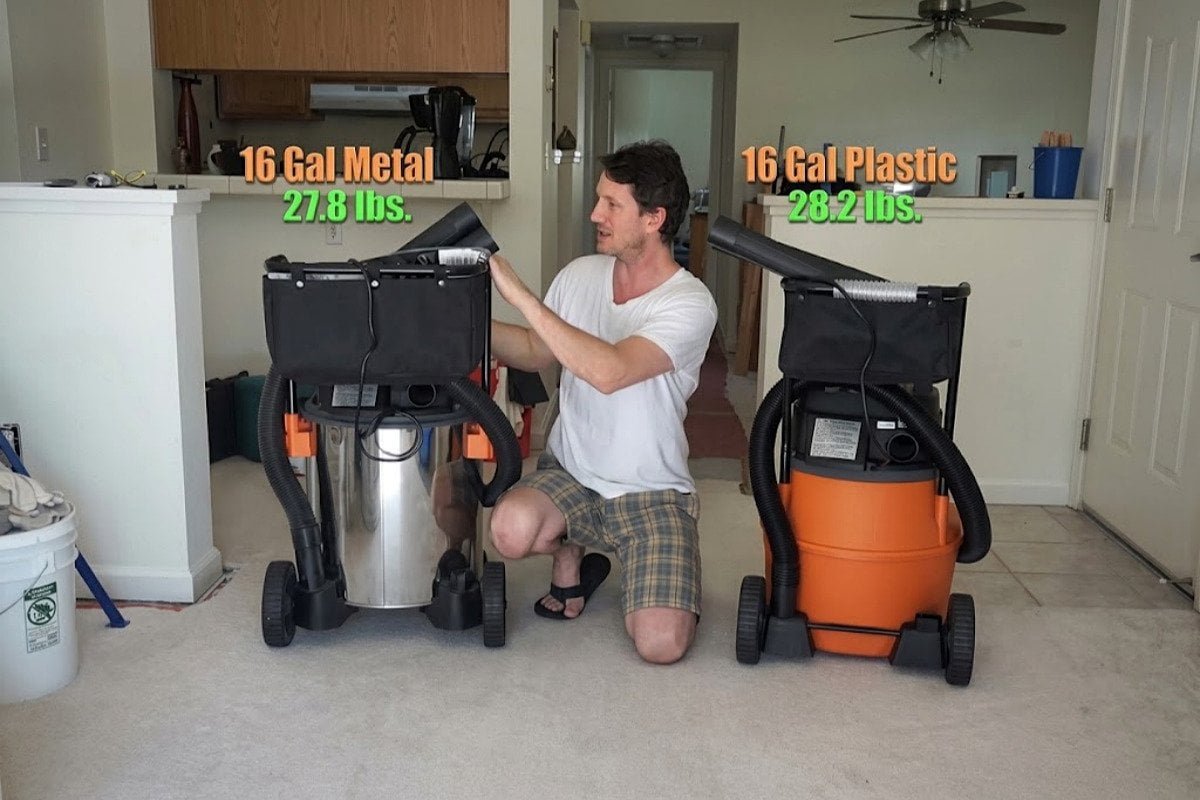
Stainless steel tanks are highly resistant to dents, corrosion, and wear. They hold up better in rough environments such as construction sites, industrial facilities, or outdoor use. For shop vacs marketed as premium or heavy-duty, stainless steel is often the go-to material. Customers perceive it as sturdy and trustworthy, a feature that aligns with high-end branding.
However, with quality comes cost. Stainless steel tanks are more expensive to manufacture, and they add weight to the final product — which may not align with consumer expectations for household vacuums.
Why plastic is a practical choice
Plastic tanks have made great strides in durability, with newer polymers capable of withstanding drops and general wear.[^4] These tanks are lightweight, often lower-cost, and easier to mold into modern and creative designs. For brands targeting affordability or eco-conscious consumers, plastic can hit the right balance between function and price.
Which type of water tank is better, stainless steel or plastic?
When choosing a water tank material, you face a similar set of comparisons.
Stainless steel is best suited for applications requiring hygiene, corrosion resistance, and long-term durability, while plastic water tanks shine in areas where cost, weight, portability, and UV resistance are priorities.
Hygienic storage: Stainless steel takes the lead
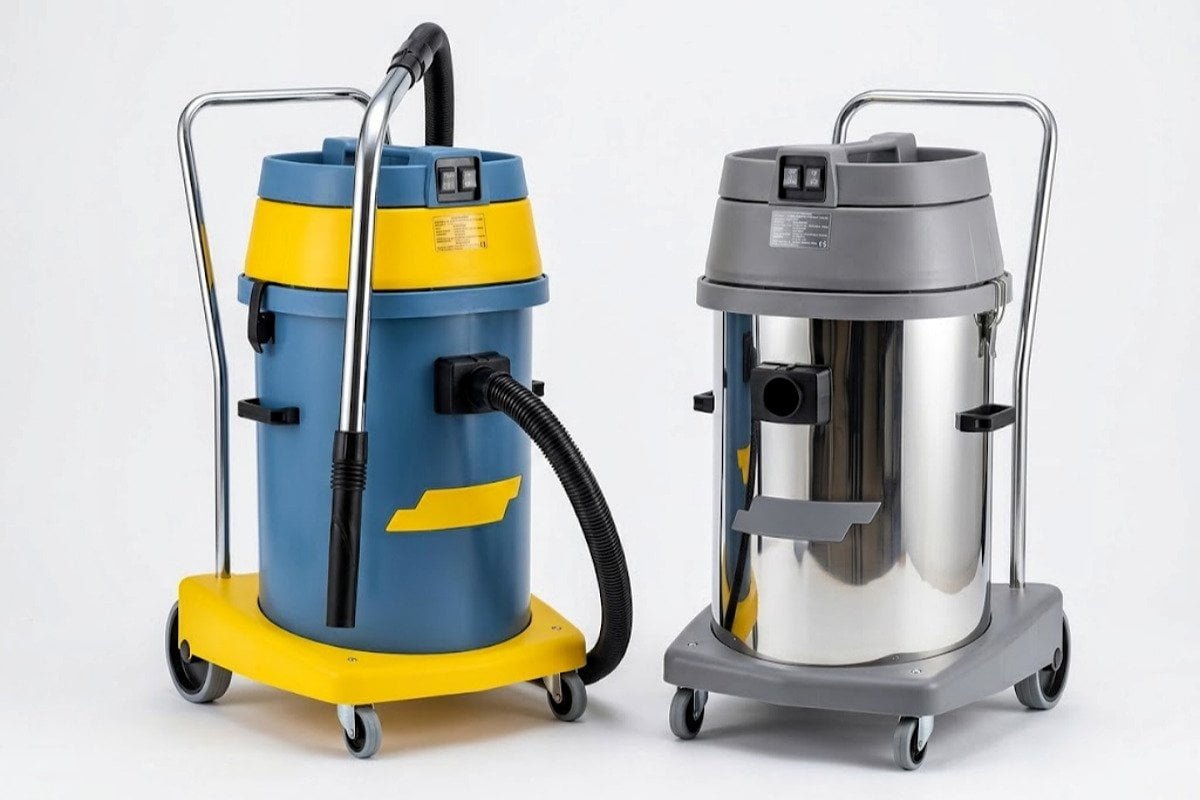
In scenarios where water tanks are used for storage, stainless steel’s non-porous surface reduces the risk of bacterial contamination and is easier to clean. This is particularly advantageous for drinking water tanks marketed for health-conscious customers.
Plastic’s lightweight practicality
Plastic water tanks can often be designed with UV protection, preventing degradation from sunlight exposure.[^5] They’re lighter, easier to install, and suitable for a wider range of terrains. Cost-effective and flexible molding make plastic an excellent choice where portability matters.
What are the disadvantages of a stainless steel water tank?
Despite its premium image, stainless steel water tanks have their drawbacks.
Sleek, durable, and hygienic as stainless steel water tanks may be, they come with higher costs, are prone to denting under impact, and may be less eco-friendly depending on sourcing.
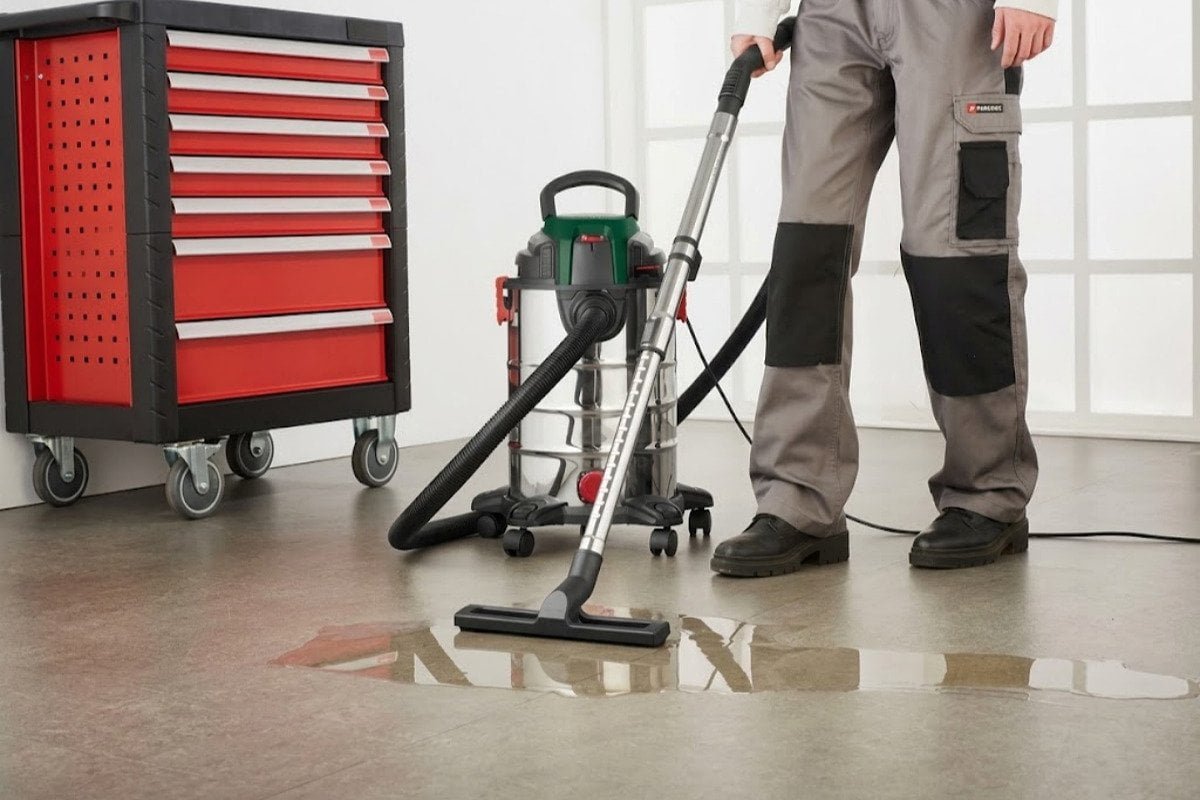
Main cons of stainless steel tanks:
- Cost: Stainless steel tanks often demand higher upfront investment, which could deter cost-sensitive customers.[^6]
- Weight and handling: Stainless steel tanks are heavier, which complicates installation and transportation in certain cases.
- Impact vulnerability: While resistant to corrosion, stainless steel can suffer visible dents or deformities under impact.
- Sustainability concerns: Unless responsibly sourced, stainless steel production can be energy-intensive compared to modern recycled plastics.
What are the disadvantages of plastic water tanks?
Plastic water tanks, while practical and economical, aren’t without their limitations.
Plastic tanks can be less durable under prolonged heavy use, may leach chemicals if poorly manufactured, and can suffer degradation under extreme sunlight without UV protection.
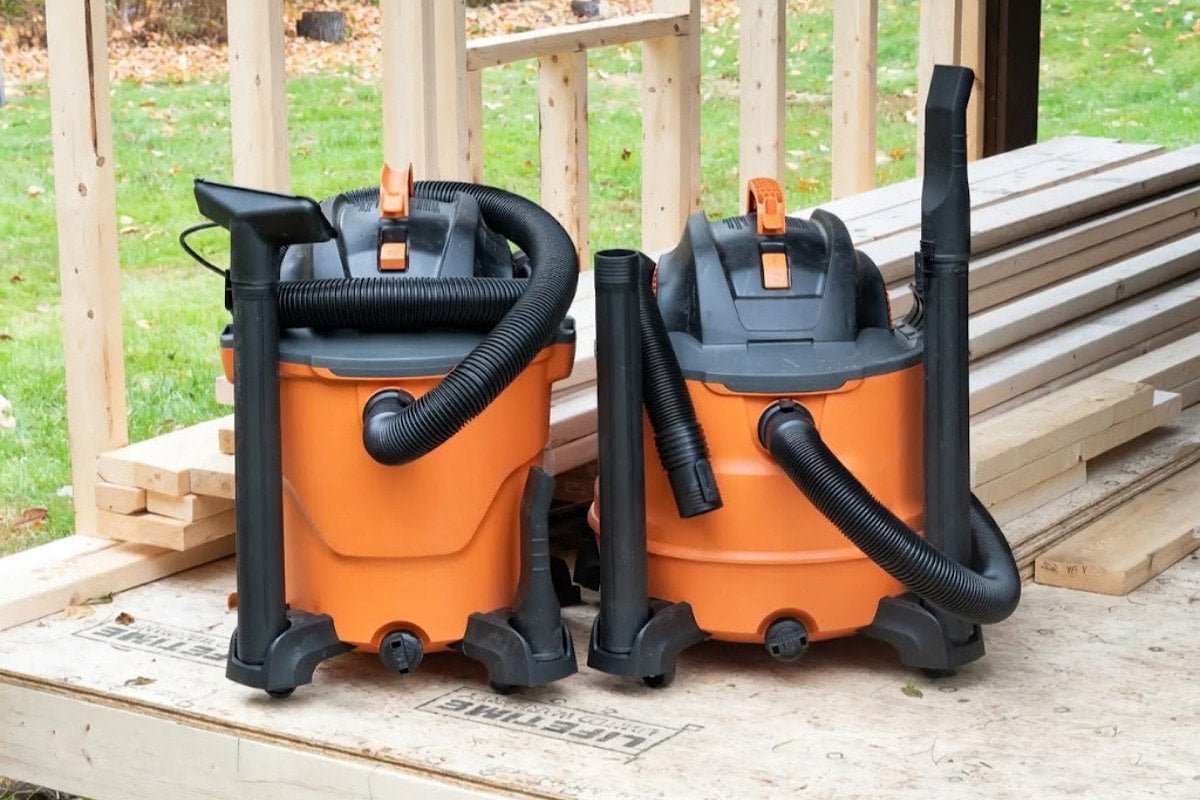
Key drawbacks of plastic tanks:
- Durability: Plastic may not hold up like stainless steel does in high-pressure or rugged conditions.[^7] Cracking or warping can be an issue with lower-quality plastics.
- Perception of quality: Compared to stainless steel, plastic tanks may appear lower quality in the eyes of certain customers, especially in premium markets.
- Environmental footprint: Despite advances in recyclable plastics, cheap plastic water tanks can contribute to waste if not responsibly manufactured.[^8]
Frequently Asked Questions
Is stainless steel more expensive to manufacture than plastic?
Yes, stainless steel is significantly costlier due to its material price and production methods. For OEM brands, this can greatly affect production budgets and the end retail price.
Are plastic tanks safe for water storage?
Quality plastic tanks that meet industry standards are safe for water storage, especially when manufactured with non-toxic, UV-resistant materials. Always verify certifications for consumer trust.
Can stainless steel tanks rust over time?
Premium stainless steel alloys are generally rust-resistant, but under extreme conditions or poor quality control, corrosion can still occur — particularly in marine environments.
Which material is better for eco-friendly branding?
Plastic tanks using recycled polymer materials often align better with eco-friendly branding efforts.[^9] Stainless steel can also have a sustainability edge if responsibly sourced and manufactured.
Conclusion
Choosing between stainless steel and plastic vacuum tanks ultimately depends on your target market, brand positioning, and product applications. Stainless steel suits durability and premium branding needs, but plastic excels in cost-efficiency and versatility.[^10] When evaluating materials, it’s essential to align your choice with customer priorities, environmental goals, and production budgets.
Still not sure which is the better fit for your vacuum lineup? Reach out to discuss your requirements — we’ll help you decide what’s right for your business!
[^1]: "The Impact of Visual Elements of Packaging Design on ... - PMC", https://pmc.ncbi.nlm.nih.gov/articles/PMC11851823/. Research studies or industry reports often highlight how use case, budget, branding, and consumer expectations influence material selection for products like vacuum tanks. Evidence role: general_support; source type: research. Supports: The factors influencing the choice between stainless steel and plastic vacuum tanks.. Scope note: The source may provide general insights rather than specific examples for vacuum tanks. [^2]: "Steel, Glass, and/or Plastic Bottles: What is the best choice?", https://www.canr.msu.edu/news/steel_glass_and_or_plastic_bottles_what_is_the_best_choice. Studies comparing material properties often highlight the durability of stainless steel and advancements in sustainable plastic manufacturing. Evidence role: general_support; source type: research. Supports: The durability of stainless steel tanks and the cost-effectiveness and sustainability of plastic tanks.. Scope note: The sustainability aspect may depend on specific types of plastics and manufacturing processes. [^3]: "Stainless Steel Vacs", https://www.shopvac.com/collections/stainless-steel-vacs?srsltid=AU7gw4WQ7F5ifnLM5UuEVpLQ3oWZhcGDMkKoGVmYAvk9eiEWlk0bgFME. Material science research often confirms the corrosion resistance and durability of stainless steel in industrial applications. Evidence role: general_support; source type: research. Supports: The sturdiness, corrosion resistance, and premium appearance of stainless steel shop vacs for industrial use.. Scope note: The source may not specifically address shop vacs but could provide general material properties. [^4]: "Polyethylene Storage Tanks Strengthened Externally with ...", https://pmc.ncbi.nlm.nih.gov/articles/PMC12252400/. Studies on polymer advancements often highlight improvements in impact resistance and wear durability for plastic products. Evidence role: general_support; source type: research. Supports: The improved durability of plastic tanks due to advancements in polymer technology.. Scope note: The source may discuss polymers in general rather than specific applications in vacuum tanks. [^5]: "Oxidation and fragmentation of plastics in a changing ... - PMC", https://pmc.ncbi.nlm.nih.gov/articles/PMC9765214/. Studies on UV-treated plastics often demonstrate their resistance to sunlight-induced degradation. Evidence role: mechanism; source type: research. Supports: The role of UV protection in preventing sunlight degradation of plastic water tanks.. Scope note: The source may focus on general UV-treated plastics rather than water tanks specifically. [^6]: "Comparing Stainless Steel and Polyethylene Process Tanks.", https://www.hpipro.com/blog/comparing-stainless-steel-and-polyethylene-process-tanks/. Industry cost analysis reports often highlight the higher production costs associated with stainless steel compared to plastic. Evidence role: statistic; source type: research. Supports: The higher manufacturing costs of stainless steel tanks compared to plastic tanks.. Scope note: The source may provide general cost data rather than specific to vacuum or water tanks. [^7]: "Stainless Steel vs Plastic: Which Is Actually Better?", https://scienceinsights.org/stainless-steel-vs-plastic-which-is-actually-better/. Material durability studies often compare the performance of plastic and stainless steel under stress and impact. Evidence role: general_support; source type: research. Supports: The relative durability of plastic and stainless steel tanks in high-pressure or rugged conditions.. Scope note: The source may not focus specifically on tanks but could provide general material comparisons. [^8]: "Toxic threats from plastic waste: human health impacts ... - PMC", https://pmc.ncbi.nlm.nih.gov/articles/PMC12557311/. Environmental studies often highlight the waste issues associated with low-quality plastics and the benefits of recyclable materials. Evidence role: statistic; source type: research. Supports: The environmental impact of poorly manufactured plastic tanks and the role of recyclable plastics.. Scope note: The source may discuss plastics in general rather than water tanks specifically. [^9]: "New class of recyclable polymer materials could one day ...", https://source.colostate.edu/new-class-of-recyclable-polymer-materials-could-one-day-help-reduce-single-use-plastic-waste/. Studies on recycled plastics often highlight their role in sustainable manufacturing and branding. Evidence role: general_support; source type: research. Supports: The use of recycled polymers in plastic tanks and their alignment with eco-friendly branding.. Scope note: The source may focus on general recycled plastics rather than specific applications in tanks. [^10]: "Steel, Glass, and/or Plastic Bottles: What is the best choice?", https://www.canr.msu.edu/news/steel_glass_and_or_plastic_bottles_what_is_the_best_choice. Comparative studies on material properties often discuss the trade-offs between stainless steel and plastic for various applications. Evidence role: general_support; source type: research. Supports: The trade-offs between stainless steel and plastic in terms of durability, branding, cost, and versatility.. Scope note: The source may provide general insights rather than specific to vacuum tanks.
Related Posts
How Self-Cleaning and Hot Air Drying Work in Floor Washers?
# How Self-Cleaning and Hot Air Drying Work in Floor Washers? Floor washers equipped with self-cleaning and hot air drying…
kPa vs Air Watts vs CFM: What Vacuum Cleaner Buyers Need to Know
# kPa vs Air Watts vs CFM: What Vacuum Cleaner Buyers Need to Know Shopping for a vacuum cleaner can…
HEPA H13 vs Standard Filters: Which Is Better for a Vacuum Cleaner?
# HEPA H13 vs Standard Filters: Which Is Better for a Vacuum Cleaner? When choosing a vacuum cleaner filter, the…
Leave a Reply