
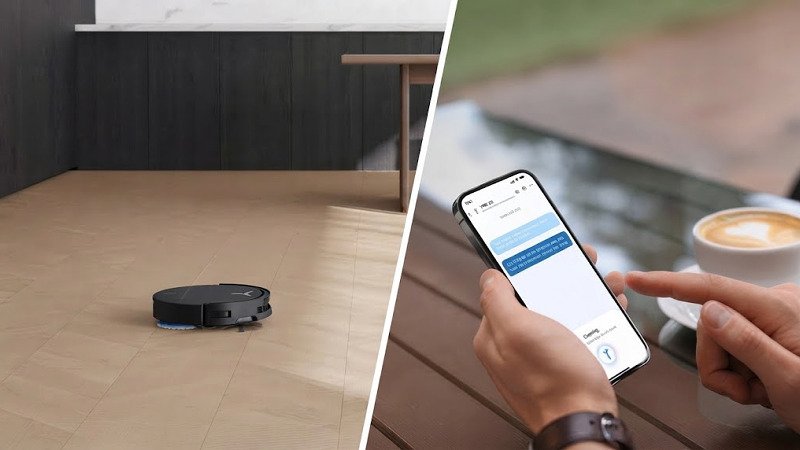
How to Evaluate a Robot Vacuum OEM Sample Before Mass Production
How to Evaluate a Robot Vacuum OEM Sample Before Mass Production
Getting your hands on a robot vacuum OEM sample is exciting—it represents potential, the promise of a product that could dominate your market. But evaluating that sample effectively is critical before you commit to mass production. Simply put, a sample is not a guarantee. By following a structured process, you can minimize risks and make smarter decisions.
A robot vacuum OEM sample tells you whether the supplier can meet your goals, but it’s not proof that the mass production process will deliver identical quality. Focus on consistency, functionality, and manufacturing reliability.
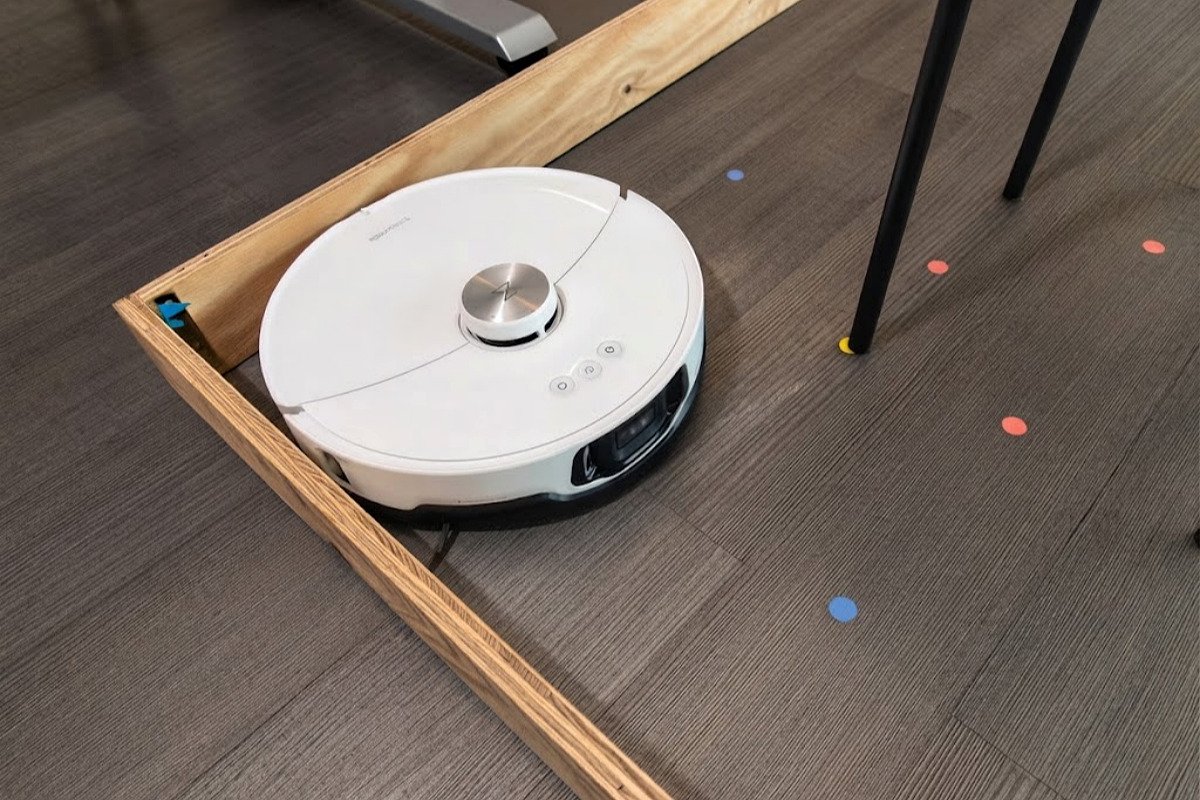
Before diving into the details, let’s break down how you can evaluate every aspect of the sample—from its first impression to its performance under stress.
First Impression Check: Unboxing, Build Quality, and Essential Safety Markings
There's a lot of truth in the saying, "You only get one chance to make a first impression."
Start by assessing the robot vacuum sample's packaging, physical build, and safety certifications[^1]. This initial review helps you gauge how well the product aligns with market expectations and whether the supplier understands quality standards.
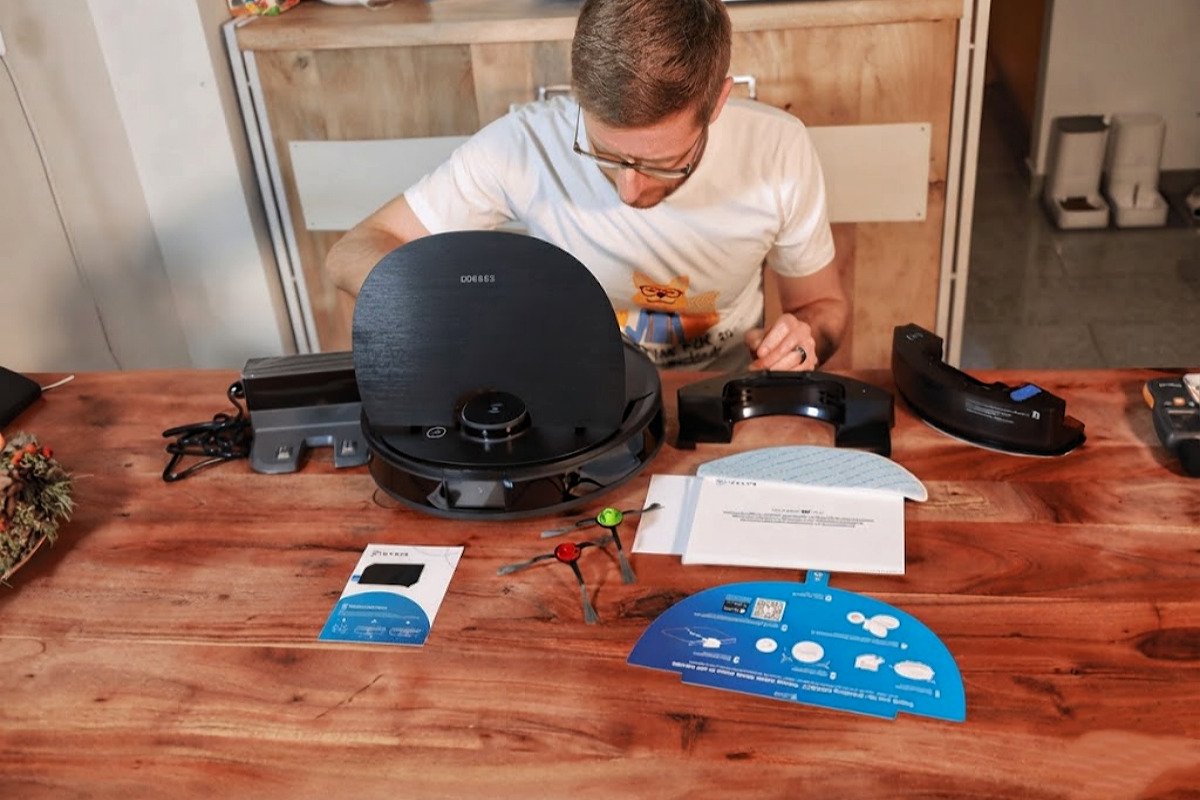
Build quality beyond aesthetics
Unbox the sample as you think a typical retail consumer would. Look for:
- Packaging quality: Is it secure and professional? Does it protect the product during transportation?
- Material assessment: Are the plastics durable? Do the moving parts operate smoothly? Are there signs of cheap or fragile components?
- Safety standards: Check for certifications like CE, FCC, RoHS, or other region-specific markings. These aren’t just labels—they’re crucial for legal compliance.
Even if the sample’s build is impressive, remember that this could be the supplier’s “showpiece” sample—it doesn’t guarantee mass-produced units will meet the same standard. It’s worth asking for multiple samples to identify variations in assembly or components.
Red flags to watch for
- Misaligned parts: This indicates poor assembly processes.
- No certifications: Suppliers should be forthcoming with safety documentation.
- Overly delicate packaging: Not robust enough for international shipping might signal production issues.
This stage is all about alignment—does the OEM understand your market expectations for appearance and regulatory compliance?
The Stress Test: How It ACTUALLY Handles Pet Hair, Carpet Thresholds, and Obstacles
A good robot vacuum is judged by what it can handle under real-life conditions, not just during staged demos.
Your priority here is performance testing: Does it handle common challenges like pet hair and threshold navigation, or does the design have weak spots?
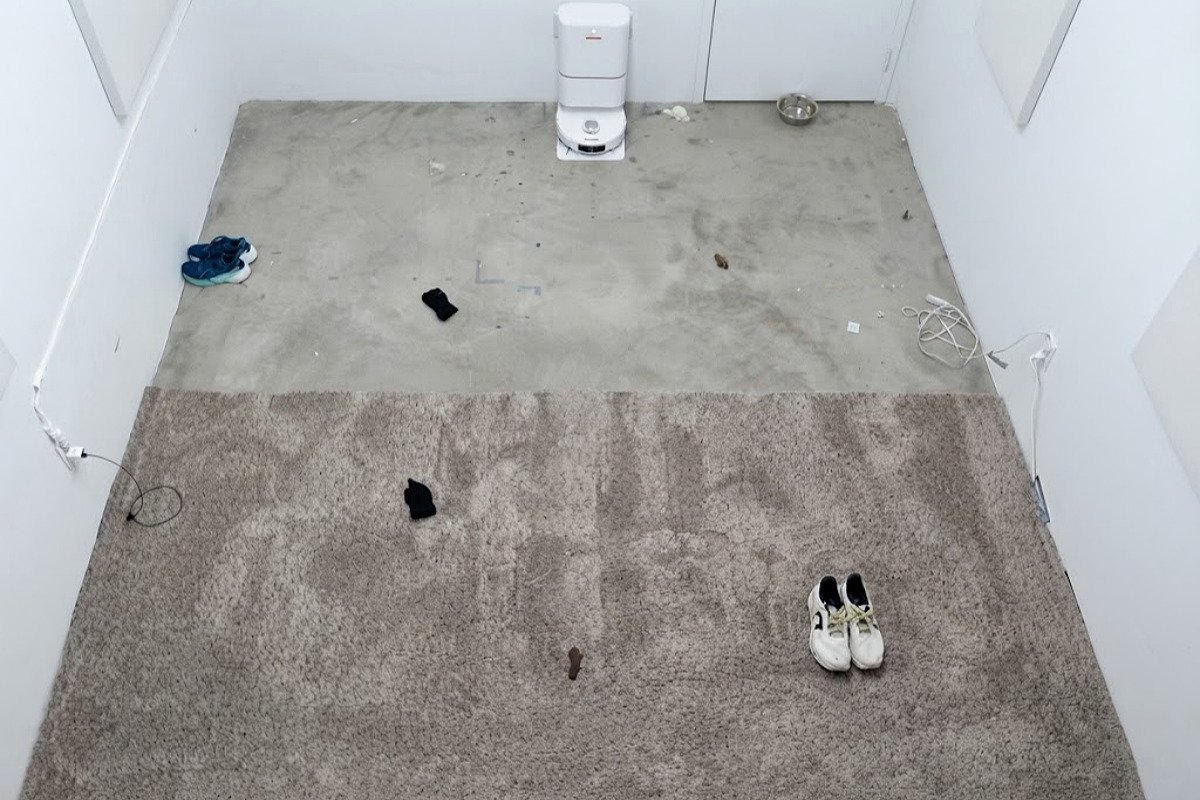
The “real world” challenges you need to test
Here’s how I approach stress tests:
- Pet hair pickup: Spread hair across various flooring types. A robot vacuum’s ability to handle this shows its suction power[^2] and brush design effectiveness.
- Carpet thresholds: Measure how easily it transitions between hard floors and carpets. The robot’s wheel construction heavily influences this.
- Obstacle navigation[^3]: Scatter chairs, cables, and other items to see if it gets stuck—and how it recovers.
Data-driven insights
| Keep track of results: | Test Area | Success Rate | Notes |
|---|---|---|---|
| Pet hair pickup | 80% | Struggled near baseboards | |
| Carpet threshold navigation | 95% | Smooth transitions overall | |
| Obstacle avoidance | 70% | Tangled in cords occasionally |
These results give you actionable insights into flaws or inconsistencies before scaling production. You want a balance—good hardware design and smart software to overcome household challenges.
Why stress testing matters
Skipping this phase could mean committing to mass production on a product that won’t actually perform in homes. A robot vacuum that stalls repeatedly or leaves debris behind won’t survive in competitive markets.
Software & Battery Audit: App Stability, Battery Life, and Long-Run Suction Drop
Robust software and reliable battery performance are make-or-break factors for modern robot vacuums. Fancy features mean nothing if they don’t work well or drain power excessively.
Evaluate the onboard technology carefully: The user experience and long-term durability depend heavily on app stability, navigation software, and battery efficiency.
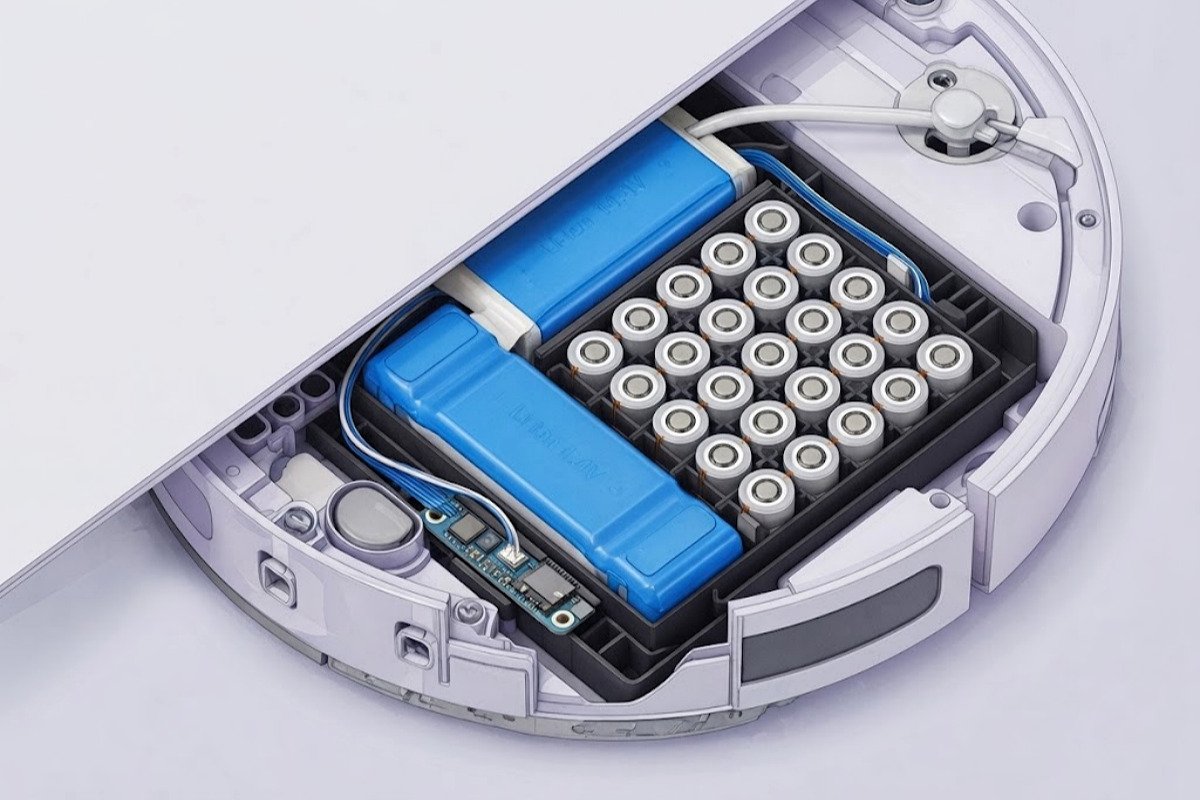
Critical areas of evaluation
Here’s what you should focus on:
- App stability: Test the mobile app across multiple devices. Look for connectivity issues, delayed responses, or bugs.
- Battery life: Run the robot on the highest suction mode until its battery dies. Does it meet the advertised runtime?
- Performance decay[^4]: Check if suction power drops significantly during longer runs—this is common with lower-quality motors.
Questions for your supplier
Always ask detailed questions during this stage:
- What’s the battery’s rated lifespan[^5] (in recharge cycles)?
- What software updates[^6] will be provided, if any?
- Are navigation algorithms[^7] tested on typical layouts in your target region?
Avoidable pitfalls
If the app crashes regularly or requires overly complex setup, customers won’t tolerate it. Similarly, over-promised battery life—from suppliers who haven’t tested durability—can lead to massive warranty replacements.
Better to find these weak spots now before your brand reputation is on the line.
Frequently Asked Questions
Can OEM samples guarantee mass production quality?
No, mass production quality depends on consistent manufacturing, material sourcing, and assembly processes. Samples demonstrate feasibility but don’t ensure identical quality across production batches.
How can I ensure consistency in production?
Request multiple samples from different batches to identify variations. Additionally, audit the supplier’s factory to observe their processes for component selection, assembly, and quality control.
What if the sample meets my performance standards but not safety certifications?
Safety certifications are non-negotiable for most markets. Push the supplier to meet the necessary regulatory requirements before committing further.
How do software updates affect product reliability?
Regular updates can enhance navigation, bug fixes, and compatibility, but inconsistent updates or poor user experience can lead to dissatisfied customers. Choose suppliers with proven software support records.
What’s the best way to test suction power?
Run the vacuum on various floor types while including difficult-to-clean debris like pet hair or fine dust. Initial power and consistency over longer runs are key indicators of product quality.
Conclusion
Evaluating a robot vacuum OEM sample is about more than aesthetics; it’s about understanding whether the supplier can reliably scale production while maintaining quality. Look closely at build quality, performance under stress, and software/battery weaknesses before committing to mass production.
By testing thoroughly and asking tough questions upfront, you can reduce manufacturing risks and position your robot vacuum as a competitive product in global markets. Ready to discuss OEM collaboration? Contact us to get expert advice tailored to your needs!
[^1]: "Testing & Certification", https://www.cpsc.gov/Business--Manufacturing/Testing-Certification. CE, FCC, and RoHS certifications are mandatory for electronic products in many regions to ensure safety, environmental compliance, and electromagnetic compatibility. Evidence role: definition; source type: government. Supports: The legal importance of CE, FCC, and RoHS certifications for consumer electronics.. [^2]: "Which robot vacuum has the highest suction power?", https://www.dyson.com/discover/news/latest/which-robot-vacuum-has-the-highest-suction-power. Suction power consistency over extended use is a critical factor in evaluating the overall quality of robot vacuums. Evidence role: mechanism; source type: research. Supports: The importance of suction power consistency as an indicator of robot vacuum quality.. [^3]: "AI Navigation & Obstacle Avoidance Are the Most Important ...", https://www.reddit.com/r/RobotVacuums/comments/1meyf48/ai_navigation_obstacle_avoidance_are_the_most/. Obstacle navigation tests are widely used to evaluate robot vacuums' ability to handle real-world challenges, including furniture and cables. Evidence role: general_support; source type: research. Supports: The importance of testing robot vacuums for obstacle navigation and recovery mechanisms.. [^4]: "Robot Vacuum Battery Life: How Long It Lasts & Tips to ...", https://www.ecovacs.com/au/blog/how-long-does-robotic-vacuum-cleaner-battery-last. Lower-quality motors are prone to overheating and performance decay during extended use, affecting suction power consistency. Evidence role: mechanism; source type: research. Supports: The relationship between motor quality and suction power decay in robot vacuums.. [^5]: "Batteries", https://www.cpsc.gov/Regulations-Laws--Standards/Voluntary-Standards/Topics/Batteries. Battery lifespan, measured in recharge cycles, is a key indicator of long-term durability for consumer electronics. Evidence role: general_support; source type: education. Supports: The importance of battery lifespan in determining product durability.. [^6]: "Why keeping your software up to date is important for ...", https://support.uidaho.edu/TDClient/40/Portal/KB/Article/2770/Why-keeping-your-software-up-to-date-is-important-for-cybersecurity. Regular software updates are known to enhance navigation algorithms, fix bugs, and improve device compatibility. Evidence role: general_support; source type: research. Supports: The role of software updates in improving navigation and compatibility for robot vacuums.. [^7]: "Optimization of Robot Vacuum Navigation Algorithms ...", https://nhsjs.com/2024/optimization-of-robot-vacuum-navigation-algorithms-using-webots-simulation/. Testing navigation algorithms on layouts typical of target regions ensures better performance and user satisfaction. Evidence role: general_support; source type: research. Supports: The need for navigation algorithm testing on region-specific layouts..
Related Posts
How Self-Cleaning and Hot Air Drying Work in Floor Washers?
# How Self-Cleaning and Hot Air Drying Work in Floor Washers? Floor washers equipped with self-cleaning and hot air drying…
kPa vs Air Watts vs CFM: What Vacuum Cleaner Buyers Need to Know
# kPa vs Air Watts vs CFM: What Vacuum Cleaner Buyers Need to Know Shopping for a vacuum cleaner can…
HEPA H13 vs Standard Filters: Which Is Better for a Vacuum Cleaner?
# HEPA H13 vs Standard Filters: Which Is Better for a Vacuum Cleaner? When choosing a vacuum cleaner filter, the…
Leave a Reply