

How to Compare Vacuum Cleaner Quotations from Different Suppliers
How to Compare Vacuum Cleaner Quotations from Different Suppliers
Evaluating vacuum cleaner quotations can be overwhelming. While the unit price grabs your attention first, the real challenge lies in understanding hidden costs, turning confusing technical specs into useful insights, and spotting red flags in seemingly "cheap" offers. Let’s break down how to make smarter comparisons.
A thorough quotation comparison involves looking beyond the price tag to assess shipping terms, quality trade-offs, and long-term risks. This ensures you're not just saving upfront costs but also making a better business decision in the long run.
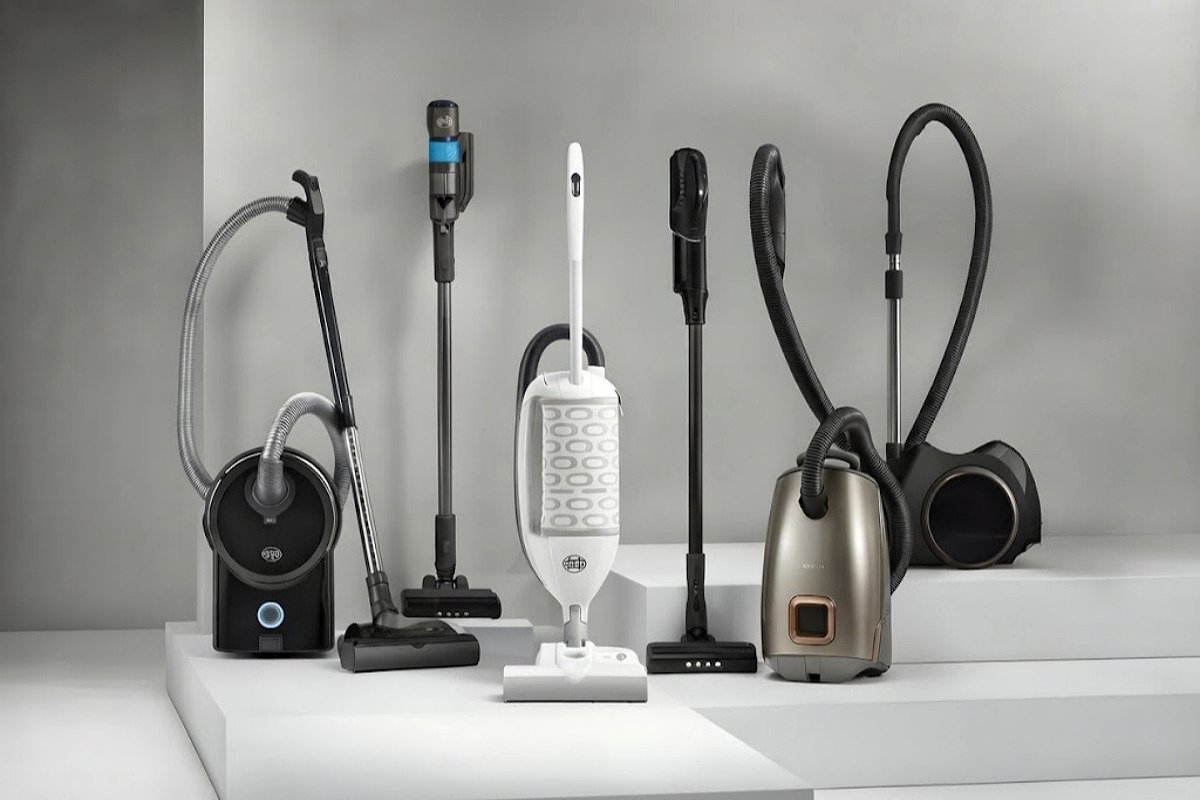
It’s time to dig deeper into the details and learn how to evaluate every quote for true overall value. Let’s start with something that catches many buyers off guard: shipping terms.
FOB, EXW, or DDP? Uncovering the Hidden Shipping Terms in Your Quotes
Shipping terms may sound straightforward, but they’re a sneaky source of extra (and sometimes unexpected) costs.
What do FOB, EXW, and DDP mean for your quotes?
FOB (Free On Board), EXW (Ex Works), and DDP (Delivered Duty Paid) all describe who is responsible for different parts of the shipping journey — and buying with one over the other can seriously affect your costs.
FOB covers shipping to the port; EXW leaves all transport up to you, while DDP is supplier-guaranteed delivery, including customs and taxes[^1]. Pay attention because the incorrect choice can blow your budget.
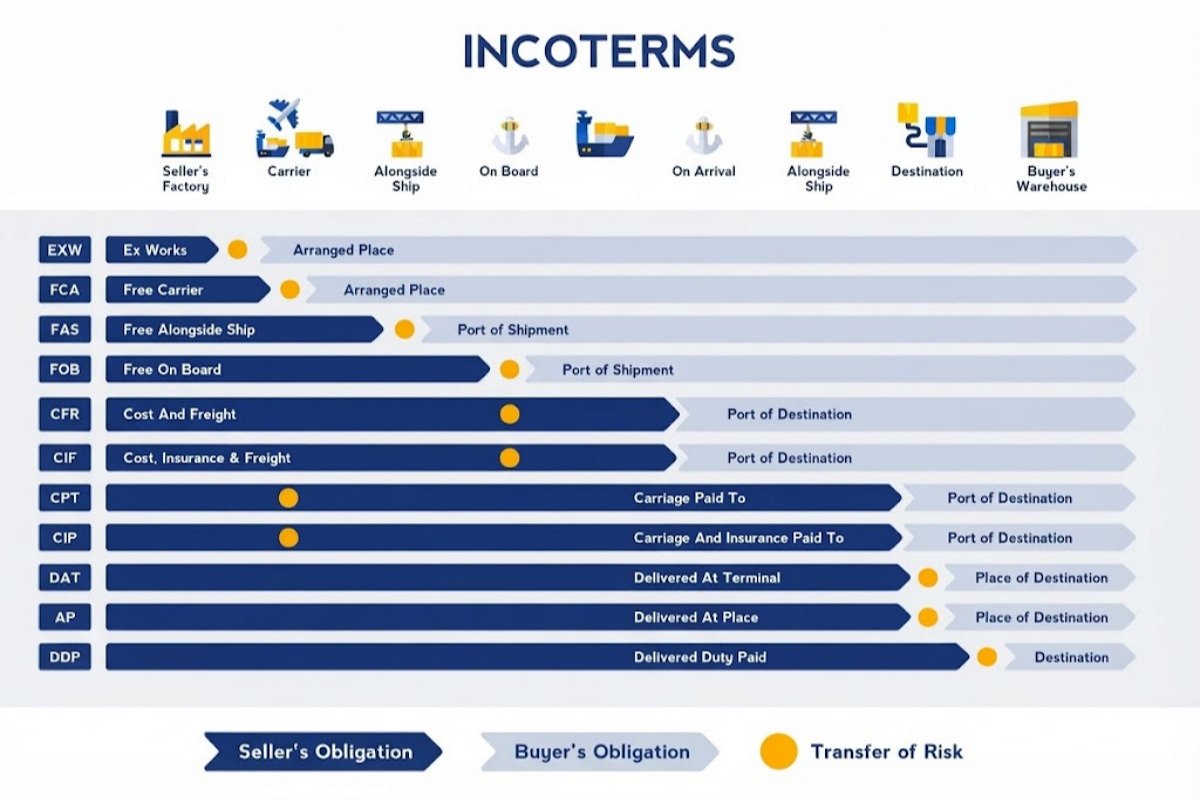
When comparing quotes, ask suppliers for a clear breakdown of their shipping terms:
- FOB: Best if you already have a trusted freight forwarder. You’ll control the shipping but need to handle additional costs.
- EXW: Often the cheapest-looking option upfront but includes no logistics; it's only the supplier's factory price.
- DDP: Most expensive per unit but eliminates surprises with customs clearance and delivery fees taken care of.
Remember, not every quote lists shipping terms directly — don’t assume anything. I’ve seen clients misinterpret EXW pricing, only to realize the logistics doubled their cost post-purchase.
Balancing upfront vs long-term shipping costs
Choosing between these shipping terms isn’t one-size-fits-all. If you’re new to the import/export game, DDP might sound appealing since it’s "hands-off." But larger, seasoned buyers often prefer FOB as it gives flexibility to minimize costs with their own freight network.
Apples to Apples: How to Compare Motor Specs, Battery Quality, and Accessories Line-by-Line
Vacuum cleaners may look similar, but the price differences often boil down to technical components and features.
Why technical specs matter in pricing?
Motor power, battery capacity, and filtration rank as top-priority factors complicating quotation comparisons[^2]. Overlooking their real-world performance can result in purchasing models unsuited to the market demands. These specs drive both cost per unit and customer satisfaction post-sale.
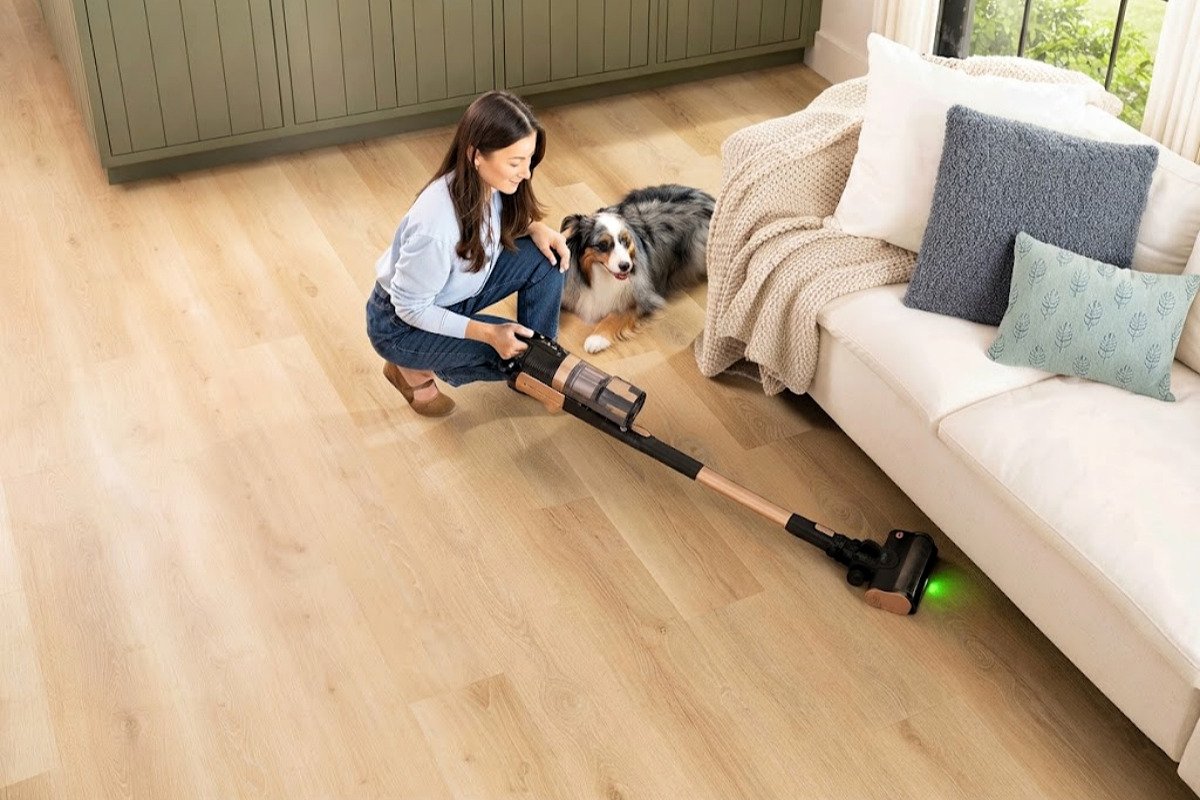
Here’s how to tackle spec-by-spec assessments:
- Motor power: Higher wattage usually means stronger suction but increases unit price due to the better-quality internal motor. Don’t compare a 600W unit with a 1200W one without adjusting expectations.
- Battery quality: Lithium-ion batteries may cost more than nickel-cadmium but last longer, giving your customers better long-term reliability and reducing warranty claims.
- Filters: HEPA filters are pricier but attract eco-friendly customers[^3]. Some suppliers may cut down on filtration to offer lower quotes — make sure you know what’s included.
Detailed comparison checklist
Create a side-by-side comparison table for each core component to spot disparities. For example:
| Component | Supplier A | Supplier B | Notes |
|---|---|---|---|
| Motor | 800W copper motor | 1000W aluminum motor | A has lower energy costs. B offers higher efficiency. |
| Battery Type | 2000mAh Lithium-ion | 1500mAh Lithium-ion | Supplier A ensures better runtime for users. |
| Accessories | Basic brush, no extras | Full brush set + tool kit | What does the customer expect? |
This approach allows apples-to-apples comparisons. I’ve seen buyers win big with slightly higher upfront costs but stronger motors and premium batteries — customers are happier, and margins improve.
The Lowest Price Red Flags: What Suppliers Cut to Make Their Quotes Look Cheap
A suspiciously low quotation might seem like a jackpot, but it's often loaded with trade-offs[^4].
What should you watch for in ultra-low unit prices?
To drop prices, suppliers might sacrifice material durability, component quality, or after-sales services, leaving major risks for your business in the long term. Knowing these cost-cutting tactics upfront can help you avoid traps.
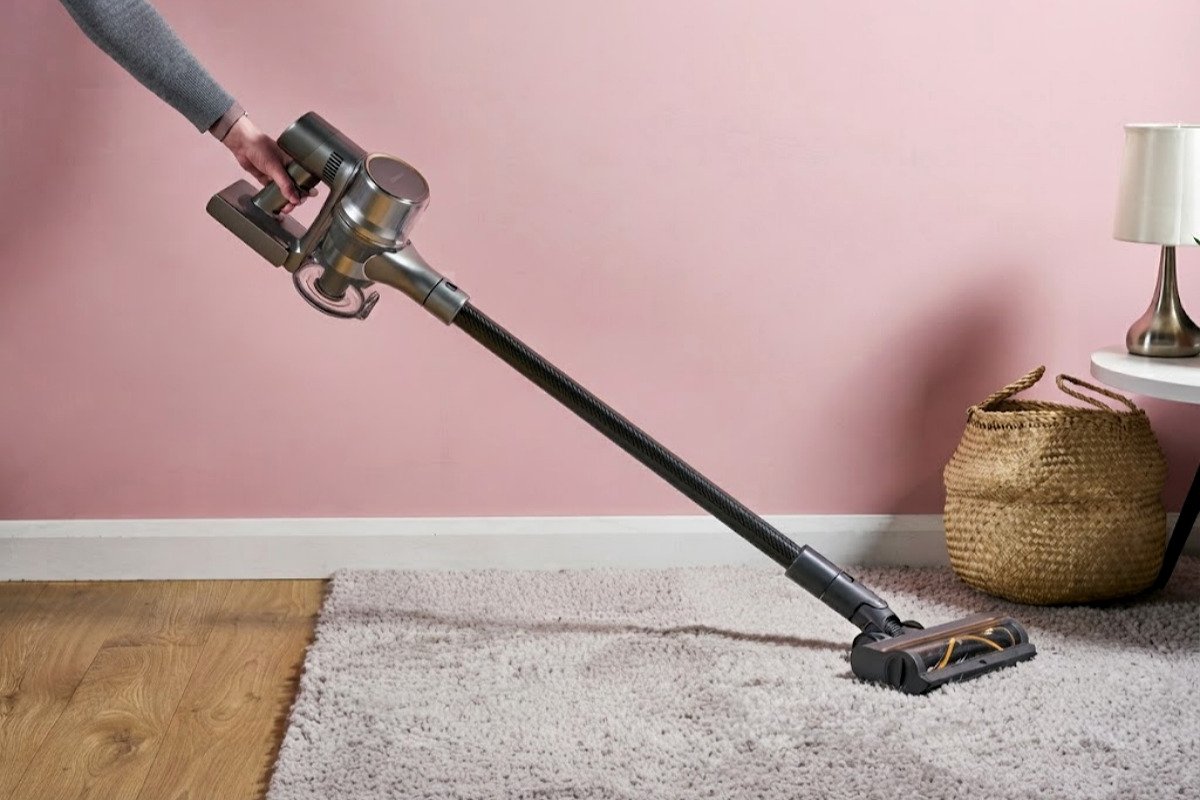
Common areas suppliers trim costs
- Plastic grades: Lower-priced vacuums may use fragile, non-recyclable plastic[^5], causing breakages or environmental concerns.
- Warranty coverage: Some low-cost suppliers refuse responsibility for shipping defective units back overseas[^6], shifting the burden to you.
- Service contracts: Lack of post-sale technical support could mean you face customer service complaints alone.
Hidden fees disguised as budget deals
I had one client struggle with the aftermath of accepting the cheapest offer. The motors failed within months, warranties weren’t honored, and extra spare parts had to be imported at exorbitant costs. They paid less upfront but lost goodwill — and profit — down the road.
Don’t compromise on transparency. Push suppliers to detail which features come standard and where costs are cut.
Frequently Asked Questions
Can I ask suppliers for a cost breakdown in their quotations?
Absolutely, and it’s recommended. Suppliers should clearly differentiate costs for raw materials, labor, shipping, and after-sales services. This helps avoid confusion and hidden charges while enabling an apples-to-apples comparison.
How important is testing sample units?
Testing sample units is critical[^7]. Without testing, you’re relying only on specs listed in quotations, which can be misleading. Samples allow direct evaluation of build quality, suction power, battery runtime, and finish before bulk ordering.
Are multi-year contracts better for pricing stability?
Often, yes. Multi-year contracts can lock in better pricing and ensure a steady supply chain over time[^8]. However, carefully read contract terms, as they could limit flexibility if market conditions change.
Conclusion
Comparing vacuum cleaner quotations is about more than just finding the lowest price. Understand shipping terms like FOB, analyze technical specs line-by-line, and identify hidden trade-offs in suspiciously "cheap" offers. When done right, you'll not only secure better deals but also safeguard your product quality and brand reputation.
Ready to negotiate smarter with suppliers? Let’s talk about how my team can assist in evaluating your next batch of quotations!
[^1]: "Know Your Incoterms", https://www.trade.gov/know-your-incoterms. An encyclopedia entry on Incoterms confirms the definitions and responsibilities associated with FOB, EXW, and DDP shipping terms. Evidence role: definition; source type: encyclopedia. Supports: The definitions of FOB, EXW, and DDP shipping terms in international trade.. [^2]: "Vacuum cleaner", https://en.wikipedia.org/wiki/Vacuum_cleaner. A product engineering study identifies motor power, battery capacity, and filtration as key determinants of vacuum cleaner performance and cost. Evidence role: general_support; source type: research. Supports: Motor power, battery capacity, and filtration are critical factors in vacuum cleaner evaluations.. [^3]: "What is a HEPA filter?", https://www.epa.gov/indoor-air-quality-iaq/what-hepa-filter. A consumer behavior study links HEPA filters to higher costs and increased demand among environmentally conscious buyers. Evidence role: general_support; source type: research. Supports: HEPA filters are more expensive and appeal to eco-conscious customers.. [^4]: "Changing the Channel: A Better Way To Do Trade ...", https://sloanreview.mit.edu/article/changing-the-channel-a-better-way-to-do-trade-promotions/. A procurement study highlights common trade-offs in low-cost supplier quotations, including reduced material quality and limited warranties. Evidence role: general_support; source type: research. Supports: Low-priced quotations often involve compromises in quality, durability, or after-sales services.. [^5]: "Non-recyclable Plastics", https://www.colesco.illinois.gov/static/ccrpdc/solidWaste/Education/Non-recyclable%20Plastics.pdf. A materials engineering study discusses the use of lower-grade plastics in budget consumer products, including vacuum cleaners. Evidence role: general_support; source type: research. Supports: Low-cost vacuum cleaners often use fragile and non-recyclable plastic materials.. [^6]: "Warranties | Consumer Advice", https://consumer.ftc.gov/articles/warranties. A trade compliance report highlights cases where suppliers refused to cover return shipping for defective products. Evidence role: case_reference; source type: research. Supports: Low-cost suppliers may avoid responsibility for shipping defective units back overseas.. [^7]: "Sampling Methods and Sample Size Determination in Clinical ...", https://pmc.ncbi.nlm.nih.gov/articles/PMC12897549/. A procurement training guide emphasizes sample testing as a key step in ensuring product quality and avoiding bulk order risks. Evidence role: general_support; source type: education. Supports: Testing sample units is essential to evaluate product quality before bulk purchasing.. [^8]: "Price Adjustment in Long-Term Contracts", https://scholarship.law.columbia.edu/context/faculty_scholarship/article/1631/viewcontent/Goldberg_V___Price_Adjustment_in_Long_Term_Contracts.pdf. A supply chain management study discusses how multi-year contracts improve pricing stability and supplier reliability. Evidence role: general_support; source type: research. Supports: Multi-year contracts help stabilize pricing and supply chain reliability..
Related Posts
How Self-Cleaning and Hot Air Drying Work in Floor Washers?
# How Self-Cleaning and Hot Air Drying Work in Floor Washers? Floor washers equipped with self-cleaning and hot air drying…
kPa vs Air Watts vs CFM: What Vacuum Cleaner Buyers Need to Know
# kPa vs Air Watts vs CFM: What Vacuum Cleaner Buyers Need to Know Shopping for a vacuum cleaner can…
HEPA H13 vs Standard Filters: Which Is Better for a Vacuum Cleaner?
# HEPA H13 vs Standard Filters: Which Is Better for a Vacuum Cleaner? When choosing a vacuum cleaner filter, the…
Leave a Reply