
Robot Vacuum Suction Power: How Many Pa Do You Really Need?
Robot Vacuum Suction Power: How Many Pa Do You Really Need?
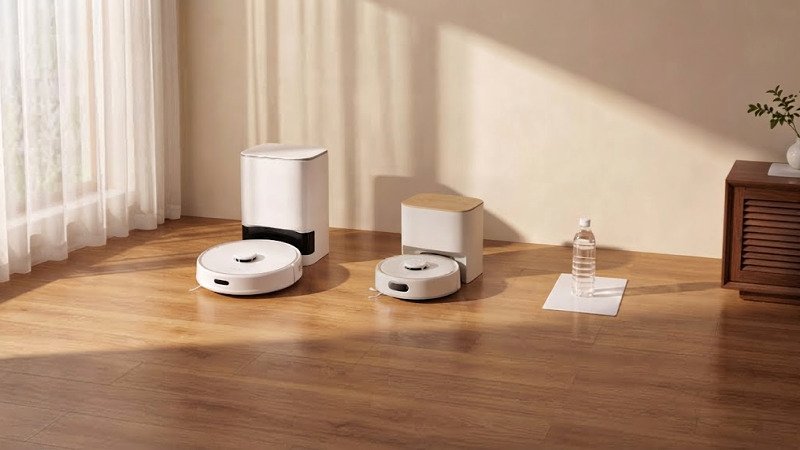
When shopping for a robot vacuum cleaner, you've probably come across the term "Pa" (short for Pascals), which manufacturers use to measure suction power. At first glance, you might think "more Pa = better cleaning," but is that really true? Let’s break down what this number means, why it can be misleading, and how you can determine the suction power you actually need.
Robot vacuum suction power (measured in Pascals) isn't the sole determinant of cleaning performance. Factors like airflow design, brush mechanics, and cleaning scenarios play an equally important role[^1]. Understanding your home's needs will help you choose wisely and avoid overpaying for unnecessary features.
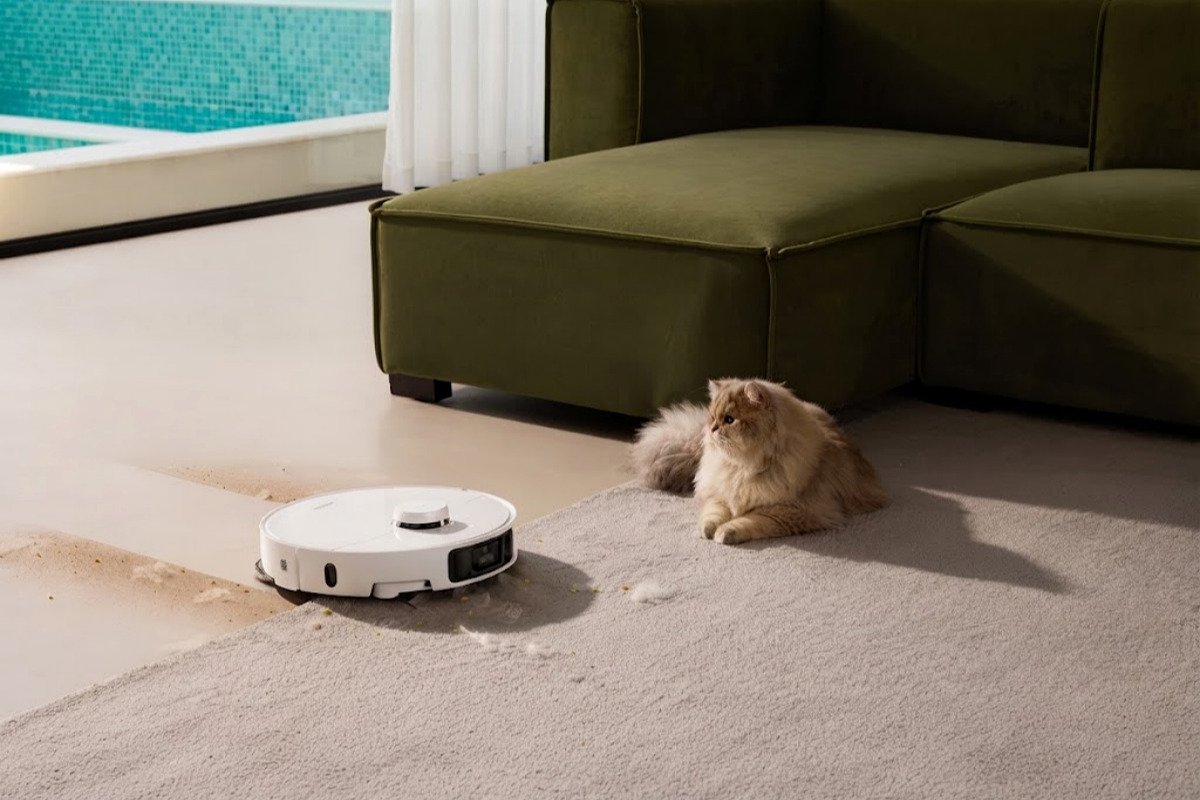
Pa numbers can be confusing, but don’t worry—I’ll walk you through practical tips to make sense of them below. Let’s start by demystifying those "2000 Pa to 10,000 Pa+" claims often blasted across product descriptions.
2,000 Pa to 10,000+ Pa: What Do These Numbers ACTUALLY Mean for Daily Cleaning?
If you've ever wondered whether suction power makes or breaks a robot vacuum's cleaning abilities, you're not alone. Manufacturers love to highlight high Pa numbers, but there’s far more to cleaning than just raw suction strength.
The truth is: Pa ratings indicate how much pressure a vacuum can exert when pulling dirt into its dustbin[^2], but they don’t guarantee superior cleaning in all scenarios.
Daily cleaning versus specialized needs
For everyday tasks—like picking up crumbs on hardwood floors or light dust on tiles—robot vacuums with suction power in the range of 2,000–3,500 Pa work perfectly fine. However, if your home features thick carpets or heavily soiled areas, models closer to 4,000–6,000 Pa may perform significantly better. Vacuums claiming 10,000 Pa+ suction are usually designed for commercial or heavily intensified cleaning needs, which might be overkill for most households.
Performance depends on more than suction
Here’s the kicker: suction power means very little if other cleaning components are poorly designed:
- Airflow design determines how efficiently debris moves into the dustbin. Even high Pa can't save a vacuum with weak airflow engineering.
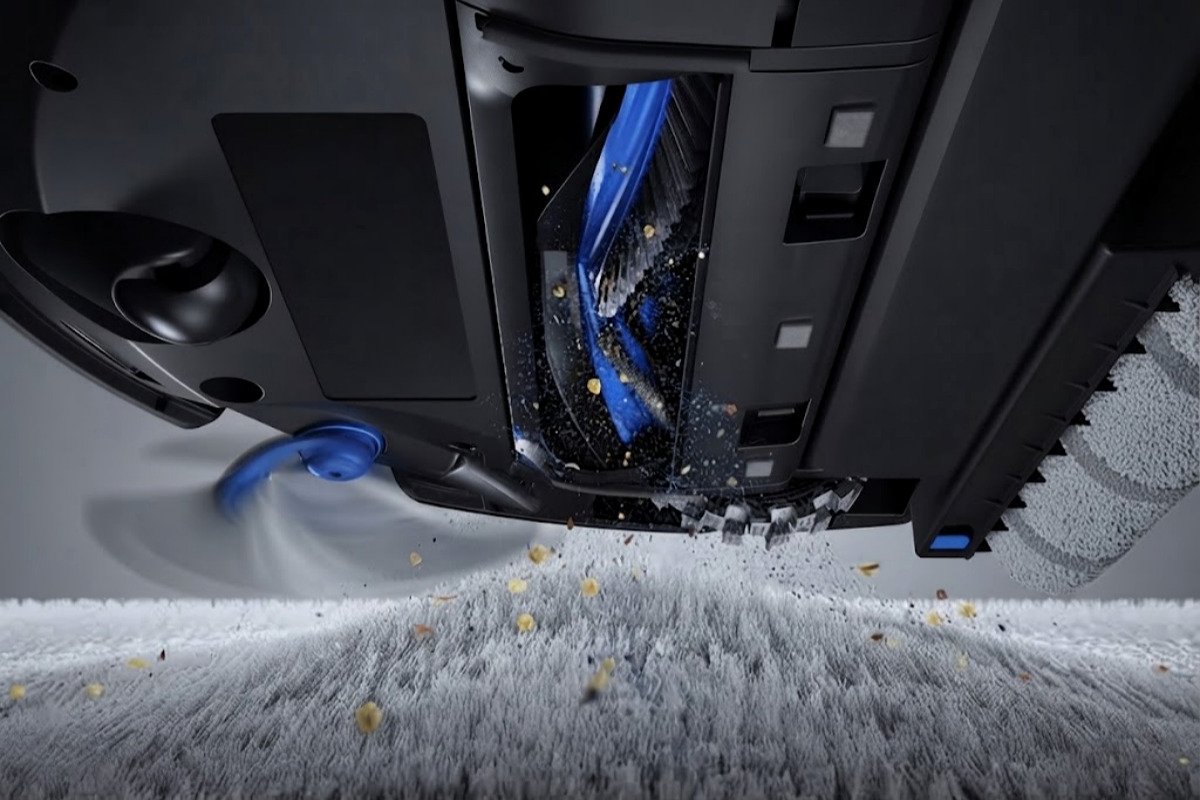
- Roller brushes help lift dirt off surfaces—especially from carpets—which matters just as much as suction strength.
- Navigation software decides how effectively the vacuum covers your floors without repeating or missing spots.
The "10,000 Pa" Marketing Trap: Why Roller Brushes and Airflow Matter Just as Much
Have you ever heard the phrase "bigger isn’t always better?" That applies perfectly to robot vacuum suction claims. Some manufacturers use flashy "10,000 Pa+" numbers just to grab attention, but customers are frequently left wondering why their high-powered vacuums still struggle with basic tasks like pet hair or large debris.
Why Pa alone isn’t reliable
Here’s a common scenario: A vacuum claims 10,000 Pa suction, but its roller brush fails to agitate dirt trapped in carpets. The result? Poor cleaning performance despite the impressive suction spec. Similarly, without well-optimized airflow, debris doesn’t move smoothly—causing clogs or inefficiency.
According to my observations:
- Pet owners benefit more from vacuums with advanced brushes that effectively clean hair strands[^4] than from models with extremely high suction.
- For multi-surface homes (tile, carpet, hardwood), designs with adjustable airflow and suction modes outperform those relying solely on a high-pressure motor.
- Vacuums with poorly designed navigation systems can repeatedly clean high-traffic areas but leave dirt in hidden spots—no matter how powerful their motor is.
Energy costs vs. practicality
Another overlooked aspect is energy usage. Running a vacuum constantly at its highest suction power drains battery life faster[^5], forcing more recharges and reducing cleaning efficiency. Systems that balance Pa strength with smart operating modes save both time and energy.
How to Choose the Right Pa Rating for Your Home (Without Overpaying for Features You Don’t Need)
Feeling overwhelmed by Pa numbers? Don’t worry—choosing the right suction power boils down to knowing your cleaning needs. Let’s keep it simple.
Most households don’t need excessive Pa ratings to achieve great cleaning results. By paying attention to your flooring, debris type, and automation preferences, you can optimize performance without overspending.
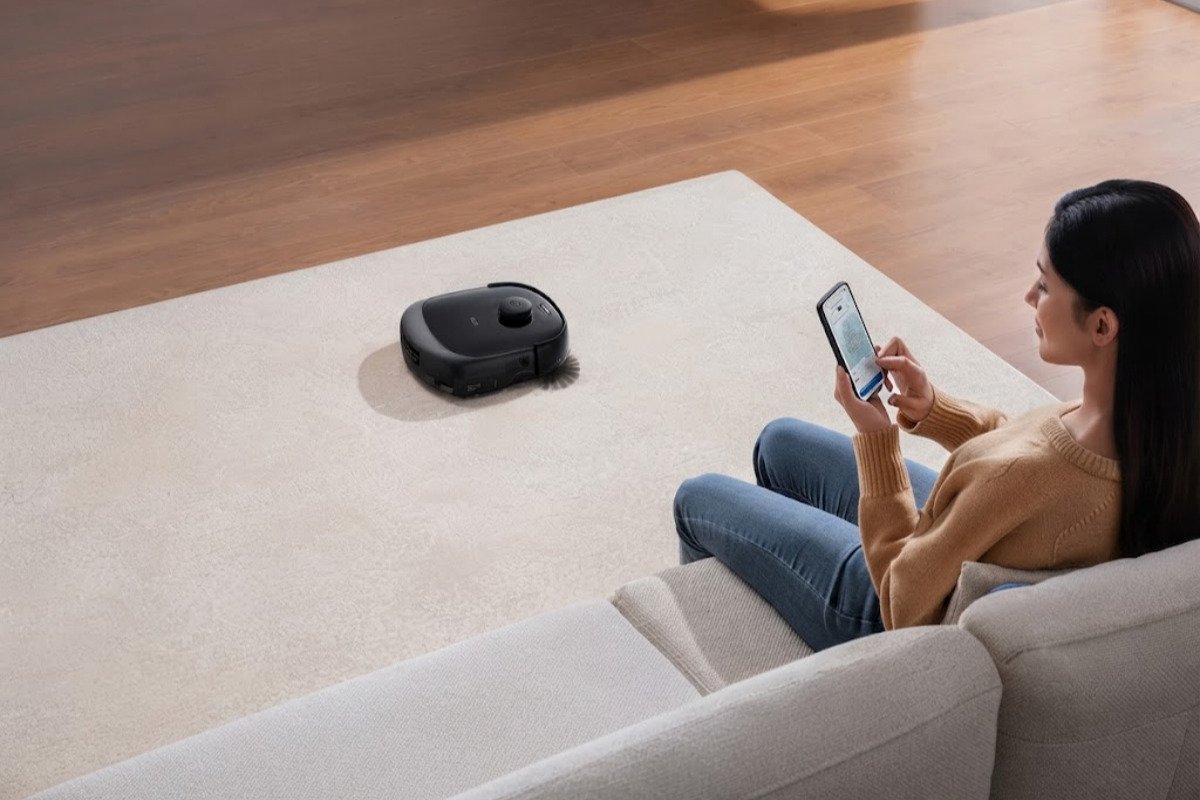
Key considerations for your home
Here's a quick breakdown of what suction power works best based on home conditions:
| Cleaning Scenario | Recommended Pa | Why This Works |
|---|---|---|
| Hardwood & Tile Floors | 2,000–3,000 Pa | Light suction handles dust and debris without wasting energy. |
| Thin or Low-Pile Carpets | 3,000–4,000 Pa | Adds enough power to lift dirt without unnecessary strain. |
| Thick Carpets & Rugs | 5,000–6,000 Pa | Stronger suction paired with roller brushes helps pull embedded dirt. |
| Pet Hair & Allergens | 4,000–6,000 Pa | Brushes outperform suction alone, but stronger motors boost collection. |
| Heavily Soiled Areas | 6,000+ Pa | Useful for stubborn messes—but costly and usually unnecessary daily. |
Practical tips for choosing wisely
- Match Pa with surface types. Homes with hard floors may need lower suction than homes with thick carpets[^6].
- Look for dynamic settings. Vacuums with adjustable suction modes allow flexibility for different cleaning spaces[^7].
- Evaluate additional features. Roller brushes, tank capacity, and navigation matter as much as suction power.
Take the time to compare how Pa interacts with other design aspects rather than focusing exclusively on numbers.
Frequently Asked Questions
What is "Pa" and why does it matter for robot vacuums?
Pa (Pascal) measures pressure or suction power in robot vacuums. It’s an important spec for describing a vacuum's ability to pull debris into its dustbin, but cleaning results also depend on airflow, brush design, and navigation.
Can 2,000 Pa suction clean carpets effectively?
For thin or low-pile carpets, 2,000 Pa suction works reasonably well. However, thicker carpets generally require vacuums with at least 4,000–6,000 Pa and effective roller-brush systems for embedded dirt.
Are vacuums with 10,000 Pa suction worth the price?
Not always. Features like optimized brushes, airflow design, and software outweigh raw suction power for most households. Only specialized scenarios—like commercial cleaning—might justify such high ratings.
How can I save money when buying a robot vacuum?
Focus on models that suit your cleaning surface types and avoid unnecessary features like excessive suction power. Also, look for vacuums with adjustable modes for better efficiency.
Does higher suction power increase energy consumption?
Yes. Operating at maximum Pa ratings consumes more battery life, leading to quicker discharges and more frequent recharging sessions.
Conclusion
Suction power (Pa) is an important spec for robot vacuums[^8], but it’s far from the only factor that influences cleaning performance. Depending on your floors, dirt type, and cleaning routines, a vacuum in the 2,000–6,000 Pa range might be ideal[^9]—saving you money by avoiding inflated "10,000 Pa" marketing claims. Don’t forget to assess airflow, brushes, and navigation features before making your decision.
Need help selecting the perfect suction power and features for your home? Get in touch, and we’ll guide you to the best choice!
[^1]: "Suction vs Airflow : r/VacuumCleaners", https://www.reddit.com/r/VacuumCleaners/comments/1n1oxki/suction_vs_airflow/. Research indicates that suction power alone does not guarantee effective cleaning; factors like airflow optimization and brush design significantly influence debris collection and overall performance. Evidence role: expert_consensus; source type: research. Supports: Airflow design, brush mechanics, and cleaning scenarios are as important as suction power in determining cleaning performance.. Scope note: Specific findings may vary depending on vacuum model and testing conditions. [^2]: "Airwatt", https://en.wikipedia.org/wiki/Airwatt. Pascal (Pa) is a unit of pressure defined as one newton per square meter, commonly used to quantify suction power in vacuum cleaners. This metric reflects the vacuum's ability to create pressure differences for debris collection. Evidence role: definition; source type: education. Supports: Pa ratings measure the pressure exerted by a vacuum to pull dirt into its dustbin.. [^3]: "Robot Vacuum Brushes: Best Types for Carpet and ...", https://us.narwal.com/blogs/robot-vacuum/robot-vacuum-brushes?srsltid=AU7gw4XKM0zzE5Ev5J9wAHU1FI4W61apkQGB9mVTxM5e_bNFnh-Cpmtc. Studies show that suction power must be complemented by efficient airflow design, roller brushes, and navigation algorithms to achieve optimal cleaning performance. Evidence role: mechanism; source type: research. Supports: High Pa values alone do not ensure better cleaning results without complementary features like roller brushes, airflow mechanics, and cleaning algorithms.. Scope note: Findings may vary across different vacuum models and floor types. [^4]: "The Best Robot Vacuums for Pet Hair in 2026", https://vacuumwars.com/best-robot-vacuum-for-pet-hair/. Research highlights that advanced roller brushes are more effective at removing pet hair than relying solely on high suction power. Evidence role: general_support; source type: research. Supports: Pet owners benefit more from vacuums with advanced brushes for cleaning hair strands than from models with extremely high suction power.. Scope note: Effectiveness may depend on hair type and floor surface. [^5]: "Vacuum energy", https://en.wikipedia.org/wiki/Vacuum_energy. Studies on robot vacuum energy consumption show that higher suction power significantly increases battery usage, reducing operational time per charge. Evidence role: statistic; source type: research. Supports: Operating a vacuum at maximum suction power drains battery life faster, leading to more frequent recharges.. Scope note: Battery performance may vary across models and usage conditions. [^6]: "Hardwood vs carpet : r/VacuumCleaners", https://www.reddit.com/r/VacuumCleaners/comments/dzbmcq/hardwood_vs_carpet/. Research suggests that hard floors require less suction power for effective cleaning, while thick carpets benefit from higher suction paired with roller brushes. Evidence role: general_support; source type: research. Supports: Homes with hard floors require lower suction power compared to homes with thick carpets.. Scope note: Performance may depend on debris type and vacuum model. [^7]: "How a Cordless Vacuum with Auto Mode Cleans Smarter", https://ibuture.com/blogs/all/how-a-cordless-vacuum-with-auto-mode-cleans-smarter?srsltid=AU7gw4WvN0NP_hMAw20DnqlGecfOgANAAmThraQjqIemNm7UhkUFeDPJ. Studies indicate that adjustable suction modes enhance cleaning efficiency by adapting power levels to different floor types and debris conditions. Evidence role: mechanism; source type: research. Supports: Vacuum cleaners with adjustable suction modes provide flexibility for cleaning different spaces effectively.. Scope note: Effectiveness may vary based on user settings and vacuum design. [^8]: "Relevance of suction power : r/RobotVacuums", https://www.reddit.com/r/RobotVacuums/comments/1ox22kh/relevance_of_suction_power/. Suction power, measured in Pascals (Pa), is a key metric for evaluating a vacuum's ability to collect debris effectively, particularly on challenging surfaces. Evidence role: definition; source type: education. Supports: Suction power (Pa) is an important specification for robot vacuums.. [^9]: "Evaluation of self-cleaning mechanisms for improving ... - PMC", https://pmc.ncbi.nlm.nih.gov/articles/PMC11521312/. Studies suggest that suction power between 2,000–6,000 Pa balances cleaning efficiency and energy consumption for typical household surfaces. Evidence role: statistic; source type: research. Supports: A vacuum in the 2,000–6,000 Pa range is ideal for most households.. Scope note: Optimal range may vary based on specific cleaning needs and floor types.
Related Posts
How Self-Cleaning and Hot Air Drying Work in Floor Washers?
# How Self-Cleaning and Hot Air Drying Work in Floor Washers? Floor washers equipped with self-cleaning and hot air drying…
kPa vs Air Watts vs CFM: What Vacuum Cleaner Buyers Need to Know
# kPa vs Air Watts vs CFM: What Vacuum Cleaner Buyers Need to Know Shopping for a vacuum cleaner can…
HEPA H13 vs Standard Filters: Which Is Better for a Vacuum Cleaner?
# HEPA H13 vs Standard Filters: Which Is Better for a Vacuum Cleaner? When choosing a vacuum cleaner filter, the…
Leave a Reply