
How to Verify Vacuum Cleaner Certificates and Test Reports Before Importing?
How to Verify Vacuum Cleaner Certificates and Test Reports Before Importing?
Navigating international compliance requirements can feel like walking through a maze, especially for vacuum cleaner importers. The good news? It’s not impossible. Verifying certificates and test reports ensures your products meet local regulations and keeps costly mistakes at bay.[^1] Let’s break down practical ways to avoid compliance risks and importing headaches.
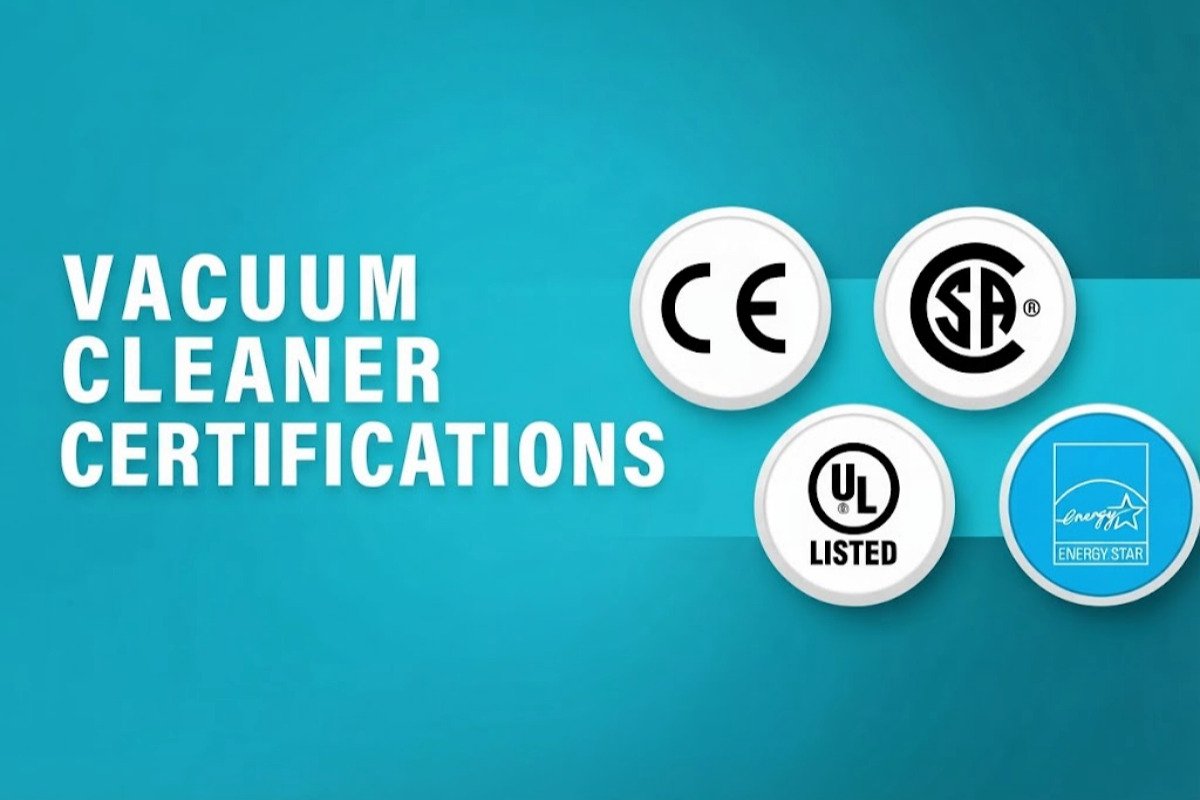
Vacuum cleaner certifications and test reports are critical for regulatory compliance, but blindly trusting documents can lead to trouble. Carefully verify authenticity, legal relevance, and coverage for market-specific requirements. Look for certifications like CE, GCC, and UL, confirm factory testing legitimacy, and flag inconsistencies in documentation upfront.
The stakes are high—non-compliant shipments could lead to fines, delays, or even product bans. Let’s explore step-by-step strategies to verify vacuum cleaner certificates and test reports before importing.
CE, GCC, and UL: What Certificates Do Vacuum Cleaners ACTUALLY Need for Your Market?
Getting certifications wrong can derail your entire import process, and many buyers make assumptions about “universal” approval certificates. But compliance is always market-specific.
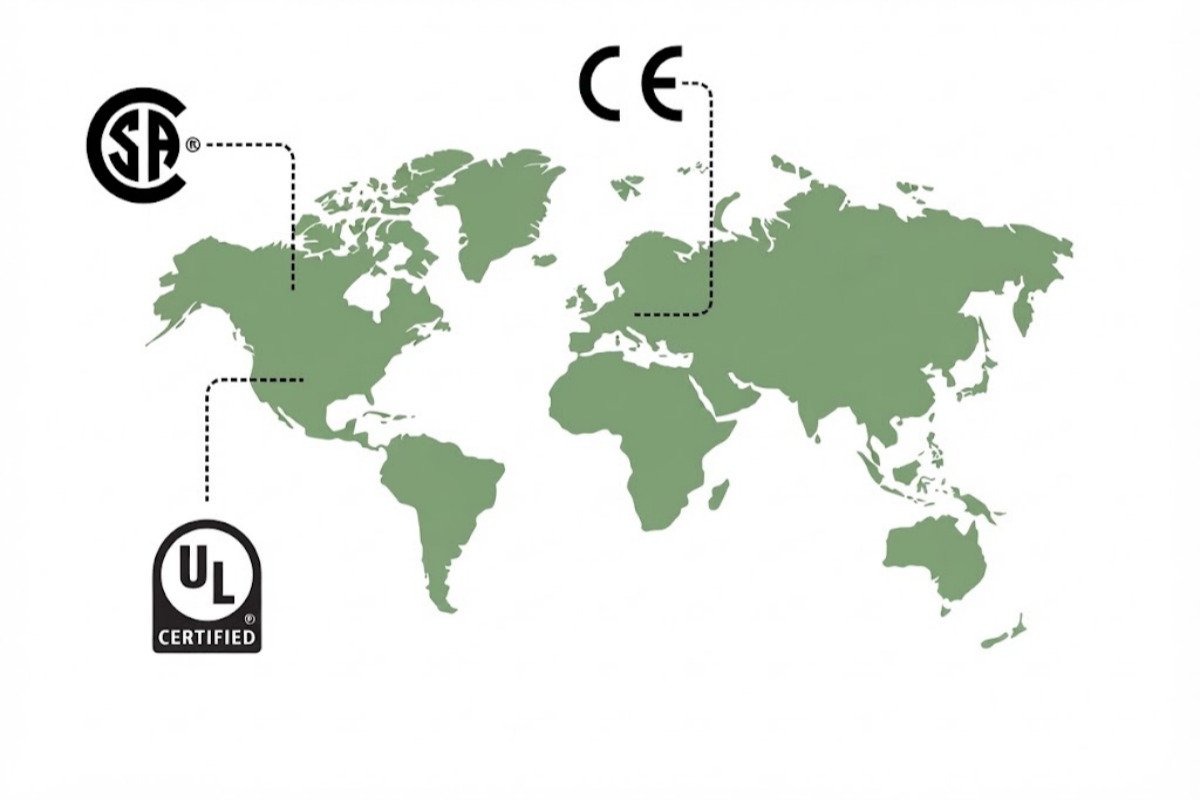
Vacuum cleaners typically require certifications like CE (Europe), GCC (Middle East), and UL (North America), depending on where you’re importing.[^2] Each region enforces unique standards covering safety, electromagnetic compatibility (EMC), and sometimes energy efficiency.
Understanding certificates isn’t just about ticking boxes—it’s about knowing which ones truly apply:
CE Certification for Europe:
CE is mandatory for vacuum cleaners entering the EU. It verifies compliance with health, safety, and environmental protection standards under directives like the Low Voltage Directive (LVD) and EMC Directive.
- Key coverage: Electrical safety, EMC compliance
- Verification tip: Check for a valid CE Declaration of Conformity (DoC) signed by the manufacturer.
GCC Certification for the Middle East:
GCC-marked cleaners comply with Gulf Standards Organization (GSO) requirements.[^3] The process involves factory inspections and testing for safety, energy efficiency, and EMC.
- Key coverage: Electrical safety, efficiency checks for local weather conditions
- Verification tip: Confirm the G-Mark certificate’s validity via the GSO’s database.
UL Certification for North America:
UL certification focuses on product safety in the US and Canada.[^4] It’s typically required when importing appliances into these markets.
- Key coverage: Fire safety, wiring insulation, electrical breakdown
- Verification tip: Cross-check UL file numbers against the UL certifications directory.
When evaluating certificates, ask yourself: Is this document relevant to my importing market? Is it specific to the vacuum cleaner model I’m shipping? Certificates meant for a different region or outdated versions are common pitfalls.
Real or Fake? 3 Quick Ways to Spot Fake Test Reports (Without Calling a Lawyer)
Counterfeit test reports are more common than we’d like to think, but spotting them doesn’t have to involve expensive legal counsel. As buyers, sticking to some quick measures can save you from compliance headaches.
To spot fake test reports, verify the issuing lab’s credentials, confirm documentation matches your product model, and use online databases for cross-checking. These simple steps often catch obvious red flags.
Here’s a quick 3-step process:
1. Verify the Testing Lab’s Accreditation:
Accreditation means the lab issuing the test reports is recognized by regulatory bodies. Look for lab IDs or accreditation numbers and cross-check those with organizations like ILAC or country-specific accreditation bodies.
- Example: A vacuum cleaner report stamped by an unrecognized lab may not hold legal weight even if the tests were conducted.
2. Check Against Product Specifications:
A common trick in fake reports? Submitting tests for a different product. Compare the vacuum cleaner’s model number, voltage, and dimensions to the details listed in the report.
- Tip: Product mismatches—like a different voltage rating—often signal fraud.
3. Use Online Databases:
Regulatory bodies often maintain online verification systems.[^5] CE, UL, and GCC certificates can usually be cross-checked against these databases for legitimacy.
- PSA: If the certificate or report isn’t searchable online, further inquiry is necessary.
Investing time upfront to validate test reports can save you far more than the cost of unforeseen regulatory fines.
The Red Flags Checklist: What OEM/ODM Buyers Often Miss in Factory Test Reports
Factory test reports can be a goldmine—or a landmine. Importers often receive documentation but overlook major inconsistencies that jeopardize their compliance.
Buyers miss red flags like incomplete test data, generic product descriptions, and outdated report issuance dates. Creating a basic checklist helps flag these issues before committing to suppliers.
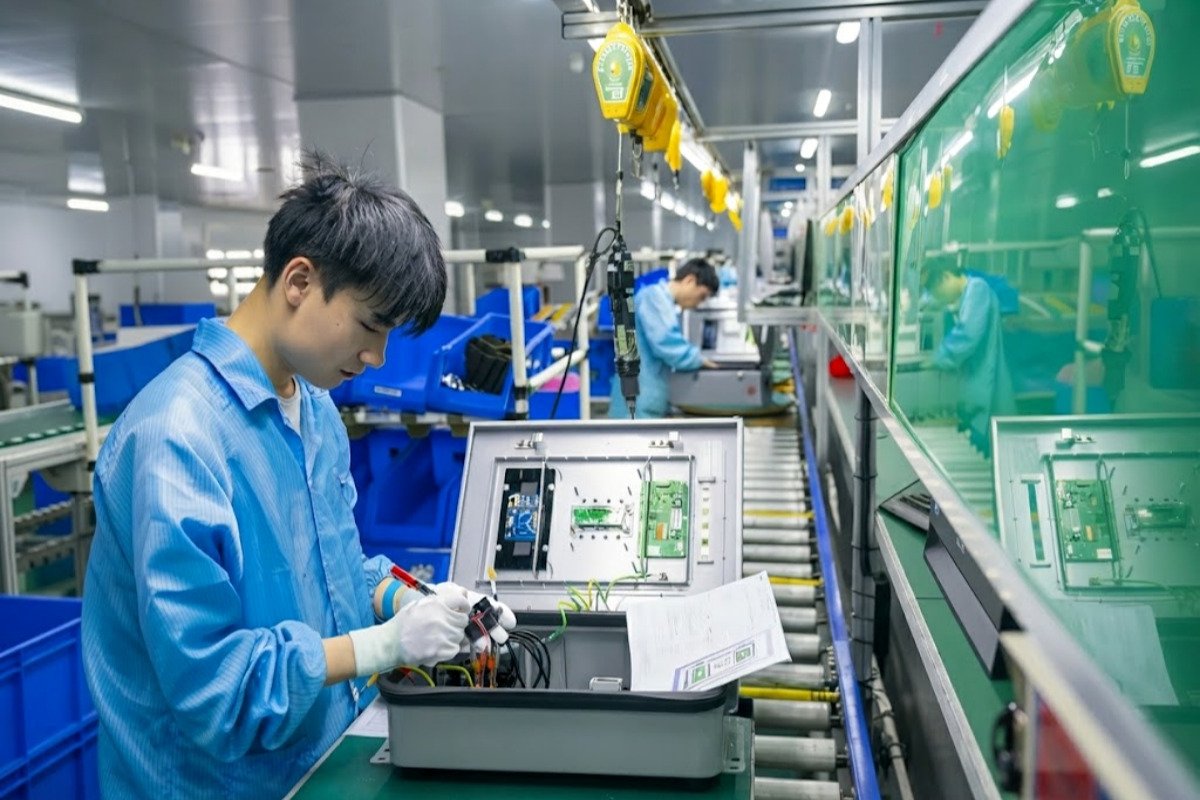
Here’s a checklist to spot warning signs:
Common Red Flags:
- Generic Descriptions: The report refers to “vacuum cleaner” generically without specifying a model number.
- Incomplete Test Data: Only one safety standard is tested when multiple are required (e.g., safety + EMC).
- Undated Reports: Reports issued over 3 years ago may not align with current standards.[^6]
- Suspicious Test Labs: Unknown testing lab without accreditation numbers.
- Translation Errors: Certificates translated poorly or inconsistently often signal unreliability.
Sample Scenario:
I once worked with an importer receiving GCC documentation for their vacuum cleaner shipment to Saudi Arabia. At first glance, the papers seemed legitimate. However, closer inspection revealed mismatched product specifications—a GCC report meant for a different vacuum model. Because the error was caught early, they worked with the OEM to re-submit compliant certification and avoided customs delays.
Building supplier accountability starts with setting the expectation of legitimate testing. Always ask for updated reports and verify lab accreditation before placing your first order.
Frequently Asked Questions
Why is verifying certificates before importing so important?
Certificates ensure products meet the compliance standards of their destination country. Missing or fake certificates can result in regulatory fines, shipment delays, or product bans.
Can I trust my supplier to handle compliance?
Suppliers may provide certifications, but verification is your responsibility as an importer.[^7] Inspect certificates thoroughly—don’t rely on your supplier’s word alone.
Are certificates and test reports the same?
No. Certificates (e.g., CE, GCC) confirm the product meets official compliance rules for a region. Test reports detail specific lab-tested metrics like safety or EMC standards for the product.
How long are test reports valid?
Validity depends on regulations. Generally, reports over 3 years old may need updating due to changing compliance standards.
What happens if my vacuum cleaner fails compliance?
If non-compliance is discovered, customs can refuse the shipment, impose fines, or return the goods.[^8] Worse, retailers may drop your product due to legal risks.
Conclusion
Verifying vacuum cleaner certificates and test reports is the key to avoiding compliance risks and importing headaches. Don’t just collect documents—understand them. Always confirm market-specific certificates like CE, GCC, or UL. Check for testing lab accreditation, ensure documentation matches your product, and flag obvious red flags early.
Ready to streamline your importing process? Reach out to discuss how we help clients verify compliance and navigate international regulations seamlessly. Let’s make importing safer and easier together.
[^1]: "Global trade in fake goods reached USD 467 billion, ...", https://www.oecd.org/en/about/news/press-releases/2025/05/global-trade-in-fake-goods-reached-USD-467-billion-posing-risks-to-consumer-safety-and-compromising-intellectual-property.html. A study by the International Trade Centre highlights that verifying product certifications significantly reduces the risk of non-compliance and associated penalties in international trade. Evidence role: general_support; source type: research. Supports: Verification of certificates and test reports is critical for regulatory compliance and avoiding errors.. Scope note: The study focuses on general trade practices and may not specifically address vacuum cleaners. [^2]: "Rules Requiring a General Certificate of Conformity (GCC)", https://www.cpsc.gov/Business--Manufacturing/Testing-Certification/Lab-Accreditation/Rules-Requiring-a-General-Certificate-of-Conformity. The European Commission outlines CE certification requirements for household appliances, including vacuum cleaners, under the Low Voltage Directive and EMC Directive. Evidence role: general_support; source type: government. Supports: Vacuum cleaners require CE, GCC, and UL certifications based on the importing region.. Scope note: The source specifically addresses European standards and may not cover GCC or UL certifications. [^3]: "Rules Requiring a General Certificate of Conformity (GCC)", https://www.cpsc.gov/Business--Manufacturing/Testing-Certification/Lab-Accreditation/Rules-Requiring-a-General-Certificate-of-Conformity. The Gulf Standards Organization specifies safety and energy efficiency standards for electrical appliances, including vacuum cleaners, under GCC certification guidelines. Evidence role: general_support; source type: institution. Supports: GCC-marked vacuum cleaners comply with Gulf Standards Organization requirements.. Scope note: The source may not detail specific testing procedures for vacuum cleaners. [^4]: "UL Listing Declaration for Vacuum Cleaners 6010-84", https://www.terrauniversal.com/ul-listing-declaration-for-vacuum-cleaners-6010-84.html. Underwriters Laboratories (UL) outlines safety standards for household appliances, including vacuum cleaners, focusing on fire safety and electrical insulation. Evidence role: general_support; source type: institution. Supports: UL certification focuses on product safety for vacuum cleaners in the US and Canada.. Scope note: The source may not provide vacuum cleaner-specific examples but applies broadly to household appliances. [^5]: "Online Verification of Export Certificates for Food", https://www.fda.gov/food/food-export-certificates/online-verification-export-certificates-food. The European Commission and Underwriters Laboratories provide online databases for verifying CE and UL certifications, respectively. Evidence role: mechanism; source type: government. Supports: Regulatory bodies maintain online systems for verifying certificates and test reports.. Scope note: The source may not cover GCC certification verification systems. [^6]: "Extension of Compliance Dates for Nondiscrimination on ...", https://www.federalregister.gov/documents/2026/04/20/2026-07663/extension-of-compliance-dates-for-nondiscrimination-on-the-basis-of-disability-accessibility-of-web. Experts from compliance training programs suggest updating test reports every three years to align with evolving regulatory standards. Evidence role: expert_consensus; source type: education. Supports: Test reports older than three years may not comply with current standards.. Scope note: The recommendation is based on expert consensus and may vary by region or product type. [^7]: "Certificates of Compliance", https://www.federalregister.gov/documents/2025/01/08/2024-30826/certificates-of-compliance. Customs and Border Protection guidelines state that importers are legally responsible for ensuring the authenticity and compliance of supplier-provided certifications. Evidence role: expert_consensus; source type: government. Supports: Importers are responsible for verifying certifications provided by suppliers.. Scope note: The guidelines may vary by country and specific product categories. [^8]: "Import Refusals", https://www.fda.gov/industry/fda-import-process/import-refusals. The World Customs Organization outlines penalties for non-compliant imports, including shipment refusal and fines, under international trade regulations. Evidence role: case_reference; source type: government. Supports: Customs can refuse shipments, impose fines, or return goods if non-compliance is discovered.. Scope note: The source provides general guidelines and may not include specific examples of vacuum cleaner imports.
Related Posts
How Self-Cleaning and Hot Air Drying Work in Floor Washers?
# How Self-Cleaning and Hot Air Drying Work in Floor Washers? Floor washers equipped with self-cleaning and hot air drying…
kPa vs Air Watts vs CFM: What Vacuum Cleaner Buyers Need to Know
# kPa vs Air Watts vs CFM: What Vacuum Cleaner Buyers Need to Know Shopping for a vacuum cleaner can…
HEPA H13 vs Standard Filters: Which Is Better for a Vacuum Cleaner?
# HEPA H13 vs Standard Filters: Which Is Better for a Vacuum Cleaner? When choosing a vacuum cleaner filter, the…
Leave a Reply