
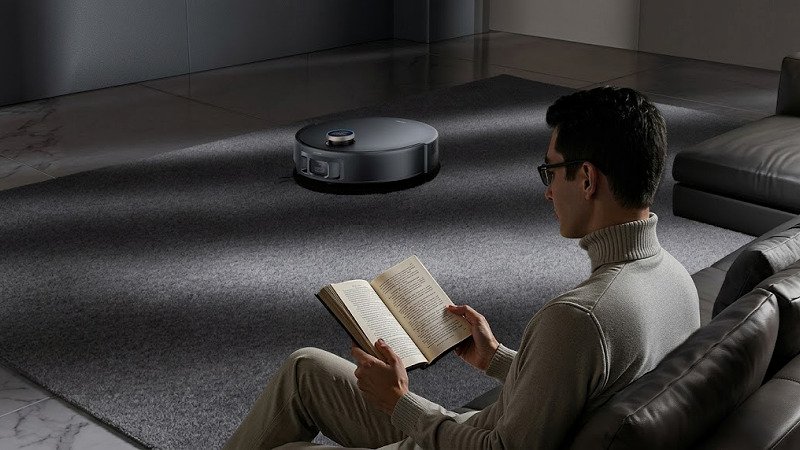
Robot Vacuum and Mop vs Vacuum-Only Models: Which Is Better?
Robot Vacuum and Mop vs Vacuum-Only Models: Which Is Better?
Robot vacuum cleaners have come a long way, but choosing between a vacuum-only model and a vacuum-mop combo is trickier than it seems. The "2-in-1" concept feels like the obvious choice, but are hybrid models truly better? Let’s break this down by evaluating cleaning performance, maintenance, and cost considerations.
The answer depends on your home’s needs. Vacuum-only models often pack higher suction power, while hybrid models offer versatility. However, the mopping function isn't always the game-changer people expect. Let’s explore these trade-offs so you can confidently pick the right one.
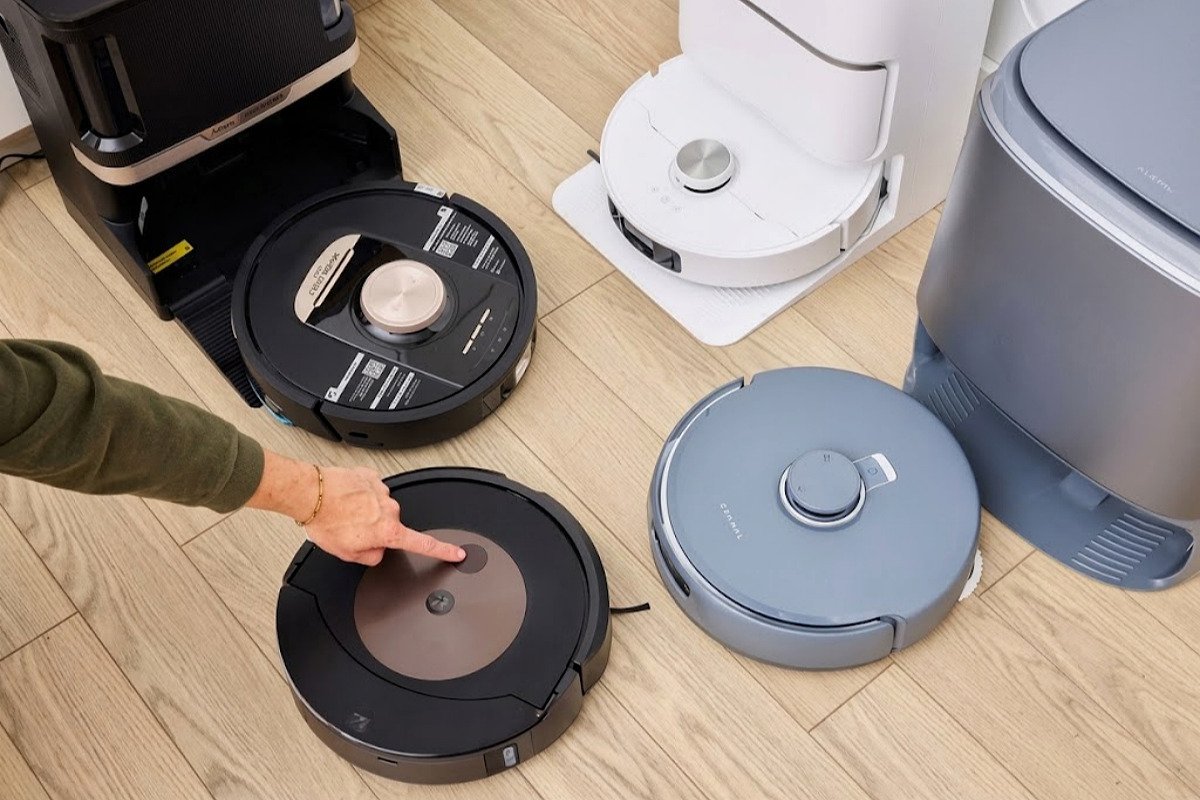
When deciding, it’s about more than just “extra features.” Here are the key factors to consider when choosing.
Cleaning Performance & Versatility: Can a 2-in-1 Combo ACTUALLY Replace Manual Mopping?
We all want cleaner floors without breaking a sweat, but does a robot mop really deliver? The promise of simultaneous vacuuming and mopping is attractive—especially for pet owners or busy families. But there’s a catch.
Hybrid vacuum-mop models deliver convenience, but they don’t match manual mopping intensity.[^1] They’re best for lighter maintenance cleaning on smooth floors rather than scrubbing out sticky messes or spills.[^2]
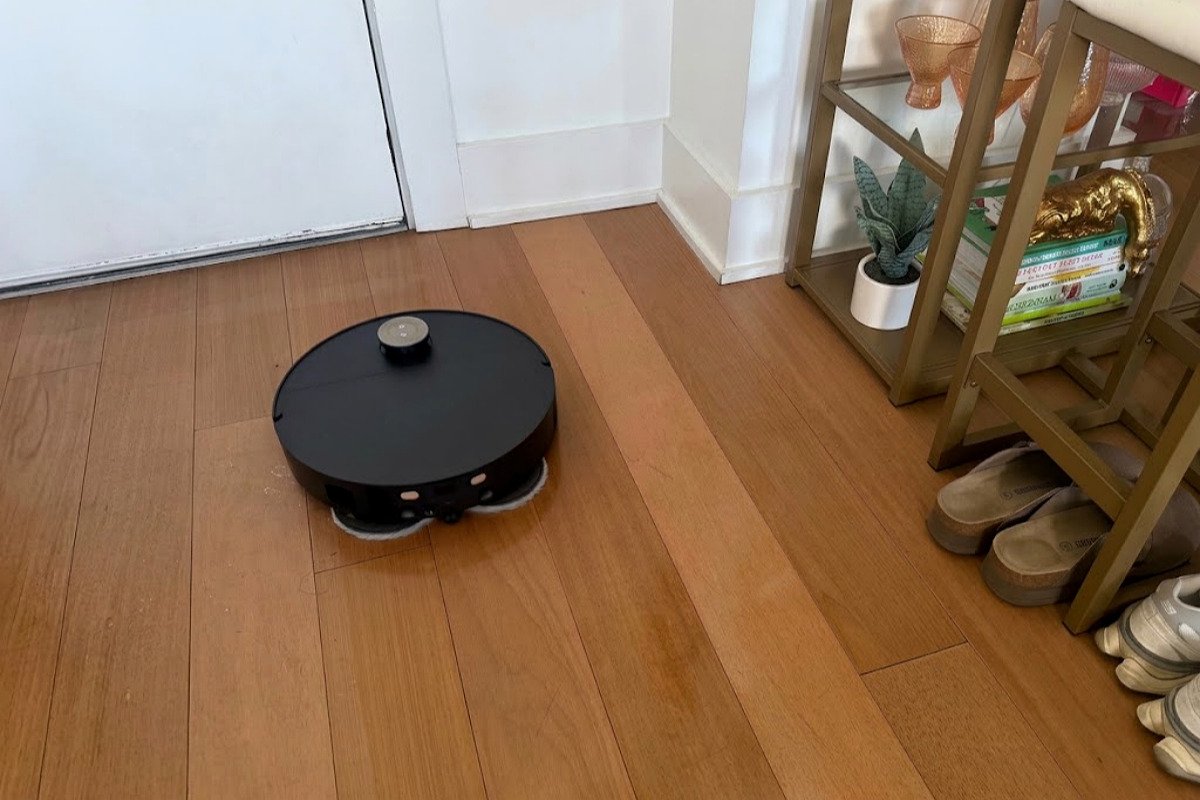
Dive deeper: trade-offs of 2-in-1 cleaning
Here’s the honest truth: vacuum-mop combos fit the bill for routine cleaning, whether you have tile floors or laminate. They’re ideal for low to moderate foot traffic areas where spills are uncommon.[^3] But don’t expect these gadgets to replace a full mop-and-bucket treatment.
-
Strengths:
- Handy for surface-level dust and light grime.
- Saves time once floors are decluttered.
- Works best for sealed hardwood and tiled areas.
-
Weaknesses:
- Limited scrubbing pressure compared to manual mopping.
- Struggles with sticky residues or high-traffic dirt patches.
Robot vacuums with mops have small water tanks, which means frequent refills if you’re cleaning larger areas.[^4] Additionally, some models can’t differentiate between carpets and hard floors—leading to unintentional “wet rugs.”
So, how versatile? Context matters. Households with small living spaces and minimal dirt may find hybrid models helpful, while vacuum-only machines often offer stronger suction for debris-heavy areas.
Maintenance, Maintenance, Maintenance: The Hidden Effort Behind Water Tanks and Mop Pads
Here’s what the ads don’t tell you: keeping a vacuum-mop hybrid running smoothly isn’t as effortless as it seems.
Water tanks and mop pads add layers of upkeep that vacuum-only models simply don’t have. If you’re the type who forgets to empty dustbins, hybrid models could quickly become frustrating.
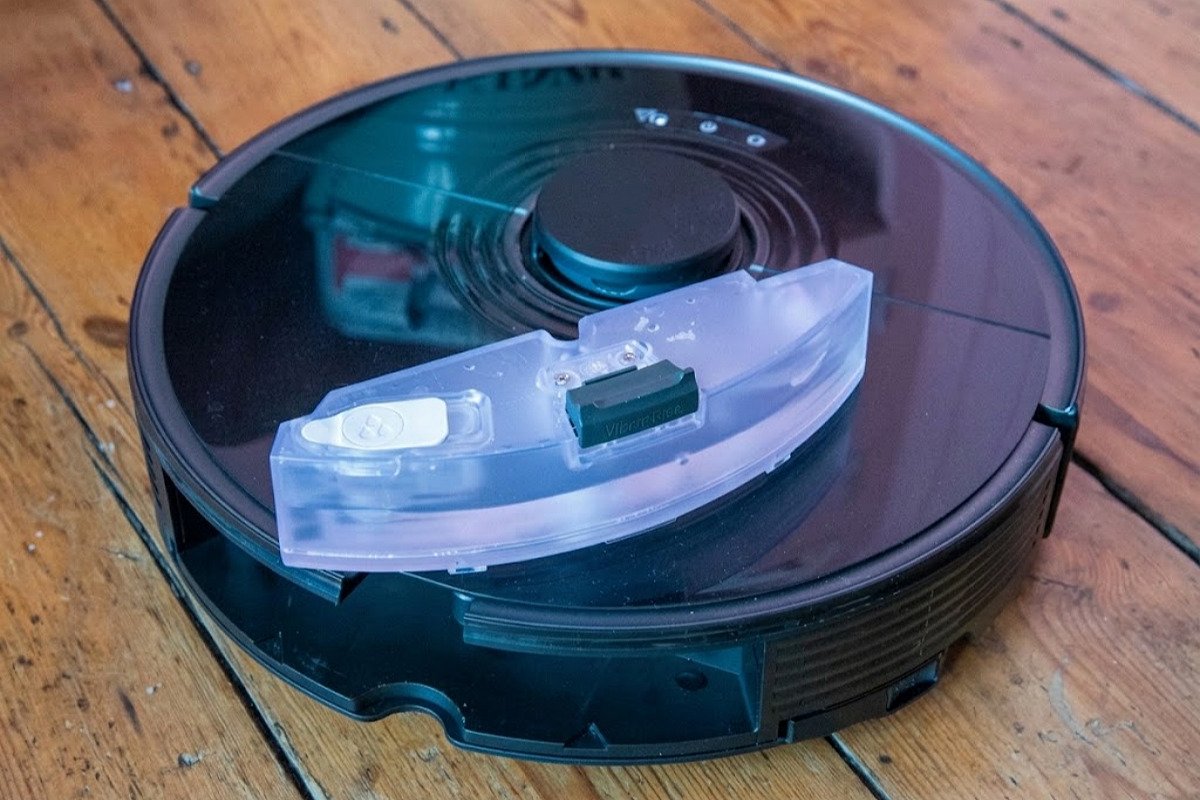
Dive deeper: maintenance considerations
Cleaning performance aside, maintenance becomes the overlooked deal-breaker in buyer decisions. Before choosing a hybrid model, consider how prepared you are to deal with additional components.
- Mop pads: These need washing or replacing regularly.[^5] Dirty pads can spread grime instead of cleaning.
- Water tanks: Must be emptied and refilled frequently—not ideal for larger spaces.
- Sensors: More functions mean there’s more risk of hardware issues, especially if water leaks into sensitive parts.
Vacuum-only robots avoid these complications entirely.[^6] Clearing a dustbin takes seconds, whereas hybrid options demand water management and vigilance to keep the mopping feature effective.
Ask yourself: would this added effort fit into your routine, or will it pile up as a chore you procrastinate?
Budget & Long-Term Value: How to Pick the Right Model for Your Home (and Wallet)
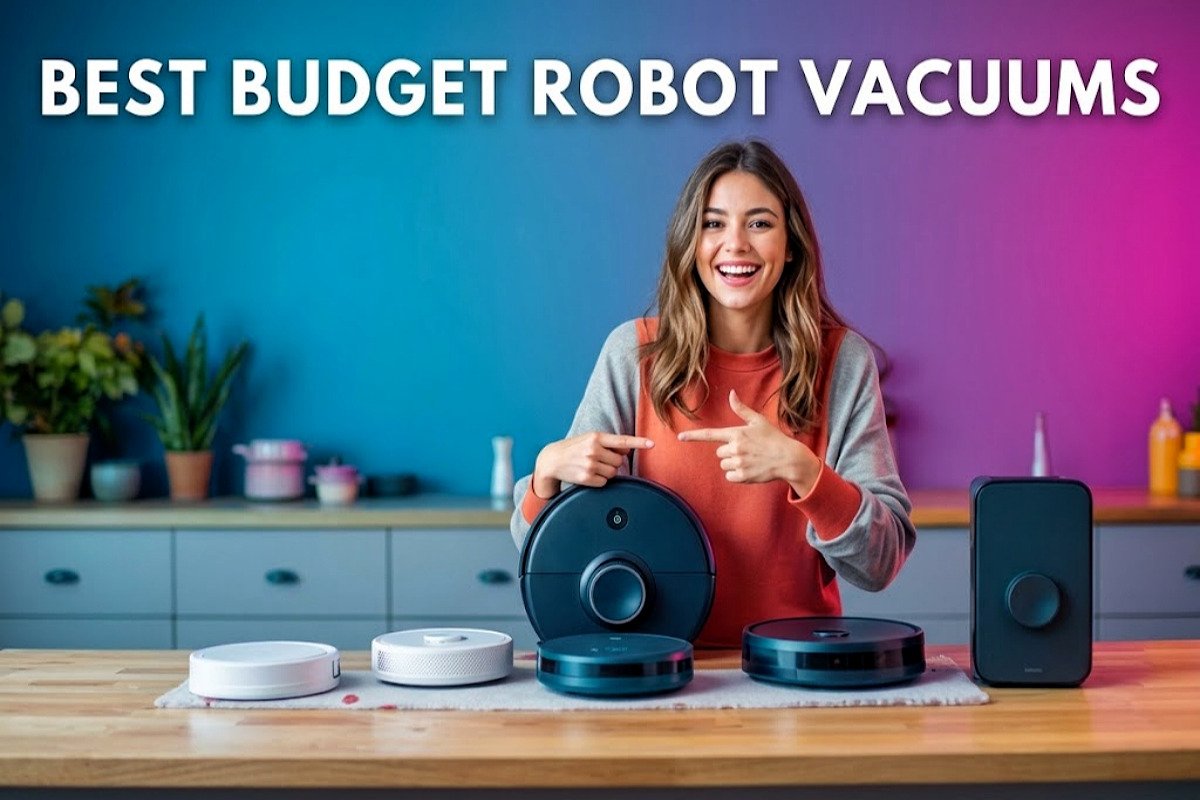
Price is the biggest deciding factor for most buyers, and hybrid models tend to cost more. But is the higher upfront fee justified for your home type? That depends on how often you’ll use the mop feature.
Vacuum-only models often offer better cleaning power for the same price as entry-level hybrid models. Meanwhile, hybrids may feel like “big ticket” purchases that fail to live up to expectations in certain scenarios.
Dive deeper: balancing cost and functionality
When planning your budget, think less about “features” and more about “functionality.” Will your household genuinely benefit from the mop option?
Here’s a quick breakdown:
| Feature | Vacuum-Only Models | Vacuum-Mop Combo Models |
|---|---|---|
| Price Range | $200–$600 (mid-to-high suction power) | $250–$800+ (more variability) |
| Cleaning Strength | Higher suction for thicker carpets | Versatility but weaker suction |
| Maintenance Costs | Minimal dustbin upkeep | Replacing mop pads and cleaning tanks |
| Best-Suited Homes | Carpeted-heavy or debris-heavy spaces | Smooth floors, small apartments |
The takeaway? If your home is smaller and primarily hard floors, hybrids can pay off. For larger spaces with carpets or heavy dirt, vacuum-only models are often the smarter (budget-conscious) choice.[^7]
Frequently Asked Questions
Can robot mops clean sticky spills?
Not effectively. Robot mops are designed for surface-level cleaning and maintenance but lack the scrubbing power to fully clean thick or sticky spills.
Do vacuum/mop hybrids work on all floor types?
They function best on hard floors like tile, wood, or laminate. Some struggle to differentiate between carpets and hard flooring, creating issues during mopping.
Are vacuum-only robots stronger?
Generally, yes. Because they don’t need to allocate space for water tanks, vacuum-only robots often have better suction power—making them more effective on carpets and debris-heavy areas.
How long do mop pads last?
It depends on usage, but most need cleaning after every use and replacement after about 4–6 months of regular use. Always follow manufacturer guidelines.
What’s the average cost difference?
Hybrid models are usually $50–$200 more expensive than vacuum-only models due to their extra features.
Conclusion
Choosing between a robot vacuum and mop combo or a vacuum-only model boils down to your home’s needs and cleaning priorities. Vacuum-only models excel in suction power and simplicity, while hybrids add versatility—but at the cost of extra maintenance.
Evaluate your floor types, traffic levels, and willingness to maintain add-ons before deciding. For practical, cost-efficient households, both types can be ideal—with the right match for your home. Need help choosing? Reach out—we know floors inside and out.
[^1]: "Can Robotic Mops Clean to Lead Safety Standards?", https://pubmed.ncbi.nlm.nih.gov/29115806/. Studies comparing robot vacuum-mop hybrids to manual mopping suggest that while hybrids are effective for light cleaning, they lack the scrubbing power required for more intensive cleaning tasks. Evidence role: general_support; source type: research. Supports: Hybrid vacuum-mop models are less effective than manual mopping for intense cleaning tasks.. Scope note: The comparison may vary depending on the specific model and cleaning conditions. [^2]: "M.O.P.", https://en.wikipedia.org/wiki/M.O.P.. Research indicates that robot vacuum-mop hybrids are optimized for light cleaning tasks on smooth surfaces, but they struggle with sticky or heavy messes due to limited scrubbing power. Evidence role: general_support; source type: research. Supports: Hybrid vacuum-mop models are more suitable for light maintenance cleaning on smooth floors than for cleaning sticky messes or spills.. Scope note: Performance may vary depending on the specific model and floor type. [^3]: "Best Robot Vacuums We've Tested in 2026", https://www.cnet.com/home/kitchen-and-household/best-robot-vacuums-our-labs-tested-47-models-and-only-these-made-the-cut/. Research suggests that hybrid robot vacuum-mop models perform optimally in low to moderate traffic areas with smooth floors and minimal debris. Evidence role: general_support; source type: research. Supports: Hybrid vacuum-mop models are best suited for areas with low to moderate foot traffic and minimal spills.. Scope note: Performance may vary based on the specific model and cleaning conditions. [^4]: "Dock water tank capacity of qrevo curv : r/Roborock", https://www.reddit.com/r/Roborock/comments/1gj2yfw/dock_water_tank_capacity_of_qrevo_curv/. Most robot vacuum-mop hybrids have water tanks with capacities ranging from 150 to 300 ml, which necessitates frequent refills for larger cleaning areas. Evidence role: statistic; source type: research. Supports: Robot vacuum-mop hybrids require frequent water tank refills when cleaning larger areas due to their small tank size.. Scope note: Specific refill frequency depends on the model and the size of the area being cleaned. [^5]: "How often need to replace the mop pads for Revo?", https://www.reddit.com/r/Roborock/comments/18nqice/how_often_need_to_replace_the_mop_pads_for_revo/. Manufacturers typically recommend washing mop pads after each use and replacing them every 4–6 months, depending on usage frequency. Evidence role: statistic; source type: research. Supports: Mop pads in hybrid robot vacuums require regular washing or replacement to maintain cleaning effectiveness.. Scope note: Specific maintenance intervals may vary by brand and model. [^6]: "How much maintainance do robot vacuums need and are ...", https://www.reddit.com/r/homeautomation/comments/y3z4bc/how_much_maintainance_do_robot_vacuums_need_and/. Vacuum-only robots generally require less maintenance than hybrid models, as they lack water tanks and mop pads that need regular cleaning or replacement. Evidence role: general_support; source type: research. Supports: Vacuum-only robots do not require water management or mop pad maintenance, making them simpler to maintain.. Scope note: Maintenance simplicity may vary depending on the specific model and features. [^7]: "Robot vacuums only make sense for floors, not with lots of ...", https://www.reddit.com/r/RobotVacuums/comments/1oay4gv/robot_vacuums_only_make_sense_for_floors_not_with/. Experts suggest that vacuum-only robots are more effective for larger homes with carpets or heavy dirt due to their stronger suction and lower maintenance requirements. Evidence role: general_support; source type: research. Supports: Vacuum-only models are more cost-effective and better suited for larger spaces with carpets or heavy dirt.. Scope note: Effectiveness may depend on the specific model and cleaning needs.
Related Posts
How Self-Cleaning and Hot Air Drying Work in Floor Washers?
# How Self-Cleaning and Hot Air Drying Work in Floor Washers? Floor washers equipped with self-cleaning and hot air drying…
kPa vs Air Watts vs CFM: What Vacuum Cleaner Buyers Need to Know
# kPa vs Air Watts vs CFM: What Vacuum Cleaner Buyers Need to Know Shopping for a vacuum cleaner can…
HEPA H13 vs Standard Filters: Which Is Better for a Vacuum Cleaner?
# HEPA H13 vs Standard Filters: Which Is Better for a Vacuum Cleaner? When choosing a vacuum cleaner filter, the…
Leave a Reply