
Suction Pressure vs Airflow: Which Matters More for Dust, Pet Hair, and Large Debris?
Suction Pressure vs Airflow: Which Matters More for Dust, Pet Hair, and Large Debris?
When it comes to vacuum cleaners, many buyers obsess over suction pressure like it’s the ultimate performance metric. But does higher suction truly guarantee better cleaning results? The truth is, factors like airflow play a huge role, especially when dealing with tricky cleaning challenges like pet hair or large debris. In this article, I’ll break down the difference between suction pressure and airflow — and where your focus should be for effective performance.
Suction pressure is important for pulling small particles, but airflow matters in moving dirt.[^1] Together, they balance each other to tackle dust, pet hair, and large debris efficiently. Pet owners and households with varied messes should prioritize vacuum cleaners optimized for a mix of suction and airflow levels for the best performance.[^2]
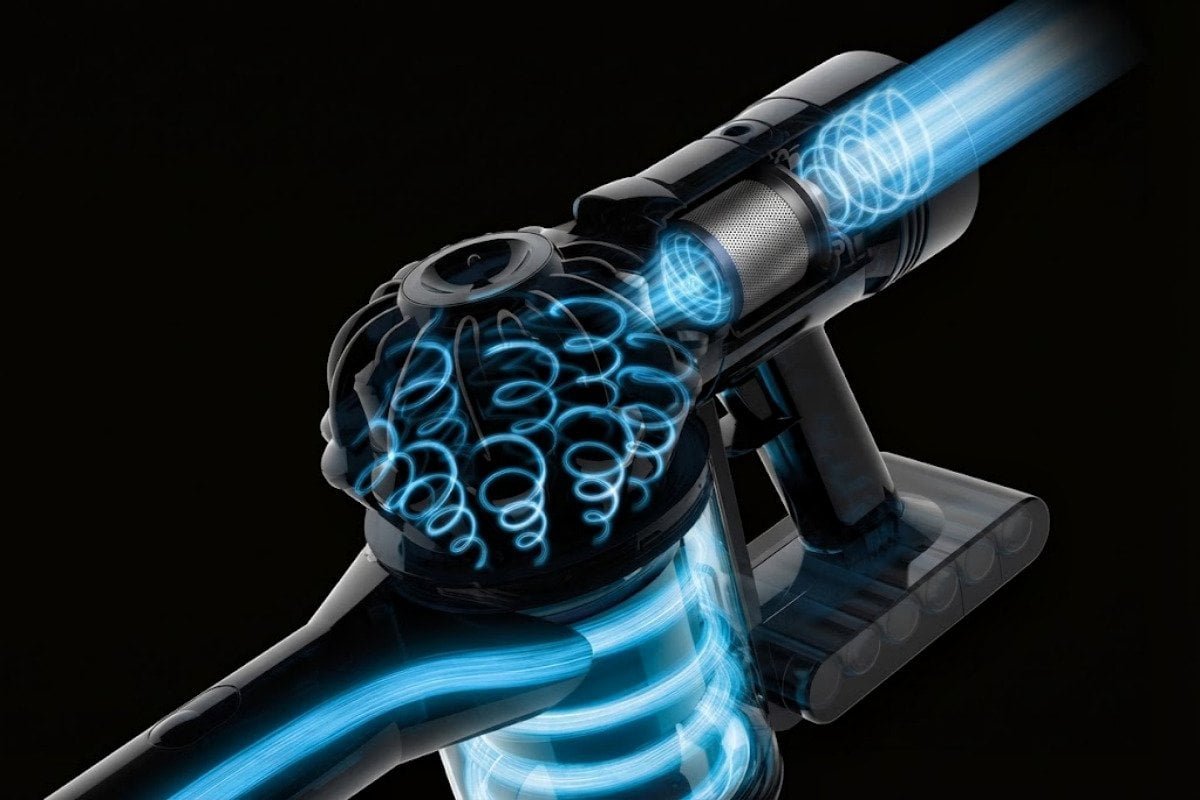
So, what’s the right combination for your cleaning needs? Let’s dive into the details below.
What Is a Good Suction Power for a Vacuum Cleaner?
When shoppers talk about vacuum cleaners, suction power is often the first question that comes up. But high suction strength doesn’t always mean better cleaning performance. Let’s explore what suction pressure really contributes and how to interpret claims about it.
A decent vacuum cleaner typically delivers suction pressure above 16 kPa (kilopascals) for general household cleaning. This is sufficient for handling fine particles like dust and crumbs, but large debris and pet hair need much more than raw suction.
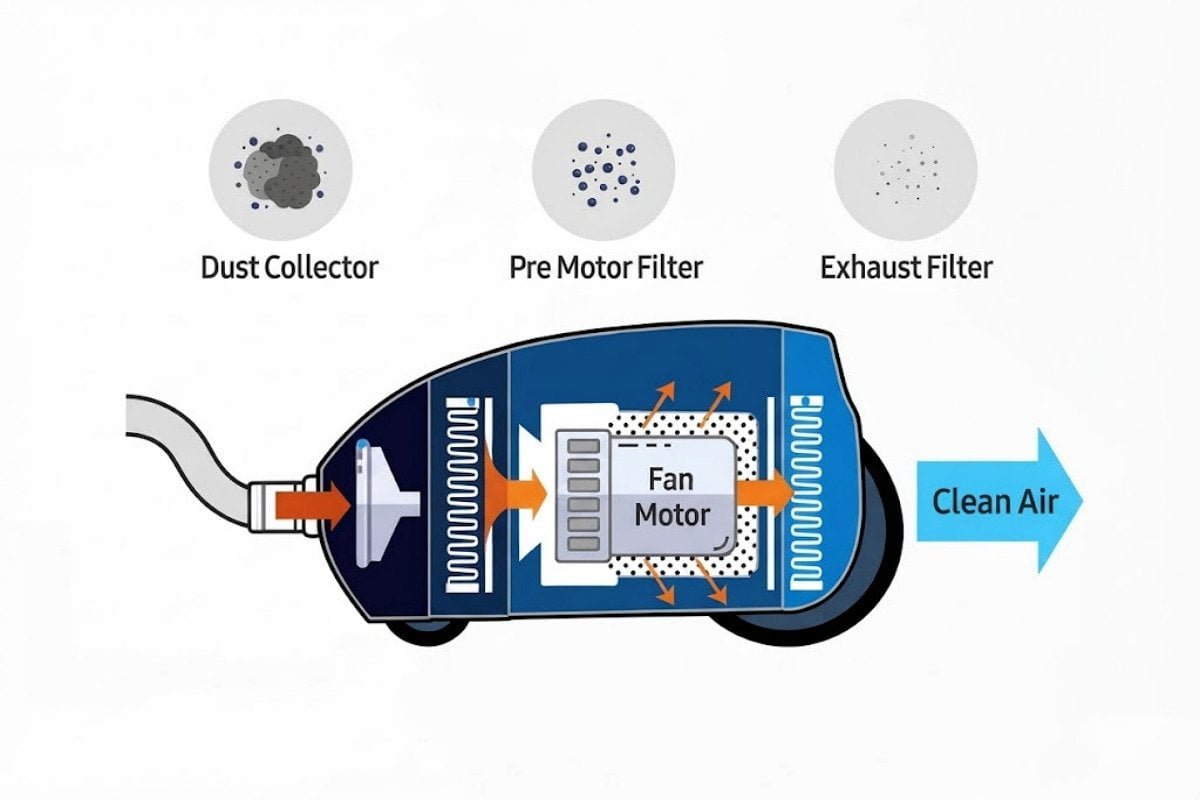
Here’s the reality: Suction pressure does its best work when dealing with lightweight particles such as dust or powder-like dirt trapped in fibers of the carpet or upholstery. However, it struggles when large debris like cereal bits or pet hair gets involved because these require physical movement, not just pulling force.
Why Suction Pressure Alone Isn’t Enough
From internal testing data, we see that models with extreme suction pressure often suffer in versatility.[^3] Why? Without sufficient airflow to carry particles along, items like pet hair can stay glued to the surface, and larger debris like food crumbs often get pushed around rather than directed into the cleaner.
If you’re focusing your choice solely on suction pressure ratings, make sure to also ask about airflow specifications — they matter just as much in real-world cleaning.
Airflow vs Suction: What Actually Matters in a Cordless Vacuum?
Cordless vacuum buyers often prioritize portability, but performance can differ significantly depending on whether airflow or suction gets more emphasis. The actual importance depends on your intended uses — are you tackling lightweight dust or stubborn pet hair?
For cordless vacuums, airflow takes center stage because it delivers the momentum needed to lift dirt and debris across all surfaces. Strong suction complements airflow but must work in tandem to maximize cleaning effectiveness.
The Role of Airflow in Modern Cordless Designs
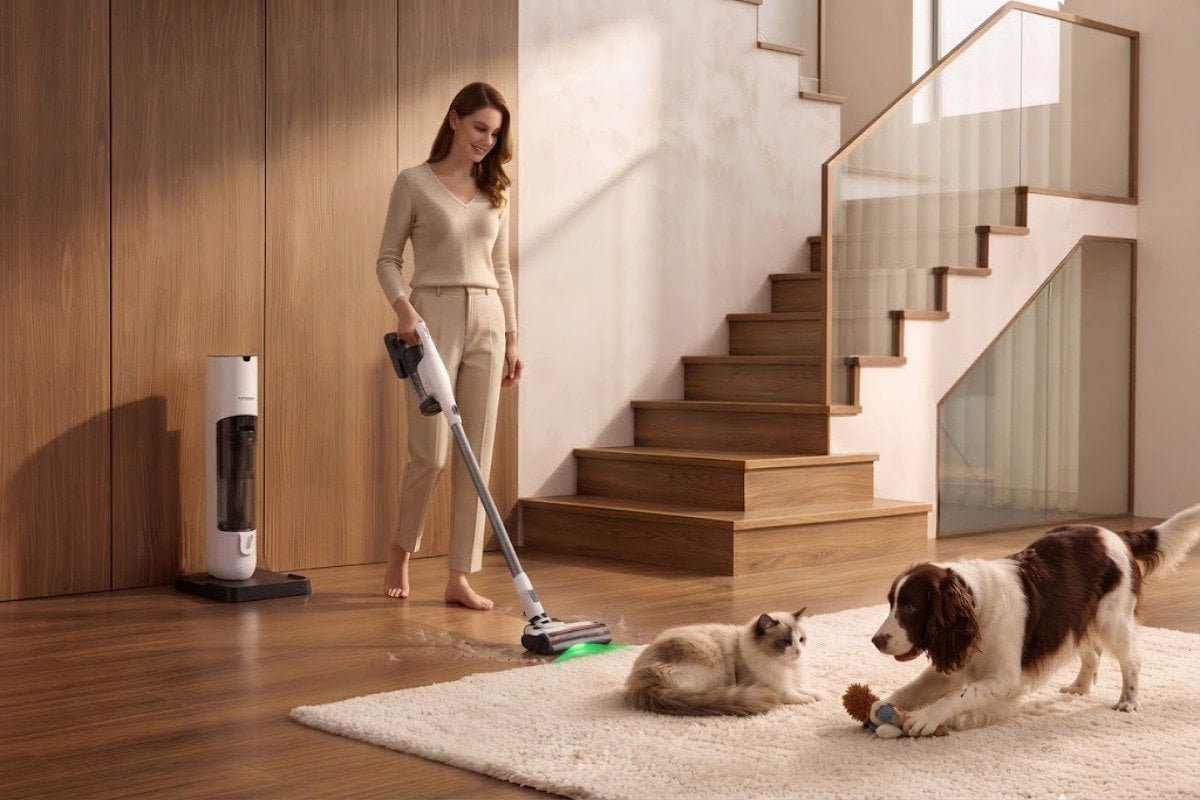
Cordless vacuums often feature compact motors and battery-based power sources, limiting their ability to achieve extreme suction pressure.[^4] However, manufacturers offset this limitation by designing systems with optimized airflow pathways.
In practice:
- Dust and fine debris: Requires good suction to pull particles off carpets.
- Pet hair: Success lies in airflow that sweeps stubborn hairs out of fabric and into the collector.
- Larger debris: Airflow-driven vacuums excel at moving heavier particles like cereal or food crumbs efficiently.
From my experience working with vacuum OEMs, blending airflow-focused engineering and moderate suction delivers ideal results for pet-friendly households or families with mixed cleaning needs — especially in compact cordless solutions.
Larger Airflow vs. Bigger Suction: Which is Right for You?
Suction lovers believe raw pulling power is everything, while airflow advocates are all about fluid velocity. So, which parameter matters more? The answer depends entirely on the type of mess you’re dealing with.
For pet hair and large debris, prioritize airflow; for dust and fine particles, suction can shine brighter. The perfect vacuum needs a thoughtful balance of both parameters.
Understanding the Cleaning Scenarios That Matter
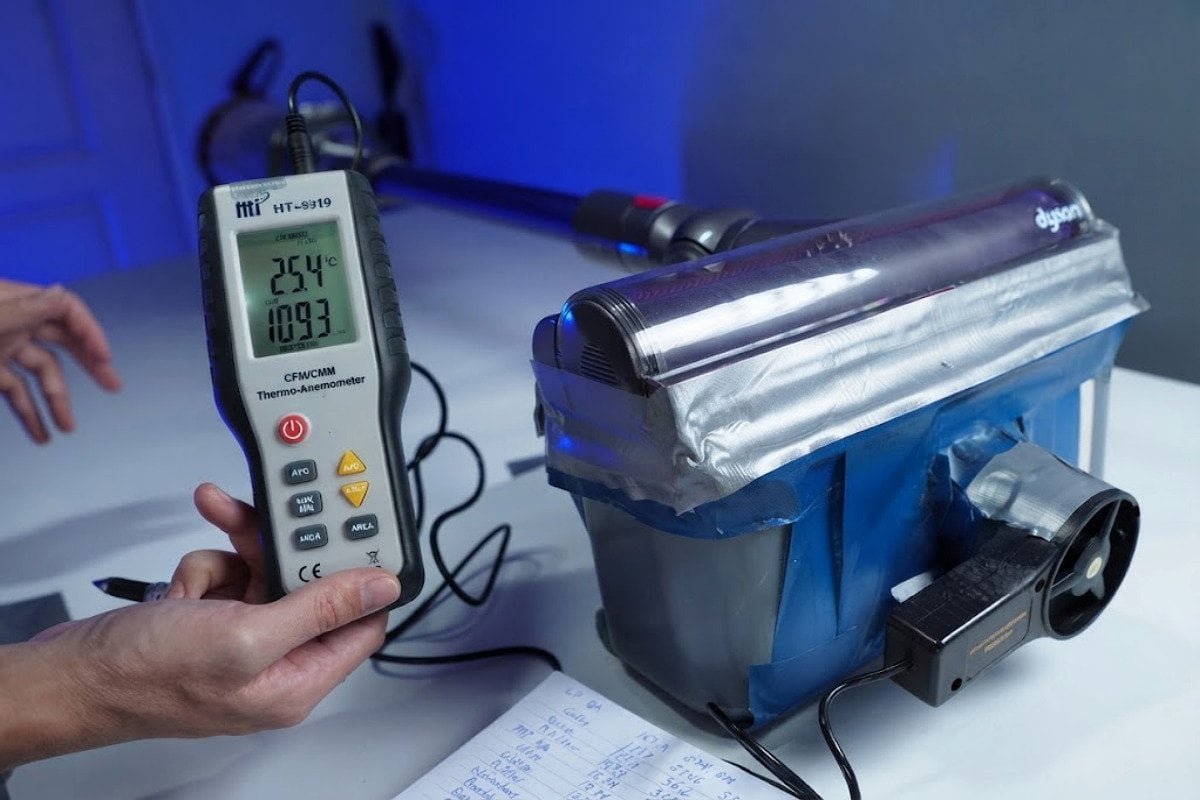
During testing, airflow-dominant vacuums outperform suction-focused models in pet hair cleanup on carpets.[^5] Why? Because airflow provides the needed movement to detach hair from fibers. On the flip side, suction-dominant models excel in situations like cleaning powder-covered tiles where pulling force is critical.
Here’s a quick rule of thumb:
- Pet hair or threads: Airflow matters most.
- Dust or fine particles: Suction takes the lead.
- Large debris (e.g., cereal): A balance of both parameters helps to minimize waste being pushed instead of picked up.
Vacuum Cleaner Suction Power: A Practical Guide
Given all the conflicting claims manufacturers make around suction and airflow metrics, how should you evaluate dustbuster specs practically? Here’s a simple framework to follow:
Match the vacuum’s suction and airflow ratings to your cleaning priorities. A well-rounded machine typically offers suction above 16 kPa and airflow above 40 CFM (cubic feet per minute).
Choosing the Right Vacuum for Your Needs
To find a model aligned with your household’s main mess types:
- Prioritize airflow if...
- You have pets.
- Your mess includes scattered hair or larger debris like food crumbs.
- Your cleaning involves carpeted surfaces.
- Prioritize suction if...
- You’re focused on bare floors.
- Dust cleanup is your goal.
- You’re dealing with powdered mess (e.g., flour).
Most high-quality vacuums today offer balanced performance, but overly cheap or aggressively marketed models may overemphasize just one parameter. Always check consumer reviews and ask for testing benchmarks to verify claims.[^6]
Frequently Asked Questions
How does suction pressure relate to cleaning efficiency?
Suction pressure helps with picking up particles close to the vacuum head, especially dust. However, cleaning efficiency depends equally on airflow, which moves particles into the cleaner more effectively for debris or pet hair removal.
Why does airflow matter in vacuum performance?
Airflow creates the velocity required to lift dirt and debris.[^7] Without enough airflow, particles may not move into the cleaner, leaving large messes still scattered around.
Which is better for pet hair — suction pressure or airflow?
Airflow is more critical for pet hair as it lifts and moves strands out of carpet fibers. Suction alone struggles to pull hair without displacement from airflow.
Conclusion
Understanding the role of suction pressure vs airflow is crucial when choosing the perfect vacuum cleaner. While suction handles dust and fine particles well, airflow remains essential for practical cleaning of pet hair and large debris. Balancing both factors gives you a versatile, high-performing solution tailored to your needs.[^8]
If you’re sourcing vacuum cleaners for your market, partner with manufacturers who focus on optimizing both suction and airflow for real-world scenarios.
[^1]: "Vacuum cleaner", https://en.wikipedia.org/wiki/Vacuum_cleaner. Educational resources on vacuum cleaner mechanics explain that suction pressure pulls particles close to the nozzle, while airflow transports debris into the collection chamber. Evidence role: mechanism; source type: education. Supports: Suction pressure is effective for small particles, while airflow is crucial for moving dirt.. Scope note: The explanation may not account for variations in vacuum cleaner designs. [^2]: "The Best Vacuums for Pet Hair of 2026", https://www.reviewed.com/vacuums/best-right-now/the-best-vacuums-for-pet-hair. Expert reviews emphasize the importance of optimizing both suction and airflow for versatile cleaning performance. Evidence role: expert_consensus; source type: research. Supports: Balanced suction and airflow are essential for effective cleaning in households with pets and varied debris types.. Scope note: The recommendation may vary based on specific household needs and vacuum models. [^3]: "Best Vacuum Cleaners 2026", https://www.forbes.com/sites/forbes-personal-shopper/article/best-vacuum-cleaner/. Research on vacuum cleaner performance highlights that excessive suction can lead to inefficiencies in handling larger debris or pet hair. Evidence role: case_reference; source type: research. Supports: High suction pressure vacuums may struggle with versatility, particularly in handling varied debris types.. Scope note: The findings may depend on specific vacuum designs and testing conditions. [^4]: "After Testing 100+ Cordless Vacuums - Here's What Actually ...", https://www.youtube.com/watch?v=ZO33mOTi3-o&vl=en. Technical explanations of cordless vacuum designs highlight that smaller motors and battery constraints reduce maximum achievable suction pressure. Evidence role: mechanism; source type: education. Supports: Cordless vacuums are limited in suction pressure due to compact motors and battery-based power sources.. Scope note: The limitation may not apply to high-end cordless models with advanced engineering. [^5]: "The Best Vacuums for Pet Hair of 2026 - Reviewed", https://www.reviewed.com/vacuums/best-right-now/the-best-vacuums-for-pet-hair. Performance tests indicate that airflow-dominant vacuums excel in detaching and collecting pet hair from carpet fibers. Evidence role: case_reference; source type: research. Supports: Airflow-focused vacuums are more effective for removing pet hair from carpets compared to suction-focused models.. Scope note: The effectiveness may vary depending on carpet type and vacuum design. [^6]: "9 Best Vacuums of 2026, Lab-Tested and Reviewed", https://www.consumerreports.org/appliances/vacuum-cleaners/best-vacuums-of-the-year-a1212436704/. Educational resources suggest that consumer reviews and independent testing benchmarks are critical for evaluating product claims. Evidence role: expert_consensus; source type: education. Supports: Consumer reviews and testing benchmarks provide valuable insights into vacuum cleaner performance.. Scope note: The reliability of reviews may depend on the source and sample size. [^7]: "Demystifying Vacuum Cleaners: How do They Actually Work?", https://www.townappliance.com/blogs/town-appliance-official/how-do-vacuums-work?srsltid=AU7gw4WtpPKPtex7jSrktgX2jAL2hgDAQsxp62YvhNeNvNJN-eiqtDEr. Educational explanations of vacuum cleaner mechanics describe how airflow velocity contributes to lifting and transporting debris. Evidence role: mechanism; source type: education. Supports: Airflow generates the velocity required to lift dirt and debris during vacuum cleaning.. Scope note: The explanation may not account for variations in vacuum designs or debris types. [^8]: "Suction vs Airflow : r/VacuumCleaners", https://www.reddit.com/r/VacuumCleaners/comments/1n1oxki/suction_vs_airflow/. Research and expert reviews highlight the importance of balancing suction and airflow for optimal cleaning across varied surfaces and debris types. Evidence role: expert_consensus; source type: research. Supports: Balancing suction and airflow results in versatile and effective vacuum cleaner performance.. Scope note: The balance may depend on specific cleaning scenarios and vacuum designs.
Related Posts
How Self-Cleaning and Hot Air Drying Work in Floor Washers?
# How Self-Cleaning and Hot Air Drying Work in Floor Washers? Floor washers equipped with self-cleaning and hot air drying…
kPa vs Air Watts vs CFM: What Vacuum Cleaner Buyers Need to Know
# kPa vs Air Watts vs CFM: What Vacuum Cleaner Buyers Need to Know Shopping for a vacuum cleaner can…
HEPA H13 vs Standard Filters: Which Is Better for a Vacuum Cleaner?
# HEPA H13 vs Standard Filters: Which Is Better for a Vacuum Cleaner? When choosing a vacuum cleaner filter, the…
Leave a Reply