
How to Compare Vacuum Cleaner Suction When Brands Use Different Units?
How to Compare Vacuum Cleaner Suction When Brands Use Different Units?
Suction power is one of the most marketed features of vacuum cleaners, yet comparing it across brands can feel like decoding a foreign language. Pascals, Air Watts, CFM—what do these numbers even mean? Without standardization, making sense of suction power can be challenging. In this guide, I’ll break down how to evaluate and compare suction power effectively, even if brands use different units.
Understanding suction power matters because misleading metrics can result in poor purchase decisions. Suction power doesn't act alone—it’s one piece of the puzzle in vacuum cleaner performance. Here’s how to cut through the noise and compare Vacuums line by line.
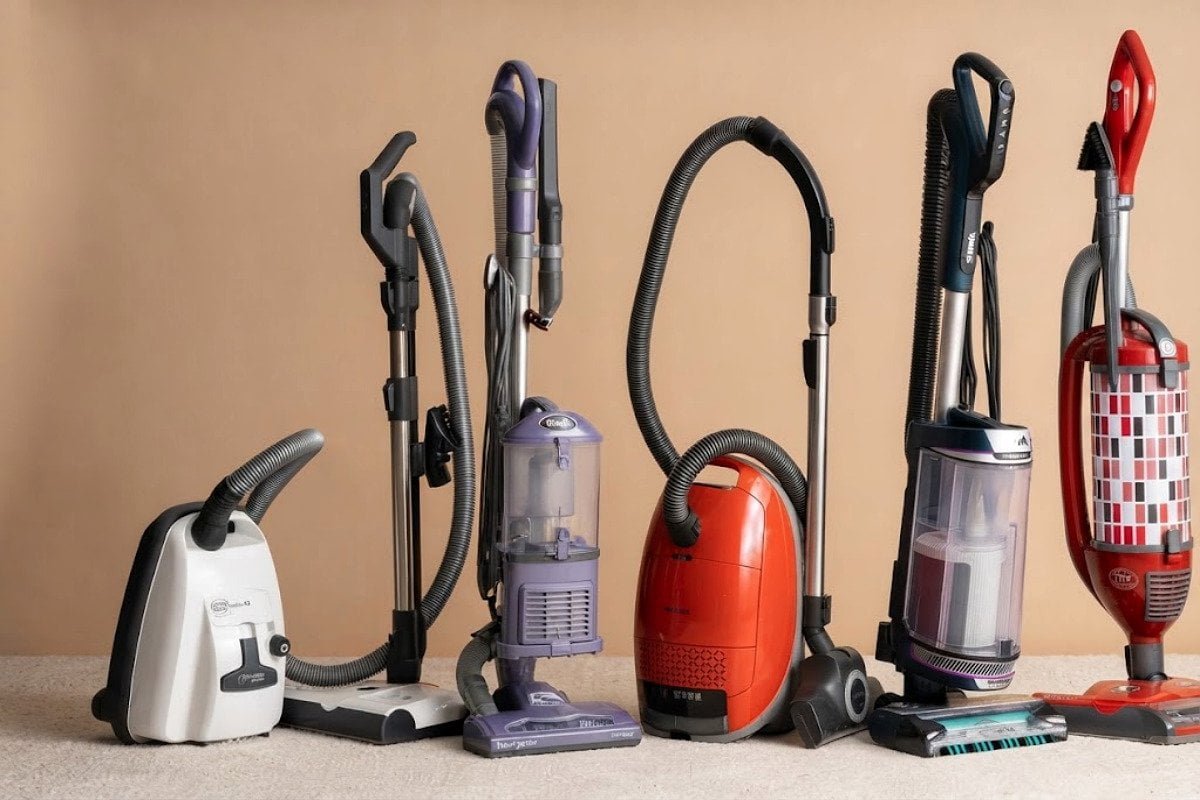
Suction power is complicated, but with a little knowledge, you can make informed decisions. Let’s dive deeper into the metrics, the comparisons, and the hidden factors that truly affect performance.
Pascals, Air Watts, and CFM: What Each Unit Actually Measures (And Why Brands Mix Them Up)?
Ever wondered why vacuum cleaner specifications seem like a jumble of numbers? Units like Pascals, Air Watts, and CFM measure different aspects of suction performance, but they’re often used interchangeably by brands.[^1] This can easily confuse buyers—maybe even intentionally.
What each unit measures:
- Pascals (Pa): Measures sealed suction or vacuum pressure—the ability to pull air from a sealed space.
- Air Watts: Combines suction and airflow into a single efficiency metric. Commonly used to show the "power" of suction.
- CFM (Cubic Feet per Minute): Refers to the rate at which air flows through the vacuum. High airflow is good for removing dirt over larger areas.
Brands mix these units up because each highlights a strength. Air Watts suggest power, Pascals showcase pressure, and CFM gives insight into dust-pulling ability.[^2] Unfortunately, it’s rare to get all three metrics for easy comparison.
Snippet answer: Brands use Pascals, Air Watts, or CFM to emphasize specific aspects of suction power. Pascals focus on vacuum pressure, Air Watts on efficiency, and CFM on airflow. Knowing what each measures lets you make smarter buying choices.
Digging deeper: Although each unit has meaning, none can fully define suction performance alone. For example:
- A vacuum with high airflow (CFM) but low sealed suction (Pa) might appear powerful but struggle with heavy debris stuck in carpets.[^3]
- Similarly, high Pascal ratings don’t always indicate better dust pickup if airflow is too low.
- Air Watts calculate efficiency but are influenced by motor power and energy loss.
Brands may hide weaker performance metrics behind strong ones. For instance, a high-pascal vacuum might distract from its mediocre airflow. When manufacturers supply data, combine the numbers to evaluate suction more holistically.
Additionally, some brands use proprietary units or vague descriptions like “maximum power.” If in doubt, request real-world performance data or standardized test results. Transparency from suppliers matters—a lesson I’ve learned working in OEM vacuum production.[^4]
The Quick Cheat Sheet: How to Compare Two Vacuums Line-by-Line?
Comparing vacuum cleaners with different metrics should be easier than solving quantum physics, right? So here’s my quick cheat sheet to get started on comparing models, no matter the units brands use.
Quick comparison guide:
- Look for Air Watts first. It combines suction force and airflow, giving a practical performance snapshot.
- Convert Pascals into Air Watts easily.[^5] Use the formula: Air Watts = (CFM × Vacuum Pressure in inches of water lift) ÷ 8.5
- Compare CFM for airflow performance. Higher CFM means better coverage—important for large areas.
- Request real-world test results. Lab-tested suction is informative, but field tests reveal usability.
Snippet answer: Use metrics like Air Watts, CFM, and standardized formulas to compare vacuum cleaners. Track real-world test data when available to ensure numbers translate into performance.
Dive deeper into comparison: Let’s apply this approach step-by-step:
- Step 1: Normalize units. If one vacuum lists Pascals and another lists Air Watts, use conversion formulas. For instance, converting Pascal ratings into inches of water lift simplifies direct Air Watt calculation.
- Step 2: Check accessory impact. Sometimes suction strength changes when using extensions, HEPA filters, or brush tools. Confirm if brands test using similar setups.
- Step 3: Note energy efficiency. Powerful vacuums might consume excessive energy, making them less cost-effective for long-term use. Look for balance between performance and wattage.
Also, see how each vacuum cleaner handles particular tasks:
- Carpets: Requires balanced suction and airflow.
- Hard floors: Prioritizes CFM to pull fine dust effectively.
- Dense debris: Favor higher Pascal models.
I’ve seen customers hesitant simply because conversion feels messy. But with practice, comparing is intuitive. Insist brands provide missing metrics rather than guesswork.
Beyond the Numbers: 3 Hidden Factors That Change Real-World Suction?
So, you’ve got numbers lined up—but does suction power translate perfectly into cleaning performance? No, because hidden factors often complicate it. Let’s explore what changes vacuum cleaner suction in the real world.
Three hidden factors affecting suction:
- Filtration systems: Filters block dust from escaping, but dirty or overly tight filters can reduce airflow.
- Seal integrity: Poor seals lead to leaks and pressure loss.
- Accessories and brush heads: Extendable tools lower suction efficiency or modify airflow direction.
Snippet answer: Filtration systems, sealing quality, and accessory design alter suction performance.[^6] Real-world quality beats raw numbers when comparing vacuum cleaners effectively.
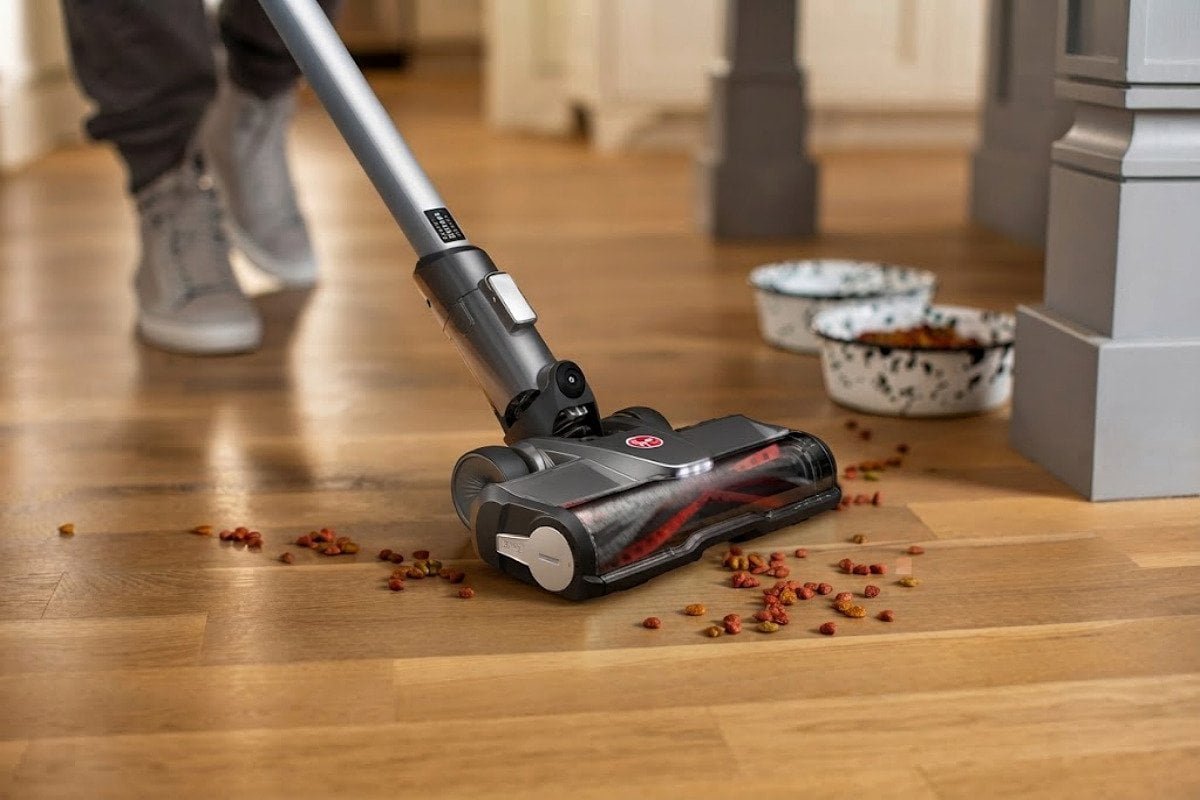
Don’t overlook real-world factors: You might find that two vacuums with identical Air Watts perform differently on specific surfaces. Why? Design flaws or maintenance issues play a role:
- Filter importance: A clogged HEPA filter limits airflow, even in high-suction vacuums. Regular maintenance keeps filtration optimal.
- Seal quality: Cheap seals crack easily, leaking suction pressure.[^7] Check build quality before purchase.
- Accessory load: Larger brush heads restrict airflow; small crevice tools concentrate suction but limit area coverage.
Testing matters here. Use practice-driven evaluations like carpet cleaning trials or hardwood dust tests—not just spec sheets. As OEM manufacturers, we regularly test prototypes with real debris, demonstrating how suction interacts with design features.
Frequently Asked Questions
Why do brands use different units to measure suction power?
Brands use different units to emphasize specific features. Pascals measure vacuum pressure, Air Watts combine suction and airflow efficiency, and CFM quantifies airflow. Each unit highlights different strengths or hides weaker aspects.
What’s the best unit to evaluate suction power?
Air Watts offer the most practical suction metric since they combine suction pressure (Pascals) and airflow (CFM). However, combining multiple metrics gives a clearer picture.
Does higher suction always mean better vacuum performance?
No. Suction is only one factor. Accessories, filtration systems, and build design play equal roles in determining overall cleaning effectiveness.
Conclusion
When comparing vacuum cleaner suction power, understanding units like Pascals, Air Watts, and CFM is essential to making smart decisions. Each tells part of the story, but combining metrics while considering real-world usage paints the full picture.
Beyond numbers, factors like filtration, seal quality, and accessories often determine true performance. Suction power matters, but it’s far from the only metric.[^8] Focus on field-tested reliability. For brands and buyers alike, accurate comparisons drive better results.
Ready to simplify your vacuum evaluations? Start by asking brands for transparency—and never underestimate real-world tests!
[^1]: "Airwatt", https://en.wikipedia.org/wiki/Airwatt. Pascals measure vacuum pressure, Air Watts combine suction and airflow efficiency, and CFM quantifies airflow rate. These units are distinct but complementary in evaluating vacuum cleaner performance. Evidence role: definition; source type: encyclopedia. Supports: Defines the measurement purposes of Pascals, Air Watts, and CFM in vacuum cleaner performance.. [^2]: "Airwatt", https://en.wikipedia.org/wiki/Airwatt. Air Watts measure suction efficiency, Pascals quantify vacuum pressure, and CFM indicates airflow rate, each contributing to overall vacuum performance. Evidence role: definition; source type: education. Supports: Clarifies the specific aspects of suction performance measured by Air Watts, Pascals, and CFM.. [^3]: "What Suction Power (in Pa) Is Sufficient For a Vacuum ...", https://honiture.com/blogs/home-cleaning/vacuums-suction-power?srsltid=AU7gw4Uzl_HqVAxSHMLPXBtl8Hngk83P2aYoZlUkSzdagx6GHWtoCHM_. High airflow (CFM) vacuums may struggle with heavy debris in carpets if sealed suction (Pa) is insufficient to lift embedded particles. Evidence role: mechanism; source type: research. Supports: Describes how high airflow combined with low suction pressure affects vacuum cleaner performance on carpets.. Scope note: The source may focus on general principles rather than specific vacuum models. [^4]: "Supply chain transparency, explained", https://mitsloan.mit.edu/ideas-made-to-matter/supply-chain-transparency-explained. Supplier transparency is critical for consumers to make informed decisions based on accurate performance metrics. Evidence role: expert_consensus; source type: institution. Supports: Highlights the importance of supplier transparency in providing accurate vacuum cleaner performance metrics.. Scope note: The source may not directly address OEM vacuum production experiences. [^5]: "Airwatt", https://en.wikipedia.org/wiki/Airwatt. Air Watts can be calculated using the formula: (CFM × Vacuum Pressure in inches of water lift) ÷ 8.5, enabling comparisons across different suction metrics. Evidence role: mechanism; source type: education. Supports: Provides the formula for converting Pascals into Air Watts for vacuum cleaner comparisons.. Scope note: The formula assumes standardized conditions and may not account for all variables. [^6]: "How Does Vacuum Filter Work and Why It Matters ...", https://www.eufy.com/blogs/robovac/how-vacuum-filter-works-why-you-need-it. Filtration systems, sealing quality, and accessory design significantly affect suction performance by modifying airflow and pressure dynamics. Evidence role: mechanism; source type: research. Supports: Explains how filtration systems, sealing quality, and accessory design influence suction performance.. [^7]: "Vacuum Seals Design Criteria", https://llis.nasa.gov/lesson/674. Low-quality seals are prone to cracking, which can result in suction pressure leaks and reduced vacuum performance. Evidence role: mechanism; source type: research. Supports: Describes how poor seal quality can lead to suction pressure loss in vacuum cleaners.. Scope note: The source may not provide specific examples of seal failures in vacuum cleaners. [^8]: "What Suction Power (in Pa) Is Sufficient For a Vacuum ...", https://honiture.com/blogs/home-cleaning/vacuums-suction-power?srsltid=AU7gw4WSdAdYHMTYAdTdzWwVboRxI6IjcLlKdCnoVceKDlRbL_gAu1nf. While suction power is important, factors like filtration, airflow, and accessory design also play critical roles in vacuum cleaner effectiveness. Evidence role: general_support; source type: research. Supports: Explains why suction power is only one of several important metrics in vacuum cleaner performance..
Related Posts
How Self-Cleaning and Hot Air Drying Work in Floor Washers?
# How Self-Cleaning and Hot Air Drying Work in Floor Washers? Floor washers equipped with self-cleaning and hot air drying…
kPa vs Air Watts vs CFM: What Vacuum Cleaner Buyers Need to Know
# kPa vs Air Watts vs CFM: What Vacuum Cleaner Buyers Need to Know Shopping for a vacuum cleaner can…
HEPA H13 vs Standard Filters: Which Is Better for a Vacuum Cleaner?
# HEPA H13 vs Standard Filters: Which Is Better for a Vacuum Cleaner? When choosing a vacuum cleaner filter, the…
Leave a Reply