
How Vacuum Cleaner Suction Power Is Tested: Peak Claims vs Real-World Performance
How Vacuum Cleaner Suction Power Is Tested: Peak Claims vs Real-World Performance
When evaluating vacuum cleaners, suction power often grabs the spotlight. Manufacturers highlight impressive figures to stand out: air watts, Pascals, and CFM numbers sound promising, but do they truly reflect how the vacuum performs in daily life? Spoiler alert: What you see in marketing claims isn’t always what you’ll experience on your floors.
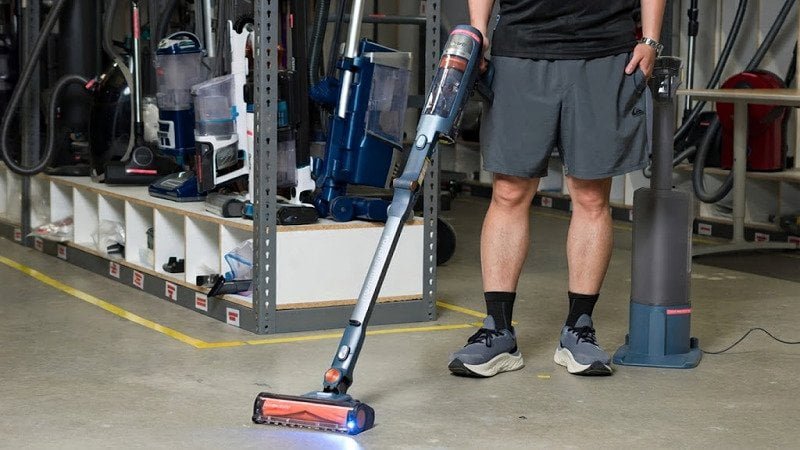
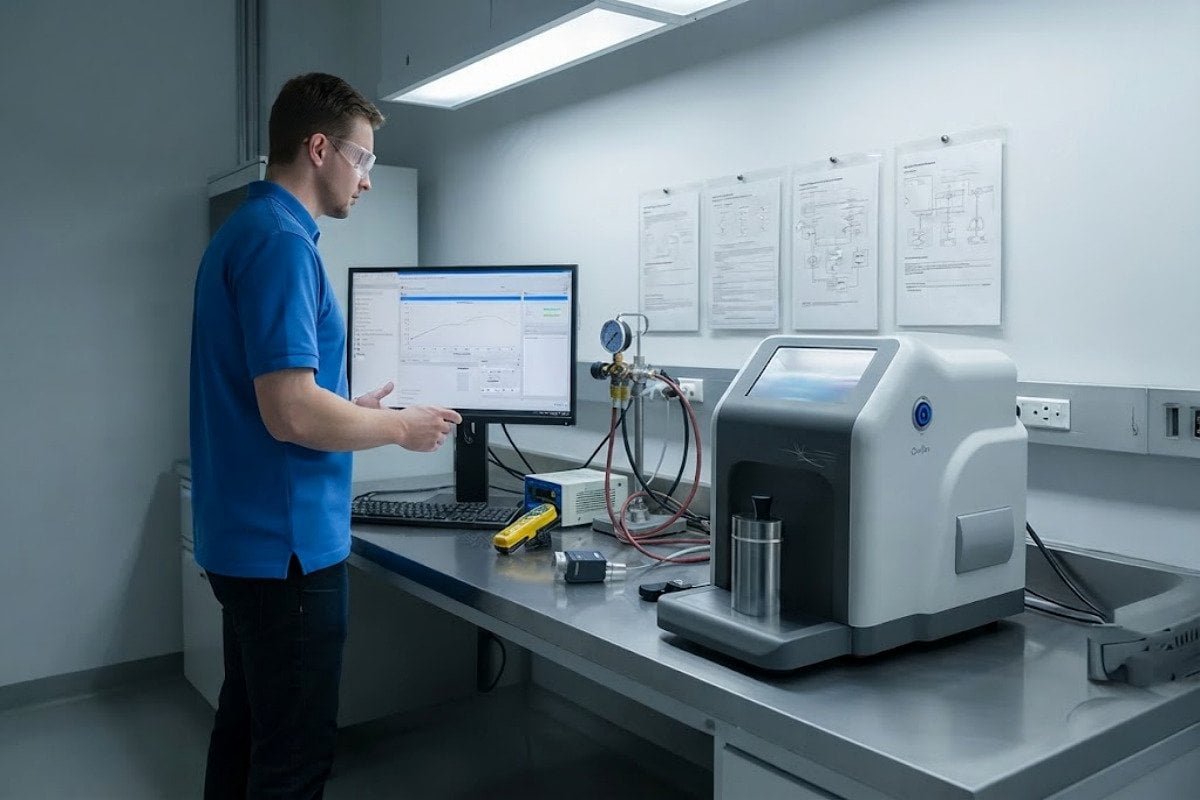
Vacuum cleaner suction power is tested using controlled environments that measure "peak suction." However, these lab results often differ from real-world efficiency due to factors like dust buildup, varied surfaces, and performance standards. Understanding these discrepancies helps buyers make better choices and set realistic expectations.[^1]
Here’s the kicker: vacuum cleaners aren’t all created equal, and those glossy marketing numbers can easily mislead. Let’s explore the gap between lab claims and reality—and how to test your vacuum’s true performance from the comfort of your own home.
Lab Specs vs. Daily Cleaning: What Air Watts, Pascals, and CFM Really Mean for You?
Many buyers assume higher numbers mean better machines—a natural conclusion. But is that true when translating lab results into daily vacuuming scenarios?
In lab testing, suction power is measured using controlled conditions, often capturing "peak" performance. In real life, these figures—often given in air watts, Pascals, and CFM—don’t always reflect actual cleaning efficiency due to how testing environments differ from home surfaces.
Breaking Down the Metrics
Let’s demystify those terms:
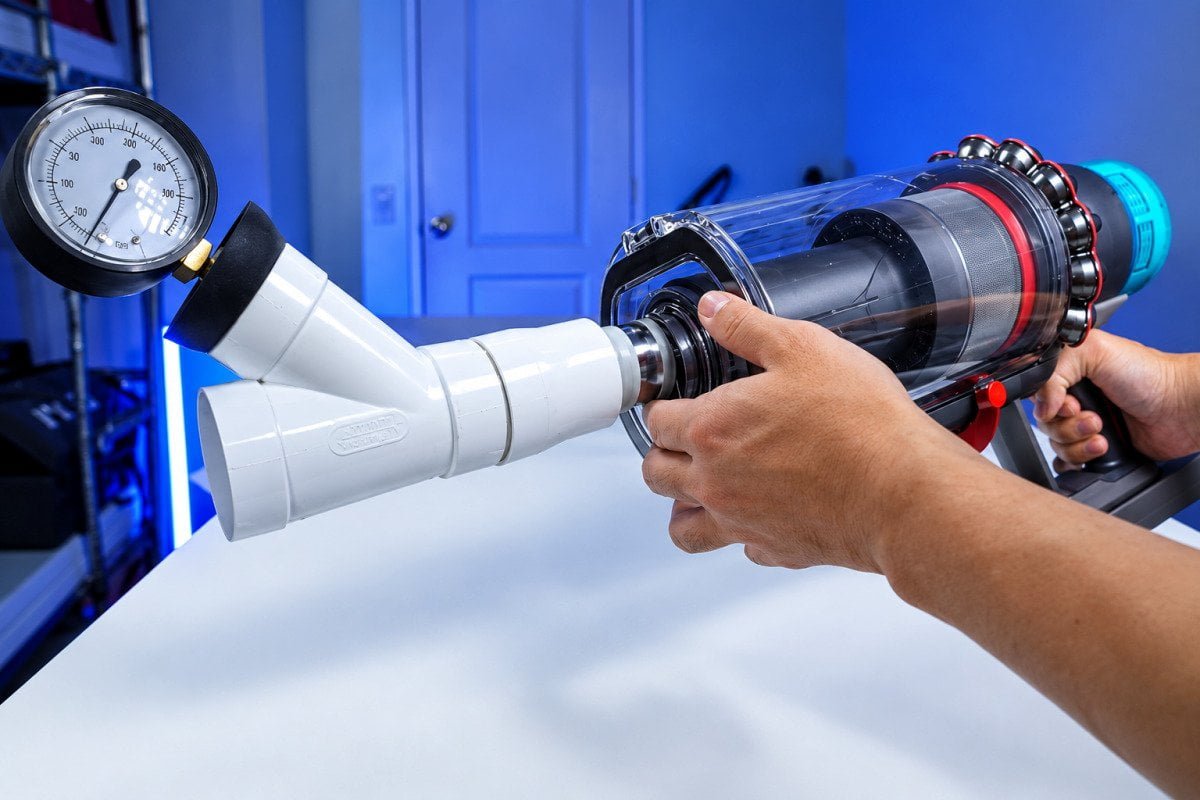
- Air Watts: Often seen in marketing brochures, air watts quantify the energy transferred to airflow. Ideal for judging raw suction but doesn’t account for obstacles like dust or flooring types.
- Pascals (Pa): A measure of pressure intensity. High Pascals indicate stronger suction but don’t account for how air moves through different floor materials.[^2]
- CFM (Cubic Feet per Minute): Indicates airflow volume. High CFM is crucial for debris removal on hard floors but doesn’t reflect motor performance on carpets.[^3]
What does this mean? These numbers are valuable but incomplete. For instance, a machine with high Pascals might excel at drawing fine dust but struggle with heavy debris. Similarly, CFM without adequate filtration may scatter dirt rather than trap it.
Why Lab Numbers Miss the Mark
Lab tests aren’t wrong—they’re just limited. Here’s the catch:
- Controlled environments: Tests often use flat surfaces devoid of carpet fibers, gaps, or dust layers.[^4] That’s not how your home looks, right?
- Single-material evaluation: Hard floors or synthetic carpets are standard for tests, ignoring real-world scenarios like pet hair or mixed flooring.
To evaluate vacuum cleaners properly, you need to think beyond specs—consider how the machine operates across your specific environment.
The "Peak Suction" Marketing Trap: Why Machines Lose Power on Real Floors
Ever bought a vacuum with "powerful suction claims" only to find it struggling on thick carpets or clogged filters? You’re not alone.
Peak suction measurements are designed to show the vacuum cleaner at its absolute best.[^5] Unfortunately, these idealized results rarely hold up against the real-world challenges of mixed surfaces, dust accumulation, and variable airflow.
Why Floor Performance Differs
Here’s what’s happening behind the scenes:
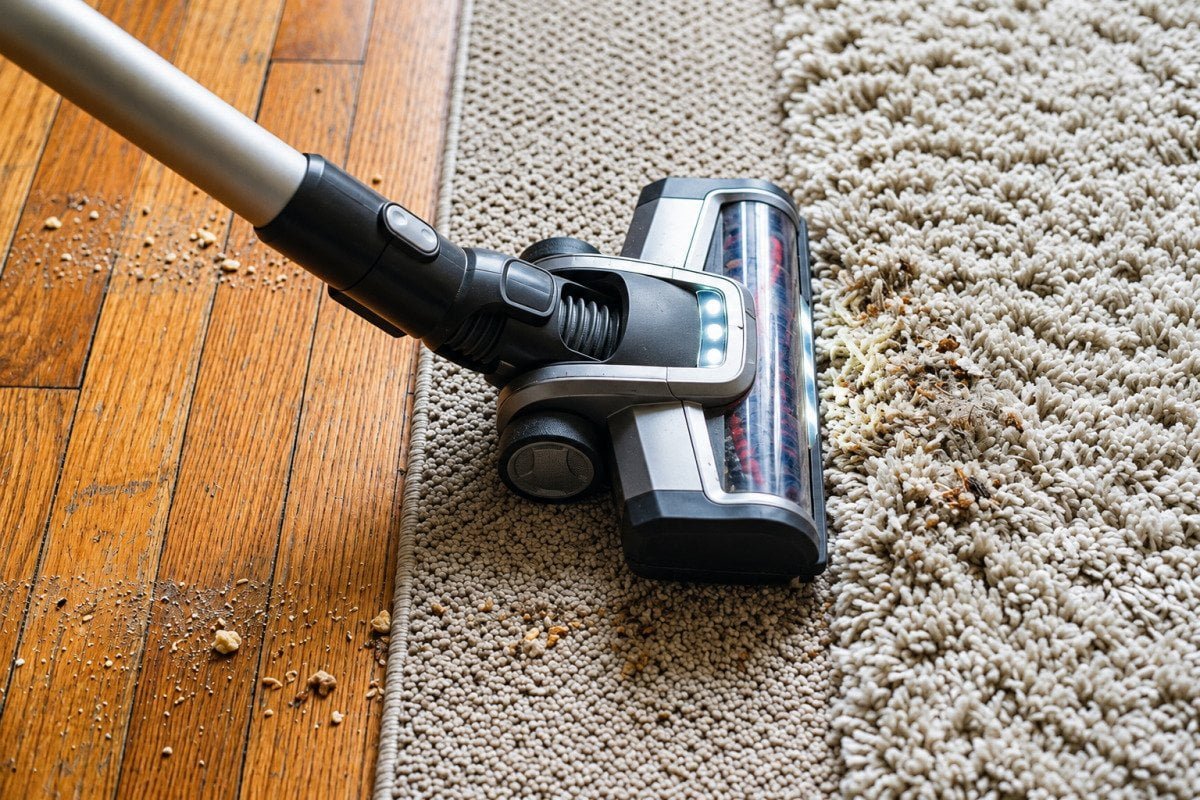
- Surface variability: Different flooring types (wood, tile, carpet) impact suction.[^6] Airflow and pressure behave differently when a vacuum head tackles uneven surfaces.
- Dust buildup: Filters clog, bags fill, and suction power drops.[^7] A machine might test fine with empty filters but fail under load.
- Air restrictions: Hair, threads, or debris clog airflow paths, diminishing suction levels.
A Sneaky Tactic: "Pressure At One Point"
Some marketing materials highlight suction at the vacuum’s nozzle (often with Pascals or air watts). But think logically: how often do you vacuum in straight strips under perfect conditions? A machine’s efficiency decreases when dust clogs or pressure builds against tricky paths like corners and edges.
The takeaway: Always be skeptical of "absolute peak suction" claims. Instead, focus on balanced metrics, filtration system reliability, and user feedback for a clearer picture of real-world performance.
How to Test Your Vacuum's Real Performance at Home (Without Fancy Gear)
Okay, so you know lab tests don’t tell the full story—but how can you evaluate your vacuum cleaner’s True Performance™? Luckily, you don’t need specialized equipment to get practical answers.
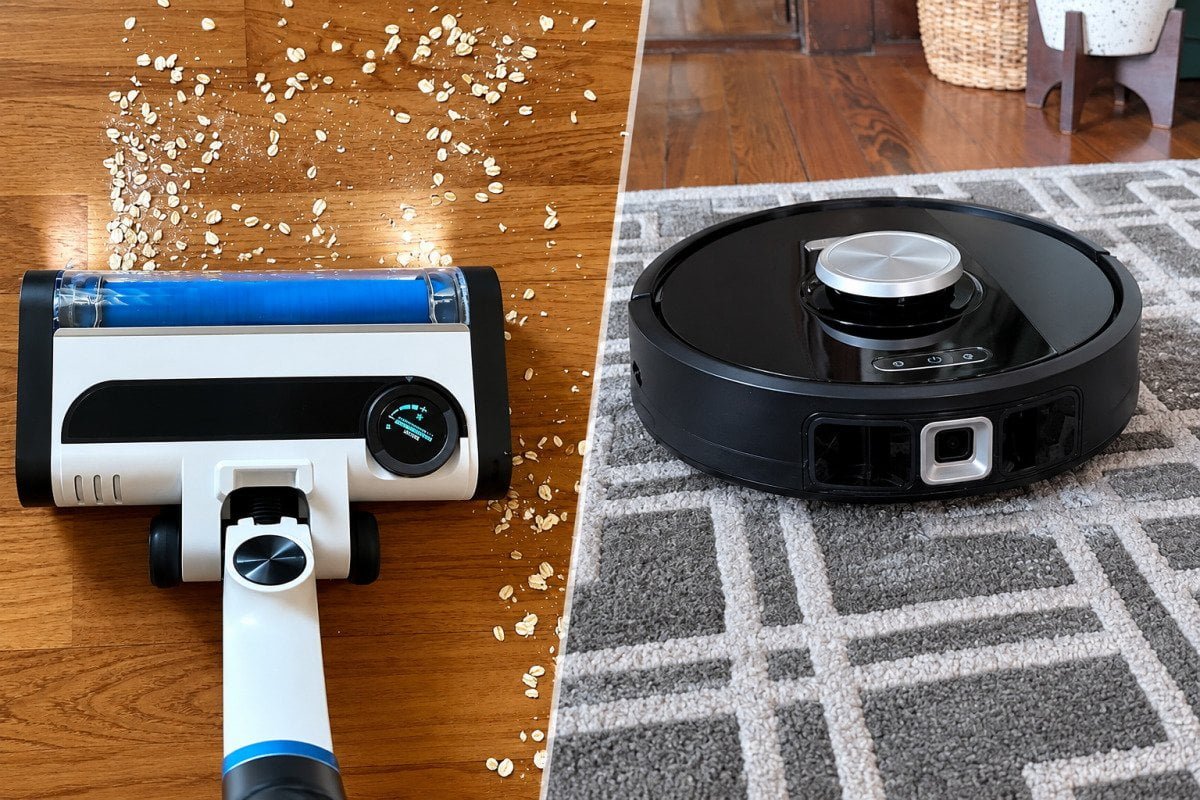
Testing at home involves using regular materials and surfaces to observe suction consistency, airflow, and efficiency in real cleaning scenarios (e.g., dust on carpets, edges, and hair-filled corners). Practical DIY tests reveal tangible cleaning performance.
DIY Testing Methods
Here’s how you can put your vacuum to the test:
- Suction on multiple surfaces: Use dust or flour on mixed surfaces—tile, hardwood, and carpeting—to see how smoothly debris gets picked up.
- Corner performance: Sprinkle debris into tight spaces (like edges of furniture or wall gaps) and measure pickup efficiency.
- Heavy debris test: Use rice, cereal, or larger particles to evaluate airflow strength in head-to-floor transitions.
- Filter clogging observation: Simulate real-world usage by running extended tests with dusty materials to assess how filters hold up.
What to Look For
During your tests, consider the following:
- Consistency across surfaces: Does suction drop on carpets or tile? Some machines struggle to adapt to surface changes.
- Debris scatter: Check whether dust gets blown or sucked in. Inconsistent suction usually results in waste redistribution.
- Ease of maintenance: How quickly do filters clog and are they easy to clean? A vacuum that loses power too quickly may be impractical over time.
Performing a few simple tests can make all the difference, helping you uncover whether a manufacturer’s claims align with your real-life cleaning needs.
Frequently Asked Questions
What’s the difference between air watts and motor watts?
Air watts measure suction energy transferred through airflow, while motor watts measure electrical power consumed. High motor wattage doesn’t guarantee strong suction—always check suction-focused metrics like Pascals or CFM.
Can vacuum cleaners maintain "peak suction" over time?
No. Most vacuums lose power due to buildup in filters and bags, air blockage, and wear and tear. Regular maintenance helps but doesn’t eliminate the drops in real-world use.
Are certified vacuums worth considering?
Yes. Machines adhering to ISO standards or other certifications typically undergo rigorous testing for consistency.[^8] However, even certified vacuums should be evaluated for scenario-specific performance (e.g., pet hair, carpets).
How can I avoid buying a vacuum that over-promises suction?
Read reviews focused on daily cleaning outcomes, conduct in-home tests if possible, and choose machines with well-balanced features instead of solely relying on suction claims.
Is suction power the most important factor in vacuum cleaners?
Not always. Maneuverability, filtration systems, dust capacity, and noise levels all impact daily usability. Suction alone doesn’t guarantee effectiveness.
Conclusion
While vacuum cleaner suction power tests advertise impressive results, they often fail to reflect real-world performance on messy floors, clogged filters, or uneven surfaces. Understanding lab-tested air watts, Pascals, and CFM differences—and conducting home evaluations—helps buyers make smarter choices without falling for "peak suction" traps.
Ready to dive deeper into vacuum cleaner evaluation? Contact us to explore tailored options for your market needs today!
[^1]: "Survey data on customer two-stage decision-making process ...", https://pmc.ncbi.nlm.nih.gov/articles/PMC10999798/. Research indicates that consumers who understand product testing discrepancies are more likely to make informed purchasing decisions, particularly in categories like home appliances. Evidence role: general_support; source type: research. Supports: This source should provide evidence that understanding discrepancies in lab testing influences consumer purchasing decisions.. Scope note: The study may focus on general consumer behavior rather than vacuum cleaners specifically. [^2]: "Cleaning efficacy of high-efficiency particulate air-filtered ...", https://pubmed.ncbi.nlm.nih.gov/18075882/. While Pascals measure pressure intensity, they do not account for airflow dynamics across varied surfaces, which can significantly impact cleaning efficiency. Evidence role: mechanism; source type: education. Supports: This source should explain the limitations of using Pascals as a measure of suction power in real-world scenarios.. Scope note: The explanation may focus on theoretical limitations rather than empirical data. [^3]: "What is the best robot vacuum for hard floors and carpets?", https://www.dyson.com/discover/news/latest/what-is-the-best-robot-vacuum-for-hard-floors-and-carpets. CFM, or cubic feet per minute, measures airflow volume and is particularly effective for debris removal on hard floors, though its impact on carpet cleaning depends on additional factors like suction power and brush design. Evidence role: mechanism; source type: research. Supports: This source should explain the role of CFM in debris removal and its limitations on carpets.. Scope note: The source may not provide direct comparisons between hard floors and carpets. [^4]: "Gently Vacuumed: A term widely used, but rarely measured!", https://mci.si.edu/gently-vacuumed-term-widely-used-rarely-measured. Vacuum cleaner tests often use standardized flat surfaces, such as synthetic carpets or hard floors, which do not replicate real-world conditions like uneven surfaces or dust accumulation. Evidence role: mechanism; source type: institution. Supports: This source should describe the controlled testing environments used for vacuum cleaners and their limitations.. Scope note: The source may focus on specific testing standards rather than broader industry practices. [^5]: "Hydrodynamic modelling of aquatic suction performance and ...", https://pmc.ncbi.nlm.nih.gov/articles/PMC1664642/. Peak suction measurements are typically conducted under controlled conditions to showcase maximum performance, often excluding factors like filter clogging or surface variability. Evidence role: mechanism; source type: research. Supports: This source should explain how peak suction measurements are conducted and why they represent idealized conditions.. Scope note: The explanation may not address all variables excluded in peak suction tests. [^6]: "How to Properly Vacuum Different Types of Floors?", https://www.ecovacs.com/us/blog/how-to-vacuum-properly. Research shows that flooring types like wood, tile, and carpet affect suction performance due to variations in airflow resistance and debris pickup efficiency. Evidence role: mechanism; source type: research. Supports: This source should explain how different flooring types impact vacuum cleaner suction performance.. Scope note: The study may focus on specific flooring types and not cover all possible variations. [^7]: "Vacuum lost its suction? Don't rush to replace it! A clogged or ...", https://www.facebook.com/lynseyqueenofclean/posts/vacuum-lost-its-suction-dont-rush-to-replace-ita-clogged-or-dirty-filter-could-b/1676673463822389/. Studies indicate that filter clogging and bag filling significantly reduce suction power by restricting airflow and increasing motor strain. Evidence role: mechanism; source type: research. Supports: This source should explain how filter clogging and bag filling reduce suction power in vacuum cleaners.. Scope note: The findings may vary depending on vacuum cleaner design and filter type. [^8]: "Vacuum and Cleaning Equipment Testing and Certification", https://www.intertek.com/building/flooring/vacuum-cleaning-equipment/. ISO standards, such as ISO 60312-1, specify rigorous testing procedures for vacuum cleaner performance, including suction power and filtration efficiency. Evidence role: expert_consensus; source type: institution. Supports: This source should explain how ISO standards ensure rigorous testing for vacuum cleaner performance.. Scope note: The source may focus on specific ISO standards and not include other certifications.
Related Posts
How Self-Cleaning and Hot Air Drying Work in Floor Washers?
# How Self-Cleaning and Hot Air Drying Work in Floor Washers? Floor washers equipped with self-cleaning and hot air drying…
kPa vs Air Watts vs CFM: What Vacuum Cleaner Buyers Need to Know
# kPa vs Air Watts vs CFM: What Vacuum Cleaner Buyers Need to Know Shopping for a vacuum cleaner can…
HEPA H13 vs Standard Filters: Which Is Better for a Vacuum Cleaner?
# HEPA H13 vs Standard Filters: Which Is Better for a Vacuum Cleaner? When choosing a vacuum cleaner filter, the…
Leave a Reply