
How Much Suction Does a Vacuum Need for Hard Floors, Carpets, Cars, and Upholstery?
How Much Suction Does a Vacuum Need for Hard Floors, Carpets, Cars, and Upholstery?
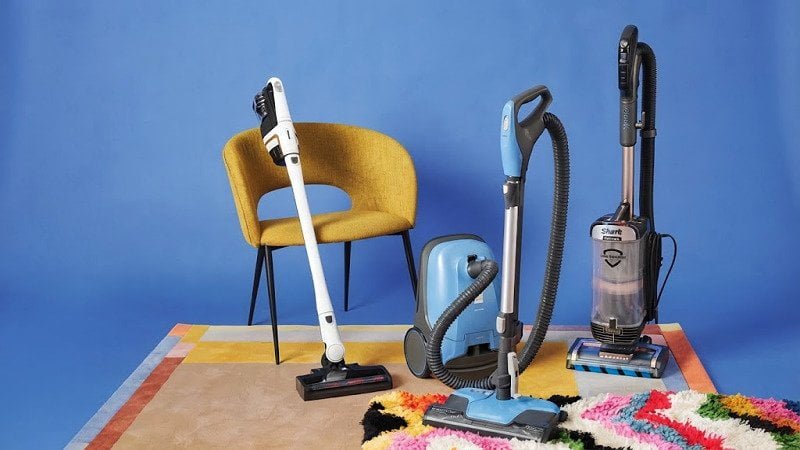
Choosing the right vacuum cleaner often boils down to one key question: how much suction power do you really need for different surfaces like hard floors, carpets, cars, and upholstery? Understanding suction requirements based on surface types ensures optimal cleaning results without unnecessary overengineering. Let’s break down suction specs for practical buyer decisions.
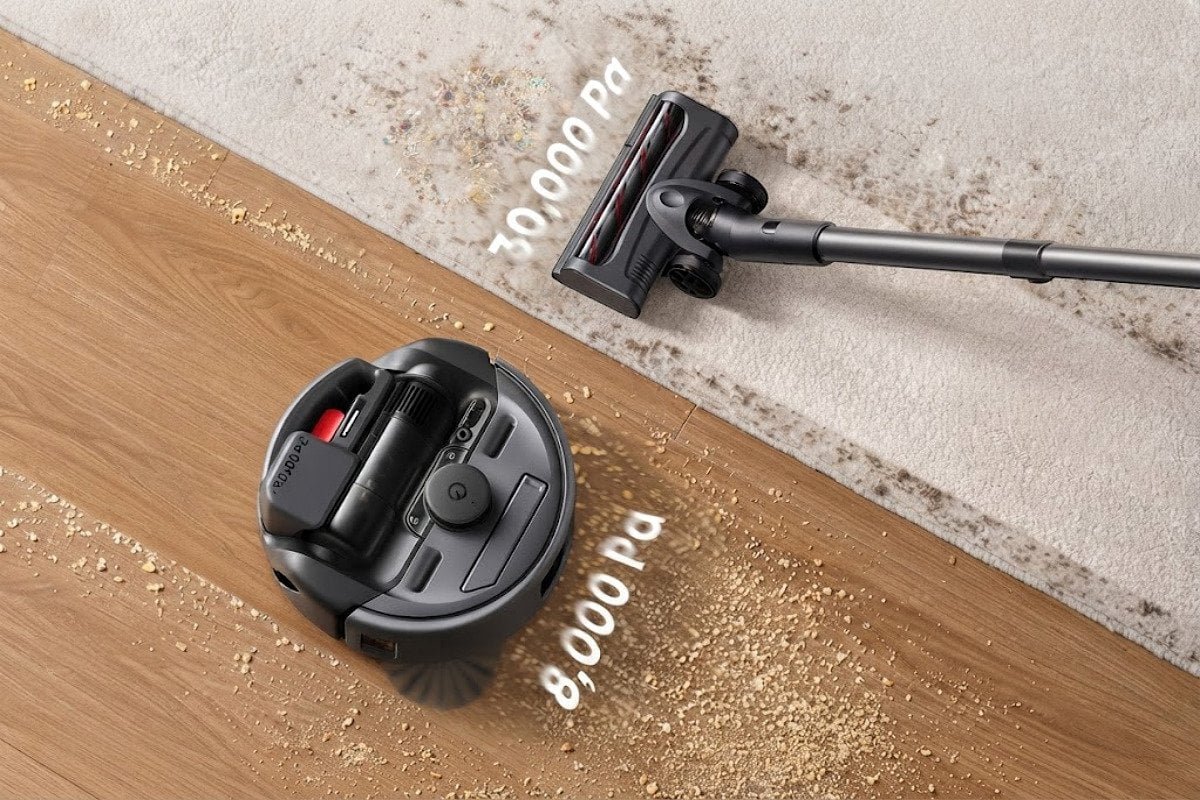
When it comes to vacuum performance, buyers often equate high suction power with better cleaning. But in reality, the required power varies depending on what and where you're cleaning. Below, I'll help you decipher vacuum suction specs, tailor recommendations for common surfaces, and avoid common pitfalls like battery overuse and fabric damage.
Air Watts vs. Pascals (Pa): Deciphering Vacuum Suction Specs Before You Buy?
Confused about suction power labels like air watts and Pascals? You’re not alone.
Air Watts (AW) and Pascals (Pa) measure suction in different ways. Air Watts reflect overall cleaning efficiency, while Pascals indicate raw suction strength directly linked to pressure.[^1] Recognizing the difference will help you make smarter purchase decisions.
Why measuring suction gets technical
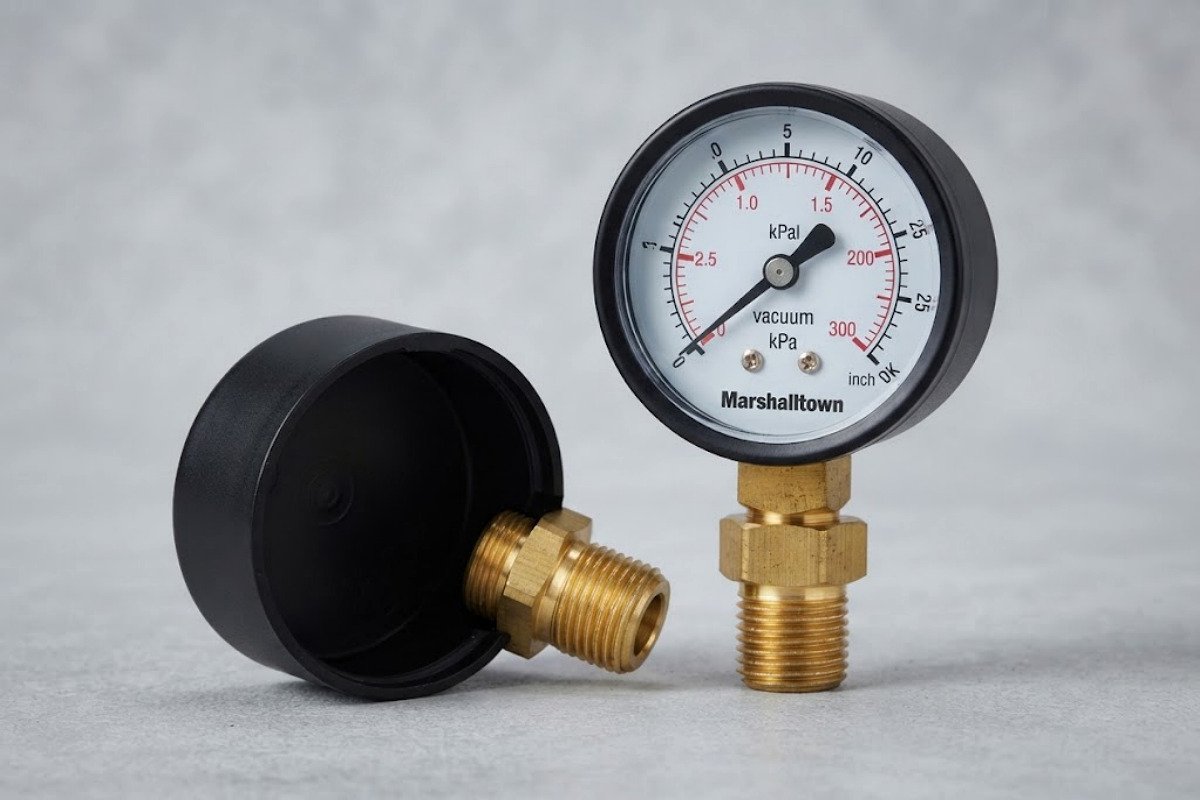
Vacuum manufacturers tend to advertise suction power in two units—Air Watts and Pascals. While they sound impressive, the technicality behind them matters.
- Air Watts (AW): This metric encompasses two components: suction power and airflow. It’s ideal when you're comparing vacuums for cleaning effectiveness across general household tasks.
- Pascals (Pa): This refers specifically to the pressure exerted by the vacuum's motor to lift debris. It’s often used for precision tasks like cleaning car interiors or light fabrics.
| Unit | What It Relates To | Example Scenarios |
|---|---|---|
| Air Watts (AW) | Cleaning efficiency | General household vacuums |
| Pascals (Pa) | Suction strength/pressure | Deep cleaning car crevices/upholstery |
For most buyers, Air Watts are sufficient for evaluating household vacuums, while Pascals may be better suited for specialty use cases.
Misleading marketing claims to avoid
Manufacturers sometimes confuse buyers by overstating suction power in terms of Pascals, making it seem as though higher numbers automatically mean better performance.[^2] But in practice, excessive suction can lead to problematic results—more on that later.
Suction Breakdown by Surface: Recommended Power Levels for Hardwood, Carpets, Upholstery, and Cars?
Different surfaces demand different suction levels—what works on hardwood might be entirely ineffective (or even harmful) on thick carpets.
Hardwood floors need lower suction paired with efficient airflow, while thick carpets require higher suction to pull debris trapped deep within fibers.[^3] Cars and upholstery cleaning demand targeted, maneuverable suction.
What’s the sweet spot for suction?
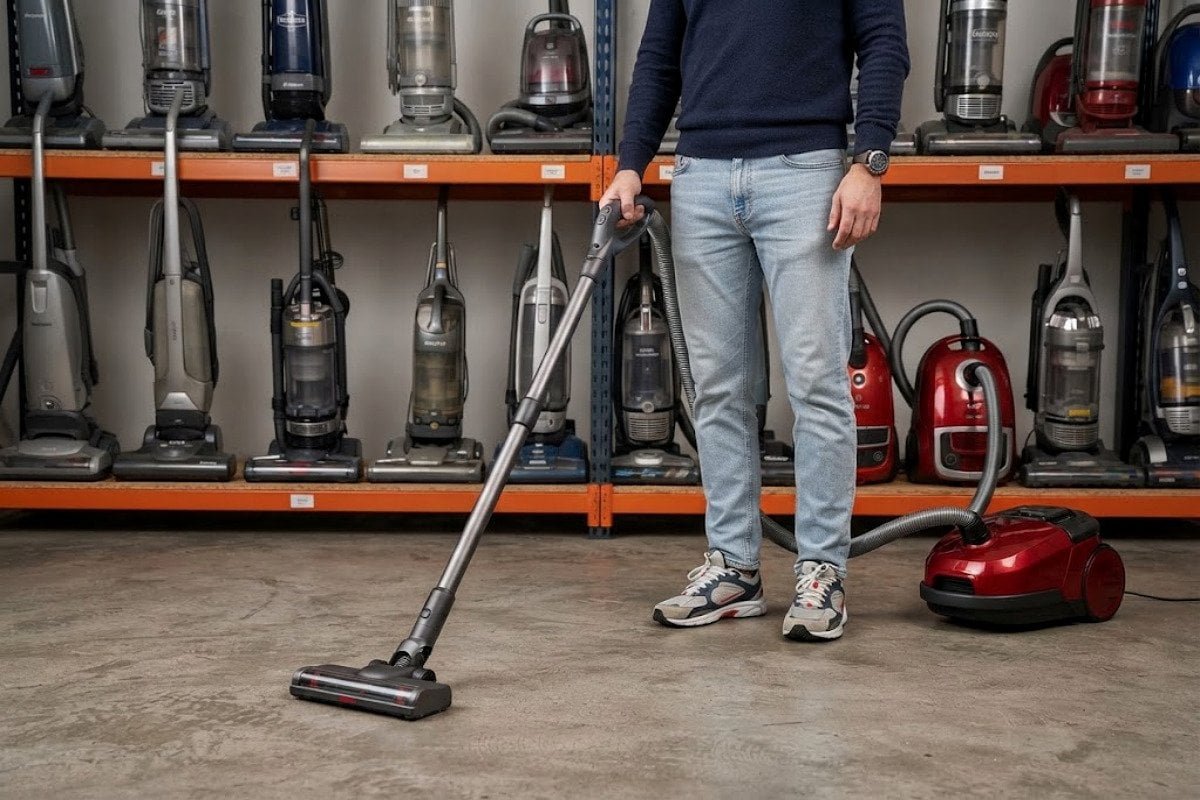
Let’s break it down by surface type:
- Hard floors: 100–150 AW is generally enough. Too much suction can scatter debris rather than collect it.
- Carpets: For medium-pile carpets, aim for 150–200 AW. High-pile carpets require upwards of 200 AW.[^4]
- Cars: Pascals matter more here; look for vacuums offering 10,000–15,000 Pa.[^5] Maneuverability outweighs suction power in tight spaces.
- Upholstery: Stick to 75–100 AW, as too much suction risks pulling and damaging fabric fibers.
| Surface Type | Recommended Air Watts (AW) | Special Consideration |
|---|---|---|
| Hard Floors | 100–150 AW | Prioritize airflow over brute strength |
| Medium Carpets | 150–200 AW | Ensure deep debris removal |
| High-Pile Carpets | 200 AW+ | Opt for adjustable power settings |
| Cars | N/A (10,000–15,000 Pa) | Maneuverability first |
| Upholstery | 75–100 AW | Prevent fabric damage |
Why surface-specific suction matters
I’ve noticed buyers often overlook how floors and fabrics react differently to suction force. For instance, too much power on hard floors might blow light debris away, while insufficient suction on thick carpets leaves behind allergens. It’s best to match suction levels to your cleaning needs to avoid inefficiency or damage.
Why Maximum Suction Isn't Always Better: Avoiding Battery Drain, Fabric Damage, and Excessive Noise?
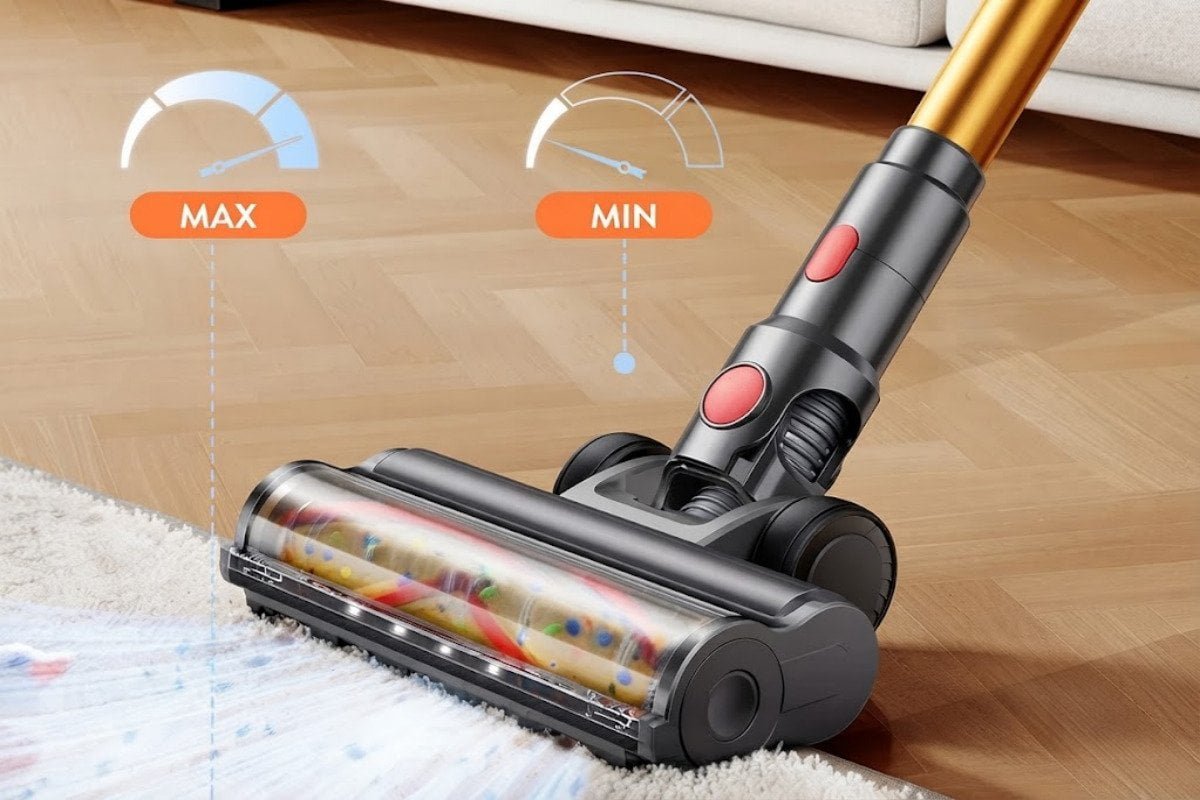
More suction power can feel like “more is better,” but that’s not always true. Excessive suction can drain batteries, damage delicate fabrics, or produce intolerable noise levels—making your vacuum an annoying energy hog instead of a helpful tool.
The common pitfalls of excessive suction
- Battery drain: High-powered vacuums often use up to double the battery life, reducing convenience. For wireless vacuums, this means frequent recharges.
- Fabric damage: Upholstered furniture and curtains may suffer from stretched or pulled fibers when exposed to unnecessary suction power.
- Excessive noise: Strong motors often produce noise levels that make cleaning uncomfortable—especially for sensitive environments like homes with infants or pets.
Practical solutions
Many modern vacuums now include adjustable suction settings, allowing buyers to adapt performance to specific tasks.[^6] For example:
- Eco-mode: Useful for hard floors or quick touch-ups.
- Max-mode: Better suited for heavy-duty carpet cleaning or vehicle detailing.
- Special attachments: Upholstery brushes and crevice tools fine-tune suction for more delicate surfaces.
For smart, deliberate buyers, prioritizing adjustability over raw suction power is a game-changer.
Frequently Asked Questions
What’s better for households: Air Watts or Pascals?
Air Watts (AW) are more relevant for general household cleaning since they measure both suction power and airflow. Pascals (Pa) are mainly a consideration for specialized or industrial use.
Can high suction levels damage certain surfaces?
Yes, excessive suction levels can stretch or tear delicate upholstery fabrics, scatter debris on hard floors, or trap excessively high-pile carpets in the vacuum head.
What should I consider for car cleaning?
Focus on Pascals (10,000–15,000 Pa), maneuverable designs, and targeted tools like crevice attachments rather than bulk suction power.
Are battery-powered vacuums good for high suction needs?
Battery-powered models can deliver strong suction, but frequent use of high-power modes will reduce runtime significantly. Look for ones with durable batteries and adjustable power options.
What’s the ideal suction power for hardwood floors?
Conclusion
When choosing a vacuum cleaner, understanding suction power for your specific cleaning tasks is key. Hard floors, carpets, cars, and upholstery all have unique requirements—and matching the right suction levels ensures effective use and avoids common pitfalls like fabric damage or battery drain. Opt for adjustable suction settings whenever possible, and make sure to choose a vacuum with metrics (Air Watts or Pascals) that align with your needs. If you're exploring products for export or retail, our experienced team can help guide your selections. Reach out today!
[^1]: "Airwatt - Wikipedia", https://en.wikipedia.org/wiki/Airwatt. Educational resources explain that Air Watts combine airflow and suction power for cleaning efficiency, whereas Pascals measure the pressure exerted by the vacuum motor. Evidence role: definition; source type: education. Supports: Air Watts measure cleaning efficiency, while Pascals measure suction strength related to pressure.. Scope note: Definitions may vary slightly across manufacturers. [^2]: "[PDF] Development of a new UHV/XHV pressure standard (Cold Atom ...", https://tsapps.nist.gov/publication/get_pdf.cfm?pub_id=923344. Consumer advocacy groups report that some manufacturers emphasize Pascals to imply superior performance, despite limited correlation with cleaning efficiency. Evidence role: expert_consensus; source type: institution. Supports: Manufacturers overstate suction power in Pascals, misleading buyers into thinking higher numbers mean better performance.. Scope note: Specific examples of misleading claims may vary by brand. [^3]: "The Best Cordless Vacuums in Canada for Fast, Quiet, and Deep ...", https://www-user.pas.rochester.edu/~dmw/twiki/pub/Sandbox/ReasonsWhyYouNeedToHireProfessionalCarpetCleaners/The_Best_Cordless_Vacuums_in_Canada_for_Fast_Quiet_and_Deep_Cleaning.html. Research indicates that hardwood floors benefit from lower suction to prevent debris scattering, while higher suction is effective for removing embedded dirt in carpets. Evidence role: general_support; source type: research. Supports: Hardwood floors require lower suction and efficient airflow, while thick carpets need higher suction for deep cleaning.. Scope note: Specific suction thresholds may depend on vacuum model and environmental conditions. [^4]: "The Best Vacuum for Carpets and Pets: Top Picks for 2024", https://lsfellowship.missouri.edu/article/the-best-vacuum-for-carpets-and-pets-top-picks-for-2024. Studies on carpet cleaning efficiency indicate that higher suction levels are necessary for deep cleaning high-pile carpets compared to medium-pile carpets. Evidence role: general_support; source type: research. Supports: Medium-pile carpets need 150–200 AW, while high-pile carpets require over 200 AW.. Scope note: Thresholds may vary based on carpet material and vacuum design. [^5]: "[PDF] Design and Fabrication of a Simple and Affordable Vacuum Cleaner ...", https://repository.uniben.edu/sites/default/files/2026-03/OLOYA%20OGHENEMARHO.pdf. Research on vacuum suction power suggests that 10,000–15,000 Pascals provide effective cleaning for car interiors, especially in tight spaces. Evidence role: general_support; source type: research. Supports: Vacuums with 10,000–15,000 Pa are ideal for car cleaning.. Scope note: Effectiveness may depend on vacuum attachments and design. [^6]: "The Ultimate Vacuum for House Cleaning: Spotless Floors Made Easy", https://www.lsfellowship.missouri.edu/article/the-ultimate-vacuum-for-house-cleaning-spotless-floors-made-easy. Industry reports confirm that adjustable suction settings are increasingly common in modern vacuums, enhancing versatility for various cleaning tasks. Evidence role: general_support; source type: institution. Supports: Modern vacuums feature adjustable suction settings for task-specific performance.. Scope note: Effectiveness may vary based on model and user preferences. [^7]: "The Best Vacuum for Carpets & Hardwood Floors: Ultimate ...", https://lsfellowship.missouri.edu/article/the-best-vacuum-for-carpets-hardwood-floors-ultimate-cleaning-guide. Research suggests that moderate suction levels paired with efficient airflow minimize debris scattering and protect hardwood surfaces during vacuuming. Evidence role: general_support; source type: research. Supports: 100–150 AW is ideal for hardwood floors, with efficient airflow preventing debris scattering or surface scratching.. Scope note: Thresholds may vary based on vacuum design and floor type.
Related Posts
How Self-Cleaning and Hot Air Drying Work in Floor Washers?
# How Self-Cleaning and Hot Air Drying Work in Floor Washers? Floor washers equipped with self-cleaning and hot air drying…
kPa vs Air Watts vs CFM: What Vacuum Cleaner Buyers Need to Know
# kPa vs Air Watts vs CFM: What Vacuum Cleaner Buyers Need to Know Shopping for a vacuum cleaner can…
HEPA H13 vs Standard Filters: Which Is Better for a Vacuum Cleaner?
# HEPA H13 vs Standard Filters: Which Is Better for a Vacuum Cleaner? When choosing a vacuum cleaner filter, the…
Leave a Reply