
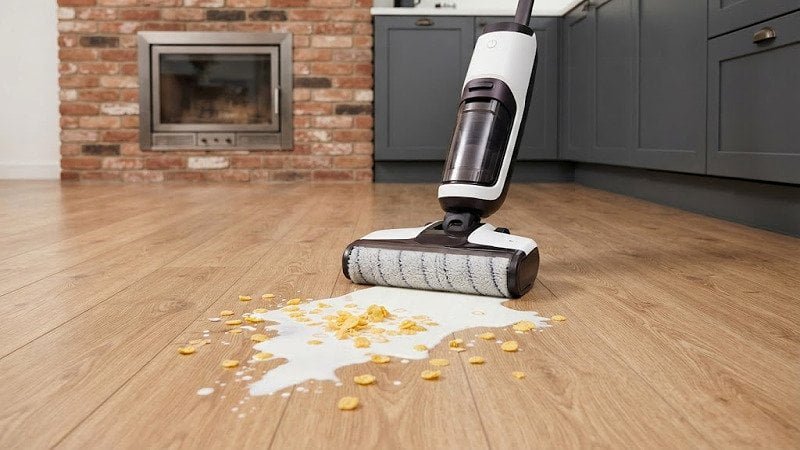
Why Wet Dry Vacuums Leave Streaks and How to Prevent Them
Why Wet Dry Vacuums Leave Streaks and How to Prevent Them
Are you frustrated that your wet-dry vacuum seems to clean floors only to leave streaks behind? "Why is this happening, and how do I fix it?" you ask. You're not alone – streaking is a common issue caused by everything from improperly used solutions to faults in the device itself. Let’s dig into the reasons behind streak marks and, more importantly, how to tackle them.
Wet-dry vacuums leave streaks due to dirty brushes, misused cleaning solutions, clogged filters, or even poor vacuum suction.[^1] Preventing streaks requires combining the right cleaning techniques, routine maintenance, and adjusting settings for different flooring types. Let’s go step by step to ensure your floors end up sparkling clean – no streaks in sight.
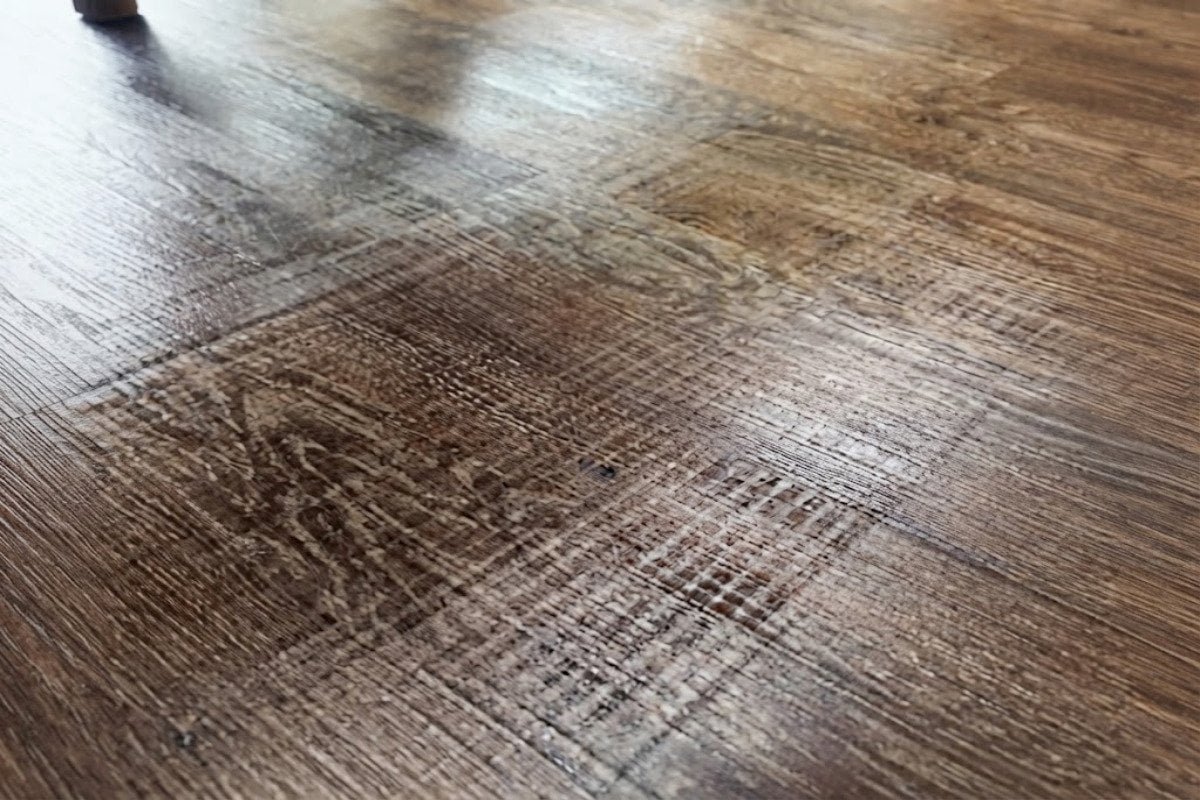
It takes more than just pushing your vacuum around; achieving streak-free floors is about mastering the details. Below, I’ll share key causes, solutions, maintenance routines, and how flooring type impacts water residue.
Top Causes of Streaks: Dirty Roller Brushes, Overused Cleaning Solution, and Clogged Filters
Ever wondered why streaks are happening even if the vacuum seems to work fine? Identifying the problem starts with looking at the device itself, your cleaning solution, and maintenance habits.
The main causes of streaks are clogged filters, dirty rollers that fail to pick up residue, and using incorrect or excessive cleaning solutions. These problems block efficiency and often leave water marks or uneven drying.
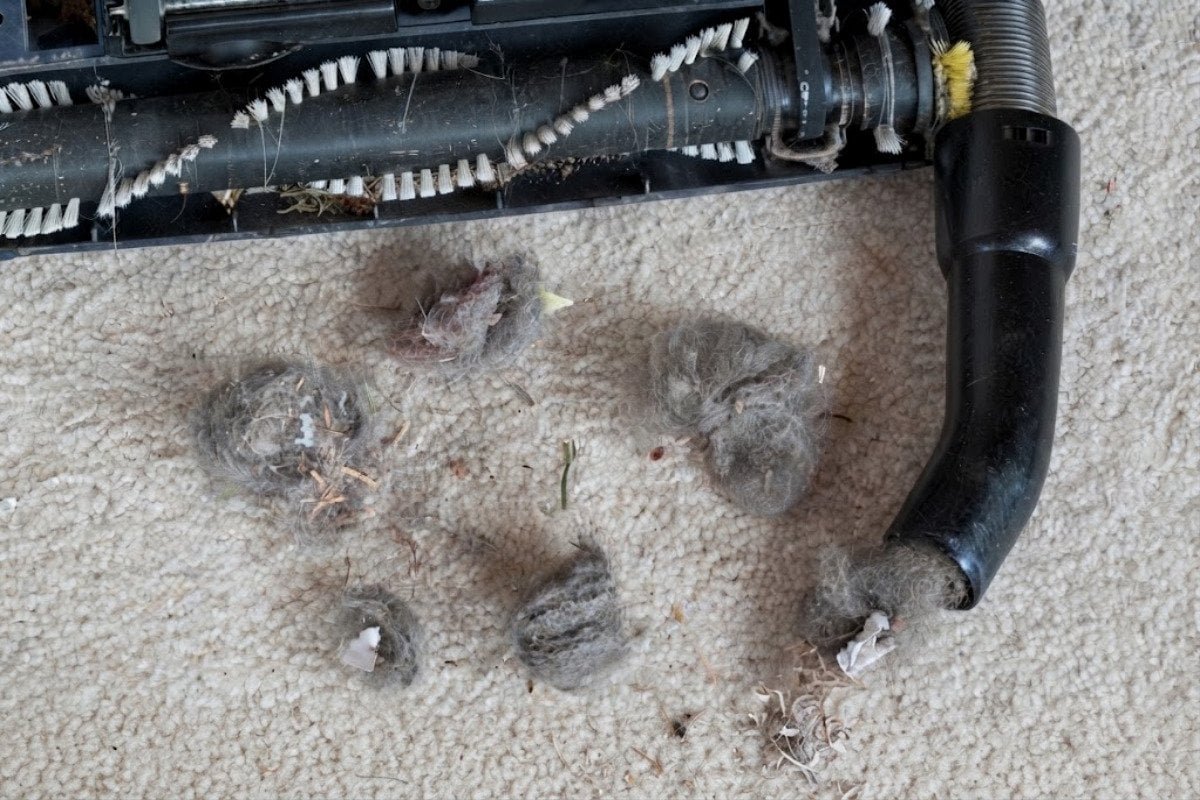
Here’s why these matter:
Dirty Brushes
The roller brush or mop attachment is the first line of defense for any vacuum. A dirty brush smears grime instead of lifting it. You might think your vacuum is cleaning when it's actually just redistributing dirt.
- If the brush bristles lose their texture, they won't pick up excess water correctly.
- Brushes that don’t reach the floor evenly can leave streaks in spots they miss.
Overused or Incorrect Cleaning Solutions
The cleaning liquid you use plays a big role. Using too much solution or one that doesn’t match your flooring type can leave behind residue that dries as streaks.
- Cheap or overly concentrated solutions don’t evaporate fully.[^2]
- Mixing cleaning solutions poorly dilutes their effectiveness, causing patches of residue.
Clogged Filters
A wet-dry vacuum relies on airflow and suction power to remove water effectively.[^3] When filters get clogged, suction weakens, leaving traces of water or cleaning solution behind.
How to Spotlight Issues:
Inspect roller brushes for debris or uneven wear, replace low-performing filters, and always dilute cleaning solutions according to manufacturer recommendations. The goal is full extraction – cleaner rollers, cleaner floors.
How to Prevent Water Marks: Proper Solution Ratios, Maintenance Routines, and Technique
Looking for ways to avoid those pesky streaks before they even happen? Understanding how to maintain your vacuum and use it effectively is half the battle.
Preventing water marks is about maintaining the equipment’s functionality, using the right solution mix, and vacuuming your floors at the correct speed or technique. Don’t rush through the process – streak prevention requires precision.
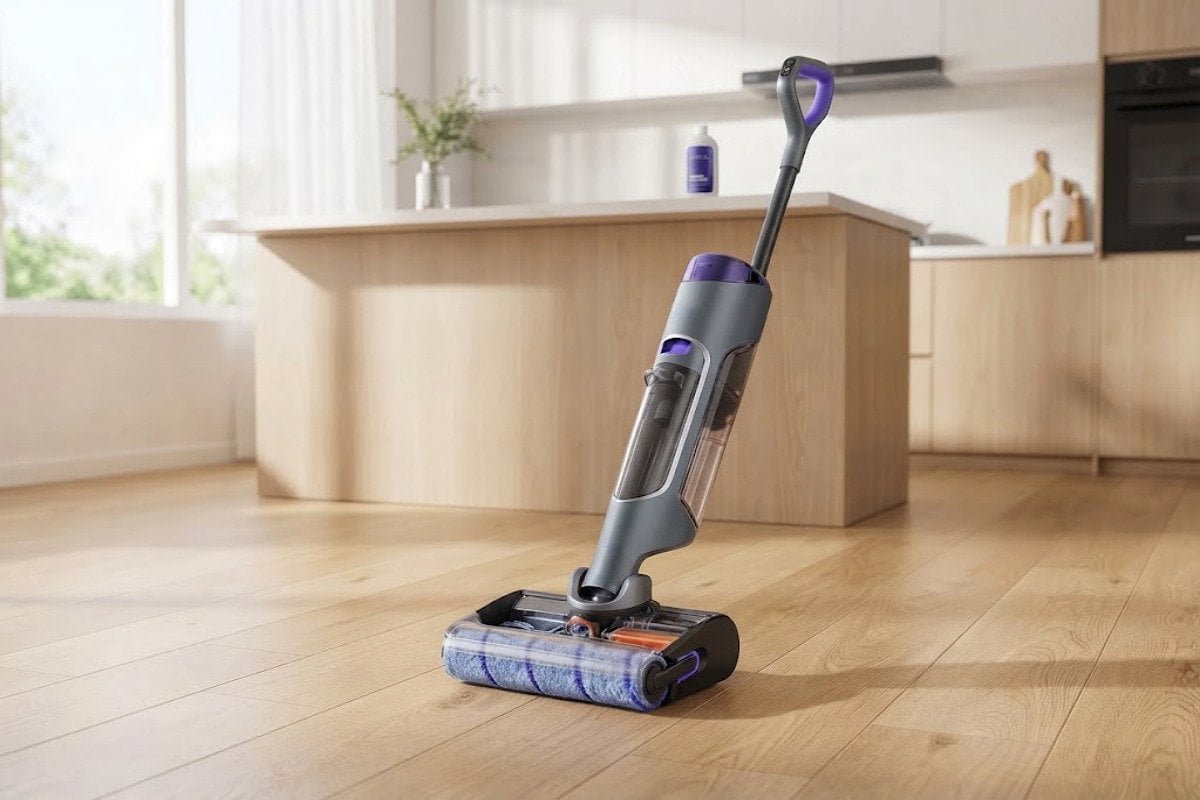
Proper Solution Ratios
Take your cleaning solution seriously – it’s not “one size fits all” for streak prevention.
- Use the manufacturer’s recommended dilution ratio (often printed on the solution label).
- Avoid overly alkaline or harsh formulas, especially on sensitive flooring.
- Use distilled water to avoid mineral buildup in hard tap water.
Routine Maintenance
Maintenance Checklist:
- Remove and rinse vacuum brushes weekly.
- Check filters monthly for clogs or dirt buildup, replacing them as needed.
- Keep water tanks clean to avoid mold residue from dirty water cycles.
Vacuuming Technique
Even with an immaculate machine, rushing through the vacuuming process can create streak marks.
- Move at a steady pace across the floor for even water extraction.
- Allow overlapping passes to catch any missed spots the first round.
- Adjust suction settings based on floor type (low suction for delicate surfaces, more suction for durable ones).
By staying disciplined about these habits, you can avoid most streak issues altogether.
Tile vs. Hardwood: How Flooring Types and Suction Settings Impact Water Residue
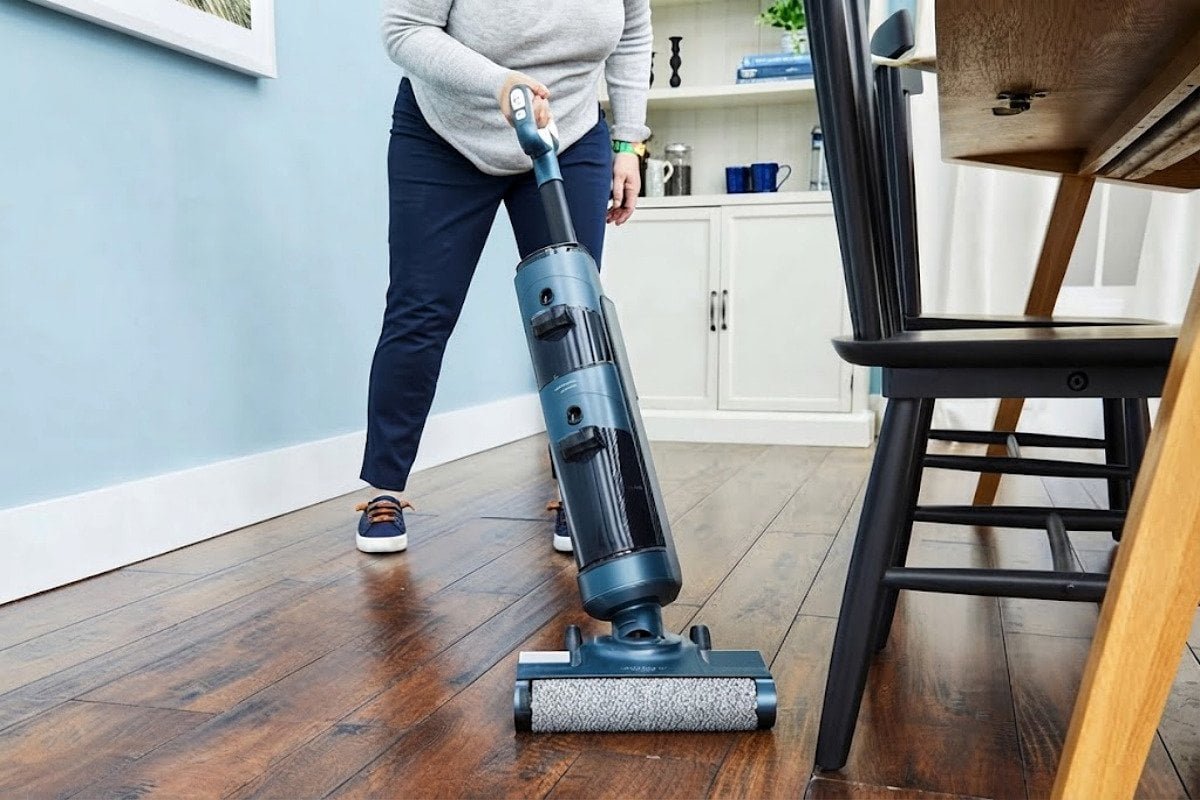
Let’s talk flooring. Tile and hardwood require different approaches, and wet-dry vacuums perform differently depending on suction configuration and surface properties.
Tile floors are more forgiving toward liquid residue, while hardwood requires fine-tuned suction and quick drying processes.[^5] Using a vacuum’s settings correctly can protect surfaces and ensure streak-free results.
Tile Floors
Because of their smooth, water-resistant coating, tile floors let vacuums glide easily, making streak prevention simpler.
- Low suction strength is often better for tile to avoid oversaturating grout lines.
- Solution concentration matters less than brush quality due to tiles’ nonporous nature.
Hardwood Floors
Hardwood surfaces can be streak-prone because water penetrates through gaps or unfinished areas.
- Use faster suction settings to remove liquid quickly before it seeps into grain patterns.
- Avoid high-strength agitators that could leave scuffs behind during extraction.
Flooring Comparison Table:
| Flooring Type | Ideal Suction Setting | Solution Concentration | Brush Type Needed |
|---|---|---|---|
| Tile | Low suction | Medium dilution | Standard roller brush |
| Hardwood | Medium-high suction | Mild non-residue | Soft fiber brush |
Adjusting methods based on flooring helps maximize cleaning efficiency and minimizes streaks long-term.
Frequently Asked Questions
Why do streaks happen more with cheap vacuums?
Lower-quality vacuums often lack strong suction or use poor roller brushes that fail to maintain consistent water extraction.[^6] Investing in reputable brands typically reduces streaking issues.
What’s the best cleaning solution for hardwood?
Non-residue formulations work best for hardwood surfaces to prevent buildup. Diluting them properly per instructions ensures streak-free drying.
How often should rollers be replaced?
Replace vacuum rollers every 3–6 months, or sooner if they show uneven wear or bristle damage. Clean them weekly to extend their lifespan.
Can technique fully fix streaking issues?
Technique improves results drastically, but streaks are often tied to device performance and maintenance.[^7] Solving streaks requires combining proper vacuum settings with user execution.
What’s the fastest way to identify suction issues?
Poor suction is usually linked to clogged filters or air bypass. Try cleaning or replacing filters; if the problem persists, test the vacuum’s motor for power consistency.
Conclusion
Streak-free floors aren’t impossible to achieve with a wet-dry vacuum. The key is knowing why streaks happen – whether it’s from dirty brushes, clogged filters, or improper solution ratios – and addressing the root causes. Flooring type and suction settings also play a role, so make tailored adjustments for tile versus hardwood.
From careful maintenance routines to mastering your vacuum technique, there’s a solution for every streak problem. Don’t settle for subpar results – proper care and configuration can leave your surfaces looking spotless.
Have streak problems been an ongoing headache? Contact us today to discuss your needs or explore high-performance vacuum solutions built to prevent streaks from the start!
[^1]: "How to Clean Hard Floors Without Streaks or Residue?", https://uwanthome.com/blogs/cleaning-guides/how-to-clean-hard-floors-without-streaks-or-residue?srsltid=AU7gw4XlUX5mnsqGnA56UF1BMVfwOJMTa4I650FFY3a18G40kj08hai8. Research studies on vacuum performance indicate that clogged filters, dirty brushes, and improper cleaning solutions can reduce efficiency and lead to streaks on floors. Evidence role: general_support; source type: research. Supports: The listed causes of streaks in wet-dry vacuum cleaning.. Scope note: The study may focus on specific vacuum models or cleaning environments, which might not generalize to all wet-dry vacuums. [^2]: "Water evaporation from solute-containing aerosol droplets", https://pmc.ncbi.nlm.nih.gov/articles/PMC8474021/. Studies on cleaning solutions show that overly concentrated formulas can leave residue due to incomplete evaporation. Evidence role: mechanism; source type: research. Supports: The relationship between cleaning solution concentration and evaporation behavior.. Scope note: The findings may vary based on solution composition and environmental conditions. [^3]: "The effect of debris accumulation on and filter resistance to ...", https://pubmed.ncbi.nlm.nih.gov/19360515/. Educational materials on vacuum technology explain that suction power and airflow are critical for effective water removal. Evidence role: mechanism; source type: education. Supports: The importance of airflow and suction power in wet-dry vacuum functionality.. Scope note: The explanation may focus on general vacuum principles rather than specific wet-dry models. [^4]: "The Importance of Preventative Maintenance of Your ...", https://www.airtechniques.com/1083/. Educational resources on vacuum care highlight that routine maintenance of brushes and filters improves cleaning efficiency and reduces streaks. Evidence role: general_support; source type: education. Supports: The role of regular maintenance in preventing streaks caused by performance dips.. Scope note: The advice may depend on specific vacuum models and maintenance schedules. [^5]: "The effects of different flooring types on the behavior, ...", https://pubmed.ncbi.nlm.nih.gov/26020902/. Research comparing flooring types shows that tile is less prone to streaks due to its nonporous surface, while hardwood requires careful suction settings to avoid water penetration. Evidence role: general_support; source type: research. Supports: The differences in cleaning requirements for tile and hardwood floors.. Scope note: The findings may depend on specific flooring finishes and vacuum models. [^6]: "Performance Testing of Cordless Handheld Vacuum ...", https://aaqr.org/articles/aaqr-24-03-oa-0082. Studies comparing vacuum models show that lower-quality devices often have weaker suction and less effective brushes, leading to inconsistent cleaning results. Evidence role: general_support; source type: research. Supports: The performance differences between lower-quality and higher-quality vacuums.. Scope note: The comparison may focus on specific brands or price ranges. [^7]: "Assessment of penetration through vacuum cleaners and ...", https://pubmed.ncbi.nlm.nih.gov/23687730/. Educational resources on cleaning techniques emphasize that proper execution and well-maintained equipment are key to achieving streak-free results. Evidence role: general_support; source type: education. Supports: The combined impact of technique and device maintenance on streak prevention.. Scope note: The advice may depend on specific vacuum models and user skill levels.
Related Posts
How Self-Cleaning and Hot Air Drying Work in Floor Washers?
# How Self-Cleaning and Hot Air Drying Work in Floor Washers? Floor washers equipped with self-cleaning and hot air drying…
kPa vs Air Watts vs CFM: What Vacuum Cleaner Buyers Need to Know
# kPa vs Air Watts vs CFM: What Vacuum Cleaner Buyers Need to Know Shopping for a vacuum cleaner can…
HEPA H13 vs Standard Filters: Which Is Better for a Vacuum Cleaner?
# HEPA H13 vs Standard Filters: Which Is Better for a Vacuum Cleaner? When choosing a vacuum cleaner filter, the…
Leave a Reply