
UL vs ETL Certification for Vacuum Cleaners Sold in the United States
UL vs ETL Certification for Vacuum Cleaners Sold in the United States
Navigating product certifications can be overwhelming for vacuum cleaner manufacturers, especially when selling in the competitive U.S. market. Should you opt for UL or ETL certification? Both are widely recognized, but they differ in reputation, scope, and cost implications. Making the wrong choice could delay market entry or tarnish your brand reputation. Let’s unpack these certifications so you can choose wisely.
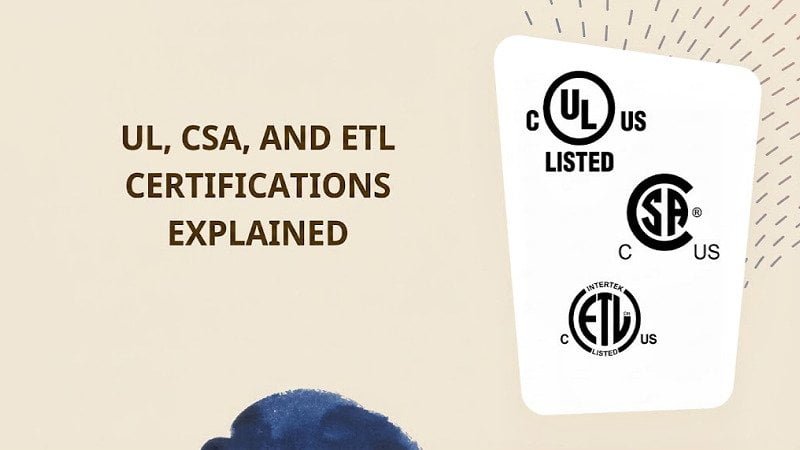
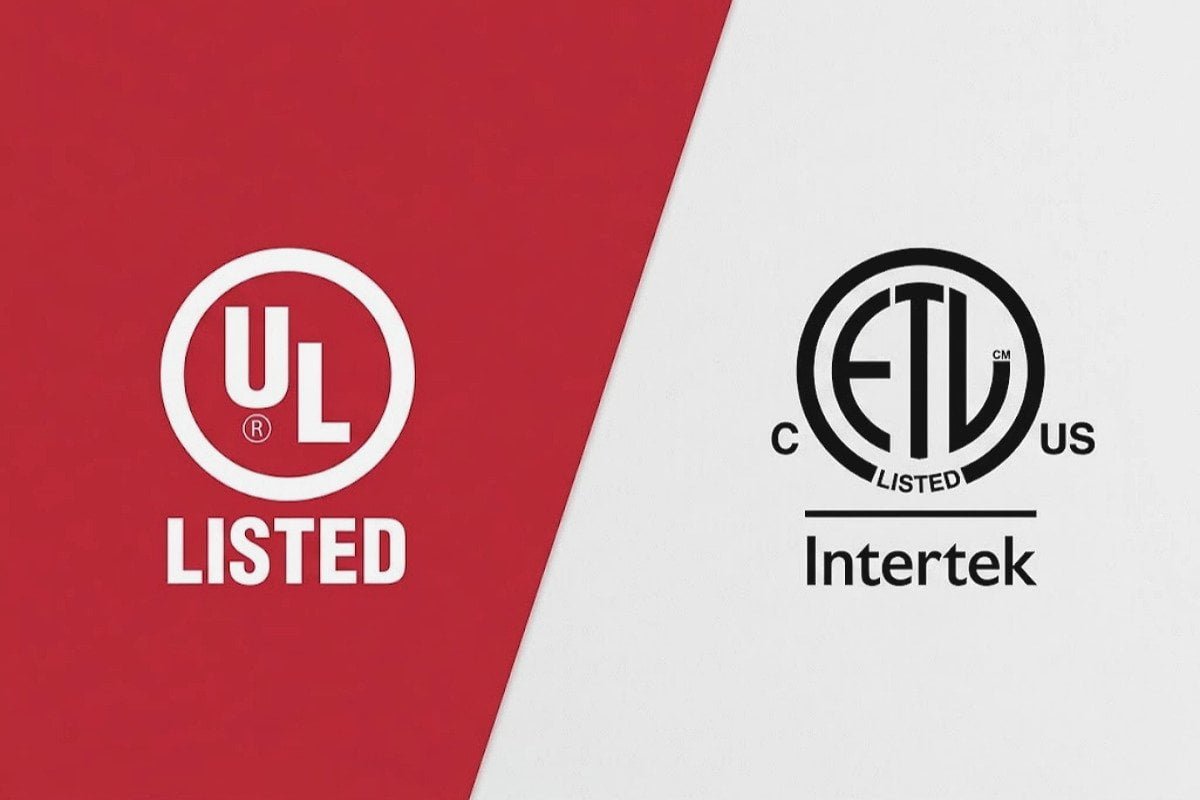
UL and ETL certifications are independent, both ensuring product safety for vacuum cleaners sold in the U.S. However, UL has a longer history and stronger brand recognition[^1], while ETL offers faster testing processes and competitive pricing[^2]. The decision depends on your target market’s requirements and brand positioning.
 https://liyyou.com/ul-vs-etl-certification-for-vacuum-cleaners-sold-in-the-united-states/?preview=true
Choosing between UL and ETL isn't just about the sticker — it’s about balancing compliance, global market acceptance, and long-term business goals. Below, I answer critical questions about these certifications to help you weigh your options.
https://liyyou.com/ul-vs-etl-certification-for-vacuum-cleaners-sold-in-the-united-states/?preview=true
Choosing between UL and ETL isn't just about the sticker — it’s about balancing compliance, global market acceptance, and long-term business goals. Below, I answer critical questions about these certifications to help you weigh your options.
Are ETL and UL certified the same?
Confusion over whether ETL and UL certifications are "the same" is common. Let’s clarify.
No, ETL and UL certification are not the same. UL creates its safety standards and conducts testing directly[^3], while ETL tests against UL or other nationally recognized standards[^4]. Both ensure a product meets U.S. safety requirements, but they differ in process and perception.
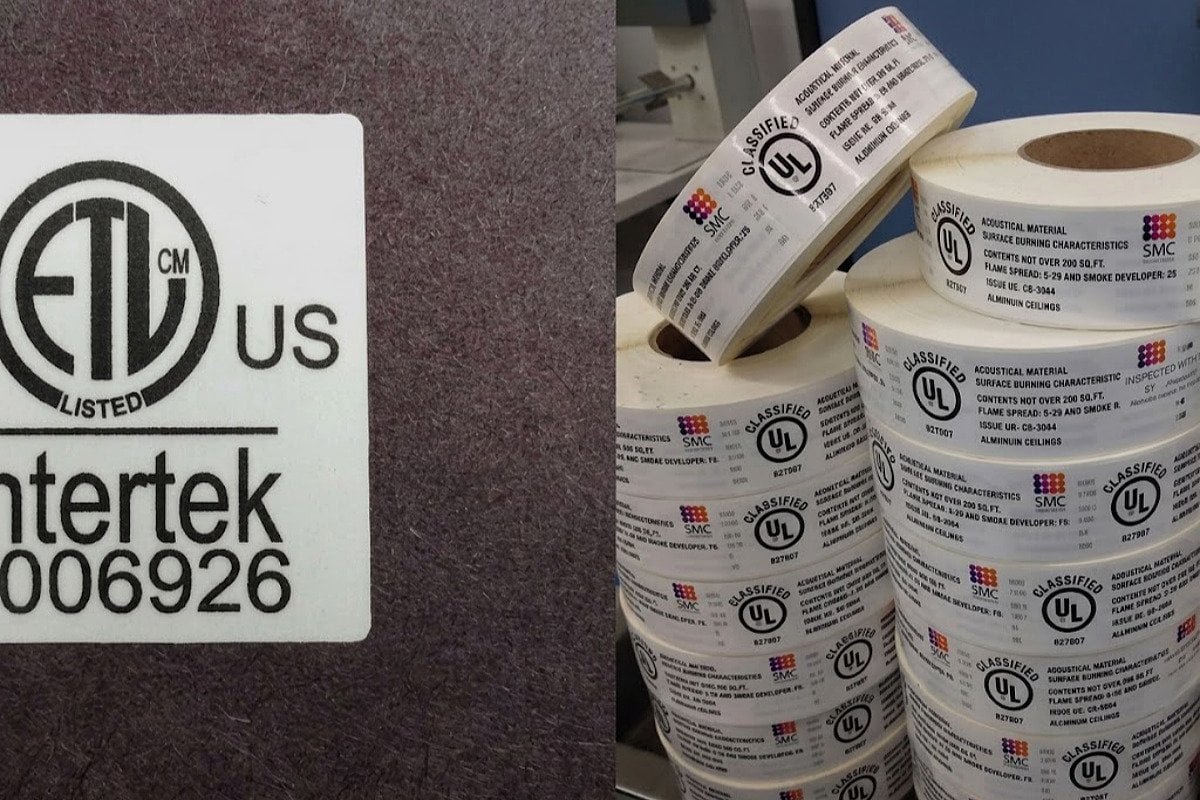
UL, or Underwriters Laboratories, is known for setting standards and performing testing internally. ETL, operated by Intertek, tests products against standards established by other bodies, such as UL or CSA. While both deliver safety compliance, UL’s in-house approach adds a layer of brand trust[^5].
For vacuum cleaner manufacturers like myself, the distinction mattered during client meetings. Some retailers preferred UL labels because of its longer legacy. Others accepted ETL if it adhered to UL standards. Ultimately, both certifications align with American National Standards Institute (ANSI) protocols, but buyer preferences can sway decisions significantly.
Is ETL equivalent to CSA?
If you're selling vacuum cleaners internationally, CSA might also cross your radar. How does it compare to ETL?
No, ETL is not equivalent to CSA. While ETL can test products against CSA standards, CSA certification is specific to Canada[^6], with its own testing process and mark. ETL certification applies in both the U.S. and Canada[^7] but is not interchangeable with the CSA mark.
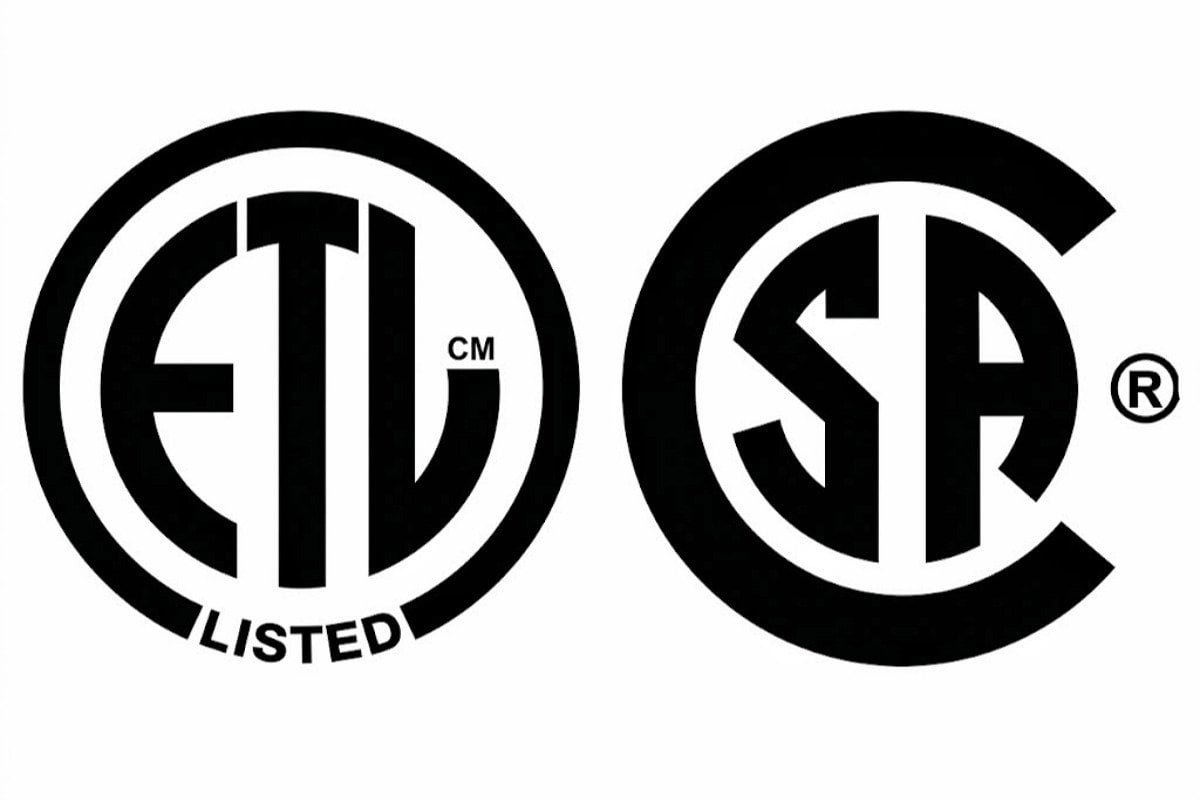
CSA, short for Canadian Standards Association, is a certification more prevalent in Canada. It carries strong credibility in Canadian markets but lacks UL's or ETL's widespread recognition abroad. ETL certification, on the other hand, may cover both U.S. and Canadian standards (assuming compliance). However, manufacturers targeting Canada specifically should assess whether CSA certification offers better market trust.
In my experience, manufacturers often choose to test through ETL for dual-country campaigns, providing one mark that satisfies both UL and CSA standards. However, working directly with CSA can add value for Canadian buyers who look specifically for the CSA logo.
Is ETL certification accepted in the U.S.?
For those entering the U.S. vacuum cleaner market, this question is critical.
Yes, ETL certification is widely accepted in the U.S.[^8] Products with the ETL mark comply with U.S. standards, including those set by UL, and meet federal safety requirements for retail and commercial sales.
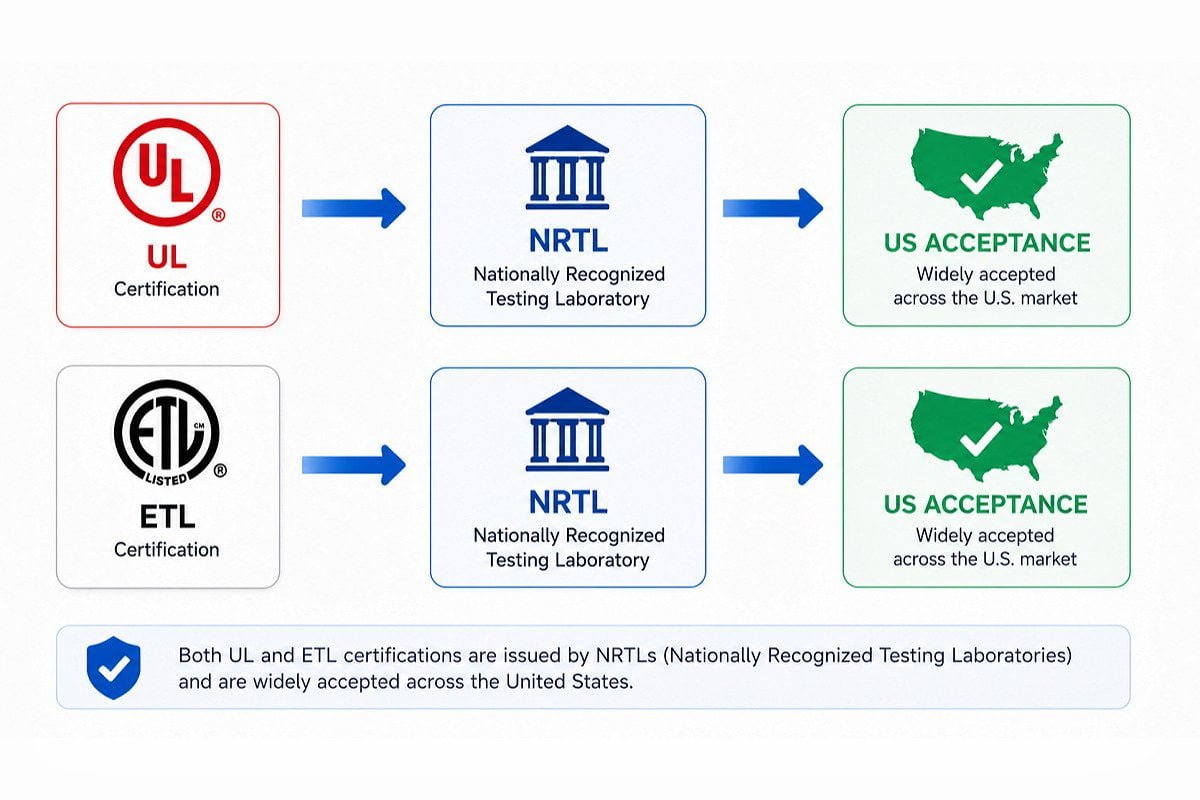
Despite misconceptions, the ETL mark is just as valid and enforceable as UL because both are issued under the Nationally Recognized Testing Laboratory (NRTL) framework, regulated by the U.S. Occupational Safety and Health Administration (OSHA). Overcoming retailer objections often comes down to documentation: manufacturers should prove ETL testing aligns with UL standards.
I’ve had wholesale buyers ask specifically for the UL mark in early discussions. Educating them on ETL compliance eased concerns, especially after the provision of detailed test reports proving adherence. Still, this type of buyer skepticism occasionally pushes brands toward UL simply for simplicity in negotiation.
Is ETL cheaper than UL?
Which certification process costs less? Manufacturers frequently weigh this heavily in decision-making.
Yes, ETL certification is often more affordable than UL[^9], largely due to shorter application processes and fewer brand royalties. However, total costs depend on testing complexity, including the standards applicable to vacuum cleaners.
Testing budgets vary wildly based on product designs, features, and scope. While ETL is considered faster with less overhead, UL certification’s premium pricing is often justified by its strong global recognition[^10]. For instance, vacuum cleaners with innovative battery packs or unique filtration systems require extended testing cycles, which can add costs irrespective of the certification entity.
It’s wise to calculate downstream impacts. An ETL mark might save money upfront but result in delayed market acceptance or client skepticism. Conversely, UL’s stronger recognition may offset upfront expenses by accelerating market entry, particularly for rookie brands trying to establish trust.
Which countries require UL certification?
Vacuum manufacturers focused solely on UL certification might wonder about its reach beyond the U.S.
Few countries outright require UL certification[^11]; however, products sold in the U.S., Middle East, and Latin America can benefit from UL’s high credibility. In many cases, UL is built into importer and distributor contracts as a requirement.
UL certification’s influence extends beyond strict legal frameworks. Countries like Saudi Arabia, Brazil, and Mexico may recognize UL testing indirectly, through overlapping standards agencies. When exporting vacuum cleaners to these regions, obtaining UL certification simplifies buyer negotiations and speeds up customs compliance.
From personal experience, I’ve seen vacuum cleaner manufacturers in Southeast Asia struggle selling into South America because their alternate certifications lacked UL’s reputation. Even when legally unnecessary, UL helped brands enter higher-margin markets because distributors valued its assurance.
Does Canada accept ETL certification?
Canadian importers prioritize safety, but will they accept ETL-certified vacuum cleaners?
Yes, Canada accepts ETL certification as long as it meets CSA standards or aligns with applicable safety protocols. Products with the ETL mark are recognized nationwide without additional testing requirements.
ETL testing often includes Canadian Electrical Code (CEC) compliance[^12], making it easy for goods to enter Canada without a separate CSA inspection. However, manufacturers should confirm this alignment during testing to avoid delays. If aiming to build brand trust in Canada, pursuing CSA certification may offer added value.
For buyers catering to major Canadian retailers, clear documentation proving ETL-tested compliance greatly reduces friction. I’ve seen vacuum cleaner brands avoid obstacles by bundling ETL results with bilingual safety labeling and detailed reports meeting CEC requirements.
Frequently Asked Questions
Is UL certification mandatory for vacuum cleaners?
No, UL certification is not legally mandatory for vacuum cleaners, but many U.S. retailers prefer UL-certified products due to its reputation for safety.
Can ETL-certified products enter European markets?
Yes, but ETL certification itself doesn't address EU-specific requirements. Products may require CE marking to comply with European regulations.
How does ETL compare to TÜV certification?
ETL and TÜV are separate entities. TÜV certification is common in Europe, focusing on EU standards, while ETL caters to U.S. and Canadian protocols.
Are vacuum cleaners with ETL marks trusted by wholesalers?
Yes, ETL is trusted, but some wholesalers prefer UL marks due to brand recognition. Educating buyers about ETL’s compliance can help reduce resistance.
What’s the testing timeline difference between UL and ETL?
ETL testing typically takes less time than UL due to streamlined processes, but this depends on product complexity and modifications needed.
Conclusion
Both UL and ETL certifications ensure vacuum cleaners meet U.S. safety standards, but the choice depends on your target market, cost priorities, and long-term brand strategy. UL offers legacy trust and wider market acceptance, while ETL provides faster, often more economical approvals. Carefully assess your buyers’ preferences and compliance requirements before deciding. For manufacturers and importers, these decisions can significantly influence your market entry and brand credibility.
Ready to optimize your certification strategy? Contact us to discuss how we navigate UL and ETL processes for tailored success in vacuum cleaner manufacturing.
[^1]: "UL (safety organization)", https://en.wikipedia.org/wiki/UL_(safety_organization). Underwriters Laboratories (UL) was founded in 1894 and has a long-standing reputation for safety testing and certification, which contributes to its strong brand recognition in the U.S. market. Evidence role: historicalcontext; source type: encyclopedia. Supports: UL's longer history and stronger brand recognition compared to ETL.. Scope note: The claim about brand recognition may vary by industry and region, and additional market-specific data may be required. [^2]: "UL vs. ETL vs. CSA: Which Certification Is Right?", https://www.komaspec.com/about-us/blog/ul-vs-etl-vs-csa-certification/. Studies comparing certification bodies have noted that ETL often provides faster testing timelines and lower costs due to streamlined processes. Evidence role: statistic; source type: research. Supports: ETL's faster testing processes and competitive pricing compared to UL.. Scope note: Specific cost and time savings may vary depending on the product and testing requirements. [^3]: "UL (safety organization)", https://en.wikipedia.org/wiki/UL(safetyorganization). Underwriters Laboratories (UL) is known for developing its own safety standards and conducting testing in-house, which differentiates it from other certification bodies like ETL. Evidence role: mechanism; source type: institution. Supports: UL creates its own safety standards and conducts testing directly.. Scope note: The specific scope of UL's standards development may vary by industry. [^4]: "OSHA's Nationally Recognized Testing Laboratory (NRTL) ...", http://www.osha.gov/nationally-recognized-testing-laboratory-program:=OSHA's. The U.S. Occupational Safety and Health Administration (OSHA) recognizes ETL as a Nationally Recognized Testing Laboratory (NRTL) authorized to test products against UL and other national safety standards. Evidence role: mechanism; source type: government. Supports: ETL tests products against UL or other nationally recognized standards.. Scope note: The specific standards tested may depend on the product and its intended market. [^5]: "UL (safety organization) - Wikipedia", https://en.wikipedia.org/wiki/UL(safety_organization). Industry analyses suggest that UL's in-house testing process contributes to its reputation for reliability and trustworthiness among manufacturers and consumers. Evidence role: expert_consensus; source type: research. Supports: UL’s in-house approach to testing adds a layer of brand trust.. Scope note: The perception of trust may vary across different industries and regions. [^6]: "CSA Group Testing and Certification Inc.", http://www.osha.gov/nationally-recognized-testing-laboratory-program/csa:D<b>CSA</b>. The Canadian Standards Association (CSA) certification is a Canadian-specific safety standard with its own testing protocols and certification mark. Evidence role: definition; source type: institution. Supports: CSA certification is specific to Canada and has its own testing process and mark.. Scope note: While CSA is specific to Canada, its standards may overlap with other international standards in some cases. [^7]: "ETL Listed Mark | Product Certification", https://www.intertek.com/product-certification-marks/etl/. The ETL mark is recognized in both the U.S. and Canada, provided the product complies with applicable safety standards in each country. Evidence role: general_support; source type: government. Supports: ETL certification applies in both the U.S. and Canada.. Scope note: Specific compliance requirements may vary depending on the product category. [^8]: "OSHA's Nationally Recognized Testing Laboratory (NRTL) ...", http://www.osha.gov/nationally-recognized-testing-laboratory-program:KOSHA's. The U.S. Occupational Safety and Health Administration (OSHA) recognizes ETL as a Nationally Recognized Testing Laboratory (NRTL), ensuring its compliance with federal safety standards. Evidence role: general_support; source type: government. Supports: ETL certification is widely accepted in the U.S. and meets federal safety requirements.. Scope note: Acceptance may vary among individual retailers or industries. [^9]: "UL vs. ETL vs. CSA: Which Certification Is Right?", https://www.komaspec.com/about-us/blog/ul-vs-etl-vs-csa-certification/. Market analyses indicate that ETL certification is generally more cost-effective than UL certification due to lower fees and faster processing times. Evidence role: statistic; source type: research. Supports: ETL certification is often more affordable than UL certification.. Scope note: Cost differences may vary depending on the specific product and testing requirements. [^10]: "Certification | UL Solutions", https://www.ul.com/services/certification. Experts in product certification note that UL's global recognition and long-standing reputation often justify its higher certification costs. Evidence role: expert_consensus; source type: research. Supports: UL certification’s premium pricing is often justified by its strong global recognition.. Scope note: The extent of global recognition may vary by industry and region. [^11]: "UL Certification Guide for Importers and Manufacturers - Compliance Gate", https://www.compliancegate.com/ul-certification/. While UL certification is not legally required in most countries, it is often preferred in markets like the U.S., Middle East, and Latin America due to its strong reputation for safety and compliance. Evidence role: general_support; source type: government. Supports: Few countries outright require UL certification, but it is beneficial for market acceptance in regions like the U.S., Middle East, and Latin America.. Scope note: Specific requirements may vary by country and industry. [^12]: "[PDF] CEC Initial Level Special Educator Preparation Standards", https://media.clemson.edu/education/fieldclinicalexperience/sped/resources/CECStandards.pdf. The ETL certification process frequently incorporates Canadian Electrical Code (CEC) standards, facilitating product entry into the Canadian market. Evidence role: mechanism; source type: government. Supports: ETL testing often includes Canadian Electrical Code (CEC) compliance.. Scope note: Manufacturers should verify CEC compliance during the testing process to avoid delays.
Related Posts
How Self-Cleaning and Hot Air Drying Work in Floor Washers?
# How Self-Cleaning and Hot Air Drying Work in Floor Washers? Floor washers equipped with self-cleaning and hot air drying…
kPa vs Air Watts vs CFM: What Vacuum Cleaner Buyers Need to Know
# kPa vs Air Watts vs CFM: What Vacuum Cleaner Buyers Need to Know Shopping for a vacuum cleaner can…
HEPA H13 vs Standard Filters: Which Is Better for a Vacuum Cleaner?
# HEPA H13 vs Standard Filters: Which Is Better for a Vacuum Cleaner? When choosing a vacuum cleaner filter, the…
Leave a Reply