
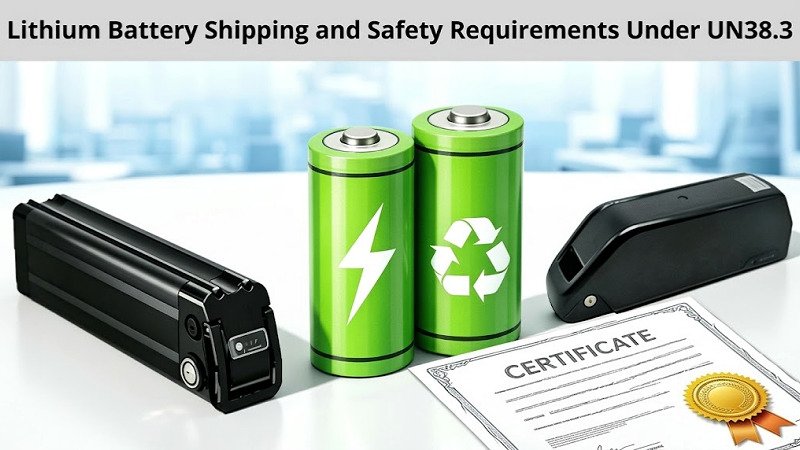
UN38.3 and MSDS Documents for Shipping Cordless Vacuum Batteries
UN38.3 and MSDS Documents for Shipping Cordless Vacuum Batteries
Shipping cordless vacuum batteries internationally can quickly turn into a logistical nightmare if the documentation isn’t in order. UN38.3 and MSDS documents are two essential certifications you need to get right—but many importers and distributors misunderstand their roles. Let’s clear up the confusion so you can avoid costly delays and ensure smooth battery shipments every time.
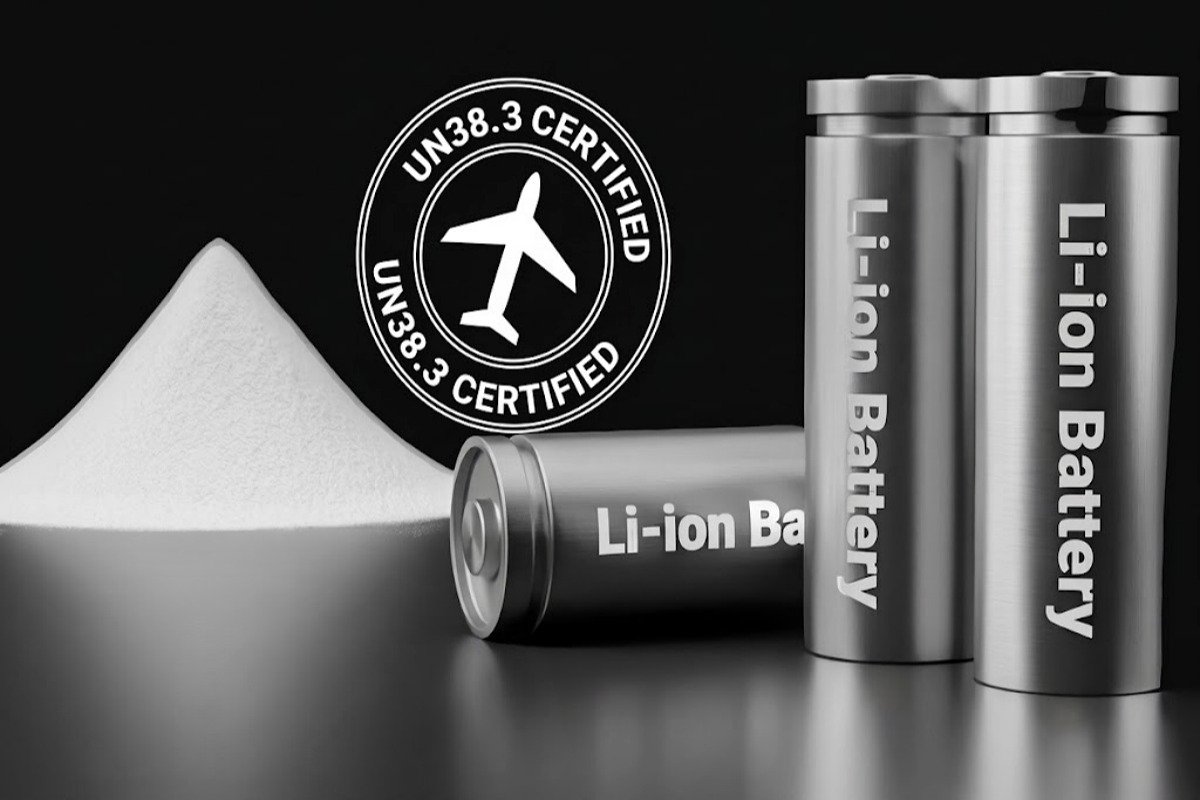
UN38.3 and MSDS/SDS are not interchangeable. These certifications serve different purposes and work together to meet global shipping safety standards. Think of UN38.3 as a passport for lithium batteries, proving their safety for transport, while the MSDS or SDS focuses on chemical and handling safety.
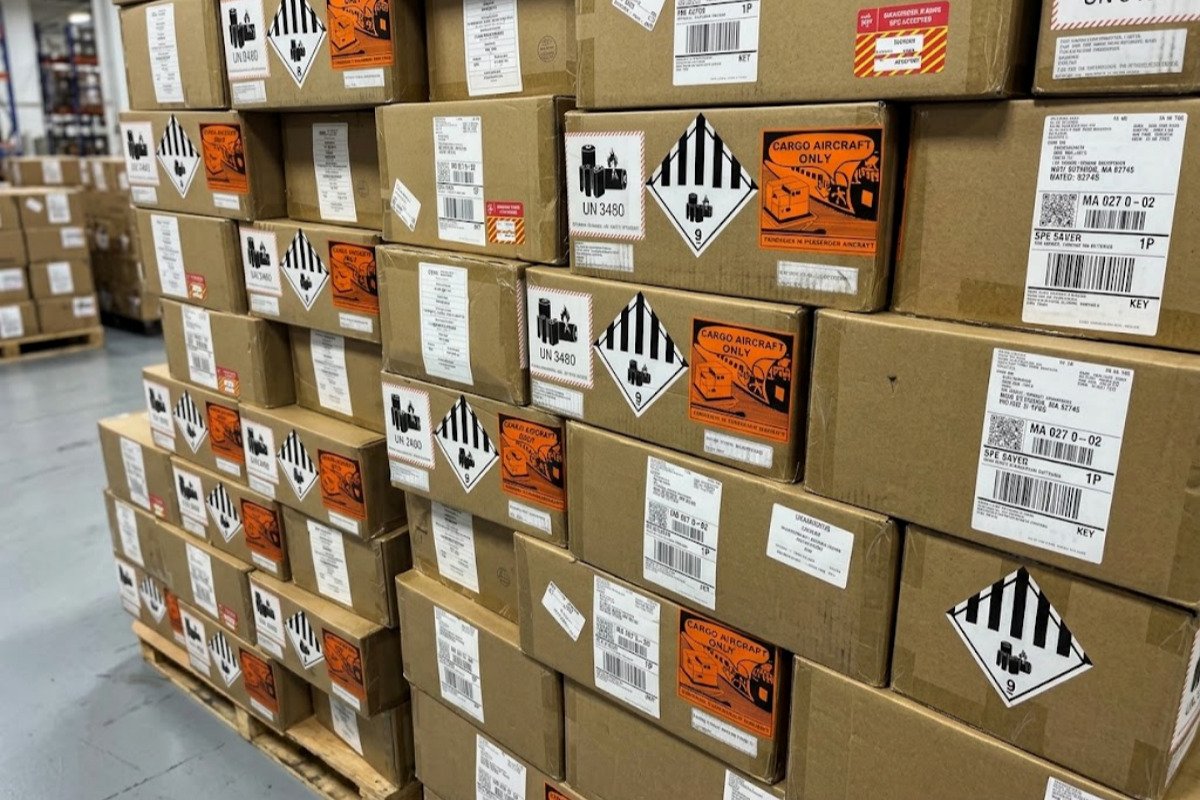
But this isn’t just paperwork—it’s about protecting yourself. Missing or mishandled documents can lead to customs seizures, fines, or even legal consequences.[^1] Keep reading to unpack the differences, common pitfalls, and how your supplier can help ensure compliance.
UN38.3 vs. MSDS/SDS: What These Battery Safety Certifications ACTUALLY Mean
If you’re exporting cordless vacuum batteries, you’ve likely heard these acronyms tossed around. But what do they really mean?
UN38.3 and MSDS/SDS aren’t just random certifications; they serve distinct roles in shipping compliance. Yet, many brand owners mistakenly think having just one of these documents is sufficient—which leads to frustrating issues at customs.
What is UN38.3?
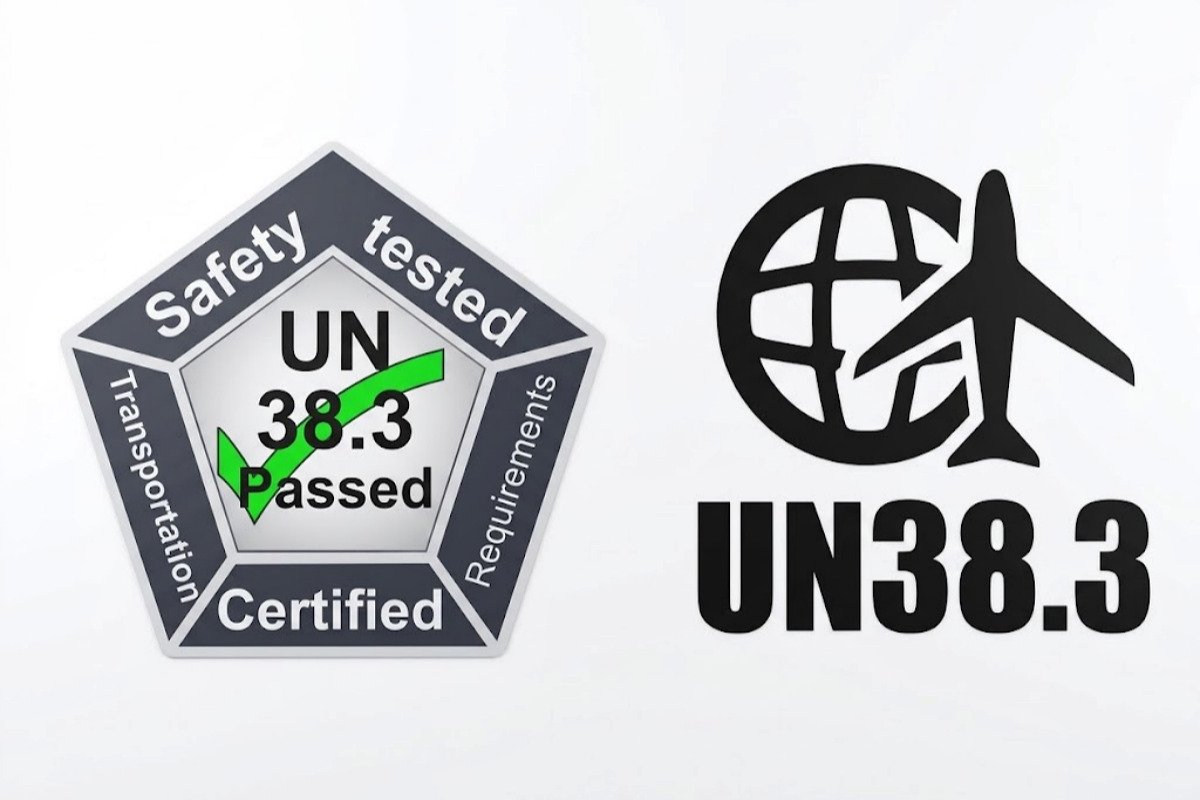
UN38.3 is a testing protocol under the UN Manual of Tests and Criteria Section 38.3. It’s specifically designed to ensure lithium batteries are safe for air, sea, and land transport. A battery must pass rigorous tests, including:
- Altitude simulation to verify stability under transportation pressure.
- Thermal testing to evaluate performance across extreme temperatures.
- Vibration and shock tests to simulate the bumps and jostles of travel.
In short, UN38.3 proves that a lithium-ion battery won’t explode, short-circuit, or catch fire during transit.[^2]
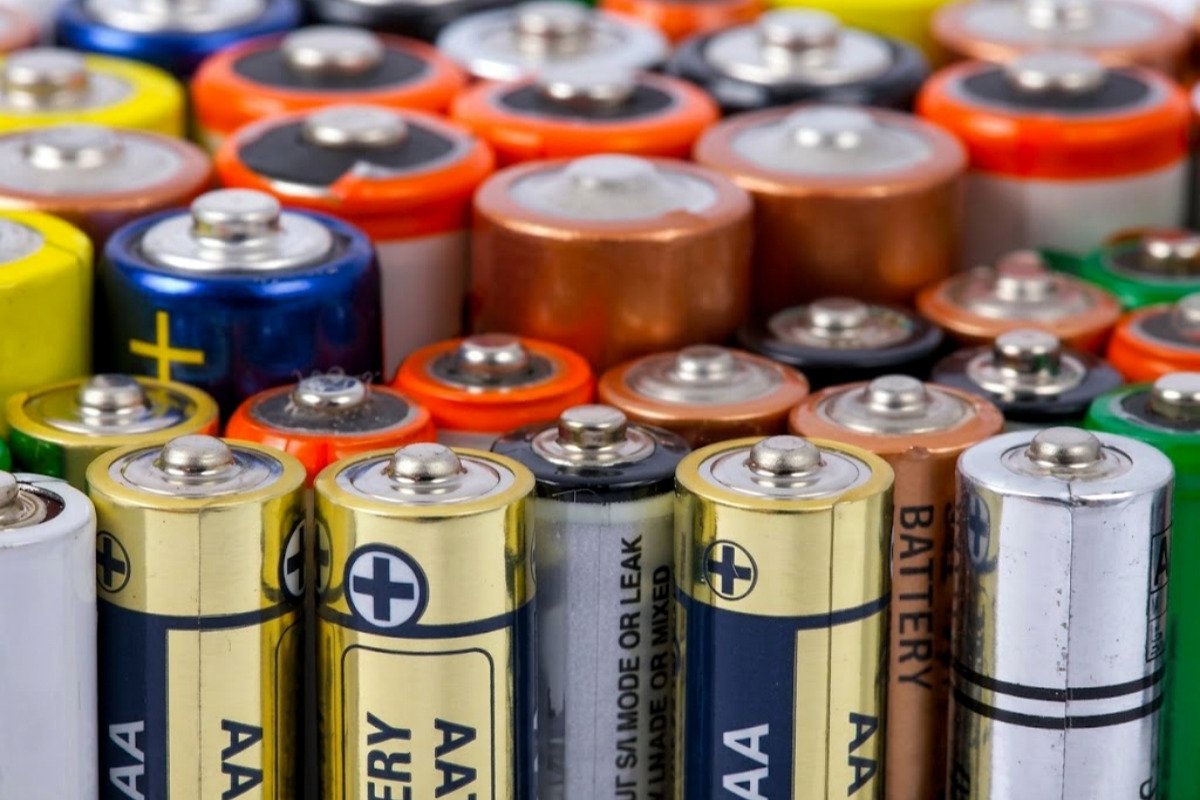
What is MSDS/SDS?
An MSDS (Material Safety Data Sheet) or SDS (Safety Data Sheet) provides detailed information about the chemical composition of the battery, handling precautions, and emergency procedures. It’s a safety document meant for manufacturers, transporters, and emergency responders—not just regulatory authorities.
Key MSDS components for cordless vacuum batteries include:
- Chemical properties: Lithium cathodes, electrolytes, and flammable components.
- Storage and handling instructions: Safe temperature ranges and conditions.
- Emergency measures: Actions for leaks, fires, or spills.
Together, these documents ensure global shipping compliance, protecting both transport personnel and cargo integrity.
Avoiding Red Flags at Customs: How Missing Documents Cause Seizures and Freight Delays
Nothing stops an overseas shipment faster than incomplete or incorrect documentation. If your cordless vacuum batteries lack UN38.3 or MSDS certification—or worse, have outdated ones—customs agents have every right to seize your shipment.
How Missing Documents Trigger Delays
Customs authorities look for document discrepancies as potential safety risks. Missing or poorly prepared UN38.3 tests will raise immediate red flags. Similarly, an incomplete MSDS fails to provide chemical safety details—important when batteries accidentally leak or ignite during inspections.
No certification = no transport clearance. This can leave your shipment stuck indefinitely, causing financial strain and reputation damage with your distributors.
Real-World Examples
Here are a few scenarios I’ve seen firsthand while assisting customers:
- Outdated UN38.3 papers: Lithium battery standards evolve, and a certificate issued two years ago may no longer be valid.[^3] A South American importer once had their shipment rejected because the supplier didn’t provide updated test results.
- MSDS confusion: One Southeast Asian distributor submitted an MSDS missing critical details about transportation hazards. Customs flagged the cargo for review, delaying the shipment by three weeks.[^4]
Preparation is everything. These problems are avoidable if you work with suppliers who follow documentation renewal cycles and ensure accurate submissions.
The OEM Checklist: How to Ensure Your Supplier Keeps Battery Certifications Up to Date
Your supplier plays a vital role in ensuring smooth international shipments. When choosing a cordless vacuum OEM partner, documentation compliance should be a top priority.
What OEMs Need to Manage
- UN38.3 documentation renewal: Batteries must undergo updated testing with changes in design or regulatory requirements.[^5]
- Accurate MSDS creation: The MSDS must include chemical specifics, transport safety guidelines, and hazard classifications.
- Verification processes: OEMs should guarantee certifications align with the latest standards from regulatory bodies like ICAO or IATA.[^6]
Checklist for Your Supplier
Here’s what you should confirm with any potential OEM partner:
| Requirement | Why It Matters | OEM Responsibility |
|---|---|---|
| Updated UN38.3 certificates | Validates current battery safety. | Conduct regular re-testing. |
| Detailed MSDS files | Ensures chemical disclosure. | Prepare precise safety data. |
| Document accuracy | Avoids customs rejections. | Conduct audits/reviews. |
An experienced supplier won’t just hand over papers—they’ll actively manage compliance across all certifications.
Frequently Asked Questions
What happens if a battery fails UN38.3 tests?
Brands can’t legally ship the battery until design changes or safety improvements enable it to pass. Failing UN38.3 essentially bans the product from global transport networks.[^7]
Do batteries need separate UN38.3 certifications?
Yes, each battery model must undergo separate testing, especially if internal components differ. A certificate tied to one model doesn’t "cover" others unless they’re identical in design.
How often should MSDS documents be updated?
MSDS updates depend on changes in battery chemistry or regulations.[^8] At minimum, request annual review cycles from your OEM to ensure compliance.
Is an SDS the same as an MSDS?
Yes, SDS (Safety Data Sheet) is often interchangeable with MSDS terminology, primarily due to shifting global language standards.
Can shipping be delayed if only one document is missing?
Absolutely. Both UN38.3 and MSDS are required to clear customs, meaning missing even one leads to rejection or delays.[^9]
Conclusion
Ensuring smooth global shipping for cordless vacuum batteries starts with understanding UN38.3 and MSDS documents. UN38.3 certifies the battery’s safety for transport, while the MSDS details chemical properties and handling precautions. Together, these documents protect your supply chain from costly disruptions at customs.
Work closely with your OEM to keep documentation updated and accurate. By proactively preventing issues, you’ll safeguard both your shipments and your business reputation. Ready to streamline your export operations? Contact us to see how we can help ensure your battery shipments meet global standards without the hassle.
[^1]: "Transporting Lithium Batteries - PHMSA", https://www.phmsa.dot.gov/lithiumbatteries. The International Air Transport Association (IATA) states that improper documentation for dangerous goods, including lithium batteries, can result in shipment rejection, fines, or legal action. Evidence role: case_reference; source type: government. Supports: Missing or incorrect battery documentation can lead to customs seizures and legal penalties.. Scope note: Specific consequences may vary by country and shipping method. [^2]: "Lithium Battery Test Summaries (TS) | PHMSA", https://www.phmsa.dot.gov/training/hazmat/new-un-requirement-test-summaries. The UN Manual of Tests and Criteria Section 38.3 outlines specific tests to ensure lithium-ion batteries are safe for transport, including altitude simulation, thermal testing, and vibration tests. Evidence role: mechanism; source type: institution. Supports: UN38.3 certification ensures lithium-ion batteries meet safety standards for transport.. Scope note: The certification applies only to batteries that pass all required tests; it does not guarantee safety under all conditions. [^3]: "Lithium Battery Guide for Shippers - PHMSA", https://www.phmsa.dot.gov/training/hazmat/lithium-battery-guide-shippers. Research from the International Electrotechnical Commission (IEC) indicates that lithium battery safety standards are periodically updated to reflect new technologies and risks. Evidence role: historical_context; source type: research. Supports: Lithium battery standards evolve, potentially invalidating older certifications.. Scope note: The frequency of updates may vary depending on the regulatory body and region. [^4]: "Hazard communication effective dates and SDSs", http://www.osha.gov/laws-regs/standardinterpretations/2015-07-27. The U.S. Customs and Border Protection agency notes that hazardous material shipments, including lithium batteries, may face extended delays if documentation is incomplete or inaccurate. Evidence role: case_reference; source type: government. Supports: Customs reviews can delay shipments for weeks due to incomplete or incorrect documentation.. Scope note: Delay durations can vary based on the specific customs agency and shipment details. [^5]: "AC 20-184 Guidance on Testing and Installation of ...", https://www.faa.gov/documentLibrary/media/Advisory_Circular/AC_20-184_Final_proof.pdf. The UN Manual of Tests and Criteria specifies that lithium batteries must undergo re-testing if their design or manufacturing process changes significantly. Evidence role: mechanism; source type: institution. Supports: Lithium batteries require updated testing when design or regulatory changes occur.. Scope note: The definition of 'significant changes' may vary by regulatory body. [^6]: "New power bank restrictions will safeguard international ...", https://www.icao.int/news/new-power-bank-restrictions-will-safeguard-international-aviation. The International Civil Aviation Organization (ICAO) and International Air Transport Association (IATA) provide guidelines for the safe transport of lithium batteries, which OEMs must adhere to. Evidence role: expert_consensus; source type: institution. Supports: OEMs must ensure battery certifications comply with ICAO and IATA standards.. Scope note: Standards may differ for air, sea, and land transport. [^7]: "Transporting Lithium Batteries - PHMSA", https://www.phmsa.dot.gov/lithiumbatteries. The UN Manual of Tests and Criteria states that batteries failing UN38.3 tests are prohibited from international transport due to safety risks. Evidence role: general_support; source type: government. Supports: Lithium batteries that fail UN38.3 testing cannot be legally transported globally.. Scope note: Restrictions may vary depending on the mode of transport and regional regulations. [^8]: "Resubmitting revised SDSs based on OSHA's new Hazard ...", https://www.epa.gov/epcra/resubmitting-revised-sdss-based-oshas-new-hazard-communication-standards. OSHA guidelines recommend updating MSDS documents whenever there are significant changes in chemical composition or regulatory requirements. Evidence role: general_support; source type: education. Supports: MSDS updates are required when battery chemistry or regulations change.. Scope note: The frequency of updates may vary by industry and region. [^9]: "LITHIUM BATTERY GUIDE FOR SHIPPERS", https://www.phmsa.dot.gov/sites/phmsa.dot.gov/files/2024-11/Lithium-Battery-Guide-2024.pdf. Customs regulations from the International Air Transport Association (IATA) require both UN38.3 and MSDS certifications for lithium battery shipments. Evidence role: general_support; source type: government. Supports: Both UN38.3 and MSDS certifications are mandatory for customs clearance of lithium batteries.. Scope note: Requirements may vary depending on the country and mode of transport.
Related Posts
How Self-Cleaning and Hot Air Drying Work in Floor Washers?
# How Self-Cleaning and Hot Air Drying Work in Floor Washers? Floor washers equipped with self-cleaning and hot air drying…
kPa vs Air Watts vs CFM: What Vacuum Cleaner Buyers Need to Know
# kPa vs Air Watts vs CFM: What Vacuum Cleaner Buyers Need to Know Shopping for a vacuum cleaner can…
HEPA H13 vs Standard Filters: Which Is Better for a Vacuum Cleaner?
# HEPA H13 vs Standard Filters: Which Is Better for a Vacuum Cleaner? When choosing a vacuum cleaner filter, the…
Leave a Reply