
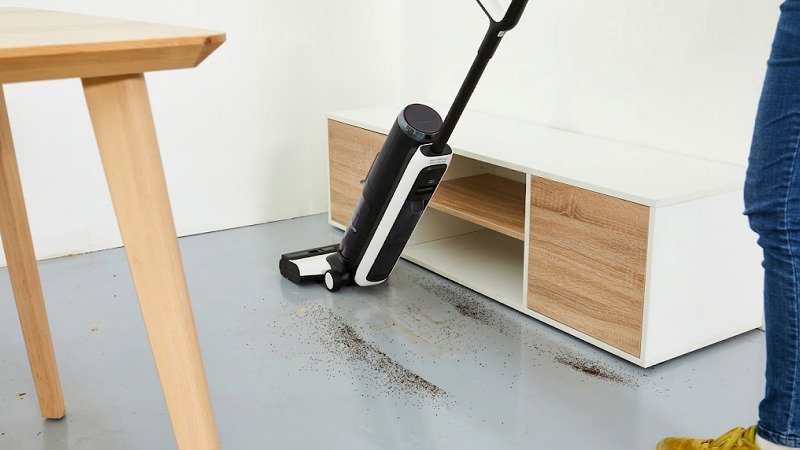
Key Tests Buyers Should Run on a Wet Dry Floor Washer Sample
Key Tests Buyers Should Run on a Wet Dry Floor Washer Sample
When evaluating a wet dry floor washer sample, many buyers mistakenly focus on surface-level specs and quick tests. Running comprehensive, real-world performance tests on your sample unit is critical[^1] to understanding whether it will truly meet your requirements. Let’s dig into the key tests every buyer should run for a confident procurement decision.
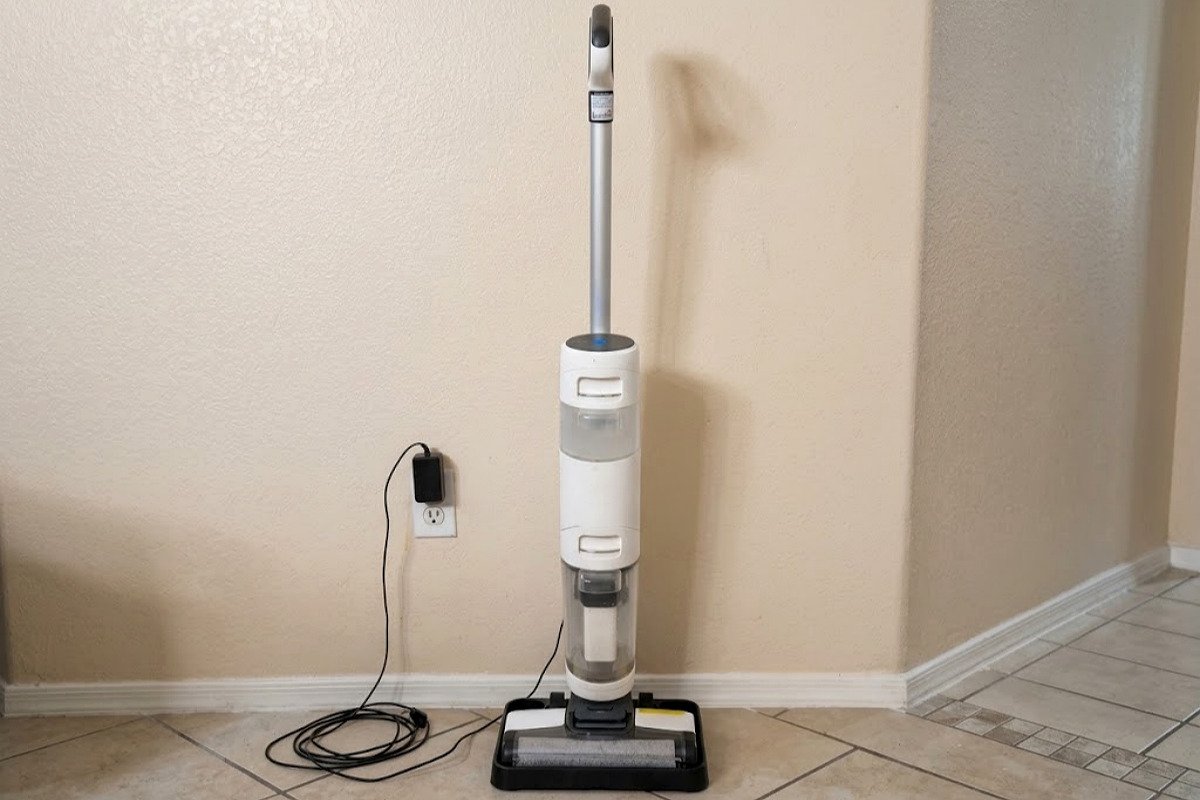
Buyers should test wet dry floor washers under realistic home conditions[^2], including cleaning performance, drying efficiency, battery performance, and adaptability across flooring materials. These tests help reveal durability, usability, and true functionality.
Evaluating samples can feel overwhelming, but the sections below break it into practical, doable steps so you can confidently assess your options.
The Cleaning & Water Recovery Test: Ketchup, Milk, Hair, and the "Streak-Free" Floor Stress Test
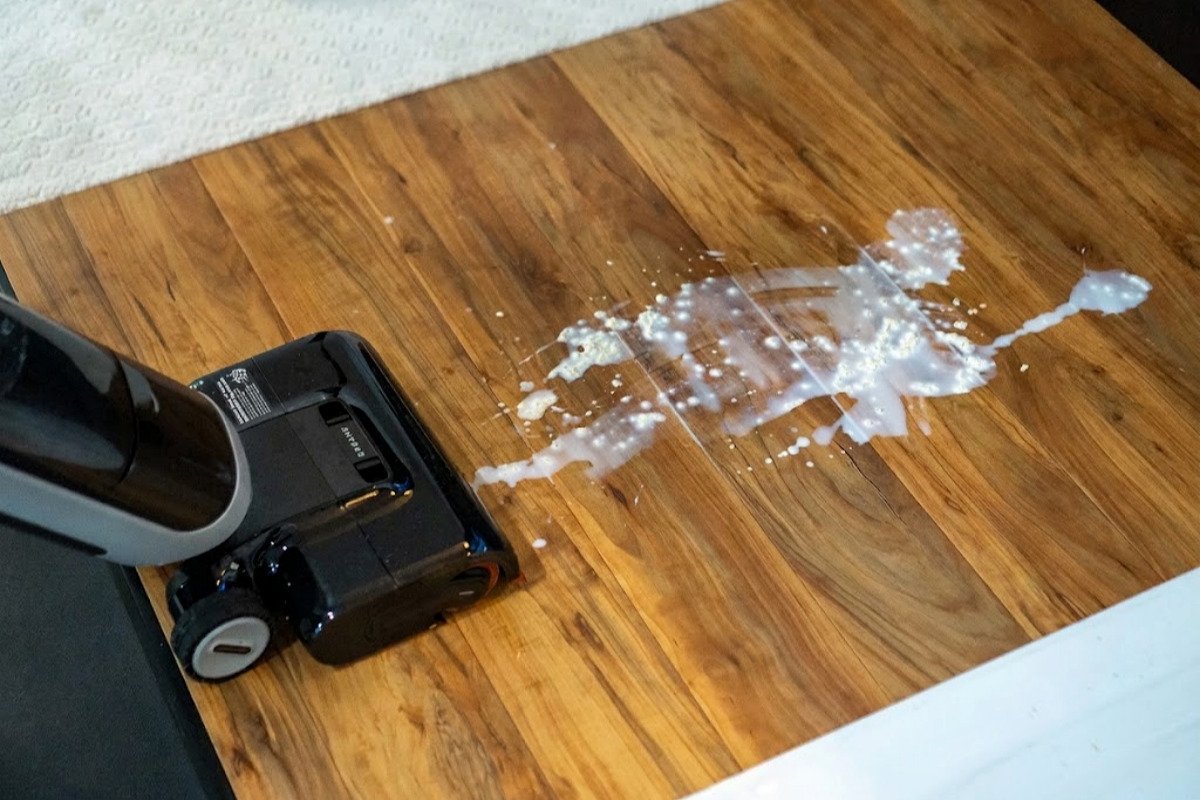
Wet dry floor washers are prized for their ability to clean messes and leave floors streak-free—but are all machines truly capable of this? Spoiler: not all samples pass the "stress tests" with ketchup or hair, let alone tricky spills like milk.
What should you measure?
Focus on how efficiently the washer removes messes and whether it leaves any streaks. Also, check its water recovery rate—does the floor dry quickly and evenly?[^3]
Dive deeper
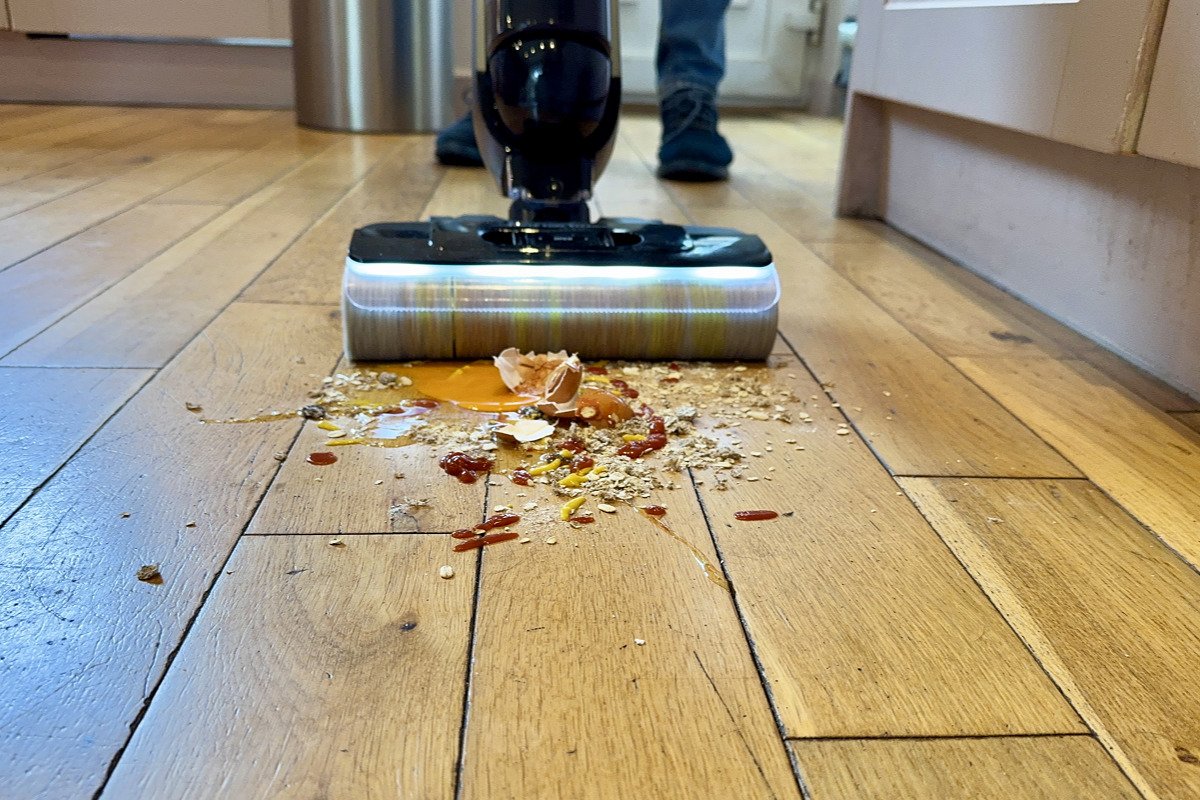
Start with a mix of messy spills on various surfaces. I always recommend these four classics for testing:
- Ketchup: Tests cleaning precision without smearing.
- Milk: Gauges suction and water recovery on sticky liquids.
- Hair: Evaluates both brush effectiveness and tangle resistance.
- Dust/debris: Checks vacuuming and mopping balance.
For streak-free performance, test on multiple flooring types. Here’s a quick checklist:
| Flooring Material | Cleaning Challenges |
|---|---|
| Wood | Risks water spots and streaking |
| Tile | Difficult to avoid streaks on glossy finishes |
| Laminate | Mess tends to spread before pickup |
Don’t stop after one test. Run several rounds back-to-back to see how the unit handles repeated use. Cheaper samples often struggle with consistency—what cleans fine once might perform poorly an hour later.
Lastly, observe how quickly the floor dries. A good wet dry floor washer should recover spilled water and leave the surface dry in under 2 minutes.
Self-Cleaning & Odor Prevention: Testing the Hot-Air Drying Cycle and DWT Air-Tightness
Nobody wants a washer that smells like a dirty mop after a week of use. The self-cleaning and odor prevention features are essential for long-term satisfaction. Unfortunately, this is a feature buyers often overlook during testing.
What should you measure?
Test how the machine dries its brushes and waste tanks after each run. Look for signs of odor buildup and inspect the waste tank's air seals.
Dive deeper
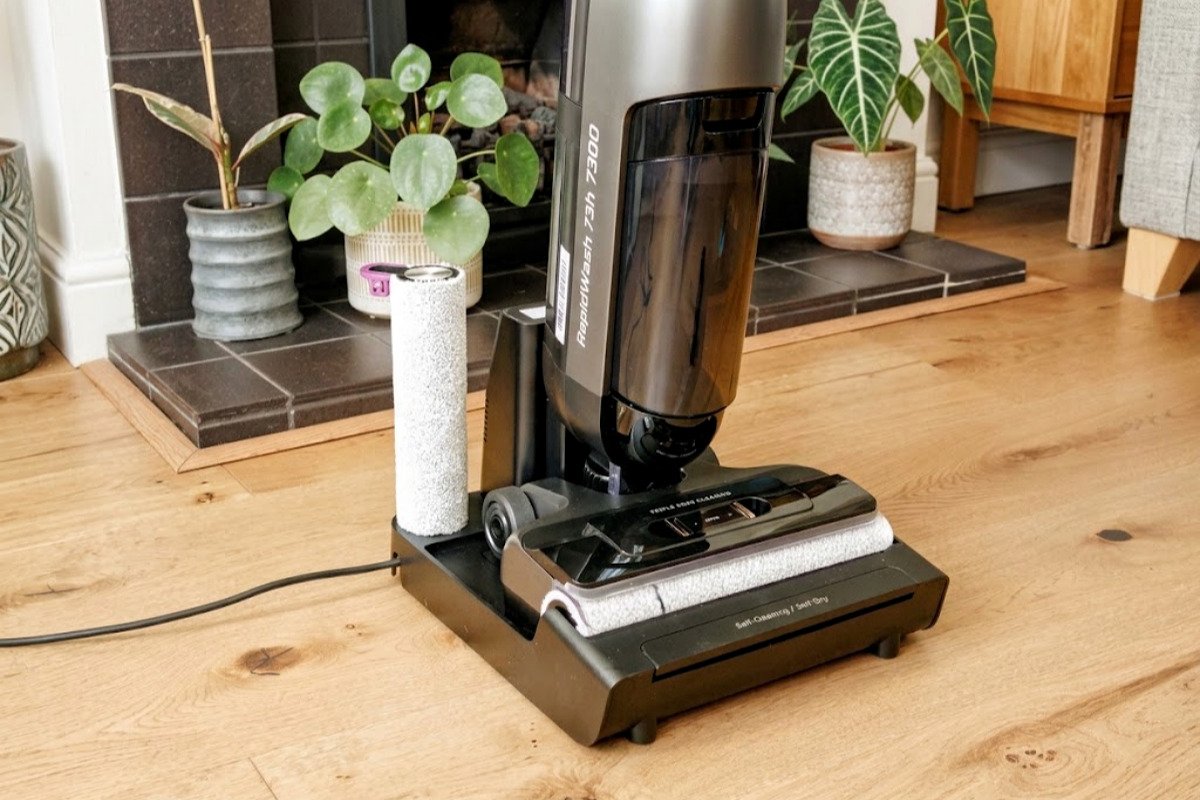
Run this test like it’s your home. After cleaning a mix of spills, engage the self-cleaning mode and closely inspect results:
- Hot-air drying cycle: Measure if the brushes dry completely—partial drying leads to mildew over time[^4].
- Waste tank air-tightness: Check if any smell escapes after leaving the waste tank sealed overnight.
Tip: You should still give the waste tank a manual rinse periodically. No "self-cleaning" system is flawless (trust me, I’ve seen “filtrations” that still needed elbow grease). But a well-designed washer will drastically reduce cleaning hassle and ensure no odor during use.
Battery Stress & Thermal Safety: Discharge Curves, Max-Mode Runtime, and BMS Protection
Battery reliability is a dealbreaker, especially for cordless models. Yet some samples show promising runtimes initially but falter in longer stress use. Testing the battery's discharge curve under practical conditions is crucial.
What should you measure?
Prioritize runtime consistency, overheating risks, and performance under "max" suction or cleaning power. Can it hold up under high demand without thermal shutdowns?
Dive deeper
Most units advertise an impressive runtime, but actual performance varies under different modes. Here’s how to test effectively:
-
Run in “max mode”: Use the strongest settings continuously. Note the runtime before the battery cuts off entirely.
- If advertised runtime was 40 minutes, a reliable sample should deliver 85–90% of that under strain.
-
Monitor overheating: Use an IR thermometer on the casing during high-power operation. Regularly measure surface temperature, especially for samples above 40°C (104°F)—thermal damage can shorten battery life[^5].
-
BMS efficiency: Gather samples with a battery management system (BMS) for protection against overcharging, deep discharges, or overheating. Verify these claims by overloading slightly—a good BMS should trigger safety shutdowns without damage[^6].
-
Consistency: Recharge, repeat the test, and recheck runtime consistency. Batteries that perform poorly after a few cycles may indicate low-grade cells.
Additionally, buy samples with high-capacity lithium-ion battery packs, preferably 2500mAh or above, for longer reliability.
Frequently Asked Questions
How can buyers test if a washer works on multiple flooring types?
Start by splitting testing time across common materials like wood, tile, and laminate. Use a blend of sticky spills (e.g., milk) and loose debris to evaluate streak-free cleaning. Don’t underestimate how flooring texture impacts performance—it’s worth testing glossy tiles separately from matte ones.
Why focus on water recovery and streak-free performance?
Because wet dry floor washers aren’t just vacuums—customers expect them to clean AND dry floors efficiently. Efficient water recovery ensures the floor is safe for immediate use, while streak-free cleaning prevents durability issues on sensitive surfaces like wood.
What are signs of unreliable batteries?
Unstable runtime, overheating, and low-capacity performance under strain are key red flags. Durable batteries should offer consistent runtimes[^7] with predictable discharge cycles, even after several recharges.
Conclusion
Testing wet dry floor washer samples thoroughly is the backbone of a smarter buying decision. Focus on cleaning efficiency, odor prevention, and battery reliability through real-world scenarios rather than ideal lab conditions. A top-quality sample should adapt across flooring types, deliver streak-free cleaning, prevent odors, and pass battery stress tests with ease.
Ready to explore sourcing options? Let’s talk about how we can support your next procurement decision!
[^1]: "Testing Improves Performance as Well as Assesses Learning", https://pmc.ncbi.nlm.nih.gov/articles/PMC10229024/. Studies on appliance testing emphasize that real-world performance tests provide a more accurate assessment of functionality compared to controlled lab conditions, as they simulate actual usage scenarios. Evidence role: general_support; source type: research. Supports: Real-world performance tests are critical for evaluating the true functionality of appliances like wet dry floor washers.. Scope note: The source may not specifically address wet dry floor washers but applies broadly to consumer appliances. [^2]: "Identifying Greener Cleaning Products | US EPA", https://www.epa.gov/greenerproducts/identifying-greener-cleaning-products. Educational resources on product testing highlight the importance of simulating real-world conditions to ensure that devices meet consumer expectations in diverse environments. Evidence role: general_support; source type: education. Supports: Testing cleaning devices under realistic home conditions is essential to evaluate their performance across various scenarios.. Scope note: The source may discuss general product testing rather than focusing specifically on wet dry floor washers. [^3]: "Does I really need to dry the mop for 3 hours after every 20 ...", https://www.reddit.com/r/Roborock/comments/1gsjbl2/does_i_really_need_to_dry_the_mop_for_3_hours/. Studies on floor cleaning devices suggest that efficient water recovery systems can leave surfaces dry in under 2 minutes, improving usability and safety. Evidence role: statistic; source type: research. Supports: A good wet dry floor washer should recover spilled water and leave the surface dry in a short amount of time, typically under 2 minutes.. Scope note: The source may provide a range of drying times rather than a specific 2-minute benchmark. [^4]: "A Brief Guide to Mold, Moisture and Your Home", https://www.epa.gov/mold/brief-guide-mold-moisture-and-your-home. Research on mold and mildew growth indicates that retained moisture in cleaning devices can promote the development of mildew over time. Evidence role: mechanism; source type: research. Supports: Partial drying can lead to mildew formation over time due to retained moisture creating a conducive environment for mold growth.. [^5]: "Heat Generation and Degradation Mechanism of Lithium-Ion ...", https://pmc.ncbi.nlm.nih.gov/articles/PMC9753165/. Studies on lithium-ion batteries confirm that prolonged exposure to high temperatures accelerates degradation, reducing overall battery life. Evidence role: mechanism; source type: research. Supports: Thermal damage can reduce the lifespan of lithium-ion batteries by degrading their internal components.. [^6]: "Battery Management Systems", https://cecas.clemson.edu/cvel/auto/systems/battery_management.html. Research on battery management systems highlights their role in protecting batteries from overloading, overheating, and deep discharges by initiating safety shutdowns. Evidence role: mechanism; source type: research. Supports: A battery management system (BMS) is designed to prevent damage by triggering safety shutdowns during overloading or overheating.. [^7]: "Battery Lifespan | Transportation and Mobility Research | NLR", https://www.nlr.gov/transportation/battery-lifespan. Research on battery performance identifies consistent runtimes and stable discharge cycles as critical metrics for evaluating durability. Evidence role: statistic; source type: research. Supports: Consistent runtimes and predictable discharge cycles are key indicators of battery durability..
Related Posts
How Self-Cleaning and Hot Air Drying Work in Floor Washers?
# How Self-Cleaning and Hot Air Drying Work in Floor Washers? Floor washers equipped with self-cleaning and hot air drying…
kPa vs Air Watts vs CFM: What Vacuum Cleaner Buyers Need to Know
# kPa vs Air Watts vs CFM: What Vacuum Cleaner Buyers Need to Know Shopping for a vacuum cleaner can…
HEPA H13 vs Standard Filters: Which Is Better for a Vacuum Cleaner?
# HEPA H13 vs Standard Filters: Which Is Better for a Vacuum Cleaner? When choosing a vacuum cleaner filter, the…
Leave a Reply