
What Suction Power Is Good for a Spot Cleaner?
What Suction Power Is Good for a Spot Cleaner?
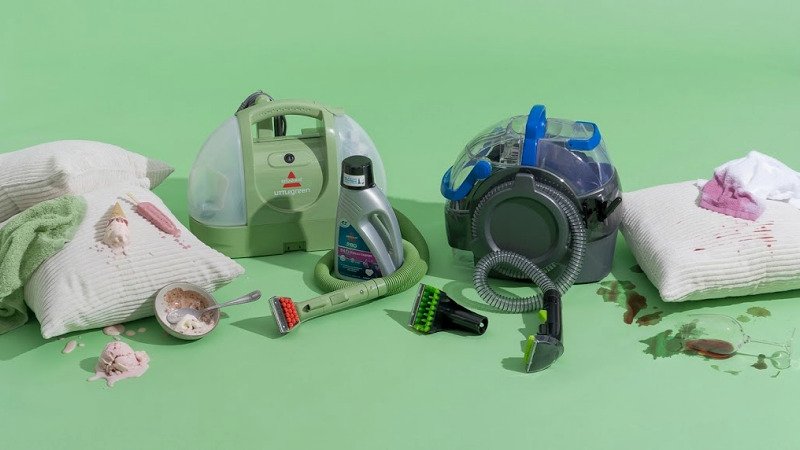
When shopping for a spot cleaner, one of the biggest questions people ask is: What suction power is "good" enough? Suction power in a spot cleaner isn't just about the numbers.[^1] It's about matching the power to your actual cleaning needs, whether you're tackling couch stains or spilled juice on a carpet. Let’s take a closer look.
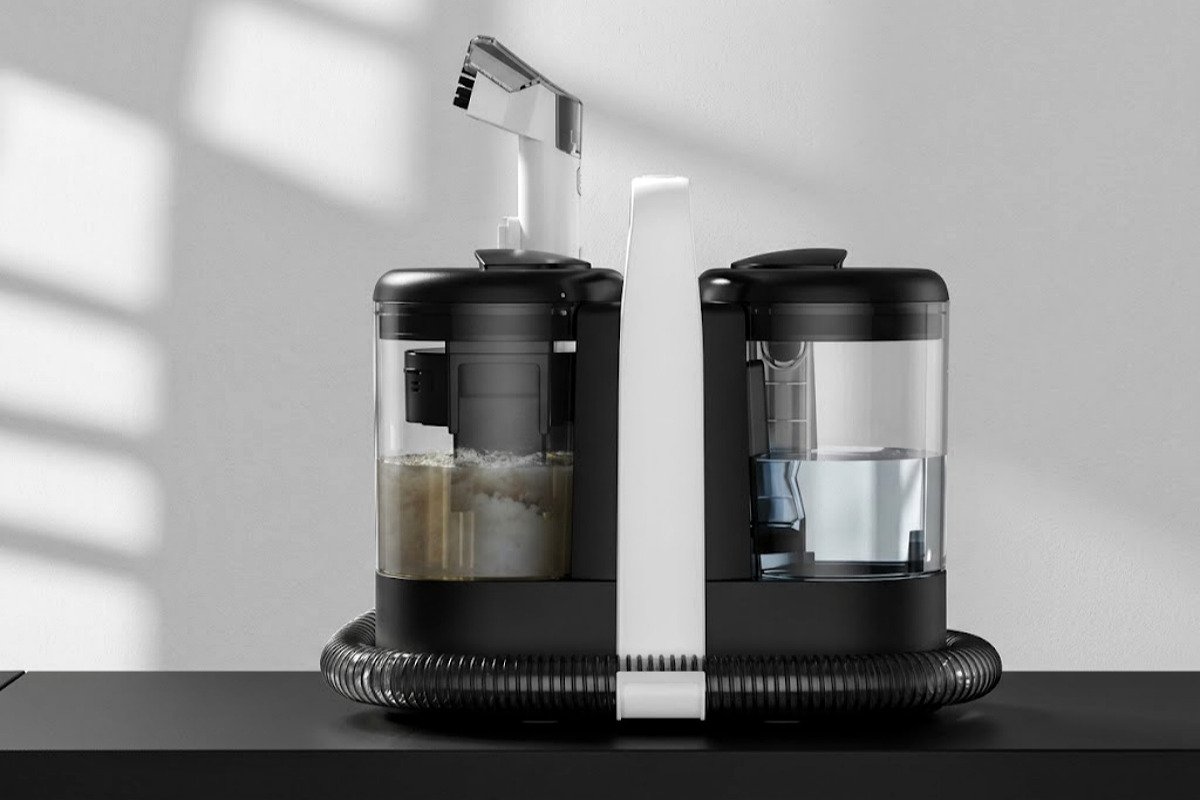
Finding the right balance of suction power isn’t always straightforward. Sometimes, more power doesn’t mean better results, especially for smaller, more targeted cleaning tasks. Stick around to learn how to decode those suction metrics and choose what fits your use case best.
Pa vs. AW vs. CFM: Demystifying Spot Cleaner Suction Specs[^2] (Without the Marketing Hype)
Are suction specs leaving you scratching your head? You’re not alone.
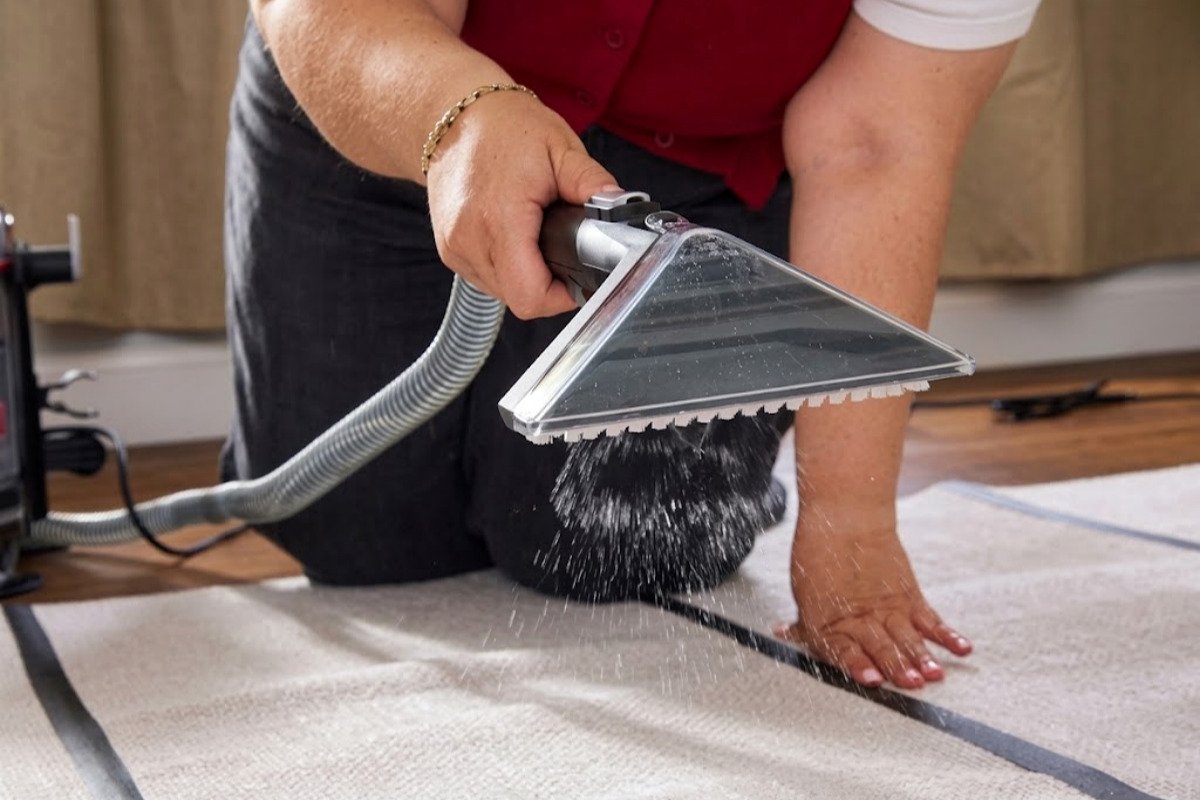
Here's the breakdown: "Pa" (Pascal), "AW" (Air Watts), and "CFM" (Cubic Feet per Minute) are all ways manufacturers measure suction performance, but they don’t mean much unless you know how they relate to cleaning everyday messes.
What the specs really mean
- Pascal (Pa): Measures pressure intensity. Higher Pa means more raw strength for lifting dirt from surfaces.[^3]
- Air Watts (AW): Focuses on efficiency — how much suction power is used effectively to pull debris.
- Cubic Feet Per Minute (CFM): Indicates airflow strength. More CFM means better dirt and liquid recovery.
For spot cleaning, balancing AW and CFM is often more important than chasing the highest Pa. Why? Spot cleaners aren’t designed to deep-clean your house; they’re for targeted messes like spilled wine or pet accidents.
So, how much suction power do you need?
- Light cleaning: A spot cleaner with 30–40 AW or 20–40 CFM is usually sufficient.
- Stubborn spills: Look for something in the 40–70 AW range for better stain lifting and water recovery.
- Heavy-duty messes: Higher AW (over 70) and CFM (50+) may be necessary, but remember that large machines can become bulky and less portable.
Key takeaway: Bigger numbers aren’t always better. For quick jobs around the couch or car seat, mid-range specs often hit the sweet spot of power without sacrificing mobility.
The "Dry Time" Factor: Why Strong Water Recovery Matters More Than Just Lifting Stains
Ever cleaned a stain only to find the surface soaking wet afterwards? That’s a sign of weak water recovery.
No matter how “strong” suction specs look on paper, if your spot cleaner can’t recover liquid effectively, you’re left waiting forever for fabrics to dry—especially carpets or upholstery.
Why water recovery matters
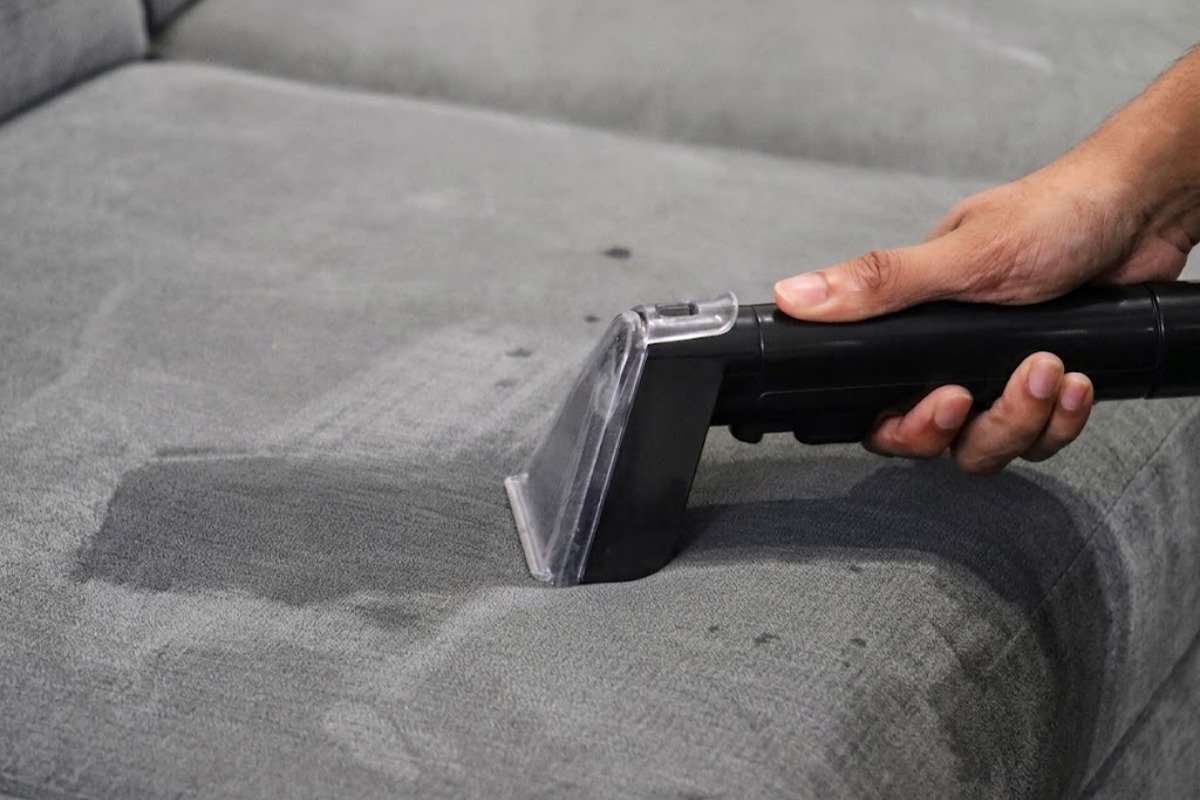
Water recovery—the ability to suck back as much liquid as the machine sprays—is vital.[^4] Without good water recovery, cleaning could actually make the mess worse by spreading moisture and leaving behind residue.
Features to look for
- High CFM performance: For recovering liquids efficiently, look for spot cleaners with 40–50 CFM or higher.
- Adjustable spray pressure: Helps prevent oversaturating the material in the first place, reducing dry time.
- Double-pass suction design: Some machines let you recover water with a stronger pass over the stain. This helps keep drying fast.
Pro tip: Multi-material versatility
Not all fabrics dry the same. In my experience, couches and plush rugs recover more water easily, while thinner carpets take forever. Choosing a machine with adjustable settings helps you fine-tune suction power for different materials.
Key takeaway: Prioritize quick water recovery for less drying time. It’s the difference between a spot cleaner that helps and one that creates new hassles!
Corded Power vs. Battery Convenience: Finding the Suction Sweet Spot for Your Budget
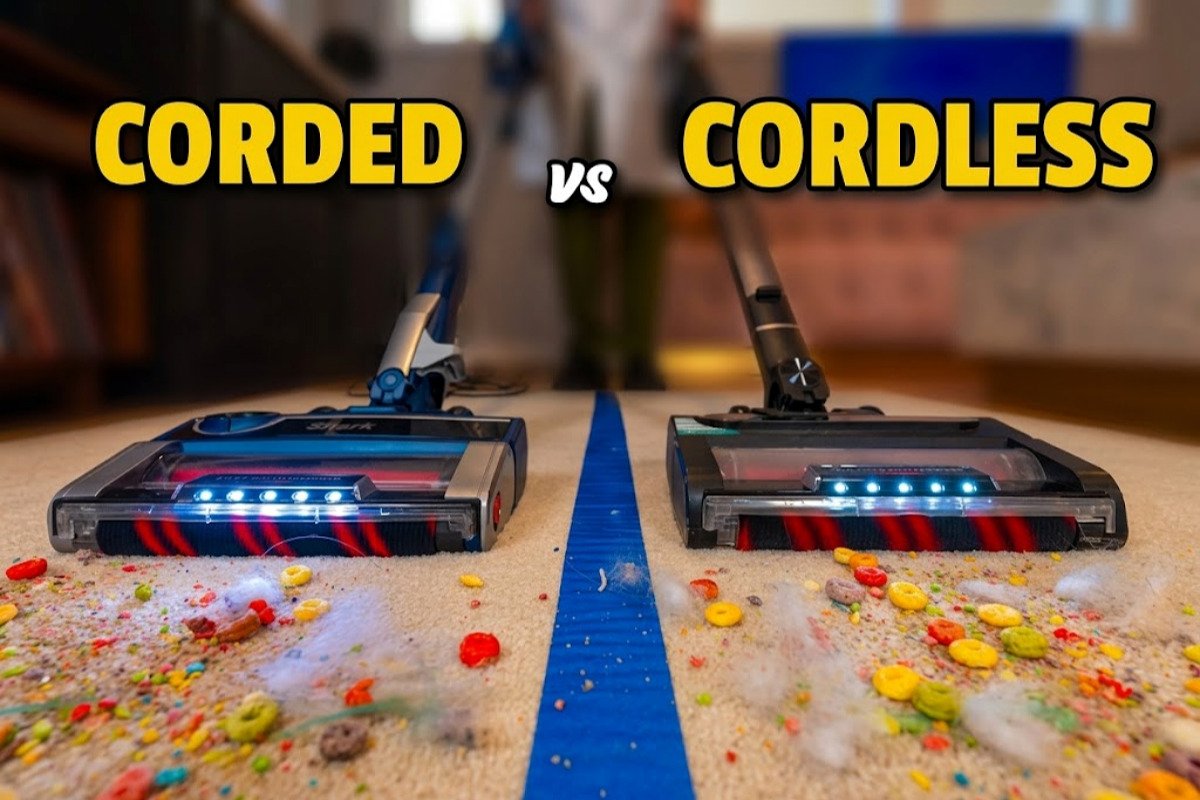
Should you go corded or cordless for a spot cleaner? People often assume cordless models are weaker, but that’s not always true anymore.
Cordless convenience adds portability, but corded machines often hold up better for bigger or more stubborn messes where sustained suction power is key.
Factors to consider
- For quick spills: Cordless spot cleaners are lightweight and easier to maneuver, especially for cars or furniture.
- For frequent or tougher jobs: Corded models offer consistent power, which is crucial for tackling set-in stains or larger surface areas.
Corded vs. cordless: Pros and cons
| Feature | Corded Spot Cleaner | Cordless Spot Cleaner |
|---|---|---|
| Suction strength | Higher, dependable power | Moderately strong, may fade |
| Portability | Limited by cord length | Easy to carry anywhere |
| Run time | Unlimited | Battery life limits duration |
| Price range | Mid-range to high-end | Affordable to mid-range |
Corded models shine when raw power is needed, but cordless models have come a long way and can handle most small stains easily. I usually recommend corded for homes with thicker carpets or heavy traffic areas, and cordless for portable, light-duty use.
Key takeaway: Pick corded for consistent suction on heavy spills, and cordless for freedom when portability matters most.
Frequently Asked Questions
Does a higher suction power guarantee better cleaning for spot cleaners?
Not necessarily. Higher suction power excels at lifting dirt, but other factors like water recovery and airflow efficiency matter more for targeted spot cleaning. Balance is key.
What’s the best suction range for a spot cleaner used on carpets?
Spot cleaners with 40–70 AW and 40–50 CFM typically perform best on carpets, balancing stain removal with efficient water recovery.
Can cordless spot cleaners match the suction of corded ones for tough stains?
Modern cordless units can come close to corded suction power for light spills.[^5] For heavy-duty stains, however, corded machines are still more reliable.
Conclusion
Choosing the right suction power for a spot cleaner is all about balance—not just chasing the highest spec numbers. Good suction power depends on your use case, whether it's cleaning light stains, recovering water quickly, or tackling stubborn spills on thick fabrics.[^6] To make the best choice, focus on airflow (CFM) and water recovery features alongside suction.
Ready to find the perfect spot cleaner for your home or business? Let us help you navigate the specs and find quality options that fit your needs. Reach out today!
[^1]: "What Suction Power (in Pa) Is Sufficient For a Vacuum ...", https://honiture.com/blogs/home-cleaning/vacuums-suction-power?srsltid=AU7gw4X8KUi5lPbvCHhiOw5F7xz_SCmpiojmlNDvVuk8nvrWThSLD3hg. Studies on cleaning efficiency suggest that suction power should be evaluated in the context of specific cleaning tasks rather than relying solely on numerical metrics. Evidence role: general_support; source type: education. Supports: Matching suction power to cleaning needs is more important than focusing solely on numerical values.. Scope note: The source may provide general guidelines rather than specific examples for spot cleaners. [^2]: "Airwatt", https://en.wikipedia.org/wiki/Airwatt. An encyclopedia entry explains the differences between Pascal, Air Watts, and CFM as metrics for suction performance in cleaning devices. Evidence role: definition; source type: encyclopedia. Supports: Pa, AW, and CFM are distinct metrics for measuring suction performance, each with specific applications.. Scope note: The explanation may not be specific to spot cleaners. [^3]: "Efficiency of cleaning and disinfection of surfaces", https://pubmed.ncbi.nlm.nih.gov/29160477/. Research on vacuum cleaner performance confirms that Pascal values correlate with the pressure intensity used to lift dirt. Evidence role: mechanism; source type: research. Supports: Pascal measures pressure intensity, with higher values indicating stronger dirt-lifting capability.. Scope note: The correlation may vary depending on the design of the cleaning device. [^4]: "Water Resource Recovery Basics", https://www.energy.gov/cmei/ito/water-resource-recovery-basics. Research highlights the role of water recovery in improving cleaning efficiency and reducing fabric drying times. Evidence role: general_support; source type: research. Supports: Water recovery is essential for effective cleaning and minimizing drying time.. Scope note: The research may focus on general cleaning devices rather than spot cleaners specifically. [^5]: "The Best Spot Cleaner Revealed — and Why You've Been ...", https://www.youtube.com/watch?v=7X-FC9DBbpM&vl=en. Recent studies on cordless cleaning devices indicate that advancements in battery technology have improved their suction power for light cleaning tasks. Evidence role: statistic; source type: research. Supports: Modern cordless spot cleaners can achieve suction power comparable to corded models for light spills.. Scope note: The findings may not apply to all cordless models. [^6]: "Robot Vacuum Suction Power: How Many Pascals Do You ...", https://us.narwal.com/blogs/product/robot-vacuum-how-many-pa?srsltid=AU7gw4XRcIKI6STU5rLrvHE42hRV_qrE9iR9jj7inz243XRD3kLLjVG5. Educational resources on cleaning technology emphasize the importance of matching suction power to specific cleaning tasks for optimal results. Evidence role: general_support; source type: education. Supports: Suction power effectiveness varies depending on the cleaning use case.. Scope note: The resources may provide general advice rather than specific data for spot cleaners.
Related Posts
How Self-Cleaning and Hot Air Drying Work in Floor Washers?
# How Self-Cleaning and Hot Air Drying Work in Floor Washers? Floor washers equipped with self-cleaning and hot air drying…
kPa vs Air Watts vs CFM: What Vacuum Cleaner Buyers Need to Know
# kPa vs Air Watts vs CFM: What Vacuum Cleaner Buyers Need to Know Shopping for a vacuum cleaner can…
HEPA H13 vs Standard Filters: Which Is Better for a Vacuum Cleaner?
# HEPA H13 vs Standard Filters: Which Is Better for a Vacuum Cleaner? When choosing a vacuum cleaner filter, the…
Leave a Reply