
Water Lift vs Airflow: Which Matters More in an Industrial Vacuum?
Water Lift vs Airflow: Which Matters More in an Industrial Vacuum?
Choosing the right industrial vacuum cleaner can be tricky, especially when you’re comparing technical specs. Terms like Water Lift and Airflow often dominate brochures and spec sheets—but which one truly matters more? Understanding their trade-offs is key to finding a vacuum suited for your cleaning needs.
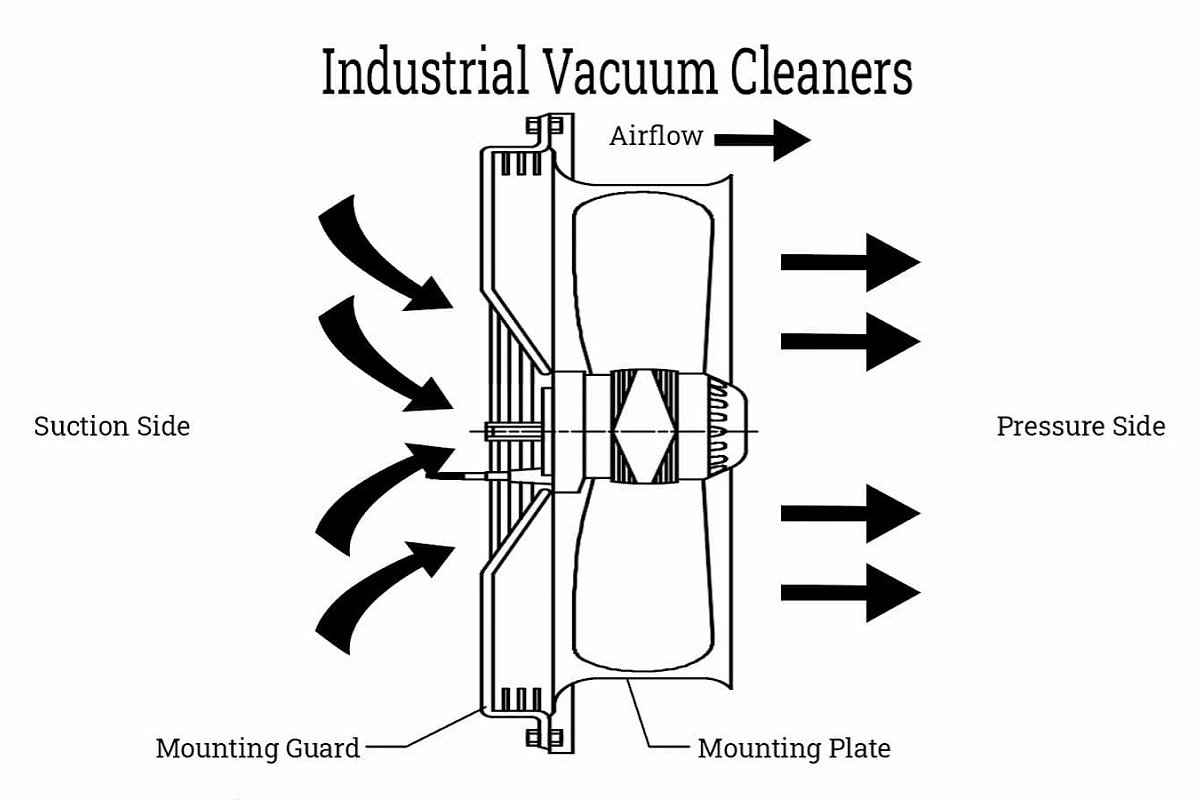
Water Lift measures the vacuum’s suction strength, while Airflow highlights its ability to move larger volumes of air efficiently.[^1] Both are absolutely crucial, but the right balance depends entirely on your specific industrial application.
Ultimately, it’s not a question of “which is better” but rather how to evaluate both parameters together for maximum cleaning performance. Let’s break it down.
What Is the Difference Between Water Lift and Airflow in an Industrial Vacuum Cleaner?
If you’re new to industrial vacuum specifications, terms like Water Lift and Airflow can sound overly technical or even confusing. But in reality, they’re just different ways to measure how a vacuum performs in cleaning environments.
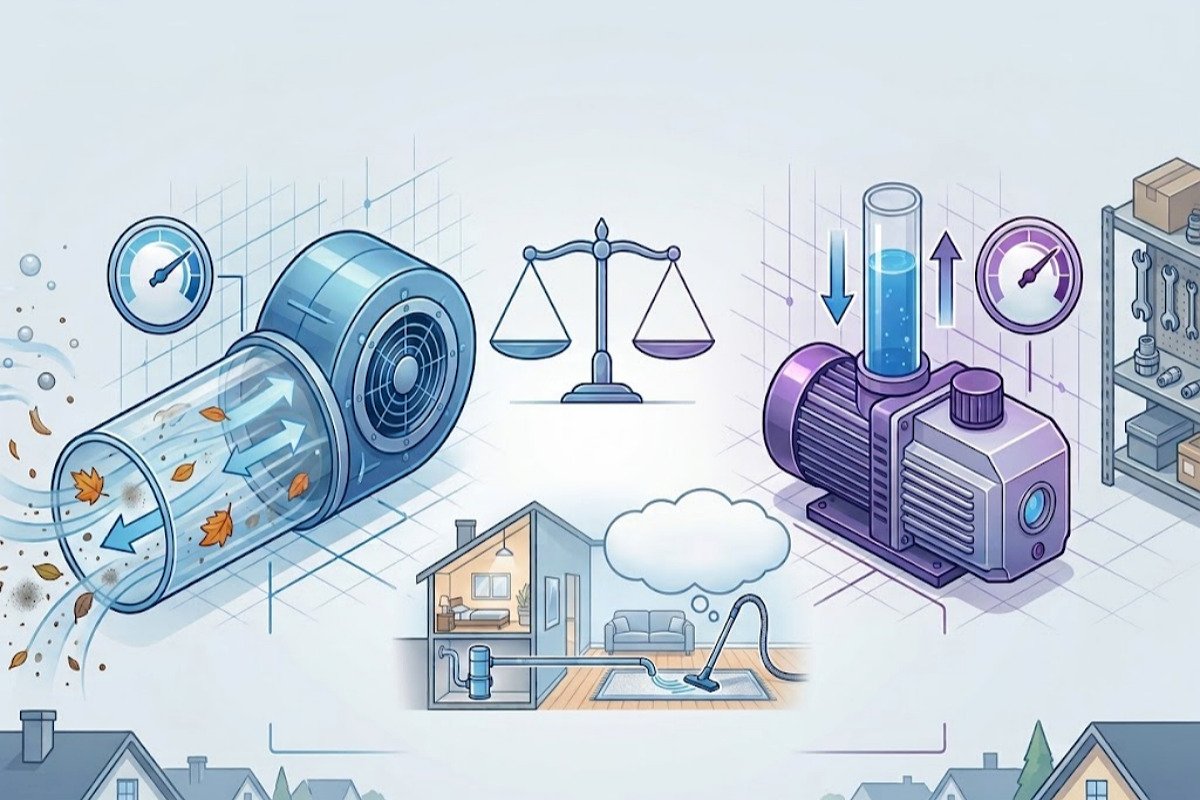
Water Lift refers to suction power—how strongly the machine pulls debris upward through its hose—which helps tackle heavier materials. Airflow, on the other hand, measures movement—the volume of air traveling through the vacuum—to efficiently capture lighter debris or dust across larger areas.
Breaking Down the Basics
Here’s how both perform in layman’s terms:
-
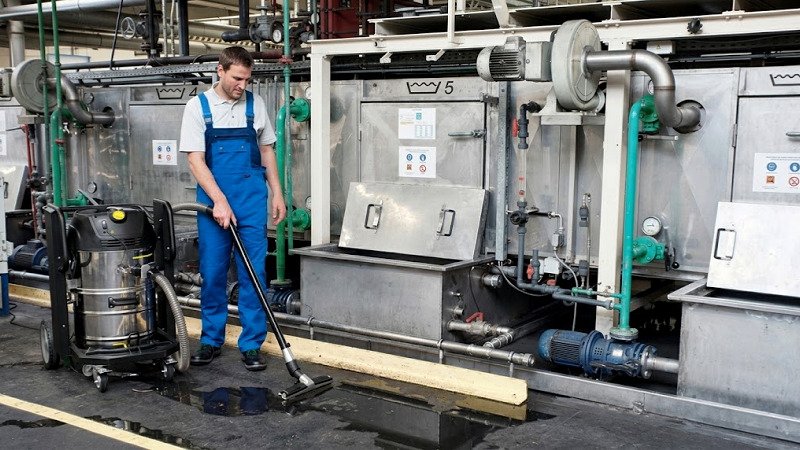
Water Lift: It’s about raw sucking power. A vacuum with high Water Lift is great for pulling up dense or heavy material—think large chunks of wet gravel, metal shavings, or soaked industrial debris.
-
Airflow: Airflow focuses on the volume of air moving through the vacuum (usually measured in cubic feet per minute or CFM). High airflow vacuums are better suited for light, dry debris like sawdust or fine powders.
Not all vacuums excel in both. Machines optimized for strong Water Lift may sacrifice airflow efficiency, and vice versa. Misunderstanding this trade-off can lead to buying equipment that isn’t optimized for your cleaning needs.
How Do Water Lift and Airflow Affect Industrial Vacuum Cleaning Performance?
Imagine trying to clean up wet cement chunks versus a floor covered in dry sawdust. These two scenarios demand very different vacuum capabilities—this is where Water Lift and Airflow come into play.
Water Lift determines success when handling dense material, while Airflow impacts the vacuum’s ability to clear widespread lighter debris efficiently.[^2] Neither metric is independently superior—performance always depends on the cleaning challenges at hand.
Real-World Examples
Take these common cleaning tasks in industrial environments:
- Metalworking plants: Water Lift matters most when dealing with heavy metal shards or soaked waste materials. High suction prevents clogging and handles dense debris efficiently.
- Woodworking factories: Airflow takes the lead here. The priority is picking up lightweight sawdust that accumulates on wide surfaces and within fine cracks.
- Chemical spill cleanup: A balanced mix of both Water Lift and Airflow is important. You need suction power to pull liquids effectively while also moving fumes or fine particles out of hazardous zones.
Why Balanced Performance Matters
Machines with disproportionate specs—for example, extremely high Water Lift but weak Airflow—often struggle in mixed-use cases. If your cleaning needs combine heavy debris with widespread light particles, you’ll likely need a machine that offers good suction power without sacrificing airflow efficiency.
How to Choose an Industrial Vacuum Based on Water Lift, Airflow, and Your Application
Now that we’ve covered the technical difference between Water Lift and Airflow, how do you decide what’s ideal for your industry? Start by considering your operational environment and specific cleaning tasks.
Choosing between Water Lift and Airflow depends on your application. Wet, heavy debris benefits from powerful Water Lift vacuums, while light, dry particles require excellent Airflow to cover larger spaces effectively. Focus on striking the right balance based on your cleaning challenges.
Matching Specs to Applications
Let me share strategies based on common customer cases:
-
Clean wet materials? High Water Lift is pivotal. For instance, if you’re handling industrial spills, saturated soil, or soaked waste from metalworking, prioritize machines rated for higher Water Lift (often above 120 inches of water).[^3]
-
Cover dry debris? Go for robust Airflow. Applications like warehouses or woodworking need high CFM ratings—look for vacuums exceeding 150 CFM for optimal efficiency.[^4]
-
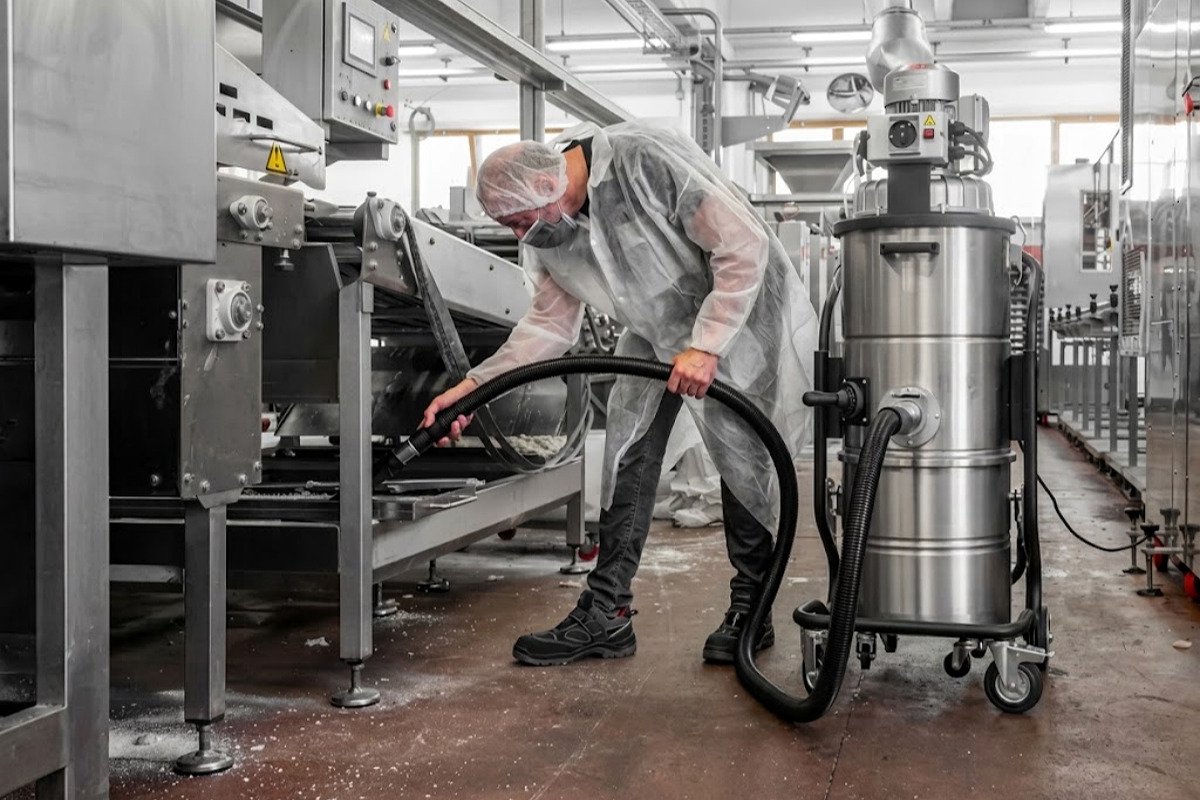
Mixed-use cleanup? Balance is vital here. An example is food processing, where factories deal with grains, liquids, and fine dust.[^5] On average, you’ll need both solid suction (80–100 inches of Water Lift) and stable airflow (120–150 CFM).
Critical Considerations Before Buying
To avoid mistakes, I tell customers to keep the following in mind:
-
Don’t chase high numbers blindly.[^6] A vacuum with the highest Water Lift might underperform in tasks requiring airflow. Focus on how specs meet your clean-up conditions—not vague marketing claims.
-
Think about attachments and hoses. Industrial vacuums with smaller hoses or incompatible tools can reduce airflow efficiency.[^7] Always ensure your model supports your site’s specific tools.
-
Consult expert manufacturers. Manufacturers with deep vacuum expertise can recommend machines tailored to your job needs.[^8] I’ve had countless cases where taking advice upfront saved buyers unnecessary replacements later.
Frequently Asked Questions
Is Water Lift more important than Airflow for industrial vacuums?
No single parameter is more important. Water Lift excels for dense materials or wet debris, while Airflow shines for lightweight particles like dust. Prioritize based on your cleaning needs—not just one metric.
What happens if a vacuum has high Water Lift but low Airflow?
While high Water Lift vacuums handle tough debris well, low Airflow limits their efficiency on lighter, widespread dirt. Such vacuums are often specialized for wet or dense applications.
What’s a good balance of Water Lift and Airflow for mixed environments?
For mixed-use cases, aim for Water Lift between 80–120 inches and Airflow around 120–150 CFM. Look at your cleaning priorities first, then seek vacuums within these ranges.
Conclusion
Understanding the trade-offs between Water Lift and Airflow is critical in selecting the right industrial vacuum cleaner. Neither metric works alone; your application ultimately guides the ideal balance. Whether navigating dense wet spills or removing lightweight dust, always evaluate cleaning needs alongside machine specifications.
Still unsure which specs fit your application? Reach out to industrial vacuum experts for tailored guidance—we’re always here to help simplify your decision.
[^1]: "Gently Vacuumed: A term widely used, but rarely measured!", https://mci.si.edu/gently-vacuumed-term-widely-used-rarely-measured. Water Lift refers to the maximum height a vacuum can lift water, indicating suction strength, while Airflow measures the volume of air moved, typically in cubic feet per minute (CFM). These definitions are widely accepted in industrial cleaning contexts. Evidence role: definition; source type: education. Supports: Defines Water Lift and Airflow as technical parameters in vacuum cleaner performance.. [^2]: "Wet-Dry Vacuums", https://ergonomics.ucla.edu/resources/custodial-equipment/wetdry-vacuums. Studies show that high Water Lift vacuums excel in removing dense or wet debris, while high Airflow vacuums are more effective for widespread, lightweight particles like dust. Evidence role: mechanism; source type: research. Supports: Explains how Water Lift and Airflow influence cleaning performance for different types of debris.. Scope note: Specific performance may vary depending on vacuum design and environmental factors. [^3]: "Industrial, Slurry Vacuum, Standard, 115 cfm, 6 1/2 hp H0904", https://reframedarchives.sandbox.library.columbia.edu/listing/industrial-slurry-vacuum-standard-115-cfm-6-12-hp-h0904?srsltid=230870017. Government guidelines suggest vacuums with Water Lift above 120 inches are effective for removing soaked industrial debris and spills. Evidence role: statistic; source type: government. Supports: Provides recommended Water Lift levels for handling industrial spills and soaked waste.. Scope note: Recommendations may vary by region and industry. [^4]: "Selecting fans and determining airflow for grain bins", https://extension.umn.edu/agriculture/crop-production/corn/selecting-fans-and-determining-airflow-for-grain-bins. Educational resources suggest vacuums with Airflow above 150 CFM are ideal for efficiently cleaning large areas in warehouses and woodworking environments. Evidence role: statistic; source type: education. Supports: Recommends Airflow levels exceeding 150 CFM for warehouse and woodworking applications.. Scope note: Specific CFM needs may depend on debris type and workspace size. [^5]: "container-cleaning-in-food-processing-operations-fapc- ...", https://extension.okstate.edu/fact-sheets/print-publications/fapc-food-and-agricultural-products-center/container-cleaning-in-food-processing-operations-fapc-110.pdf. Food processing factories often use vacuums designed to handle mixed debris types, including grains, liquids, and fine dust. Evidence role: case_reference; source type: institution. Supports: Describes vacuum requirements for cleaning grains, liquids, and fine dust in food processing factories.. Scope note: Specific vacuum features may vary based on factory operations. [^6]: "Design and modeling of a vacuum drying system for a ...", https://dr.lib.iastate.edu/entities/publication/496abe37-7a01-4a99-8c91-75c07768a1fd. Experts agree that balanced specifications often outperform vacuums with extreme metrics in mixed-use scenarios. Evidence role: expert_consensus; source type: research. Supports: Highlights the importance of balanced specifications over chasing high Water Lift or Airflow numbers.. Scope note: Performance depends on the specific cleaning application. [^7]: "Vacuum Cleaner Hose Replacement Tube White Eva Extension ...", https://reframedarchives.sandbox.library.columbia.edu/listing/vacuum-cleaner-hose-replacement-tube-white-eva-extension-hos?srsltid=212023995. Research indicates that smaller hoses and incompatible tools can significantly reduce airflow efficiency in industrial vacuums. Evidence role: mechanism; source type: research. Supports: Explains how hose size and tool compatibility affect airflow efficiency in vacuums.. Scope note: Effects may vary based on vacuum design and tool type. [^8]: "CHAPTER 1: Vacuum: An Enabling Technology", https://milnepublishing.geneseo.edu/introtovacuumtech/chapter/vacuum-an-enabling-technology/. Industry experts suggest consulting manufacturers to ensure vacuum specifications align with specific cleaning needs. Evidence role: expert_consensus; source type: institution. Supports: Highlights the benefits of consulting manufacturers for tailored vacuum recommendations.. Scope note: Recommendations may vary based on manufacturer expertise and product range.
Related Posts
How Self-Cleaning and Hot Air Drying Work in Floor Washers?
# How Self-Cleaning and Hot Air Drying Work in Floor Washers? Floor washers equipped with self-cleaning and hot air drying…
kPa vs Air Watts vs CFM: What Vacuum Cleaner Buyers Need to Know
# kPa vs Air Watts vs CFM: What Vacuum Cleaner Buyers Need to Know Shopping for a vacuum cleaner can…
HEPA H13 vs Standard Filters: Which Is Better for a Vacuum Cleaner?
# HEPA H13 vs Standard Filters: Which Is Better for a Vacuum Cleaner? When choosing a vacuum cleaner filter, the…
Leave a Reply