
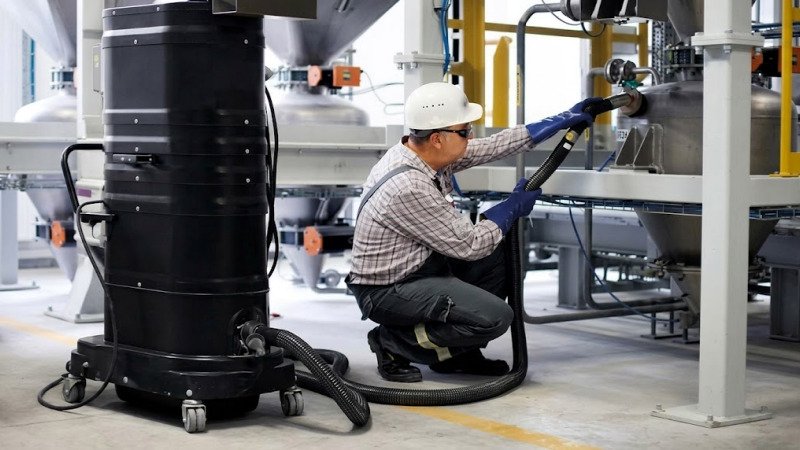
When Does an Industrial Vacuum Cleaner Need ATEX Certification?
When Does an Industrial Vacuum Cleaner Need ATEX Certification?
If you're shopping for industrial vacuum cleaners, ATEX certification might have come up as a requirement—especially if you're dealing with hazardous environments. But not every vacuum cleaner needs to meet this standard. Unfortunately, many buyers either overestimate or underestimate its importance, leading to costly mistakes. Let’s clear the air.
ATEX certification is only necessary for industrial vacuum cleaners used in environments with explosion risks—such as mining, oil & gas, or chemical industries.[^1] If your operations involve flammable gases, combustible dust, or other explosive hazards, it’s time to understand ATEX zones and what certification means for your equipment.
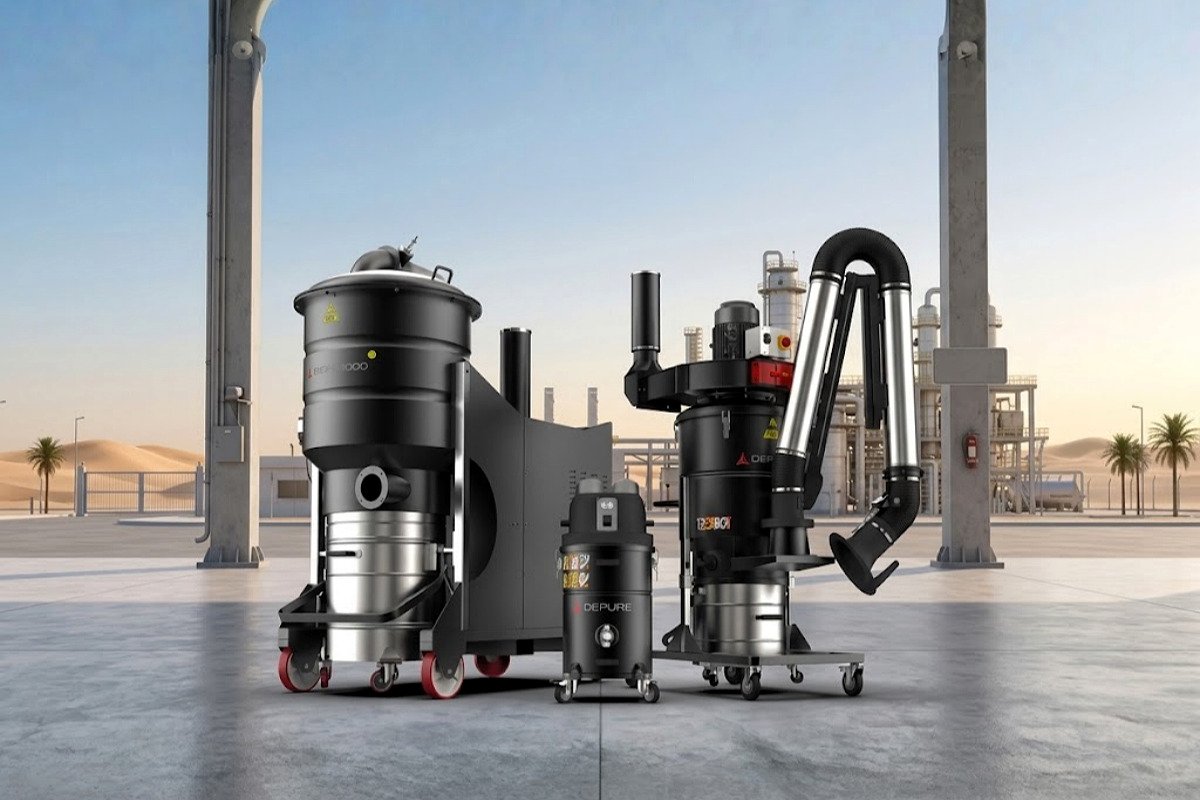
That said, even buyers who don’t technically need ATEX certification often inquire about it due to confusion around compliance or safety standards. This post explains when ATEX certification applies to industrial vacuum cleaners, how hazardous zones impact your decision, and what to check before purchasing an ATEX-approved product.
What Is ATEX Certification, and When Is It Required for Industrial Vacuum Cleaners?
Navigating industrial equipment regulations can feel overwhelming, and ATEX adds yet another layer to the mix. Let’s simplify the essentials.
ATEX certification ensures that equipment—like industrial vacuum cleaners—can safely operate in explosive atmospheres caused by gases, vapors, or combustible dust.[^2] It’s mandated within the European Union for tools used in these risk areas, but the principles also influence purchasing in other global markets.
So, do all industrial vacuum cleaners need ATEX certification?
No—ATEX certification only applies when the environment poses explosion risks. Areas like chemical plants, oil refineries, grain storage facilities, or some manufacturing sites are classic examples. If your operations don’t fall into these categories, you’d likely be overspending on specialized equipment you don’t need.
Common Misunderstandings About ATEX Certification:
- “ATEX certification means better general quality.” Not true—ATEX is about specific hazard compliance, not overall performance.
- “All vacuum cleaners in factories need ATEX certification.” Wrong—only those working directly in explosive zones require it.
- “Certifying ATEX guarantees total safety.[^3]” Even ATEX equipment needs proper handling and maintenance to safely operate.[^4]
When you mistakenly invest in ATEX-certified vacuums for non-hazardous environments, you’re spending extra on features without tangible benefits. Alternatively, skipping ATEX equipment in truly risky areas can spell disaster.
How Do ATEX Zones and Combustible Dust Risks Affect Industrial Vacuum Cleaner Selection?
Explosion risks vary by location, and ATEX zones classify environments based on the likelihood of encountering explosive atmospheres. Understanding these zones is key to selecting the right vacuum cleaner.
ATEX compliance is categorized into zones based on frequency and duration of exposure to hazardous materials.[^5] Here’s a quick breakdown:
| ATEX Zone | Description | Examples |
|---|---|---|
| Zone 0 | Constant exposure to explosive gases or dust | Inside oil tanks |
| Zone 1 | Frequent exposure | Around chemical mixing tanks |
| Zone 2 | Rare exposure | Storage areas only briefly exposed |
| Zone 20, 21, 22 | Corresponding zones for combustible dust rather than gases | Grain mills, flour production facilities |
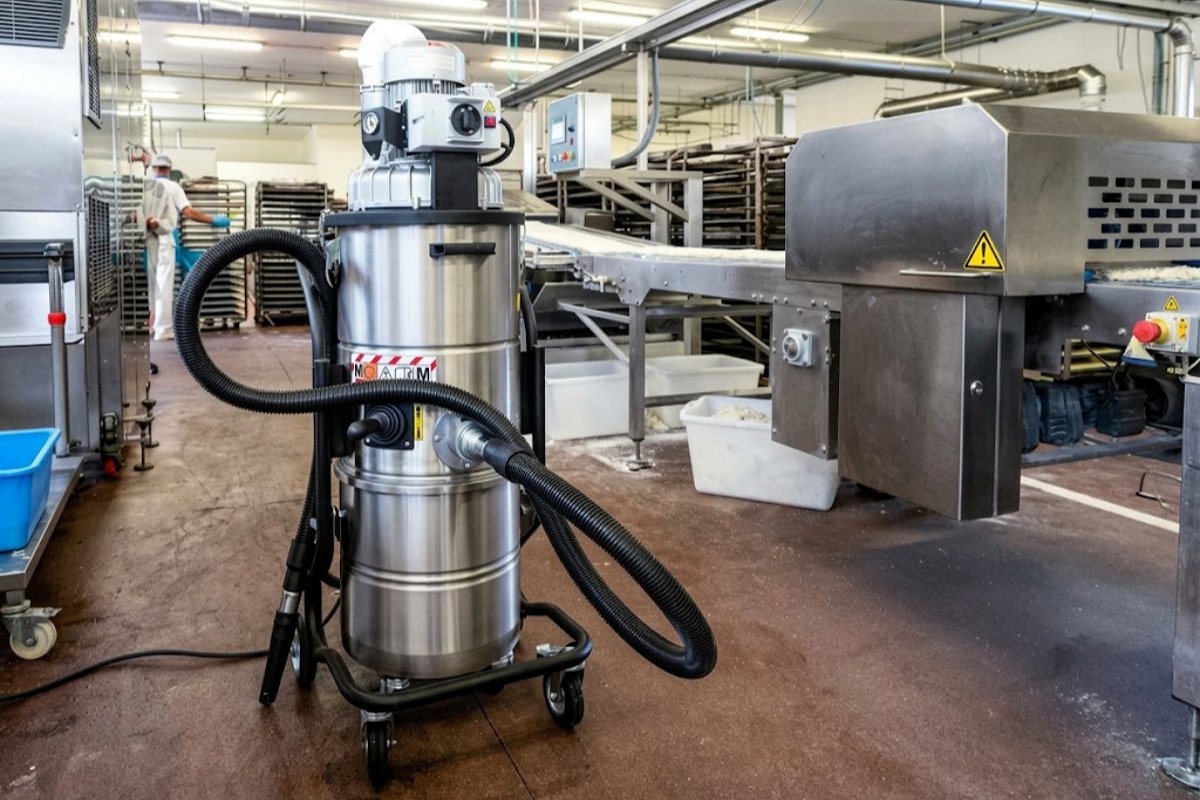
Selecting the Right Vacuum Cleaner:
- Assess the ATEX zone for your environment. Does your workspace consistently handle flammables? If yes, certification matters.
- Identify your material risks. Combustible dust, like flour, aluminum, or sugar, often gets overlooked but poses serious threats.[^6]
- Match the vacuum’s specs. An ATEX-certified model will feature spark-resistant components, explosion-proof motors, and specialized filters.[^7]
Real Example:
I recently worked with a grain mill customer confused about whether ATEX certification was necessary. They had some storage areas at risk (Zone 22) but barely handled combustibles elsewhere. After inspection, we determined they only needed ATEX vacuums for certain floors—not their entire operation. This saved them thousands in unnecessary purchases.
What Should Buyers Check When Purchasing an ATEX-Certified Industrial Vacuum Cleaner?
Even once you know you need ATEX certification, selecting the right product isn’t as simple as grabbing any labeled vacuum off the shelf.
Buyers should check ATEX certification specifics to ensure compatibility with their exact hazard zones and materials. Not all certifications cover every potential risk—some focus only on gases while others tackle dust risks.
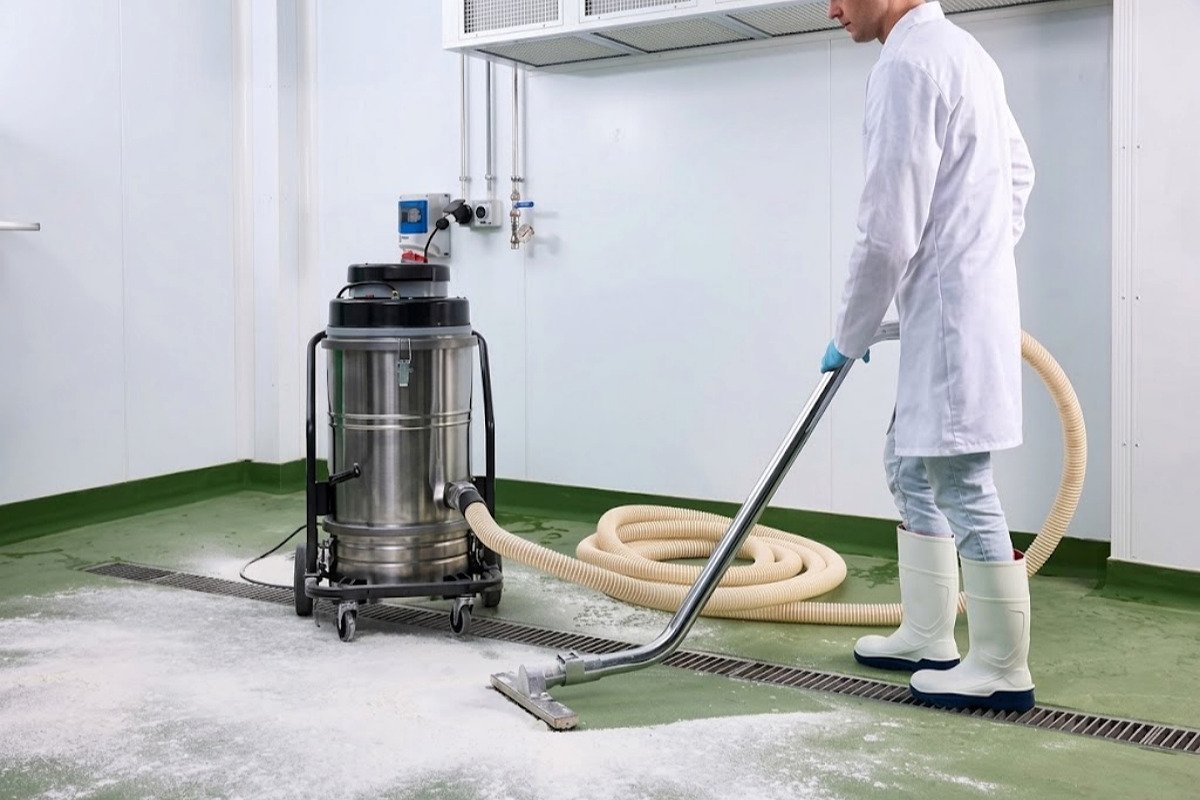
Must-Have Checks for ATEX Vacuum Buyers:
- Verify zone classification. Look for clear documentation matching your workspace (e.g., Zone 1 vs. Zone 20).
- Inspect materials compatibility. Does the vacuum handle metal dust, chemicals, or grains appropriately?
- Confirm approval marks. Ensure ATEX-compliant certifications are officially recognized and up to date.
- Understand filtration capabilities. Are HEPA filters necessary for your operating environment? Double-check.
Avoid Buyer Mistakes:
- Don’t confuse older ATEX-certified equipment in secondary markets with current regulations—they may not meet updated standards.
- Don’t assume lightning-fast delivery guarantees proper certification. Always demand compliance documentation from suppliers or manufacturers.
Frequently Asked Questions
What does ATEX stand for?
ATEX is short for "Atmosphères Explosibles." It’s a European Union standard ensuring equipment safety in explosive atmospheres caused by flammable gases, vapors, or combustible dust.
I work outside the EU. Do I still need ATEX-certified vacuum cleaners?
Possibly—but it depends on your region’s regulations and workspace risks. Many countries outside the EU adopt similar safety standards for hazardous zones, even if they don’t officially call them “ATEX.”
Can I retrofit standard vacuum cleaners to meet ATEX requirements?
No, retrofitting standard vacuums can’t guarantee compliance unless certified components are installed by the manufacturer. It’s safer to invest in purpose-built ATEX-certified equipment.
Are all grain milling operations ATEX zones?
Not necessarily—only areas handling explosive dust regularly fall under ATEX classification. Storage warehouses with minimal dust exposure might not need certified vacuums.[^8]
Conclusion
Deciding whether your industrial vacuum cleaner needs ATEX certification boils down to assessing your workspace hazards. ATEX applies only to environments at risk of explosions, like mining, oil & gas, grain mills, or chemical plants—not factory floors with standard operations. This knowledge can prevent overspending on unnecessary certifications or endangering workers by underestimating risks.
If in doubt, our team can help assess your environment and recommend certified equipment suited to your needs. Contact us today to ensure compliance without confusion!
[^1]: "ATEX 2014/34/EU Mechanical Equipment (Non-Electrical ...", https://www.dnv.us/services/industrial-product-assurance/hazardous/atex-2014-34-eu-mechanical-equipment-non-electrical-equipment--82893/. ATEX certification is mandated by the European Union for equipment used in explosive atmospheres, including industries like mining, oil & gas, and chemical processing, as outlined in Directive 2014/34/EU. Evidence role: general_support; source type: government. Supports: ATEX certification is required for industrial vacuum cleaners in environments with explosion risks, such as mining, oil & gas, or chemical industries.. [^2]: "ATEX Certified Devices | 2026 Safety Guide | ISS", https://intrinsicallysafestore.com/blog/best-practices-for-atex-certified-devices?srsltid=AU7gw4U4JlHU3XC1X17JBZ2s3k571nWTCPj041pxox08KIdBZsdHRLhp. ATEX certification involves rigorous testing and compliance with safety standards to ensure equipment can operate safely in environments with explosive gases, vapors, or dust, as described in educational resources on industrial safety. Evidence role: mechanism; source type: education. Supports: ATEX certification ensures the safe operation of equipment in explosive atmospheres caused by gases, vapors, or combustible dust.. [^3]: "Total Safety: Advanced Industrial Safety Solutions", https://www.totalsafety.com/. ATEX certification ensures compliance with safety standards but does not guarantee total safety without proper handling and maintenance, as noted in industrial safety research. Evidence role: expert_consensus; source type: research. Supports: Certifying ATEX does not guarantee total safety, as proper handling and maintenance are also required.. [^4]: "Maintenance Requirements for ATEX Rated Equipment.", https://occupli.com/maintenance-requirements-for-atex-rated-equipment/. Proper handling and regular maintenance are critical for the safe operation of ATEX-certified equipment, as highlighted in industrial safety training materials. Evidence role: general_support; source type: education. Supports: ATEX-certified equipment requires proper handling and maintenance to ensure safe operation.. [^5]: "Classes and Divisions Compared to ATEX/IECEx Zones", https://armadex.com/classes-and-divisions-compared-to-atex-iecex-zones/. ATEX zones are defined in the European Union's ATEX Directive, which categorizes environments based on the frequency and duration of exposure to explosive atmospheres. Evidence role: definition; source type: encyclopedia. Supports: ATEX compliance is categorized into zones based on the frequency and duration of exposure to hazardous materials.. [^6]: "Combustible Dust: An Explosion Hazard - Overview", http://www.osha.gov/combustible-dust. Combustible dust, including materials like flour, aluminum, and sugar, is a known hazard that can lead to explosions under certain conditions, as documented in industrial safety research. Evidence role: statistic; source type: research. Supports: Combustible dust, such as flour, aluminum, or sugar, poses serious explosion risks.. [^7]: "ATEX Vacuum Cleaner: What It Is and Why It Matters - Villo", https://villotech.com/knowledge/what-is-an-aspiratore-atex-key-benefits-and-industrial-applications/. ATEX-certified vacuum cleaners are designed with features such as spark-resistant components, explosion-proof motors, and specialized filters to prevent ignition in explosive atmospheres, as outlined in industrial safety research. Evidence role: mechanism; source type: research. Supports: ATEX-certified vacuum cleaners include features like spark-resistant components, explosion-proof motors, and specialized filters.. [^8]: "ATEX, IECEx, Hazardous Locations - Certifications", https://www.getac.com/us/certifications/atex-iecex/. ATEX certification is generally not required for storage areas with minimal dust exposure, as outlined in risk assessment guidelines from regulatory bodies. Evidence role: case_reference; source type: government. Supports: Storage warehouses with minimal dust exposure might not require ATEX-certified vacuums..
Related Posts
How Self-Cleaning and Hot Air Drying Work in Floor Washers?
# How Self-Cleaning and Hot Air Drying Work in Floor Washers? Floor washers equipped with self-cleaning and hot air drying…
kPa vs Air Watts vs CFM: What Vacuum Cleaner Buyers Need to Know
# kPa vs Air Watts vs CFM: What Vacuum Cleaner Buyers Need to Know Shopping for a vacuum cleaner can…
HEPA H13 vs Standard Filters: Which Is Better for a Vacuum Cleaner?
# HEPA H13 vs Standard Filters: Which Is Better for a Vacuum Cleaner? When choosing a vacuum cleaner filter, the…
Leave a Reply