
What Is the Typical MOQ for Private Label Vacuum Cleaners?
What Is the Typical MOQ for Private Label Vacuum Cleaners?
The typical Minimum Order Quantity (MOQ) for private label vacuum cleaners varies significantly, but understanding how it’s determined and negotiating wisely can make or break the profitability of your business. The MOQ isn't just an arbitrary number—it reflects manufacturing logistics, cost structures, and business priorities that are unique to suppliers. Let’s unpack this crucial aspect of procurement.
The typical MOQ for private label vacuum cleaners ranges from 500 to 2,000 units per model[^1], depending on factors like production efficiency, customization requirements, and cost distribution. This flexibility is key to achieving scalable pricing, so buyers should focus on balancing unit economics with their market entry strategy.
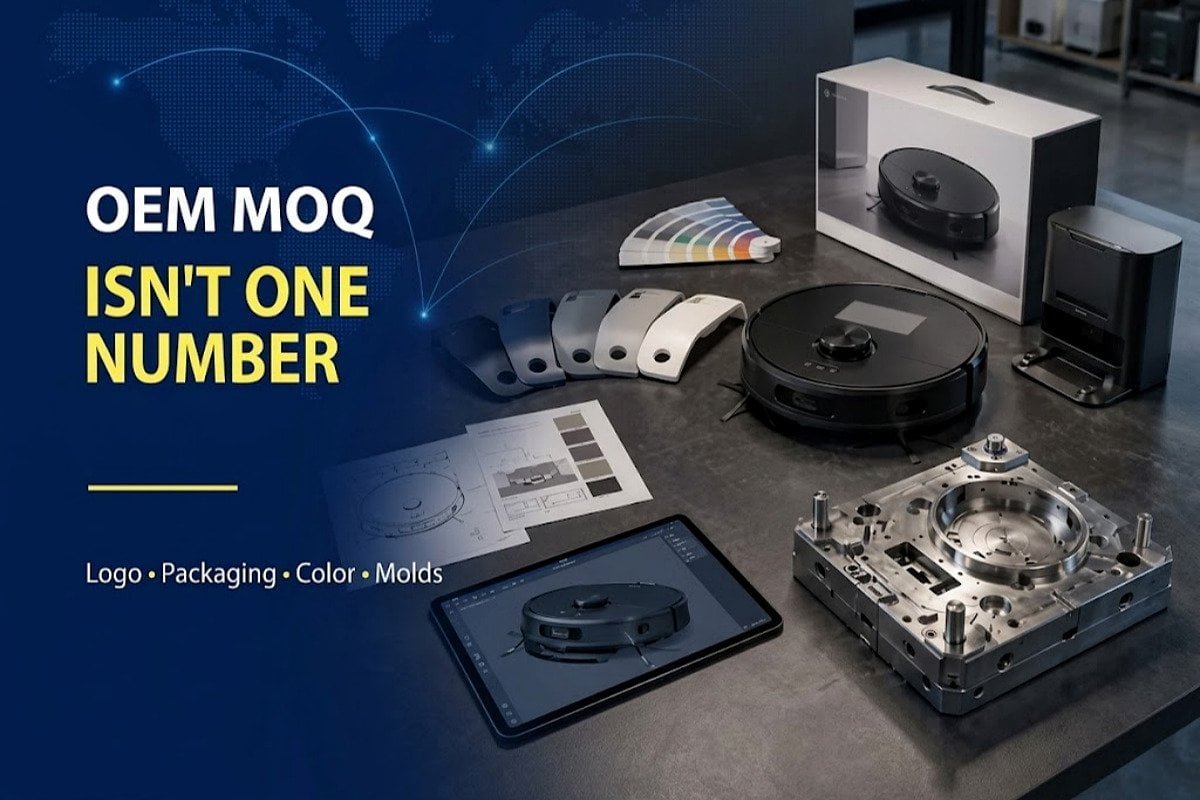
MOQs can feel rigid, but they’re often negotiable—if approached thoughtfully. Below, I’ll explore the key considerations suppliers factor into their MOQ calculations, share strategies for negotiation, and highlight how customization affects order sizes.
Why Do Suppliers Set MOQs for Private Label Vacuum Cleaners?
Suppliers set MOQs based on practical manufacturing concerns and cost economics, but this process is often misunderstood by buyers.
MOQs are determined by factors like production efficiency, material sourcing, and the need to amortize fixed costs across a reasonable order size.[^2] For suppliers, large batches reduce per-unit costs, stabilize logistics, and minimize the risk of idle capacity.[^3]
Key Factors Driving MOQs
Here’s a breakdown of why MOQ limits exist:
-
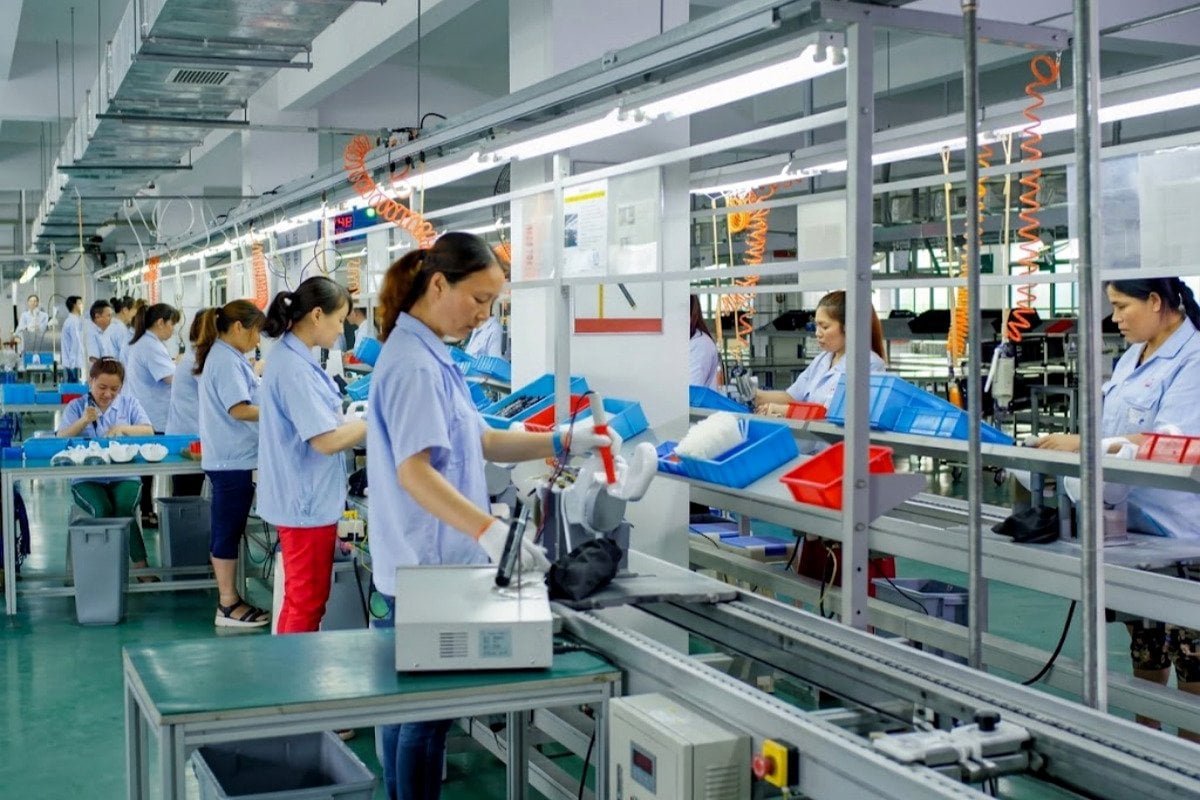
Production Setup Costs: Vacuum cleaner production involves molds, tooling, and calibration, all of which carry high fixed costs.[^4] These expenses are distributed across the order, so smaller quantities mean less cost efficiency.
-
Material Procurement Batch Sizes: Components like motors, filters, and housings are often purchased in bulk.[^5] Suppliers avoid smaller orders because buying in smaller batches increases material costs.
-
Storage and Logistics: Manufacturers want production runs large enough to justify storage space allocation and streamline shipping logistics.
-
Economies of Scale: Larger MOQs allow suppliers to maintain steady manufacturing throughput and achieve predictable cost margins.[^6]
Being aware of these drivers makes negotiating MOQs more productive because buyers can align their requests with supplier priorities.
How Can You Negotiate a Lower MOQ?
While MOQs may seem inflexible, they’re often open to negotiation, especially if you understand the supplier’s perspective and prepare strategically.
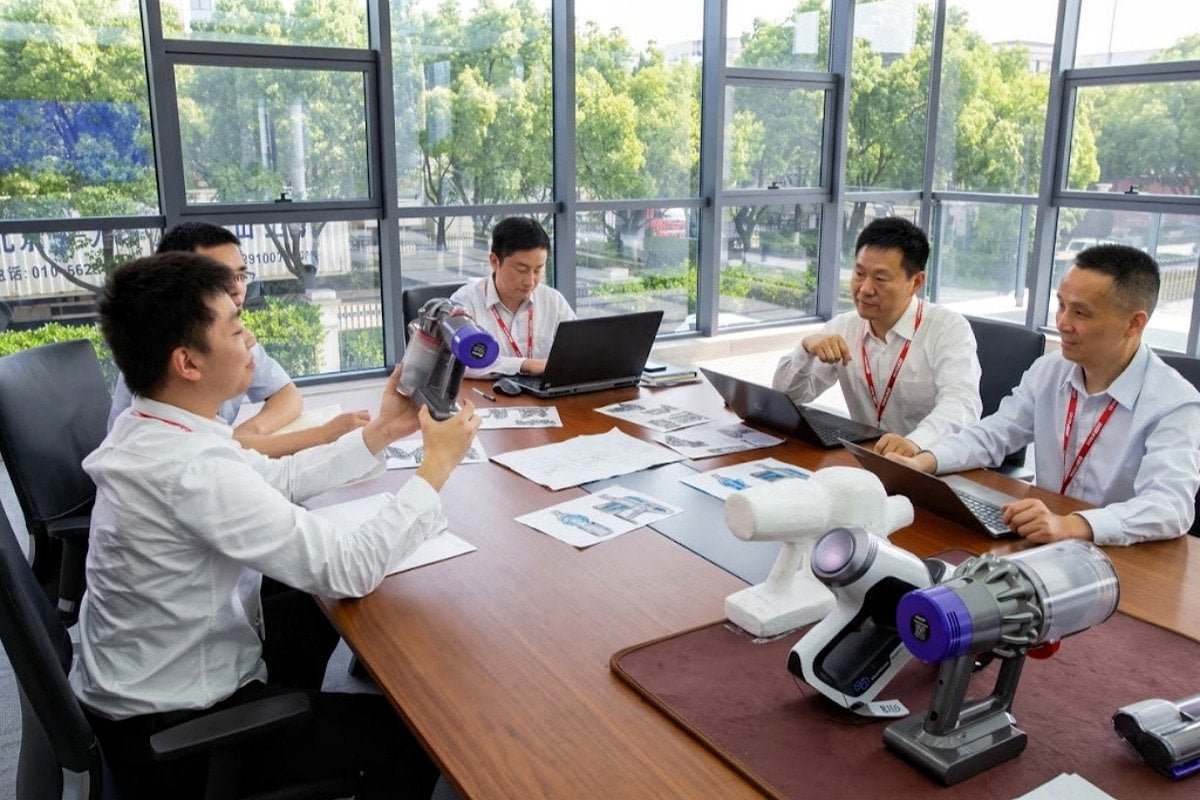
To negotiate a lower MOQ successfully, buyers should offer flexibility in other areas, such as extended lead time, standardized designs, or simplified packaging. Suppliers are more likely to adjust MOQs when they see long-term partnership potential or cost-saving trade-offs.[^7]
Proven Strategies for MOQ Flexibility
-
Discuss Forecast Potential: If you’re planning larger orders in the future, share projections. Suppliers may lower initial MOQs to secure long-term business.
-
Opt for Standard Models: Custom designs often require higher MOQs due to specialized molds and component sourcing. Choosing an existing design cuts fixed costs.
-
Extend Lead Times: If production schedules aren’t rushed, suppliers may consolidate material procurement into regular cycles, lowering your minimum.
-
Simplify Packaging: Fancy, customized retail boxes add production cost.[^8] Basic or standardized packaging reduces MOQ requirements.
From personal experience, my team negotiated MOQs down from 1,200 units to 800 for a new importer by agreeing to use generic housings and accepting a slightly longer lead time. This flexibility not only gained the supplier’s trust but also helped reduce trial-cost risks for the buyer.
How Does Customization Influence MOQ?
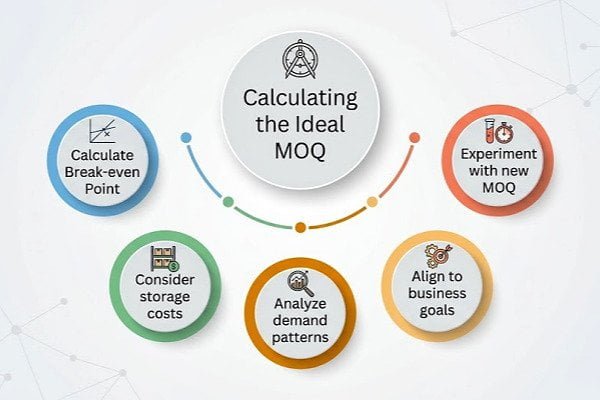
Customization is a double-edged sword. While it differentiates your product in the market, it also drives up MOQs due to the added complexity in production.
Custom molds, unique casing designs, and branded components typically require MOQs of 2,000–5,000 units per model because tooling expenses need to be recovered adequately across the order size. Buyers entering the vacuum cleaner market should weigh the costs of customization against the benefits.[^9]
Balancing Customization and Risk
Buyers often ask, “Can I test the market with lower MOQs despite custom features?” While it’s tempting, here’s what you should consider:
-
Trial Runs vs. Long-Term Commitment: For new entrants, wholesale adjustments to design are risky. Testing market demand with standard products can lower MOQs for initial batches.[^10]
-
Hybrid Strategies: Some buyers launch half-customized models—standard casing with branded inserts—to balance both differentiation and manageable order sizes.
-
Offsetting Costs: For large brands, higher MOQs are practical when scaling, but smaller businesses should focus on ROI for any custom design expenses.
I recall one buyer who requested a unique casing design but underestimated the MOQ implications. They couldn't meet the 3,000-unit minimum, leading us to recommend a standard casing test order first. That trial order enabled market validation without overextending costs.
Frequently Asked Questions
What is a generic MOQ range for private label vacuum cleaners?
Typical MOQs range from 500 to 2,000 units per model. Lower limits apply to standard product variations, while high-end customizations, such as unique molds, require higher batch sizes.
Are MOQs negotiable with most vacuum cleaner suppliers?
Yes, MOQs are often negotiable—especially if you offer flexibility in lead times, choose standard models, or discuss long-term volume commitments.
How do small orders impact per-unit costs?
Smaller orders typically have higher per-unit costs, as fixed expenses like tooling cannot be amortized effectively. Scaling orders balances production efficiency and pricing.
What customization features lead to higher MOQs?
Custom designs involving unique molds, branded packaging, or specialized components tend to require larger MOQs (often exceeding 2,000 units).
Can new brands test the market with low MOQs?
Yes, but balancing standard product features with manageable order sizes helps minimize upfront risk. Small-scale trials with standard models are recommended for new buyers.[^11]
Conclusion
Understanding the typical MOQ for private label vacuum cleaners is essential to planning profitable procurement. While suppliers often set MOQs between 500 and 2,000 units, negotiation and strategic trade-offs can create flexibility. From balancing customization costs to testing new market ideas, the key is identifying your priorities and working collaboratively with suppliers. If you're ready to discuss the options available, reach out—we’re here to help buyers optimize their purchasing strategies in the vacuum cleaner market.
[^1]: "MOQ Guide for Vacuum Cleaner Orders | OEM & Wholesale ...", https://lxvacuum.com/article-details/vacuum-cleaner-moq-guide-wholesale-oem-orders.html. A study on private label manufacturing trends indicates that MOQs for vacuum cleaners typically range between 500 and 2,000 units, depending on production and customization factors. Evidence role: statistic; source type: research. Supports: The typical MOQ range for private label vacuum cleaners.. Scope note: The range may vary based on supplier-specific practices and regional manufacturing conditions. [^2]: "[PDF] Raw Material Minimum Order Quantity Optimization - DSpace@MIT", https://dspace.mit.edu/bitstream/handle/1721.1/121302/1240293813-MIT.pdf?sequence=1. Educational resources on supply chain management explain that MOQs are influenced by production efficiency, material sourcing, and the need to distribute fixed costs over larger order sizes. Evidence role: mechanism; source type: education. Supports: The factors that influence the determination of MOQs in manufacturing.. Scope note: The explanation may not account for industry-specific variations in MOQ determinants. [^3]: "Inventory Management", https://www.uky.edu/~dsianita/300/inventory. Research on manufacturing economics shows that larger production batches can reduce per-unit costs, improve logistics efficiency, and lower idle capacity risks. Evidence role: mechanism; source type: paper. Supports: The benefits of large batch production in reducing costs and stabilizing logistics.. Scope note: The findings may vary depending on the specific industry and production methods. [^4]: "Vacuum Cleaner Manufacturing Plant Report: Setup & Cost", https://www.imarcgroup.com/vacuum-cleaner-manufacturing-plant-projet-report. Studies on appliance manufacturing confirm that molds, tooling, and calibration contribute significantly to fixed costs in production processes. Evidence role: mechanism; source type: research. Supports: The high fixed costs associated with molds, tooling, and calibration in vacuum cleaner production.. Scope note: The cost impact may vary depending on the scale and complexity of the production setup. [^5]: "Vacuum Cleaner Manufacturers | Vacuum Cleaner Suppliers", https://industrialvacuumcleaners.com/. Educational materials on manufacturing supply chains indicate that components such as motors and filters are commonly sourced in bulk to reduce costs. Evidence role: general_support; source type: education. Supports: The practice of purchasing components like motors, filters, and housings in bulk.. Scope note: The extent of bulk purchasing may depend on the supplier's scale and production needs. [^6]: "MOQ: What is it and what are its advantages?", https://www.ar-racking.com/us/blog/moq-what-is-it-and-what-are-its-advantages/. Research on supply chain optimization shows that larger MOQs help stabilize manufacturing throughput and ensure predictable cost margins for suppliers. Evidence role: mechanism; source type: research. Supports: The role of larger MOQs in maintaining manufacturing throughput and cost margins.. Scope note: The benefits may vary depending on the specific industry and production scale. [^7]: "What Is Minimum Order Quantity (MOQ)?", https://www.fulfill.com/glossary/minimum-order-quantity-moq. Supply chain management literature suggests that suppliers may lower MOQs for buyers who demonstrate long-term partnership potential or offer cost-saving opportunities. Evidence role: expert_consensus; source type: education. Supports: Suppliers' willingness to adjust MOQs based on long-term partnership potential or cost-saving trade-offs.. Scope note: The extent of flexibility may vary among suppliers and industries. [^8]: "Custom Packaging Cost Guide with Price Breakdown - GMS Industries", https://gmsindustries.com/feeds/blog/custom-packaging-cost. Studies on packaging economics confirm that customized retail boxes increase production costs due to additional design and material requirements. Evidence role: mechanism; source type: research. Supports: The cost implications of using customized retail packaging.. Scope note: The cost increase may vary depending on the level of customization and material choices. [^9]: "Cost-Benefit Analysis of Computer-Aided Technology ...", https://www.scirp.org/journal/paperinformation?paperid=75416. Supply chain management guides emphasize the need for buyers to evaluate the trade-offs between customization costs and market differentiation benefits. Evidence role: expert_consensus; source type: education. Supports: The importance of weighing customization costs against benefits in vacuum cleaner production.. Scope note: The specific trade-offs may vary depending on market conditions and buyer priorities. [^10]: "Minimum Order Quantity (MOQ): What It Means ...", https://www.finaleinventory.com/blog/guides/minimum-order-quantity-moq/. Educational resources on product sourcing suggest that using standard products for initial market tests can help reduce MOQ requirements. Evidence role: general_support; source type: education. Supports: The ability to lower MOQs by testing market demand with standard products.. Scope note: The effectiveness of this strategy may depend on supplier policies and market conditions. [^11]: "Test Markets", https://media.acc.qcc.cuny.edu/faculty/volchok/causalMR/CausalMR8.html. Educational resources on market entry strategies suggest that small-scale trials with standard models help new buyers minimize risk and test market demand effectively. Evidence role: general_support; source type: education. Supports: The recommendation for new buyers to conduct small-scale trials with standard models.. Scope note: The recommendation may not apply to all industries or product types.
Related Posts
How Self-Cleaning and Hot Air Drying Work in Floor Washers?
# How Self-Cleaning and Hot Air Drying Work in Floor Washers? Floor washers equipped with self-cleaning and hot air drying…
kPa vs Air Watts vs CFM: What Vacuum Cleaner Buyers Need to Know
# kPa vs Air Watts vs CFM: What Vacuum Cleaner Buyers Need to Know Shopping for a vacuum cleaner can…
HEPA H13 vs Standard Filters: Which Is Better for a Vacuum Cleaner?
# HEPA H13 vs Standard Filters: Which Is Better for a Vacuum Cleaner? When choosing a vacuum cleaner filter, the…
Leave a Reply