
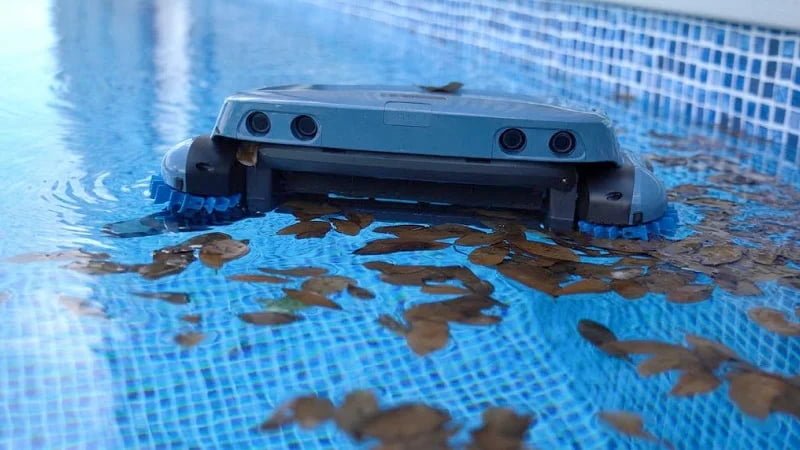
Fine-Mesh vs Standard Pool Skimmer Filters: Which Debris Can They Capture?
Fine-Mesh vs Standard Pool Skimmer Filters: Which Debris Can They Capture?
Choosing between fine-mesh and standard pool skimmer filters can feel confusing, especially if you're not fully aware of what they’re designed to capture. The 100-micron fine-mesh filter[^1] and 250-micron standard net[^2] each excel in different scenarios, and understanding their capabilities is key to avoiding frustration later. Let’s break it all down.
Fine-mesh filters are best for small debris like sand and pollen while standard skimmer nets target larger debris like leaves and bugs. Which one fits your pool needs depends on the type of debris you face, water flow considerations, and maintenance expectations.
But the performance isn’t just about size. There’s a whole spectrum of details you’ll want to consider, from clogging risks to the environment your pool operates in. Let’s dive deeper.
The Debris Spectrum: What 100-Micron Fine Mesh Captures vs. 250-Micron Standard Nets?
When it comes to choosing filters, it’s all about identifying the type of debris your pool is dealing with most of the time. Fine-mesh and standard filters perform differently depending on their micron ratings.
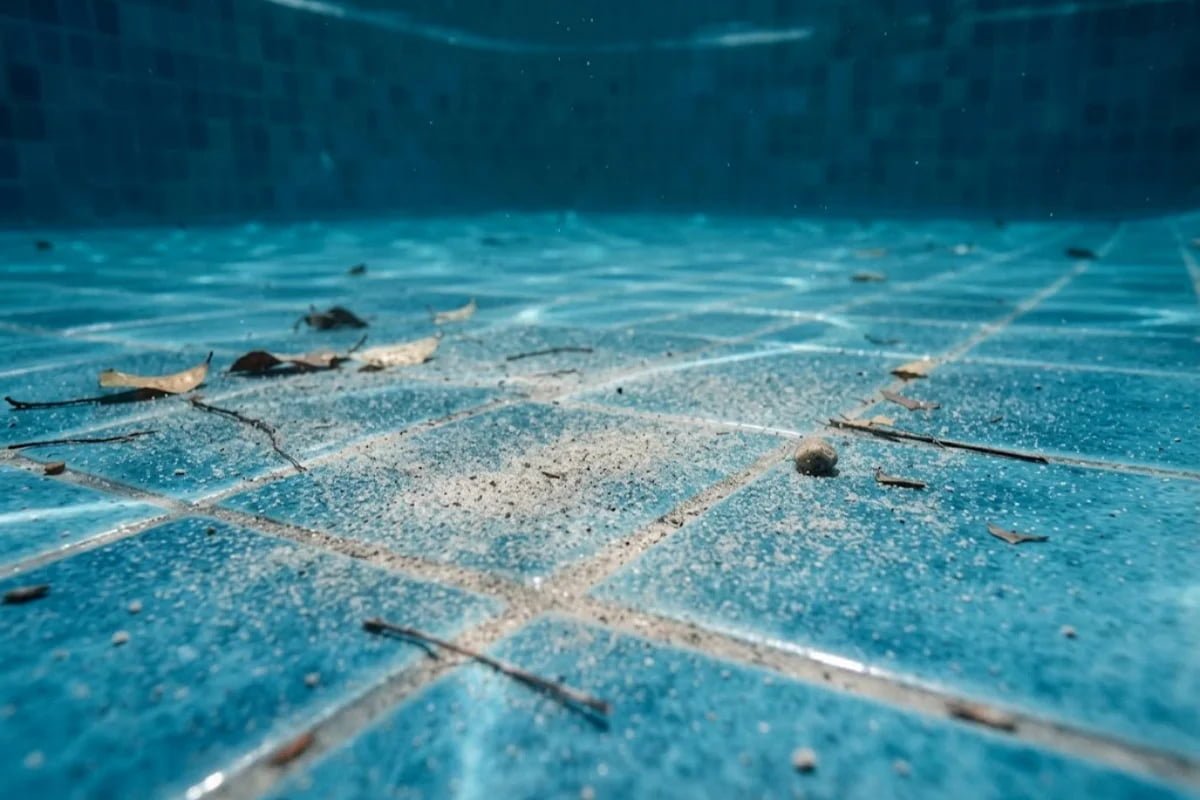
Fine-mesh filters (100 microns) can trap tiny particles like sand and pollen, while the standard nets (250 microns) are designed to catch larger debris like leaves, bugs, and twigs.
Why Size Matters for Debris Capture
The micron rating tells you how small a particle the filter can catch. Here’s a quick comparison to clarify their niche functionalities:
| Filter Type | Micron Size | Best at Capturing | Poor at Capturing |
|---|---|---|---|
| Fine-Mesh Skimmer Filter | 100 microns | Sand, pollen, fine debris | Oils, ultra-fine algae, large leaves |
| Standard Pool Skimmer Net | 250 microns | Leaves, insects, twigs | Tiny particles like sand or pollen |
If your pool consistently suffers from dust storms or pollen drops during spring, then fine mesh will handle it better. On the other hand, if your pool sees larger organic debris, like leaves or insects, a standard net filter might be your go-to.
The Flow Rate Trade-Off: Water Resistance, Cleaning Speed, and Clogging Frequency?
Filters that trap finer particles naturally come with a trade-off; water flow resistance increases, and so does the risk of clogging.
Fine-mesh filters slow down water movement[^3] and may need frequent cleaning, while standard nets allow faster flow but let smaller debris escape.
The Pros and Cons of Fine-Mesh vs. Standard Nets
Let’s dive into the details of water flow and cleaning:
-
Fine Mesh Filters:
- Pros: They deliver noticeably clearer water and reduce small particle buildup.
- Cons: Higher water resistance can stress pumps, slowing water circulation. Frequent backwashing or manual cleaning is also necessary to avoid clogging.
-
Standard Filters:
- Pros: Excellent for maintaining flow rate even with heavy debris loads. Cleaning is less frequent, and the system is less prone to clogging.
- Cons: Smaller particles can bypass the net, requiring supplemental cleaning efforts.
If you aren’t someone who enjoys regular filter rinsing and maintenance, keep these downsides in mind. High-traffic commercial pools or family pools that see leaves daily would benefit from streamlined flow, while fine-mesh filters shine when ultra-clear water is a priority.
Matching Mesh to Your Pool Environment: Dual-Basket Systems and RMA Reduction?
Every pool environment is unique, which makes choosing the right skimmer filter all the more tricky. Other considerations come into play here: your surrounding debris sources, maintenance habits, and whether you want to use a dual-basket system to reduce filter-change frequency.
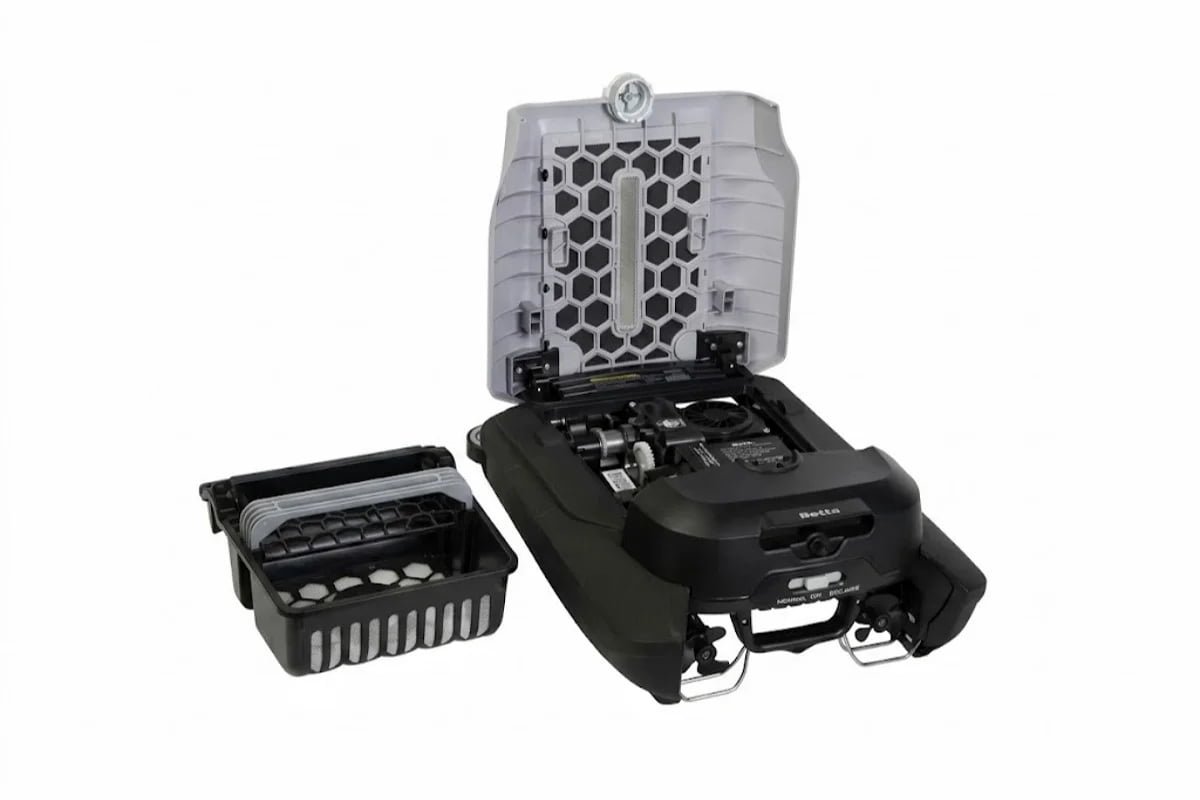
The ideal filter depends largely on your environment. Dual-basket systems combining fine-mesh and standard filters[^4] can offer balanced debris management while reducing return maintenance authorizations (RMAs) from frustration-induced overuse.
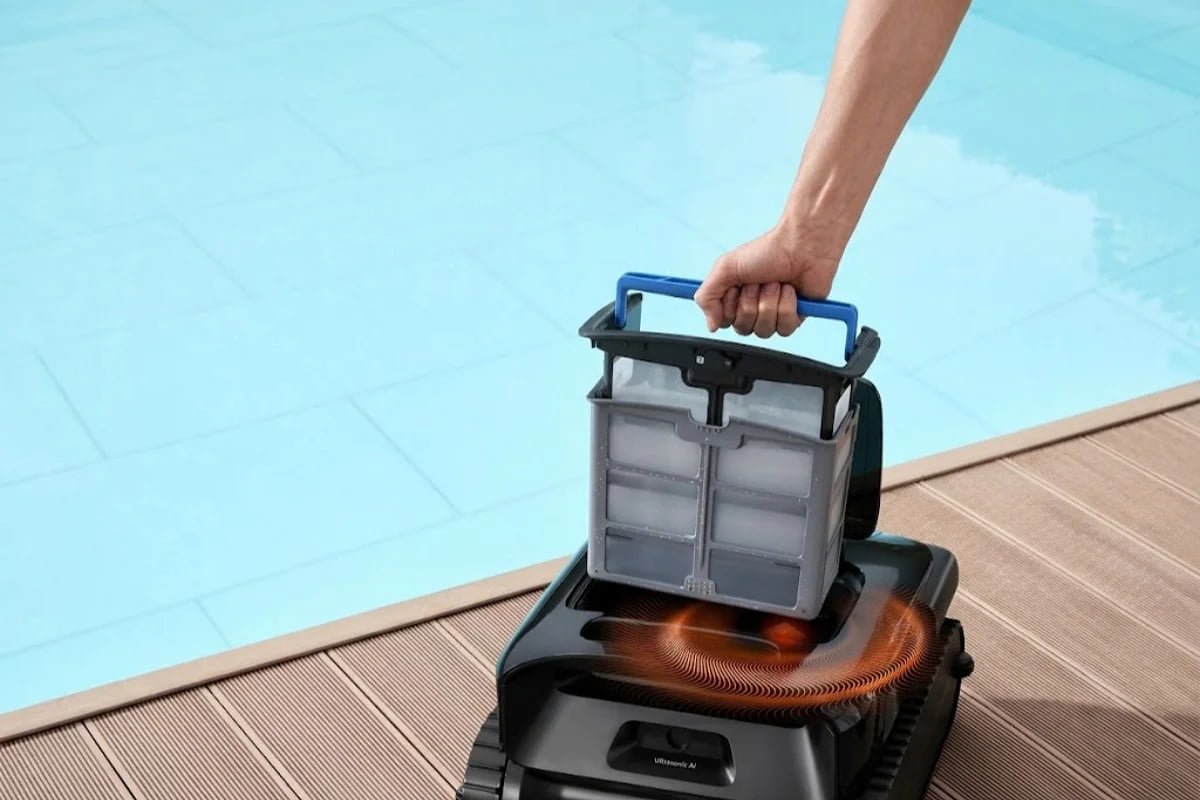
Why Pool Environment Dictates Filter Choice
Take into account the following before locking in your choice:
-
Residential Pools vs. Commercial Pools
- For residential pools, filters with sharper particle focus are often preferred since fine sand and pollen accumulations are easier to spot.
- Commercial pools, however, prioritize flow rate above all else since swimming activity adds debris faster.
-
Surrounding Elements
- Do trees overshadow your pool[^5], dumping leaves throughout the season? Standard nets handle this bulk load well.
- Is fine debris (like wind-carried dust and pollen from landscaping)[^6] your main offender? In this case, fine mesh wins out.
-
Maintenance Habits
- Understand your commitment level to cleaning and replacing filters. Fine-mesh systems can require double the maintenance hours compared to standard nets.
-
Dual Basket Opportunities
- If you're torn, why not consider a dual setup? Using both filters simultaneously can deliver a full-spectrum approach that captures large debris first and finer debris second, prolonging cleaning intervals.
Frequently Asked Questions
Can fine-mesh filters trap algae?[^7]
Fine-mesh filters can trap some kinds of debris algae but struggle to catch ultra-fine algae or oil-like residues in the water. Additional filtration systems (like cartridge filters) may be necessary for cleaner water.
Are standard skimmer filters better for pools near forests?[^8]
Yes, standard skimmer filters are great for pools surrounded by trees, as they effectively capture bulkier debris like leaves, twigs, and insects without clogging too quickly.
How often should fine-mesh filters be cleaned?
Frequency depends on debris load and pool activity, but fine-mesh filters typically require cleaning every few days to avoid performance decline and clogging.
Conclusion
Both fine-mesh pool skimmer filters and standard nets offer unique benefits based on the debris they capture. Fine mesh excels at trapping sand and pollen, while standard filters handle larger debris like leaves and bugs with greater efficiency. Ultimately, choosing the right filter depends on your pool environment, debris patterns, and maintenance preferences.
If you’re still undecided, consider dual-basket systems for combined performance. Start by assessing your pool’s needs, and ensure consistent maintenance to maximize results. Looking for expert advice or tailored skimmer recommendations? Contact us today to help find your perfect match!
[^1]: "DE vs. Sand vs. Cartridge Pool Filters: Which to Buy", https://www.beltwaypools.com/articles/pool-filter-types-explained/. Studies on pool filtration systems indicate that 100-micron filters are capable of capturing fine debris such as sand and pollen, though performance may vary based on water flow and debris concentration. Evidence role: general_support; source type: research. Supports: Fine-mesh filters are effective at capturing small debris like sand and pollen.. Scope note: Effectiveness may depend on specific pool conditions and filter design. [^2]: "How to Skim a Pool Like a Pro (You're Doing It Wrong)", https://www.youtube.com/watch?v=-wQTBkGepPU. Research on pool skimmer nets shows that 250-micron filters are well-suited for capturing larger debris such as leaves and insects, making them ideal for pools with heavy organic debris loads. Evidence role: general_support; source type: research. Supports: Standard skimmer nets are effective at capturing larger debris like leaves and bugs.. Scope note: Performance may vary based on debris type and pool environment. [^3]: "Which is best? ULTIMATE POOL ROBOT FILTER GUIDE", https://www.youtube.com/watch?v=UkFlubWDFgA. Studies on pool filtration systems confirm that fine-mesh filters increase water resistance and require more frequent cleaning due to their ability to trap smaller particles. Evidence role: mechanism; source type: research. Supports: Fine-mesh filters reduce water flow and require frequent cleaning due to clogging risks.. Scope note: Specific cleaning frequency may depend on debris load and pool usage. [^4]: "Beatbot Ultra Fine Dual Filter Basket: Do You Need One for ...", https://beatbot.com/blogs/buying-guide/beatbot-ultra-fine-filter-basket?srsltid=AYCX9vIuVKryy6pfjbKMF51LVMSBoGzlu4P80OKt-3POopjacAaYLeuQ. Industry reports suggest that dual-basket systems combining fine-mesh and standard filters improve debris capture efficiency and reduce maintenance-related frustrations. Evidence role: general_support; source type: institution. Supports: Dual-basket systems provide balanced debris management and may reduce RMAs.. Scope note: Specific RMA reduction data may depend on user habits and pool conditions. [^5]: "Best Pool Rakes, Skimmers & Nets", https://www.amazon.com/Best-Sellers-Pool-Rakes,-Skimmers-Nets/zgbs/lawn-garden/1272986011. Studies on pool filtration systems confirm that standard nets are well-suited for capturing large debris like leaves, making them ideal for tree-heavy environments. Evidence role: case_reference; source type: research. Supports: Standard nets are effective for pools surrounded by trees due to their ability to capture bulk leaf debris.. Scope note: Effectiveness may depend on debris volume and filter maintenance frequency. [^6]: "Pool Net Super Fine Mesh", https://www.amazon.com/pool-net-super-fine-mesh/s?k=pool+net+super+fine+mesh. Research on pool filtration systems suggests that fine-mesh filters excel at capturing small particles such as dust and pollen, particularly in areas with landscaping debris. Evidence role: general_support; source type: research. Supports: Fine-mesh filters are effective for capturing fine debris like dust and pollen in landscaping-heavy environments.. Scope note: Performance may vary based on debris concentration and filter maintenance. [^7]: "Can sieve steel filters remove thread algae from pool water?", https://www.facebook.com/groups/321695022354245/posts/1666452841211783/. Research on pool filtration systems shows that fine-mesh filters can capture certain types of algae, though ultra-fine algae and oil-like residues may require additional filtration methods. Evidence role: mechanism; source type: research. Supports: Fine-mesh filters can trap some algae but are less effective for ultra-fine algae or oil-like residues.. Scope note: Effectiveness may vary based on algae type and water conditions. [^8]: "Standard Skimmer & Return", https://www.familyleisure.com/Discount-Pool-Supplies/Standard-Skimmer-Return/?srsltid=AYCX9vKY3C9w4DngZvl6h1nqdH_LxnpEStmHYow107UPERCPDdStXysb. Studies on pool filtration systems confirm that standard skimmer filters are well-suited for capturing large debris like leaves and twigs, making them ideal for pools near forests. Evidence role: case_reference; source type: research. Supports: Standard skimmer filters are effective for pools near forests due to their ability to capture bulkier debris.. Scope note: Effectiveness may depend on debris volume and filter maintenance frequency.
Related Posts
How to Evaluate a Robotic Pool Cleaner Sample Before Mass Production?
# How to Evaluate a Robotic Pool Cleaner Sample Before Mass Production? When assessing a robotic pool cleaner sample before…
How to Measure Pool Skimmer Cleaning Coverage in a Repeatable Test?
# How to Measure Pool Skimmer Cleaning Coverage in a Repeatable Test? [Pool skimmer cleaning coverage is one of the…
What Warranty Terms Should Buyers Compare for Robotic Pool Cleaners?
# What Warranty Terms Should Buyers Compare for Robotic Pool Cleaners? When buying robotic pool cleaners, warranty terms can heavily…
Leave a Reply