
How Often Should You Replace a HEPA Vacuum Filter?
How Often Should You Replace a HEPA Vacuum Filter?
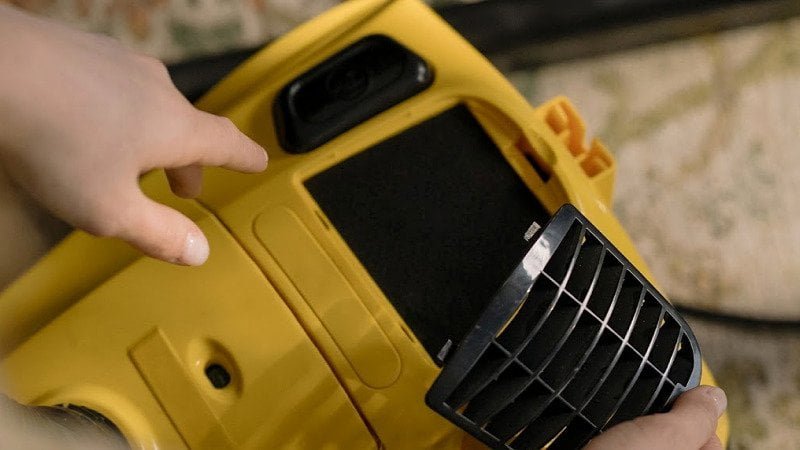
Replacing a HEPA vacuum filter is an essential part of maintaining your vacuum’s performance and keeping the air in your home clean. Many end-users assume these filters last forever, but the reality is far more nuanced. Factors like environment, frequency of use, and filter design play a big role in determining when it’s time for a swap. Let’s dive in.
You should replace a HEPA vacuum filter every 6 to 12 months[^1], depending on usage and the environment it's used in. Homes with pets, high dust levels, or individuals with allergies may require more frequent replacement[^2] to maintain optimal air filtration and suction performance.
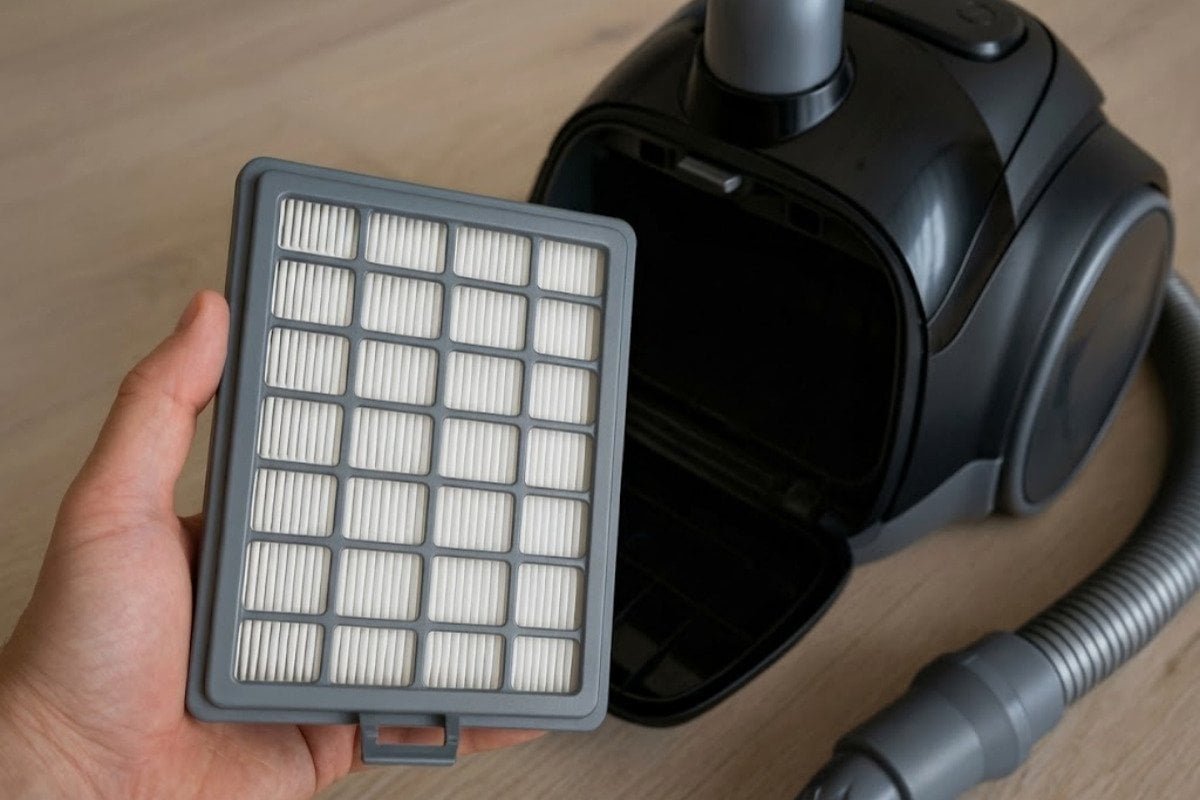
Performing replacements on time doesn’t just improve suction—it protects your vacuum motor, keeps odors at bay, and ensures clean indoor air. Below, I’ll break down typical lifespans, easy-to-spot signs, and the impact on pet hair, allergies, and overall machine health.
The Standard Lifeline: Timeframes, Washable Limits, and Usage Frequency
HEPA filters don’t last forever—and that’s okay. Here’s how long you should expect them to function and why usage matters.
Expect to replace HEPA filters every 6–12 months, depending on usage frequency and environment. Washable filters can last longer, but they are not permanent[^3]. For heavy users—like those vacuuming in pet-filled homes or cleaning weekly—the timeline may shrink.

What impacts HEPA filter lifespan?
A HEPA filter’s primary job is to trap ultrafine particles like dust, allergens, and pet dander. Over time, these particles clog the filter, reducing both airflow and suction. While washable HEPA filters can be rinsed to remove surface debris, their fibers wear down over time and lose the ability to trap microscopic contaminants.
Factors like your cleaning habits and environmental conditions heavily influence how long your filter lasts. For instance:
- Pet owners: Constant pet hair and dander accelerate clogging.
- High-dust environments: Homes in construction zones or near heavy traffic will see filters clog faster.
- Light users: If you vacuum once a month in a clean home, your filter could last closer to the 12-month mark.
Washable filters: How do they measure up?
Washable HEPA filters provide convenience but come with limits. While you can rinse off visible debris, rinsing only restores partial efficiency. Over time, the filtration fibers degrade—meaning even the cleanest-looking filter may fail to trap particles as effectively. Always follow your vacuum’s user manual for cleaning instructions and stick to the manufacturer’s replacement timeline.
Telltale Signs It’s Time to Swap: Suction Loss, Dust Odors, and Motor Heat
Think your vacuum isn’t performing like it used to? The culprit could very well be a clogged HEPA filter.
Replace your filter when you notice decreased suction power, unusual odors while vacuuming, or excessive heat from the motor. These are warning signs that your filter’s capacity to trap particulates is compromised.
Suction loss: The easiest clue
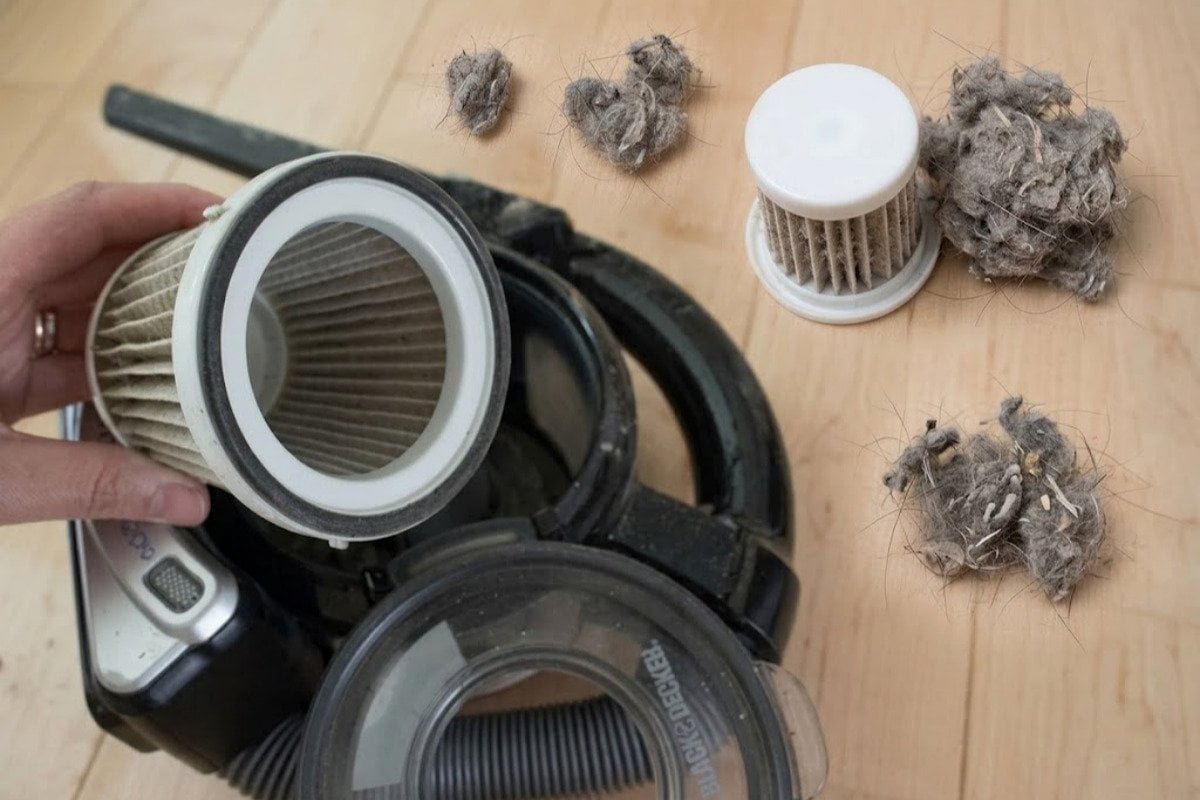
Reduced suction is the most common symptom of a filter needing replacement[^4]. When particles clog the tiny holes in a HEPA filter, airflow decreases dramatically—and no amount of rinsing can remove the microscopic buildup within the fibers.
Odors and overheating: Hidden red flags
Beyond suction loss, watch for:
- Dust-like odors: A clogged filter lets particulates escape into the vacuum exhaust, producing unpleasant smells.
- Hot motor housing: Clogged filters force the vacuum motor to work harder[^5], generating excess heat and putting strain on components.
Procrastinating on replacement in these cases can lead to permanent motor damage—not to mention reduced filtering of airborne allergens and dust.
Pet Hair, Allergies, and Motor Health: Why Timely Replacements Protect Your Machine (and Wallet)
HEPA filters are more than just suction savers—they protect the health of your household and your vacuum.
Timely filter replacements ensure clean air, safeguard allergy sufferers, and prevent costly damage to your vacuum motor. Whether you’re battling pet hair, seasonal allergens, or dust buildup, replacing your filter on time is a smart investment.
Why filters matter for air quality
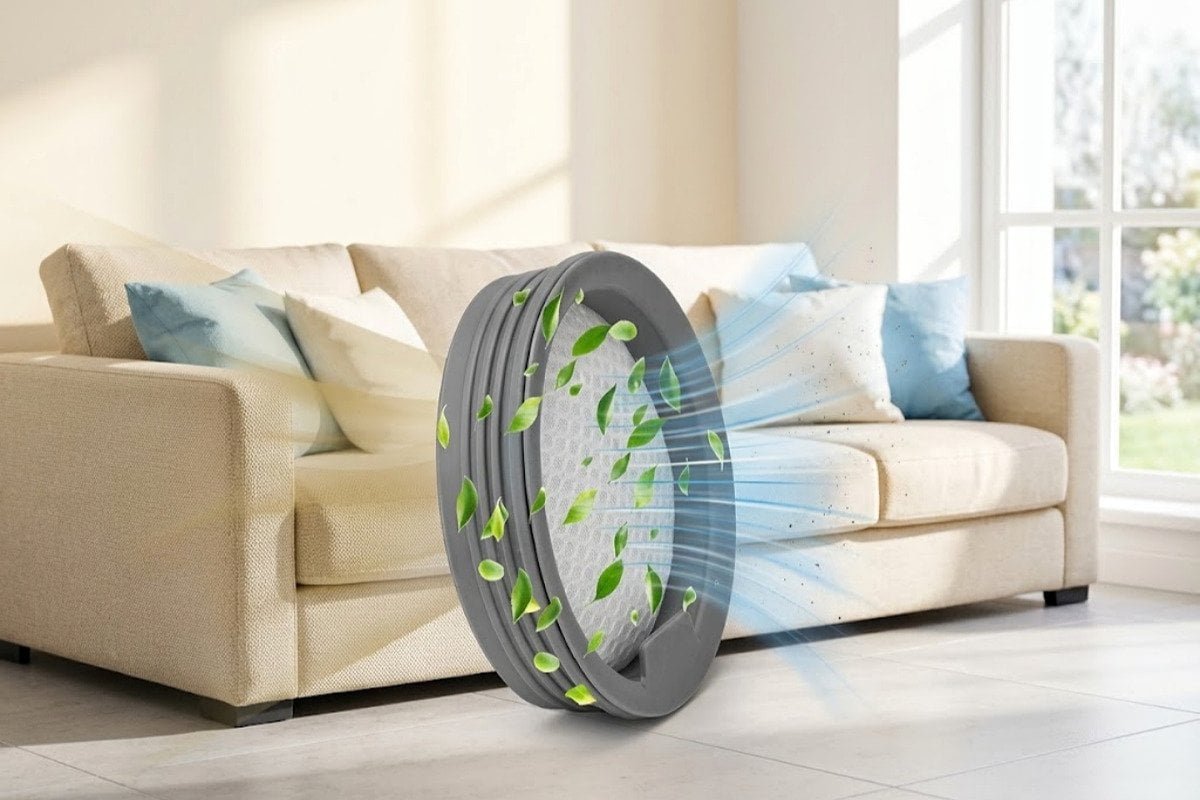
HEPA filters are designed to remove airborne particles as small as 0.3 microns[^6]—things like pollen, bacteria, and pet dander. This function is especially critical:
- For allergies or asthma: Poor filtration exacerbates symptoms by releasing irritants back into the air[^7].
- For households with pets: Pet hair and microscopic dander clog filters fast, requiring more frequent changes than average.
Cost-saving impact on your vacuum
Replace your filter early, and you’ll avoid costly repairs. Clogged HEPA filters restrict airflow, overheat the motor, and eventually lead to parts replacement or even total vacuum failure. All told, spending a few dollars on a filter replacement every 6–12 months is a small price for big savings.
Frequently Asked Questions
How do I know if my HEPA filter is washable?
Check your vacuum’s user manual or product specifications. Most washable HEPA filters are clearly labeled, but remember: washing is only a temporary fix, not a permanent solution.
Can I extend the life of my HEPA filter by vacuuming less?
Vacuuming less may slow debris buildup, but filter degradation happens regardless of usage[^8] due to environmental exposure. For optimal air quality, replace the filter according to the manufacturer’s recommendations.
What’s the risk of not replacing the filter?
Ignoring replacement can cause reduced suction, worsening air quality, motor overheating, and potentially permanent damage to your vacuum. Frequent replacements also protect allergy sufferers in your home.
Conclusion
Regularly replacing your HEPA vacuum filter is essential to maintaining performance, air quality, and the long-term health of your machine. Typically, filter replacements should occur every 6–12 months based on factors like usage frequency and environment. Watch for signs like suction loss, odors, or motor strain, and never assume cleaning is a substitute for replacement.
Need expert guidance or high-quality filters for your business? Contact us today—we’re here to help you keep your machines running smoothly and your customers satisfied!
[^1]: "why use a hepa air purifier?", https://deohs.washington.edu/sites/default/files/2022-10/HEPA%20filter%20fact%20sheet.pdf. Studies from university research suggest that HEPA filters should generally be replaced every 6 to 12 months, depending on environmental factors and usage frequency. Evidence role: general_support; source type: education. Supports: The recommended timeframe for replacing HEPA vacuum filters.. Scope note: Specific recommendations may vary by manufacturer and filter type. [^2]: "How to Beat Fall Allergies: Tips for Managing Seasonal ...", https://healthcare.utah.edu/healthfeed/2020/10/how-beat-fall-allergies-tips-managing-seasonal-symptoms. Research indicates that homes with pets or high allergen levels experience faster HEPA filter clogging due to increased particulate matter. Evidence role: general_support; source type: research. Supports: Environmental factors like pets, dust, and allergies necessitate more frequent HEPA filter replacements.. Scope note: Findings may depend on specific filter designs and vacuum models. [^3]: "Washable Filter Replacement Parts, Compatible For Xiaomi Mijia ...", https://reframedarchives.sandbox.library.columbia.edu/listing/washable-filter-replacement-parts-compatible-for-xiaomi-miji?srsltid=221393157. Research suggests that washable HEPA filters can be reused multiple times but lose efficiency due to fiber wear. Evidence role: general_support; source type: research. Supports: Washable HEPA filters have longer lifespans but degrade over time.. Scope note: Efficiency loss depends on cleaning methods and filter material quality. [^4]: "Technical Description of the Dyson Ball Vacuum Cleaner", https://chrisrprofolio.commons.gc.cuny.edu/files/2023/05/Technical-Description-4.pdf. Studies confirm that particulate buildup in HEPA filters significantly reduces vacuum suction performance. Evidence role: mechanism; source type: research. Supports: Clogged HEPA filters reduce suction by obstructing airflow.. Scope note: Specific impacts may vary by vacuum model and filter design. [^5]: "Should You Have the Air Ducts in Your Home Cleaned?", https://www.health.harvard.edu/iaq. Studies show that restricted airflow from clogged filters forces vacuum motors to operate at higher temperatures, increasing wear. Evidence role: mechanism; source type: research. Supports: Clogged filters increase motor strain and heat generation.. Scope note: Effects may vary based on motor design and filter type. [^6]: "Air Purifiers : Environmental Health & Safety", https://www.umass.edu/ehs/air-purifiers. HEPA filter standards, as defined by institutions like the EPA, specify filtration efficiency for particles down to 0.3 microns. Evidence role: definition; source type: institution. Supports: HEPA filters are capable of trapping particles as small as 0.3 microns.. Scope note: Efficiency may vary slightly depending on filter design and testing conditions. [^7]: "How to Beat Fall Allergies: Tips for Managing Seasonal ...", https://healthcare.utah.edu/healthfeed/2020/10/how-beat-fall-allergies-tips-managing-seasonal-symptoms. Research shows that ineffective air filtration increases airborne irritants, which can exacerbate allergy and asthma symptoms. Evidence role: mechanism; source type: research. Supports: Poor filtration can worsen allergy and asthma symptoms by releasing irritants.. Scope note: Severity of symptoms may depend on individual health conditions and environmental factors. [^8]: "Hepa filter age evaluation and estimate of nominal lifetime in ...", https://www.academia.edu/104342868/Hepa_filter_age_evaluation_and_estimate_of_nominal_lifetime_in_nuclear_facilities. Research suggests that environmental factors like humidity and air quality contribute to HEPA filter degradation over time. Evidence role: mechanism; source type: research. Supports: HEPA filters degrade over time due to environmental exposure, even with minimal vacuum use.. Scope note: Degradation rates may vary based on filter material and environmental conditions.
Related Posts
How to Evaluate a Robotic Pool Cleaner Sample Before Mass Production?
# How to Evaluate a Robotic Pool Cleaner Sample Before Mass Production? When assessing a robotic pool cleaner sample before…
How to Measure Pool Skimmer Cleaning Coverage in a Repeatable Test?
# How to Measure Pool Skimmer Cleaning Coverage in a Repeatable Test? [Pool skimmer cleaning coverage is one of the…
What Warranty Terms Should Buyers Compare for Robotic Pool Cleaners?
# What Warranty Terms Should Buyers Compare for Robotic Pool Cleaners? When buying robotic pool cleaners, warranty terms can heavily…
Leave a Reply