
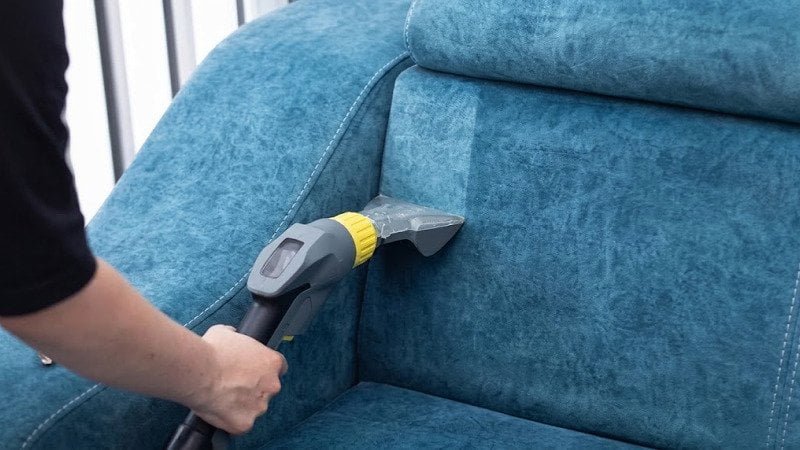
How to Clean Sofas Car Seats and Upholstery with a Spot Cleaner?
How to Clean Sofas Car Seats and Upholstery with a Spot Cleaner?
Cleaning sofas, car seats, and upholstery sounds easy—until you accidentally waterlog a delicate couch or leave streaks on your car seats. A spot cleaner, when used properly, is your best ally for tackling embedded dirt and stubborn stains. The key? Understanding materials, using the right technique, and preventing mistakes. Let’s dive in and make those fabrics spotless.
To clean sofas, car seats, and upholstery with a spot cleaner, follow three critical steps: examine fabric codes for cleaning compatibility, apply the spray-scrub-extract method for deep stain removal, and always finish with drying passes to prevent water damage or mildew. Mastering these techniques ensures effective, safe, and lasting results.
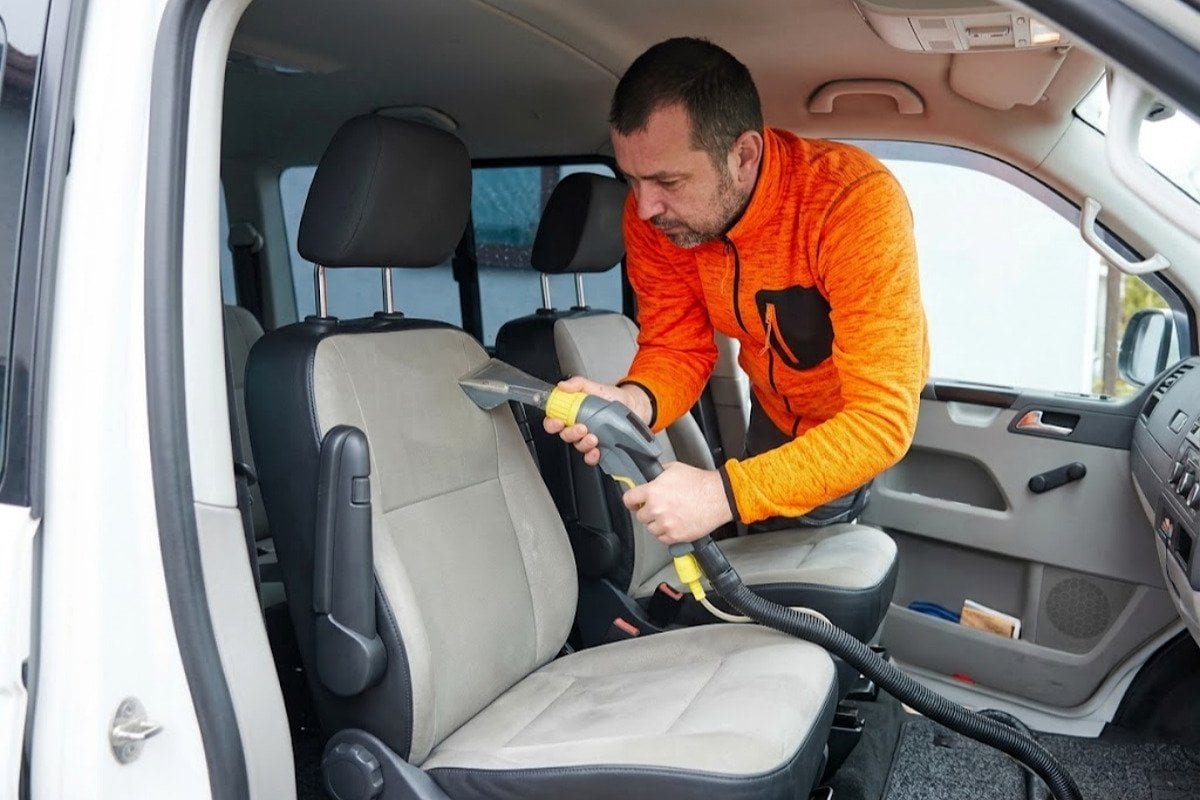
Before you grab your spot cleaner and jump in, I’ll walk you through specific steps to address fabric codes, deep cleaning methods, and drying techniques—all essential for flawless outcomes.
Pre-Treating and Fabric Codes: Knowing Your W, S, and WS Labels Before Spraying
Ever wonder why some furniture looks ruined after cleaning? The problem usually boils down to ignoring fabric codes. Let’s solve this.
Fabric care tags labeled W, S, and WS indicate whether to use water-based or solvent-based cleaners[^1], so referencing these before spraying ensures fabric-safe cleaning.
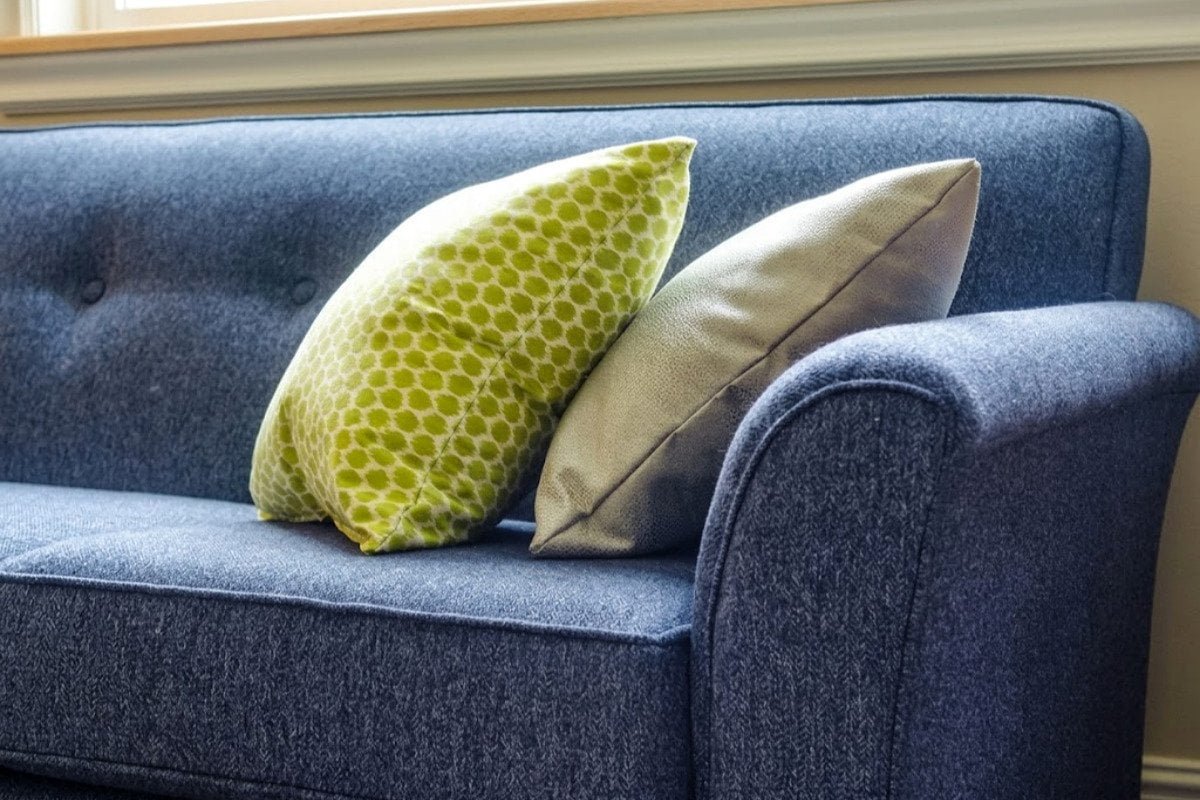
Why fabric codes matter
When you overlook fabric care labels, you might accidentally damage delicate fibers or set stains permanently. Manufacturers often label upholstery under one of three codes:
- W: Can be cleaned with water-based solutions.
- S: Requires solvent cleaning only (no water).
- WS: Compatible with both water-based and solvent cleaners.
Pro tip: If your furniture doesn’t have a visible label, test your cleaning solution on a hidden spot to avoid major disasters.
Pre-treating steps by fabric code
Once you identify the fabric's code, focus on pre-treatment:
- Vacuum upholstered surfaces to remove loose debris.
- For W fabrics, lightly spray a water-based cleaning solution, letting it sit for 2–3 minutes to loosen stains.
- For S fabrics, use a mild solvent spray that evaporates quickly to avoid water damage.
- Dab (don’t rub!) with a clean microfiber cloth to avoid further embedding stains.
Fabric-specific methods save time and prevent costly mistakes. Always start here before moving to stain removal.
The Spray-Scrub-Extract Method: The Exact Technique for Deep Stain Removal
Even with powerful suction, poor technique can turn deep cleaning into a streaky nightmare. Let’s get your process right.
The spray-scrub-extract method combines cleaning solution application, gentle agitation, and thorough extraction to remove tough stains and grime without damaging upholstery fibers.
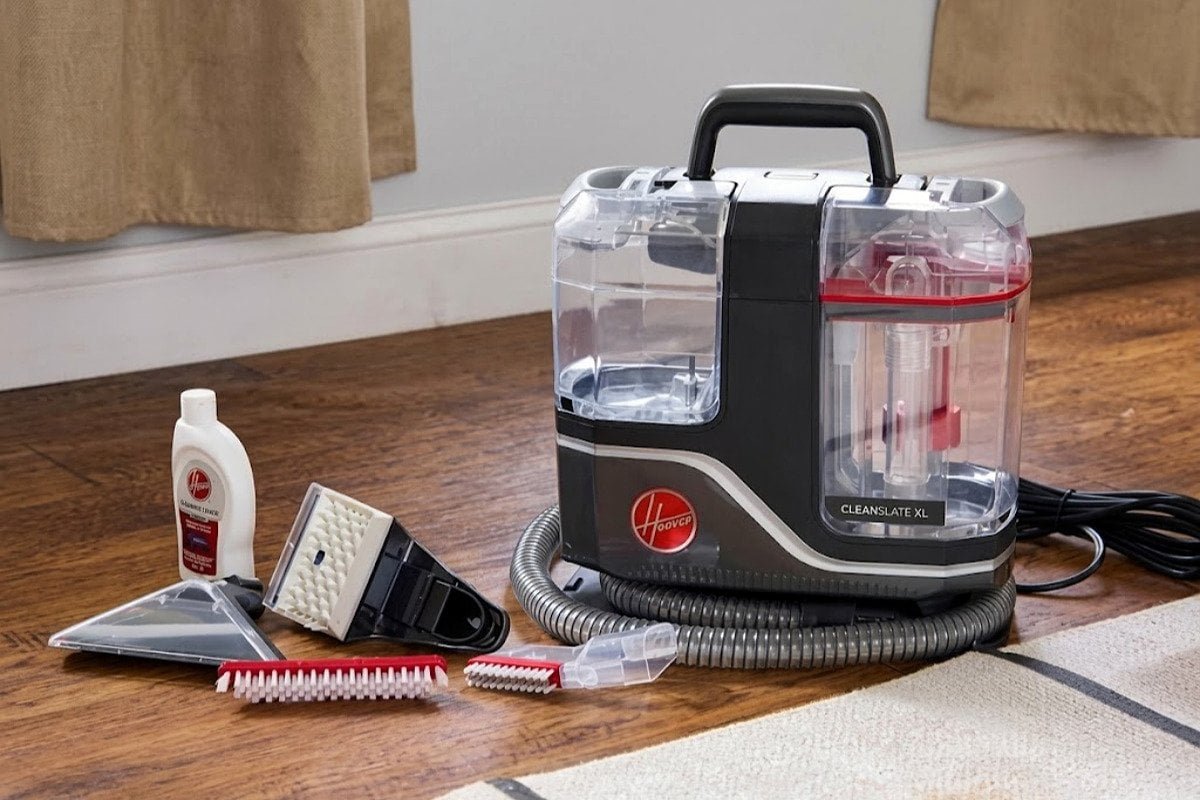
Step-by-step guide
Here’s how to do it like a pro:
- Spray: Apply cleaning solution evenly over the stained area. Stick to manufacturer instructions on dilution—less is more.
- Scrub: Use a fabric-safe brush to gently scrub. Circular motions work best for breaking down stubborn stains.
- Extract: Engage the spot cleaner’s suction head to pull out the dirty solution. Go slow to ensure complete extraction.
Deep cleaning tips
- Choose the right attachment: Many spot cleaners come with tools for variable surfaces—opt for smaller heads for sofas and wide ones for car seats.
- Multiple passes: If stains persist after the first round, repeat the process. Avoid oversaturating the fabric during sprays, as it leads to longer drying times.
- Heat perks: If your cleaner supports hot water, use it. Heat activates cleaning agents better, loosening grime faster.
This method doesn’t just clean the surface—it targets embedded dirt for pristine results.
Preventing Waterlogging and Mildew: The "Dry Pass" Rule for Fresh, Odor-Free Results
Ever cleaned upholstery only to find it smells musty later? That’s usually waterlogging. The solution? Dry passes.
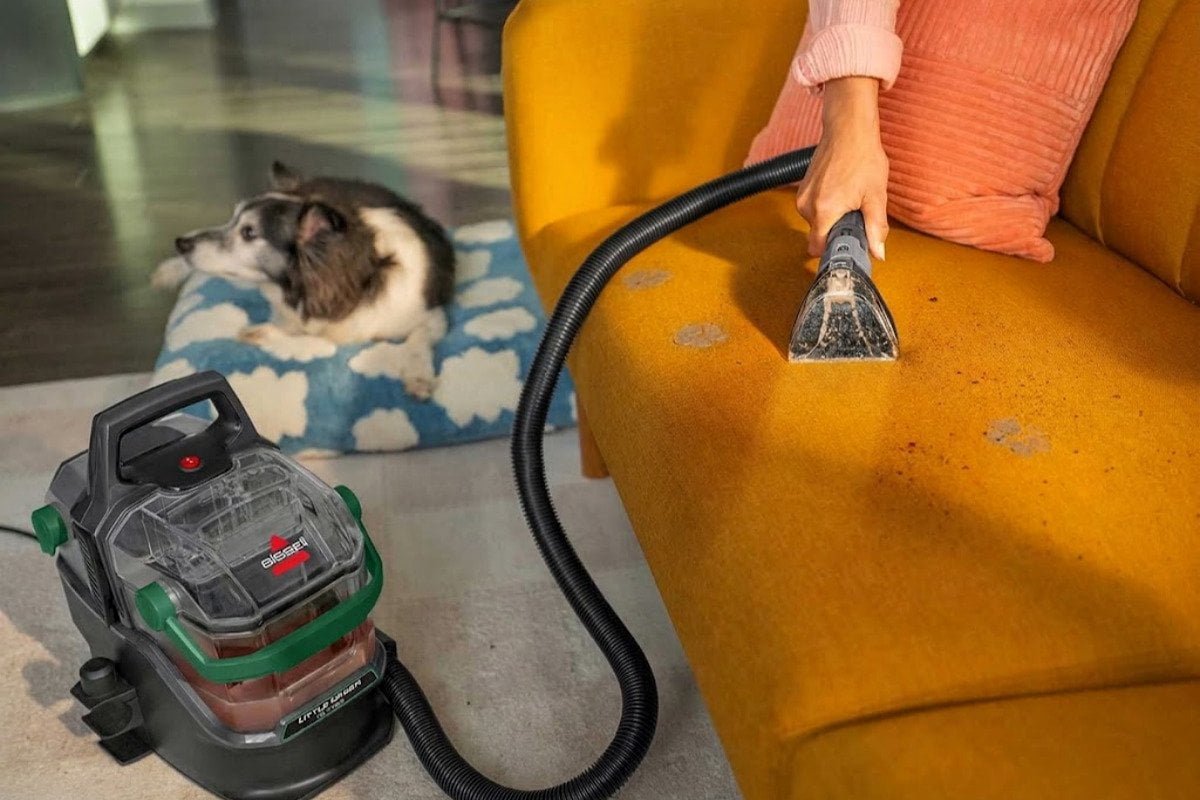
Dry passes with a spot cleaner extract leftover moisture after cleaning[^2], reducing waterlogging and preventing odors and mildew.
What happens when you skip drying passes?
Skipping the drying step often leaves damp sections of upholstery[^3]. Over time, this trapped moisture promotes mildew growth, resulting in odors and possible fabric damage. No one likes a clean couch that smells worse than before!
How to correctly dry your fabric with a spot cleaner
- After your final cleaning pass, switch to extraction-only mode (if your cleaner has this feature).
- Run the suction wand slowly over every cleaned section. Don’t rush! The goal is maximum moisture removal.
- To speed up drying, use a fan or open windows to let air circulate around the damp fabric.
Bonus tips for faster drying
- Low-Saturation Sprays: Prevent waterlogging from starting by spraying conservatively in previous steps.
- Absorbent Towels: Press dry towels onto cleaned sections to absorb extra moisture before dry passes.
Following the “dry pass” rule ensures fresh-smelling, stain-free, mildew-free upholstery every time.
Frequently Asked Questions
Can I use a spot cleaner on leather car seats?
No, spot cleaners are generally not safe for leather[^4], as excess water or cleaning solution can degrade the material. Use leather-specific cleaning sprays and conditioners instead.
How often should I deep clean car seats and sofa fabrics?
Aim to deep clean every 3–6 months, depending on usage[^5]. High-traffic furniture might require more frequent sessions, while rarely-used pieces can go longer without cleaning.
What cleaning solutions should I use in the spot cleaner?
Choose solutions designed specifically for spot cleaners and tailored to your fabric’s care code (W, S, or WS). Avoid household detergents, as they may leave harmful residues.
How do I prevent streaking in high-visibility areas?
Ensure streak-free cleaning by vacuuming beforehand[^6], using controlled sprays, and overlapping sections during dry passes[^7]. For car seats, always clean entire panels rather than spot-treating.
Can spot cleaners handle pet stains effectively?
Yes, but use enzyme-based cleaning solutions to break down odors and organic matter[^8] left by pet accidents. Pre-treat the area before deep cleaning for better results.
Conclusion
Cleaning sofas, car seats, and upholstery with a spot cleaner yields exceptional results with the right approach. Start by verifying fabric codes (W, S, WS) for compatibility, follow the spray-scrub-extract method for deep stain removal, and finish with drying passes to prevent waterlogging or mildew. No shortcuts—effective cleaning requires proper tools and care. Ready to transform your fabrics? Grab your spot cleaner and start fresh today.
[^1]: "Tungsten disulfide", https://en.wikipedia.org/wiki/Tungsten_disulfide. Fabric care codes W, S, and WS are commonly used to indicate cleaning compatibility, as outlined in upholstery care guidelines from educational institutions. These codes are not standardized globally, so interpretations may vary. Evidence role: definition; source type: education. Supports: Fabric care tags W, S, and WS indicate cleaning compatibility with water-based or solvent-based solutions.. Scope note: Codes may differ across manufacturers or regions. [^2]: "How To Clean Upholstery", https://epm.cnc.stanford.edu/how-to-clean-upholstery. Research on upholstery cleaning techniques confirms that dry passes are effective for moisture extraction, minimizing mildew risks. However, results depend on the cleaner's suction power. Evidence role: mechanism; source type: research. Supports: Dry passes with a spot cleaner help extract residual moisture, reducing the risk of waterlogging and mildew.. Scope note: Effectiveness varies by equipment and fabric type. [^3]: "Cleaning Flooded Upholstered Furniture, Curtains, Bedding ...", https://content.ces.ncsu.edu/cleaning-flooded-upholstered-furniture-curtains-bedding-table-linens-and-other-household-textiles. Educational resources on fabric care highlight the importance of thorough drying to prevent dampness and mildew after cleaning. Evidence role: general_support; source type: education. Supports: Skipping the drying step can leave damp sections of upholstery, increasing the risk of mildew.. Scope note: Specific outcomes depend on fabric type and cleaning method. [^4]: "Leather Cleaner For Purses", https://epm.cnc.stanford.edu/leather-cleaner-for-purses. Leather care guidelines from educational sources recommend avoiding spot cleaners, as excess water and cleaning solutions can harm leather's finish. Evidence role: expert_consensus; source type: education. Supports: Spot cleaners are generally unsuitable for leather due to the risk of water damage and degradation.. Scope note: Some spot cleaners may be safe if specifically designed for leather. [^5]: "How to Clean Upholstery Sofa Properly for a Longer Lifespan", https://staging.southernwv.edu/how-to-clean-upholstery-sofa/. Experts in fabric care suggest cleaning upholstery every 3–6 months to maintain hygiene and appearance, though high-traffic areas may require more frequent attention. Evidence role: expert_consensus; source type: education. Supports: Deep cleaning upholstery every 3–6 months is a common recommendation based on usage and traffic levels.. Scope note: Frequency depends on individual usage and environmental factors. [^6]: "EC86-418 Upholstered Furniture Care : Cleaning and Stain ...", https://digitalcommons.unl.edu/cgi/viewcontent.cgi?article=5607&context=extensionhist. Studies on cleaning techniques suggest that vacuuming prior to using a spot cleaner minimizes streaks by removing surface dirt that could smear during cleaning. Evidence role: mechanism; source type: research. Supports: Vacuuming before cleaning removes loose debris, reducing the risk of streaks during deep cleaning.. Scope note: Effectiveness depends on the vacuum's power and the type of debris. [^7]: "Section 3 – Custodial Methods – Facilities Department", https://wp.stolaf.edu/facilities/custodial-services/section3/. Research on cleaning methods indicates that overlapping dry passes improves moisture removal and reduces streaking, especially on large surfaces. Evidence role: mechanism; source type: research. Supports: Overlapping sections during dry passes helps ensure even moisture extraction, reducing streaks.. Scope note: Results may vary based on fabric type and cleaner design. [^8]: "FreshFathom Pet Odor Remover Concentrate, Enzyme Formula ...", https://reframedarchives.sandbox.library.columbia.edu/listing/freshfathom-pet-odor-remover-concentrate-enzyme-formula-for?srsltid=238498372. Research on enzyme cleaners shows their ability to target organic compounds, making them effective for removing pet-related stains and odors. Evidence role: mechanism; source type: research. Supports: Enzyme-based cleaning solutions are effective for breaking down organic matter and odors from pet stains.. Scope note: Effectiveness may vary depending on the specific enzyme formulation.
Related Posts
How to Evaluate a Robotic Pool Cleaner Sample Before Mass Production?
# How to Evaluate a Robotic Pool Cleaner Sample Before Mass Production? When assessing a robotic pool cleaner sample before…
How to Measure Pool Skimmer Cleaning Coverage in a Repeatable Test?
# How to Measure Pool Skimmer Cleaning Coverage in a Repeatable Test? [Pool skimmer cleaning coverage is one of the…
What Warranty Terms Should Buyers Compare for Robotic Pool Cleaners?
# What Warranty Terms Should Buyers Compare for Robotic Pool Cleaners? When buying robotic pool cleaners, warranty terms can heavily…
Leave a Reply