
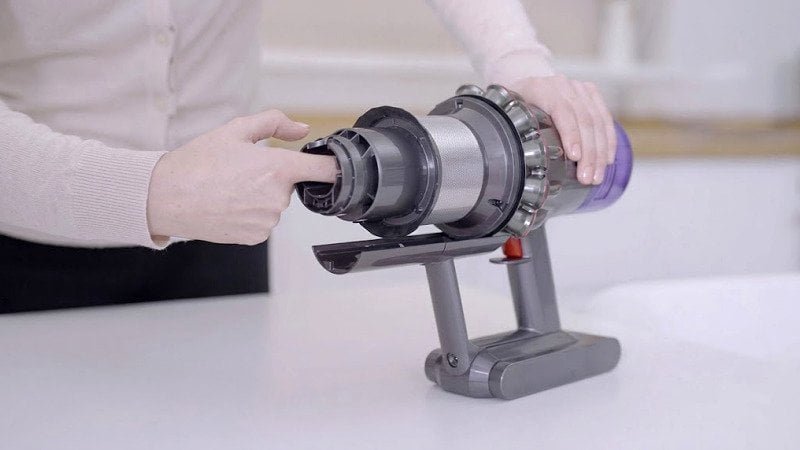
How to Find and Remove a Blockage in a Vacuum Cleaner?
How to Find and Remove a Blockage in a Vacuum Cleaner?
Noticing your vacuum cleaner struggling to pick up debris? A blockage is one of the most common (and frustrating) reasons. It doesn't just reduce suction—it can also stress the motor if ignored. By learning how to locate and safely remove obstructions, you can restore your vacuum's performance and avoid unnecessary repairs.
To find and remove a vacuum cleaner blockage, identify telltale signs like weak suction or strange noises. Inspect four key areas: the floor head, hose, dust cup, and wand tube. Use safe tools, such as a flexible brush or slim rod, to clear the blockage without damaging internal components.
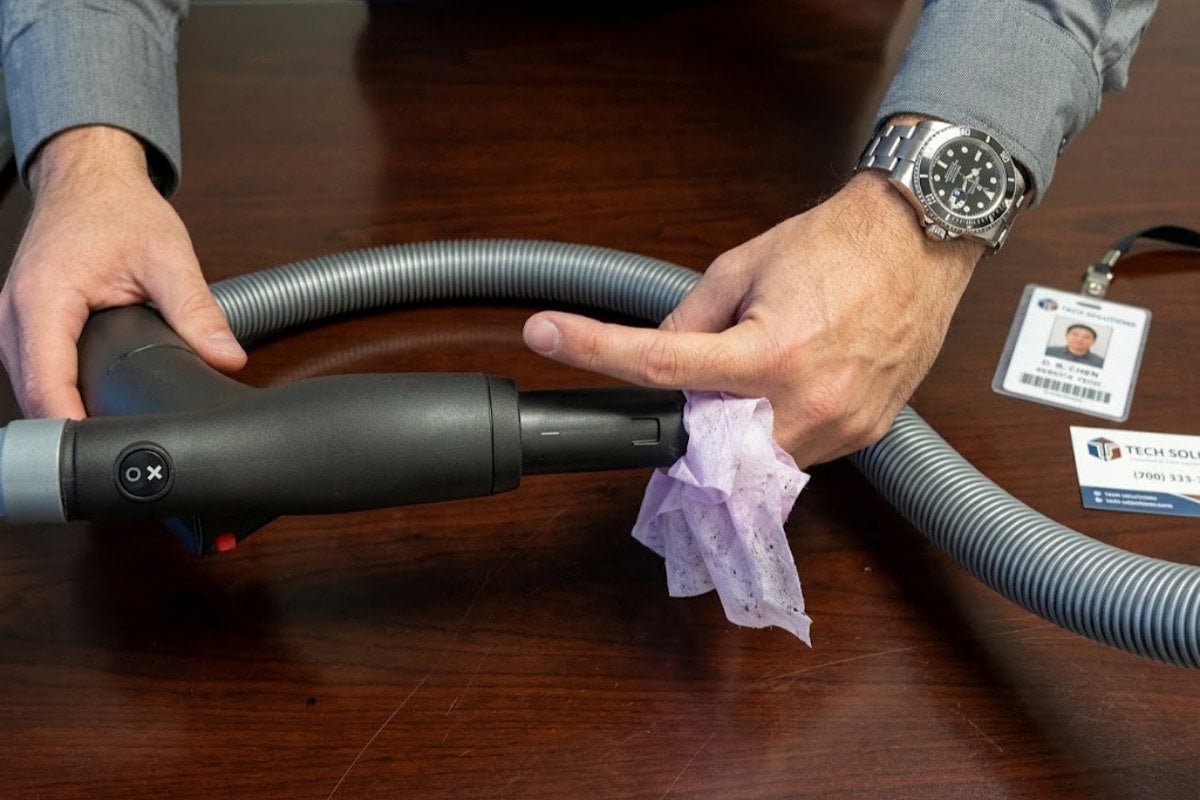
Unblocking isn't hard when you know what to look for, but rushing or skipping steps can lead to damage. Here's a practical, step-by-step guide to help you investigate the issue and restore your vacuum cleaner in no time.
Spotting the Signs: How to Tell if Your Vacuum Is Blocked (Before It Overheats)?
Your vacuum cleaner communicates in subtle ways—if you know how to listen.
Common signs of a blockage include weaker suction, unusual high-pitched sounds, or debris visibly left behind[^1]. On some models, the motor may feel hotter than usual or automatically shut off[^2] to prevent overheating.

If you notice the vacuum isn’t working as well as it used to, pause and troubleshoot. Vacuuming with reduced airflow doesn’t just spread dirt—it can also overheat the motor or tear internal parts, leading to bigger headaches (and expenses).
Ways to Diagnose Blockages Quickly
- Suction test: Lift the cleaner and test suction directly from the hose or floor head. No airflow here means a blockage.
- Hearing changes: Whistling, rattling, or buzzing sounds indicate restricted airflow or trapped objects.
- Uneven debris pickup: Dirt being scattered or left behind, even after multiple passes, signals a problem.
Why Early Detection Matters
Retail users—especially busy homeowners or commercial cleaners—often ignore early signs, thinking the problem will fix itself. However, prolonged blockages can escalate[^3]. Brands shipping vacuum products should provide clear education for users, and after-sales teams should include clogged vacuum diagnostics in FAQs or manuals.
The 4-Zone Clog Search: Inspecting Floor Heads, Hoses, Dust Cups, and Wand Tubes
Finding the exact location of a blockage can save you a lot of trial and error.
There are four common areas where blockages occur: the floor head, the hose, the dust cup, and the wand tube. Checking these zones in order—from the floor head up—helps you pinpoint the clog with minimal equipment disassembly.
A Step-by-Step Search Process
-
Start with the floor head:
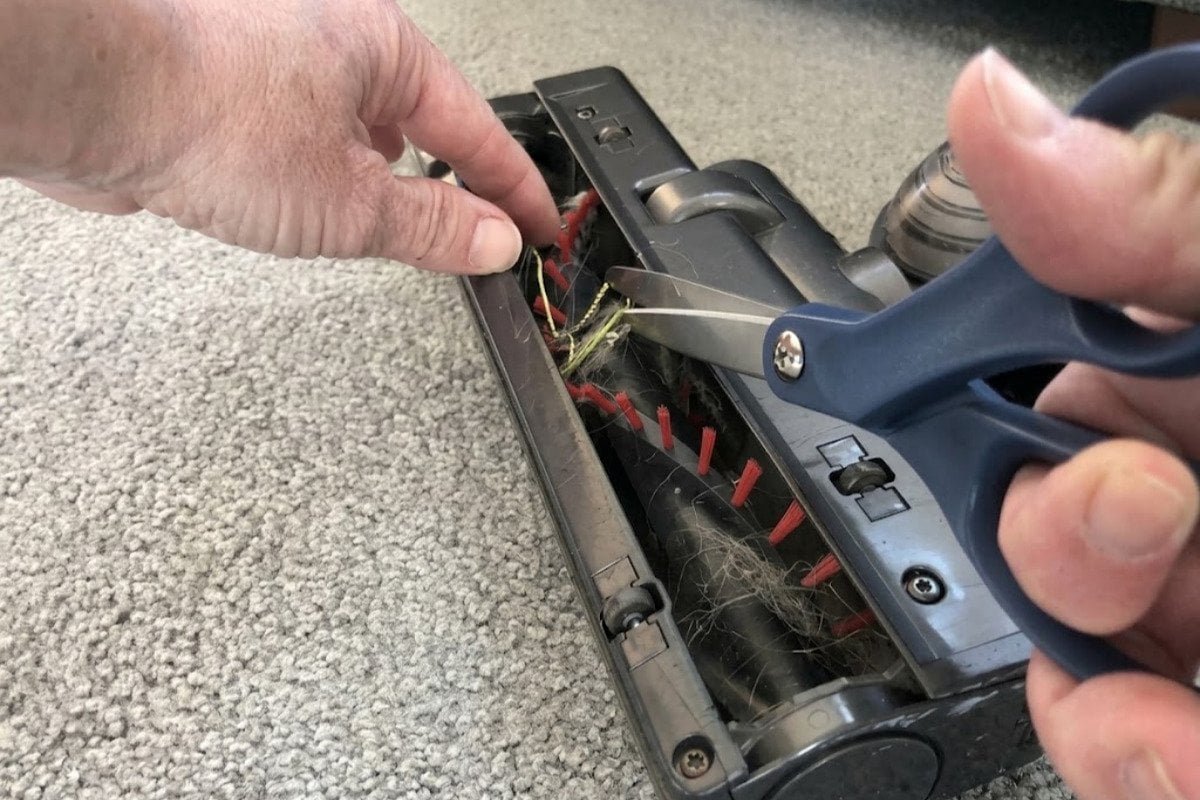
Remove the floor head and inspect its opening and bristles. Hair, thread, or large debris can tangle here, stopping suction at the source. -
Inspect the hose:
Disconnect the hose and hold it to the light. If the hose isn't transparent or flexible, gently feed a flexible rod inside to feel for resistance. -
Check the dust cup or filter:
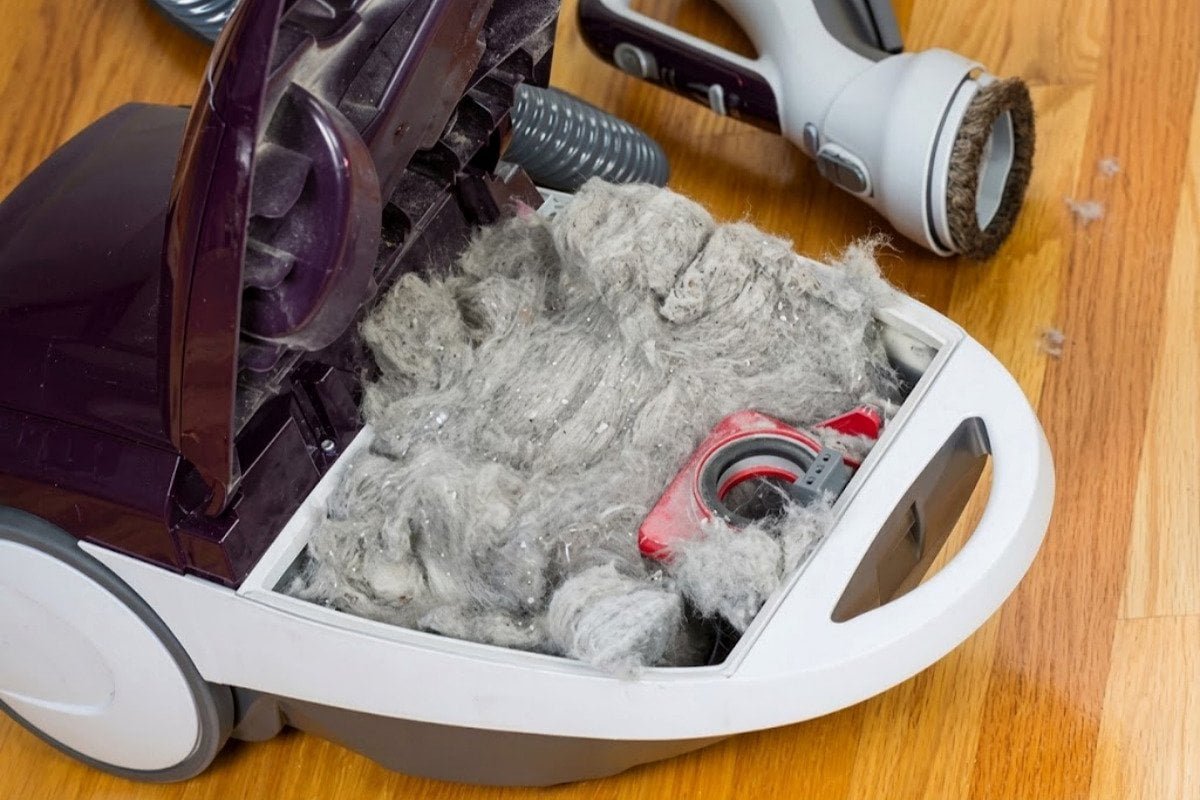
Poorly maintained dust cups or filters clog faster. Remove the cup, empty it, and clean the filter as instructed in the vacuum manual. -
Examine the wand tube:
Disconnect the wand and look for debris or obstructions. A flashlight can reveal hidden clogs in the tube's crevices.
Trouble Spots to Double-Check
Some multi-functional units, such as wet-dry vacuums, include additional parts like diverter valves[^4]. If you're troubleshooting such models, consult the manufacturer's guide before performing further checks. For brand owners and importers, easy-to-remove parts and transparent components can enhance user satisfaction.
Safe Unclogging Tools and Prevention: How to Clear Trapped Objects Without Ruining the Airway?
Removing blockages improperly can damage your vacuum cleaner, especially its delicate hoses or rotating brushes.
Use safe tools for declogging, such as flexible cleaning rods, pipe brushes, or tweezers[^5]. Avoid using sharp objects, like knives or screwdrivers, that might puncture hoses. Regular maintenance—like cleaning filters and emptying dust cups—prevents blockages from forming in the first place.
The Do’s and Don’ts of Unclogging
- Do use soft-bristled brushes or slim pipes to push clogs out.
- Do wear gloves to prevent injury or contact with sharp objects hidden inside the vacuum.
- Don’t use excessive force when pushing obstructions out. Gently wiggle the tool to dislodge blockages.
- Don’t submerge electronic components in water while cleaning.
Long-Term Prevention Tips
- Clear the floor area: Before vacuuming, remove larger items like coins, fragments, or hair clumps to avoid blockages in floor heads.
- Clean daily-use parts frequently: Many clogs occur due to neglecting filter or dust cup cleaning.
- Fit accessories correctly: Improperly installed or worn-out attachments can trap debris or restrict suction airflow. Brands should highlight the correct part assembly in booklets or videos.
For importers and retail chains, investing in easy-disassembly designs not only reduces customer frustrations but also supports longer appliance life cycles.
Frequently Asked Questions
How do I know if a blockage is the cause of weak suction?
Weak suction paired with unusual noises or overheating is a strong indicator of a blockage. Check easiest areas first, like the floor head or hose, before inspecting internal components.
Is it safe to remove clogs without professional help?
Yes, most minor blockages can be removed at home using safe tools like brushes or flexible rods. However, avoid opening motor casings or sealed parts without professionals.
Can I use a stick or sharp object to dislodge clogs?
No, sharp objects can puncture or damage internal vacuum components[^6] like hoses. Use soft, pliable tools specifically designed for cleaning vacuum blockages.
How often should I clean my vacuum to prevent clogs?
Clean filters and empty the dust cup after every 2–3 uses. If using a vacuum frequently (e.g., in commercial settings), consider cleaning daily.
Are there vacuums designed specifically to prevent clogs?
Some premium models feature anti-tangle brushes or clog-resistant pathways[^7] to minimize blockages. Transparent components also help users quickly spot obstructions.
Conclusion
Addressing vacuum cleaner blockages quickly can save you from long-term issues like overheating or reduced suction. By inspecting areas like the floor head, hose, and dust cup—and using safe declogging methods—you can restore optimal performance and extend your vacuum's life. For brands and retailers, incorporating these practical tips in user guides or your customer support program enhances satisfaction while reducing maintenance headaches.
If your unit’s clog persists after troubleshooting, consult a professional repair service[^8]. Meanwhile, proper maintenance and timely advice are the proactive habits every retailer or end-user should prioritize.
[^1]: "What to Do When Vacuum Cleaner is Clogged", https://honiture.com/blogs/home-cleaning/why-does-my-cordless-vacuum-say-its-blocked-what-should-i-do?srsltid=AU7gw4Vznhi-7dfZcg-qP4tuwreUwPTHHCE3b4_-pAsuy9m8-LdpwRIN. Vacuum cleaner troubleshooting guides often list weaker suction, unusual noises, and debris left behind as primary indicators of blockages. Evidence role: expert_consensus; source type: education. Supports: Weaker suction, unusual noises, and debris left behind are typical signs of vacuum blockages.. Scope note: The source may not address less common blockage symptoms. [^2]: "Vacuum Overheating: What to Do & How to Avoid | Dreame US", https://www.dreametech.com/blogs/blog/vacuum-overheating. Technical manuals for vacuum cleaners often describe automatic shutoff features to prevent motor damage from overheating caused by blockages. Evidence role: mechanism; source type: education. Supports: Some vacuum cleaners are designed to shut off or overheat when airflow is restricted by blockages.. Scope note: The source may only apply to specific brands or models. [^3]: "Long-term effects of vacuum and forceps deliveries", https://pubmed.ncbi.nlm.nih.gov/1675719/. Studies on vacuum cleaner maintenance suggest that unresolved blockages can escalate into motor damage or reduced appliance lifespan. Evidence role: general_support; source type: research. Supports: Prolonged blockages can lead to overheating, motor damage, or reduced vacuum lifespan.. Scope note: The source may not specify the time frame for escalation. [^4]: "How To Check Your Float Valve In Your Vacmaster® Wet & Dry ...", https://www.youtube.com/watch?v=BXOfzl37Am4. Manufacturer guides for wet-dry vacuums often highlight diverter valves as additional components that can affect performance if clogged. Evidence role: mechanism; source type: education. Supports: Wet-dry vacuums often include diverter valves that may require special attention during maintenance.. Scope note: The source may only apply to specific wet-dry vacuum models. [^5]: "Clearing Central Vacuum Pipe Blockages – Step-by- ...", https://intervacdesign.com/clear-the-way-your-step-by-step-guide-to-clearing-central-vacuum-pipe-blockages/?srsltid=AU7gw4U4bRQkBsnZl42yEo6ofDv3NPyong8VbBJMm_Nd4llp8uJV3Poa. Vacuum maintenance guides often recommend flexible rods, pipe brushes, and tweezers for safe blockage removal. Evidence role: expert_consensus; source type: education. Supports: Flexible cleaning rods, pipe brushes, and tweezers are commonly recommended tools for safely removing vacuum blockages.. Scope note: The source may not address all potential tools or methods. [^6]: "Seriously, keep your vacuum away from small, sharp objects.", https://www.facebook.com/ConsumerReports/posts/seriously-keep-your-vacuum-away-from-small-sharp-objects/977039287625233/. Vacuum cleaner maintenance experts warn against using sharp objects, as they can puncture hoses or damage internal parts. Evidence role: mechanism; source type: education. Supports: Sharp objects can puncture or damage vacuum hoses and other internal components.. Scope note: The source may not specify the extent of damage caused by sharp objects. [^7]: "Experiences with "anti-tangle" brush rolls?", https://www.reddit.com/r/VacuumCleaners/comments/1afpcll/experiences_with_antitangle_brush_rolls/. Product reviews and technical specifications for premium vacuums highlight anti-tangle brushes and clog-resistant pathways as features designed to minimize blockages. Evidence role: general_support; source type: research. Supports: Premium vacuum models often include features like anti-tangle brushes or clog-resistant pathways to reduce blockages.. Scope note: The source may focus on specific brands or models. [^8]: "The Top Four Signs Your Vacuum Needs Repair", https://www.gatorvacuum.com/signs-your-vacuum-needs-repair. Vacuum repair guidelines suggest consulting professionals for persistent blockages that resist standard troubleshooting methods. Evidence role: expert_consensus; source type: education. Supports: Professional repair services are recommended for persistent vacuum blockages that cannot be resolved through basic troubleshooting.. Scope note: The source may not specify cost or availability of professional services.
Related Posts
How to Evaluate a Robotic Pool Cleaner Sample Before Mass Production?
# How to Evaluate a Robotic Pool Cleaner Sample Before Mass Production? When assessing a robotic pool cleaner sample before…
How to Measure Pool Skimmer Cleaning Coverage in a Repeatable Test?
# How to Measure Pool Skimmer Cleaning Coverage in a Repeatable Test? [Pool skimmer cleaning coverage is one of the…
What Warranty Terms Should Buyers Compare for Robotic Pool Cleaners?
# What Warranty Terms Should Buyers Compare for Robotic Pool Cleaners? When buying robotic pool cleaners, warranty terms can heavily…
Leave a Reply