
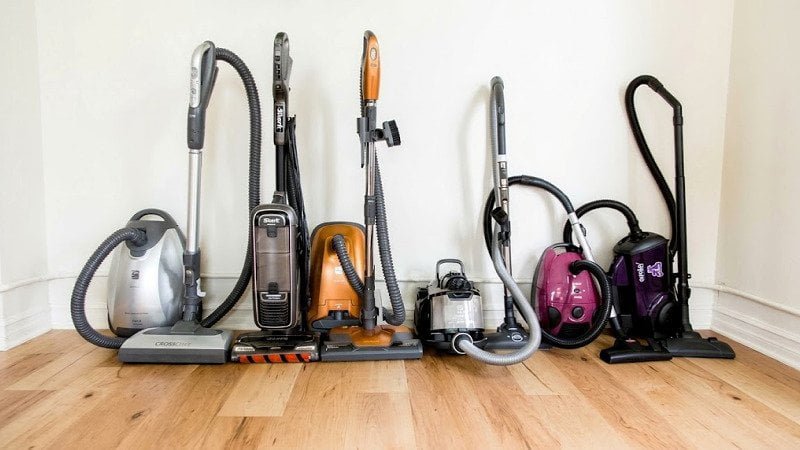
Wet and Dry Vacuum vs Regular Vacuum Cleaner Key Differences?
Wet and Dry Vacuum vs Regular Vacuum Cleaner Key Differences?
When deciding between a wet and dry vacuum cleaner versus a regular vacuum cleaner, it’s easy to get caught up in basic functionality. The real difference, however, lies deeper—in how appropriate each type is for specific cleaning scenarios, safety considerations, and long-term operating costs[^1]. Let me walk you through the key differences based on what I’ve learned from working directly with buyers in the vacuum cleaner industry.
A wet and dry vacuum differs from a regular vacuum cleaner in its ability to handle both liquids and debris safely. Thanks to specialized motor engineering, moisture isolation, and large waste capacity[^2], it is ideal for industrial and heavy-duty cleaning. Regular vacuums, meanwhile, give superior efficiency and practicality for routine dry debris cleanup at home.
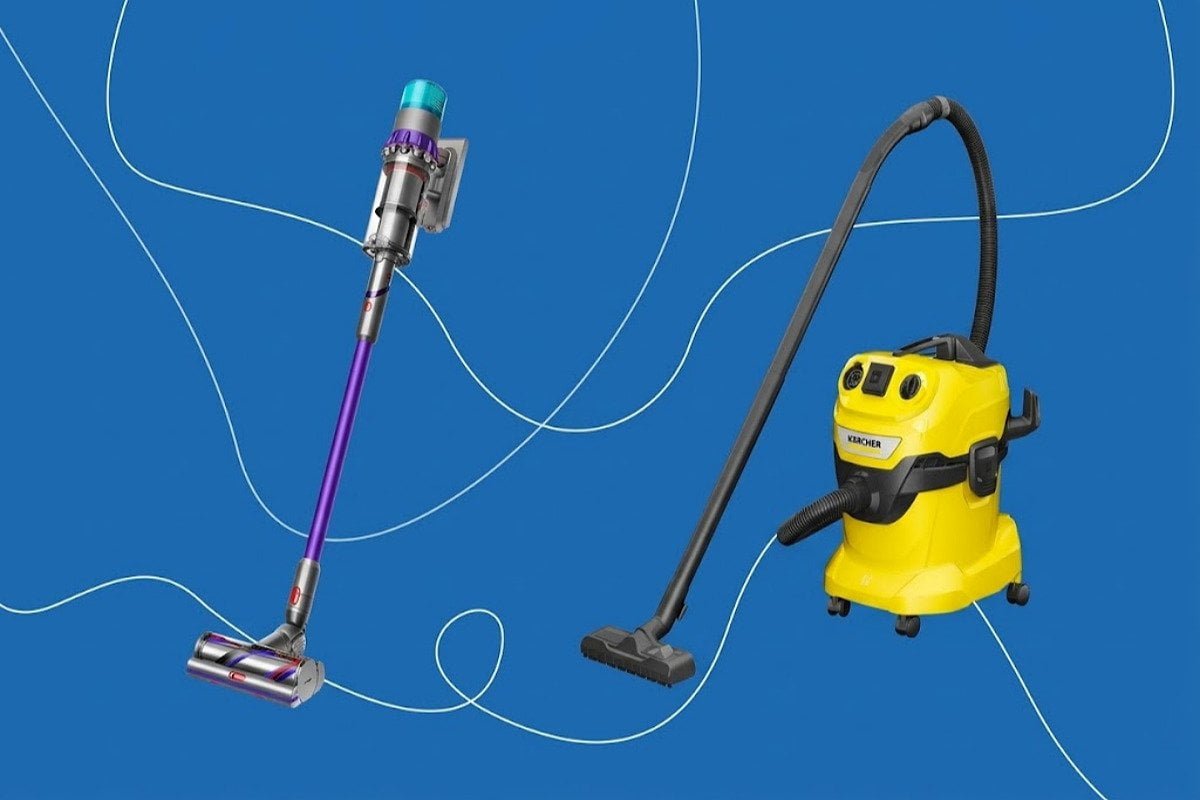
If you’re wondering whether your customers, or even your own lifestyle, would benefit more from one over the other, there’s no one-size-fits-all answer. Keep reading as I break down the technical aspects, cleaning capabilities, and market-specific considerations that differentiate these two essential tools.
The Internal Engineering Split: Bypass Motors, Airflow Isolation, and Water Safety?
Wet and dry vacuums boast advanced internal designs—but what actually sets them apart from standard vacuums?
Wet and dry vacuums feature bypass motors and liquid-safe isolation systems to protect electronics, enabling safe liquid suction. Regular vacuums lack this capability, with airflow that cannot handle moisture without risking electrical failures.

Diving into the Mechanics
At the heart of a wet and dry vacuum is the bypass motor, a design that isolates the vacuum's airflow from its motor. Why does this matter? Imagine a user accidentally vacuuming up water with a standard vacuum cleaner—they’re now facing a possible electrical hazard or motor burnout. Wet and dry models prevent this by keeping liquid-laden air entirely separated from the components that drive the device.
Similarly, wet and dry vacuums incorporate special foam filters and water-resistant seals. These features ensure that liquid moisture doesn’t interfere with suction strength or compromise the machine’s integrity over time. Regular vacuums simply aren’t built with protecting electronics from liquids in mind.
But here’s the tradeoff: bypass motors in wet and dry vacuums tend to be larger and less efficient at producing strong suction for fine debris. If your primary cleaning task is routine messes like pet hair or dust, the standard vacuum often performs better with lighter designs optimized for agile movement and suction efficiency.
Debris, Liquids, and Versatility: What Each Vacuum Can (and CANNOT) Clean?
Of course, engineering isn’t the whole story; what really matters is what these vacuums are built to handle in everyday scenarios.
A wet and dry vacuum is designed for high-demand tasks like cleaning spills, construction debris, or even hazardous liquid waste[^3]. Regular vacuums excel in cleaning fine dirt, everyday dust, and carpets, but fail when dealing with any moisture or heavy chunks.
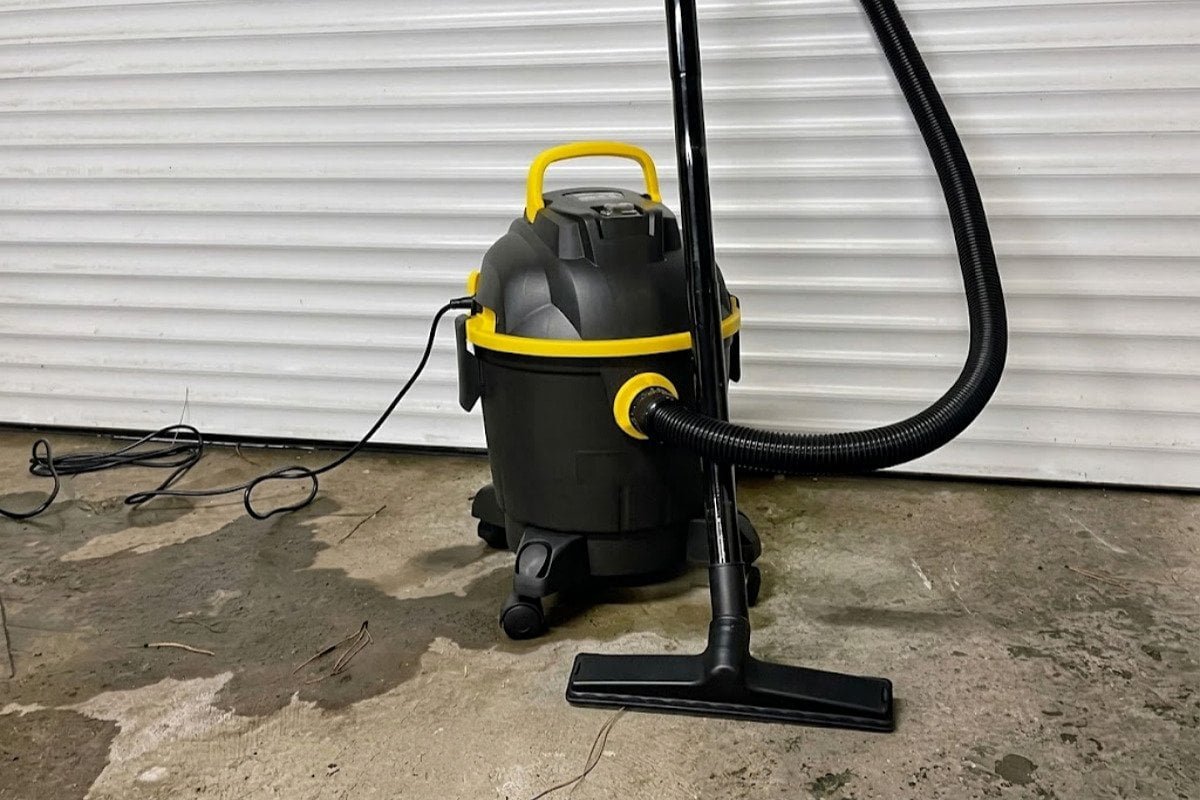
The Price of Versatility
Wet and dry vacuums have impressive flexibility. They’re lifesavers in environments such as workshops, commercial kitchens, or areas prone to frequent accidents like flooded basements. Imagine cleaning up drywall particles mixed with muddy water—no problem for a wet-and-dry device. Many models can even double as blowers for clearing outdoor areas[^4].
However, versatility comes with drawbacks. These vacuums are less energy-efficient and generally bulkier. They require additional cleaning to ensure water doesn’t sit in the tank, turning stagnant. Consumable accessories such as foam filters may require frequent replacement based on liquid absorption wear.
In contrast, regular vacuum cleaners stick to basics: dry, crumbly, household messes. If no liquid cleanup enters the equation, regular vacuums efficiently handle carpets, upholstery, and hardwood[^5]. Modern models include HEPA filters to tackle allergens[^6], plus various head accessories for specialized surfaces.
With both machines, choosing the wrong one for the intended cleaning application can result in poor performance or additional maintenance efforts.
Filtration, Capacity, and Storage: Choosing the Right Model for Your Market and Lifestyle?
When it comes to filtration systems, tank capacity, and overall operational convenience, different buyers value very different aspects between these two types of machines.
Wet and dry vacuums often trade portability for larger capacity and adaptable filters, designed for longer cleaning sessions. Regular vacuums offer compact designs and high-end filtration perfect for allergen-sensitive households.
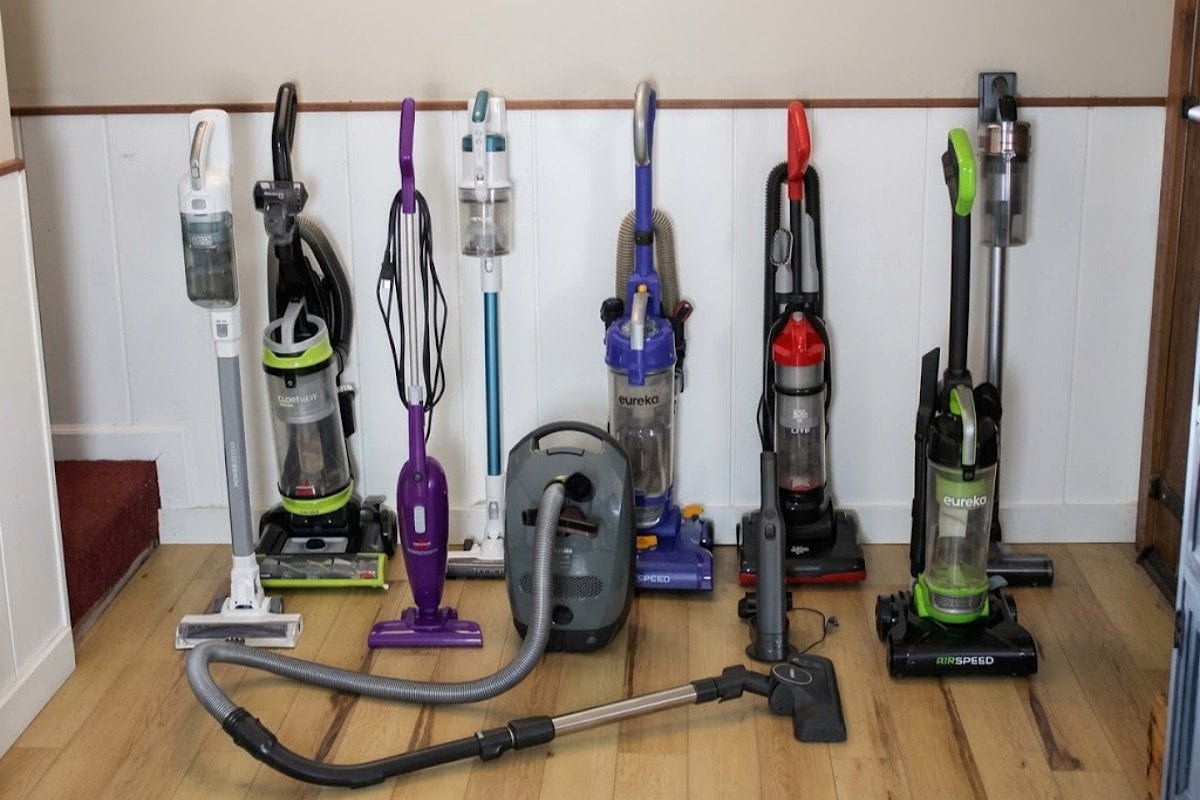
How to Narrow Down on Fit
-
Filtration:
Both vacuums aim to filter particles out of air exhaust, but wet and dry vacuums frequently settle for lower-grade filters[^7] since filtration precision is not their main selling point. By contrast, household vacuums often feature HEPA filters, targeting allergy sufferers concerned about fine particulates. -
Tank or Dustbin Size:
Wet and dry vacuums win big when it comes to raw capacity—great for industrial users who don’t want frequent interruptions. For regular vacuums, smaller units mean better portability and faster emptying cycles, making them ideal for quick household clean-ups or urban apartments. -
Storage Room Needed:
Here’s where regular vacuums shine. Lightweight builds and compact docking stations let them fit into narrow closets. Wet and dry vacuums, conversely, are bulkier and harder to store neatly unless you have dedicated space (think garages or sheds).
When advising customers—or for personal decision-making—match these factors to the cleaning routines typical for that environment. An urban family with limited storage[^8] likely won’t derive enough value from accidental liquid remediation features to make up for the inconvenience of storing a larger device.
Frequently Asked Questions
Can a wet and dry vacuum fully replace a regular vacuum?
No. While versatile, wet and dry vacuums are designed for heavy-duty or mixed-cleaning environments. For homes focused on everyday housekeeping, a regular vacuum offers better suction efficiency, compact designs, and HEPA filtration.
Are wet and dry vacuums expensive to maintain?
Yes, they can be. Consumables like specialized foam filters wear out quickly, and cleaning tanks after liquid use takes more effort. Buyers should factor in these recurring costs when deciding.
Which vacuum is more energy-efficient?
Regular vacuums are generally more energy-efficient because they are optimized for dry debris suction. Wet and dry vacuums, with their bypass systems and larger motors, consume more power to handle heavier, versatile tasks.
Conclusion
The key differences between a wet and dry vacuum and a regular vacuum cleaner go beyond simple functionality—it's all about matching the machine to the intended cleaning scenario. Wet and dry models excel in heavy-duty tasks involving liquids and varied debris, but their size and maintenance can be overkill for households. Meanwhile, regular vacuums thrive in everyday residential settings with superior efficiency.
If you’re evaluating these options for your brand, store, or personal use, ask yourself: which scenarios matter most in your market or lifestyle? By aligning the answers to cleaning needs and context, you’ll make a choice that delivers long-term value.
[^1]: "Wet or Dry Vacuum Cleaner: What Your Facility Needs", https://mechmaxx.com/blogs/news/wet-vs-dry-industrial-vacuum-cleaner?srsltid=AU7gw4Xfyroi6PXkCtENY5OXGVtNHSD4QIaEu4gKqaqDLoCrXcgCBy2Y. Studies comparing the safety features, cleaning capabilities, and long-term costs of wet and dry vacuums versus regular vacuums highlight their suitability for different scenarios. Evidence role: general_support; source type: research. Supports: The source should support the differences in cleaning scenarios, safety considerations, and operating costs between wet and dry vacuums and regular vacuums.. Scope note: The findings may vary depending on specific vacuum models and use cases. [^2]: "Sustainability assessment of waste vacuum systems as ... - PMC", https://pmc.ncbi.nlm.nih.gov/articles/PMC12987990/. Educational resources detail how moisture isolation and motor engineering in wet and dry vacuums enable safe and effective industrial cleaning. Evidence role: mechanism; source type: education. Supports: The source should explain how specialized motor engineering, moisture isolation, and large waste capacity contribute to the industrial suitability of wet and dry vacuums.. Scope note: The explanation may not cover all industrial scenarios or specific vacuum models. [^3]: "Household Hazardous Waste (HHW)", https://www.epa.gov/hw/household-hazardous-waste-hhw. Case studies from industrial cleaning contexts demonstrate the effectiveness of wet and dry vacuums for handling spills and construction debris. Evidence role: case_reference; source type: institution. Supports: The source should provide examples of wet and dry vacuums being used for spills, construction debris, or hazardous liquid waste.. Scope note: The examples may focus on specific industries or environments. [^4]: "Wet And Dry Vacuum With Blower", https://www.amazon.com/Wet-Dry-Vacuum-Blower/s?k=Wet+and+Dry+Vacuum+With+Blower. Educational materials on vacuum versatility confirm that many wet and dry models include blower functionality for outdoor use. Evidence role: general_support; source type: education. Supports: The source should confirm that wet and dry vacuums can function as blowers and explain their outdoor applications.. Scope note: The explanation may not apply to all wet and dry vacuum models. [^5]: "Choose a Vacuum for Hardwood Floors and Carpet", https://rockymountainsewing.com/vacuum-for-hardwood-floors-and-carpet/?srsltid=AU7gw4VOJ_l6B7XMQOGRlrrpX7288pQ2FYFSl7QJXBPHkRQNoAMyrvCp. Studies on vacuum performance confirm that regular models are effective for cleaning carpets, upholstery, and hardwood surfaces. Evidence role: general_support; source type: research. Supports: The source should confirm the efficiency of regular vacuums on carpets, upholstery, and hardwood.. Scope note: The efficiency may vary based on vacuum model and surface type. [^6]: "Effectiveness of Air Filters and Air Cleaners in Allergic ... - PMC", https://pmc.ncbi.nlm.nih.gov/articles/PMC3165134/. Research on HEPA filtration technology demonstrates its effectiveness in capturing allergens in household vacuums. Evidence role: mechanism; source type: research. Supports: The source should explain how HEPA filters in regular vacuums help reduce allergens.. Scope note: The findings may depend on the quality and maintenance of the HEPA filter. [^7]: "Wet Dry Vacs - Filters & Accessories", https://www.ridgid.com/us/en/vacuum-filters. Research on vacuum filtration systems indicates that wet and dry vacuums prioritize capacity over filtration precision. Evidence role: general_support; source type: research. Supports: The source should explain why wet and dry vacuums often use lower-grade filters and how this impacts performance.. Scope note: The explanation may not apply to high-end wet and dry vacuum models. [^8]: "Chapter XI Dual-Phase Extraction", https://www.epa.gov/sites/default/files/2014-03/documents/tum_ch11.pdf. Consumer research on vacuum preferences highlights storage constraints and feature tradeoffs for urban households. Evidence role: general_support; source type: research. Supports: The source should provide insights into storage challenges and value considerations for urban households choosing vacuums.. Scope note: The findings may not represent all urban family scenarios.
Related Posts
How to Evaluate a Robotic Pool Cleaner Sample Before Mass Production?
# How to Evaluate a Robotic Pool Cleaner Sample Before Mass Production? When assessing a robotic pool cleaner sample before…
How to Measure Pool Skimmer Cleaning Coverage in a Repeatable Test?
# How to Measure Pool Skimmer Cleaning Coverage in a Repeatable Test? [Pool skimmer cleaning coverage is one of the…
What Warranty Terms Should Buyers Compare for Robotic Pool Cleaners?
# What Warranty Terms Should Buyers Compare for Robotic Pool Cleaners? When buying robotic pool cleaners, warranty terms can heavily…
Leave a Reply