
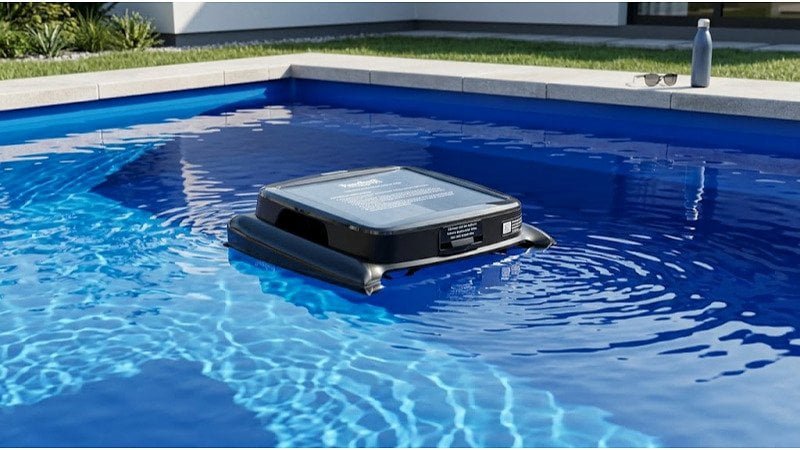
What Materials Hold Up to Sunlight and Pool Chemicals?
What Materials Hold Up to Sunlight and Pool Chemicals?
Choosing the right materials for environments exposed to sunlight and pool chemicals is tricky but crucial. The wrong choice can lead to cracking, fading, or corrosion—ultimately costing you time and money in replacements. Some materials, like PVC, ASA, polycarbonate, and HDPE, stand out for their durability in these challenging conditions[^1]. Let’s explore their strengths, weaknesses, and practical applications.
Materials like ASA plastics, 316 stainless steel, and fluororubber seals are engineered to resist UV degradation, chlorine corrosion, and saltwater damage long-term[^2], outperforming less weatherable options like standard ABS plastics or untreated metals. Match material properties with environmental stresses to minimize maintenance and maximize longevity while controlling costs.

Ready to dive deeper? I’ll walk you through important considerations like UV resistance, chemical durability, and stress-crack testing to help you confidently select the right materials.
UV Degradation vs. Weatherable Plastics: Why Standard ABS Fails and ASA/PC Thrives?
Sunlight may shine gently, but UV exposure is a silent destroyer for many plastics. Standard ABS plastics, for instance, break down quickly, fading and cracking under extended sun exposure[^3]. Weatherable plastics like ASA and PC (polycarbonate) provide much-needed durability in UV-heavy environments.
ASA (acrylonitrile styrene acrylate) plastics are specifically formulated to resist UV damage, making them superior to traditional ABS for applications in outdoor products. Meanwhile, polycarbonate brings unmatched strength and impact resistance to the table.

Why does ABS fail under sunlight?
Standard ABS plastics are affordable and easy to mold, which is why they’re so popular. However, their Achilles’ heel is poor UV resistance. UV rays cause ABS to degrade chemically, leading to surface cracks and fading, which can compromise structural integrity.
How do ASA and PC solve this issue?
ASA contains UV-stable acrylic that prevents discoloration and brittleness, making it an ideal choice for poolside accessories, housings, or outdoor electrical enclosures. If you need toughness, polycarbonate (PC) steps in. It holds up exceptionally well not just to sunlight but also to impact and heat.
Trade-offs:
| Material | Strengths | Weaknesses | Best Use Cases |
|---|---|---|---|
| ABS | Cost-effective, lightweight | Poor UV resistance; cracks easily | Indoor products; short-term solutions |
| ASA | Excellent UV stability; weatherable | Slightly more expensive than ABS | Outdoor housings, poolside products |
| Polycarbonate PC | UV resistance, impact strength, transparency | Higher price point; prone to minor scratching | High-demand outdoor products |
Chlorine and Saltwater Corrosion: 316 Stainless Steel, Titanium, and Fluororubber Seals?
Chlorine and saltwater, found in pool chemicals, wreak havoc on most metals and rubbers. Products built with materials like standard steel or natural rubber often suffer from rust and chemical wear over time. To resist these corrosive elements, materials like 316 stainless steel, titanium, and fluororubber seals are key.
316 stainless steel and titanium resist corrosion exceptionally well, while fluororubber seals maintain their flexibility even with constant chemical exposure.

Why standard materials fail in pools?
Standard-grade stainless steel and uncoated metals corrode quickly in chlorinated or saltwater environments, forming rust that weakens the structure. Natural rubber seals break down, leading to leaks—a disaster for any product submerged in water.
316 stainless steel contains molybdenum, which makes it better equipped to handle oxidative environments[^4]. For extreme durability, titanium dramatically outperforms all other metals—it won’t rust, even in briny ocean conditions. Fluororubber seals (e.g., Viton) are engineered to resist a wide range of aggressive chemicals, including chlorine[^5].
Trade-offs:
| Material | Strengths | Weaknesses | Best Use Cases |
|---|---|---|---|
| Standard Steel | Cheap; readily available | Rusts in chlorine and saltwater | Low-demand indoor equipment |
| 316 Stainless Steel | Highly resistant to chlorine and saltwater | Heavier and more expensive than standard steel | Poolside machinery; appliances near water |
| Titanium | Ultimate corrosion resistance | Premium price point | High-end equipment exposed to seawater |
| Fluororubber Seals | Chemical resistance; stays flexible long-term | Higher upfront cost | Pumps, filters, seals in pool systems |
Evaluating Longevity: Stress-Crack Testing, Marine Coatings, and RMA Reduction?
Longevity is the end goal when choosing materials for pool environments. Stress-crack testing, marine-grade coatings, and RMA reduction strategies are essential to predict and enhance long-term performance.
Using real-world data and practical testing methods, manufacturers can catch weaknesses early and reduce costly customer returns (RMA).
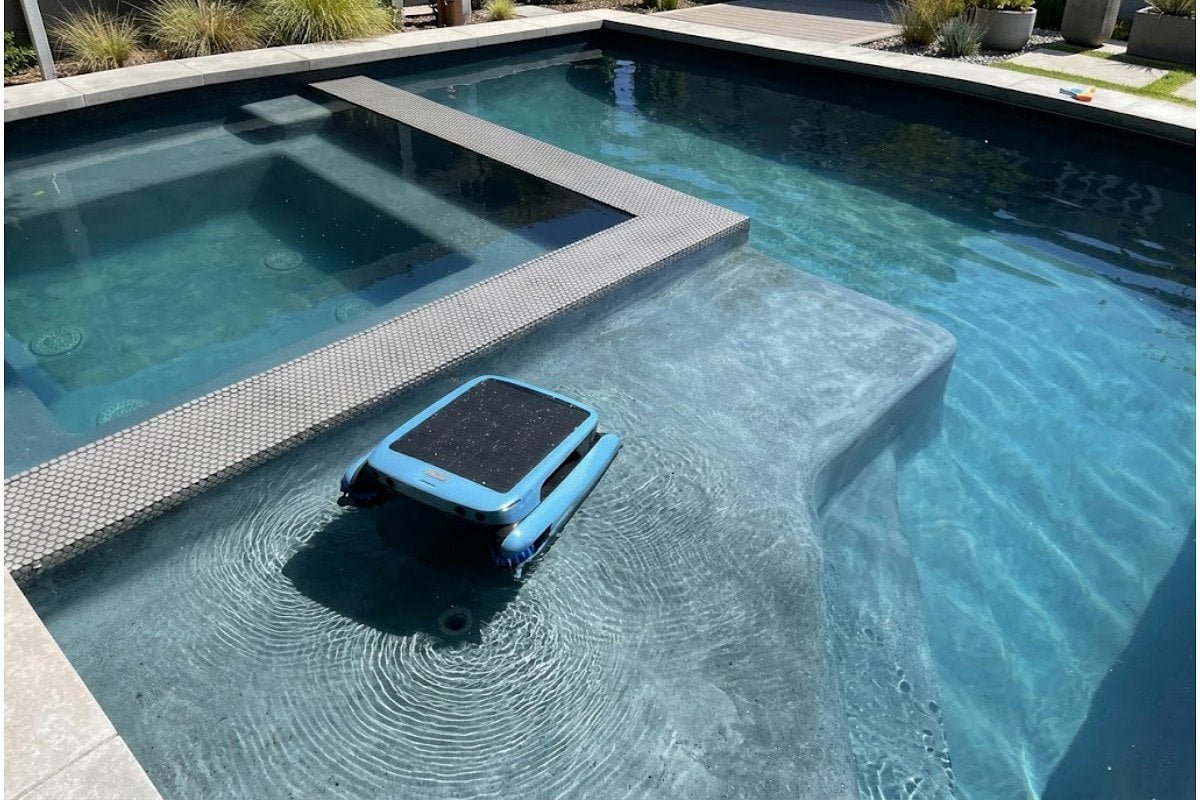
What’s stress-crack testing?
Stress-crack testing simulates environmental wear on materials. For example, exposing polymers to UV and chemically treated water reveals how soon they might fail over time. Some manufacturers use accelerated aging to predict performance.
How marine coatings increase longevity?
Special marine-grade coatings for metals add an additional layer of protection against water exposure[^6], whether chlorine or salt-driven. These coatings extend the lifespan of less durable materials. Fluoropolymer or epoxy coatings are popular options.
Why does RMA reduction matter?
Fewer failed parts mean happier customers and lower long-term operating costs[^7]. Longevity strategies—using weatherable plastics, resistant metals, and testing—slash RMA risks and ensure products survive under demanding conditions.
Frequently Asked Questions
What materials resist both UV and pool chemicals effectively?
ASA plastics and 316 stainless steel are great at handling UV exposure and pool chemicals. Polycarbonate offers excellent UV resistance[^8], while fluororubber seals withstand chlorine and saltwater. Each serves a specific purpose based on your needs.
Is ABS ever suitable for pool environments?
Standard ABS struggles in outdoor, chlorinated environments due to quick UV damage and chemical degradation. However, ABS may work as a short-term, budget-friendly option for indoor components not directly exposed.
Are marine coatings worth the extra cost?
Yes. For metals exposed to saltwater or chlorine, marine coatings add vital corrosion protection, significantly extending product lifespan. They’re especially valuable for mid-tier metals like treated steel.
Conclusion
When selecting materials for environments exposed to sunlight and pool chemicals, balancing resistance, cost, and longevity is key. ASA plastics and 316 stainless steel bring top UV and chemical durability to the table. Other materials, like polycarbonate and fluororubbers, offer additional performance boosts.
If you’re looking for guidance specific to your application or wondering how to source these materials cost-effectively, I’d be happy to help. Let’s ensure your next project withstands the elements—contact us today!
[^1]: "Chemical Resistance and Chemical Applications for CPVC ...", https://www.nrc.gov/docs/ML1820/ML18207A604.pdf. Studies have shown that materials like ASA and HDPE exhibit high resistance to UV degradation and chemical exposure, making them suitable for outdoor and poolside applications. However, specific performance metrics may vary depending on the formulation and environmental conditions. Evidence role: general_support; source type: research. Supports: The durability of PVC, ASA, polycarbonate, and HDPE in environments exposed to sunlight and pool chemicals.. Scope note: Performance may depend on specific grades or formulations of these materials. [^2]: "Mechanical Properties of 3D Printed Acrylonitrile Styrene ...", https://openprairie.sdstate.edu/cgi/viewcontent.cgi?article=4155&context=etd. Research indicates that ASA plastics are formulated with UV-stable acrylics, while 316 stainless steel contains molybdenum for enhanced corrosion resistance. Fluororubber seals are chemically resistant to chlorine and saltwater, making them ideal for pool environments. Evidence role: general_support; source type: research. Supports: The engineering of ASA plastics, 316 stainless steel, and fluororubber seals for resistance to UV, chlorine, and saltwater.. Scope note: Long-term performance may vary based on environmental factors and material grade. [^3]: "Influence of Different Stabilization Systems and Multiple ... - PMC", https://pmc.ncbi.nlm.nih.gov/articles/PMC6981387/. Studies on ABS plastics show that prolonged UV exposure leads to chemical breakdown, resulting in surface cracks and fading. This is due to the material's lack of inherent UV stabilizers. Evidence role: mechanism; source type: research. Supports: The degradation of ABS plastics under UV exposure.. Scope note: Specific degradation rates depend on the intensity and duration of UV exposure. [^4]: "SAE 316L stainless steel", https://en.wikipedia.org/wiki/SAE_316L_stainless_steel. Metallurgical studies confirm that molybdenum in 316 stainless steel improves its resistance to pitting and crevice corrosion in oxidative environments. Evidence role: mechanism; source type: research. Supports: The role of molybdenum in enhancing the corrosion resistance of 316 stainless steel.. Scope note: Corrosion resistance may vary depending on environmental conditions and exposure duration. [^5]: "FKM Rubber Seals for Harsh Industrial Applications", https://www.facebook.com/groups/423171000661526/posts/1102799582698661/. Studies indicate that fluororubber seals, such as Viton, exhibit high resistance to chlorine and other aggressive chemicals due to their fluorinated polymer structure. Evidence role: mechanism; source type: research. Supports: The chemical resistance of fluororubber seals, including chlorine.. Scope note: Resistance may vary based on the concentration and temperature of the chemicals. [^6]: "Protective & Marine Coatings", https://industrial.sherwin-williams.com/na/us/en/protective-marine.html. Marine-grade coatings, such as fluoropolymer and epoxy, are shown to enhance corrosion resistance in metals exposed to saltwater and chlorinated environments. Evidence role: general_support; source type: research. Supports: The protective role of marine-grade coatings against water exposure.. Scope note: Effectiveness may vary based on coating thickness and application method. [^7]: "SECTION 4: AIRCRAFT OPERATING COSTS", https://www.faa.gov/regulations_policies/policy_guidance/benefit_cost/econ-value-section-4-op-costs.pdf. Business studies suggest that improving product reliability reduces RMA rates, leading to higher customer satisfaction and lower operational costs. Evidence role: general_support; source type: research. Supports: The relationship between reduced product failures, customer satisfaction, and operating costs.. Scope note: Quantitative impact may vary by industry and product type. [^8]: "Polycarbonate and Protection from UV Radiation. What ...", https://www.palram.com/blog/construction-architecture/polycarbonate-and-protection-from-uv-radiation/. Polycarbonate's UV resistance is attributed to its molecular structure, which can be further enhanced with UV stabilizers. Evidence role: mechanism; source type: research. Supports: The UV resistance of polycarbonate.. Scope note: UV resistance may depend on the presence of additional stabilizers in the material.
Related Posts
How to Evaluate a Robotic Pool Cleaner Sample Before Mass Production?
# How to Evaluate a Robotic Pool Cleaner Sample Before Mass Production? When assessing a robotic pool cleaner sample before…
How to Measure Pool Skimmer Cleaning Coverage in a Repeatable Test?
# How to Measure Pool Skimmer Cleaning Coverage in a Repeatable Test? [Pool skimmer cleaning coverage is one of the…
What Warranty Terms Should Buyers Compare for Robotic Pool Cleaners?
# What Warranty Terms Should Buyers Compare for Robotic Pool Cleaners? When buying robotic pool cleaners, warranty terms can heavily…
Leave a Reply