
Why Does My Vacuum Cleaner Smell Bad and How Can I Fix It?
Why Does My Vacuum Cleaner Smell Bad and How Can I Fix It?
Ever turned on your vacuum cleaner for some quick tidying, only to be greeted by a terrible smell? Whether it’s pet hair, mold, or something burning, a smelly vacuum can quickly ruin the experience. Now, let’s figure out why your vacuum cleaner smells bad and, more importantly, how to fix it.
Bad smells in vacuum cleaners typically come from poor maintenance, damp conditions, or operational issues like overheating.[^1] Fixing the problem involves identifying the source of the odor, deep cleaning affected components, and adopting preventive habits to keep your unit fresh.

If you’re wondering whether this smell means your vacuum cleaner is faulty, don’t worry—it’s usually not a product quality issue. With the right steps, you can get rid of odors and even prevent them in the future.
Identifying the Odor: Pet Hair, Moldy Dampness, or Burning Rubber?
A smelly vacuum doesn’t appear out of nowhere—it’s telling you something. Let’s break down the usual suspects causing that awful stench.
Pet hair, mold growth from moisture, and a burning rubber smell are the most common reasons vacuums emit foul odors. Each type of smell points to a different problem area, like filters, build-up in hoses, or the brush motor.

Common Smell Sources and What They Mean:
- Pet hair or dander: If you have pets, their hair and fur can build up inside your vacuum, especially in the filters and hoses. Over time, natural oils in the hair can develop odors.
- Moldy, damp smell: If your vacuum was stored in a humid area or picked up moisture during cleaning (like wet spills), mold or mildew inside the bin or filter can start growing.
- Burning rubber smell: This could indicate belt issues in models with rotating brush rollers or motor stress caused by clogging.
When troubleshooting, start by sniffing out the area—does the smell come from the hose, filters, or motor casing? A quick check can save you hours of frustration.
The Step-by-Step Deodorizing SOP: Deep Cleaning Filters, Hoses, and Brush Rollers
If your vacuum cleaner stinks, cleaning it thoroughly is often the quickest fix. Here’s my simple, step-by-step approach.
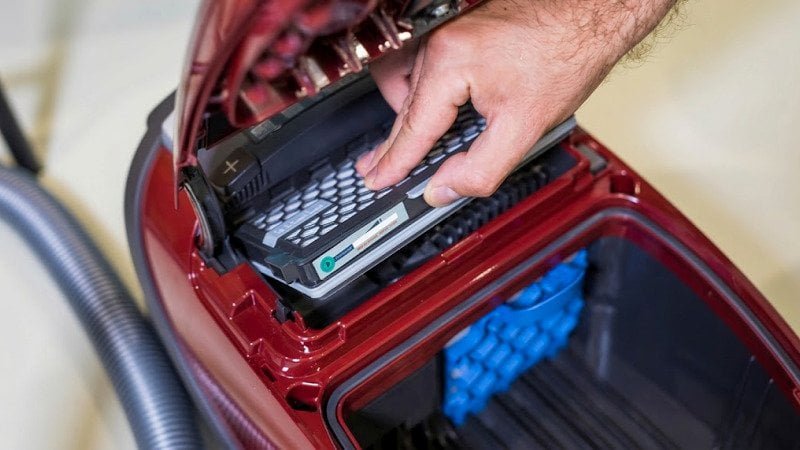
Start by disassembling your vacuum cleaner to clean key areas like filters, hoses, and brush rollers. Use gentle detergents, warm water, and proper drying methods to remove debris and odors effectively.[^2]

Step-by-Step Deodorizing:
- Empty the dust bin or bag: Always do this first. Dust build-up can trap bacteria and odors.
- Wash or replace filters:
- If your vacuum has washable filters, rinse them with warm water and a mild detergent.
- For non-washable ones, replace filters per your manufacturer’s guidelines.
- Clean the brush roller: Hair or dirt stuck on the roller tends to smell over time. Remove it manually and wipe down with an alcohol-based solution.
- Check hoses and tubing:
- Use a long brush or compressed air to clear debris.
- Rinse your hose (if removable), but ensure it’s fully dry before reassembly.
- Inspect belts and motor housing: Burning smells may indicate worn-out belts. Replace these if necessary.
Pro tip: Let all parts dry completely before reassembly—stored moisture can lead to mold growth even after cleaning.[^3]
For stubborn odors, sprinkle some baking soda into the vacuum’s interior (around the filter area). It’s effective at neutralizing bad smells.
Prevention and Freshness Hacks: From Dried Filters to Built-in Air Freshener Tech
Once you’ve fixed the smell, you’ll want to stop it from coming back. Maintenance is your best friend here.
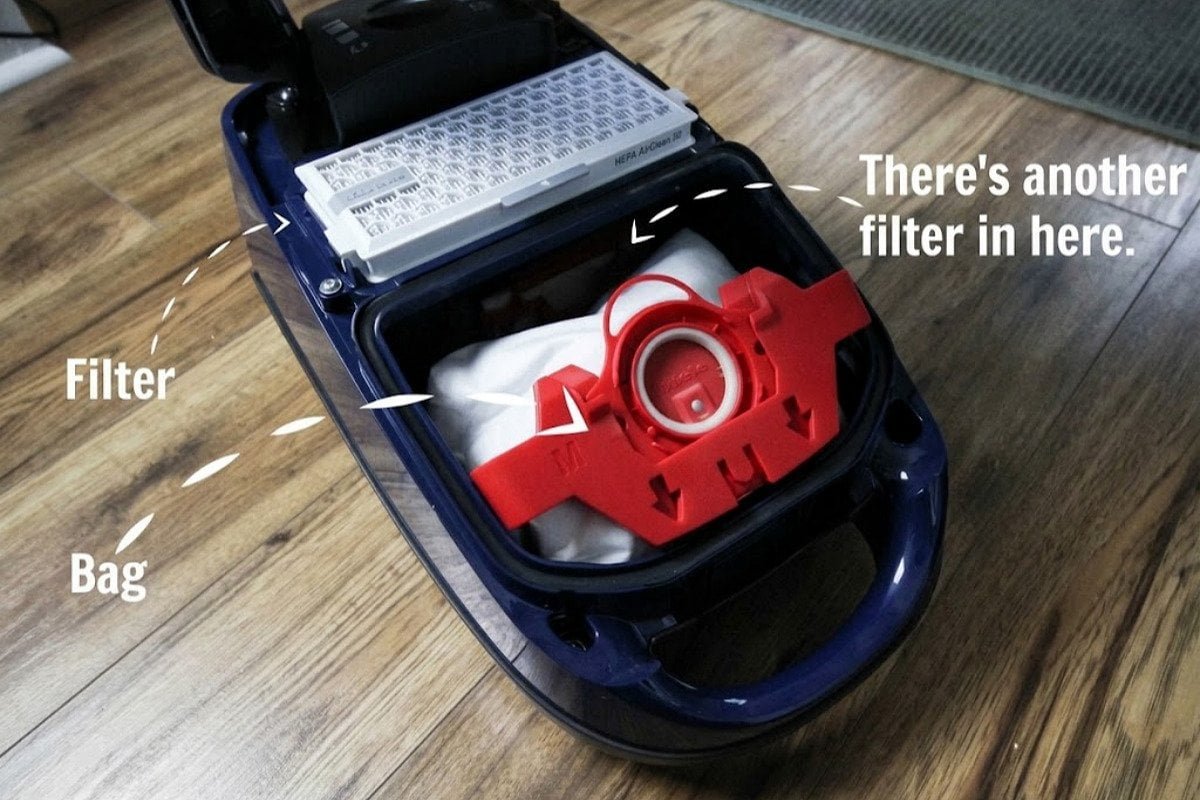
Preventing vacuum odors involves regular cleaning and storage in a dry location.[^4] Try hacks like drying filters thoroughly after washing, using scented vacuum bags, or adding air freshener pods.
Hacks for Keeping Your Vacuum Cleaner Fresh:
- Regular maintenance: Make it a habit to clean filters and empties at least once a month.
- Dry storage: Always store your vacuum in a cool, dry area to avoid mold risk.
- Scented vacuum bags or filters: Many aftermarket accessories offer freshness features like fragrance-enhanced filters.
- DIY air freshener pods: Place a small scented pod (designed for vacuums) near your filter compartment.
- Avoid vacuuming wet spills: If you must clean liquids, ensure your vacuum supports wet cleaning—otherwise, you risk mold growth inside.
Frequently Asked Questions
Why does my vacuum smell worse after cleaning?
If the vacuum parts weren’t dried completely after cleaning, leftover moisture can create odors. Always let cleaned filters, hoses, or brush rollers air dry thoroughly before use.
Can vacuum cleaner smells damage the device?
Not directly, but ignoring bad smells could mean neglecting maintenance issues like clogged filters or worn belts, which can lead to long-term damage.
Is it safe to use deodorizing powders in my vacuum?
Yes, as long as they’re vacuum-safe. Avoid powders with larger granules since they can clog the filter system or damage motors.
How often should I replace vacuum filters?
It depends on usage. For regular home cleaning, replace filters every 3–6 months or follow your manufacturer’s guidelines.
What if nothing fixes the smell?
Persistent smells could point to deeper motor or electronic issues.[^6] If cleaning doesn’t resolve the odor, consult a professional servicer.
Conclusion
Bad smells in vacuum cleaners are frustrating but easily fixable. By identifying the source—whether pet hair, damp conditions, or burning components—you can tackle the problem with targeted cleaning. Preventive steps like regular maintenance and dry storage will ensure your vacuum stays fresh over time.
If you’re troubleshooting and need help, feel free to reach out. Regular care not only removes odors but also ensures better suction performance and a longer lifespan for your vacuum cleaner.
[^1]: "How do you get a bad smell out of a vacuum cleaner?(any ...", https://www.reddit.com/r/lifehacks/comments/105nnia/how_do_you_get_a_bad_smell_out_of_a_vacuum/. Research on household appliance maintenance identifies poor upkeep, moisture exposure, and mechanical stress as common contributors to odors in vacuum cleaners. Evidence role: general_support; source type: research. Supports: The source should confirm the common causes of vacuum cleaner odors, such as maintenance issues, dampness, and overheating.. Scope note: The findings may not cover all possible odor sources or specific vacuum models. [^2]: "How To Clean Your Vacuum Like A Pro (No More Stinky Smell)", https://www.youtube.com/watch?v=ONNEKa36Es4. Guidelines on vacuum cleaner maintenance recommend using mild detergents and thorough drying to prevent odor formation and maintain hygiene. Evidence role: general_support; source type: education. Supports: The source should confirm that gentle detergents and proper drying are effective for cleaning vacuum components and eliminating odors.. Scope note: The recommendations may not apply to all vacuum models or materials. [^3]: "Can the components of a vacuum cleaner get wet?", https://www.facebook.com/groups/166105285986729/posts/462167509713837/. Studies on household appliance hygiene indicate that incomplete drying of components can lead to mold growth and persistent odors. Evidence role: mechanism; source type: research. Supports: The source should confirm that residual moisture in vacuum parts can promote mold growth.. Scope note: The findings may depend on environmental factors like humidity and temperature. [^4]: "Storage Stability of Vacuum-packaged Dry-aged Beef during ...", https://pmc.ncbi.nlm.nih.gov/articles/PMC6533398/. Maintenance guides for household appliances emphasize the importance of regular cleaning and dry storage to prevent odors and maintain functionality. Evidence role: general_support; source type: education. Supports: The source should confirm that regular cleaning and dry storage are effective strategies for preventing vacuum odors.. Scope note: The advice may not account for specific environmental conditions or vacuum designs. [^5]: "Fresh Wave Vacuum Beads for Vacuum, Carpet ...", https://www.amazon.com/Fresh-Wave-Removing-Vacuum-5-25/dp/B0012T551C. Research on vacuum cleaner technologies suggests that while built-in deodorizing features can reduce odors, regular maintenance remains a cost-effective alternative. Evidence role: general_support; source type: research. Supports: The source should compare the effectiveness of built-in deodorizing features to regular cleaning and filter replacement.. Scope note: The comparison may depend on specific vacuum models and user habits. [^6]: "Why Does My Vacuum Smell Bad or Burnt? Causes and ...", https://www.ecovacs.com/us/blog/vacuum-cleaners-smells. Educational resources on appliance troubleshooting identify motor and electronic problems as potential causes of persistent vacuum odors. Evidence role: mechanism; source type: education. Supports: The source should confirm that persistent odors in vacuums can be caused by motor or electronic issues.. Scope note: The explanation may vary depending on vacuum model and specific issues.
Related Posts
How to Evaluate a Robotic Pool Cleaner Sample Before Mass Production?
# How to Evaluate a Robotic Pool Cleaner Sample Before Mass Production? When assessing a robotic pool cleaner sample before…
How to Measure Pool Skimmer Cleaning Coverage in a Repeatable Test?
# How to Measure Pool Skimmer Cleaning Coverage in a Repeatable Test? [Pool skimmer cleaning coverage is one of the…
What Warranty Terms Should Buyers Compare for Robotic Pool Cleaners?
# What Warranty Terms Should Buyers Compare for Robotic Pool Cleaners? When buying robotic pool cleaners, warranty terms can heavily…
Leave a Reply