
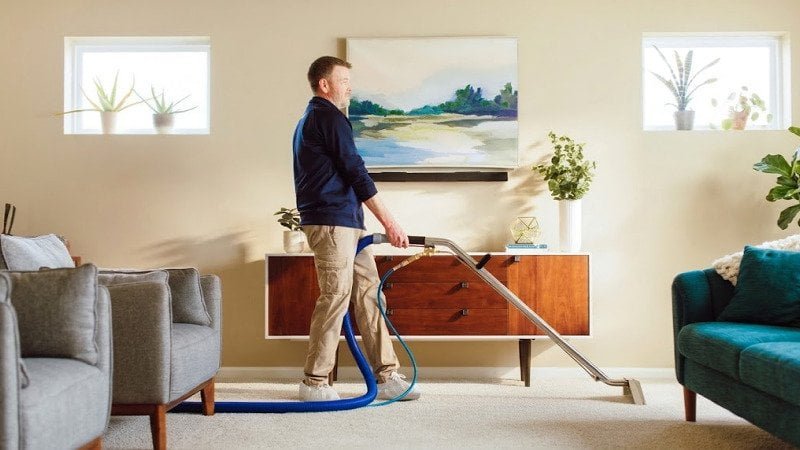
How Fast Should Carpet Dry After Using a Carpet Cleaner?
How Fast Should Carpet Dry After Using a Carpet Cleaner?
After cleaning your carpets, you might find yourself wondering: how fast should carpet dry after using a carpet cleaner? The timeline for drying varies widely, and misunderstanding it can leave you frustrated. Not only can it affect the enjoyment of your freshly cleaned space, but it can also lead to potential damage if carpets remain damp for too long. Understanding the drying time expectations can help you make a smarter choice of cleaning products and techniques.
The typical drying time is between 6 to 12 hours[^1], depending on multiple factors such as cleaning technique, machine specifications, and environmental conditions. To ensure a satisfactory result, it’s crucial to plan accordingly and perhaps allow for an entire day of drying, especially in humid conditions.
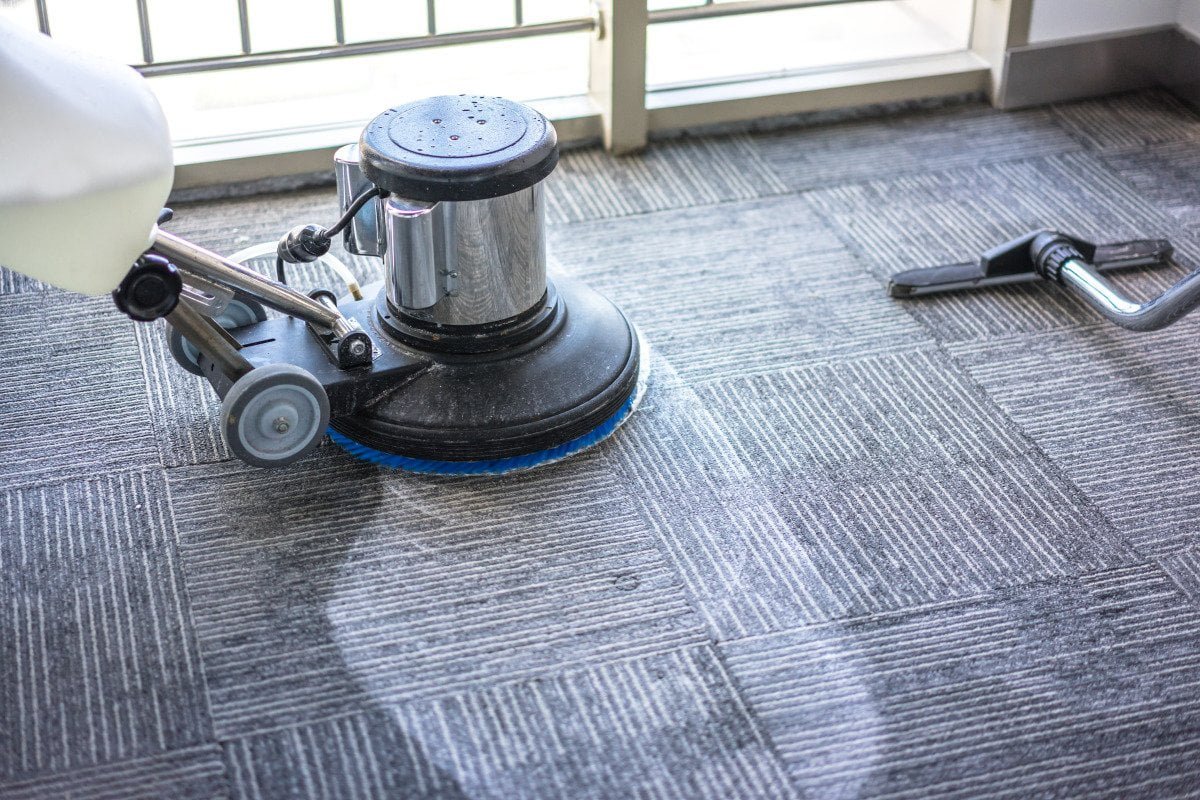
As we dive into the specifics of carpet drying times, I’ll share insights into what’s considered normal, factors that influence drying, and tips to expedite the process. This knowledge will empower you to achieve the best results from your carpet cleaning efforts.
The Standard Drying Window: What’s Normal (and When to Worry)?
One of the common questions I encounter is: “What is the standard drying time for carpets?” Many homeowners mistakenly believe their carpets will dry in just a matter of hours, but the reality is often different.
While you might want your carpets dry quickly, rushing this process can cause problems down the line. Lingering moisture can create problems such as mold and mildew growth, which pose health risks.
What’s Considered Normal?
A standard drying time for carpets typically ranges from 6 to 12 hours, but several factors can extend this period.
Key Factors Influencing Drying Time:
- Humidity Levels: High indoor humidity can significantly slow the drying process[^2]. If your home is humid, you might want to invest in a dehumidifier.
- Temperature: Warmer air helps evaporate moisture faster, so aim for a room temperature of around 70°F (21°C) if possible.
- Type of Carpet: Thick carpets may trap more moisture compared to thinner ones[^3], thereby requiring more time to dry completely.
- Cleaning Method: The technique you use can impact drying times. For instance, steam cleaning may retain more water than dry cleaning methods.
If your carpet hasn’t dried within 12 hours, it’s wise to investigate potential issues like inadequate air flow or cleaning method efficiency.
The Suction & Water Recovery Factor: Why Machine Specs Dictate Dry Times
Next, let’s explore how the specifications of your cleaning machine fundamentally impact how fast your carpet should dry after using a carpet cleaner.
Why Suction Power Matters
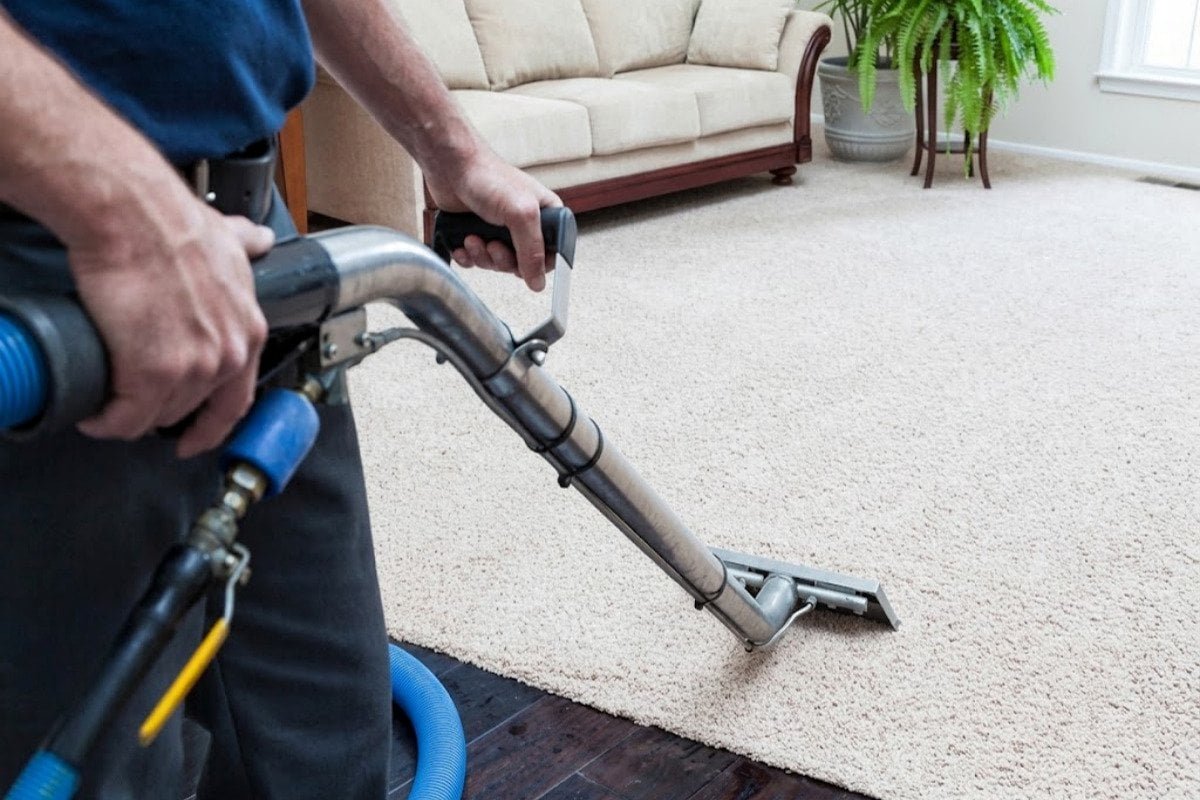
Not all carpet cleaners are created equal. Machines with strong suction capabilities can remove a substantial amount of water[^4] during the cleaning process, substantially reducing drying time. The right machine can help ensure your carpets dry efficiently.
Important Machine Specs to Consider:
- Suction Power: Look for machines with high PSI (pounds per square inch) ratings for better cleaning and faster drying.
- Water Recovery: A machine’s water recovery speed will directly influence how much moisture remains in your carpet.
- Heating Elements: Some machines come equipped with heaters that can agitate the water and help it evaporate quicker.
By understanding these specifications, you can select a carpet cleaner that suits your needs, ensuring not just cleanliness, but also speedy drying.
Pro Tips to Speed Up Drying: Airflow, Temperature, and Cleaning Technique
If you’re eager to reduce the drying time of your carpets post-cleaning, I have some tried-and-true tips for you.
Methods to Enhance Drying Times
Implementing several strategies can make a significant difference in how fast your carpet dries after cleaning.
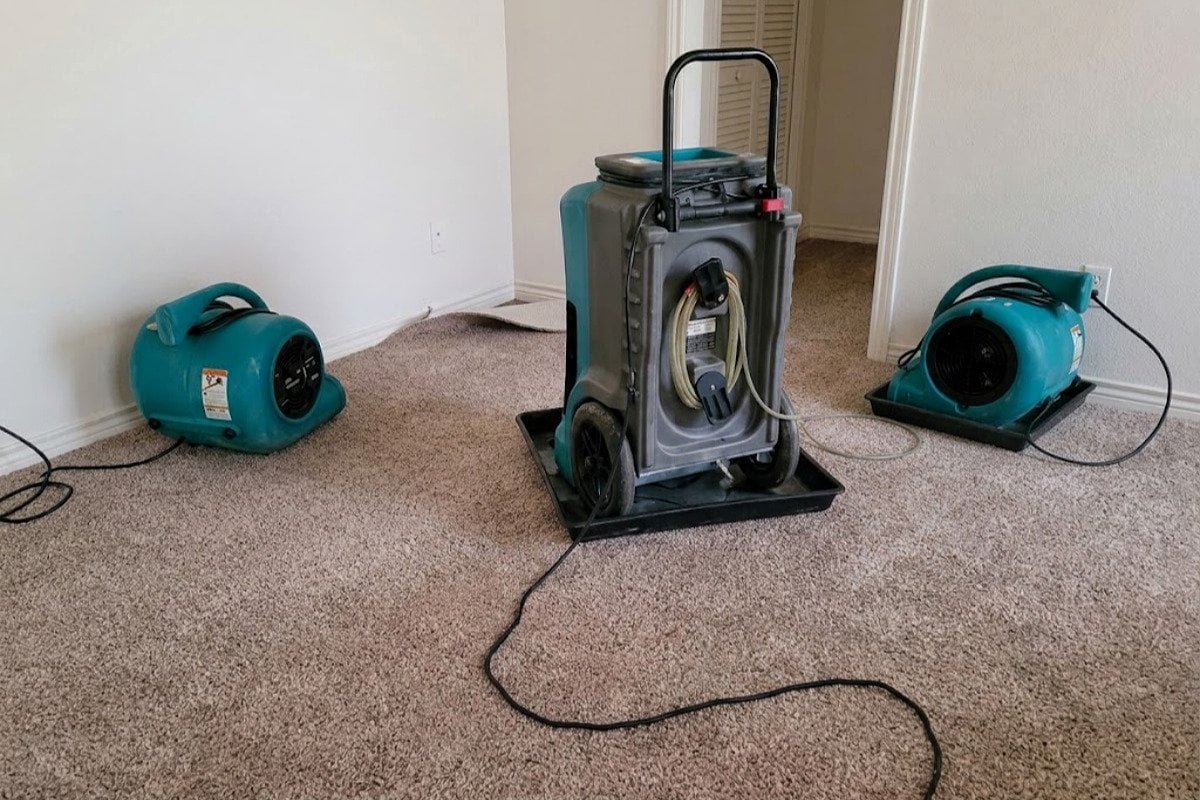
Tips to Consider:
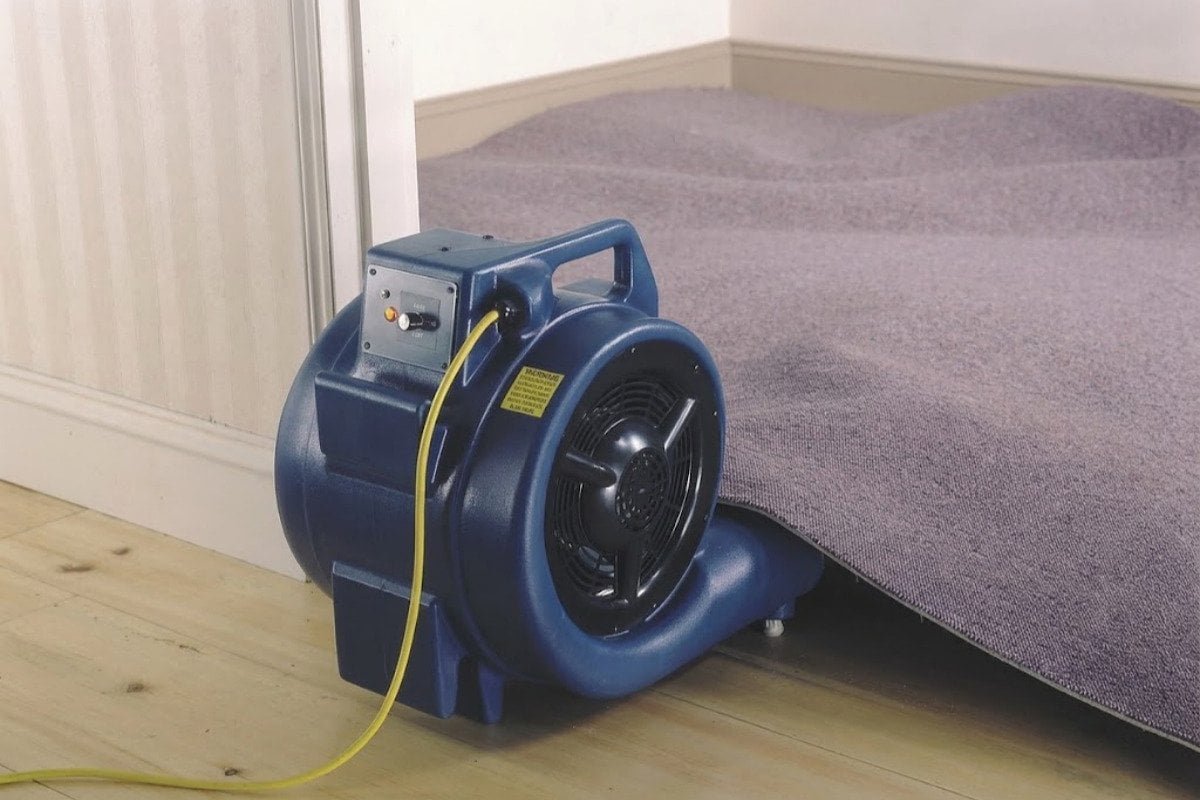
- Increase Airflow: Open windows or use fans to circulate air[^5]. The more airflow in the room, the quicker moisture can evaporate.
- Adjust Temperature: If it’s chilly, consider turning up the heat. Warm air can help carpets dry faster.
- Use a Dehumidifier[^6]: If you live in a humid region, this is especially invaluable. It reduces the moisture level in the air, accelerating the evaporation process.
- Limit Cleaning Product Use: Over-saturating your carpet with soaps and solutions can lengthen drying time[^7]. Use only as directed.
- Clean in Sections: Instead of cleaning the entire room at once, tackle one area and move on once it’s dry.
Each of these tips can help significantly reduce drying time, leaving your carpets ready to walk on sooner rather than later.
Frequently Asked Questions
How does humidity affect carpet drying time?
Humidity levels can greatly impact drying time. Higher humidity in the air can prevent moisture evaporation, leading to longer drying times for your carpets.
What types of carpet are more prone to moisture retention?
Thicker carpets with dense fibers tend to retain moisture longer than thinner carpets, making them take more time to dry completely after cleaning.
Can I walk on a carpet if it's still damp?
It’s best to avoid walking on carpets until they are completely dry. Walking on damp carpets can cause imprints and dirt to get tracked in.
Is there a specific heater I should use to speed up drying time?
While any heater that circulates warm air can help speed up drying, portable fan heaters or space heaters can be particularly effective in drying carpets more quickly.
What’s the best way to maintain carpets to reduce drying time?
Regular vacuuming and spot-cleaning can help maintain carpets[^8], allowing them to dry faster when they do get cleaned professionally.
Conclusion
Understanding how fast carpet should dry after using a carpet cleaner is essential for your cleaning success. Aim for a drying window of 6 to 12 hours under optimal conditions, factoring in equipment specifications and environmental influences. Implementing the right strategies can also help expedite the process significantly. Remember, good practices in maintaining and cleaning your carpets can reduce potential health risks and enhance longevity. If you're in the market for a proper carpet cleaner, consider all the aspects we discussed to ensure your carpets are clean and dry in no time.
[^1]: "How long does it take for carpet to completely dry after hot ...", https://www.reddit.com/r/CarpetCleaning/comments/148nd1b/how_long_does_it_take_for_carpet_to_completely/. Research studies on carpet cleaning methods indicate that drying times typically range from 6 to 12 hours under standard conditions, though this can vary based on factors like humidity and carpet thickness. Evidence role: statistic; source type: research. Supports: The typical drying time for carpets after cleaning is between 6 to 12 hours.. Scope note: Drying times may differ significantly depending on specific cleaning techniques and environmental factors. [^2]: "South Florida's Secret to Dry Carpet: The Ultimate Guide ...", https://www.capitolcarpetandtile.com/our-blog/articles/carpet-humidity-understanding-the-impact-maintaining-your-carpet. Studies on moisture evaporation indicate that high humidity levels reduce the rate of water evaporation, thereby extending carpet drying times. Evidence role: mechanism; source type: research. Supports: High indoor humidity can significantly slow the drying process of carpets.. Scope note: The impact of humidity may vary depending on ventilation and temperature conditions. [^3]: "7+ Tips: How Long Does Carpet Take to Dry? Fast!", https://oldsite.csm.edu/how-long-does-it-take-for-carpet-to-dry/. Research on carpet materials shows that thicker carpets with dense fibers retain more moisture, leading to longer drying times. Evidence role: mechanism; source type: research. Supports: Thick carpets may trap more moisture compared to thinner ones, requiring more time to dry.. Scope note: The drying time also depends on the cleaning method and environmental conditions. [^4]: "Evaluation of HEPA vacuum cleaning and dry steam ... - PMC", https://pmc.ncbi.nlm.nih.gov/articles/PMC4035666/. Studies on carpet cleaning technology confirm that machines with higher suction power remove more water, thereby shortening drying times. Evidence role: mechanism; source type: research. Supports: Carpet cleaning machines with strong suction capabilities can remove a substantial amount of water, reducing drying time.. Scope note: The effectiveness of suction may vary based on carpet type and cleaning technique. [^5]: "5 Tips for Helping Your Carpets Dry Faster", https://albertacarpetcleaning.ca/resources/quick-carpet-drying-tips/. Research on drying processes confirms that increased airflow accelerates moisture evaporation, aiding in faster carpet drying. Evidence role: mechanism; source type: research. Supports: Opening windows or using fans to circulate air can help speed up carpet drying times.. Scope note: The effectiveness of airflow may depend on room size and humidity levels. [^6]: "carpets are wet from carpet shampooer, should I pair my ...", https://www.reddit.com/r/HomeMaintenance/comments/1k8x00f/carpets_are_wet_from_carpet_shampooer_should_i/. Studies on indoor humidity control show that dehumidifiers effectively lower air moisture levels, which can speed up carpet drying. Evidence role: mechanism; source type: research. Supports: Using a dehumidifier can reduce the moisture level in the air, accelerating the carpet drying process.. Scope note: The efficiency of dehumidifiers may vary based on room size and initial humidity levels. [^7]: "Ten questions concerning the implications of carpet on indoor ...", https://pmc.ncbi.nlm.nih.gov/articles/PMC7017391/. Educational resources on carpet cleaning suggest that excessive use of cleaning solutions can leave residual moisture, extending drying times. Evidence role: mechanism; source type: education. Supports: Over-saturating your carpet with soaps and solutions can lengthen drying time.. Scope note: The extent of the impact may depend on the type of cleaning solution and carpet material. [^8]: "Carpet cleaning", https://en.wikipedia.org/wiki/Carpet_cleaning. Maintenance guides suggest that regular vacuuming and spot-cleaning reduce dirt buildup, which can improve drying efficiency during professional cleaning. Evidence role: general_support; source type: education. Supports: Regular vacuuming and spot-cleaning can help maintain carpets, allowing them to dry faster when cleaned professionally.. Scope note: The impact on drying time may vary depending on the frequency and method of maintenance.
Related Posts
How to Evaluate a Robotic Pool Cleaner Sample Before Mass Production?
# How to Evaluate a Robotic Pool Cleaner Sample Before Mass Production? When assessing a robotic pool cleaner sample before…
How to Measure Pool Skimmer Cleaning Coverage in a Repeatable Test?
# How to Measure Pool Skimmer Cleaning Coverage in a Repeatable Test? [Pool skimmer cleaning coverage is one of the…
What Warranty Terms Should Buyers Compare for Robotic Pool Cleaners?
# What Warranty Terms Should Buyers Compare for Robotic Pool Cleaners? When buying robotic pool cleaners, warranty terms can heavily…
Leave a Reply