
Why Is My Vacuum Cleaner Losing Suction?
Why Is My Vacuum Cleaner Losing Suction?
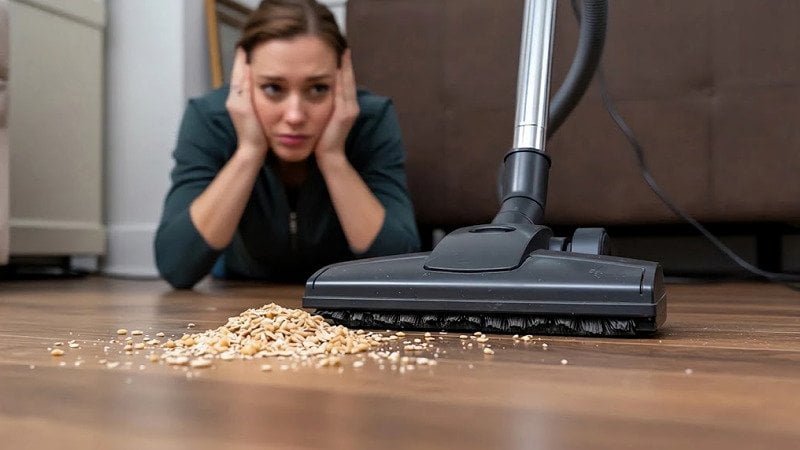
Few things are more frustrating than a vacuum cleaner that just stops doing its job. If you’ve noticed your vacuum losing suction, you’re probably wondering if it’s time to ditch it for a new one. But before you toss it out or call for repairs, most suction problems can be solved with simple cleaning and maintenance tasks.
Vacuum cleaner suction loss is often caused by clogged filters, full dust cups, or blocked hoses[^1]. Some problems, like air leaks or worn-out parts, might require closer inspection, but rarely signal the end of your vacuum's life.
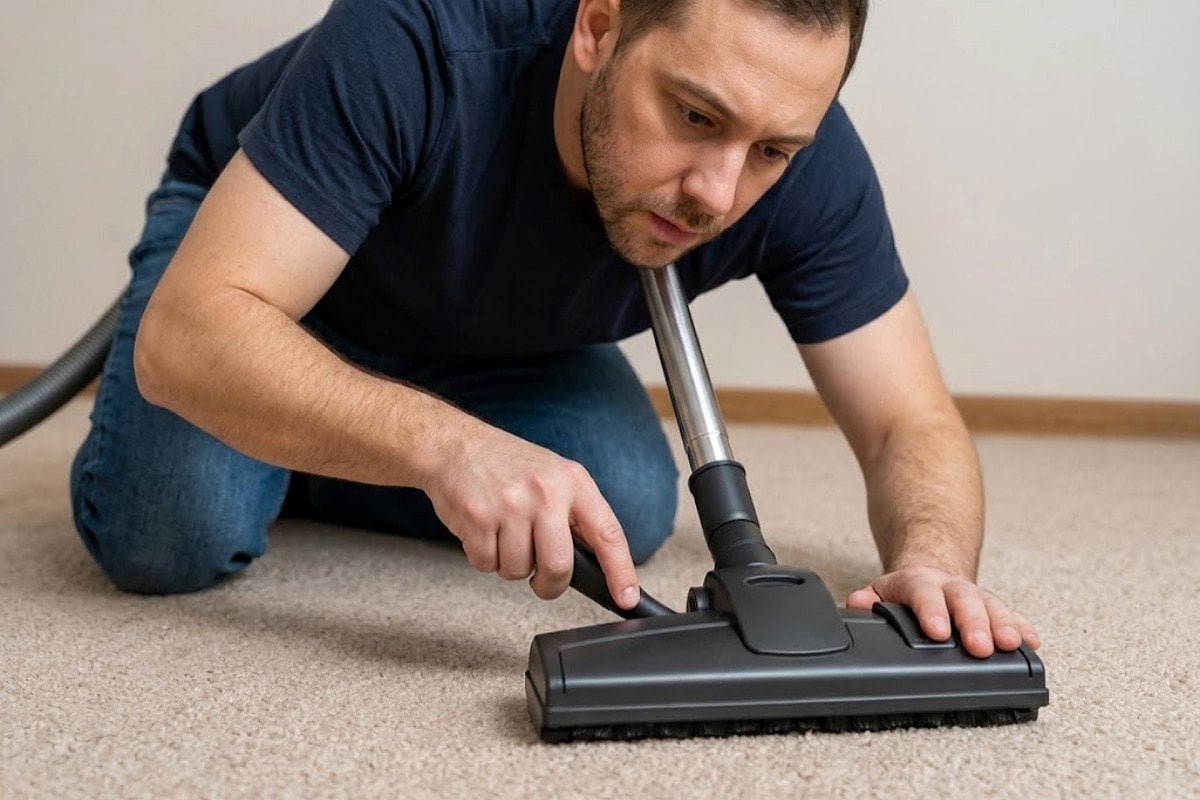
Most suction issues boil down to overlooked maintenance or wear-and-tear. Let’s dive deeper into the usual culprits and how you can fix them to restore your vacuum’s performance.
The Usual Suspects: Clogged Filters, Overflowing Dust Cups, and Blocked Hoses
A loss in suction power is often a sign that your vacuum is struggling to “breathe.” These common issues are top offenders.
Clogged filters, full dust cups, and blocked hoses are the leading causes of suction loss in vacuum cleaners. Cleaning or replacing filters, emptying the dust cup, and removing clogs usually solve the problem quickly.

Clogged Filters: The Silent Performance Killer
Filters are designed to trap fine dust and allergens, but they clog over time[^2]. A dirty or neglected filter restricts airflow, reducing suction power dramatically. Many users assume filters are “set and forget,” but in reality, most need regular cleaning or replacement, depending on your vacuum.
- Washable filters: Rinse under cool water, let them air dry completely before reinstalling.
- Replaceable filters: Follow the manufacturer's guidelines—typically every 3-6 months for heavy use.
Dust Cup Woes: Overflowing or Packed with Debris
If you’re like me, you’ve probably been guilty of overloading the dust bin until it’s crammed to the top. But that can block airflow, too. Always empty your vacuum’s dust container before it reaches the max-fill line for optimal performance[^3]. For bagged vacuums, check for overfilled or torn bags.
Hoses and Attachments: The Often-Neglected Pathways
Blockages in hoses or attachment tubes are sneaky problems[^4]. Examine your vacuum’s hose for clogs like hairballs, wadded tissues, or even small toys (yes, this happens!). A flexible cleaning brush or a broom handle can help dislodge debris stuck inside.
The Hidden Air Leaks: Cracks, Bad Seals, and Loose Attachments
Sometimes suction loss stems from problems you can’t see at first glance. Air leaks are the less obvious causes but just as troublesome.
Hidden air leaks in vacuum hoses, seals, or loose parts can affect suction[^5]. Inspect for cracks, worn-out rubber gaskets, or attachments that aren’t connected properly. Sealing these gaps restores performance.

How to Spot Air Leaks
Air leaks sneak in through cracked hoses or loose rubber seals, weakening the vacuum’s suction. Here’s how you can identify them:
- Run your hand along the hose while the vacuum is running. Watch for weak airflow escaping from unseen cracks.
- Inspect rubber seals (like those around dust cups or filters). If they’re damaged or dried out, they’ll fail to create an airtight seal.
- Check that attachments are connected securely. Even slightly tilted or loose attachments can halve suction power.
Quick Fixes for Air Leak Issues
- Use duct tape for temporary fixes on cracked hoses, but replace the hose as soon as possible.
- Replace worn-out seals. Many vacuum makers sell inexpensive gasket kits or seals online.
- Tighten all connections along the airflow pathway; everything from the nozzle to the dust bin must fit snugly.
Brush Roller Locks and Motor Wear: When the Problem Isn’t Just Airflow
Sometimes, it isn’t a filter or hose problem. Brush rollers and motors play key roles in vacuum performance.
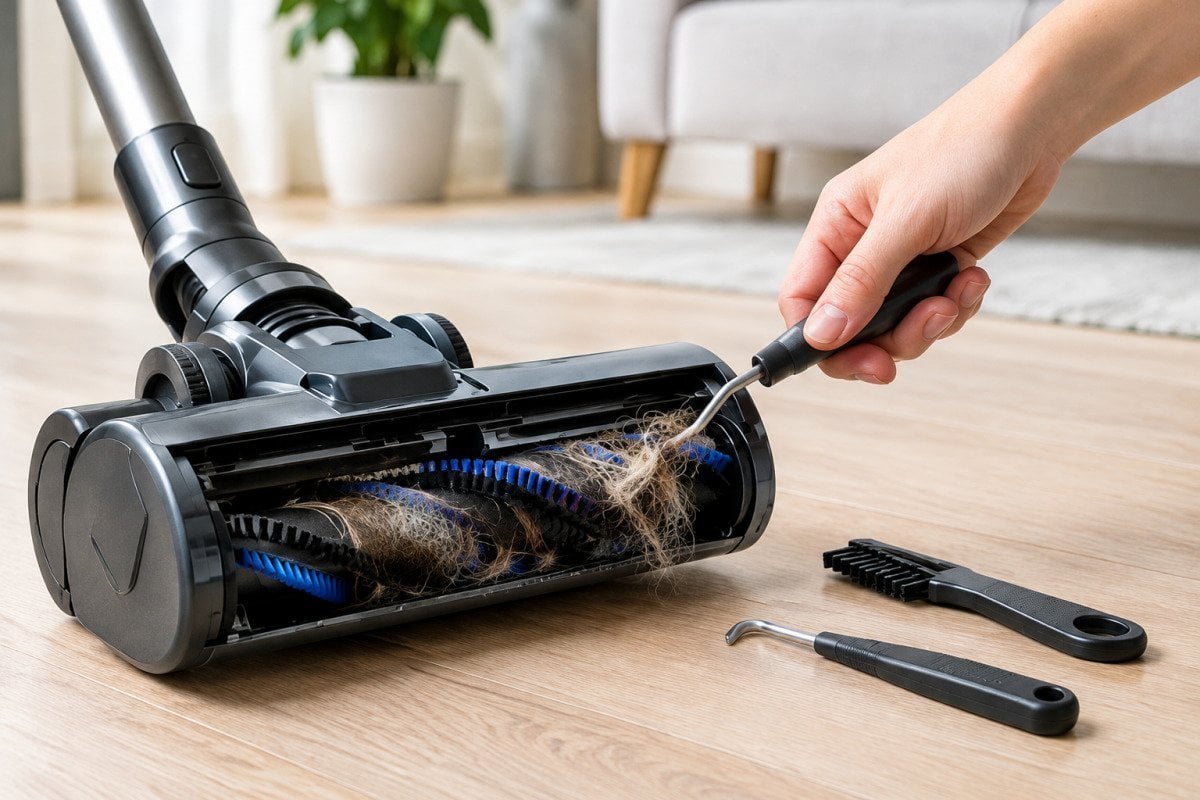
When brush rollers jam or motors wear down, suction issues can arise. A stalled brush requires cleaning to remove tangles, while diminished power might signal motor damage needing professional attention.
Brush Rollers: The Hair Tangle Magnet
If your vacuum’s suction drops while cleaning carpets or rugs, the brush roller might be jammed. This spinning brush agitates dirt from surfaces, but hair, threads, or pet fur can wrap around it, stalling its function[^6].
- Unplug your vacuum before checking the brush.
- Use scissors or a seam-ripper to cut away tangled debris.
- Remove and clean the roller, if possible, per the manufacturer’s instructions.
The Motor: A Rare but Possible Cause
If airflow blockages and brushes aren’t an issue, the motor might be underperforming. Motors rarely fail outright but can weaken from excessive wear, overheating, or improper use. Unfortunately, this isn’t a DIY fix.
For a motor-related issue:
- Contact the manufacturer or a professional repair service.
- Determine if repairs are worth the cost, based on your vacuum’s age and repair estimate.
Frequently Asked Questions
Do clogged filters really impact suction?
Yes! A clogged filter limits airflow to the vacuum motor, reducing suction. Cleaning or replacing filters is one of the simplest ways to restore performance.
How often should I clean or replace vacuum filters?
Washable filters should be cleaned every 1-2 months, while replaceable filters may require changing every 3-6 months, depending on usage and manufacturer recommendations.
Can I fix a cracked vacuum hose?
Yes, but only temporarily. Use duct tape to seal the crack as a stopgap fix. Replacing the hose is best for long-term results.
What should I do if my vacuum still has no suction after cleaning?
Double-check all filters, hoses, and seals for blockages or leaks. If issues persist, the problem could be motor-related, in which case professional servicing is advised.
Is it worth repairing a vacuum with motor problems?
This depends on repair costs and the vacuum’s age. For older models or high repair estimates, replacement might be more cost-effective.
Conclusion
Vacuum cleaner suction loss can be incredibly annoying, but it’s rarely the death knell for your trusted cleaning companion. Clogged filters, overflowing debris cups, blocked hoses, and minor air leaks are the most common culprits[^7], and they’re usually easy fixes. By staying proactive with maintenance and understanding when to call for professional help, you can keep your vacuum performing at its best[^8].
Think your vacuum just needs a little TLC? Start with a thorough cleaning and inspection. It might surprise you how far those simple steps go!
[^1]: "Restoring Suction Power in Your Vacuum Cleaner: Step-by ...", https://vacuumwars.com/restoring-suction-power-in-your-vacuum-cleaner-step-by-step-guide/. Research on vacuum cleaner maintenance highlights that airflow obstructions, such as clogged filters and blocked hoses, are the most frequent causes of suction loss. Evidence role: statistic; source type: research. Supports: The claim that clogged filters, full dust cups, and blocked hoses are the primary causes of suction loss in vacuum cleaners.. Scope note: The findings may not apply to all vacuum models or brands. [^2]: "Lost Suction? The Fix Is Probably Your Vacuum Filter", https://www.bissell.com/en-us/blog/how-to-clean-your-vacuum-filter/. Educational resources on vacuum technology explain that filters trap fine particles but can clog, restricting airflow and reducing suction efficiency. Evidence role: mechanism; source type: education. Supports: The claim that vacuum filters trap fine dust and allergens but clog over time, reducing suction power.. Scope note: The explanation may vary depending on filter type and vacuum model. [^3]: "Overfilling Vacuum Cleaner Dust Bin: Risks, Signs and How to Avoid It", https://www.eufy.com/uk/blogs/robovac/overfilling-vacuum-cleaner-dust-bin. Guidelines from vacuum manufacturers recommend emptying dust containers regularly to prevent airflow blockages and maintain suction power. Evidence role: general_support; source type: education. Supports: The claim that emptying the dust container before it reaches the max-fill line helps maintain optimal vacuum performance.. Scope note: The recommendation may not apply to all vacuum designs or models. [^4]: "How To Unblock a Shark Vacuum Hose (Lost Suction Fix)", https://www.youtube.com/watch?v=wVOLPnV_tUA. Research on vacuum cleaner maintenance identifies hose and attachment blockages as frequent contributors to suction loss. Evidence role: general_support; source type: research. Supports: The claim that blockages in hoses or attachment tubes are common causes of suction loss in vacuums.. Scope note: The prevalence of such blockages may vary by usage patterns and vacuum type. [^5]: "Vacuum Leak: Understanding The Symptoms, Causes ...", https://www.innova.com/blogs/fix-advices/vacuum-leak-understanding-the-symptoms-causes-diagnosis-and-costs?srsltid=AU7gw4WfzVQcnOf_8TY6-TzndK5dYgM-N4THOAB357AD-UvX-yvccFfA. Studies on vacuum efficiency show that air leaks disrupt the airflow system, leading to reduced suction performance. Evidence role: mechanism; source type: research. Supports: The claim that hidden air leaks in hoses, seals, or loose parts can reduce vacuum suction power.. Scope note: The extent of suction loss may depend on the size and location of the air leak. [^6]: "How to Remove Hair from a Vacuum Roller?", https://www.ecovacs.com/us/blog/how-to-remove-hair-from-vacuum-roller. Maintenance studies on vacuums show that hair and debris accumulation around brush rollers is a common cause of mechanical stalling. Evidence role: general_support; source type: research. Supports: The claim that hair, threads, or pet fur can wrap around vacuum brush rollers and stall their function.. Scope note: The frequency of such issues may depend on household conditions and vacuum usage. [^7]: "Why Has My Vacuum Lost Suction? A Step-by-Step Guide to ...", https://www.dreametech.com/blogs/blog/why-has-my-vacuum-lost-suction. Maintenance studies on vacuum cleaners identify these issues as the leading causes of suction loss in most models. Evidence role: statistic; source type: research. Supports: The claim that clogged filters, overflowing debris cups, blocked hoses, and minor air leaks are the most common causes of suction loss.. Scope note: The prevalence of these issues may vary by vacuum type and user habits. [^8]: "The importance of regular vacuum servicing explained", https://www.facebook.com/groups/699184217184708/posts/2585344891901955/. Expert guidelines on vacuum care emphasize regular maintenance and professional servicing as key to sustaining performance. Evidence role: expert_consensus; source type: education. Supports: The claim that proactive maintenance and timely professional help can maintain vacuum performance.. Scope note: The advice may not address all potential mechanical failures or extreme cases.
Related Posts
How to Evaluate a Robotic Pool Cleaner Sample Before Mass Production?
# How to Evaluate a Robotic Pool Cleaner Sample Before Mass Production? When assessing a robotic pool cleaner sample before…
How to Measure Pool Skimmer Cleaning Coverage in a Repeatable Test?
# How to Measure Pool Skimmer Cleaning Coverage in a Repeatable Test? [Pool skimmer cleaning coverage is one of the…
What Warranty Terms Should Buyers Compare for Robotic Pool Cleaners?
# What Warranty Terms Should Buyers Compare for Robotic Pool Cleaners? When buying robotic pool cleaners, warranty terms can heavily…
Leave a Reply