
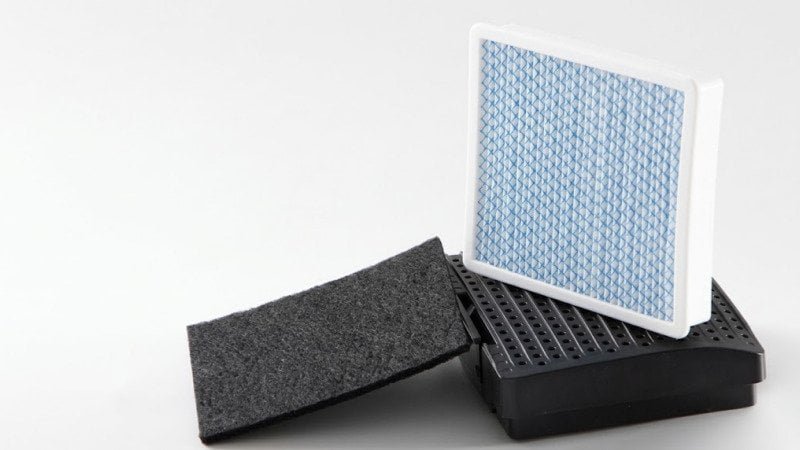
How to Clean a Vacuum Cleaner Filter Without Damaging It?
How to Clean a Vacuum Cleaner Filter Without Damaging It?
A vacuum cleaner filter is like the lungs of your vacuum — when it’s clogged, your vacuum struggles to breathe[^1]. But cleaning a filter isn’t as simple as rinsing it under water, especially if you want to avoid damaging it. Let’s dive into how you can safely clean your vacuum cleaner filter while keeping it in top condition.
Cleaning your vacuum cleaner filter without damaging it requires identifying its material type (washable vs. non-washable), using the correct washing technique, and allowing a full 24-hour drying time. Wrong methods like soaking non-washable filters or skipping drying can lead to reduced performance, odors, and even motor damage[^2].
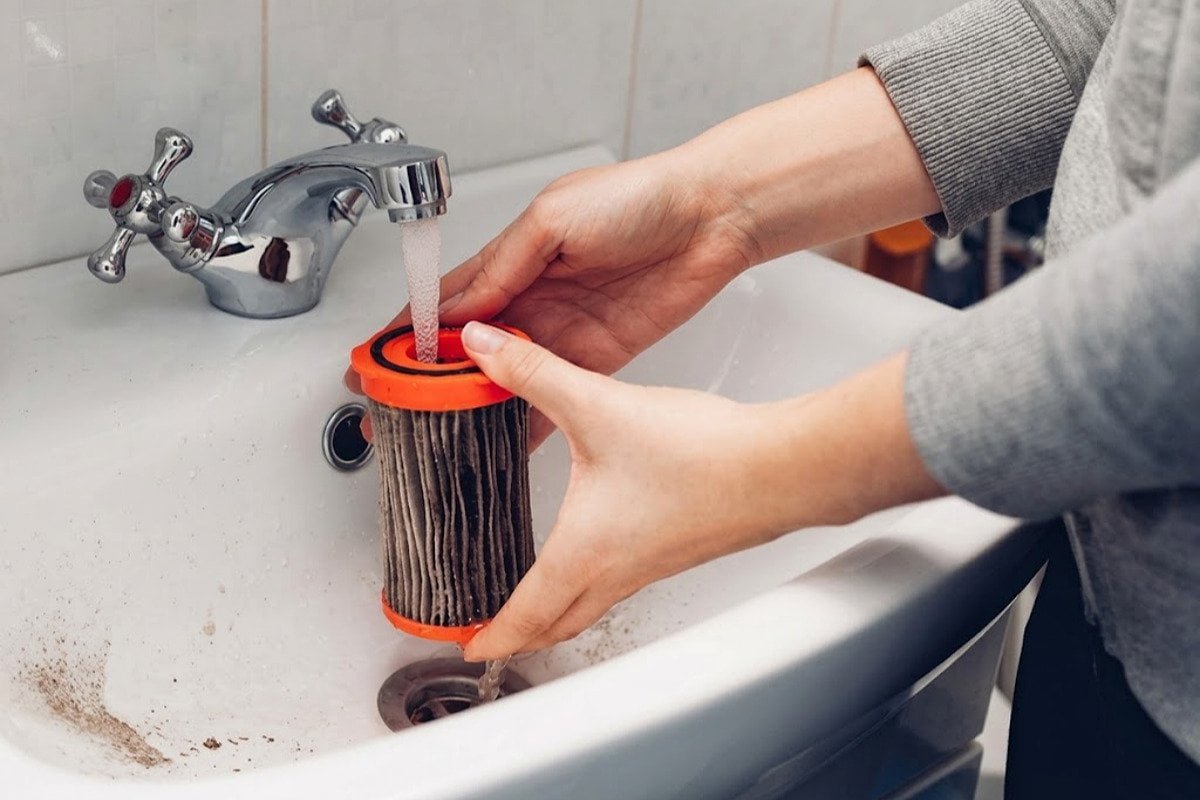
Healthy filters mean a healthier vacuum. Curious about what goes wrong with improper care? Let’s walk through a foolproof process for every filter type.
Washable vs. Non-Washable: How to Identify Your Filter Type Before Water Touches It?
Think all vacuum filters are washable? Think again. Misidentifying a filter type is one of the most common mistakes that can ruin its effectiveness.
Washable filters are typically made of foam or durable synthetic materials, while non-washable filters often use paper or delicate fibers. Always check your vacuum’s manual before adding water into the equation[^3].

What happens when you misidentify filter types?
Here’s the problem: Non-washable filters, like HEPA or paper-based filters, are not designed for water exposure[^4]. Once wet, they lose structural integrity and become less effective at trapping dust. Imagine trying to reuse soggy cardboard — it doesn’t hold up. On the other hand, washable filters like foam can easily withstand rinsing, but even they have their limits (more on that later).
How to spot washable vs. non-washable filters:
- Look for labels. Many filters are marked as "Washable" or "Do Not Wash." If not, your user manual is your best friend.
- Material matters. Foam and synthetic materials are typically washable. Paper-like filters are not.
- When in doubt, dry-clean. If you’re unsure, use a soft brush or vacuum attachment to clean instead of risking water damage.
To protect your filters (and your vacuum), always double-check the material type before attempting any cleaning.
Step-by-Step Washing Technique: Water Pressure, Soaps, and What NEVER to Do
Cleaning washable filters may sound straightforward, but doing it wrong can still reduce their lifespan. Take it step-by-step.
Always clean filters gently using lukewarm water and no harsh detergents. Avoid high-pressure water streams, scrubbing too hard, or twisting the filter, as these can damage its structure.
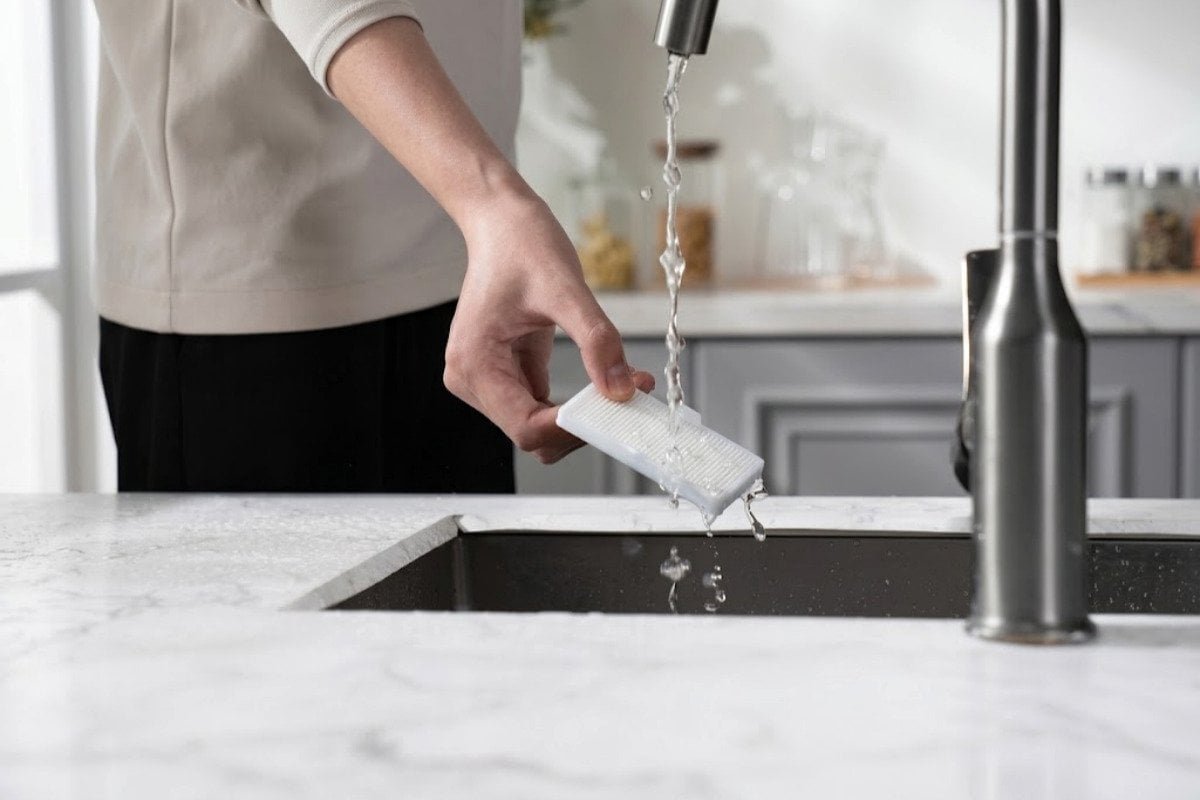
The right way to wash a filter:
- Tap off loose debris: Before rinsing, tap the filter against a trash bin to remove excess dust.
- Rinse under lukewarm water: Gently run water through the filter, ideally in the opposite direction of airflow, to dislodge dirt.
- Skip the soap (mostly): Mild soap is acceptable for really grimy filters, but avoid harsh chemicals that could degrade the material.
- Avoid squeezing or pulling: For foam filters, press water out gently instead of twisting or tugging, which can tear the foam.
What NOT to do:
- No high-pressure sprays. Think of your filter like fabric — too much pressure can create tiny tears.
- Avoid soaking for hours. A quick rinse is all you need. Prolonged soaking can damage adhesives holding the filter together.
- Forget drying before reinserting. Even a slightly damp filter can lead to mold or water damage inside your vacuum[^5].
Proper washing isn’t difficult, but it’s all about moderation and care.
The 24-Hour Drying Rule: Preventing Mildew, Bad Odors, and Motor Ingress
Ever reinserted a wet filter because you were in a hurry? Trust me, it’s a shortcut to mildew and that dreaded “wet vacuum smell.”
Always allow filters to dry completely for at least 24 hours before using your vacuum. Even a small amount of moisture can lead to mildew, odor, or water damage to your vacuum’s motor.
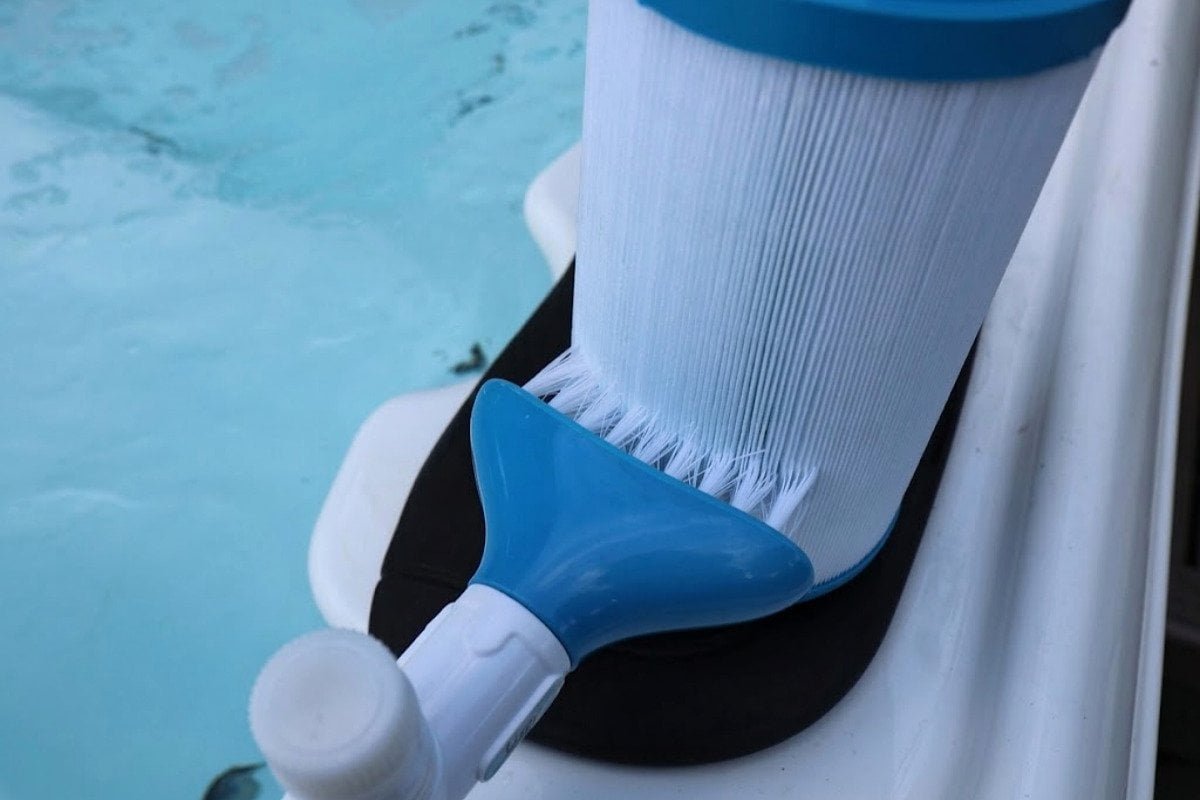
Why does drying take so long?
Some filter materials, especially foam, hold onto water like a sponge. Air drying ensures every last drop evaporates. Resist the temptation to speed it up with a hairdryer or heater[^6], as excessive heat can warp or degrade the material.
Tips for faster (and safer) drying:
- Pat excess water off immediately. Use a clean towel to blot out extra moisture before air-drying.
- Dry in a warm, ventilated area. A sunny windowsill or near a fan works wonders — just keep it away from direct heat sources.
- Never reinstall if in doubt. If the filter still feels damp after 24 hours, give it extra time. It’s better safe than sorry.
Proper drying is your final line of defense against accidentally damaging your vacuum.
Frequently Asked Questions
Can I clean my HEPA filter with water?
No, most HEPA filters are non-washable. Instead, use a vacuum attachment or soft brush to remove debris. If you’re unsure, check your user manual for specific instructions.
How often should I clean my vacuum filter?
For washable filters, aim to clean them every 1–3 months, depending on usage. Non-washable filters should be replaced every 6–12 months[^7] or as directed by your manufacturer.
What if I damage my filter?
If you notice tears or reduced filtration efficiency, it’s best to replace the filter immediately. Using a damaged or ineffective filter puts extra strain on your vacuum[^8] and reduces its performance.
Conclusion
Cleaning a vacuum cleaner filter without damaging it boils down to knowing your filter type, using the right washing technique, and allowing a full 24-hour drying time. Regularly maintaining your filters not only keeps your vacuum running smoothly but also prolongs its lifespan. When in doubt, consult your user manual for material-specific cleaning advice.
Want a vacuum that’s easy to maintain and built for durability? Let’s talk about how we can supply you with top-quality vacuum cleaners designed with care and precision.
[^1]: "How a clogged filter affects vacuum performance", https://www.facebook.com/MosquitoSuperVac/posts/did-you-know-a-clogged-filter-can-restrict-airflow-and-make-a-vacuum-work-harder/1602664868325932/. Research shows that clogged vacuum filters significantly reduce airflow, leading to decreased suction power and overall performance. Evidence role: mechanism; source type: research. Supports: A clogged vacuum filter restricts airflow, reducing the vacuum's efficiency.. [^2]: "Is your vacuum losing its cleaning power? It might be time for a ...", https://www.facebook.com/ImperialDade/videos/4-warning-signs-its-time-to-replace-your-vacuum-filtermp4/1420726332686459/. Studies indicate that wet or improperly cleaned vacuum filters can lead to motor strain, reduced suction, and odor issues. Evidence role: general_support; source type: research. Supports: Improper cleaning of vacuum filters can result in reduced performance, odors, and potential motor damage.. [^3]: "Inlet Vacuum Filters Maintenance Manual", https://www.idealvac.com/files/manuals/Solberg_Maintenance_Manual-Vacuum_Filters.pdf?srsltid=AU7gw4Uafy1b8mWxORIIW-JEgl91b-YCGRxo6Ouqor1Fxc6CPW136V4B. Manufacturer guidelines often specify whether vacuum filters are washable or non-washable. Evidence role: expert_consensus; source type: institution. Supports: Vacuum manuals typically include instructions on filter maintenance and washability.. Scope note: Not all vacuum manuals may provide this level of detail. [^4]: "Efficiency of Intact and Damaged HEPA Filters and Their ...", https://stacks.cdc.gov/view/cdc/217006. Research highlights that water exposure compromises the structural integrity of HEPA and paper-based filters, reducing their filtration efficiency. Evidence role: mechanism; source type: research. Supports: Non-washable filters like HEPA lose structural integrity and effectiveness when exposed to water.. [^5]: "Mold Occurring on the Air Cleaner High-Efficiency Particulate ... - PMC", https://pmc.ncbi.nlm.nih.gov/articles/PMC4206797/. Research indicates that moisture in vacuum filters can promote mold growth and potentially damage internal components. Evidence role: general_support; source type: research. Supports: Damp vacuum filters can lead to mold growth and water damage inside the vacuum.. [^6]: "Effect of Heating under Different Vacuum Levels on ... - PMC", https://pmc.ncbi.nlm.nih.gov/articles/PMC10093502/. Studies confirm that high heat can deform or weaken the materials used in vacuum filters, reducing their effectiveness. Evidence role: mechanism; source type: research. Supports: Excessive heat from hairdryers or heaters can warp or degrade vacuum filter materials.. [^7]: "How Often Should You Change Vacuum Filters?", https://www.ecovacs.com/us/blog/how-often-to-change-vacuum-filters. Manufacturer guidelines often recommend replacing non-washable filters within 6–12 months for optimal performance. Evidence role: expert_consensus; source type: institution. Supports: Non-washable vacuum filters are generally recommended for replacement every 6–12 months.. Scope note: Specific timelines may vary by filter type and usage conditions. [^8]: "Five Warning Signs You Need to Replace Your Disposable ...", https://altonindustries.com/blogs/news/five-warning-signs-you-need-to-replace-your-disposable-vacuum-filters?srsltid=AU7gw4WZWrlibepwDRf14AmgWOX9NB_po4Tgp6SMV4tyxNAudktJKufk. Research shows that compromised filters can obstruct airflow, leading to motor strain and decreased vacuum efficiency. Evidence role: mechanism; source type: research. Supports: Damaged or ineffective filters can increase strain on vacuum motors and reduce performance..
Related Posts
How to Evaluate a Robotic Pool Cleaner Sample Before Mass Production?
# How to Evaluate a Robotic Pool Cleaner Sample Before Mass Production? When assessing a robotic pool cleaner sample before…
How to Measure Pool Skimmer Cleaning Coverage in a Repeatable Test?
# How to Measure Pool Skimmer Cleaning Coverage in a Repeatable Test? [Pool skimmer cleaning coverage is one of the…
What Warranty Terms Should Buyers Compare for Robotic Pool Cleaners?
# What Warranty Terms Should Buyers Compare for Robotic Pool Cleaners? When buying robotic pool cleaners, warranty terms can heavily…
Leave a Reply