
How to Start a Private Label Vacuum Cleaner Brand?
How to Start a Private Label Vacuum Cleaner Brand?
Launching a private label vacuum cleaner brand sounds like an exciting venture—there’s a growing demand globally, and the idea of having your own branded product on store shelves or e-commerce platforms is undeniably appealing. But excitement alone isn’t enough. From market positioning to supplier selection, every decision you make will ripple through your brand’s perception, profitability, and growth potential. Let’s break this process into manageable and strategic steps.
To start a private label vacuum cleaner brand, you need to identify a niche market, partner with a reliable OEM/ODM factory, ensure compliance with regional standards, and create differentiation through smart packaging, quality control, and post-sales strategies. With careful planning, you can turn your vision into a viable long-term business.

Ready to dive into the details? Let’s explore the three most important domains to get your brand off the ground.
Market Positioning & Hero Feature Selection: Finding Your Niche Beyond Price War
Every successful brand starts with one question: who is this for?
It’s easy to think cutting prices will earn you market share, but for a private label vacuum cleaner brand, price competition alone isn’t enough to create a lasting identity[^1]. Instead, focus on positioning. This could mean excelling in performance, design, or solving specific pain points overlooked by competitors.
How do you define your niche?
The key is to identify market gaps. For example, if you’re targeting Southeast Asia, you might want lightweight vacuum cleaners that perform well in humid climates[^2]. For Europe, quieter models or premium eco-friendly options could resonate more[^3].
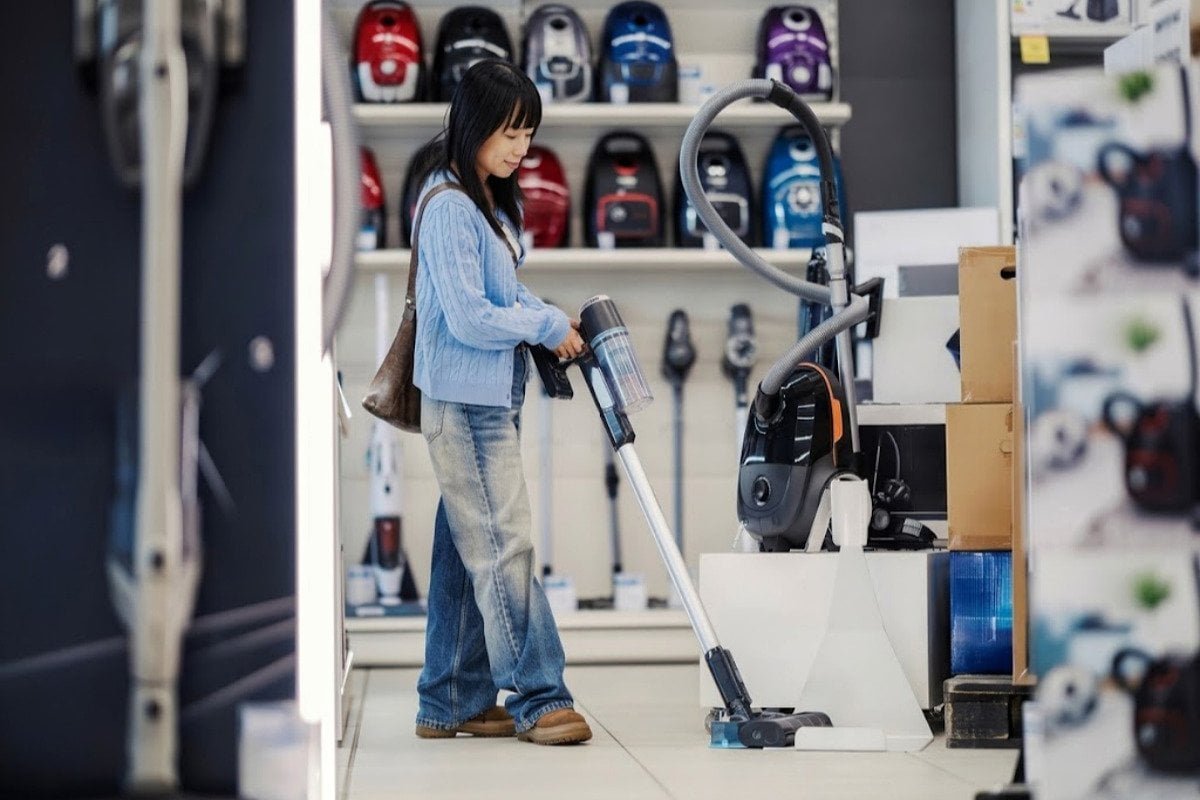
Dive Deeper: What sets your product apart?
Finding your niche shouldn’t be guesswork—start with what competitors are (and aren’t) offering:
- Design features. Does your target market prefer sleek minimalism or bright, functional products? Take note of regional aesthetics.
- Specific functionalities. Could your vacuum cleaners offer ultra-quiet operation for urban dwellers or better suction for fine dust in arid regions?
- Lifestyle alignment. Cordless vacuums for convenience-focused buyers or pet-friendly designs for households with pets?
Consumers aren’t just buying a product; they’re buying a solution—and sometimes a statement. Feature differentiation like a longer battery life, all-in-one cleaning modules, or washable HEPA filters[^4] can give you an edge.
And don’t forget branding speaks volumes. When competing against budget models or global players, your logo, product presentation, and consistency across the packaging and messaging become critical drivers of trust and attraction.
Selecting the Right OEM/ODM Partner: MOQ, Tooling, Certifications, and Quality Control
The foundation of your product is your manufacturing partner. When private labeling, this choice will determine not only your costs but also your product’s reliability and scalability.
What should you look for in a supplier?
Choose an OEM/ODM partner with experience in vacuum cleaner manufacturing, strong quality control processes[^5], and a flexible MOQ (minimum order quantity). Verify certifications like CE, RoHS, or FCC compliance[^6] to ensure legal market entry.
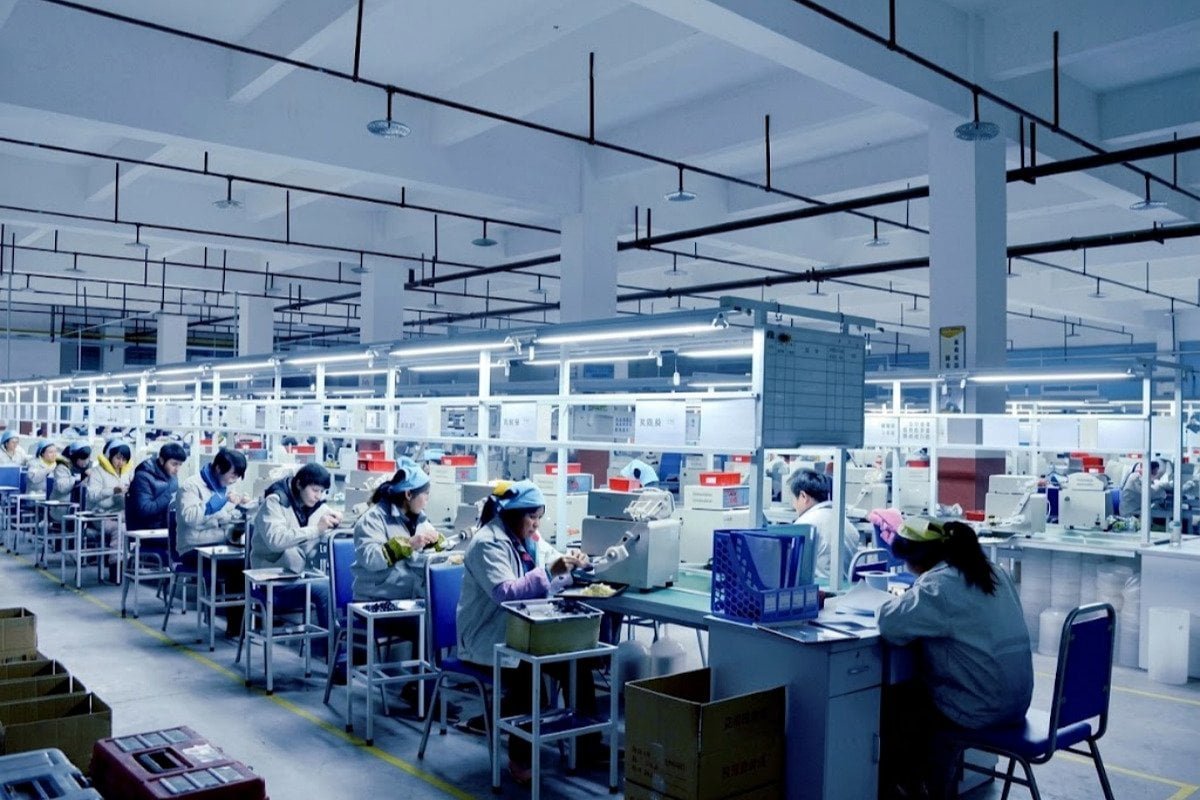
Dive Deeper: How to filter the right supplier?
Let’s break this process into three main steps:
-
Assess MOQs and Tooling Costs:
Different suppliers will have varying MOQ thresholds. While placing a small initial order to test the market is appealing, expect higher costs for smaller runs. Tooling costs (if you need unique molds) can also add up, so factor these into your budget. -
Evaluate Certifications and Testing Protocols:
Does the product meet the required regulatory standards in your markets? Buyers in the EU, US, or even developing markets often expect safety and performance certifications like CE, UL, or energy efficiency ratings. Request testing reports and ask about third-party audits. -
Negotiate Quality Control and Warranties:
Clearly outline the QC process during production and pre-shipment. Ask for regular updates, inspection reports, and flexibility for your specifications, especially if you want to customize certain features like motor power or dustbin size.
A common mistake I’ve seen among newcomers is underestimating the importance of QC. Skimping on quality control may lower initial costs, but it’s a recipe for warranty issues, negative reviews, and lost customers later.
Packaging, Compliance, and After-Sales Strategy: Protecting Your Margins and Star Ratings
After your product checks all the functional boxes, the last thing you want is logistical, regulatory, or marketing hurdles draining your energy—and profits.
Why are packaging and compliance critical?
Well-designed packaging not only protects the product but also reinforces brand trust. More importantly, improper compliance or weak after-sales support can damage your reputation irreversibly.
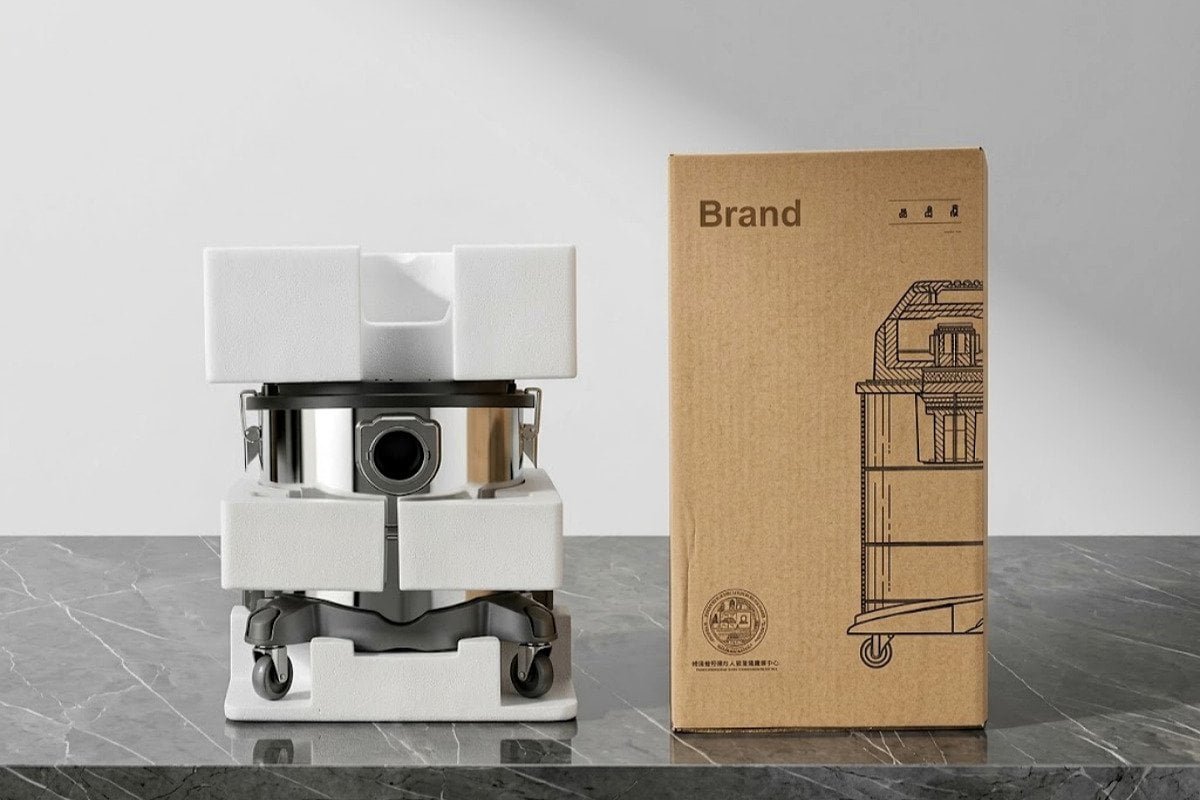
Dive Deeper: Steps to safeguard your margins & reviews
-
Packaging that Adds Value:
Use eco-friendly materials[^7] and provide clear, multilingual user manuals tailored to local markets. Smart packaging should reduce shipping risks but also make your product visually irresistible on the shelf or website. -
Regional Compliance Isn’t Optional:
Different markets have different requirements. For example:- Electrical parameters (voltage, plug type, power limits)
- Energy ratings and eco-labels in the EU or US
- Waste disposal and recycling laws for appliances
Ignoring these can lead to rejected shipments or even legal trouble. Partner with professionals to verify compliance during product development.
- Plan Warranty and Support Mechanisms Early:
A short warranty policy—or worse, no service contact[^8]—can frustrate customers and harm your online reviews. Outsourcing customer support or providing an easy return process can protect star ratings and improve trust. Proactive after-sales support costs less compared to recovering a damaged reputation.
Frequently Asked Questions
How much budget do I need to start a private label vacuum cleaner brand?
You should plan for an initial investment of at least $50,000–$100,000 considering MOQs, tooling, compliance fees, marketing, and inventory. This depends on order volume and the market tier you’re targeting (value vs premium buyers).
Can I compete with established global vacuum cleaner brands?
Yes, but your success rests on differentiation. Focus on niche markets or unique features they don’t prioritize. Competing head-on with big players on price is a losing battle without significant volume.
How long does it take to launch my first product?
Expect a timeline of 4–6 months from supplier selection to first shipment. Factors like tooling customization, certifications, and supply chain delays can extend this timeline.
Conclusion
Starting a private label vacuum cleaner brand requires more than slapping your logo on an OEM product. You need strategic market positioning, a reliable manufacturing partner, and thoughtful planning around compliance, packaging, and after-sales support. Each step, though challenging, sets the stage for long-term growth and differentiation in the competitive market.
Ready to bring your vacuum cleaner brand to life? Let’s talk about how I can help you navigate this journey effectively and set you up for success.
[^1]: "Private label brands: Benefits, success factors and future ...", https://www.academia.edu/4032360/Private_label_brands_Benefits_success_factors_and_future_research. Research on private label branding suggests that differentiation through unique features or market positioning is critical for long-term success, as price competition often leads to unsustainable margins and weak brand loyalty. Evidence role: general_support; source type: research. Supports: Price competition alone is insufficient to establish a lasting brand identity in competitive markets.. [^2]: "Asia Pacific Household Vacuum Cleaners Market Size, 2034", https://www.marketdataforecast.com/market-reports/asia-pacific-household-vacuum-cleaners-market. Studies on consumer preferences in Southeast Asia indicate a demand for lightweight and durable appliances that can handle humid conditions effectively. Evidence role: general_support; source type: research. Supports: Lightweight and humidity-resistant vacuum cleaners align with consumer needs in Southeast Asia.. Scope note: Specific preferences may vary across countries within the region. [^3]: "Achievements of Energy Efficiency Appliance and ...", https://www.oecd.org/content/dam/oecd/en/publications/reports/2021/10/achievements-of-energy-efficiency-appliance-and-equipment-standards-and-labelling-programmes_e2390396/28f0bb11-en.pdf. Market research in Europe highlights a growing demand for eco-friendly and low-noise household appliances, reflecting consumer priorities for sustainability and comfort. Evidence role: general_support; source type: research. Supports: European consumers show a preference for quieter and eco-friendly vacuum cleaner models.. Scope note: Preferences may differ between Western and Eastern European markets. [^4]: "Best Robot Vacuums 2023 - Surprising Results! - 90+ Tested", https://www.youtube.com/watch?v=ccFspGr1SIQ. Consumer surveys indicate that practical features like extended battery life and washable HEPA filters are key differentiators in the vacuum cleaner market. Evidence role: general_support; source type: research. Supports: Features such as longer battery life, all-in-one cleaning modules, and washable HEPA filters are valued by consumers.. Scope note: The appeal of these features may vary by demographic and region. [^5]: "Automated Quality Control in Manufacturing Production Lines", https://scholarworks.utrgv.edu/cgi/viewcontent.cgi?article=1947&context=etd. Studies on manufacturing partnerships emphasize that robust quality control measures reduce defect rates and enhance brand reputation. Evidence role: general_support; source type: research. Supports: Strong quality control processes are critical for ensuring product reliability and customer satisfaction.. [^6]: "Description for 3635: Household Vacuum Cleaners", http://www.osha.gov/sic-manual/3635. Government guidelines outline that CE, RoHS, and FCC certifications are mandatory for electronic products in the EU and US markets, ensuring safety and environmental compliance. Evidence role: general_support; source type: government. Supports: Certifications such as CE, RoHS, and FCC are often required for legal market entry in specific regions.. Scope note: Certification requirements may vary for other regions or product categories. [^7]: "Sustainable Paper-Based Packaging: A Consumer's Perspective", https://pmc.ncbi.nlm.nih.gov/articles/PMC8151435/. Studies on packaging trends show that eco-friendly materials improve brand perception and appeal to environmentally conscious consumers. Evidence role: general_support; source type: research. Supports: Eco-friendly packaging enhances product value and aligns with consumer preferences for sustainability.. Scope note: The impact may vary depending on the target demographic and region. [^8]: "How Online Reviews Influence Sales", https://spiegel.medill.northwestern.edu/how-online-reviews-influence-sales/. Research on consumer behavior indicates that comprehensive warranty policies improve customer trust and reduce negative reviews. Evidence role: general_support; source type: research. Supports: Short or absent warranty policies negatively impact customer satisfaction and online reviews..
Related Posts
How to Evaluate a Robotic Pool Cleaner Sample Before Mass Production?
# How to Evaluate a Robotic Pool Cleaner Sample Before Mass Production? When assessing a robotic pool cleaner sample before…
How to Measure Pool Skimmer Cleaning Coverage in a Repeatable Test?
# How to Measure Pool Skimmer Cleaning Coverage in a Repeatable Test? [Pool skimmer cleaning coverage is one of the…
What Warranty Terms Should Buyers Compare for Robotic Pool Cleaners?
# What Warranty Terms Should Buyers Compare for Robotic Pool Cleaners? When buying robotic pool cleaners, warranty terms can heavily…
Leave a Reply