
Self Emptying Robot Vacuums Are They Worth It?
Self Emptying Robot Vacuums Are They Worth It?
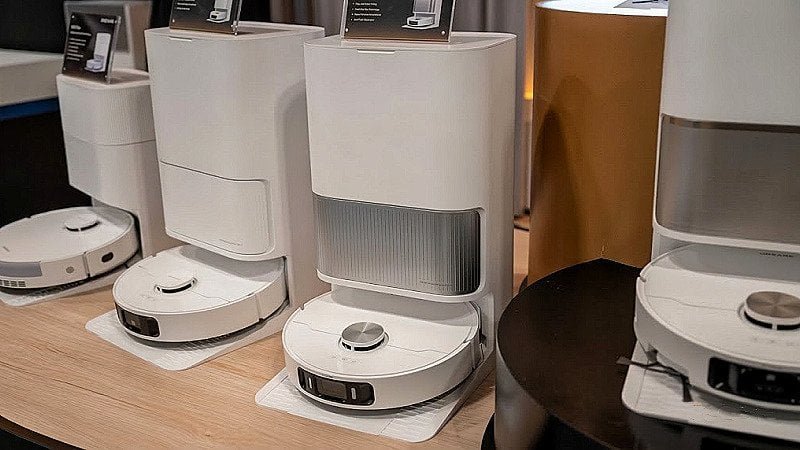
Self-emptying robot vacuums promise a new level of cleanliness and convenience. The idea is simple: no more bending down to empty the dustbin after each use. But are they really worth the investment? For many buyers — including retailers and importers working with smart appliances — the answer depends on balancing convenience against cost and understanding real-world use cases.
Yes, self-emptying robot vacuums are worth it for households prioritizing minimal intervention and cleaner air. However, they involve higher upfront costs, periodic consumables, and ongoing maintenance. Buyers must weigh these factors against their cleaning habits and living space.
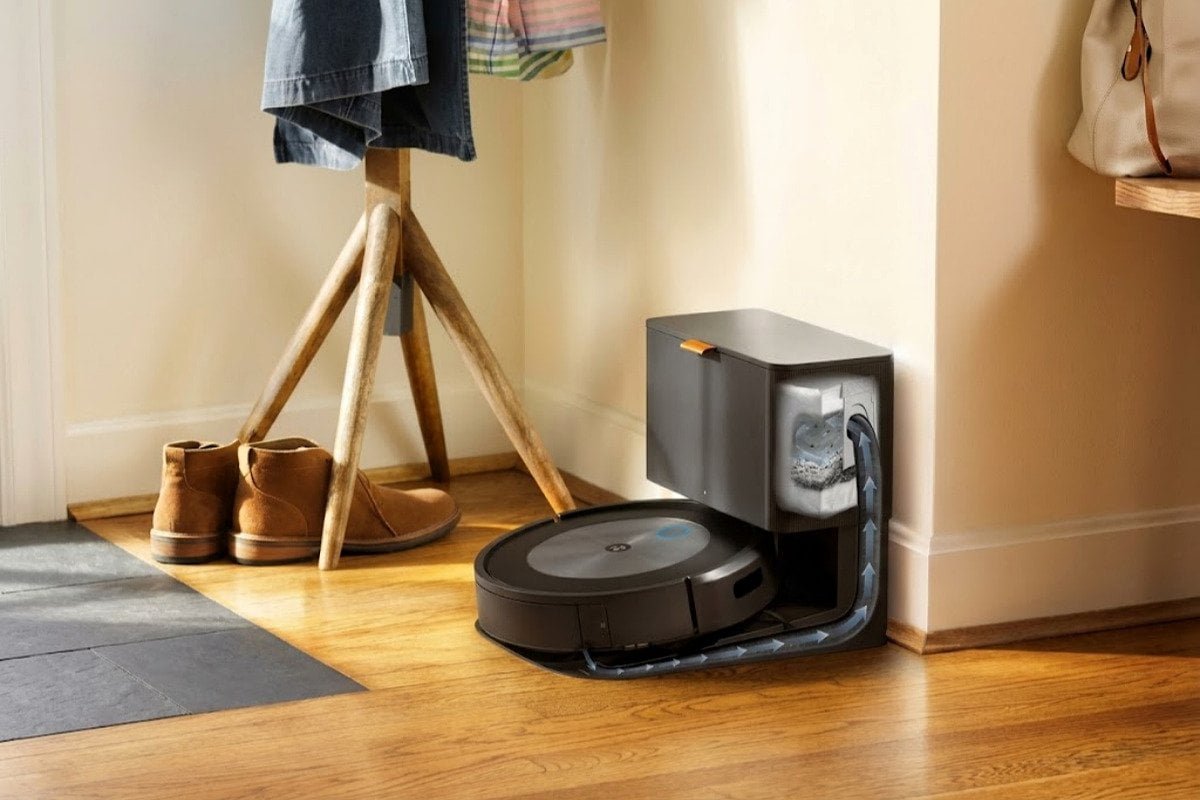
Self-emptying technology represents one of the biggest innovations in robotic cleaning[^1], but it deserves a closer look. Let’s dive into what you’re paying for, how the tech works, and whether the long-term ROI justifies the upfront spend.
Hands-Free Convenience vs. Upfront Cost: What You’re ACTUALLY Paying For?
Wouldn’t it be great if cleaning felt like magic? Self-emptying robot vacuums come close, emptying their built-in bins into a disposable bag or canister. But convenience always comes at a price.
Self-emptying models eliminate regular manual dustbin emptying, offering unmatched convenience. However, expect premium price tags, typically 30–50% more than standard robot vacuums[^2].
Breaking Down the Price Premium
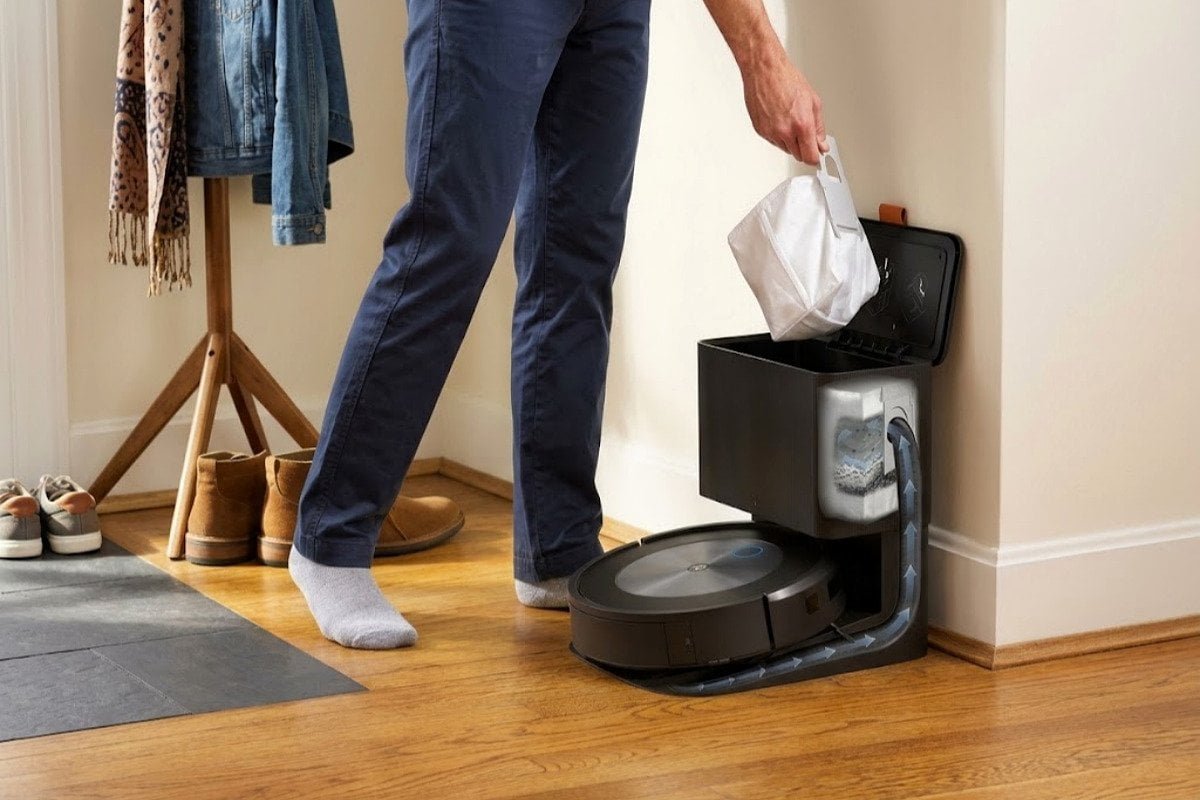
When you buy a self-emptying robot vacuum, you’re paying for tangible convenience and smart design. Instead of manually emptying small bins after each cleaning cycle, you can go weeks without touching the dock, as most systems allow storage of up to 30–60 days' worth of dust. The cost often includes:
- An auto-empty dock station with strong suction for transferring debris.
- Disposable bags or washable containers to collect what the robot gathers.
- Premium features like advanced app control, mapping, and smart sensors.
For retailers, the higher price represents added value for tech-savvy consumers but may alienate customers in price-sensitive markets. Understanding your audience (and their cleaning frustrations) is key to pitching these robots effectively.
Why Convenience Aligns with Certain Demographics
Many premium users find value in fully automated systems. They appreciate time savings and the dust-free disposal, especially families with allergies or large households[^3]. In contrast, first-time buyers on tighter budgets usually find manual-bin options more appealing. If you sell in diverse regions, consider stocking a mix of both.
The Mechanics of Auto-Empty Docks: Suction Power, Bag Sealing, and Dust Containment?
Self-emptying vacuums aren’t just about adding a fancy dock—they rely on a complex integration of suction mechanics and filtration systems. But what’s really happening when your robot visits its dock?
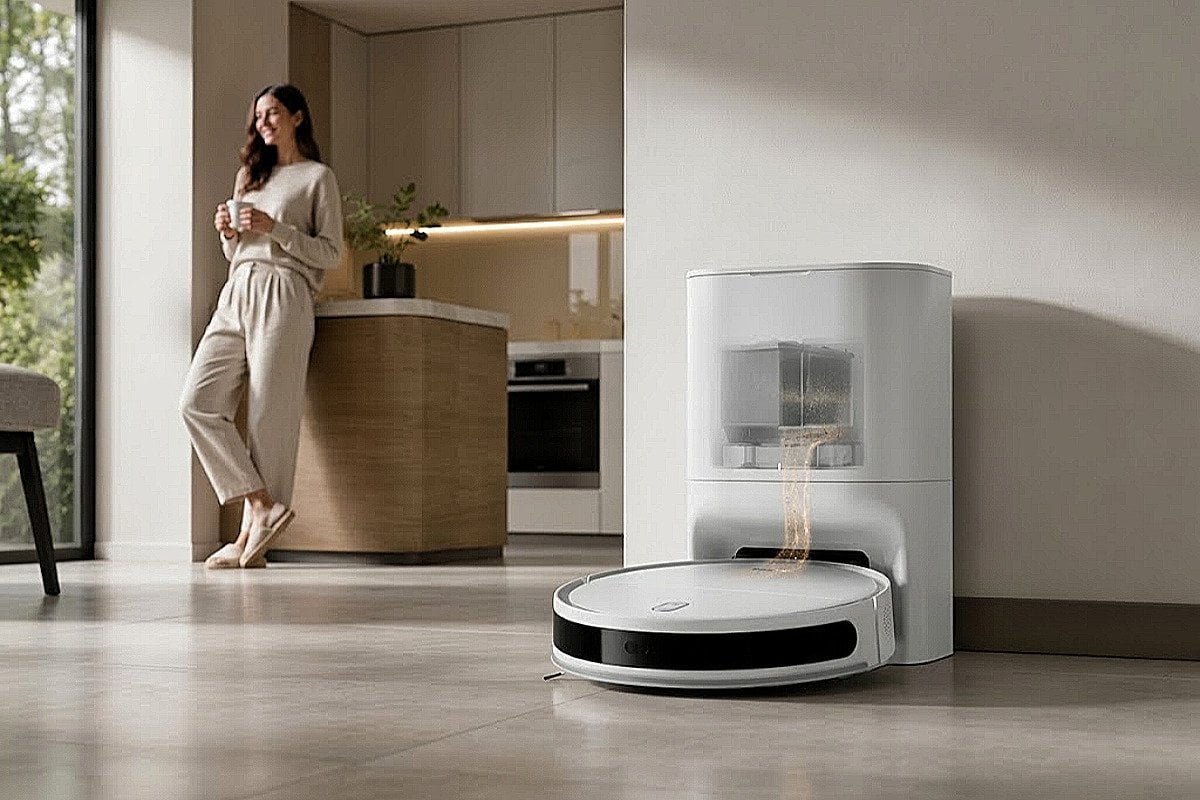
Auto-empty docks use powerful suction to extract debris from the robot’s bin into a larger, sealed bag or container, minimizing dust emissions during the process[^4].
How the System Works
- Dock Suction Power: The dock's motor activates a vacuum-like suction mechanism to empty the robot bin. Higher-end docks promise faster and more efficient extraction.
- Sealed Dust Bags: Filters or disposable bags trap dust securely, preventing particles from escaping into the air—a big win for homes with allergy concerns.
- Dust and Air Containment: Some advanced units combine HEPA filtration for capturing microparticles, preventing allergens or fine dust from recirculating.
Potential Points of Failure
If not properly designed, some docks struggle with clogs in the suction tube or inefficiency with larger debris like pet fur. It’s one reason why home appliance brands need thorough reliability testing before selecting suppliers. We’ve seen customer complaints rise when poor design leads to repeated cleanings of the dock assembly itself. Buyers should prioritize proven models with established reputations.
If you're sourcing these units as an importer or identifying brands for retail, ask manufacturers about real-life failure rates, particularly with pet hair and long strands of dirt, which often challenge the suction system.
Maintenance, Consumable Costs, and RMA Protection: The Long-Term ROI for Buyers and Brands?
Here’s the other side of the coin. Self-emptying robot vacuums offer convenience, but they’re far from maintenance-free. Higher upfront costs aside, they require ongoing investment in consumables and higher standards for after-sales servicing.
Over time, consumables like disposable bags (or filters if using non-bag models)[^5] and occasional part replacements increase the operating cost. Analysis shows brand reputation and long-term spare part availability are key to consumer satisfaction.

Cost of Consumables
Most self-emptying vacuums rely on dust bags for containment. For mid-tier models, bags need replacement every 4–8 weeks depending on usage. Average cost? Around $10–20 per bag. Washable alternatives exist but may require frequent cleaning (defeating the “hands-free” idea).
Beyond bags, regular upkeep includes filter replacement, brush maintenance, or recharging dock motors. Smart buyers will:
- Research compatible consumable availability.
- Prioritize units with washable or long-life components.
For importers and distributors, focusing on models with affordable consumables often drives better long-term retention among your retailer and end-user customers.
RMA and Reliability Claims
Higher failure rates for self-emptying vacuums have been reported due to the complexity of additional moving parts and electronics. Retailers often deal with RMAs for:
- Suction seal inconsistencies across the dock bin and robot.
- Dock breakdowns related to wear and tear or poor motor quality.
As a seller, having clear warranty claims data[^6] and supplier-assured quality checks is crucial. Consider brands offering replacement guarantees and ensuring parts like docks are easy to repair or replace without overcomplicating customer service.
Frequently Asked Questions
Are self-emptying vacuums better for allergies?
Yes, they significantly reduce dust exposure[^7] by transferring collected debris into sealed bags or containers. Homes with allergy sufferers can benefit from better air quality during disposal.
Are consumables expensive for self-emptying systems?
Consumables like dust bags can cost $10–20 each and are replaced every 1–2 months. Washable-bin models lower costs but require frequent upkeep.
Do these vacuums face higher failure rates?
Yes, the mechanical complexity of auto-empty docks increases potential for breakdowns. Opt for reputable brands with reliable parts and warranty support.
Conclusion
Self-emptying robot vacuums are worth considering for households or buyers prioritizing hands-free convenience, minimal dust exposure, or allergy protection. Yet, their higher upfront costs, consumable expenses, and maintenance needs mean they’re not a “set-it-and-forget-it” solution. Brands or importers catering to multiple demographics should tailor recommendations based on budget, practicality, and household needs.
If you’re evaluating robotic cleaners for retail or personal use, focus on established manufacturers, robust dock designs, and transparent after-sales support. Ready to find the perfect model? Let’s help you make an informed choice!
[^1]: "Robotic vacuum cleaner", https://en.wikipedia.org/wiki/Robotic_vacuum_cleaner. Self-emptying technology is often highlighted as a key advancement in robotic vacuum design, particularly for its impact on user convenience and dust management. However, its significance depends on user priorities compared to other features like mapping or suction power. Evidence role: historical_context; source type: encyclopedia. Supports: Self-emptying technology as a major innovation in robotic cleaning.. Scope note: The importance of self-emptying technology may vary depending on individual use cases and preferences. [^2]: "Robot Vacuum VS Regular Vacuum: What To Choose?", https://www.ecovacs.com/us/blog/vacuum-robot-mop-vs-regular-vacuum. Market analysis shows that self-emptying robot vacuums are generally 30–50% more expensive than standard models, reflecting the added cost of docking systems and advanced features. Evidence role: statistic; source type: research. Supports: The price difference between self-emptying and standard robot vacuums.. Scope note: Pricing may vary by brand, model, and regional market conditions. [^3]: "Do Robot Vacuums Help with Allergies? A Game Changer ...", https://us.narwal.com/blogs/product/do-robot-vacuums-help-allergies?srsltid=AU7gw4WJS_jWWe3Ci9EztfQBT5rkbguSwK8e-CzfD2kzal95ZTSBvhfh. Research suggests that self-emptying vacuums reduce dust exposure during disposal, which can benefit allergy sufferers and households with high cleaning demands. Evidence role: general_support; source type: research. Supports: The benefits of self-emptying vacuums for allergy sufferers and large households.. Scope note: The effectiveness may depend on the specific model and household conditions. [^4]: "Is a Self-Emptying Robot Vacuum Worth It?", https://us.narwal.com/blogs/product/self-emptying-robot-vacuum?srsltid=AU7gw4Wvmzr9P4sH6bW3MWODdcIbSFxzajSObcOL6-eiYhryLLrFJkXp. Studies on self-emptying vacuums indicate that sealed systems and HEPA filters effectively reduce dust emissions during the emptying process. Evidence role: mechanism; source type: research. Supports: The ability of auto-empty docks to minimize dust emissions.. Scope note: Performance may vary by model and filter quality. [^5]: "Avoiding consumables? : r/RobotVacuums", https://www.reddit.com/r/RobotVacuums/comments/1mdh2ex/avoiding_consumables/. Consumables like disposable bags and filters typically cost $10–20 per unit and require replacement every 4–8 weeks, depending on usage. Evidence role: statistic; source type: research. Supports: The recurring cost of consumables for self-emptying vacuums.. Scope note: Costs and replacement frequency may vary by model and household usage. [^6]: "Should I Buy Extended Warranty On Robot Vacuum?", https://www.ecovacs.com/us/blog/robot-vacuum-extended-warranty. Warranty claims data is critical for managing customer expectations, especially for self-emptying vacuums, which may face higher repair rates due to their complexity. Evidence role: case_reference; source type: research. Supports: The importance of clear warranty claims data for self-emptying vacuums.. Scope note: The relevance of warranty claims may depend on the retailer's target market and product range. [^7]: "Do You Really Need a Self-Emptying Robot Vacuum? Best ...", https://ca.narwal.com/blogs/product/need-self-emptying-robot-vacuum?srsltid=AU7gw4WkG2Ukm726btqUsSNfeSkUyaqKYJLYFF5SG1GT_WyihpP7KKka. Self-emptying vacuums are designed to reduce dust exposure by transferring debris into sealed containers, as supported by studies on dust containment systems. Evidence role: mechanism; source type: research. Supports: The reduction of dust exposure during disposal with self-emptying vacuums.. Scope note: The degree of dust reduction may vary by model and usage conditions.
Related Posts
How to Evaluate a Robotic Pool Cleaner Sample Before Mass Production?
# How to Evaluate a Robotic Pool Cleaner Sample Before Mass Production? When assessing a robotic pool cleaner sample before…
How to Measure Pool Skimmer Cleaning Coverage in a Repeatable Test?
# How to Measure Pool Skimmer Cleaning Coverage in a Repeatable Test? [Pool skimmer cleaning coverage is one of the…
What Warranty Terms Should Buyers Compare for Robotic Pool Cleaners?
# What Warranty Terms Should Buyers Compare for Robotic Pool Cleaners? When buying robotic pool cleaners, warranty terms can heavily…
Leave a Reply